


Food Processing for the Food Service Industry and Commercial Kitchens
Food processing equipment helps food service establishments cut, peel, blend, portion, vacuum-seal, and prepare food. It helps organize workflows in the kitchen, prep area, and serving area more efficiently, hygienically, and consistently. Food Processing Guide »
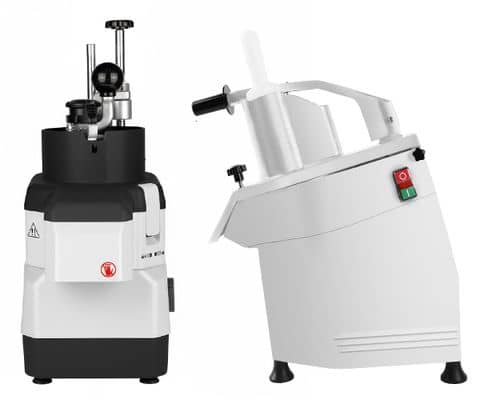
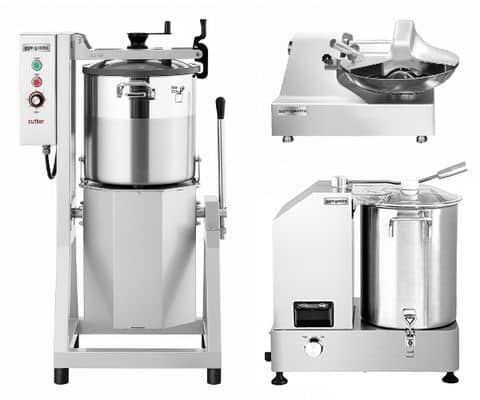
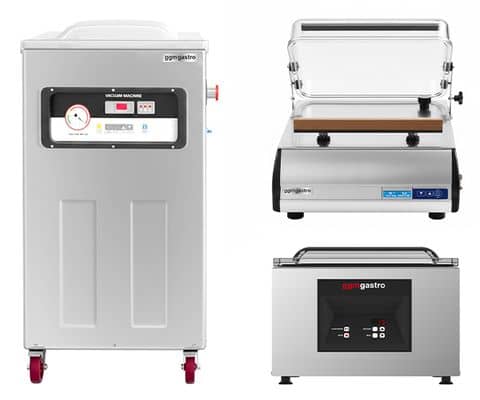
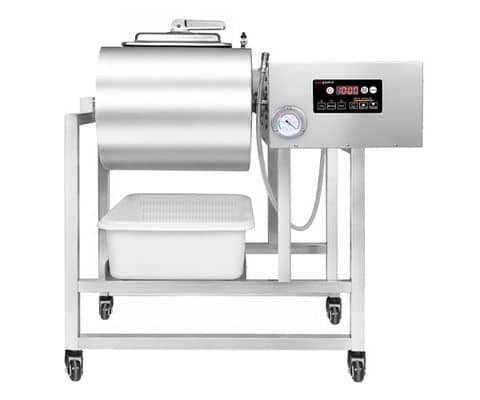
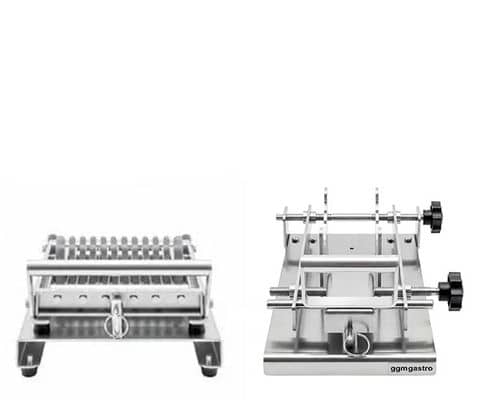
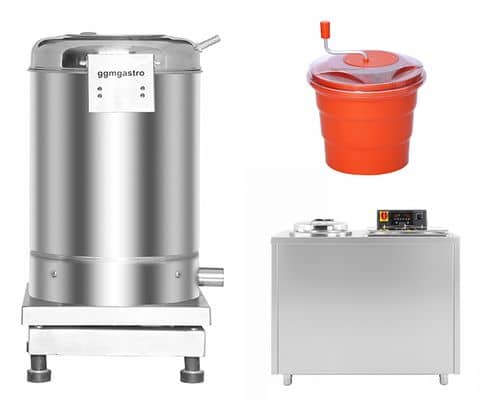
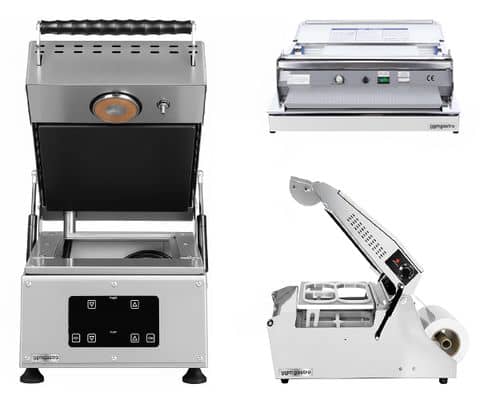
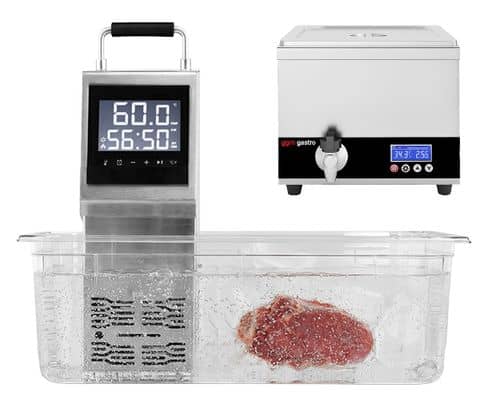
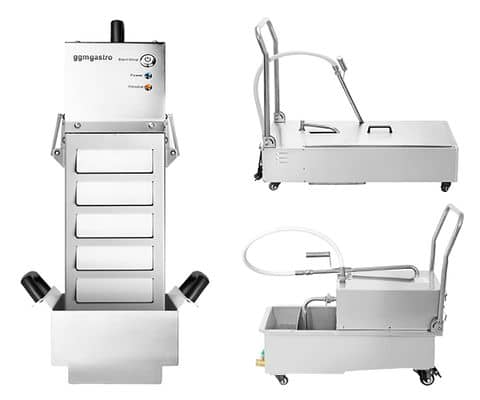
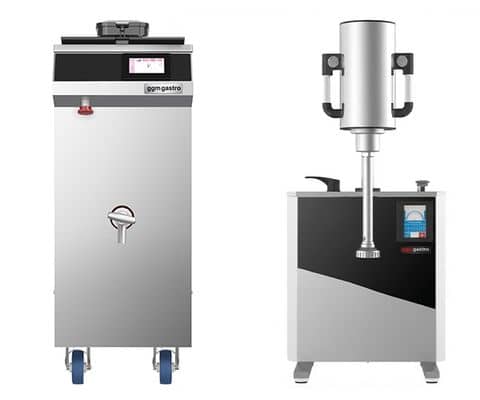
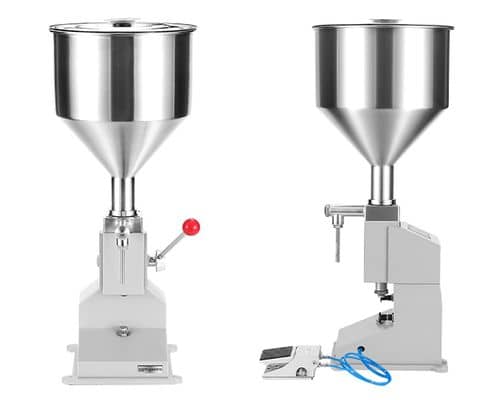
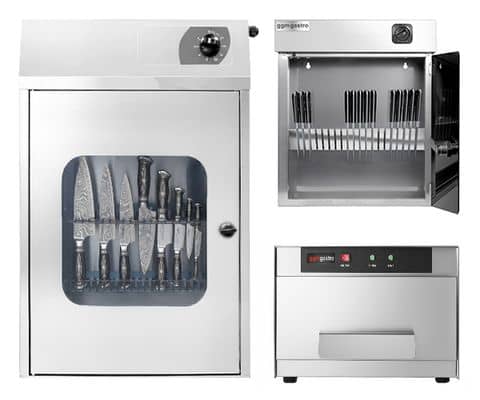

Food Processing as the Foundation for Structured Kitchen Workflows
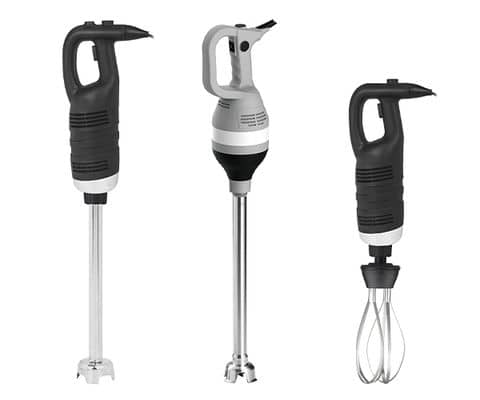
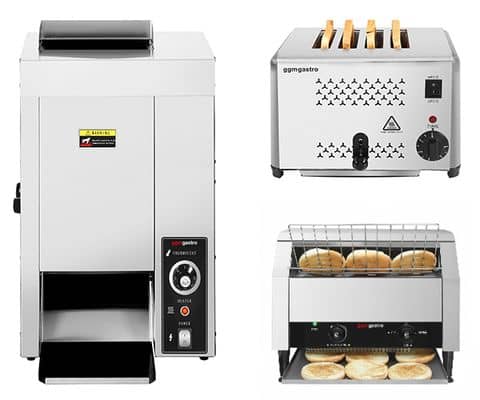
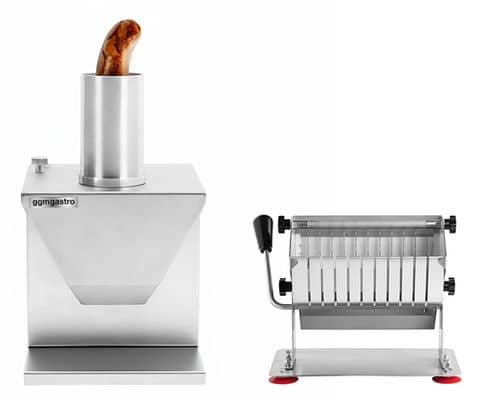
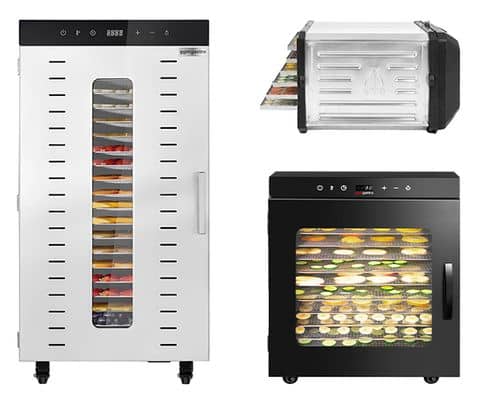
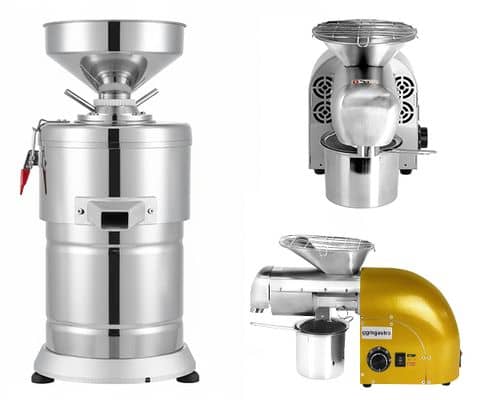
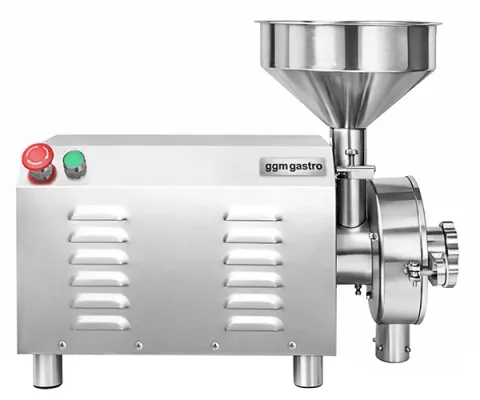
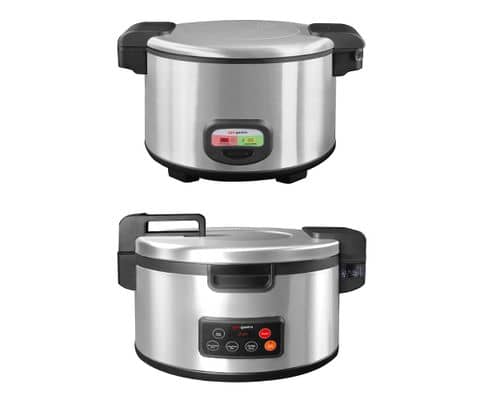
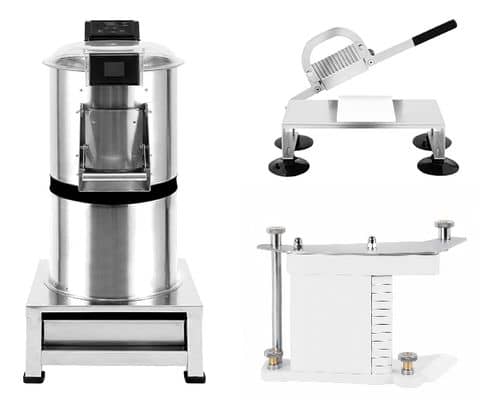
In the food service industry, food processing refers to all the steps involved in preparing ingredients before cooking, serving, packaging, or storing them. These include, among other things, cutting, grating, peeling, blending, chopping, vacuum-sealing, sealing, dehydrating, spinning, and portioning.
In professional kitchens, this area is not a secondary task but rather part of the daily production workflow. A vegetable slicer streamlines preparation, a food processor ensures uniform consistency, a vacuum sealer supports storage and mise en place planning, and a salad spinner improves the handling of delicate produce. These products are essential for restaurants, snack bars, hotels, catering companies, cafeterias, bistros, cafés, and production kitchens that need to prepare ingredients regularly with consistent quality.
It’s not just about which appliance performs a single task. What matters is how it fits into the workflow: How much produce is processed per day? Is work done in small batches or at high throughput? Is the appliance permanently stationed at a prep station, or does it need to be used flexibly? These very questions determine whether a tabletop model is sufficient or whether a more powerful freestanding model makes more sense.
Planning Food Processing: Accurately Assessing Capacity, Space, and Workflow Paths
Well-chosen food-processing equipment shortens workflows and reduces unnecessary manual labor. During prep before the lunch rush, for example, it’s important to be able to quickly cut vegetables, cheese, herbs, or potatoes into uniform pieces. In the evening kitchen, it’s important to be able to mix or chop sauces, fillings, or creams consistently. In catering and institutional food service, larger quantities, container organization, and predictable portioning take center stage.
In practical terms, every appliance should fit the existing workspace. Dimensions, footprint, working height, and access to ingredients are just as important as power output or capacity. For electric appliances, it’s important to check in advance whether a 230-V connection is sufficient or if a 400-V connection is required for higher power. Interchangeable blades, cutting discs, container sizes, chamber dimensions for vacuum sealers, and the maximum filling capacity of cutters also influence everyday usability.
A quick checklist can help with the selection:
- What foods are processed daily: vegetables, cheese, potatoes, dough ingredients, liquids, or pre-packaged portions?
- What is the volume of food processed during the busiest preparation phase or peak hours?
- Does the appliance fit the available counter space, work height, and connection type?
- Can the blades, containers, lids, and surfaces that come into contact with food be cleaned quickly?
- Will the appliance be used regularly, or is it needed only for specific, one-off applications?
Hygiene, Cleaning, and Durability in Commercial Use
Food-processing equipment comes into direct contact with food. Therefore, hygienic surfaces, durable materials, and ease of cleaning are key selection criteria. Stainless steel, smooth surfaces, easily removable containers, accessible blade areas, and sturdy controls make daily maintenance easier. In facilities dealing with grease, moisture, cleaning chemicals, and heavy use, practicality for everyday use is more important than the widest possible range of functions.
Ease of use also affects process reliability. In many kitchens, teams with varying levels of experience work together. Clear functions, safe switches, easily recognizable fill lines, and easily interchangeable accessories help reduce errors and ensure reliable operations. This is especially true for appliances that are used frequently during short preparation windows, such as vegetable cutters, hand blenders, potato peelers, or vacuum sealers.
Thinking Economically: Food Processing as a Lever for Stable Operations
The right food-processing equipment can help make better use of working hours, standardize preparation, and ensure consistent service quality. Uniform slices, defined portions, and neatly prepared ingredients simplify serving and reduce rework. This is particularly important when staff is limited, peak hours are tightly scheduled, or multiple employees are performing the same tasks.
The investment should therefore not be evaluated based solely on the purchase price. Cleaning requirements, wear parts, accessories, floor space, connection requirements, and actual usage per operating day are all factors in the decision. A machine that reduces bottlenecks on a daily basis can make more business sense than a rarely used specialized solution with a wide range of functions.
Smart Combinations: From Prep Station to Storage
Food processing works best when the equipment, workspace, and flow of goods are well-coordinated. A vegetable cutter requires a stable work surface, containers for prepared produce, and short distances to the next stage of processing. Vacuum sealers operate more efficiently when portioning, labeling, and production-line cooling are factored into the design. Appropriate stainless steel furniture is a sensible addition for hygienic and durable prep areas. After processing, knives, containers, and accessories should be able to be returned to the washing and cleaning area without having to travel long distances.
This transforms individual appliances into a cohesive workspace: ingredients arrive in an organized manner, are processed appropriately, stored hygienically, and reused without detours. This supports a kitchen that operates calmly, efficiently, and economically—even during periods of high volume.