


Potato Peelers & Potato Slicers for the Food Service Industry and Commercial Kitchens
Professional potato peelers and slicers make it easier to prepare large quantities of potatoes and ensure consistent results. Choose from electric and manual models designed for different capacities, cut sizes, and business sizes. Guide to Potato Peelers & Slicers »

Product type
Capacity
Price
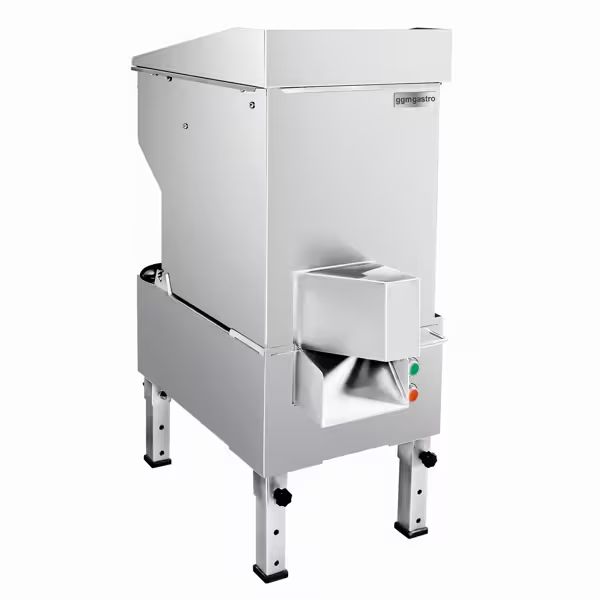
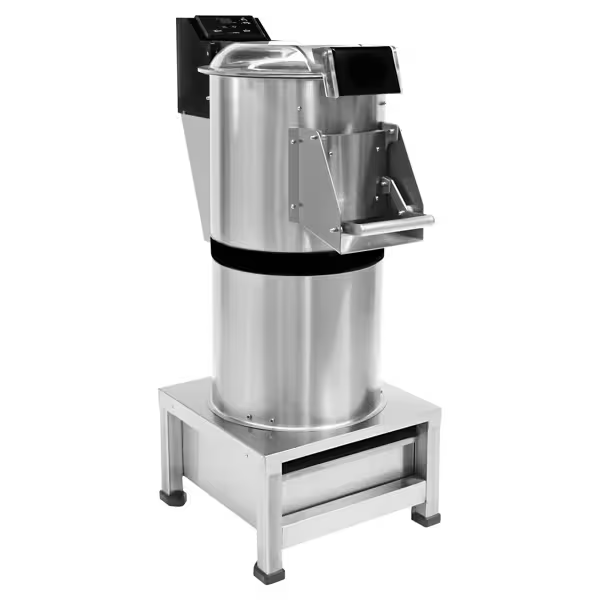
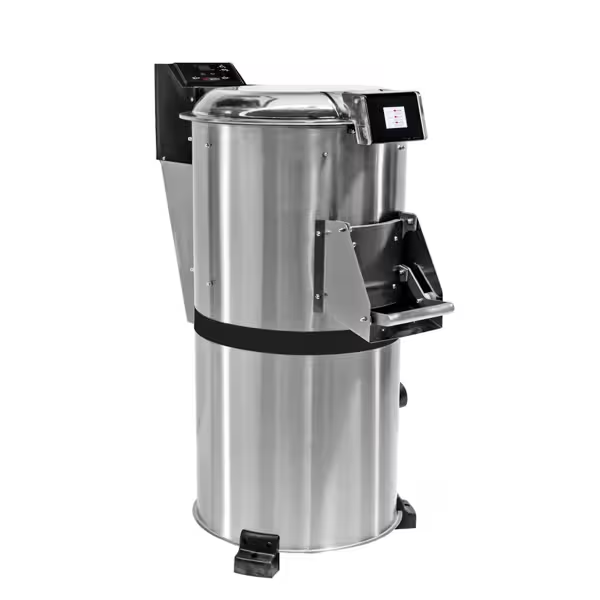
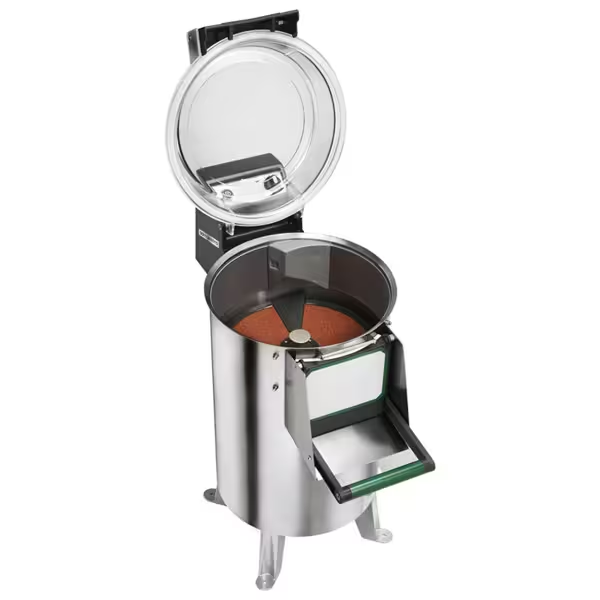
Prepare Potatoes Professionally and Streamline Processes
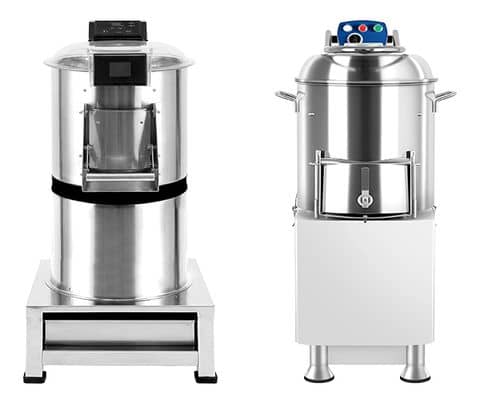
Potato peelers and potato cutters are commercial appliances designed for the quick, even preparation of large quantities of potatoes. They are primarily used in restaurants, snack bars, hotels, cafeterias, university dining halls, and catering companies where peeling or cutting regularly ties up time and staff.
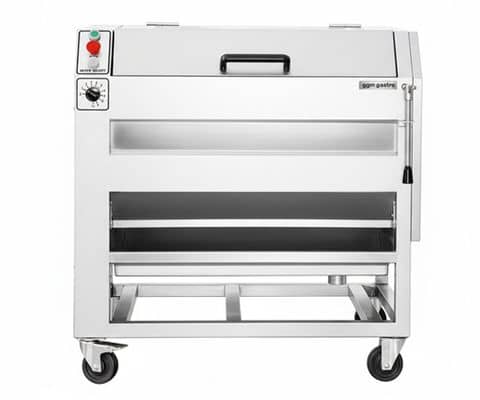
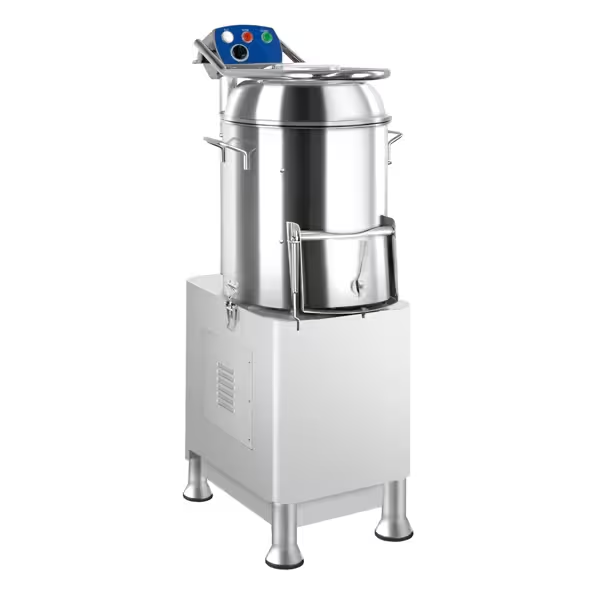
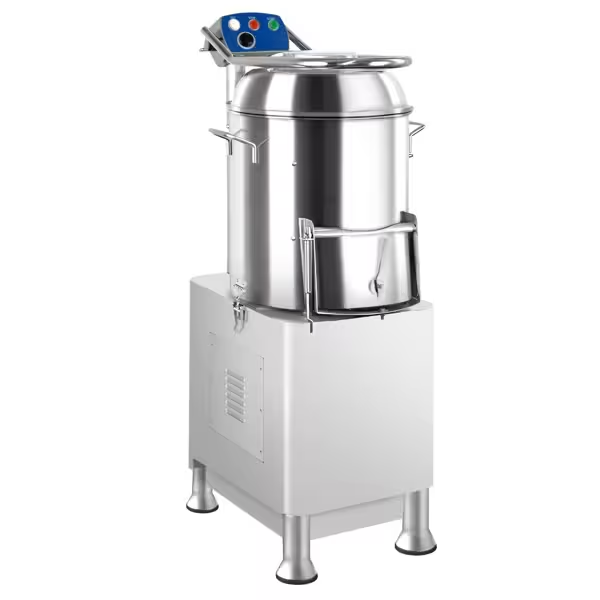
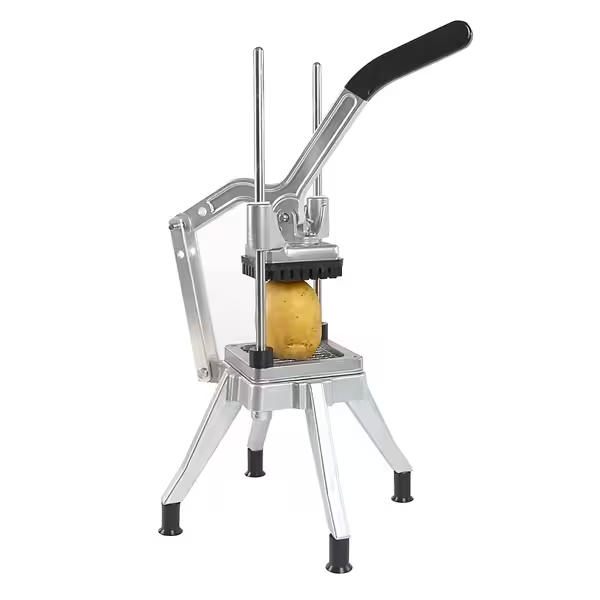
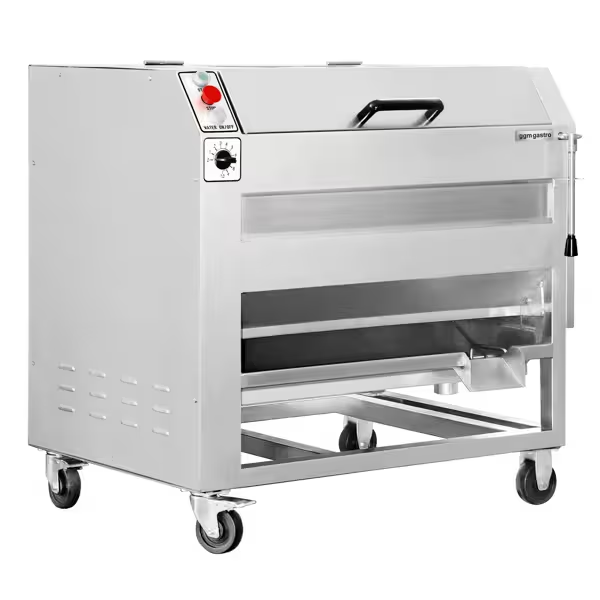
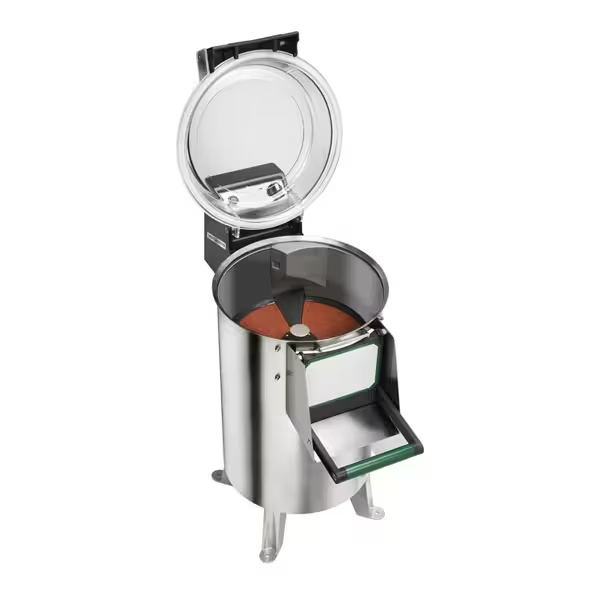
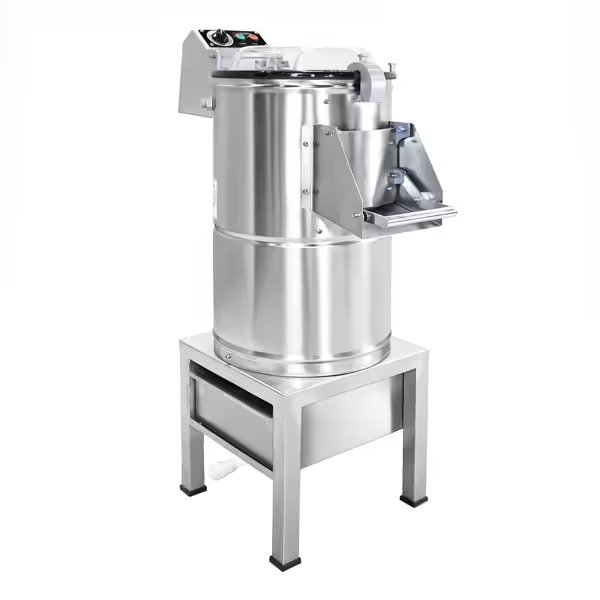
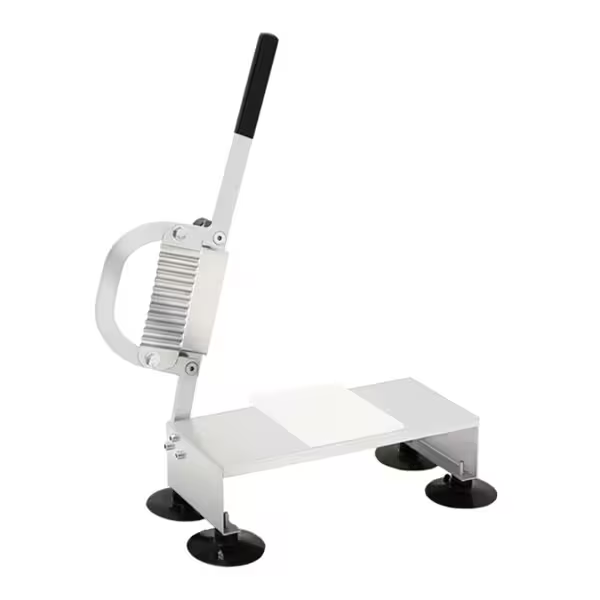
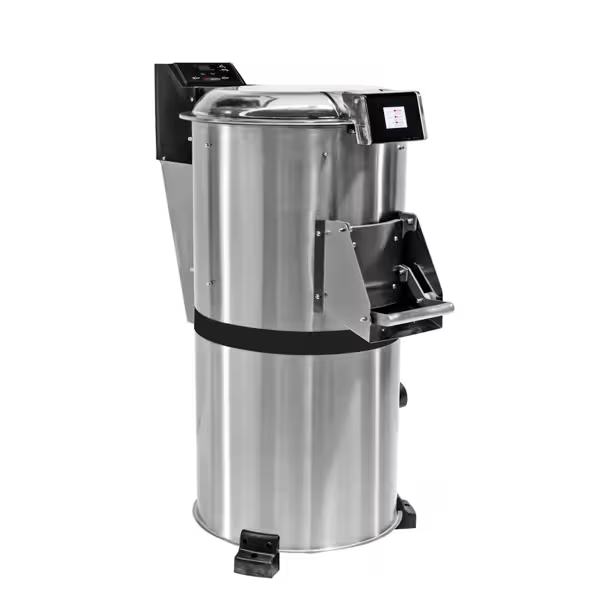
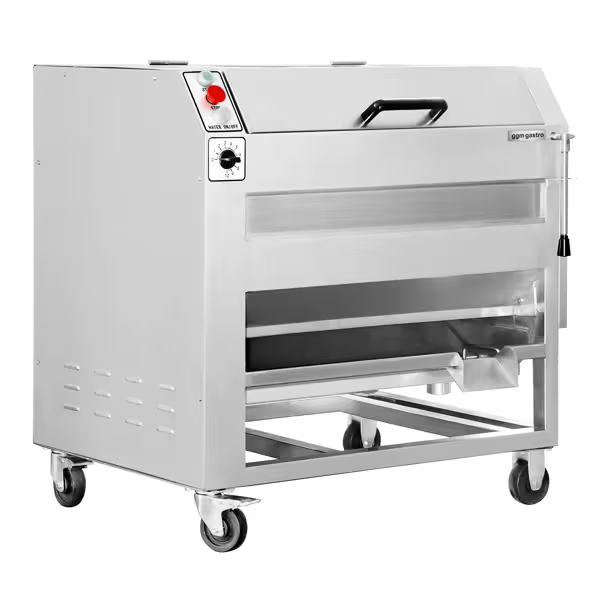
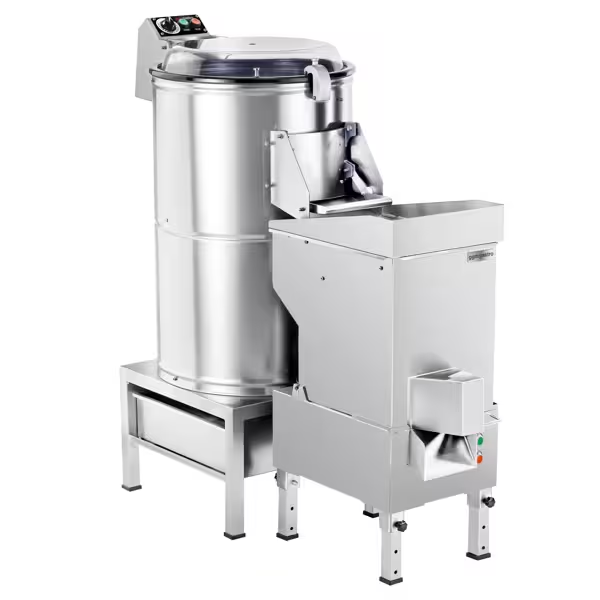
Electric potato peelers mechanically remove the skin in defined batches. Manual or electric potato cutters then shape the potatoes into uniform sticks, chips, or other cut shapes. This supports a predictable mise en place and reduces repetitive manual labor without unnecessarily complicating the entire preparation process.
Choose the capacity and device type that best suit your day-to-day operations
It’s not just the daily output that matters, but also the workload during the preparation phase. Depending on the model, compact potato peelers process about 10 kilograms per load, while larger models can handle up to about 30 kilograms. Hourly output in the product range varies from approximately 120 to 600 kilograms. For commercial kitchens or high-volume establishments, electric potato cutters with significantly higher throughput are also available.
A small snack bar with a simple menu can operate cost-effectively with a manual french fry cutter. In a cafeteria that prepares large quantities before the lunch service, however, an electric solution reduces the bottleneck between peeling, cutting, and further processing.
Quick Checklist for Selection:
• Required kilograms per batch and per peak hour
• Peeling, cutting, or both steps
• Manual or electric operation
• Desired french fry or chip size
• Available space, as well as electricity, water, and drain connections
For other cutting styles, such as slices, cubes, or shreds, the category of vegetable cutters and cheese graters remains clearly distinct.
Consider Connections, Floor Space, and Workflow Together
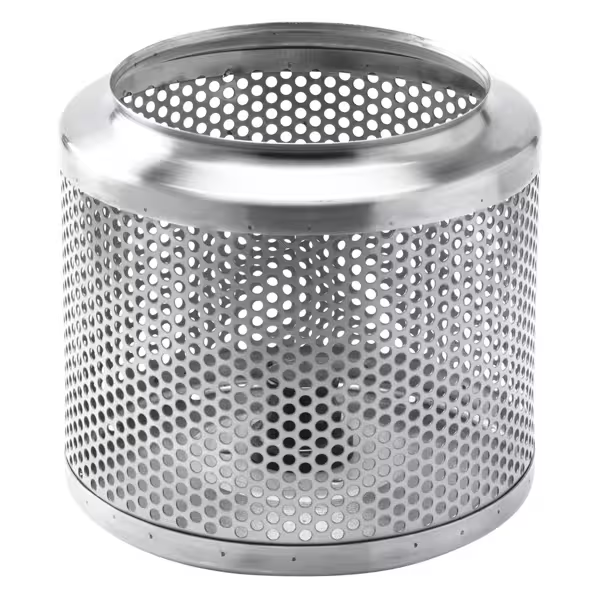
Depending on the model, potato peelers operate at 230, 380, or 400 volts and have a power consumption ranging from about 550 watts to 1.5 kilowatts. Before purchasing, therefore, consider the type of electrical connection, circuit protection, and installation location. Peeling machines also require a water supply, a drain, and, if necessary, a peel filter.
Ideally, the machine should be located where raw produce can be prepared, processed, and then passed on without any cross-contamination. Sufficient floor space for loading, unloading, and cleaning is just as important as the machine’s width. A sturdy work table or suitable stainless steel furniture creates a hygienic, durable environment and keeps containers and accessories within easy reach.
In small kitchens, every meter counts. There, a tabletop model can be a practical choice, provided the counter space and weight capacity are sufficient. In larger production areas, a floor-standing model facilitates the processing of large batches and integration into a fixed preparation line.
Consistent Results, Hygiene, and Cleaning in Everyday Life
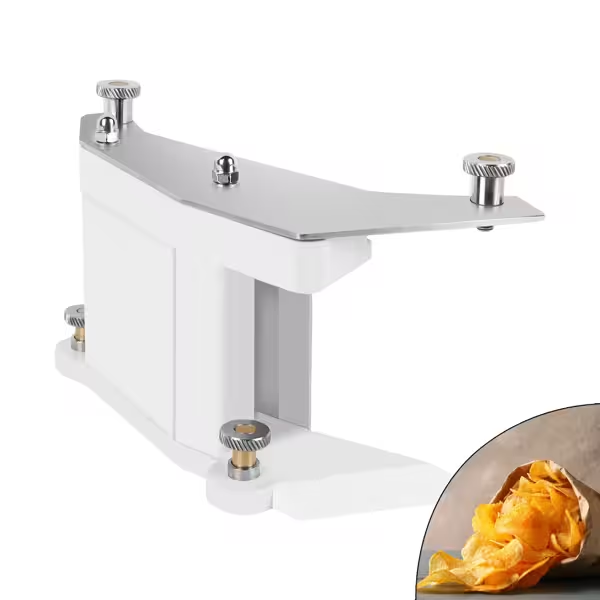
Depending on the cutter, different blade sizes are available for french fries and potato sticks, including, for example, 6.35, 9.53, or 12.7 millimeters. The selected slice thickness affects not only the appearance but also cooking time, portioning, and product yield. Accessories and blade inserts must therefore be compatible with the specific machine.
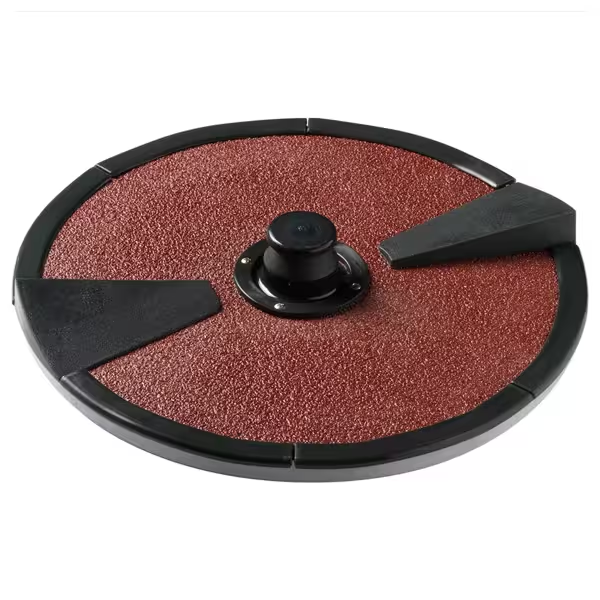
Sturdy stainless steel surfaces facilitate cleaning during daily use, even when exposed to moisture and mechanical stress. For peeling machines, easily accessible interior compartments, removable grating surfaces, and efficient drainage of water and peels are particularly important. Models with filters can help trap peels in the drain. After each use, grating residue, starch residue, and cut produce must be removed to keep the machine hygienic and ready for use.
For the subsequent cleaning of containers and work equipment, a thoughtfully arranged category such as sink units can help keep the workflow from the preparation area organized.
Cost-effectiveness results from proper integration
A potato peeler makes economic sense when its capacity matches the actual volume of work and the pace of operations. Machines that are too small result in additional processing runs and wait times. Oversized equipment, on the other hand, ties up space, power, and capital without being fully utilized on a day-to-day basis.
Well-integrated potato peelers and cutters support consistent processes, relieve the team of monotonous tasks, and simplify planning ahead of peak times. Consistent peeling and cutting results can also stabilize portioning and further processing.
The Right Solution for Your Business
For smaller quantities, compact and manual models are the primary choice. For consistently high volumes, batch size, hourly output, the filtration system, and electrical cutting power are more important factors. The key factor remains the combination of capacity, connections, cut format, cleaning, and available space. This allows you to choose a solution that reliably supports your daily workflow and fits into your operational concept over the long term.