


Cutters for the Food Service Industry
Cutters chop, mix, and puree ingredients quickly and evenly for professional food preparation in restaurants, hotels, catering, and institutional kitchens. They help ensure consistent results for sauces, stuffings, pesto, hummus, fillings, vegetables, herbs, meat, or fish. Cutter Guide »



Product type
Capacity
Cutting capacity per day
Width of the Interior
Depth Interior
Height Interior
Price
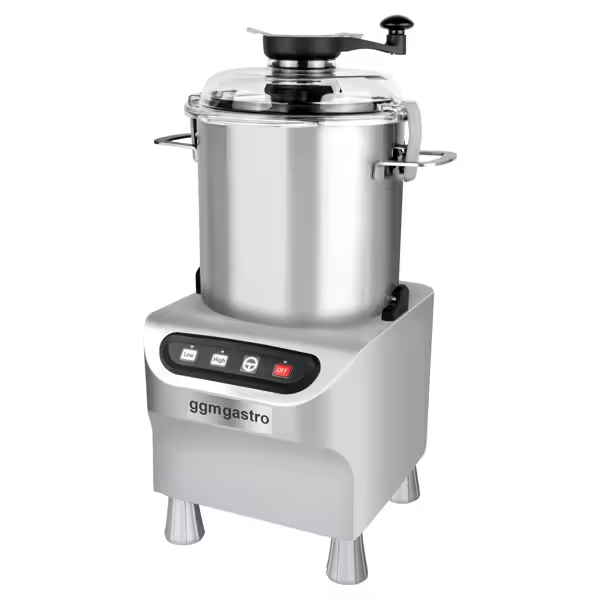
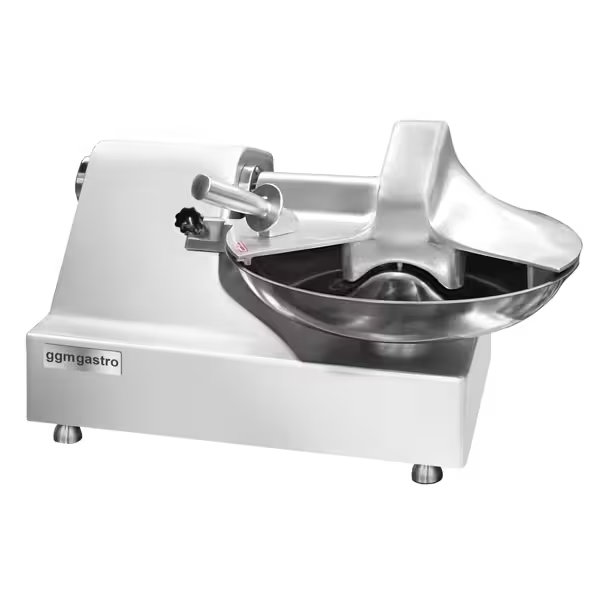
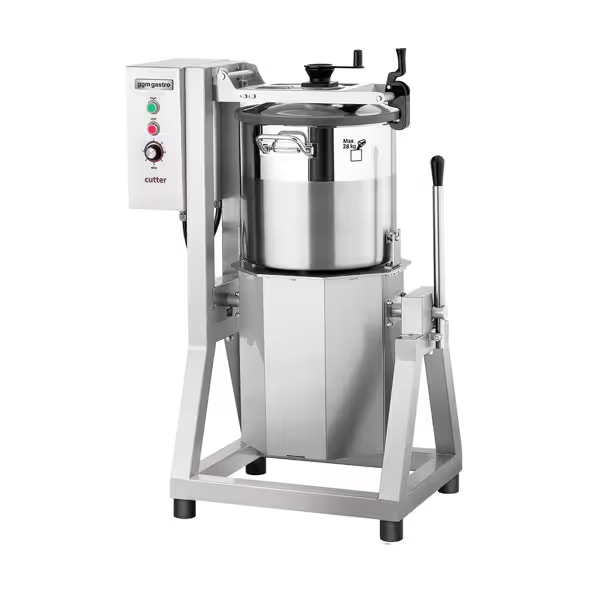
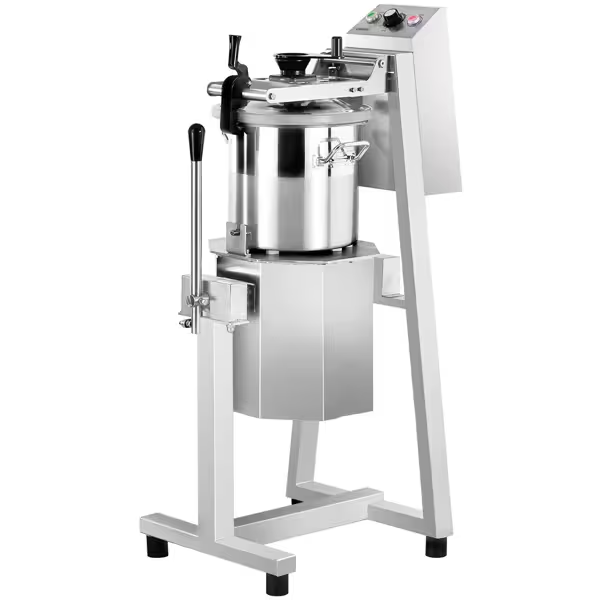
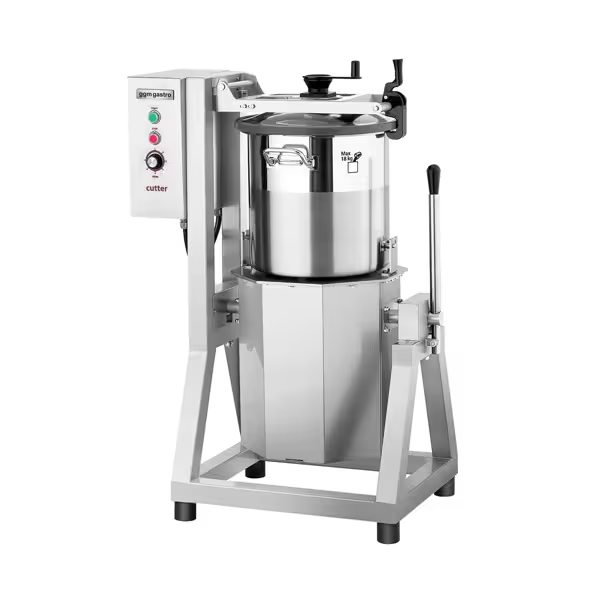
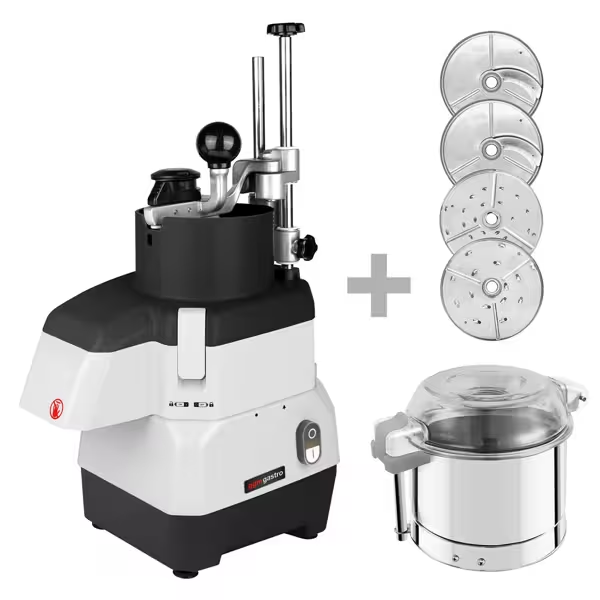
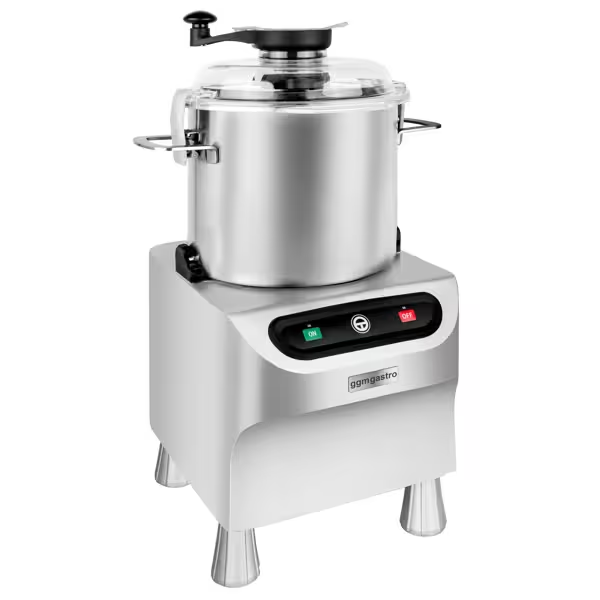
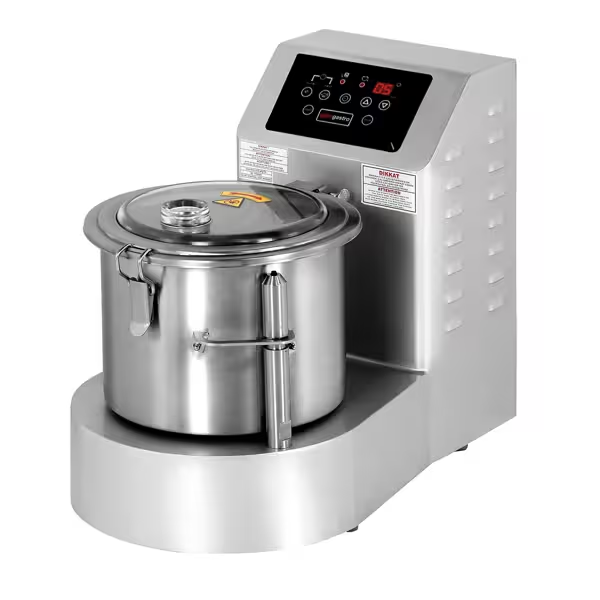
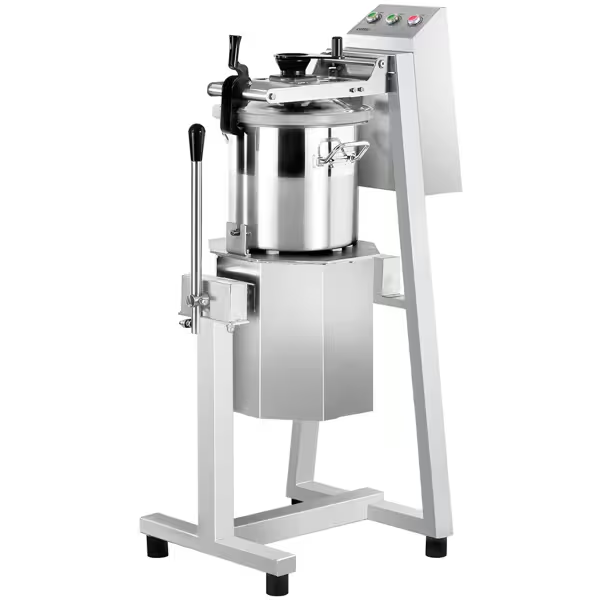
A Cutter: A Handy Tool for Quick Mise en Place
A food processor is a professional kitchen appliance used for chopping, mincing, mixing, pureeing, and emulsifying solid, soft, or semi-solid ingredients. It is used in commercial kitchens where consistent results, short prep times, and clean recipe standards are essential.
A reliable mise en place is especially important during peak hours. Herbs for dressings, nuts for pesto, vegetables for fillings, meat for stuffing, or chickpeas for hummus must be processed not only quickly but also consistently. A suitable commercial food processor reduces manual cutting work and makes it easier for the team to prepare larger quantities in a planned manner. This is helpful in restaurants, snack bars, pizzerias, hotel kitchens, catering companies, and production kitchens where batches are prepared on a regular, repetitive basis.
Which cutter design is right for your business
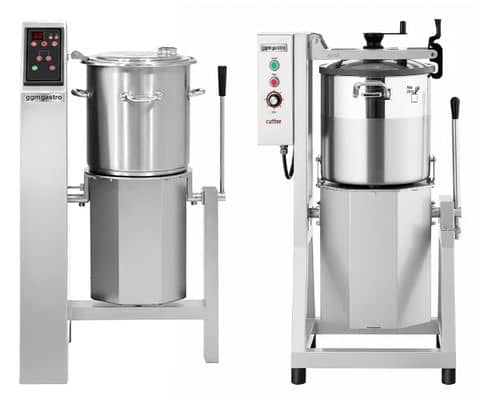
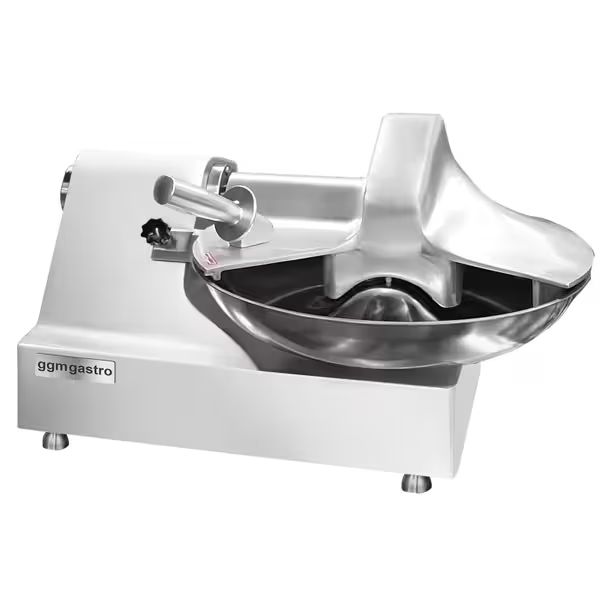
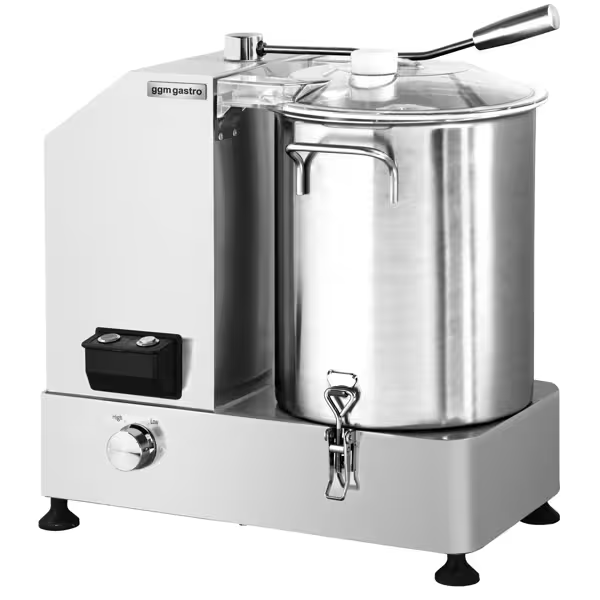
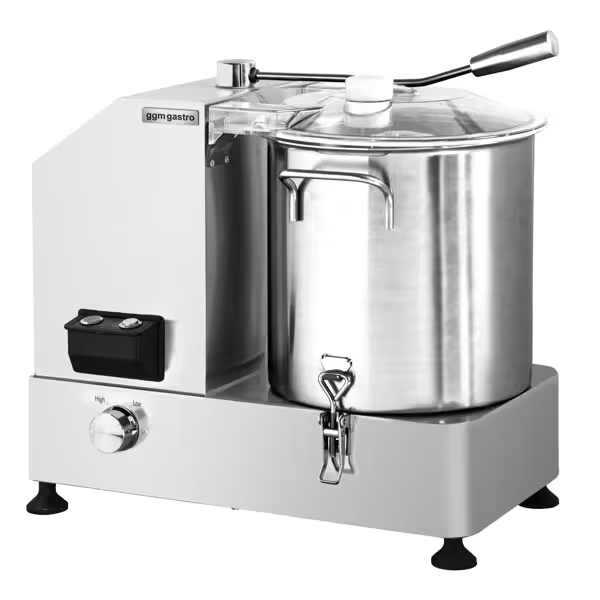
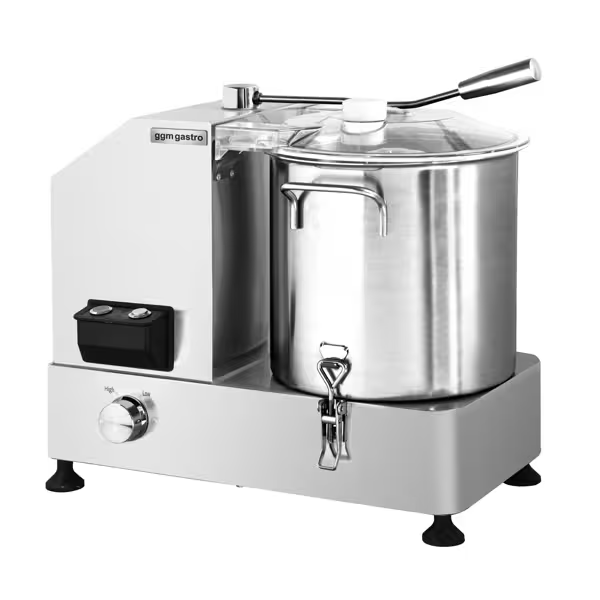
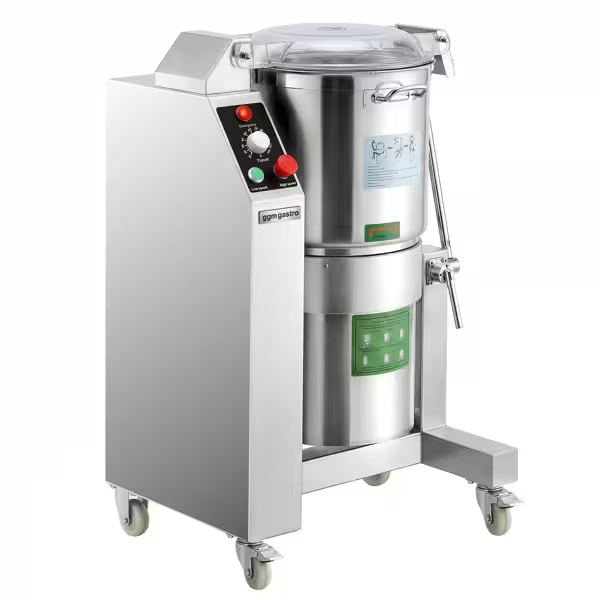
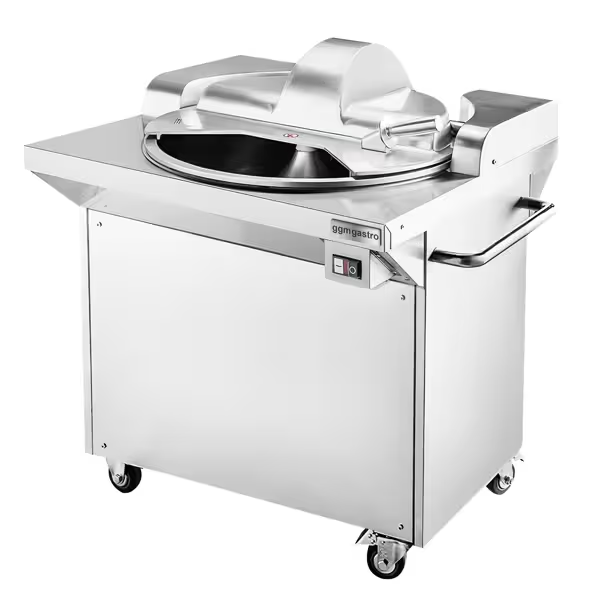
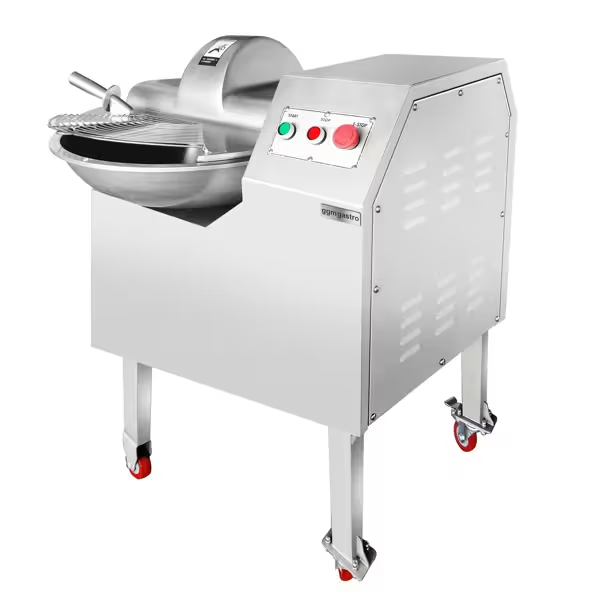
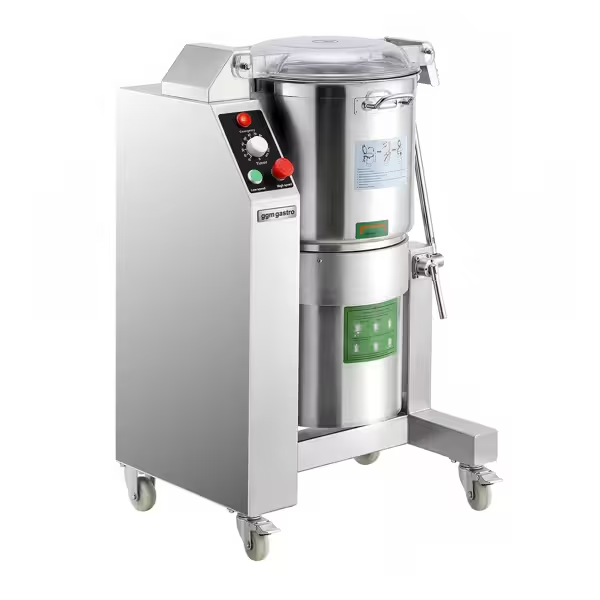
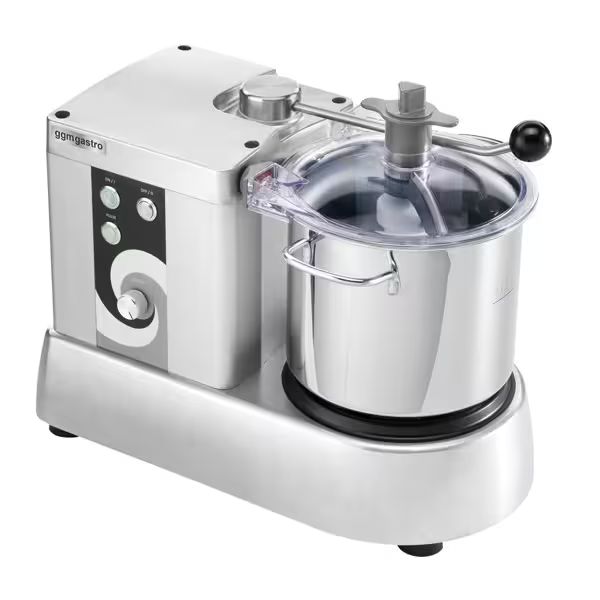
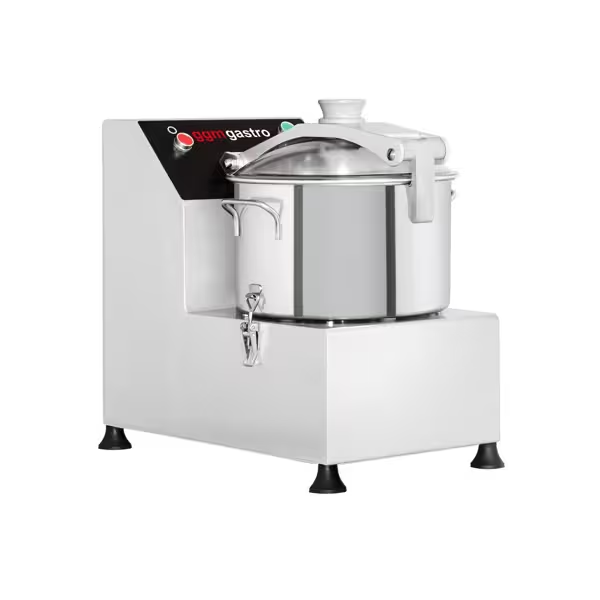
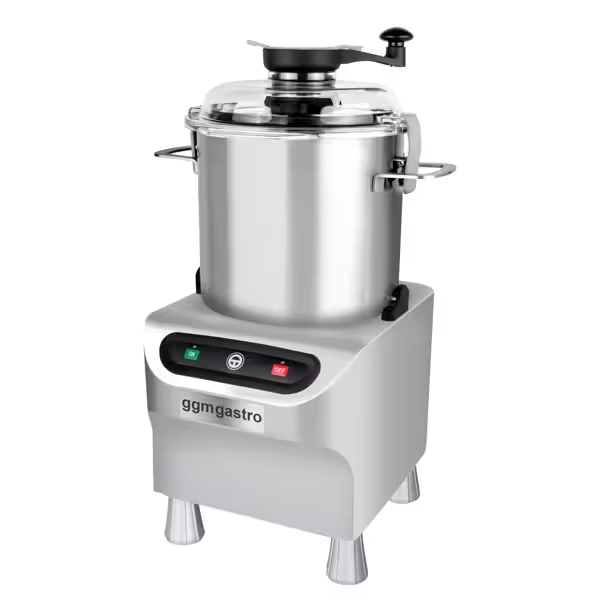
The selection process begins with the design. Countertop cutters are suitable for compact kitchens, smaller batches, and flexible preparation right at the workstation. Floor-standing models offer greater capacity and are a good choice when larger quantities are processed regularly. Horizontal cutters are ideal for applications where meat, stuffing, or larger production volumes need to be processed particularly evenly.
Key decision criteria include bowl capacity, motor power, speed range, power connection type, and blade quality. A 6-liter cutter is well-suited for small to medium-sized preparation tasks, while 12 liters or more provide greater capacity for catering, institutional food service, or high daily production volumes. 230-volt models are often easier to integrate; more powerful 400-volt variants can be useful for intensive use and tougher ingredients. Speed ranges with variable settings help distinguish between coarse chopping, fine pureeing, and creamy emulsions.
Performance, Volume, and Cleaning in Everyday Work
A food processor is only truly useful if it’s suited to your actual production volume. Bowls that are too small require multiple batches, while machines that are too large take up too much space and may add extra cleaning steps. For small kitchens, therefore, it’s not maximum size that matters, but rather a good balance between capacity, footprint, and daily use.
Build quality also plays an important role in everyday use. Stainless steel surfaces, sturdy bowls, secure-fitting lids, and easily accessible blades facilitate hygienic work. Given frequent contact with grease, moisture, acidic ingredients, and cleaning agents, durable materials and straightforward cleaning procedures are essential. Removable components save time during final cleaning and help ensure clean workflows between preparation, production, and service.
Quick Checklist for Choosing the Right Cutter
These points will help you make a safe preliminary selection:
- Choose the container volume based on typical batch size
- Adjust power and speed to the ingredients and consistency
- Check that the connection type is compatible with your kitchen infrastructure before purchasing
- Consider cleaning, blade access, and lid safety in everyday use
- Plan for the footprint and workflow around the food processor
This quick check helps ensure that decisions aren’t based solely on price or liter capacity. A machine must fit the actual workflow: the prep area, the number of staff, the recipes, the cleaning routine, and the volume processed within short time frames.
Integrating a food processor effectively into the cooking process
A food processor works best where ingredients are prepared, portioned, and processed immediately. In many kitchens, the ideal location is near stainless steel cabinets, refrigeration units close to the production area, and easily accessible work surfaces. This keeps distances short, allows prepared ingredients to be stored cleanly, and enables batches to be processed without unnecessary rearrangement.
In operations with a high volume of prep work, a food cutter effectively complements existing food processing equipment without replacing other appliances. For precise slices, strips, or grated vegetables, a vegetable slicer and cheese grater station remains the more suitable solution. For fine purees, sauces, stuffings, pesto, or hummus, the food processor is the better choice. After use, easy cleanup is key: the bowl, blade, and accessories should be able to go straight into the dishwasher.
Thinking Economically: Less Friction, More Stable Results
A well-chosen cutter can significantly streamline preparation. It ensures consistent recipes, reduces repetitive tasks, and makes results less dependent on individual employees. This is particularly important when staff is limited or when new team members need to be quickly integrated into established workflows.
From a cost-effectiveness standpoint, a food processor becomes particularly valuable when it simplifies daily processes: less manual chopping, fewer variations in consistency and portioning, better preparation before peak hours, and clearer standards for sauces, fillings, or stuffing. The right choice therefore depends not only on the purchase price, but also on frequency of use, workload, cleaning, footprint, and serviceability during operation.
Those who select cutters based on production volume, ingredients, connectivity, and cleaning efficiency create a solid foundation for faster preparation and consistent quality. In this way, the device becomes a practical building block for professional food processing in everyday restaurant operations.