


Vacuum Sealing Machines
Vacuum sealers help food service establishments package, portion, and prepare food hygienically. They are ideal for restaurants, hotels, catering services, cafeterias, and commercial kitchens where freshness, shelf life, and streamlined processes are important. Vacuum Sealer Guide »




Product type
Operation
Width of the Interior
Depth Interior
Height Interior
Price

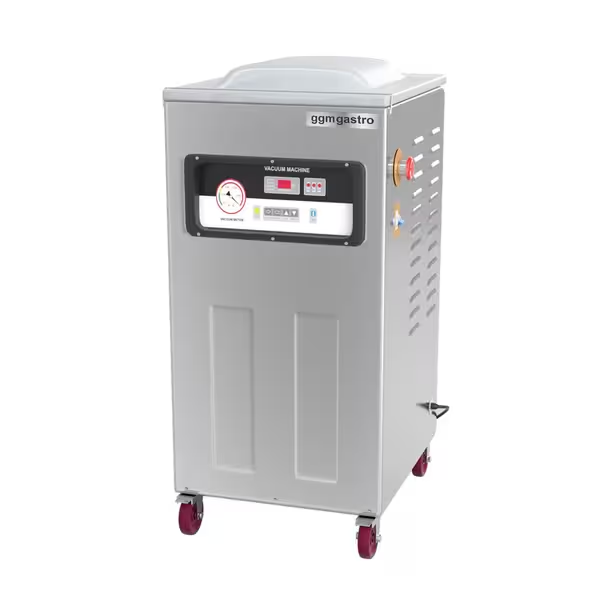
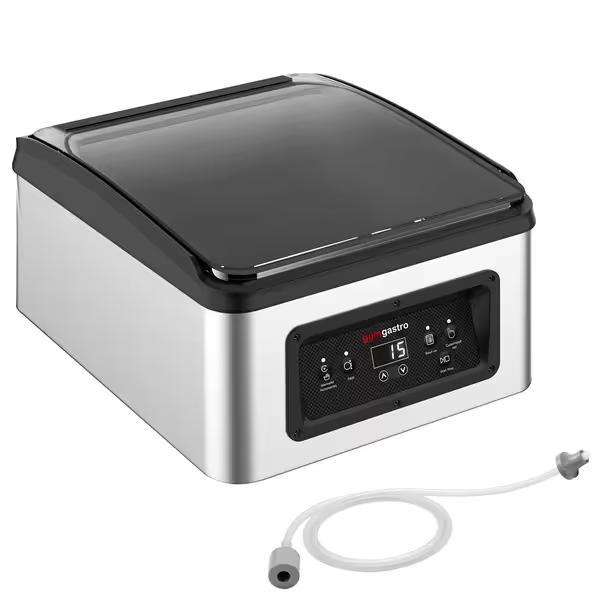
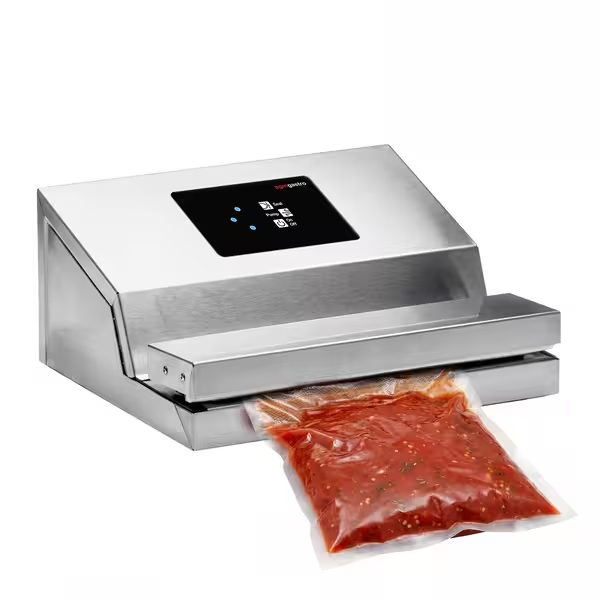
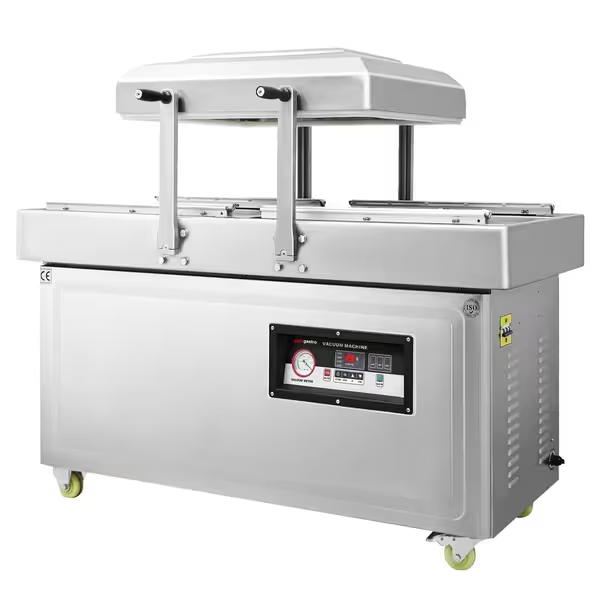
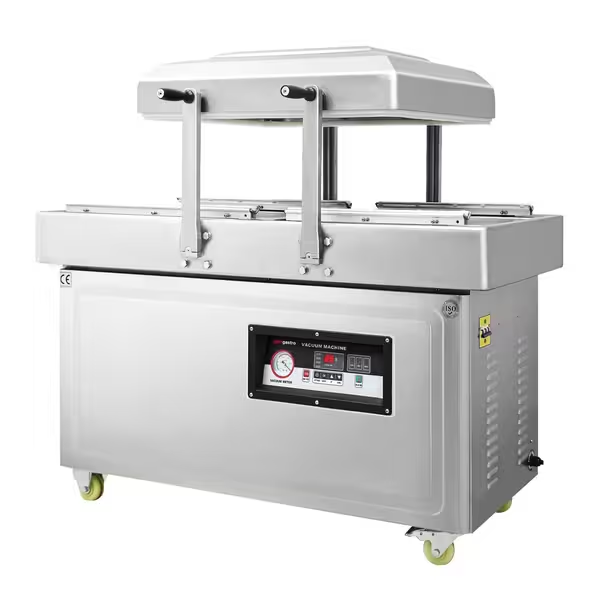
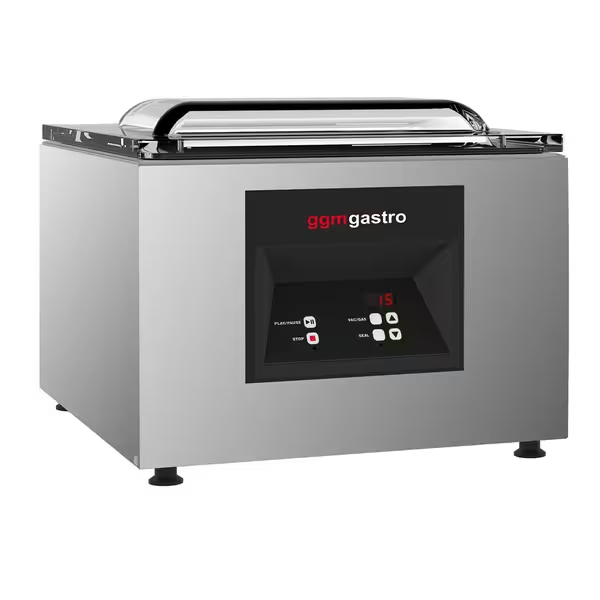
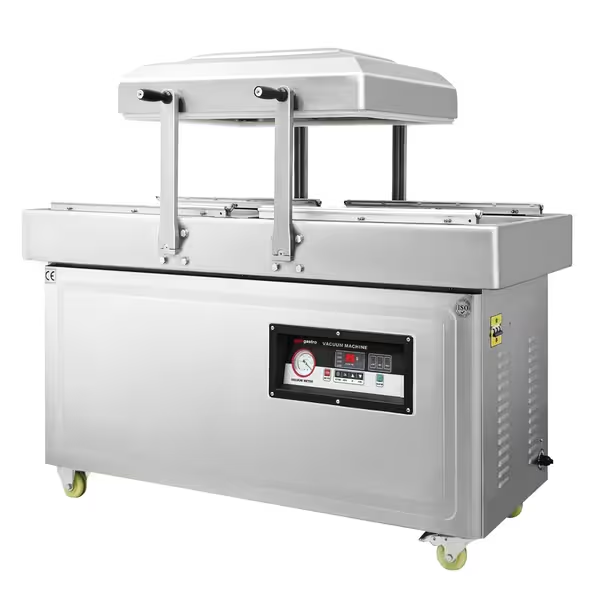
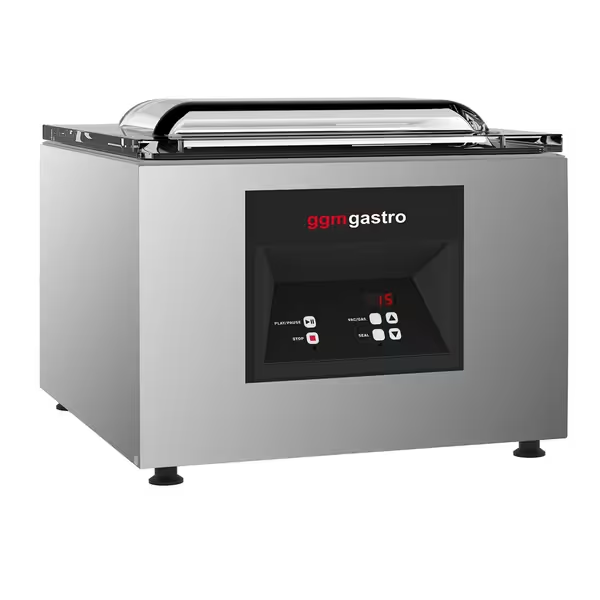
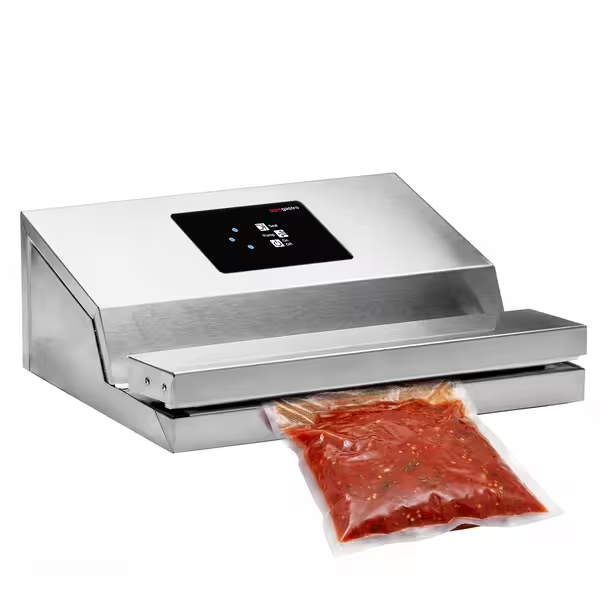
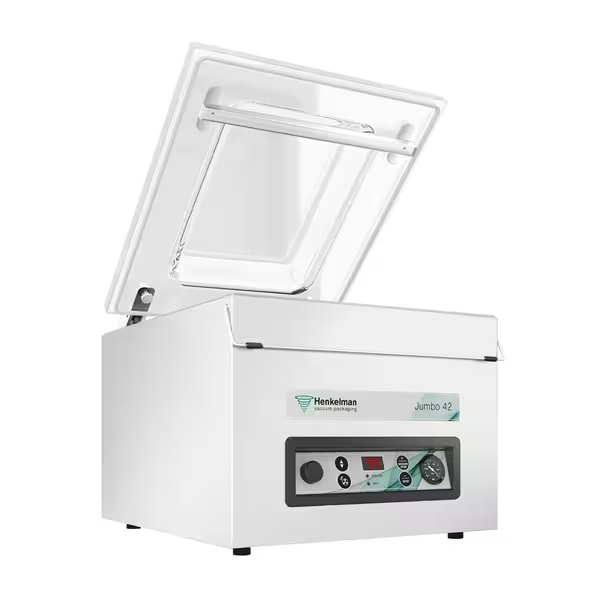
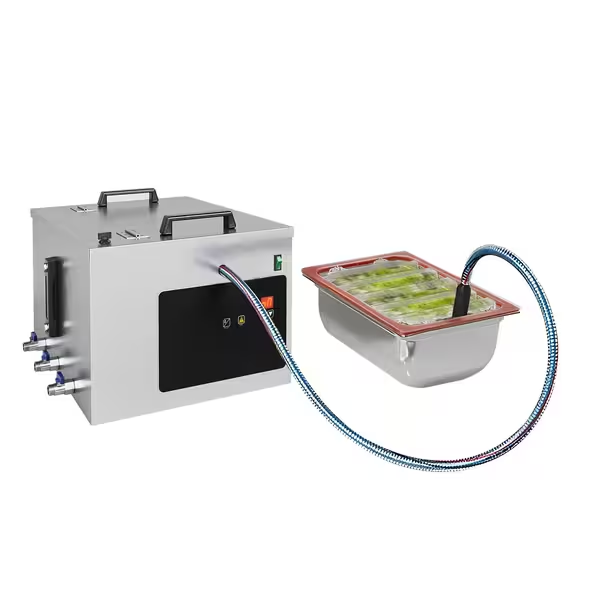
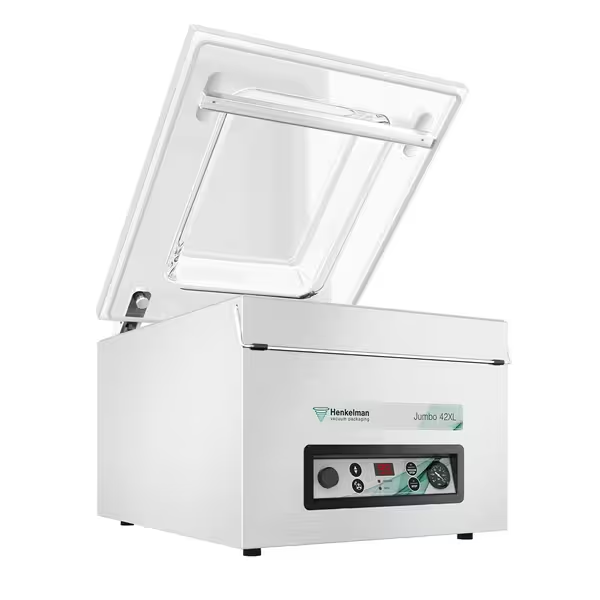
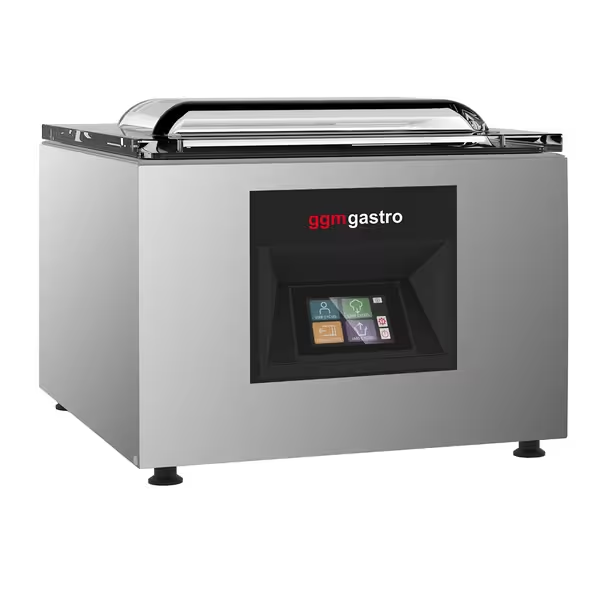
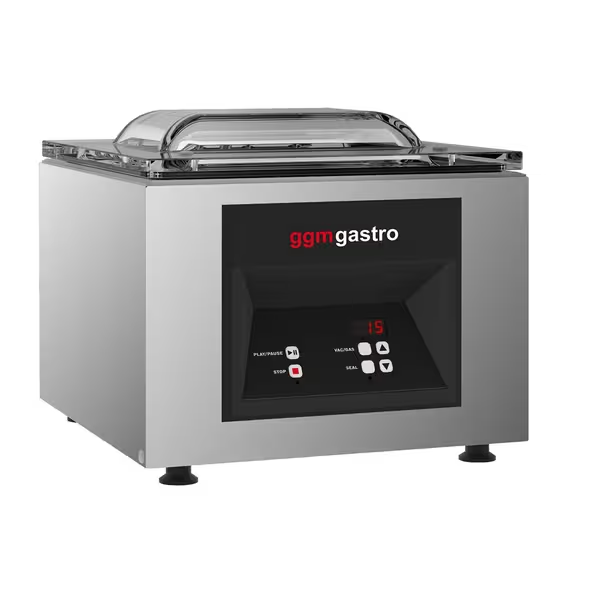
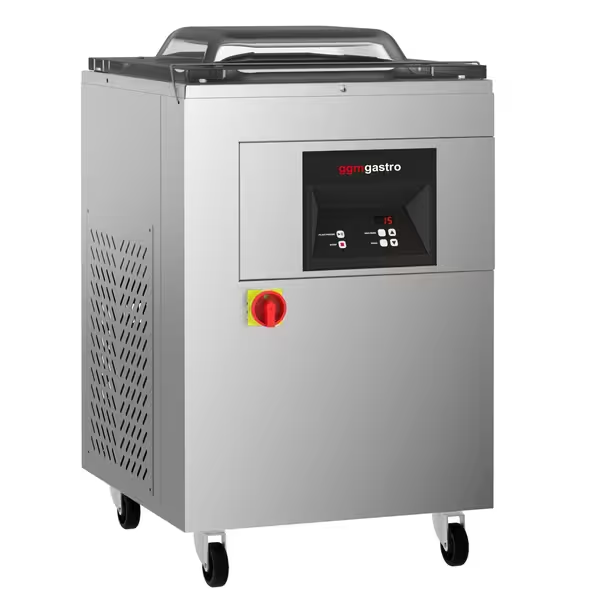
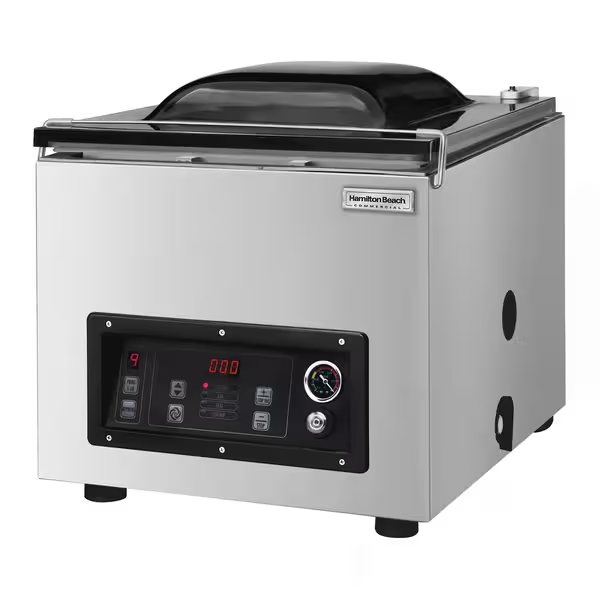
Vacuum sealers as part of a professional food preparation process
Vacuum sealers are devices used to package food in low-air or airtight bags or containers. In the foodservice industry, they are used to store ingredients, portions, and prepared dishes hygienically, keep them fresh longer, and make kitchen processes easier to plan.
In professional kitchens, it’s not just about shelf life. A vacuum sealer supports mise en place, facilitates precise portioning, and brings order to refrigeration, freezing, and preparation. Meat, fish, vegetables, sauces, or prepared components can be neatly packaged, labeled, and kept ready for the next service. This creates greater clarity, especially during peak hours, because prepared items are more readily accessible and work steps do not have to be caught up on under time pressure.
Which vacuum sealer is right for your business?
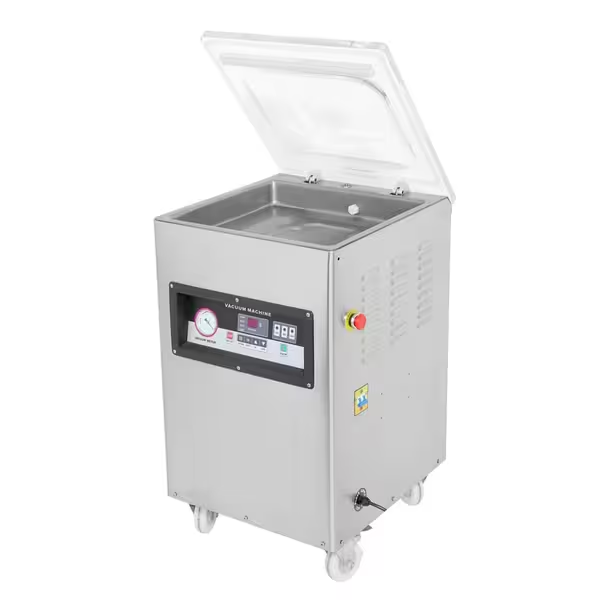
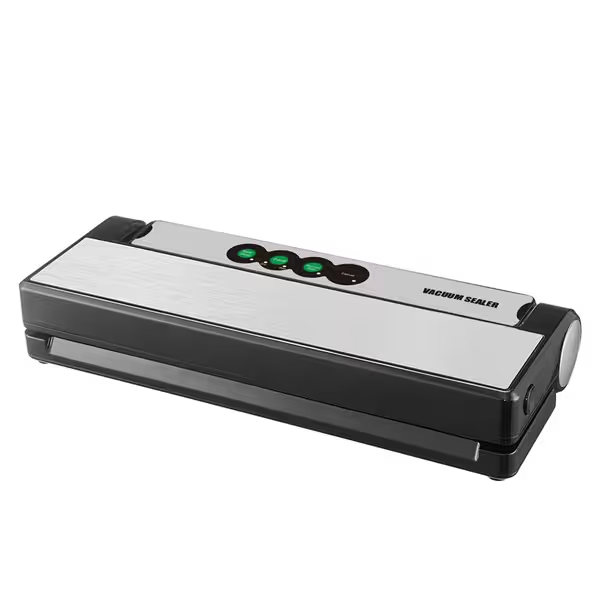
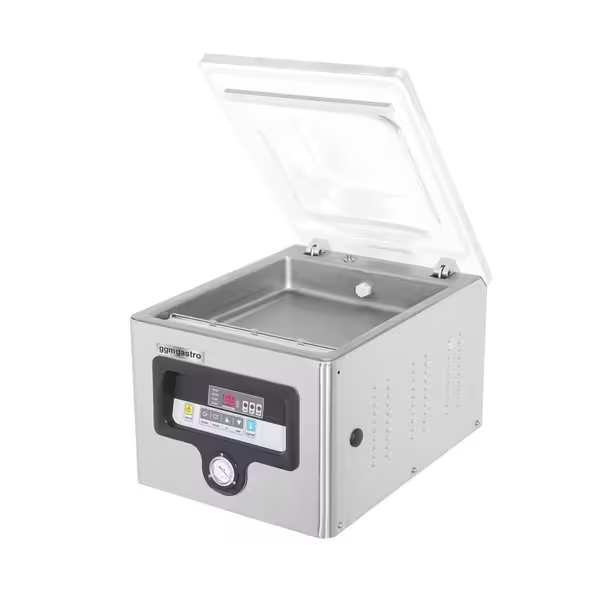
Choosing the right vacuum sealer depends heavily on the quantity, type of product, and frequency of use. Small tabletop models are suitable for businesses with modest needs, such as cafés, bistros, or smaller restaurants. Chamber vacuum sealers are the right choice when you regularly package moist foods, marinades, cuts of meat, fish, or larger portions. Dual-chamber vacuum sealers are used where many packaging operations are performed in succession, such as in catering kitchens, commercial kitchens, hotels, or food production facilities.
Key factors to consider include chamber size, sealing bar length, pump capacity, connection type, and ease of use. A longer sealing bar allows for larger bags or multiple small portions side by side. The pump capacity affects how quickly the vacuuming process takes place. For intensive use, the design is also important: stainless steel housings, sturdy lids, easily accessible chambers, and smooth surfaces make cleaning and daily maintenance easier.
Vacuum Sealing for Hygiene, Storage, and Sous-vide Cooking
A well-integrated vacuum sealer improves the handling of raw ingredients and prepared foods. Airtightly packaged foods are better protected from external influences, can be stored in a space-saving manner, and stay more neatly organized in the refrigerator.
Vacuum sealing also plays a central role in sous-vide cooking. Only properly sealed bags allow for even cooking in a water bath. Suitable [sous-vide cookers](https://www.ggmgastro.com/lebensmittelverarbeitung/sous-vide cookers) complement this process, while suitable vacuum bags must be selected based on size, temperature resistance, and food contact suitability.
It’s important to remember: The vacuum sealer prepares the process but does not replace refrigeration, cooking, or hygiene routines.
Quick Checklist for Selection
To make an informed decision, it helps to take a quick look at your actual daily workflow:
-
How many bags are vacuum-sealed per day or per prep shift?
-
Do you primarily process dry, moist, or marinated foods?
-
What bag sizes and portion sizes are appropriate for the menu?
-
Is a 230-V outlet sufficient, or is a more powerful unit required?
-
Is there enough counter space for the unit, bags, food, and labeling?
These points quickly reveal whether a compact tabletop unit is sufficient or whether a chamber or dual-chamber unit makes more economic sense.
Integration into Workflows and Kitchen Design
A vacuum sealer works best when set up in a well-planned prep area. There needs to be sufficient counter space around the machine, short distances to the refrigeration units, and room for bags, labels, GN containers, or prepared ingredients. In small kitchens, every centimeter counts; in production kitchens, the focus is more on ensuring a smooth workflow between portioning, packaging, and storage.
Sturdy stainless steel furniture makes it easier to set up such a work area hygienically. It’s important to position the unit so that it doesn’t block the serving area, sink, or hot food preparation area. This way, vacuum sealing doesn’t become an extra step, but rather part of an organized preparation process.
Economic Benefits from the Right Equipment
Properly selected vacuum sealers can help businesses plan inventory more effectively, prepare portions more consistently, and streamline team workflows. This helps establishments store food in a more organized manner, manage prep work more efficiently, and reduce stress during peak hours.
At GGM Gastro, food service establishments can find vacuum sealers for businesses of various sizes—from compact units to high-performance solutions for regular packaging processes. The key is not to choose the largest model, but rather the machine that best suits the menu, volume, available space, and daily usage.