


:quality(70))
:quality(70))


Stainless Steel Furniture for the Food Service Industry & Commercial Kitchens
Stainless steel furniture provides hygienic work surfaces, storage space, and well-organized layouts for professional kitchens, dishwashing areas, and food preparation zones. It supports efficient workflows in restaurants, hotels, snack bars, catering businesses, and institutional food service facilities. Stainless Steel Furniture Guide »
Commercial Kitchen Furniture
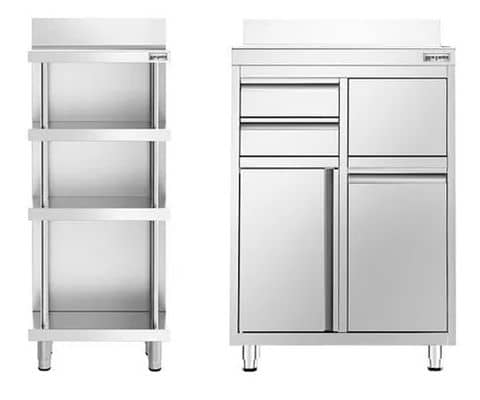
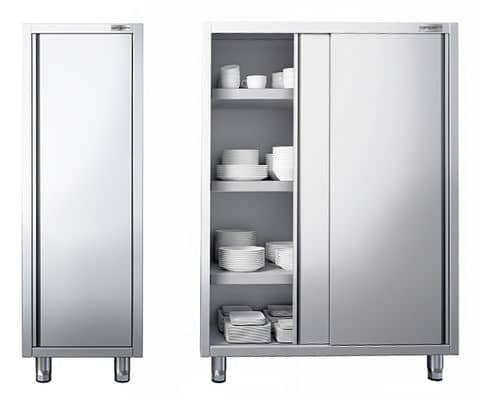
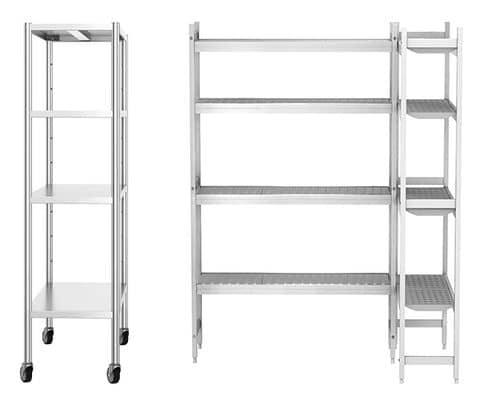
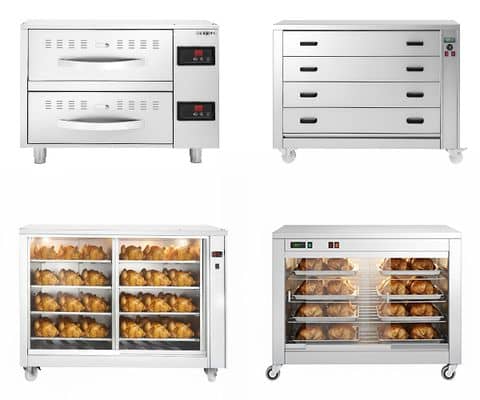
Other equipment
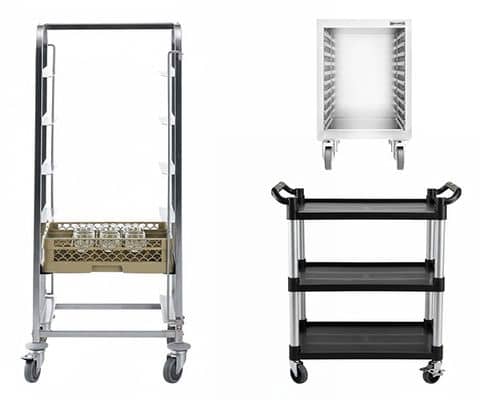
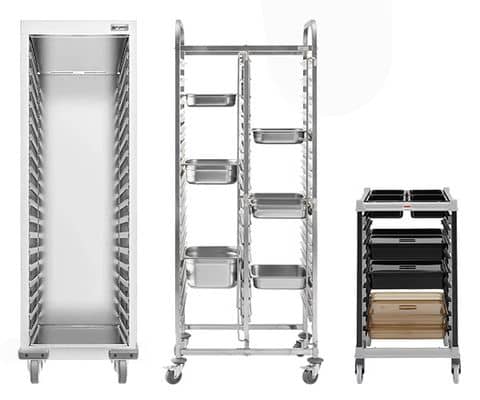
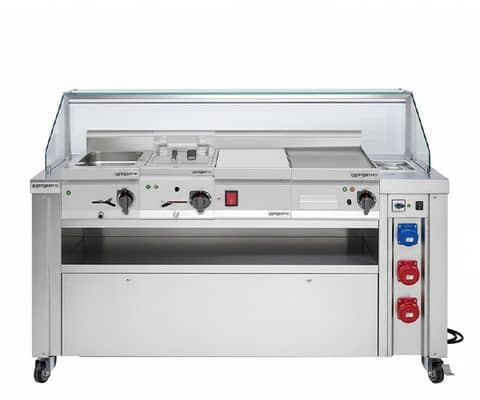
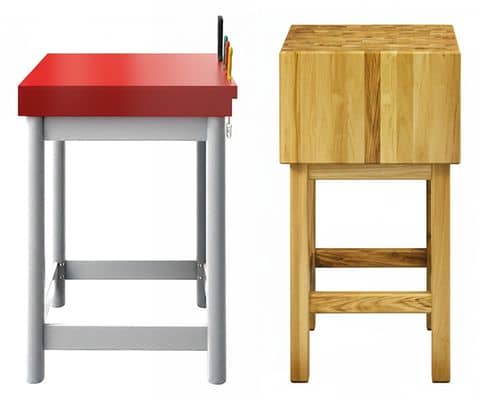
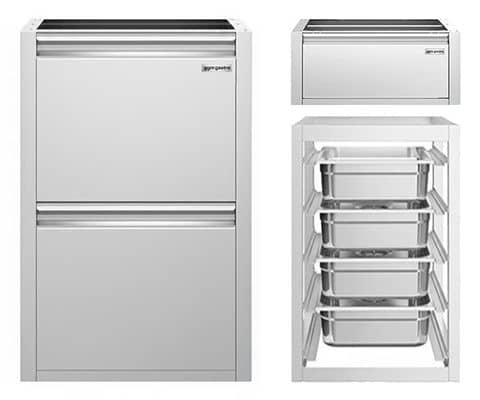

Stainless steel furniture as a sturdy foundation for professional kitchen operations
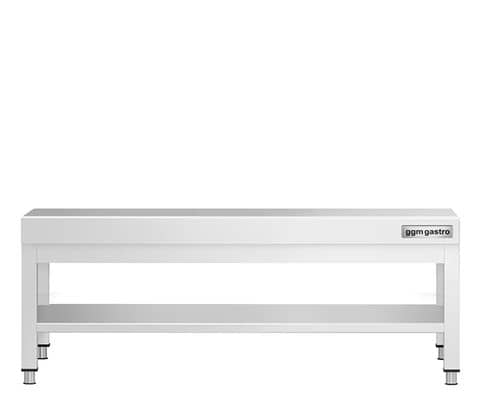
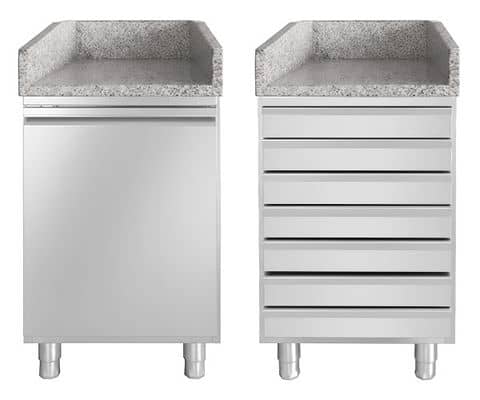
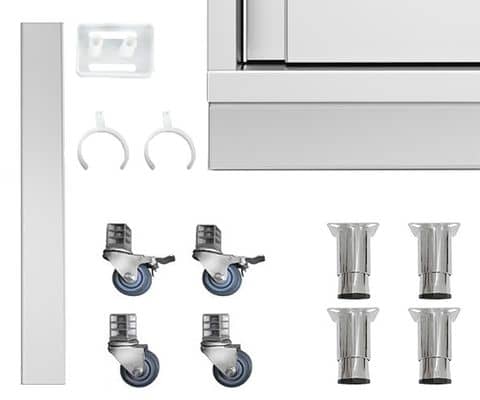
Stainless steel furniture consists of functional kitchen and commercial furniture made of stainless steel for commercial work areas. This includes, among other things, work tables, work cabinets, sink tables, shelves, wall shelves, wall cabinets, base units, and matching accessories for kitchens, sink areas, and prep areas.
In professional food service operations, stainless steel furniture serves more than just a storage function. It organizes workspaces, provides hygienic surfaces, and ensures that ingredients, dishes, tools, and equipment are available right where they’re needed. In small snack kitchens, every meter of space counts. In restaurants and hotel kitchens, the focus is more on clearly defined zones, ample storage space, and durable work surfaces capable of accommodating multiple people at the same time.
What kind of stainless steel furniture suits your workspace?
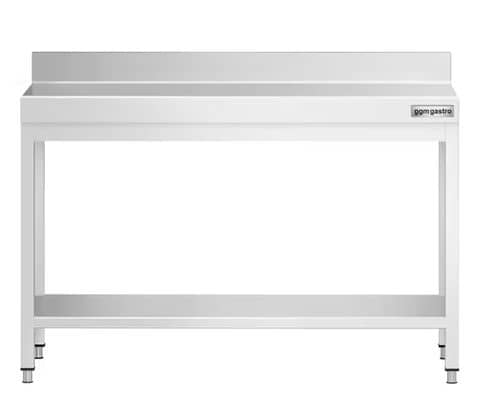
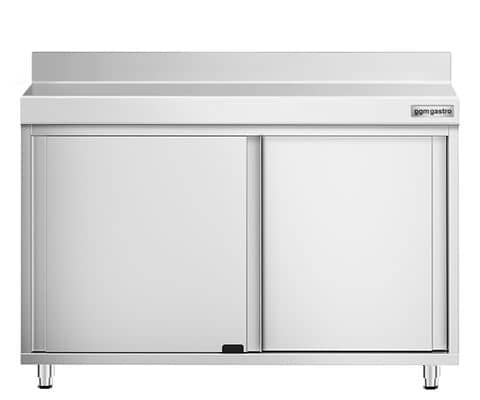
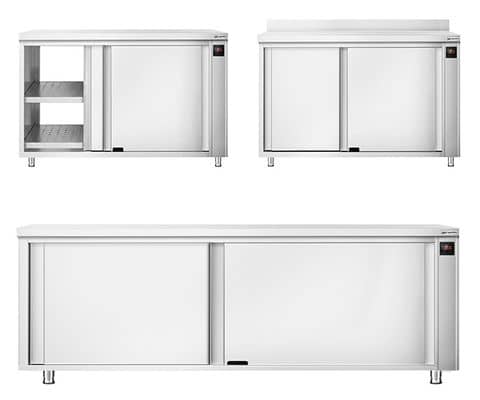
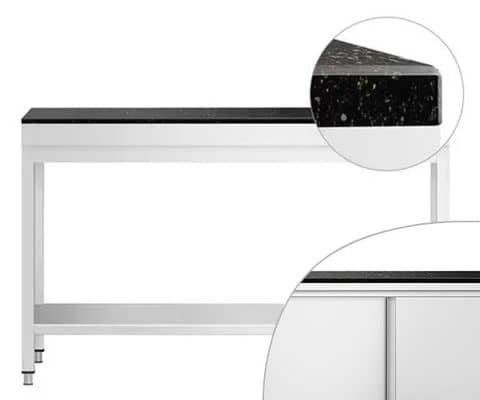
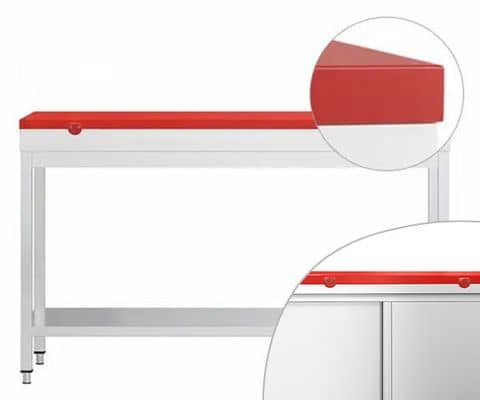
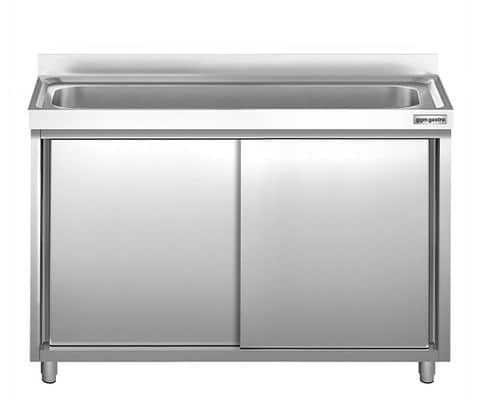
Choosing the right worktable starts with the specific location where it will be used. A stainless steel worktable is suitable for food preparation, portioning, plating, or packaging. Models with a base shelf provide additional storage space for pots, containers, or kitchen tools. Work cabinets with sliding or hinged doors are useful when utensils need to be stored safely and within easy reach.
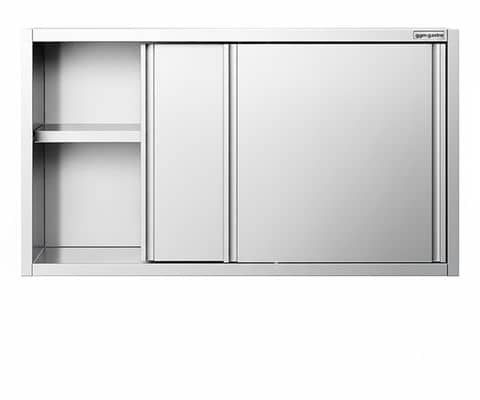
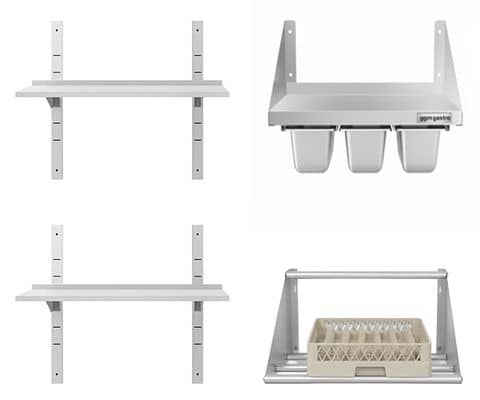
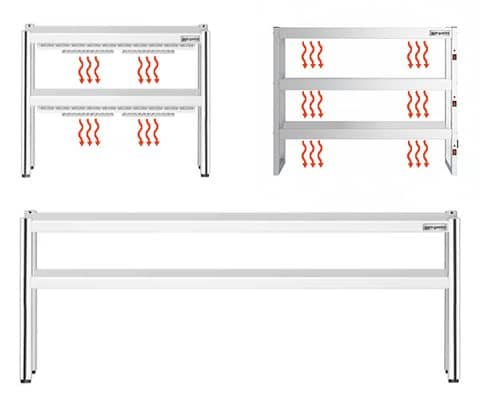
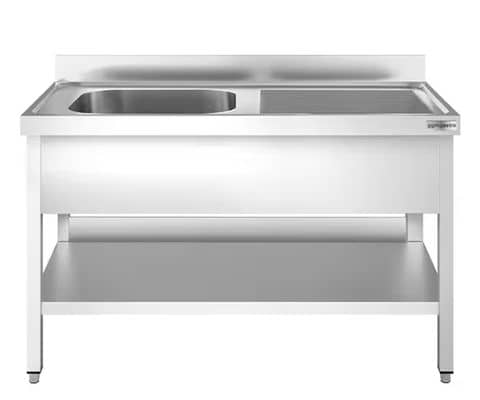
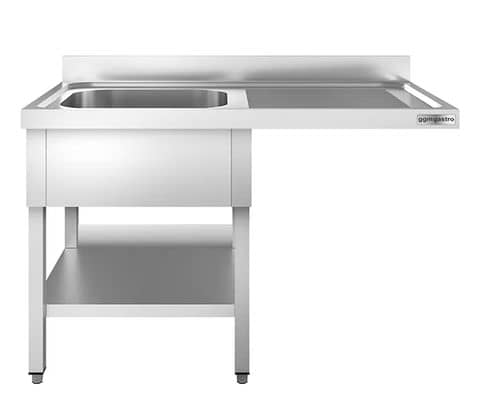
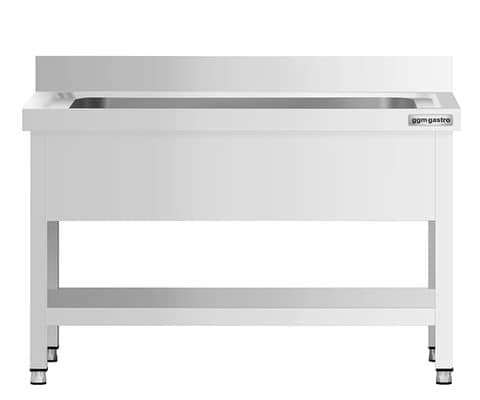
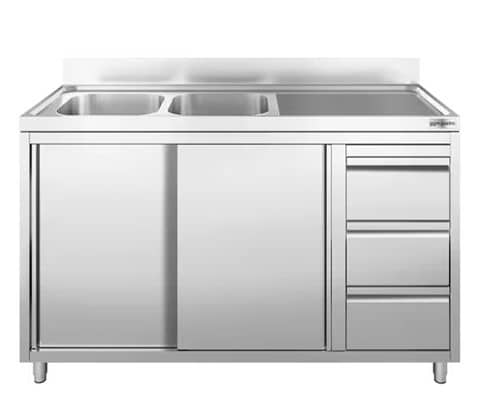
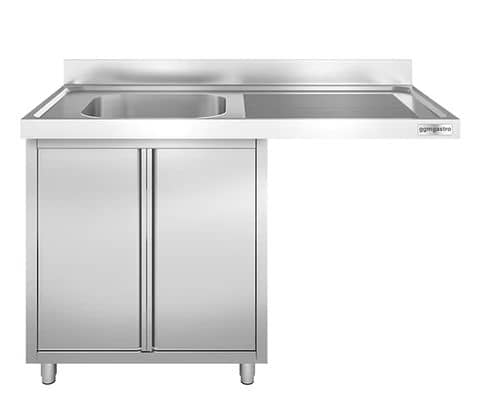
Sink units with a basin, drainboard, and base cabinet belong in washing and cleaning areas. Wall shelves and wall cabinets make use of empty wall space and keep frequently used accessories within easy reach. In a production kitchen, shelves for GN containers, supplies, or work tools can help keep operations organized. Anyone expanding an existing kitchen should check whether new stainless steel furniture matches the existing work height, depth, and design.
Correctly Assess Dimensions, Uprights, and Features
When it comes to stainless steel furniture, the details determine its suitability for everyday use. Key criteria include width, depth, work surface height, weight capacity, upstand, door type, drawers, sink placement, and base cabinetry. In many professional kitchens, cabinet depths of 600 mm or 700 mm are standard because they align with common kitchen layouts and help keep workflows predictable.
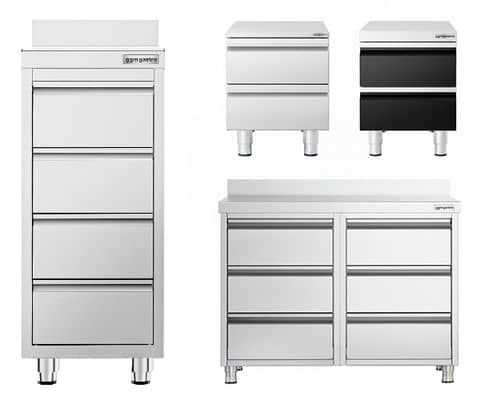
An upstand protects the wall from splashes, flour, grease, or cleaning residue. Sliding doors are practical in tight kitchens because they don’t require additional space to open. Drawers are ideal for smaller tools, knives, dish towels, or portioning aids. For sink units, the drainboard should align with the direction of work so that dirty and clean areas do not unnecessarily cross paths.
A quick checklist for selection:
- Does the depth match the existing kitchen line?
- Is open shelving or closed storage needed?
- Is an upstand useful for wall alignment and cleaning?
- Is the load capacity sufficient for appliances, containers, or heavy pots?
- Does the placement minimize movement during prep, serving, or washing up?
Hygiene, Cleaning, and Durability in Daily Use
Stainless steel is popular in the food service industry because it is durable, smooth, and easy to clean. Especially in environments where moisture, heat, grease, cleaning chemicals, and mechanical stress all come together, low-maintenance surfaces offer a practical advantage. Work surfaces must be wiped down, disinfected, and restocked frequently without disrupting workflow.
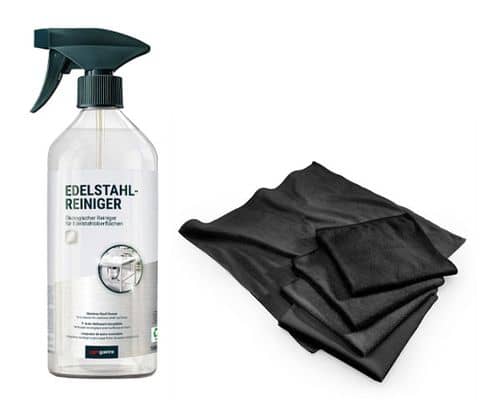
It’s not just the material that matters, but also the craftsmanship. Clean edges, sturdy substructures, easily accessible surfaces, and sufficient clearance from walls or other furniture make daily cleaning easier. Dead corners, gaps that are too narrow, or poorly placed furniture, on the other hand, quickly lead to extra work. Especially in dishwashing areas, prep lines, and high-traffic kitchens, stainless steel furniture should be planned so that cleaning doesn’t have to be improvised.
Integrating Stainless Steel Furniture Cost-Effectively into Kitchen Design
Well-planned stainless steel furniture can reduce daily inefficiencies. When cutting boards, containers, spices, packaging, or plates are within easy reach, it saves a lot of small trips during peak hours. During a bistro’s lunch rush, a logically placed work table between the refrigeration and the serving area can create more order than additional counter space in the wrong place.
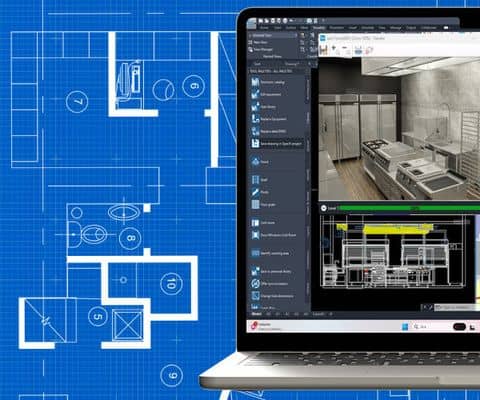
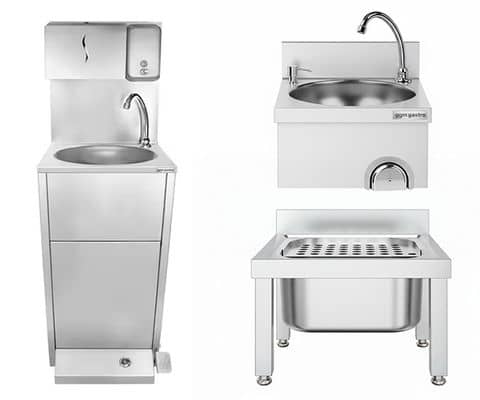
Furniture also influences workflow in the dishwashing area. A suitable sink with a draining board, base cabinet, and clearly defined return zone helps keep clean and dirty items separate. Combined with other products from the Sink and Cleaning category, this creates a functional washing station that returns dishes, GN containers, and utensils to the workflow more quickly.
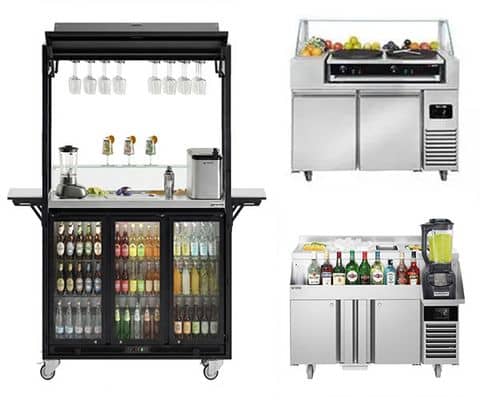
For cohesive kitchen designs, stainless steel cabinets should be combined with cooking appliances, refrigerated base units, and accessories only where it improves the workflow. What matters is not having as much equipment as possible, but the right layout: preparation, storage, production, serving, and cleaning must fit together logically.
Choose the Right Stainless Steel Furniture at GGM Gastro
Stainless steel furniture provides a long-term foundation for hygienic, durable, and well-organized workspaces. By carefully evaluating dimensions, features, ease of cleaning, and the intended location, you can create workspaces that support daily operations and facilitate future expansions.
For operators, managers, and those in charge, it is therefore worthwhile to take a look at the entire process: Where is food prepared, where is it washed, where is it stored, and where do bottlenecks occur in day-to-day operations? The right stainless steel furniture helps equip these very areas in a practical, cost-effective, and operationally efficient manner.