


:quality(70))
:quality(70))


Bakery & Dough Equipment for Commercial Kitchens
The Bakery & Dough Equipment category brings together equipment for mixing, beating, rolling, dividing, proving, storing and further processing dough. These solutions suit pizzerias, bakeries, cafés, restaurants, hotels and production kitchens that regularly need consistent dough preparation. Find the right equipment for your business in our buying guide »
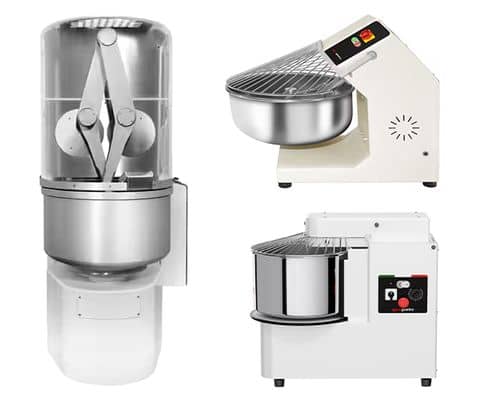
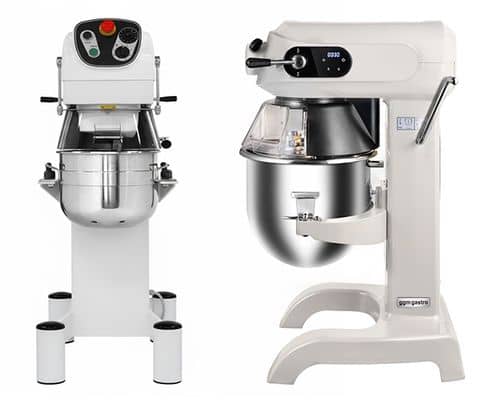
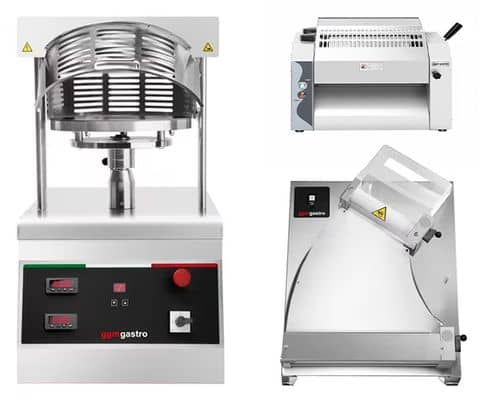
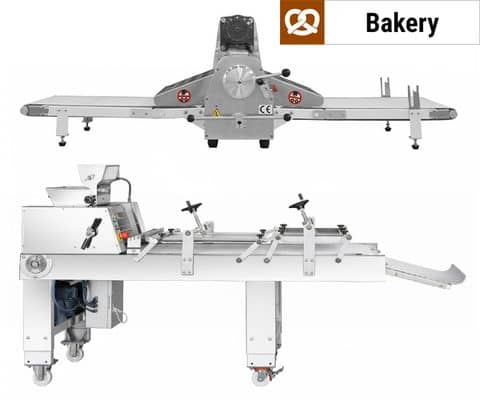
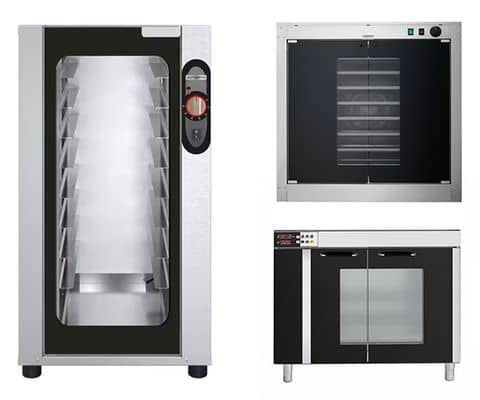
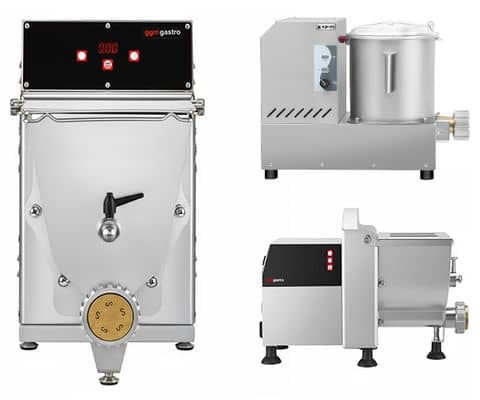
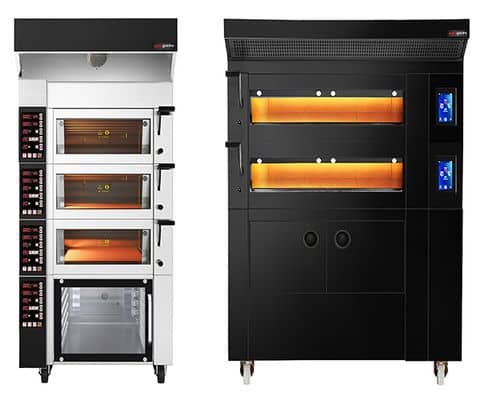
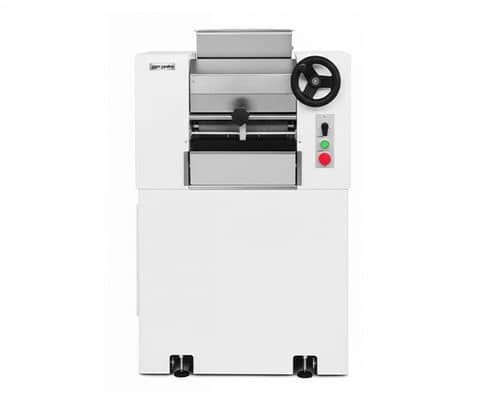
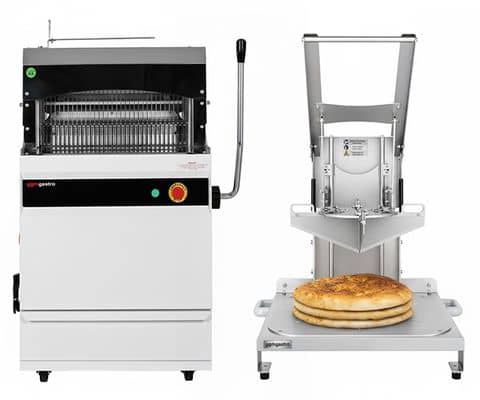
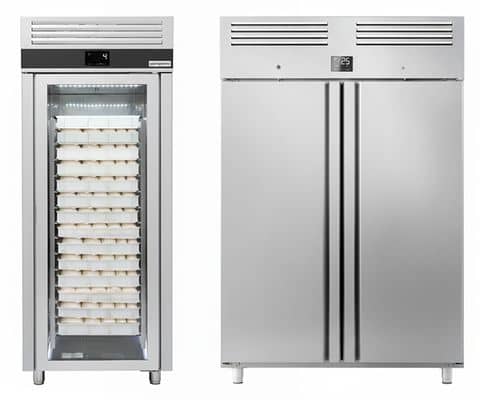
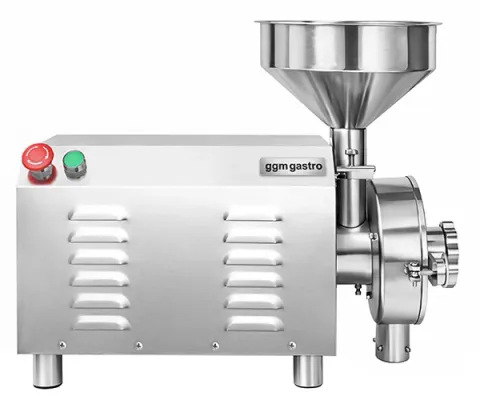
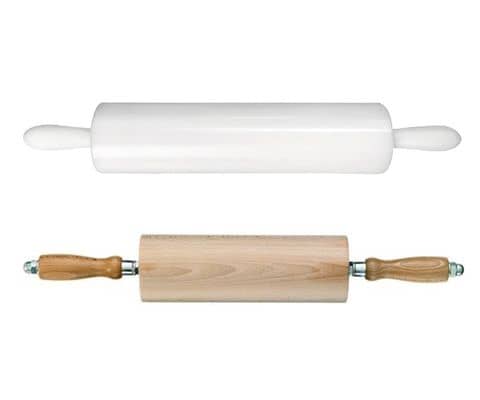
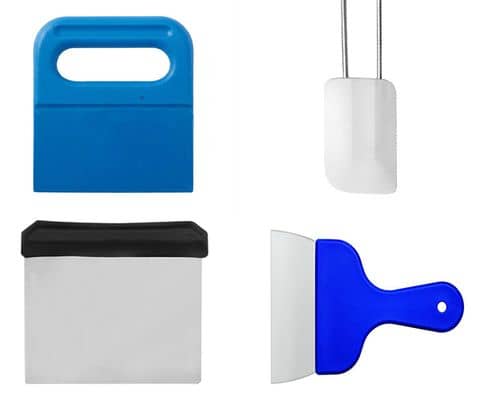
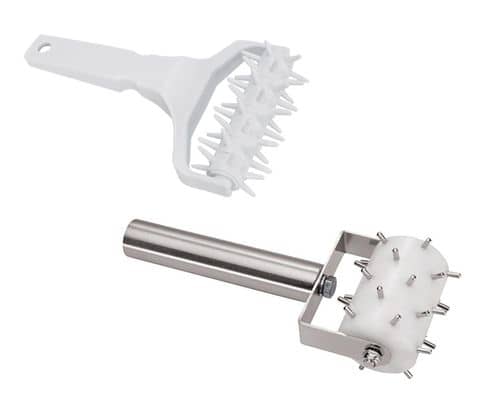
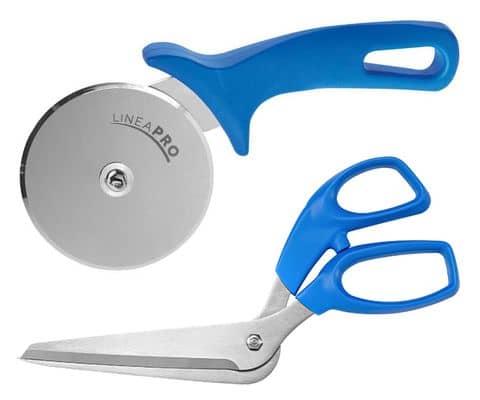

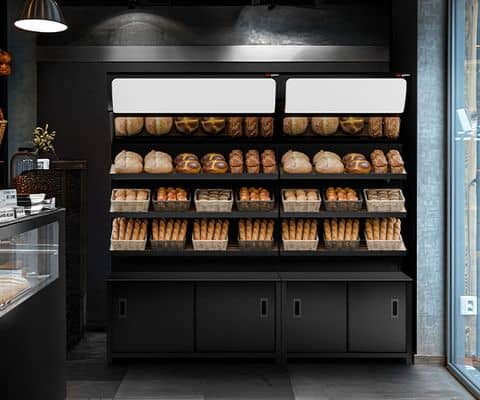
Bakery and dough equipment for predictable production
Bakery & Dough Equipment covers commercial machines, appliances and accessories for preparing pizza, bread, pasta, pastry and base doughs. The category helps businesses carry out recurring tasks such as mixing, rolling, dividing, proving and storage in a more organised, hygienic and consistent way.
Commercial dough preparation rarely involves just one step. In a pizzeria, the process starts with flour storage and continues through mixing, resting, dividing and rolling to a pizza base ready for topping. Bakeries, cafés and hotel kitchens often focus on larger dough quantities, different recipes, proving and advance production. The key question is how well the equipment suits your volumes, space, staffing and daily workload.
Choose bakery and dough equipment to suit your business
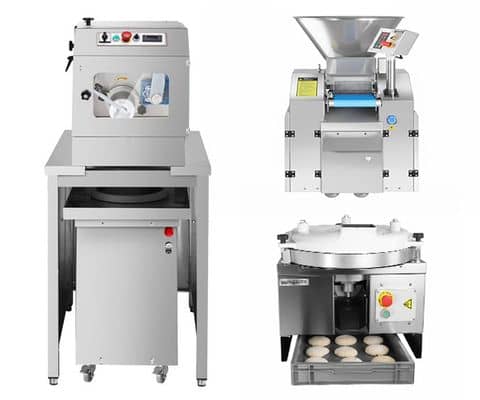
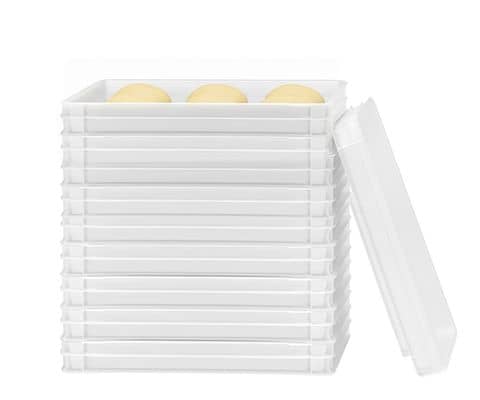
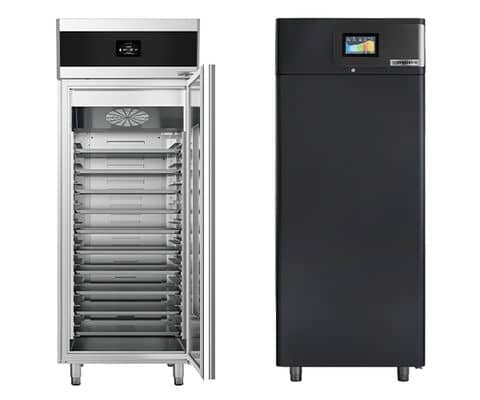
Always start with the actual application. A compact dough mixer may be sufficient for a small pizzeria or café, while high-output businesses are more likely to need larger bowls, robust floor-standing machines or models requiring 400 V. [Pizza dough rollers] and pizza presses are useful for delicate doughs, consistent pizza shapes or reducing manual work. Businesses preparing large numbers of dough pieces benefit from dough dividers, rounders, pizza dough boxes and trays, and suitable proving equipment.
The most important selection criteria include:
-
Dough quantity per batch and required bowl capacity
-
Power supply, such as 230 V or 400 V
-
Available floor space and working height
-
Dough type, hydration and intended processing method
-
Cleaning requirements, materials and access to wear parts
A planetary mixer is versatile for cake mixes, creams and smaller mixing tasks. For heavy pizza or bread dough, a dedicated dough mixer is usually a more suitable choice. Also check whether the bowl is removable, whether several speeds are needed and whether castors, a timer or safety guards would make daily work easier.
Smoother preparation and busy periods
For pizza, bread and pastry in particular, preparation determines how quickly you can serve later. Preparing dough pieces in good time, storing them cleanly and keeping them within reach reduces searching and bottlenecks during busy periods. This eases pressure on the team and makes service more predictable.
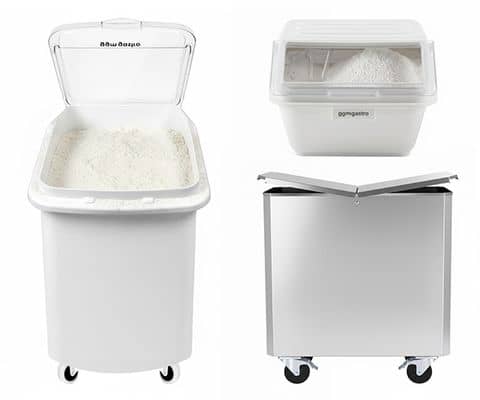
Every metre counts in a small kitchen. Compact equipment, designated positions and short working routes are important. In production kitchens and bakeries, capacity, repeatability and coordination between stations matter more. Flour storage bins and trolleys, pizza dough boxes and trays, work surfaces and proving cabinets should be positioned so that flour, dough, accessories and prepared dough pieces move logically through the process. This reduces detours and helps separate preparation from ongoing service.
Hygiene, materials and durability in regular use
Working with dough and flour brings particular demands: flour dust, moisture, sticky residues, frequent cleaning and mechanical loads from heavy doughs. Smooth surfaces, robust materials, stable construction and accessible components are therefore important selection criteria. Stainless steel is particularly relevant in commercial settings because it is durable, hygienic and easy to clean.
The equipment around the machine matters too. Dough boxes must be stackable, suitable for food contact and sized for the planned dough quantity. Flour trolleys need adequate capacity and must move safely. Before buying electrical equipment, check power requirements, installation space and cleaning access so that it can be integrated effectively into your operation.
Quick check for choosing bakery and dough equipment
-
Identify the dough types you handle regularly and whether pizza, bread, pasta or pastry is the main focus.
-
Calculate dough quantities per day and during peak periods, rather than relying only on averages.
-
Plan floor space, power supply, working height and the routes between flour storage, mixing, resting and further preparation.
-
Look for easy cleaning, robust construction and a suitable container system.
-
Coordinate mixing, rolling, proving and storage so that no station slows down the next stage.
Combine dough preparation stages efficiently
Well-chosen bakery and dough equipment delivers its value when machines, accessories and work areas fit together. Alongside a mixer and roller, a pizzeria needs suitable storage for dough balls, flour and accessories. A bakery often needs proving equipment, slicers and stable work surfaces as well as mixing machines. Stainless steel kitchen furniture can also help organise working routes and provide hygienic preparation surfaces.
This creates a production setup suited to the size of your business: compact for small kitchens, higher-capacity for larger quantities and expandable for growing operations. Treating bakery and dough equipment as part of the overall workflow helps create more consistent results, smoother routines and more economical use of available space.