


:quality(70))
:quality(70))


Ovens for Professional Food Service
Ovens are essential pieces of equipment in commercial kitchens for baking, cooking, regenerating, and reheating food. Choosing the right model supports smooth kitchen operations, clean production, and reliable capacity planning. Ovens: Guide »
Equipment
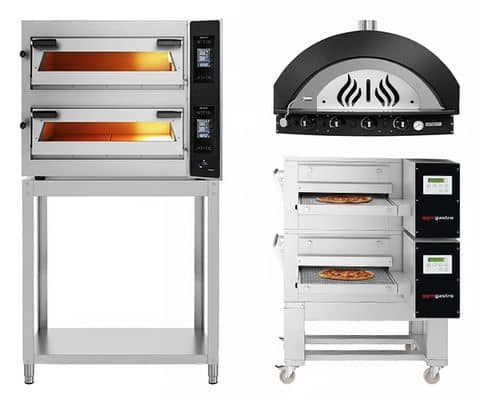
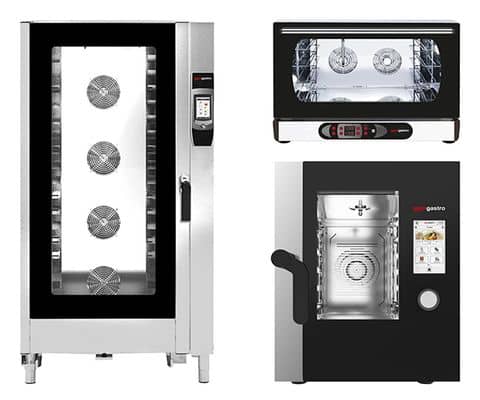
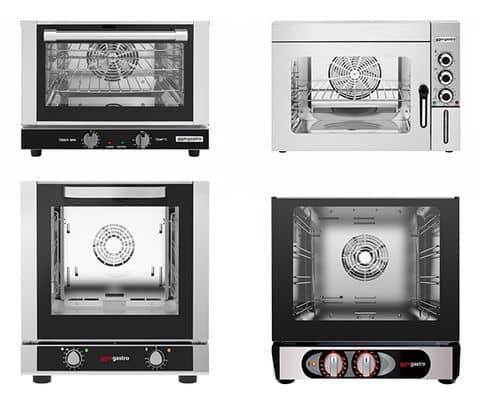
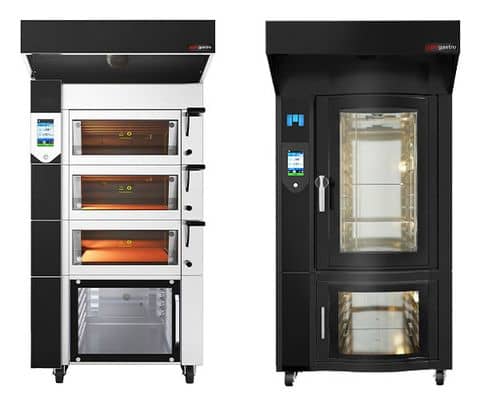
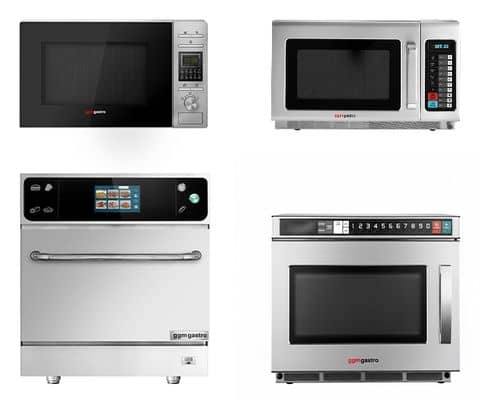
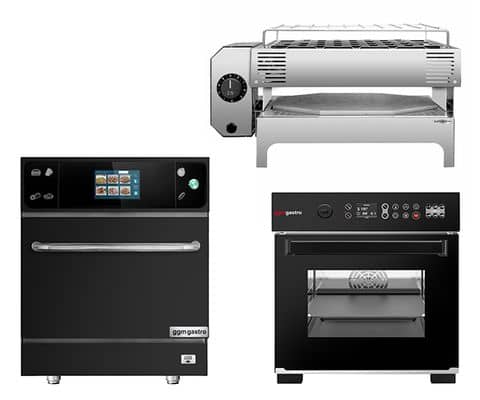
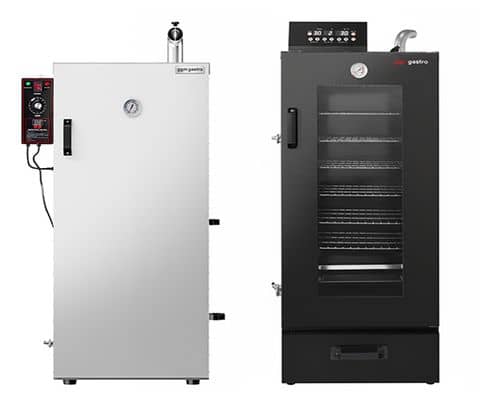
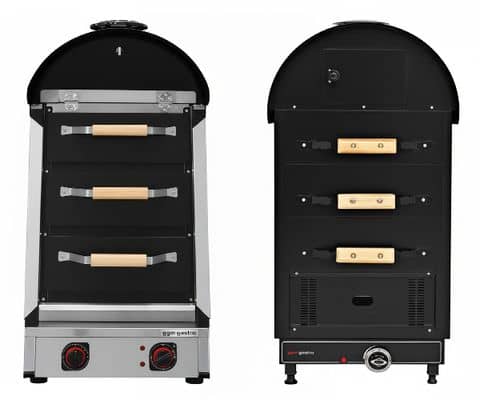
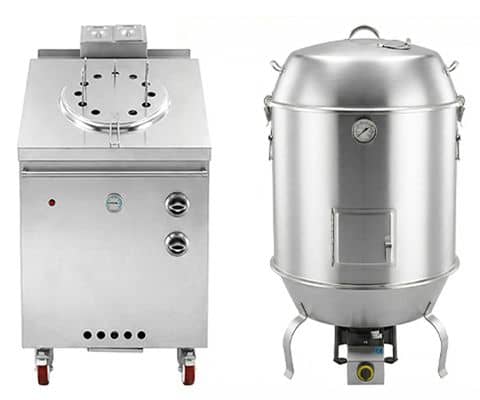
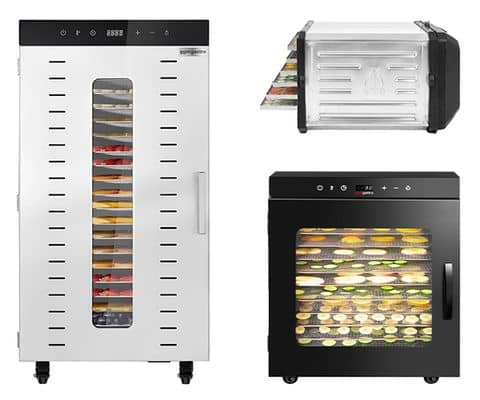
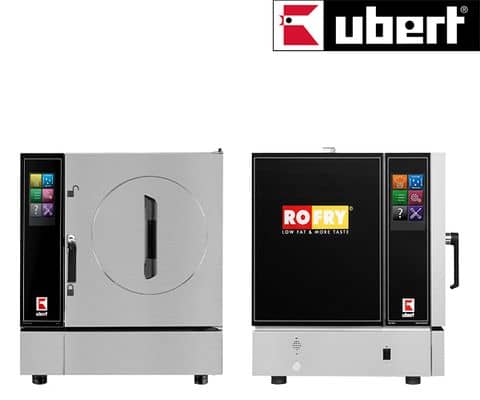
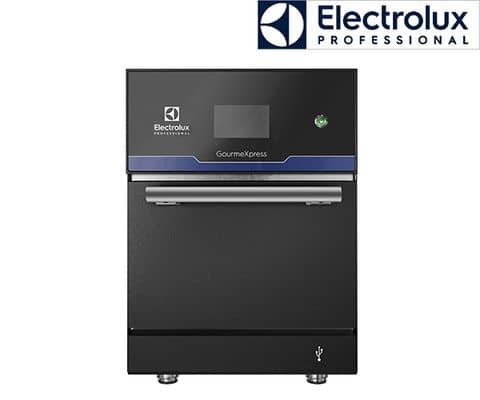
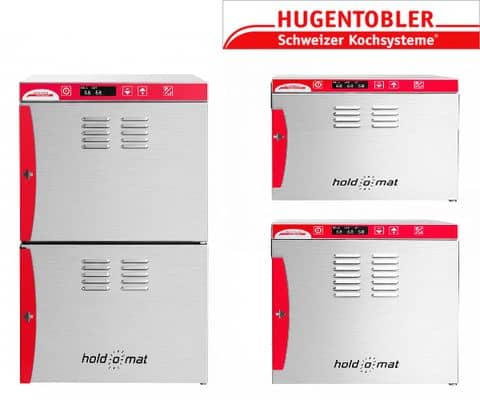
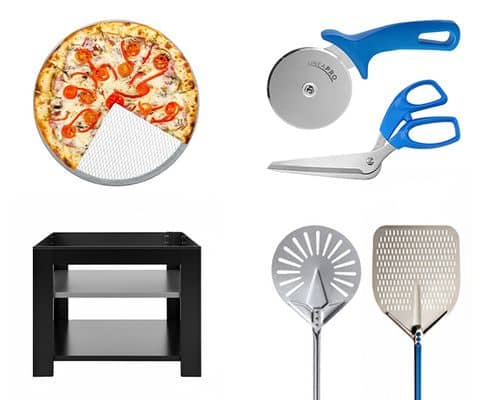
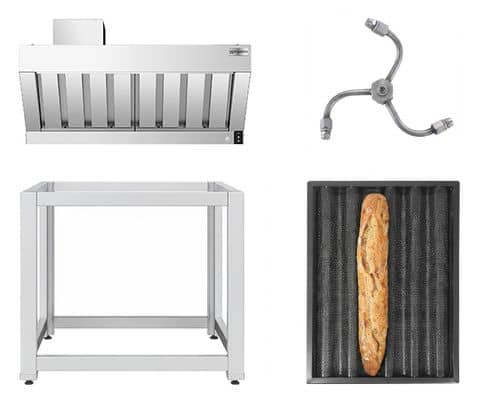
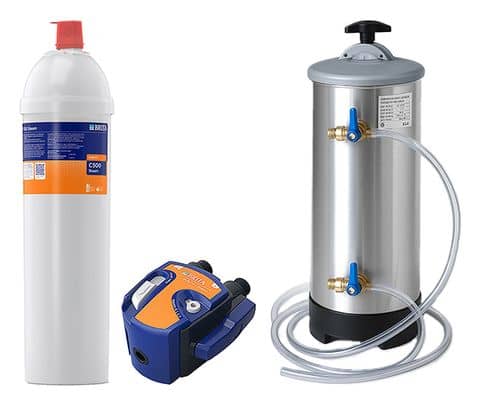
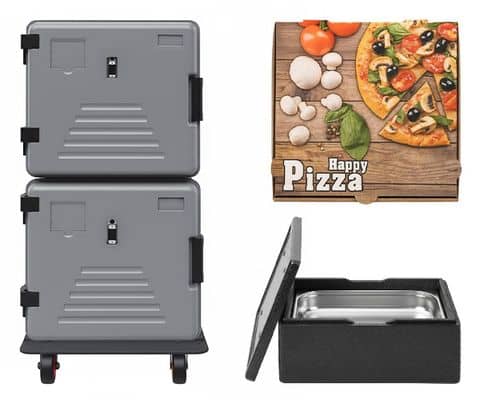

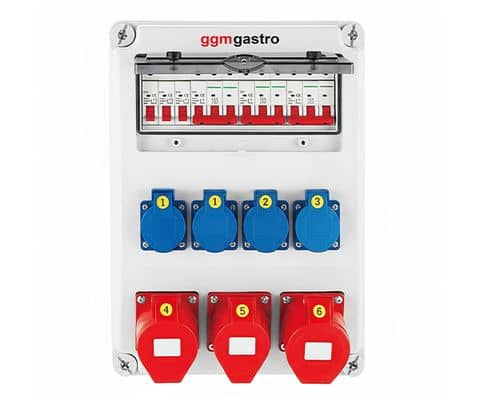

Properly Classifying Ovens in Everyday Commercial Kitchen Operations
Ovens are thermal cooking appliances for professional use that, depending on the model, are used for baking, cooking, reheating, smoking, or rapid heating. In the foodservice industry, the range therefore extends from compact units for smaller production volumes to high-performance solutions for bakeries, pizzerias, snack bars, restaurants, or institutional food service.
In day-to-day operations, ovens are a key factor in ensuring smooth kitchen workflows. They influence how well pre-production, peak hours, and service can be organized, and whether meals can be prepared to a consistent standard without avoidable bottlenecks. In a small kitchen, a compact tabletop unit with digital controls can be a practical choice when space is limited and multiple functions are needed in a confined area. In a production kitchen, on the other hand, factors such as usable volume, the number of racks, consistent temperature control, and a robust design for extended operating times are more important.
Which ovens are right for your business
When selecting the right ovens, the primary focus is on the intended use. Different appliances are suitable for highly standardized processes with consistent volumes than for kitchens with frequently changing menus or multiple cooking methods in quick succession. Five criteria are particularly relevant: type of use, capacity, connection type, operating concept, and space requirements.
The first decisive factor is whether the appliance will be used primarily for baked goods, pizza, rapid regeneration, reheating individual portions, or for multiple applications in a single unit. Next, the focus shifts to capacity: The number of baking chambers, racks, or usable levels determines how well the appliance can handle pre-production and peak hours. The connection type is also important. Depending on the appliance design, 230 V, 400 V, or gas may be required. Especially for permanently installed kitchen lines, external dimensions, door opening, and footprint also play a central role.
The operating concept also has a direct impact on day-to-day use. Digital controls, touch panels, manual operation, timer functions, and safety thermostats are not merely convenience features; they influence training, reproducibility, and process reliability. For appliances subject to heavy use, it’s also worth considering cleaning, descaling, and routine maintenance to ensure these tasks can be easily integrated into the daily workflow.
Quick Checklist for Choosing Your Stoves
This quick checklist will help you narrow down your options:
- Does the machine’s capacity match your production volumes during preparation and peak hours?
- Is a tabletop model sufficient, or do you need a freestanding model with more usable volume?
- Are electricity, gas, or water connections available at the planned location?
- Can cleaning, descaling, and daily maintenance be carried out without interrupting operations?
- Do the dimensions, door opening, and workflow paths match the available kitchen space?
Checking these points early on reduces potential issues later on during installation, operation, and production planning.
Ovens must remain durable and hygienic in everyday use
In commercial kitchens, ovens are constantly exposed to heat, moisture, grease, cleaning chemicals, and mechanical stress. That’s why clean workmanship, heat-resistant components, and easy-to-clean surfaces are essential. Stainless steel is particularly well-suited for this environment because its surfaces are easier to clean and the material remains durable during continuous operation.
Equally important are the details of the features. Good insulation helps maintain a stable interior temperature and keeps operations under control. Viewing windows, interior lighting, and digital displays make monitoring easier without unnecessarily interrupting processes. When multiple units are used together, ovens should also be appropriately combined with other stainless steel furniture and the right countertop or shelving. For units that use water or are subject to high limescale buildup, it’s worth incorporating descaling & water treatment directly into the planning process.
Well-integrated furnaces support stable processes
The economic benefits of ovens stem not only from their performance but also from how they are integrated into the workflow. When a piece of equipment is well-suited to production volume, kitchen space, and team routines, preparation, peak service, and post-production run more smoothly. This streamlines workflows, reduces unnecessary wait times, and improves planning flexibility during fluctuating workload.
A typical example is the lunch service: If capacity, temperature control, and operation are chosen appropriately, multiple work steps can be better staggered. During prep, in turn, appliances that operate consistently and can be cleaned without major detours are particularly helpful. For establishments with a wide variety of dishes, it can make sense to consider ovens alongside complementary solutions such as combination steamers or microwaves as part of a cohesive kitchen concept, without losing sight of the oven’s core function.
Choose stoves based on specific criteria, rather than just filtering by price
An affordable entry-level price can make sense if usage, utilization, and production volume are clearly limited. However, as soon as equipment is regularly operating under load, it’s worth considering the materials, controls, cleaning requirements, capacity, and connection specifications. Ovens should be selected to suit the operation, not just to fit the initial budget.
Those who evaluate this category with an eye toward processes, hygiene, and durability lay a solid foundation for reliable day-to-day kitchen operations. Good ovens do not support every operation in the same way, but when properly planned and integrated, they can significantly contribute to stability in daily operations.