


:quality(70))
:quality(70))


Meat Processing
Meat processing includes professional machines and tools for cutting, grinding, mixing, stuffing, sawing, portioning, and preparing meat in commercial settings. This category supports restaurants, butcher shops, snack bars, hotels, caterers, and commercial kitchens in ensuring clean operations, consistent results, and cost-effective, predictable preparation. Meat Processing Guide »
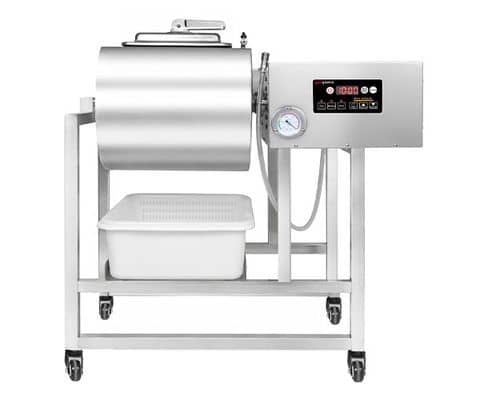
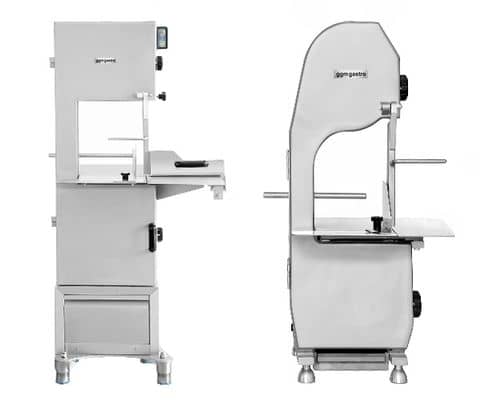
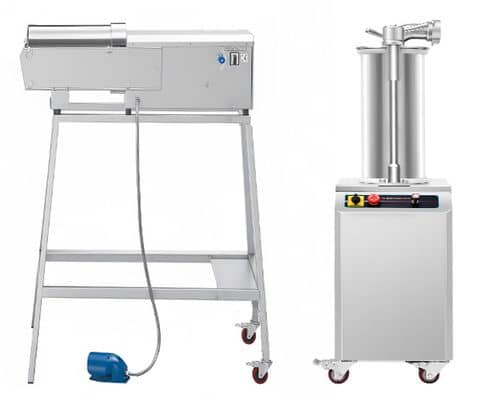
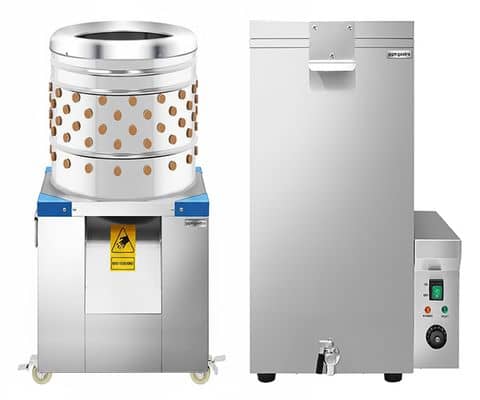
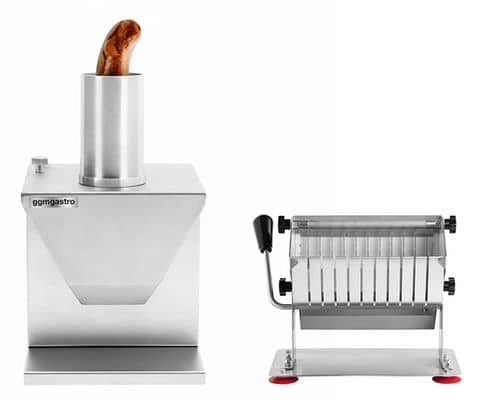

Meat Processing as a Resilient Preparation Area
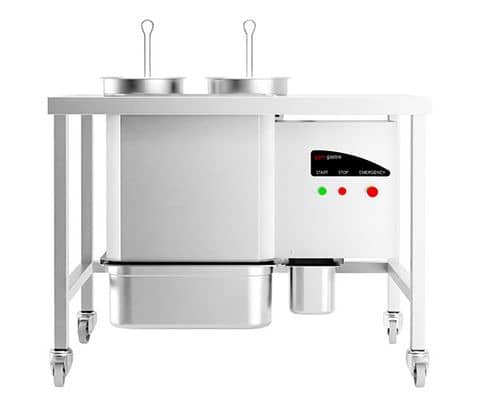
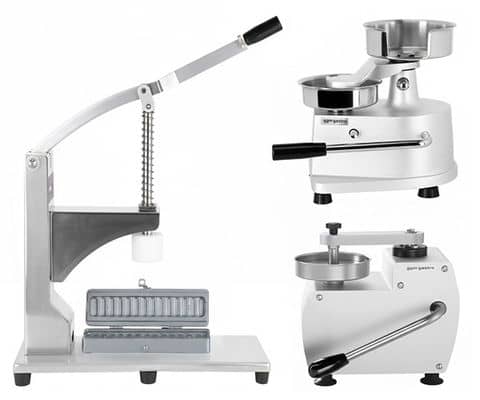
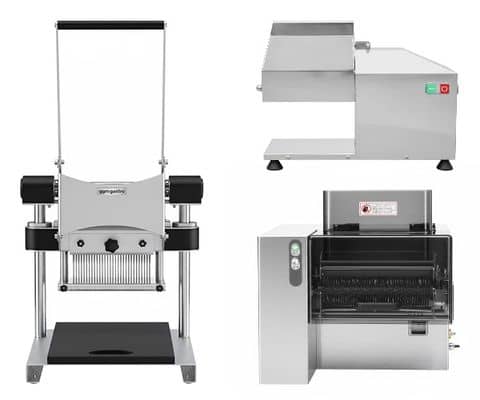
Meat processing encompasses commercial machinery and equipment used for cutting, grinding, mixing, stuffing, sawing, tenderizing, portioning, and preparing meat. This category is relevant for restaurants, butcher shops, snack bars, hotels, catering companies, and commercial kitchens when raw ingredients need to be processed cleanly, quickly, and consistently.
In day-to-day operations, having the right equipment determines whether preparation and production flow together efficiently. A burger joint needs different equipment than a hotel kitchen serving breakfast deli cuts, and a kebab stand requires different solutions than a butcher shop with sausage production. Key factors include output per hour, footprint, connection type, ease of use, and ease of cleaning. These criteria determine whether a piece of equipment is merely present or actually streamlines the workflow.
Select Equipment by Work Step and Capacity
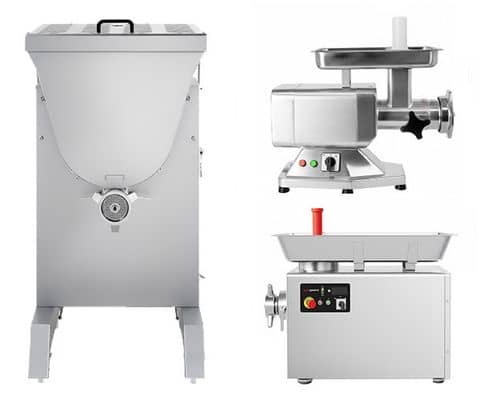
When making your selection, the first thing to consider is the task at hand. Meat grinders are suitable for ground meat, sausage meat, and stuffing mixtures; key factors here include output in kg/h, motor power, perforated discs, cutting sets, and a 230-V or 400-V connection. For small kitchens, a compact tabletop model may suffice, while businesses with daily prep work should plan for more power capacity and a stable base.
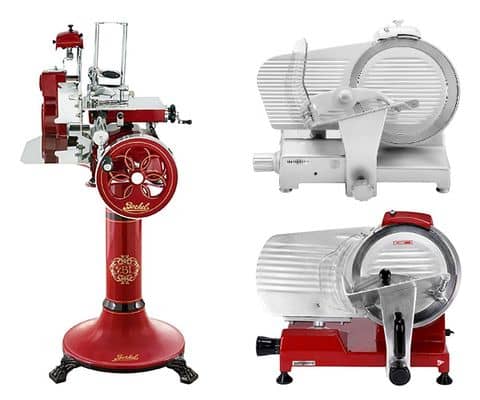
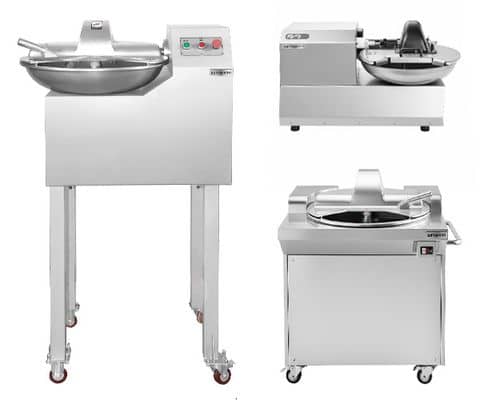
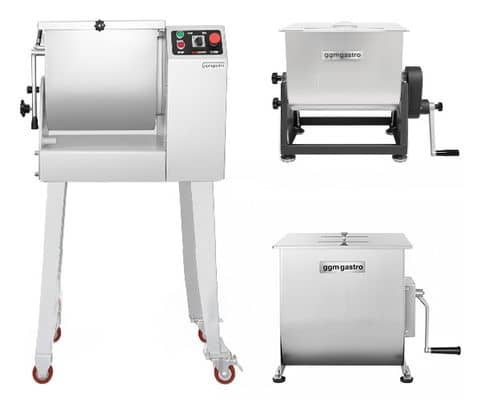
Slicers ensure uniform slices of sausage, ham, roast meat, or cheese. Key details include blade diameter, adjustable slice thickness, slide guide, residue holder, and easily accessible cleaning areas. Cutters and meat mixers are typically evaluated based on liter capacity, batch size, and discharge. For sausage fillers, filling capacity, operating method, compatible filling tubes, and secure fastening play an important role.
Quick Check for Choosing the Right Meat Processing Method
Before making a purchase, the decision should always be based on the process:
-
What volume needs to be processed during peak hours?
-
Do the dimensions, working height, and power connection fit the planned location?
-
Are blades, perforated discs, filling tubes, or patty liners available?
-
Can the machine be thoroughly cleaned after contact with raw ingredients?
-
Does the machine fit into the workflow for storage, preparation, and distribution?
This quick check is helpful for both replacement needs and new planning. When a meat grinder breaks down, availability and adequate performance are key. When a business expands, spare parts, accessories, and future use become more critical.
Hygiene and Resilience When Handling Raw Materials
Meat processing places high demands on materials, maintenance, and work organization. Raw meat, fat, moisture, spices, marinades, and cleaning chemicals take a daily toll on surfaces and components. Smooth stainless steel surfaces, removable components, accessible blade areas, and sturdy housings facilitate cleaning and inspection.
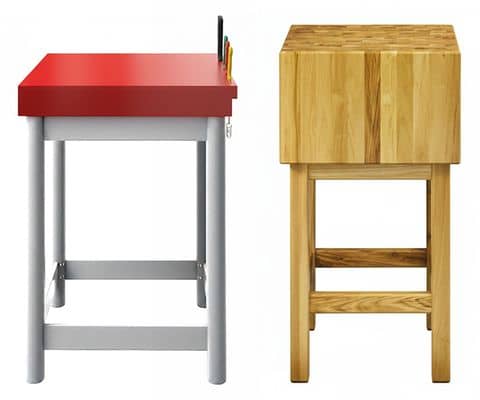
The surrounding environment also matters. A bone saw requires unobstructed space for movement, secure guidance, and—depending on the model—specifications such as cutting height, cutting depth, or saw blade length. A steak cutter or meat tenderizer should be positioned so that raw ingredients, temporary storage, and transfer can take place without unnecessary movement. For hygienic preparation, suitable stainless steel furniture is recommended when work surfaces, storage areas, and cleaning zones must be clearly separated. Especially when handling raw ingredients, the business should establish a sequence for cooling, processing, temporary storage, and cleaning to ensure that clean and unclean steps are not mixed during daily operations.
Integrating Meat Processing into the Business in a Cost-Effective Manner
Proper meat processing can save time, ensure consistent portion sizes, and stabilize workflows. Uniform patties, defined slice thicknesses, or standardized fill quantities reduce rework and help the team work more calmly, even during periods of high order volume. At the same time, selecting the right size prevents capital and floor space from being tied up in machines that are too large.
The purchase becomes cost-effective above all when it resolves a genuine bottleneck: preparation that’s too slow, inconsistent portion sizes, high manual labor, or a lack of capacity during peak hours. A snack bar with high burger volume benefits from hamburger presses differently than a restaurant that occasionally minces meat. A butcher shop evaluates sausage fillers based on filling capacity and consistency, while a hotel operation tends to prioritize cleanly sliced meats and ease of use.
Well-coordinated combinations for a smooth workflow
Meat processing should not be planned in isolation. Refrigeration, work surfaces, cutting areas, packaging, cleaning, and distribution must all work together. A clear workflow is essential: remove chilled raw materials, process them, portion them, store them temporarily, or distribute them directly. This keeps movement to a minimum and ensures clear lines of responsibility.
A good selection combines performance, dimensions, hygiene access, accessories, and operating mode. Those who check these points before purchasing will not only find a suitable appliance but also a solution that remains reliable in daily use and makes preparation more predictable.