


:quality(70))
:quality(70))


Keeping Food Warm in the Food Service Industry
Professional food warmers keep food, beverages, and tableware at the right temperature and ready to serve in everyday commercial settings. They are suitable for kitchens, buffets, serving areas, catering, banquets, cafeterias, hotels, and mobile food service concepts. Guide to Food Holding »
Devices
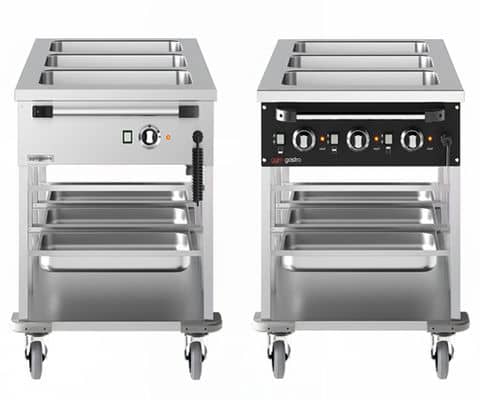
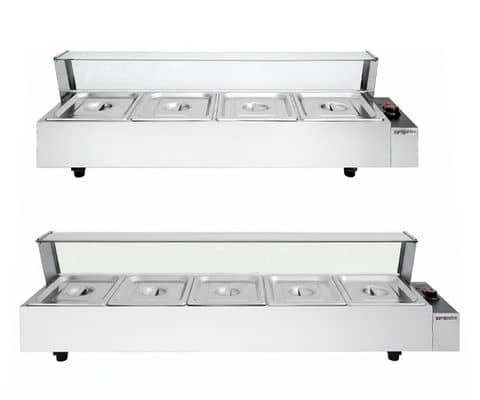
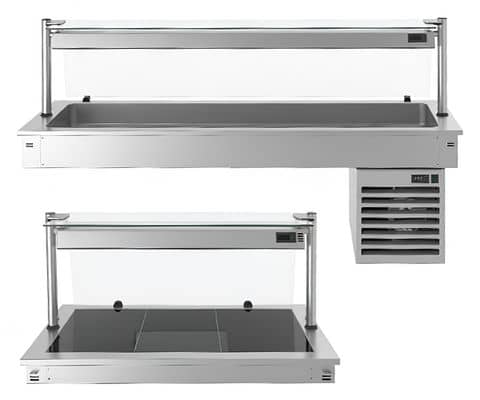
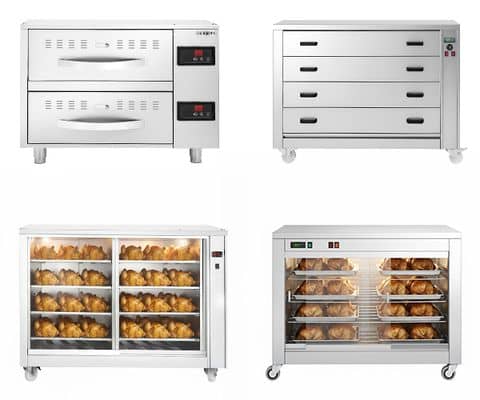
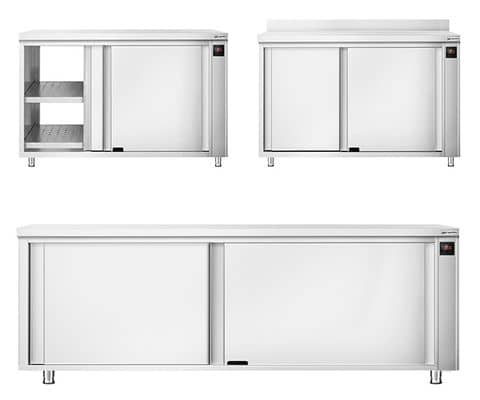
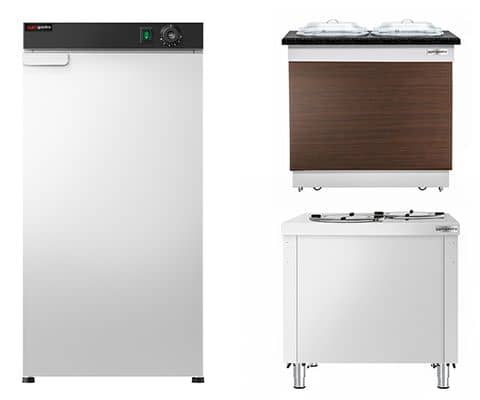
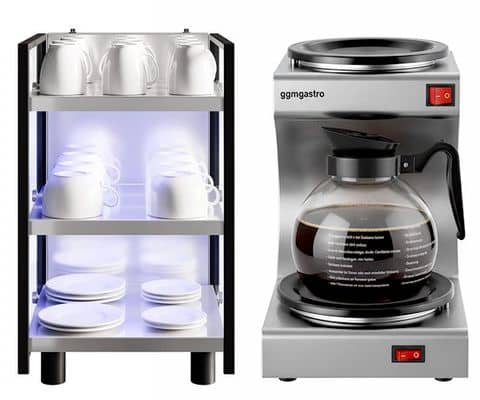
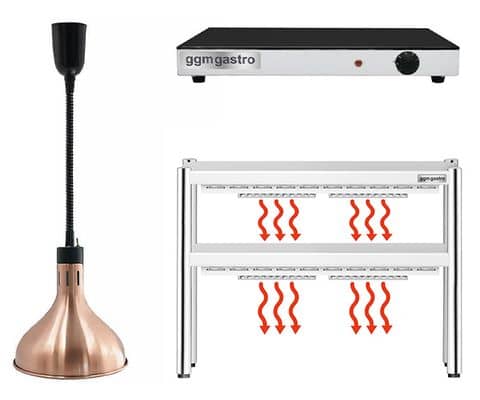
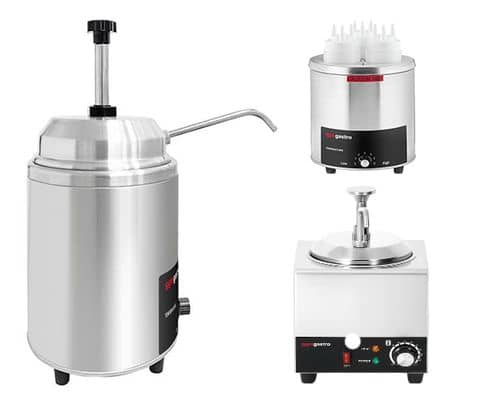
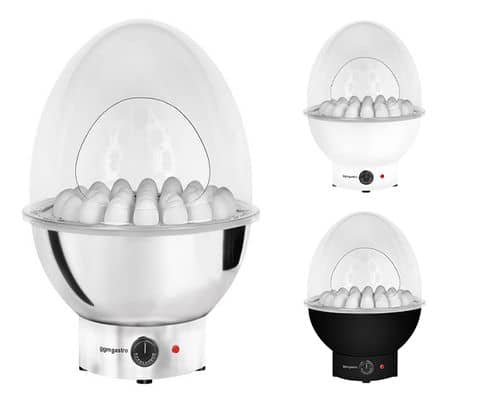
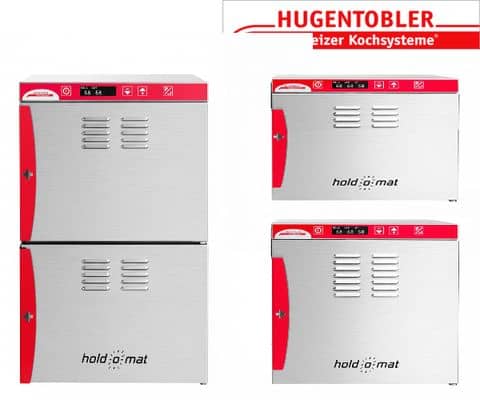
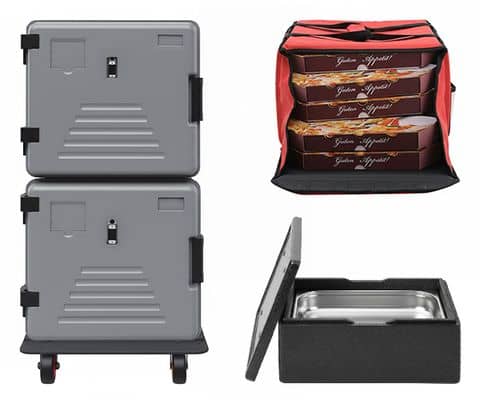
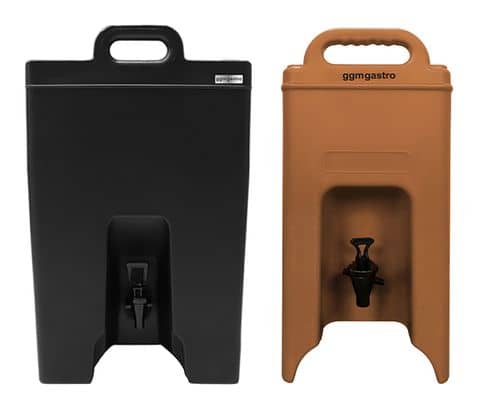
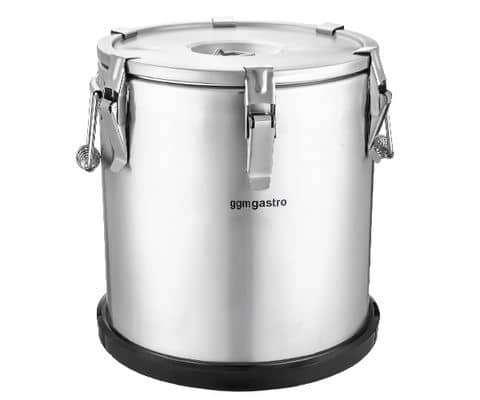
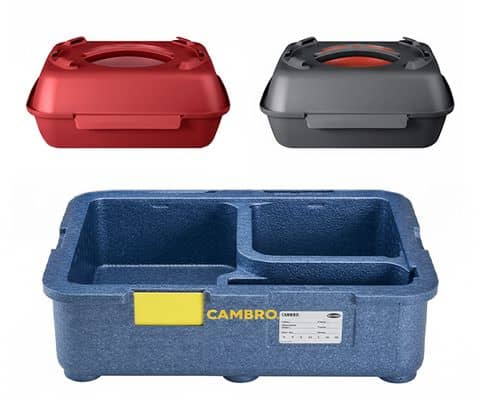
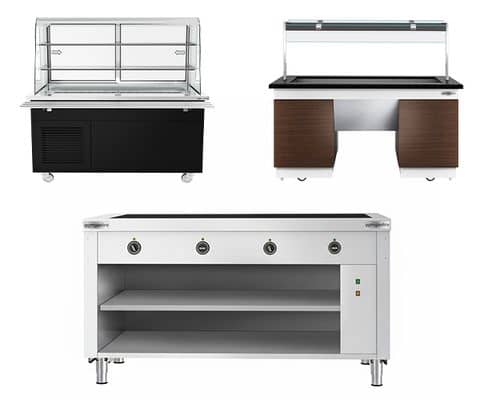
Series
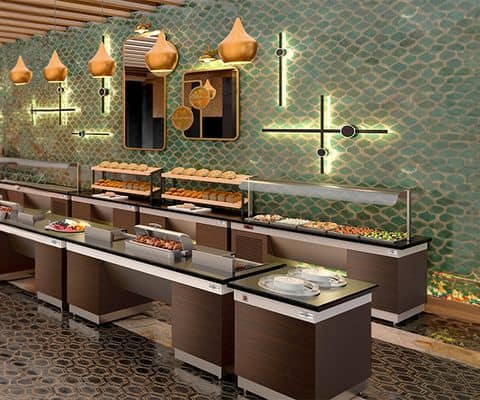
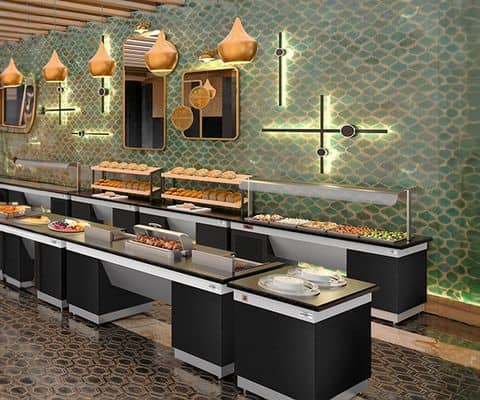
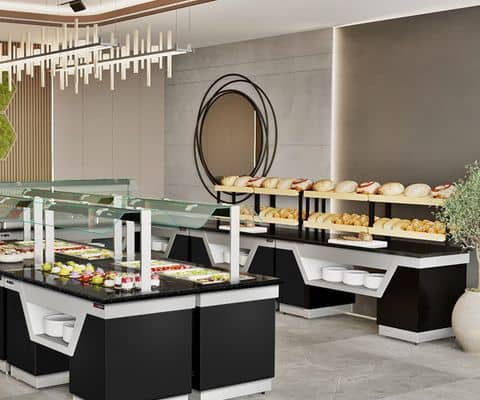


Keeping food warm as an integral part of professional food service
In the foodservice industry, “keeping food warm” refers to the controlled storage of prepared dishes, beverages, or serving components at an appropriate temperature until they are served. The goal is not to cook the food, but to reliably maintain the temperature throughout preparation, presentation, transport, and service.
In high-volume establishments, this phase often determines whether meals can be served on time, neatly, and consistently. A snack bar keeps side dishes and sauces within easy reach; a hotel organizes the breakfast buffet; a cafeteria uses bain-maries on the serving line; and a catering company uses thermal boxes or banquet carts for transport. What all these applications have in common is that keeping food warm must fit into the workflow and must not slow down operations.
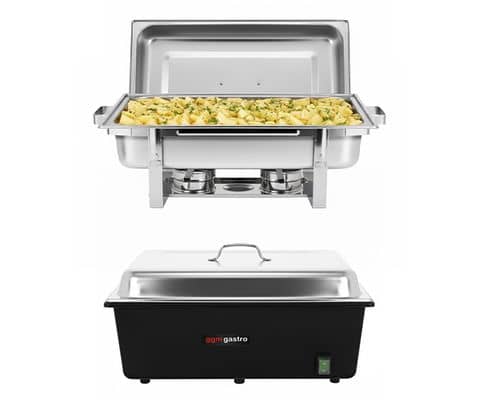
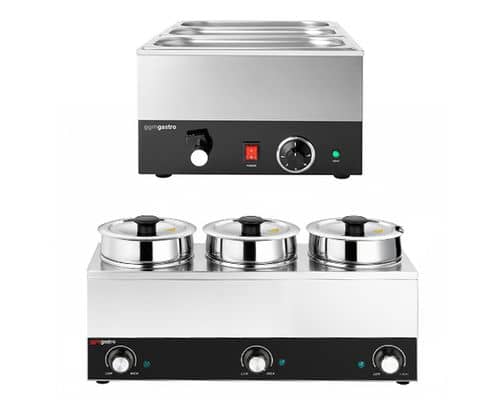
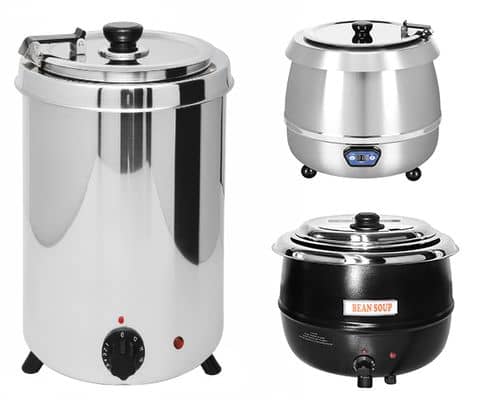
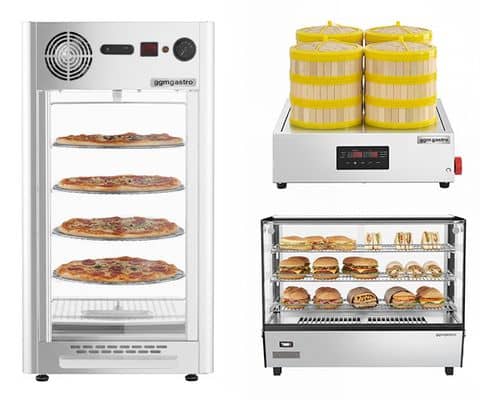
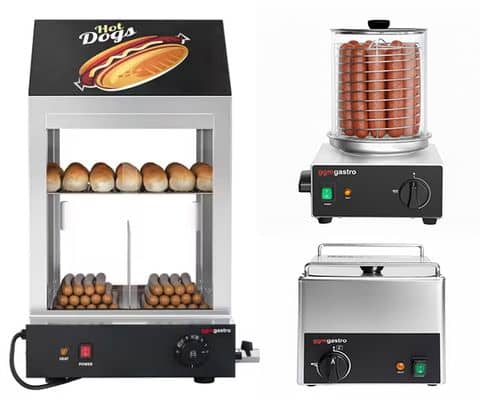
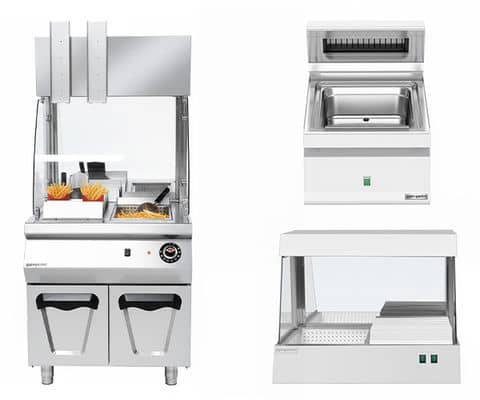
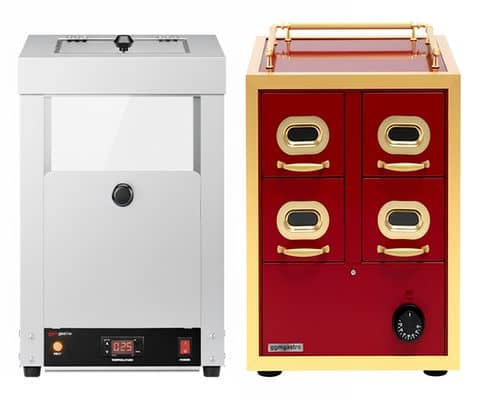
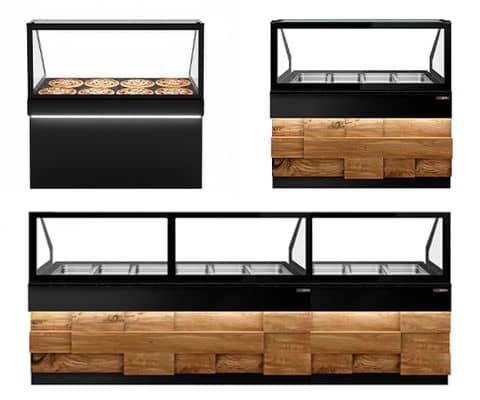
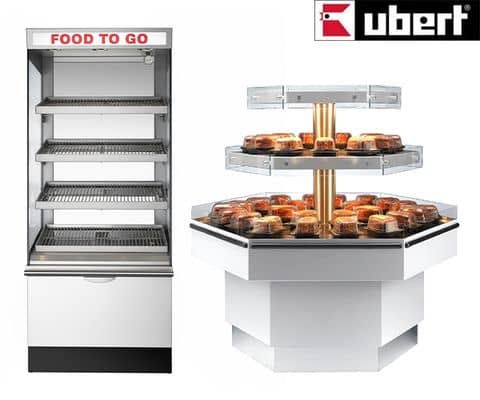
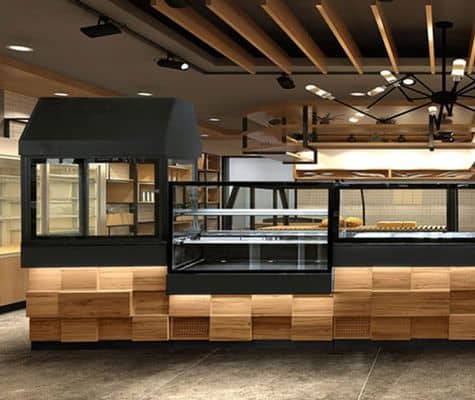
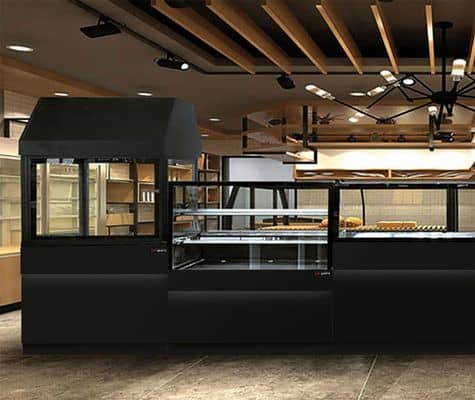
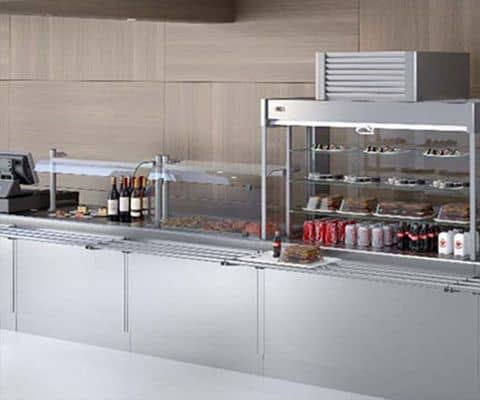
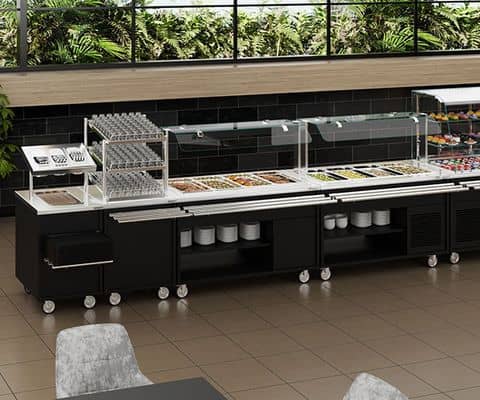
Depending on the application, different solutions are available. Chafing dishes are suitable for buffets and self-service, bain-maries for soups, sauces, and side dishes in a water bath, warming racks for the serving line, heated display cases for visible presentation, and thermal containers for mobile use. When planning your equipment, you should therefore base your choice not only on price or size, but also on the type of food, number of servings, holding time, service method, and available space.
Which food warmers are right for your workflow?
The right solution depends on where heat is needed in the kitchen. In the kitchen, a quick transition between cooking and serving is often essential. Here, heat bridges, warming plates, or warming cabinets help keep food components ready for a short time. In the buffet area, on the other hand, accessibility, presentation, and a logical restocking system are more important. Chafing dishes, bain-maries, and heated display cases must be stable, hygienically accessible, and compatible with the desired GN sizes.
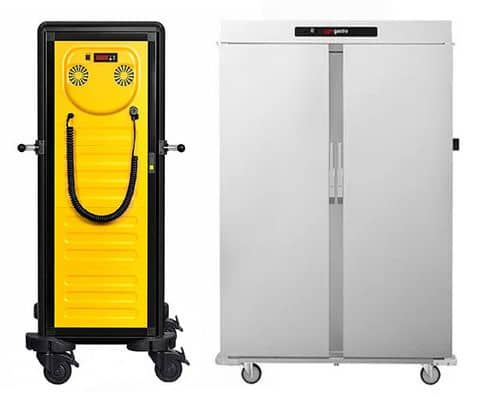
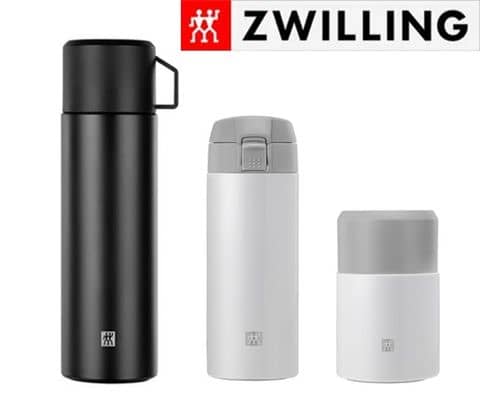
For catering, banquets, and event catering, mobility plays a greater role. Thermal boxes, food transport containers, or thermal and banquet carts facilitate transport from the production area to the serving station. Insulation, capacity, casters, handle placement, and ease of cleaning are crucial factors here. In smaller kitchens, a compact tabletop unit may be practical, while larger production kitchens tend to use modular lines, under-counter units, or mobile solutions.
Key decision criteria include:
- Application: kitchen, buffet, serving area, transport, or counter
- Capacity: GN size, liter capacity, number of portions, or footprint
- Heat source: electric, fuel paste, or insulated transport solution
- Material: stainless steel, glass, heat-resistant plastics, or insulated construction
- Cleaning: smooth surfaces, removable containers, easily accessible interior spaces
Planning, Space Requirements, and Integration into Day-to-Day Operations
Keeping food warm works best when it’s firmly integrated into the workflow. A unit in the wrong location creates extra steps, blocks counter space, or disrupts service. That’s why it’s important to determine before purchasing whether the solution will be used as a stationary unit on the counter, a mobile unit on casters, in a service line, or directly at the pass.
The difference is particularly evident during peak hours. When side dishes are kept in a bain-marie near the serving area, the team has to walk less and can fill plates more quickly. If a heated display case is clearly visible in the sales area, snacks or meals can be presented in an orderly manner. If thermal boxes are too small, however, this results in additional trips, frequent rearranging, and temperature loss when the doors are opened.
The type of connection and location should also be assessed early on. Electric appliances require suitable outlets and sufficient power. Models that run on fuel paste are more flexible but are better suited for buffet or event settings. Mobile solutions require clear pathways, secure casters, and sufficient maneuvering space. For serving lines, it’s also important that stainless steel furniture, GN containers, and holding warmers are compatible in terms of dimensions and working height.
Hygiene, Materials, and Durability in Food Holding Applications
Food-warming units are frequently used, cleaned, and refilled in everyday commercial settings. Stainless steel is particularly common because it is durable, hygienic, and easy to clean. Display cases also feature glass surfaces, while transport solutions include insulated walls, gaskets, and sturdy latches. It is crucial that all contact and visible surfaces remain easily accessible at all times.
Moisture, heat, grease, food residue, and cleaning agents take a daily toll on these appliances. Removable GN containers, smooth interiors, rounded edges, and easily accessible drip pans make maintenance easier. For bain-maries, attention should be paid to the water flow; for chafing dishes, to the secure positioning of burners or heating elements. For heated display cases, it’s also important to ensure that glass panels, inserts, and shelves can be cleaned with minimal effort.
Plan for the long term instead of just keeping things afloat
A suitable food-warming solution supports consistent operations because meals don’t have to be reorganized with every order. This can make service run more smoothly, make meal service easier to plan, and ease the workload on the team during busy periods. Keeping food warm becomes particularly cost-effective in situations where long wait times, quality loss, or unnecessary re-production occur regularly.
Realistic use remains important. Not every dish is suitable for long holding times. Deep-fried items, delicate vegetables, or meat components react differently than soups, sauces, or side dishes. Therefore, food holding should always be tailored to production volume, restocking frequency, and the type of dish. For professional setups, the combination is often key: food holding, GN containers, suitable serving surfaces, transport solutions, and dishwashing technology must all work together.
Quick Checklist for Choosing Your Food Warmers
- Before purchasing, determine which foods need to be kept warm and how long they can realistically be kept warm.
- Determine whether the appliance will be used for a buffet, in the kitchen, at the counter, for transport, or for a banquet.
- Consider capacity, GN compatibility, connection type, and footprint.
- Evaluate ease of cleaning and usability just as carefully as performance and price.
- Also consider whether the solution will need to be expanded or combined with additional components in the future.
With well-chosen food warming equipment, the time between preparation and service becomes easier to manage. For food service establishments, the benefits are particularly evident where temperature, presentation, hygiene, and workflow must reliably work together.