


:quality(70))
:quality(70))


Hot cupboards for hospitality and commercial kitchens
Hot cupboards combine heated storage with a robust worktop and support organised food holding close to production and service. Depending on your kitchen line, choose between 600 or 700 mm depth, different widths and versions with an upstand or pass-through design. Find out which model suits your business in our buying guide »
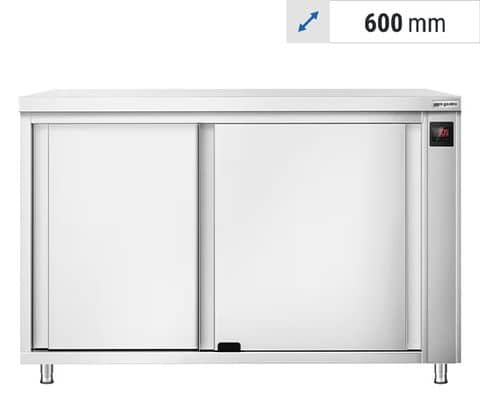


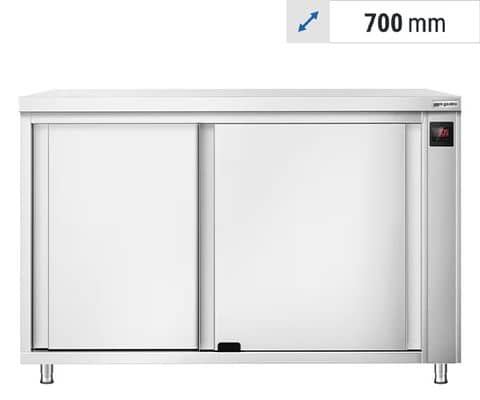


Building depth
Quality
Design/Equipment
Width
Price
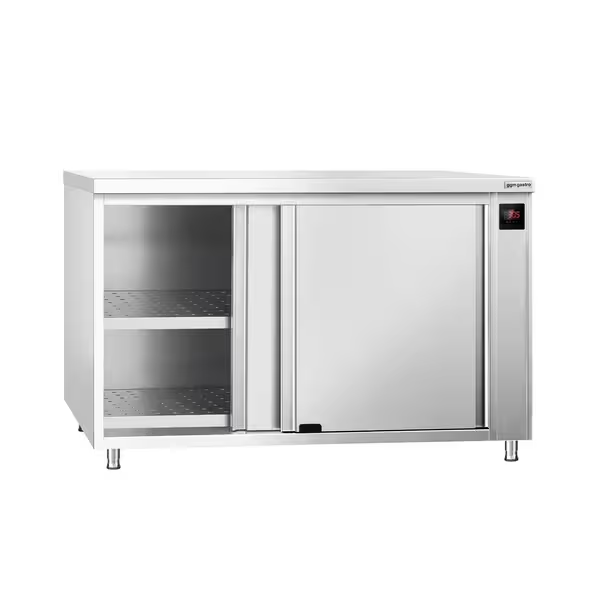
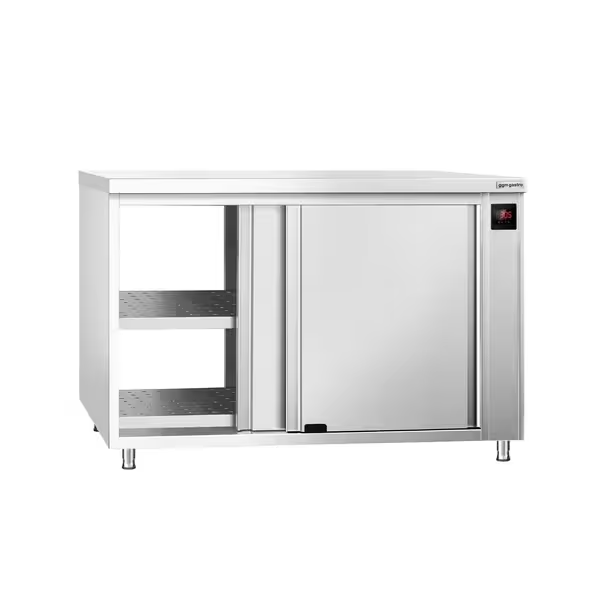
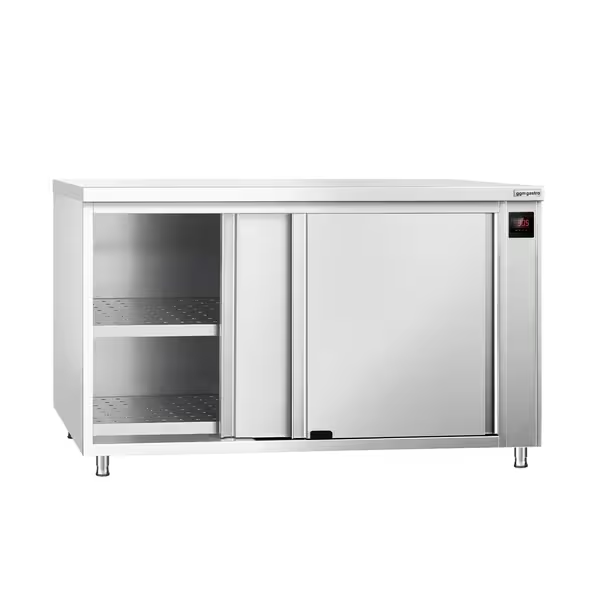
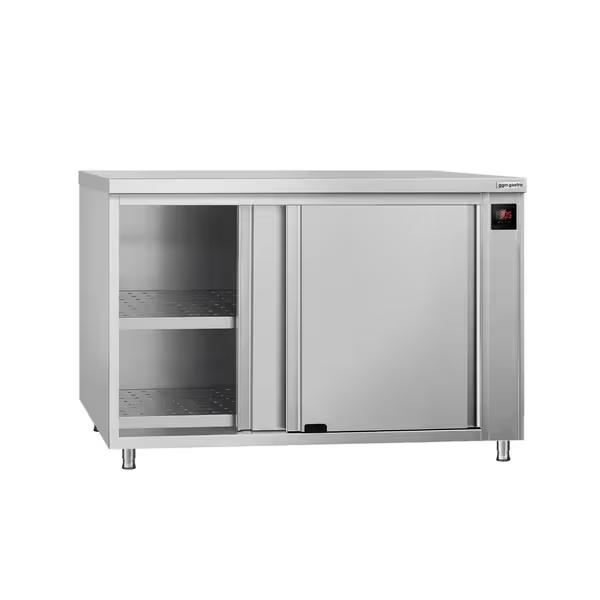
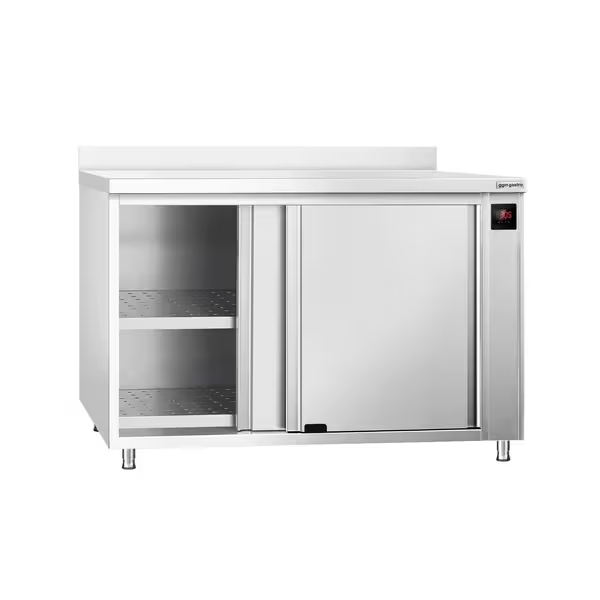
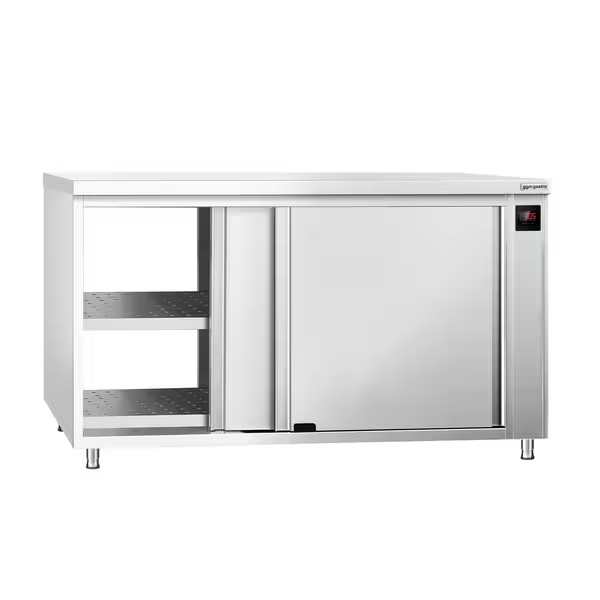
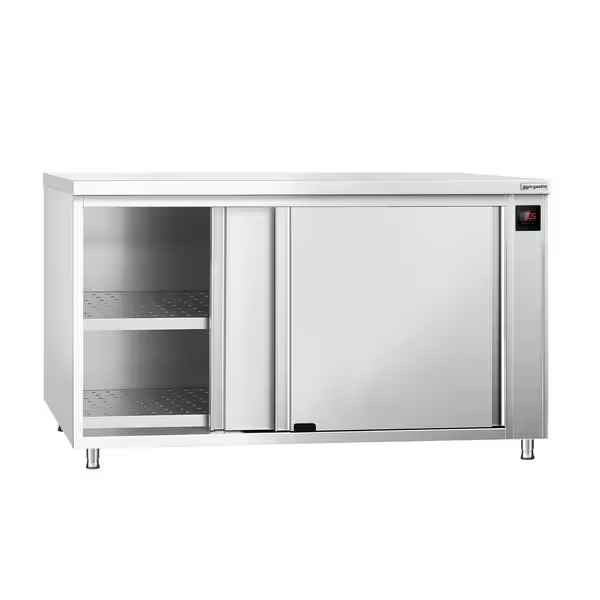
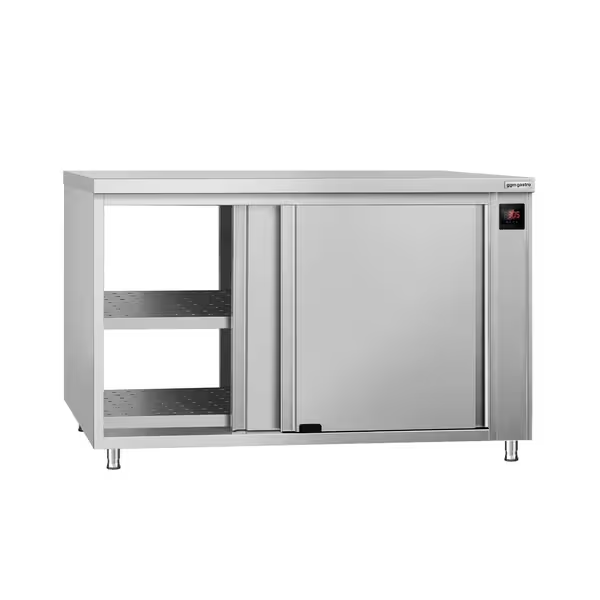
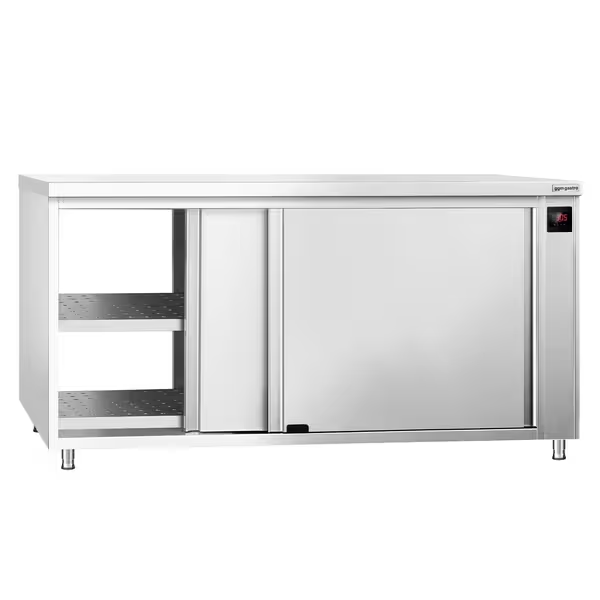
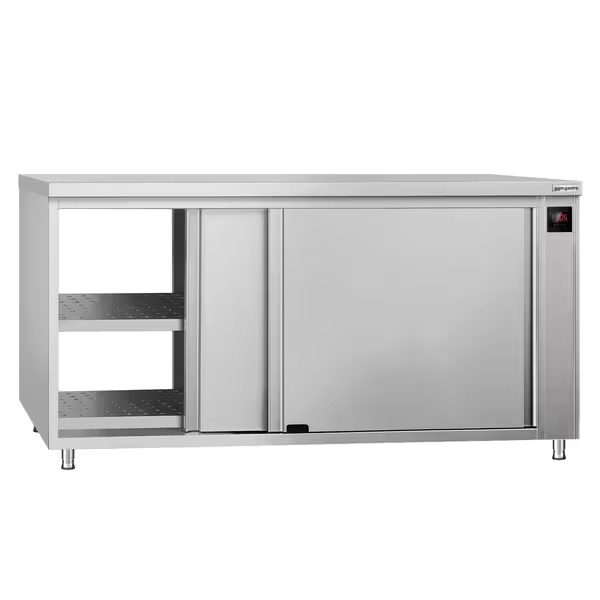
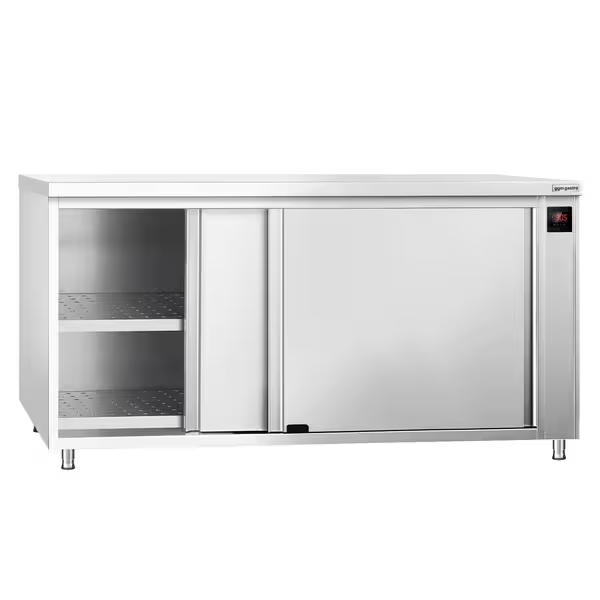
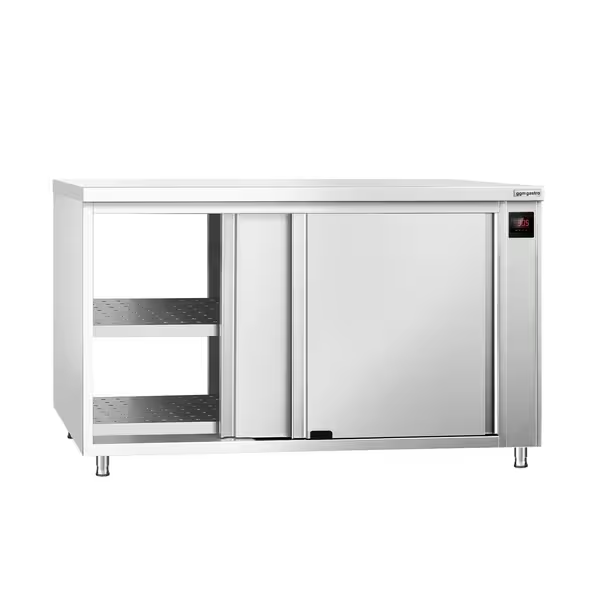
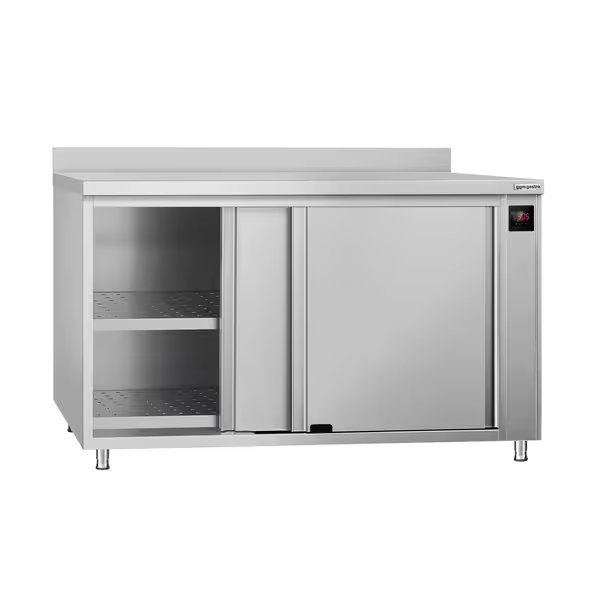
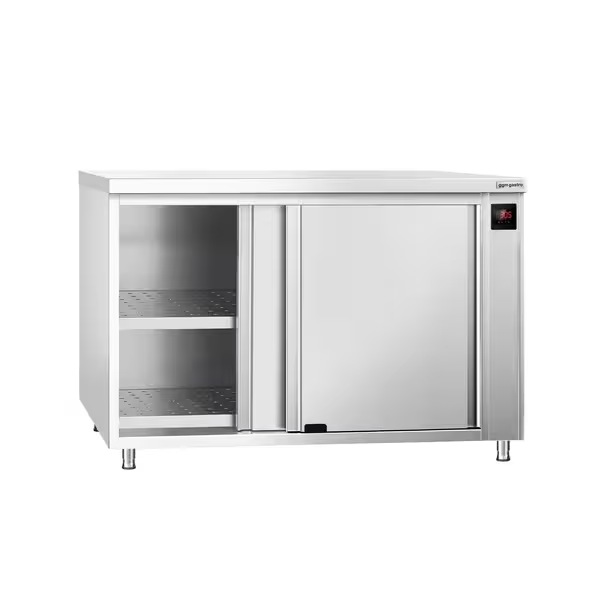
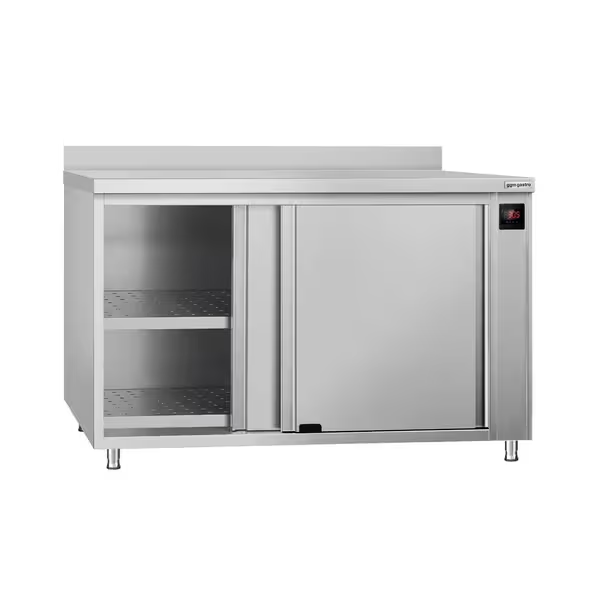
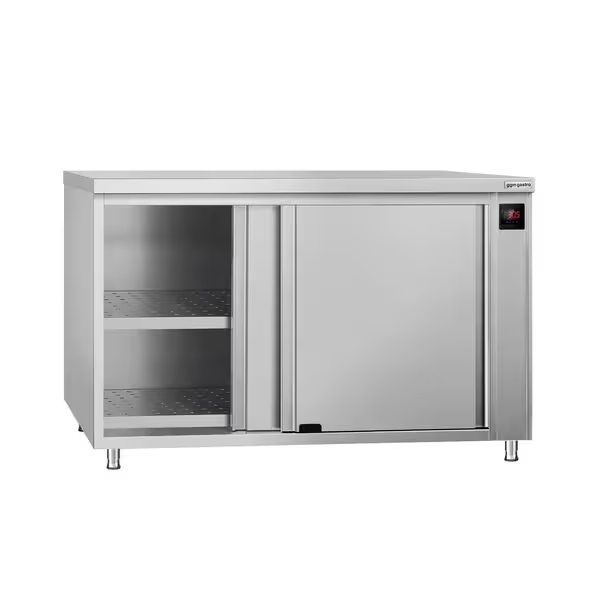
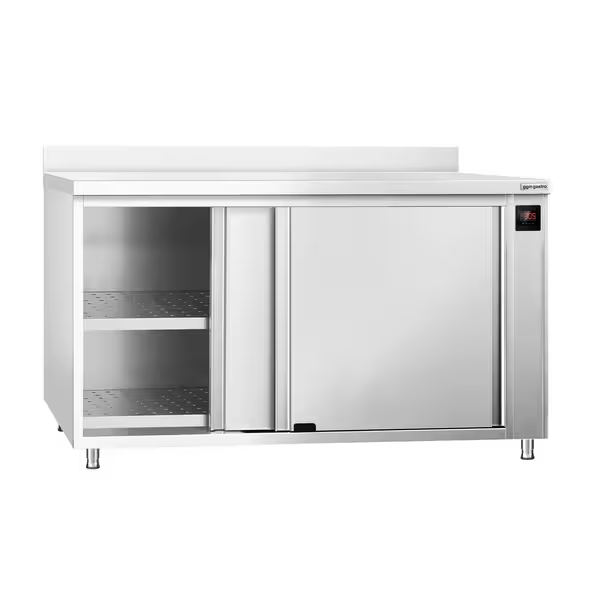
Hot cupboards in a professional kitchen workflow
Hot cupboards are heated stainless steel work cabinets that combine a work surface and temperature-controlled storage in one unit. In restaurants, hotels, staff canteens, catering and production kitchens, they are mainly used where prepared components need to be kept within reach and at a suitable temperature between production and service.
In daily operation, their benefit lies less in simply keeping food warm than in their integration into a clean process. Extra storage is created under the worktop, while food or suitable components are ready close to the pass, cooking line or servery. This can shorten walking distances and help the team work through peak times in a more structured way. Importantly, a hot cupboard is no substitute for proper production planning. It supports it where short holding times and an orderly handover to service are needed.
600 or 700 mm depth: planning hot cupboards to suit your line
At GGM Gastro, hot cupboards are available in 600 and 700 mm depths, among others, and in a range of widths. Depending on the model, widths range from compact versions of around 1,000 mm to larger units of around 2,000 mm. Planning should therefore take into account the footprint, existing working depth and how much heated storage is actually needed.
A 600 mm version can suit more compact kitchen lines. A 700 mm depth offers more working and interior space, but needs correspondingly more floor space. Models with an upstand make sense when the back of the worktop needs to be neatly sealed against the wall or adjacent areas. Pass-through versions are particularly suitable for handover points between kitchen and front of house, as the interior can be accessed from both sides.
Which features really matter day to day
Besides dimensions, operators should compare the door design, interior layout, temperature control, material and cleaning effort. Sliding doors don't need any extra swing space in front of the cupboard and are therefore practical in tight work areas. An intermediate shelf can help organise the interior clearly. Selected models feature digital controls.
GGM Gastro offers ECO and PREMIUM versions. The right choice depends not only on price, but on intensity of use, desired material quality, cleaning demands and planned service life. Before ordering, connection ratings, external dimensions and the installation situation should also be checked. If you are planning a new kitchen line, consider the hot cupboard together with [stainless steel kitchen furniture] and the adjacent work surfaces, so that height, depth and walking routes all fit.
Quick check for choosing hot cupboards
-
Does the 600 or 700 mm depth suit your existing kitchen line?
-
Is the chosen width enough for the worktop and the storage you need?
-
Is an upstand needed for the installation situation?
-
Does a pass-through design make sense because kitchen and front of house access it from both sides?
-
Do the door system, connection ratings and cleaning access suit your daily workflow?
Hot cupboards as part of a stable operation
The right sizing supports a calmer workflow. If a cupboard is too small, space quickly runs out at peak times; if it is far too large, it ties up floor space and investment budget without being used accordingly day to day. What matters, therefore, is the real peak load: what quantities need to be held briefly between production and service, and how many staff access the cupboard at the same time?
Hygiene and care are also part of the investment decision. Stainless steel surfaces are suitable for commercial kitchens because they are robust and easy to clean. At the same time, runners, corners, bases and door areas must remain accessible for regular cleaning. In busy kitchens, grease, moisture, heat, cleaning chemicals and mechanical wear all come together. An easily accessible design therefore makes not only cleaning easier, but also daily checks.
Combine sensibly without overloading the process
Hot cupboards work best when they are integrated into the overall production and service logic. In a cooking line, they complement cooking appliances with heated storage close to the work surface. At the pass, combining them with heated gantries, heat lamps & warming plates can make sense when different components need to be held at temperature just before service. Other food warming solutions have their own tasks and should be considered separately when planning the kitchen.
The purchase makes economic sense when dimensions, capacity and features match actual needs. A robust, well-integrated hot cupboard can reduce walking distances, organise handovers and help the team cope with peak times more steadily. What matters when choosing is therefore not having as many functions as possible, but a version that suits the space, the production model and the daily demands of the business.