


:quality(70))
:quality(70))


Commercial Refrigeration for the Food Service Industry and Commercial Establishments
Retail refrigeration displays chilled goods prominently in the sales area while ensuring safe temperature control. It is suitable for cafés, bakeries, snack bars, restaurants, hotels, cafeterias, and other commercial establishments with a refrigerated sales or serving area. Retail Refrigeration Guide »
Devices
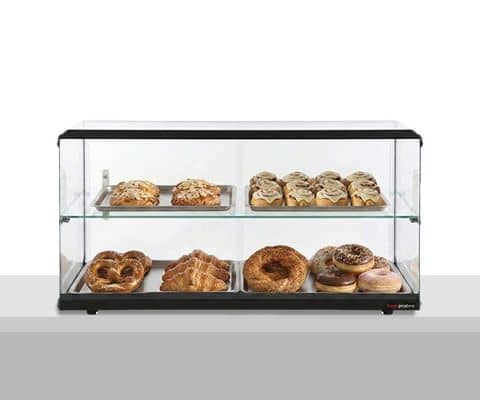
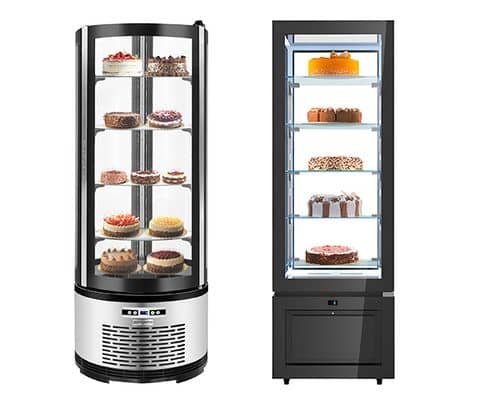
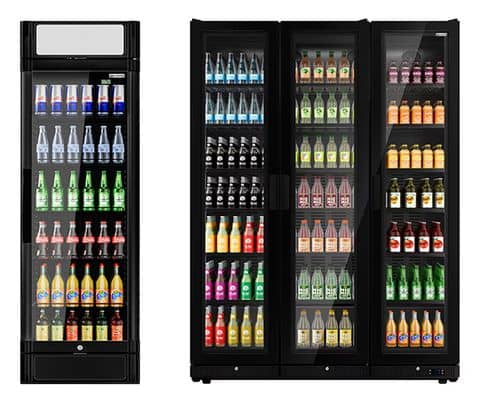
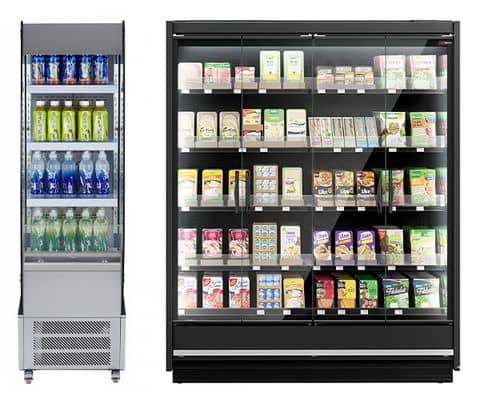
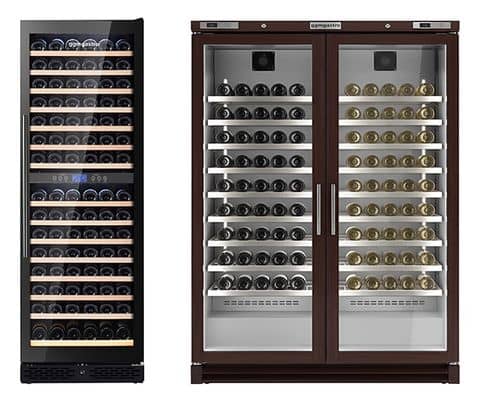
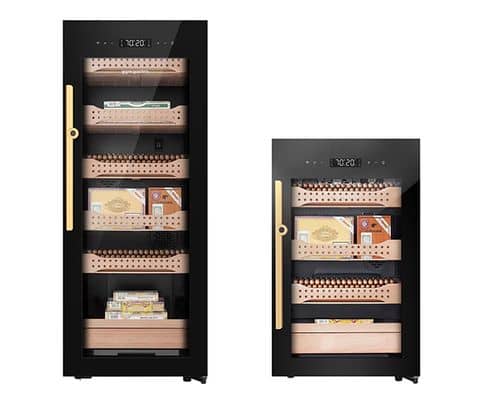
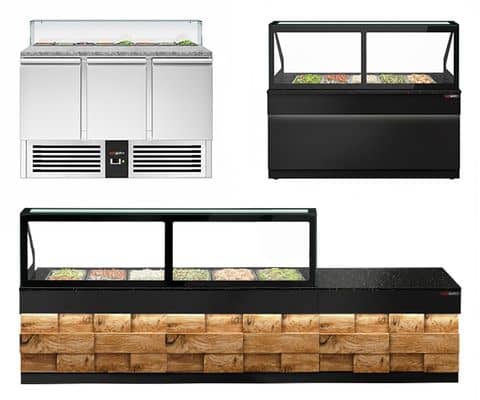
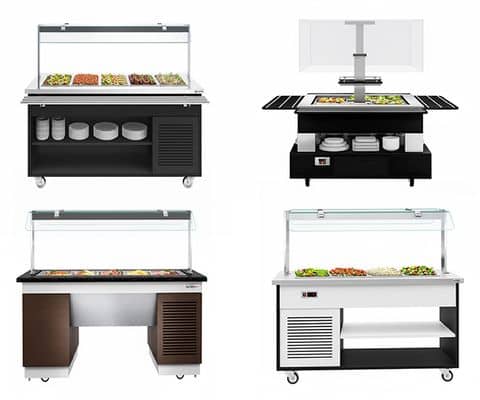
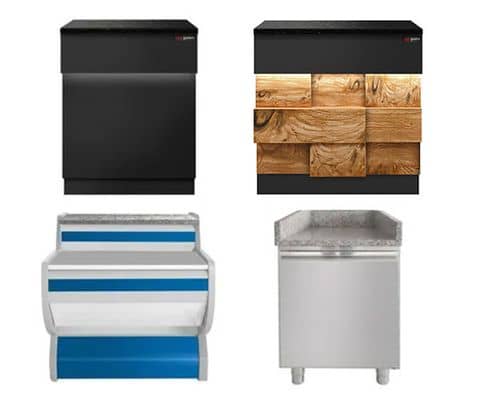
Product Ranges
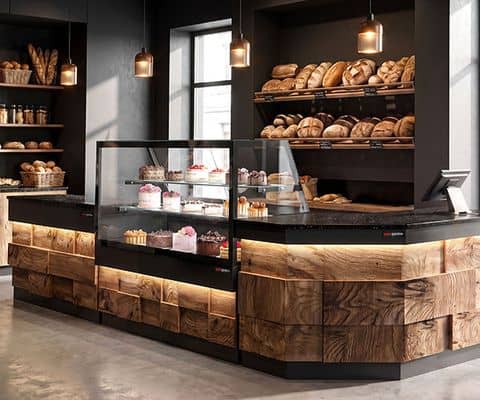
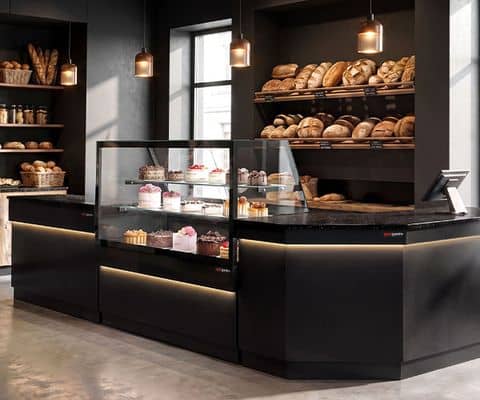
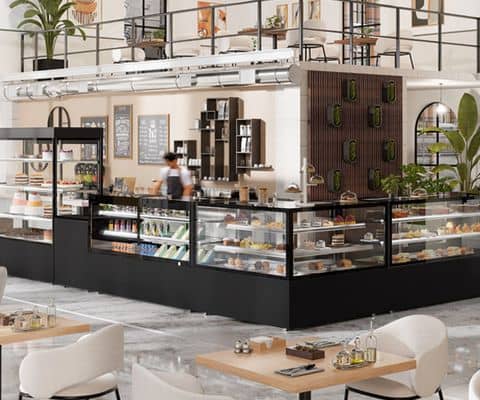
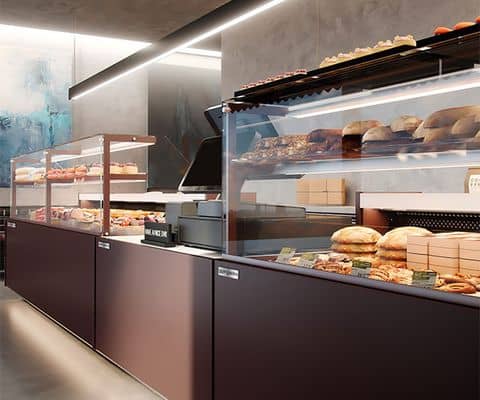
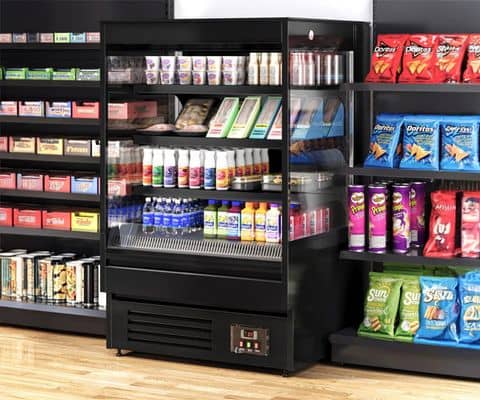
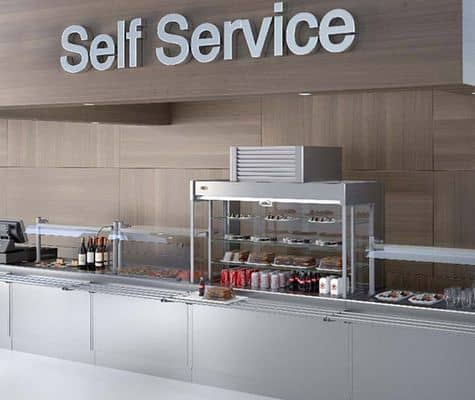
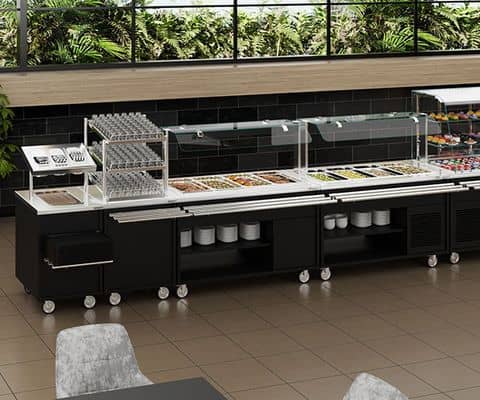
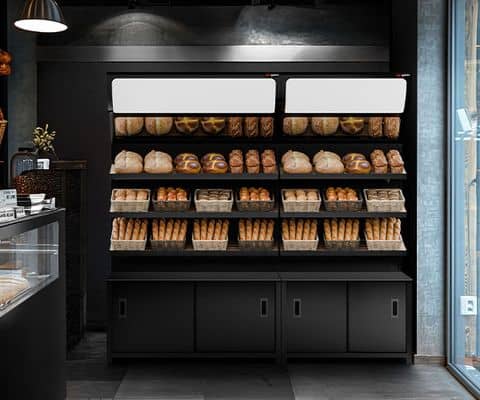
Retail refrigeration as a visible link between freshness and sales
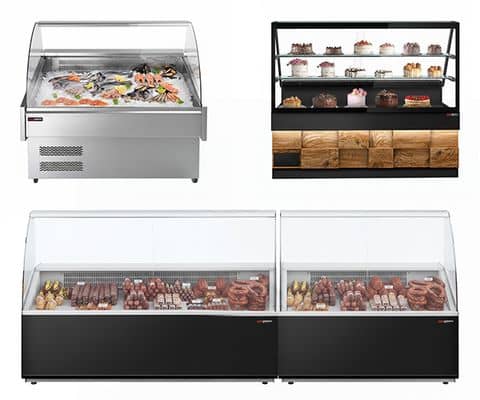
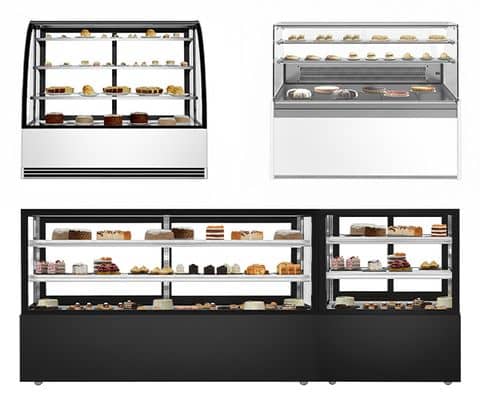
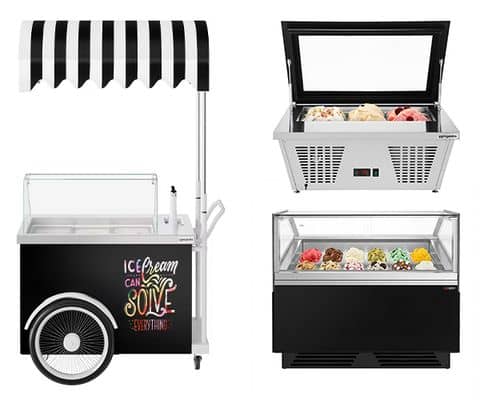
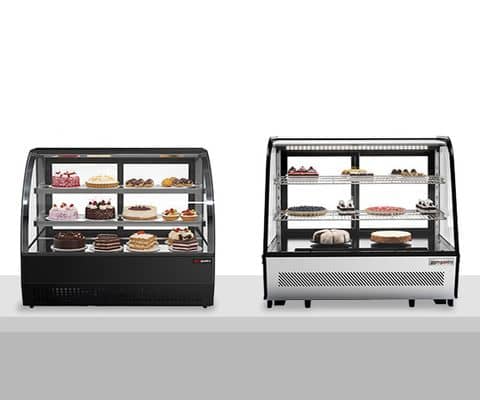
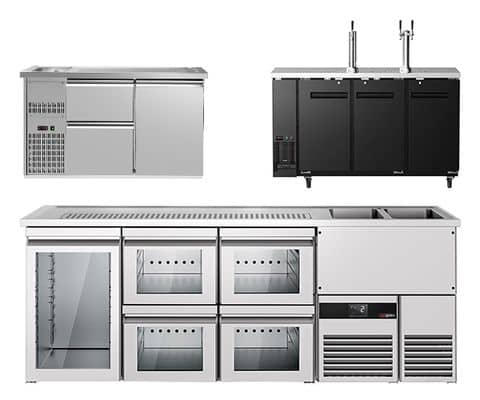
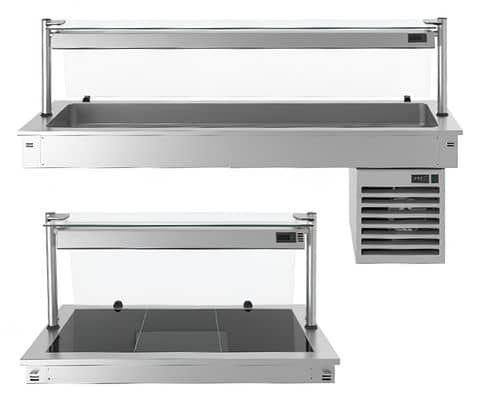
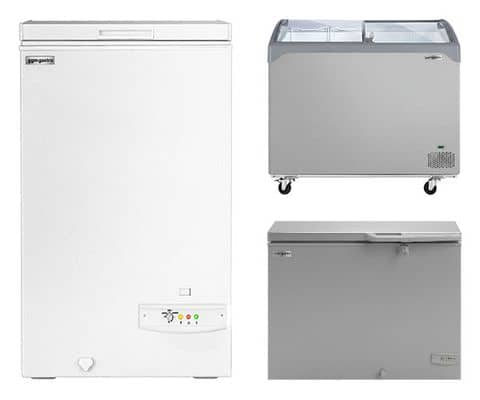
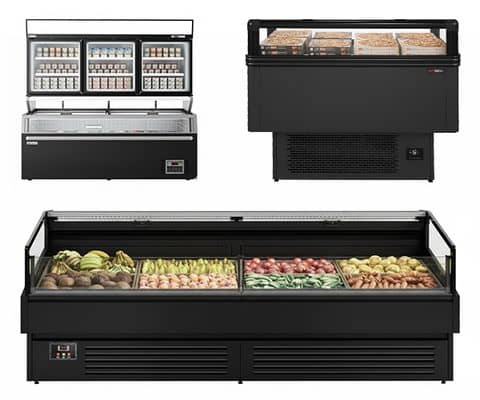
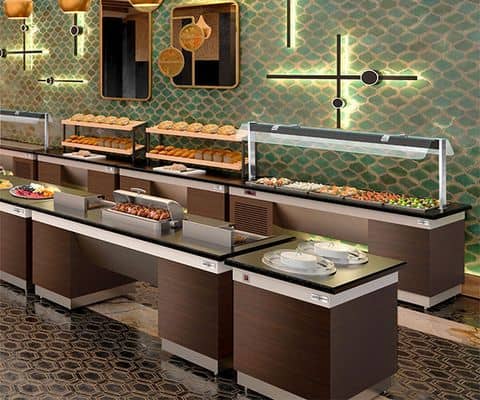
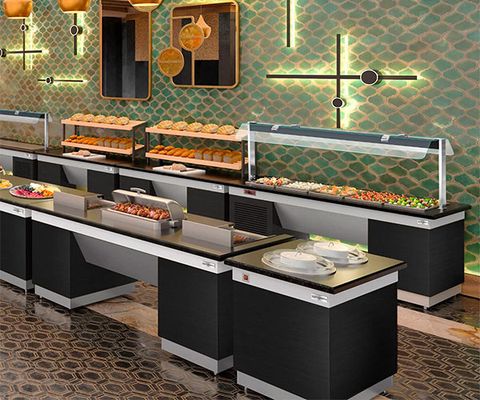
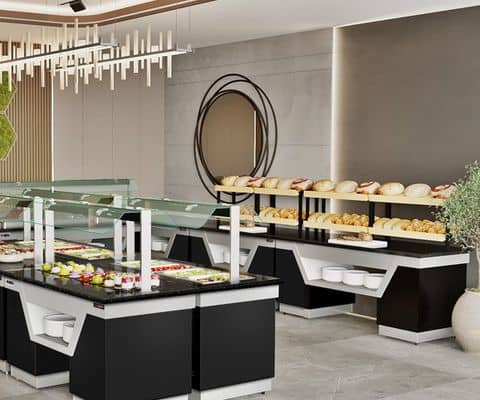
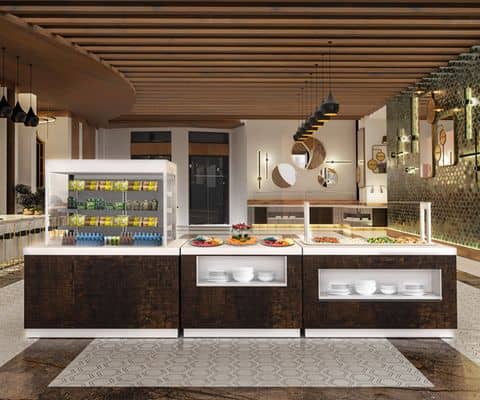
Retail refrigeration includes commercial refrigeration units that display food, beverages, or prepared meals in a chilled state in the customer area. These include, among others, refrigerated counters, refrigerated display cases, tabletop refrigerated display cases, panoramic display cases, ice cream counters, refrigerated shelves, buffet counters, and refrigerated self-service solutions.
In professional settings, retail refrigeration fulfills two purposes simultaneously: it keeps temperature-sensitive goods within the specified range and makes them visible to customers. This is precisely why they are particularly relevant for cafés offering cakes and desserts, bakeries with sandwiches and other snacks, snack bars with chilled beverages, hotels with breakfast or buffet areas, as well as delicatessens and butcher shops with counter service. The right solution depends not only on the product assortment but also on how often items are restocked, how much shelf space is available, and whether customers serve themselves or staff dispense the goods.
Which retail refrigeration system is right for your sales area?
When making a selection, operators should first consider the actual workflow. A refrigerated counter for staffed service must meet different requirements than an open refrigerated display case for self-service. In a bakery, a clear view of cakes, pies, or filled rolls is crucial. At a snack bar, quick access to beverages, salads, or packaged snacks is often a priority. For a hotel buffet, the focus is more on clear presentation, controlled restocking, and consistent cooling over extended service hours.
Key decision-making criteria include:
- Product range: Beverages, cakes, meat, fish, deli items, ice cream, salads, or packaged snacks
- Design: Refrigerated counter, refrigerated display case, tabletop display case, refrigerated shelf, buffet counter, or refrigerated island
- Dimensions: width, depth, and height suited to the available sales area
- Temperature range: tailored to the products being displayed
- Access: staffed service, self-service, or a combination of both
The display area also plays a major role. A unit that is too small must be restocked constantly, while one that is too large ties up space and energy that might be needed elsewhere in the operation. It therefore makes sense to choose a refrigerated display unit that matches daily sales volume and offers sufficient capacity during peak hours.
Planning Retail Refrigeration Effectively in Your Daily Work Routine
A well-designed retail refrigeration unit isn’t placed in a room by chance. It should be positioned so that customers can quickly spot products, staff have short walking distances, and restocking can be done without disrupting sales operations. In high-traffic establishments, it’s important that doors, drawers, or glass covers are easily accessible and that merchandise can be restocked without the need for cumbersome rearranging.
Peak hours are when you can really see if the layout works. When a café is simultaneously selling cakes, serving drinks, and restocking sandwiches, the team needs unobstructed access and a clear layout in the display area. In self-service setups, customer flow should not be blocked by open doors, narrow aisles, or equipment at inconvenient heights. In addition, stainless steel furniture can be useful if storage surfaces, preparation areas, or base units are needed close to the sales area.
One key planning consideration is the connection: Many refrigerated display cases require a suitable power connection and adequate air circulation at the installation site. Dimensions, door hinge direction, glass configuration, and the side from which the unit is operated should also be checked before purchase to ensure the unit fits into the existing sales area and remains easy to operate on a daily basis.
Hygiene, Cleaning, and Durability in Retail Settings
Retail refrigerators are often placed where customers can see them. Clean glass surfaces, easily accessible interiors, and durable surfaces are therefore not just aesthetic details, but part of professional operations. Crumbs, moisture, fingerprints, grease marks, or spilled liquids must be easily removed on a regular basis without disproportionately increasing the cleaning effort.
For everyday commercial use, sturdy construction, durable shelves, and intuitive operation are essential. Glass, seals, interior surfaces, and shelves are subjected to daily wear and tear. In the case of open refrigerated display cases or frequently used beverage refrigerators, there is also additional mechanical stress caused by customers. Those displaying delicate products such as fish, meat, cream cakes, or deli items should pay particular attention to the temperature range, airflow, and hygienic product placement.
Appropriate refrigeration behind the scenes remains crucial, however: sales refrigeration does not replace storage refrigeration but rather complements it at the point of sale. The merchandise should be prepared, stored at the proper temperature, and brought to the display area only in reasonable quantities.
Thinking Economically: Combining Visibility, Workflow, and Stable Processes
Retail refrigeration can be economically beneficial if it makes effective use of sales floor space and streamlines operations. Visible products are noticed more quickly, can be placed more strategically, and can drive additional sales. At the same time, a well-chosen solution makes the team’s work easier because merchandise is presented in an organized, controlled manner and is within easy reach.
Especially with snacks, desserts, beverages, or deli items, presentation often plays a key role in whether customers make spontaneous purchases. Realistic planning is key here: Not every space needs the largest refrigerated display case. A small business may be better served by a compact tabletop refrigerated display case, while a hotel, bakery, or deli is more likely to benefit from larger refrigerated display cases, refrigerated shelves, or buffet counters.
To ensure a cohesive operational concept, sales refrigeration should be planned in conjunction with adjacent work areas. This includes receiving goods, preparation, storage refrigeration, restocking, cleaning, and, if necessary, beverage refrigerators for separate beverage display. This ensures that the result is not an isolated appliance solution, but rather a sales area that is tailored to daily foot traffic, the product assortment, and the available floor space.
Quick Checklist for Proper Refrigeration in Retail Settings
- Before making a purchase, determine which products will be displayed under continuous refrigeration and what temperature range is required for them.
- Decide whether customers will serve themselves or whether the merchandise will be dispensed by a clerk.
- Measure the available floor space, including the service area, door opening, and cleaning access. Take daily inventory turnover into account to ensure that display space and restocking needs align.
- Also ensure that the unit is easy to clean, has sturdy shelves, and features a design that complements the sales area both visually and functionally.
A retail refrigeration solution is well-chosen when it highlights freshness, supports sales, and remains reliable in day-to-day use. By considering the product assortment, available space, temperature control, and workflows together, you’ll find a solution that not only looks good but also noticeably supports professional operations.