


:quality(70))
:quality(70))


Buffet Counters & Carts
Buffet counters and carts keep hot and cold dishes organized, accessible, and at the right temperature for buffet service. Wheeled, stationary, and freestanding models help hotels, restaurants, cafeterias, and caterers ensure orderly service and quick restocking. Guide to Buffet Counters & Carts »

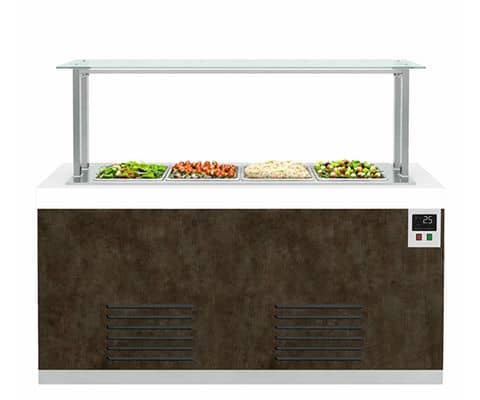
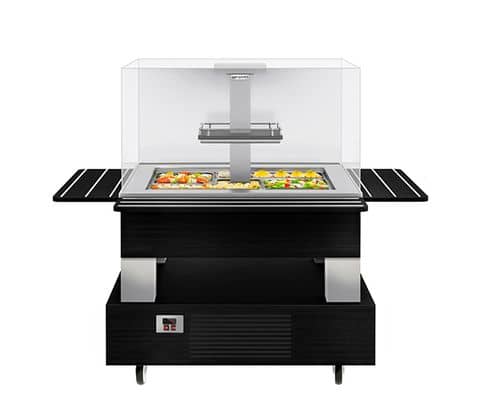
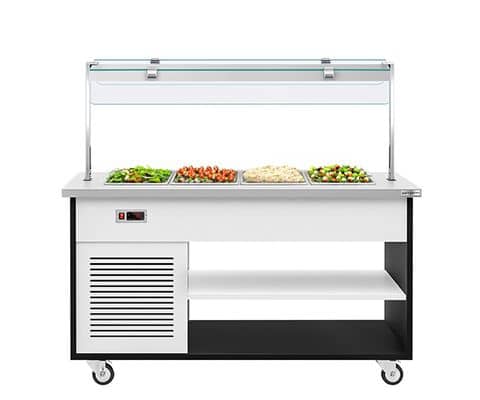

Product type
Cooling type
Compartment Measure
Amount container
Number of trays
Width
Depth
Height
Price
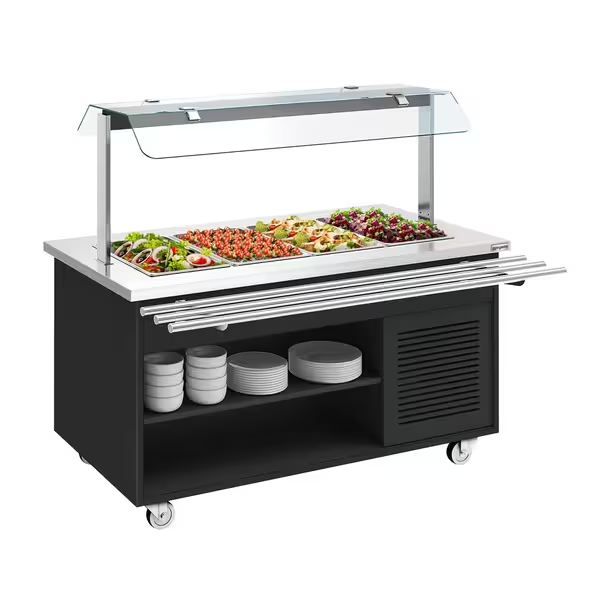
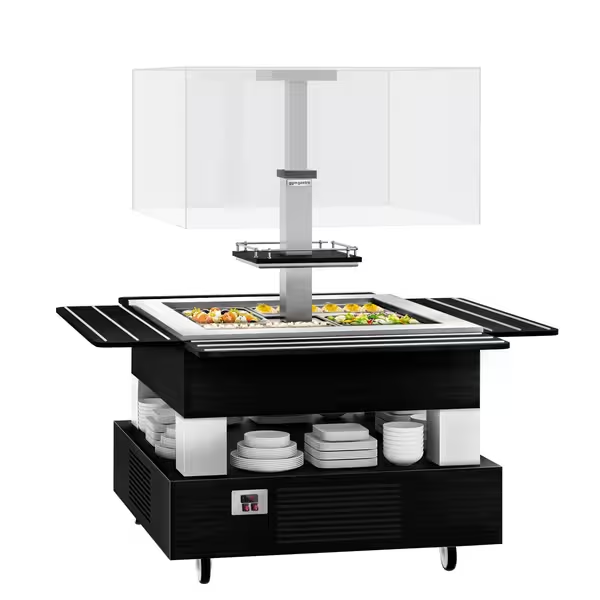
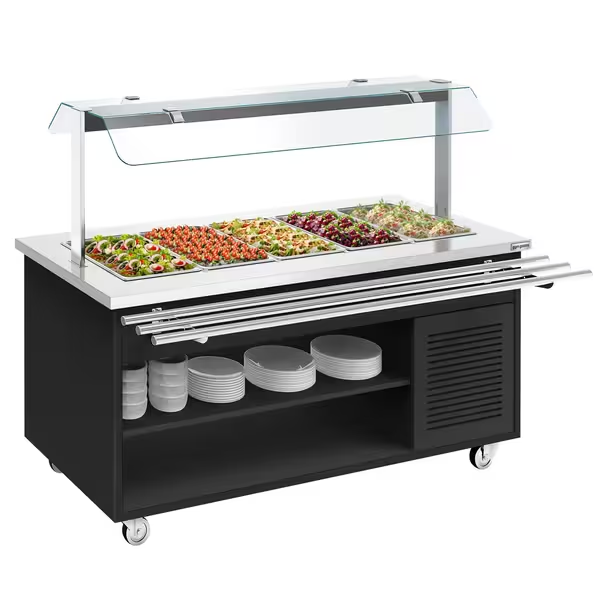
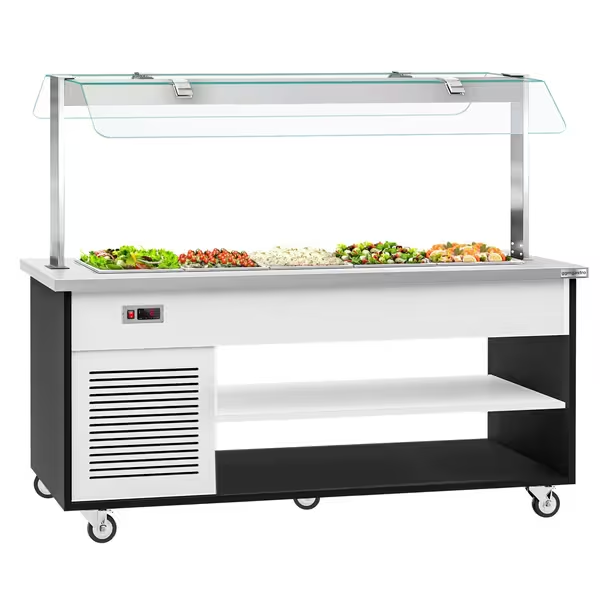
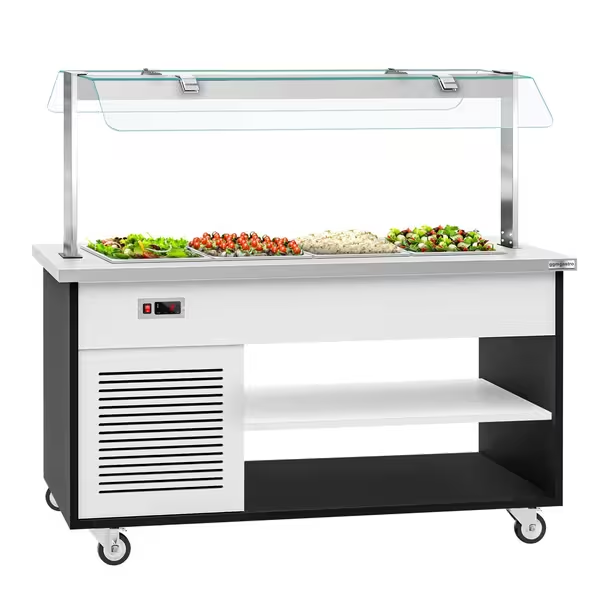
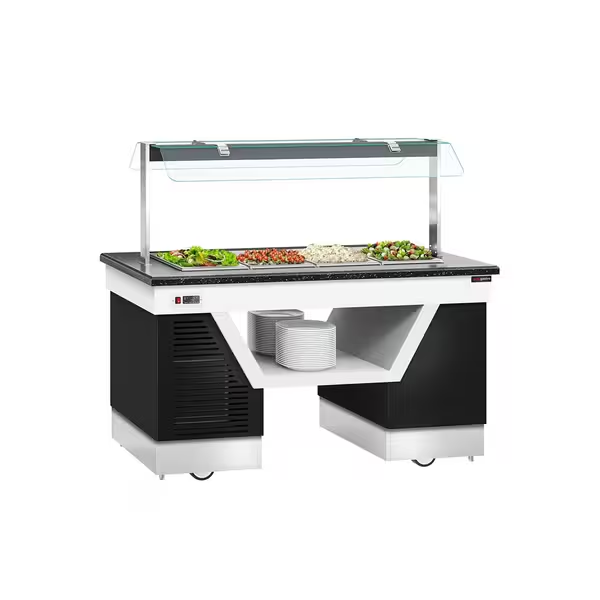
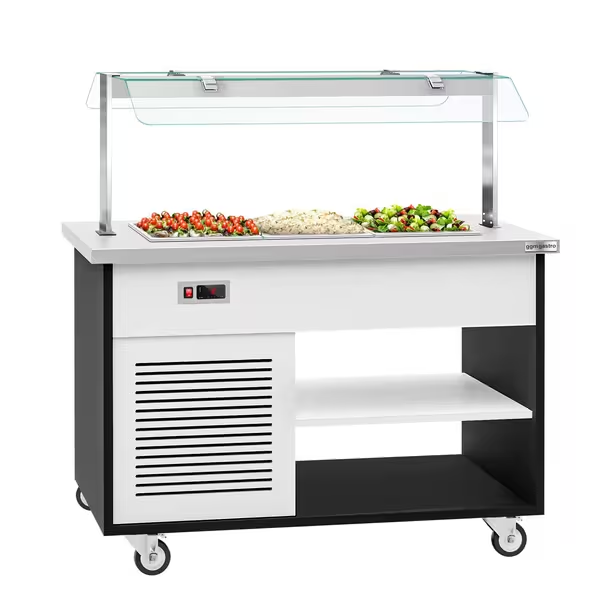
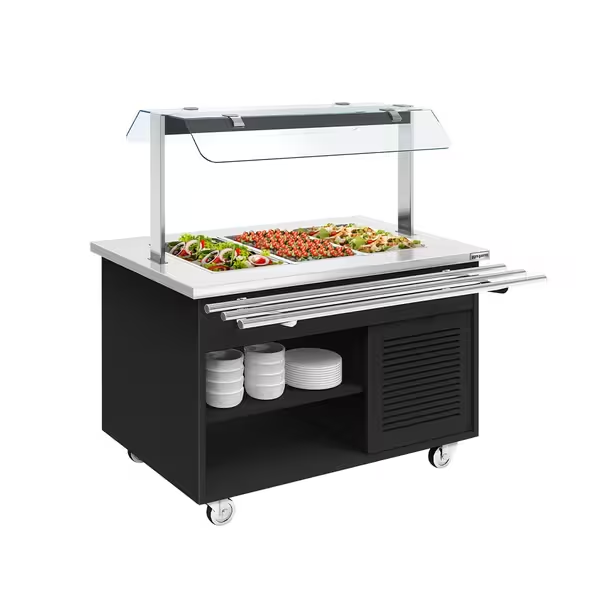
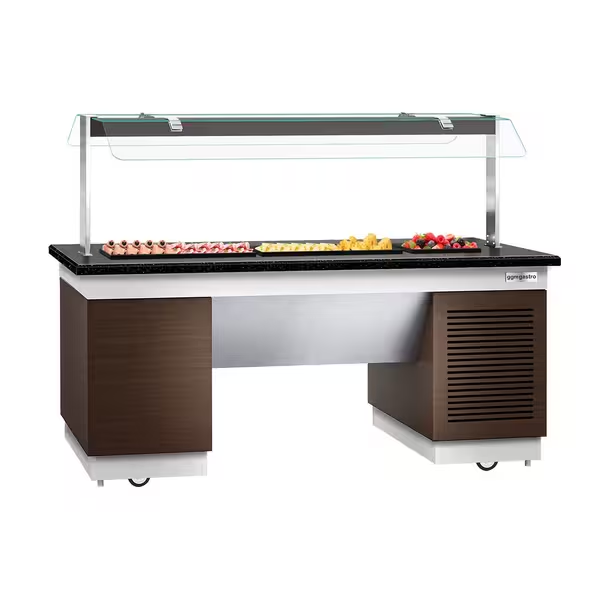
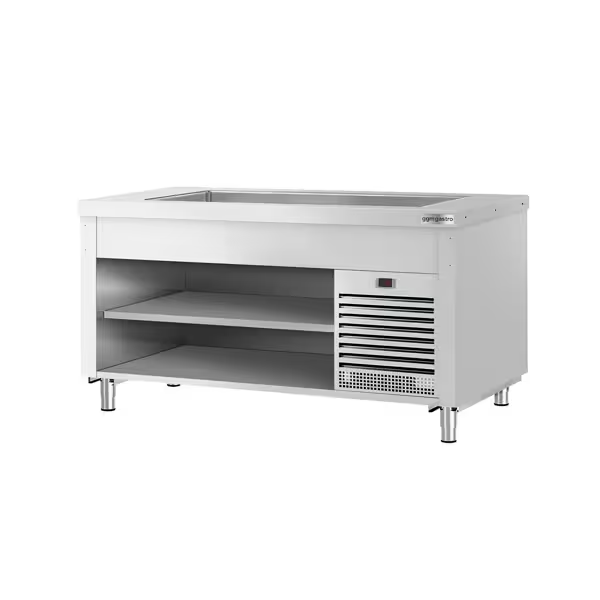
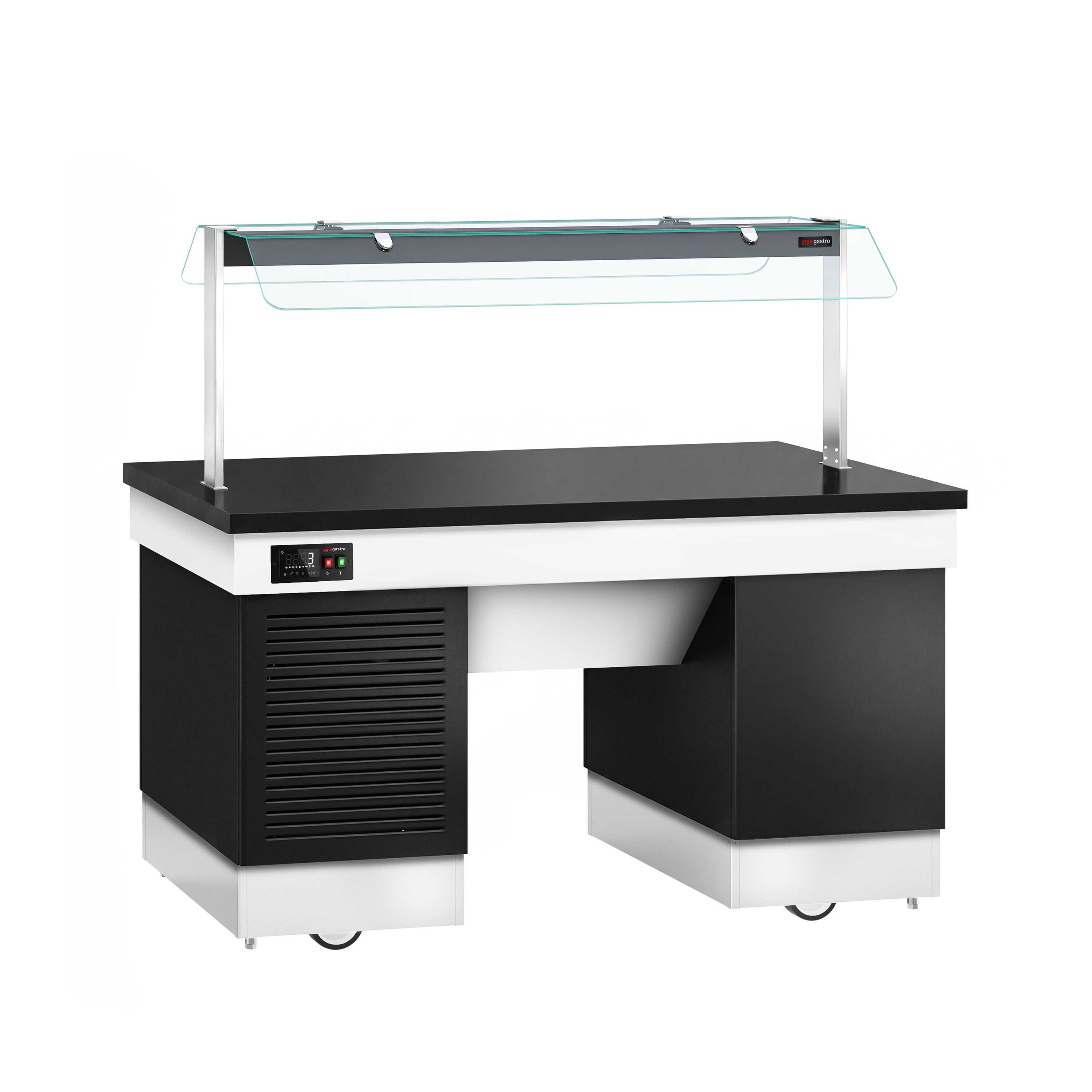
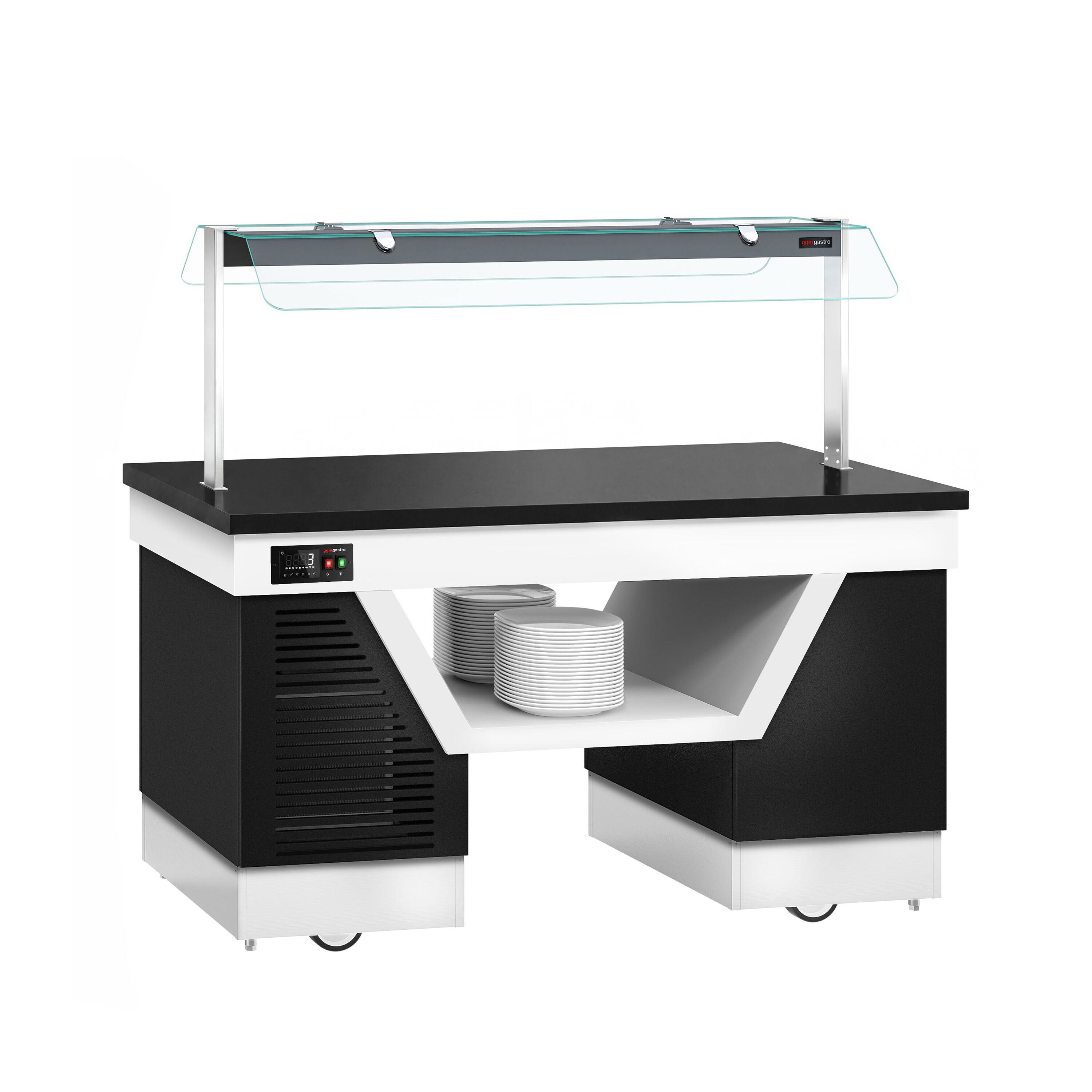
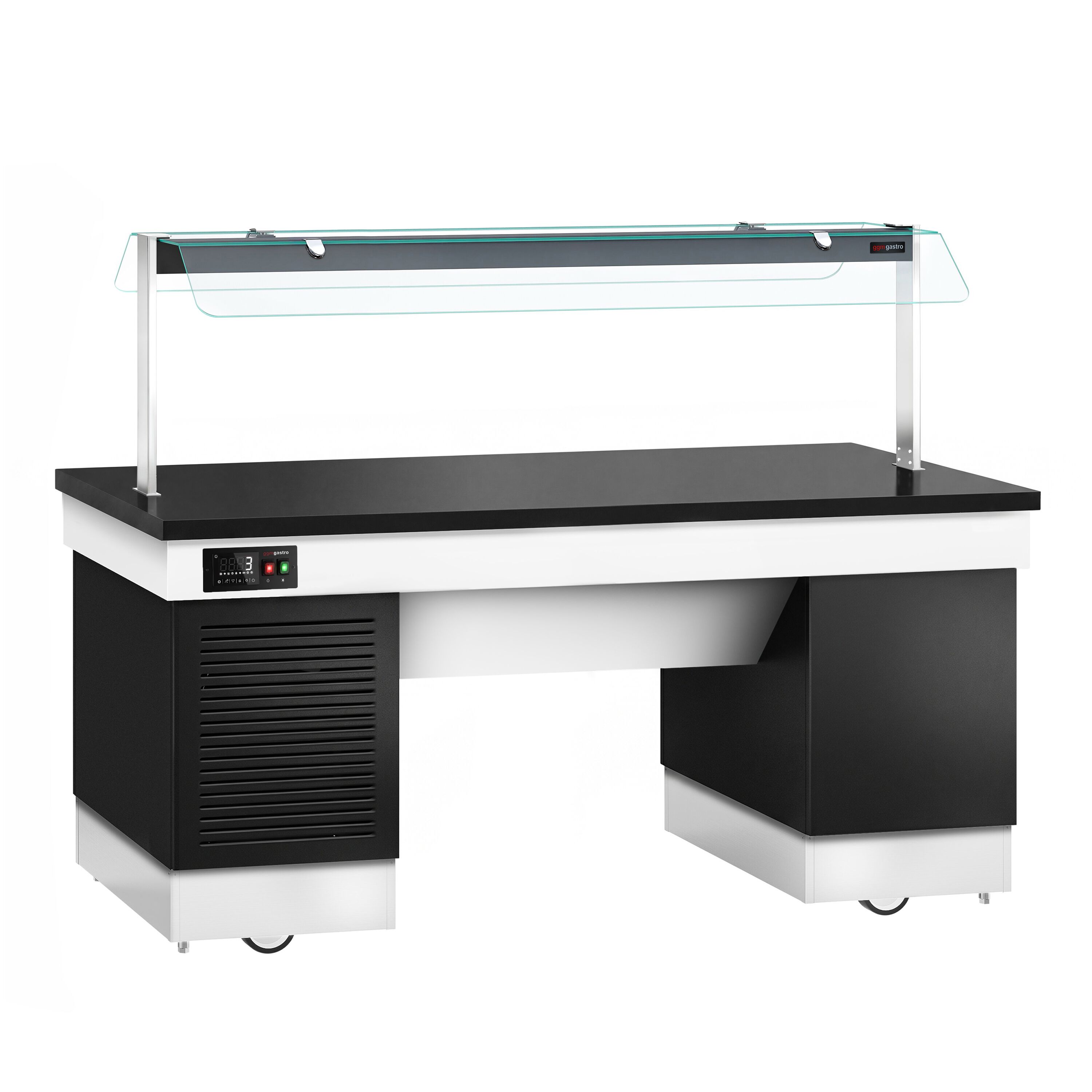
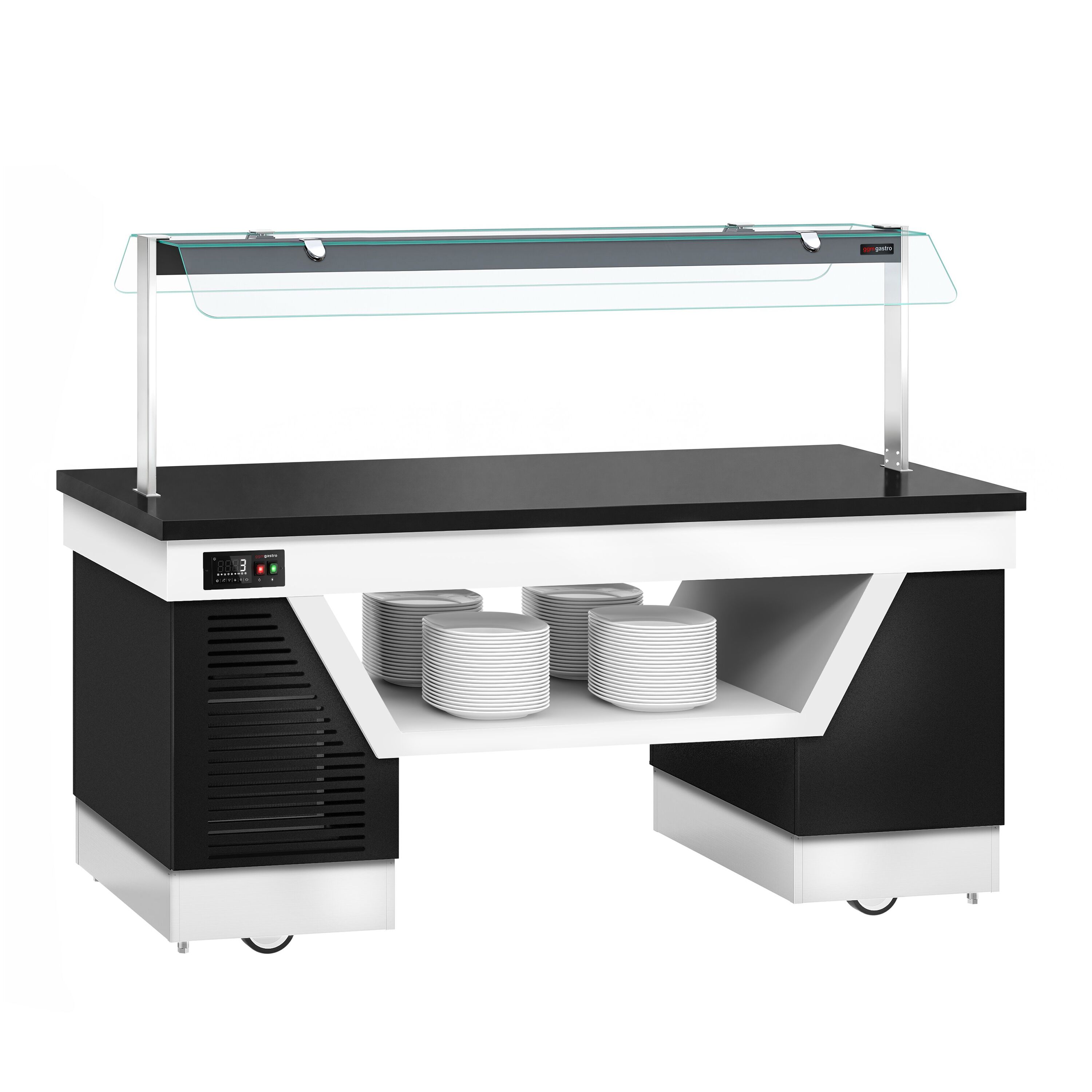
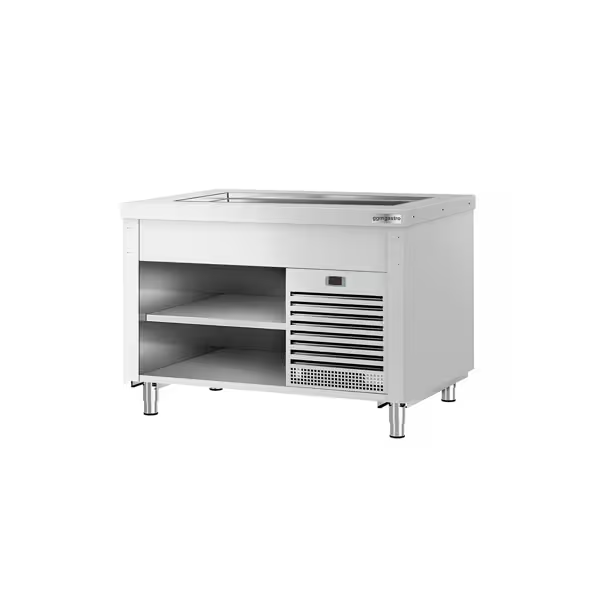
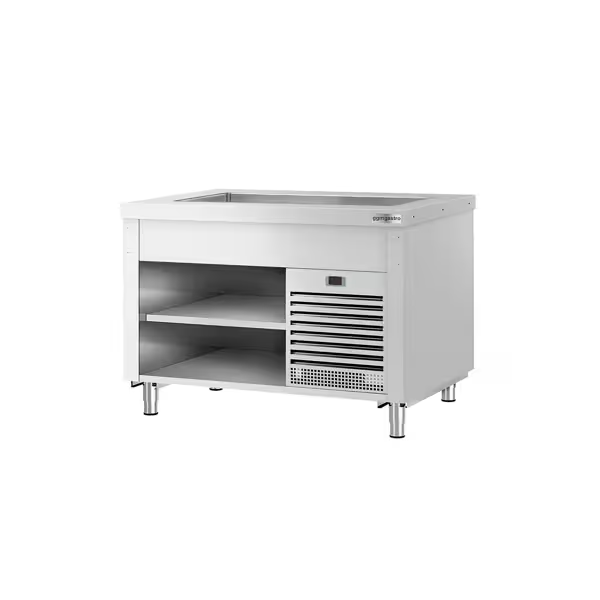
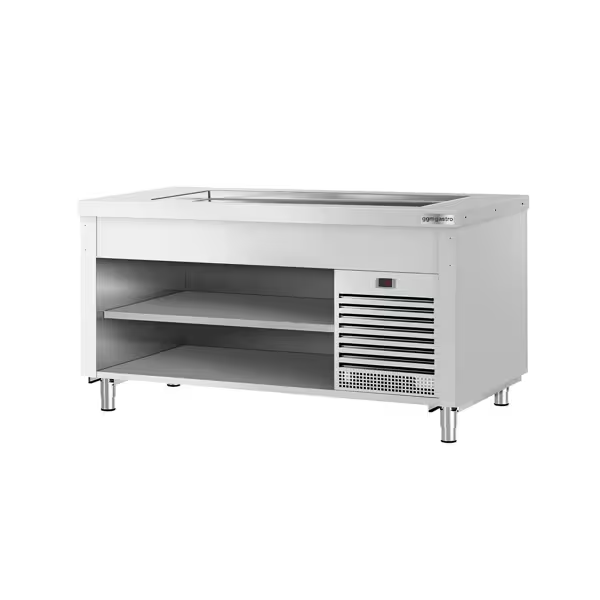
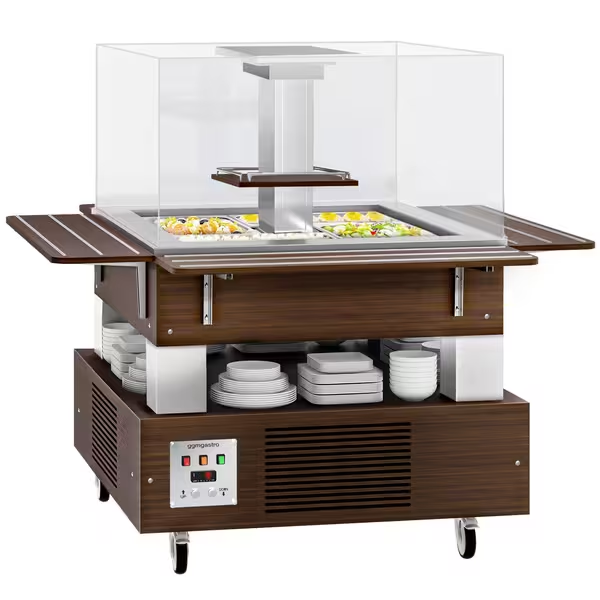
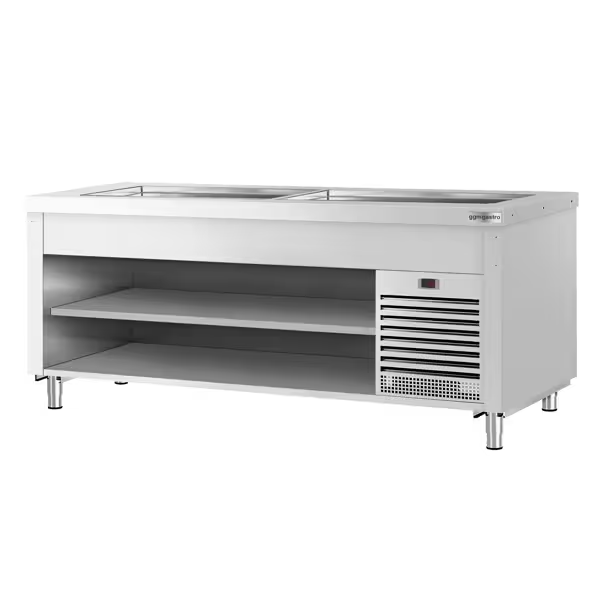
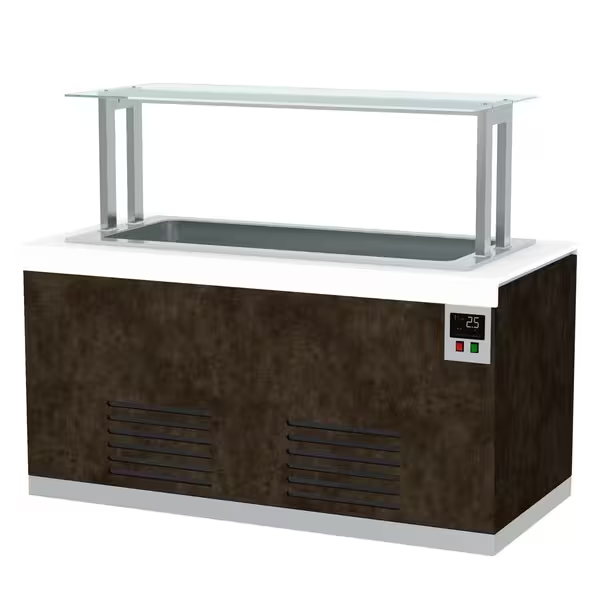
Buffet counters and carts: the rhythm of food service
Buffet counters and carts are professional serving units used to provide hot or cold dishes for self-service, breakfast, banquets, and communal dining. They combine temperature control, food presentation, and restocking functionality in a single station and are particularly well-suited for hotels, restaurants, cafeterias, hospitals, as well as catering and event venues.
In day-to-day operations, the design influences how smoothly a serving area functions, even during peak hours. A clearly organized arrangement of containers makes it easier for guests to serve themselves and provides staff with clear access points for refilling. At a hotel breakfast, this helps keep the presentation organized during peak hours. In a cafeteria, on the other hand, the most important thing is that multiple food items are quickly accessible and that restocking does not block the flow of guests.
Heated, unheated, roll-up, or fixed: Choose the right design
The first selection criterion is the temperature function. Chilled buffet carts and refrigerated buffet counters are suitable for salads, desserts, breakfast items, and other foods that need to be served chilled. Depending on the model, cooling is provided by a cooling plate or a cooling tray; both solutions have different requirements regarding container capacity, temperature range, and restocking methods. Hot buffet carts keep prepared foods at serving temperature and, in appropriate models, operate with a bain-marie. They do not replace a cooking appliance, but rather ensure the final stage between production and service.
The second selection criterion is the design. Rollable models can be moved between the breakfast room, banquet area, or event space; parking brakes are essential for ensuring stability. Fixed buffet counters are suitable for permanently planned layouts. Buffet islands support central setups and, depending on their design, can facilitate access from multiple sides. A tray chute organizes trays, plates, and serving, but requires additional depth.
Plan capacity, dimensions, and connections based on peak operations
Capacity and dimensions should be based on peak volume, not the daily average. Models designed for three, four, or five GN 1 containers offer varying levels of flexibility in terms of product variety and restocking frequency. Greater capacity can reduce the need for frequent changes, but it takes up more floor space and may require more inventory.
The connection type, power consumption, and available voltage must also be compatible with local conditions; compact models often come with a 230-V connection, but the specific product specifications remain the determining factor.
Hygiene and Durability in Daily Use
When selecting materials, prioritize sturdy, smooth, and easily accessible surfaces. The design must withstand regular cleaning, moisture, impacts from trays, and—for heated models—constant heat exposure. Stainless steel in high-traffic areas makes maintenance easier, while glass tops can help organize food presentation and limit direct access. Removable GN containers, accessible corners, and clearly visible controls streamline the daily cleaning routine.
Also check how easily the thermostat, temperature display, lighting, and—if applicable—drain or dispensing points can be accessed. In shift operations, key functions should be intuitive to operate without lengthy training. A clear cleaning routine before, during, and after service promotes hygiene and prevents maintenance tasks from unnecessarily spilling over into the next preparation phase.
Quick Checklist for Finding the Right Buffet Solution
-
hot or cold, to complement the dishes being served
-
designed as a mobile, stationary, or buffet island unit
-
GN capacity based on peak demand and restocking frequency
-
Dimensions, pathways, tray chute, and access to the station
-
Connections, temperature range, and cleaning access verified
Integrating Buffet Counters and Carts Cost-Effectively into the Process
A buffet station is only cost-effective if it fits into the overall process. Restocking should take place from the prep area or kitchen without crossing paths with the flow of guests. Appropriate GN containers simplify portioning and changes, while refrigerators and freezers ensure a steady supply, and well-arranged stainless steel cabinets provide storage and prep space. For return flow, strategically placed sink units can help remove used containers from the clean serving area.
In addition to the purchase price, cleaning time, ease of use, spare parts availability, and the consequences of a breakdown are important factors. For a new opening, a predictable delivery schedule is crucial; when replacements are needed, actual availability may be more important than a rarely used additional feature. For larger buffet lines or multiple locations, standardized GN sizes and repeatable configuration options simplify training, procurement, and future expansion.
Properly sized instead of unnecessarily large
A properly sized buffet counter can shorten walking distances, streamline restocking processes, and help maintain a more consistent quality of food during service. What matters most is not having the most extensive features possible, but rather a robust solution that takes into account the type of operation, foot traffic, space, and staff. This way, the purchase becomes a predictable investment in smoother operations and reliable food presentation.