


:quality(70))
:quality(70))


Buffet counters & trolleys for professional food service
Buffet counters and trolleys keep hot or cold food organised, protected and within easy reach for service. They are suitable for hotels, restaurants, staff canteens, caterers and other commercial buffet and self-service concepts. Find out which model suits your business in our buying guide »
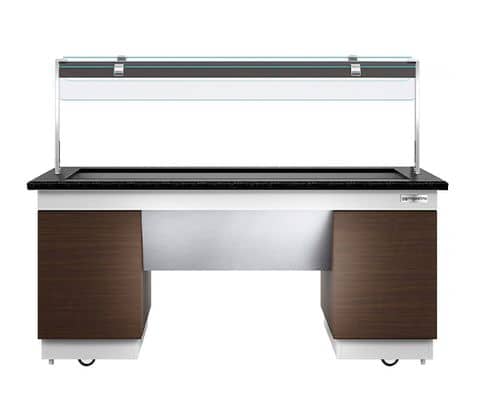

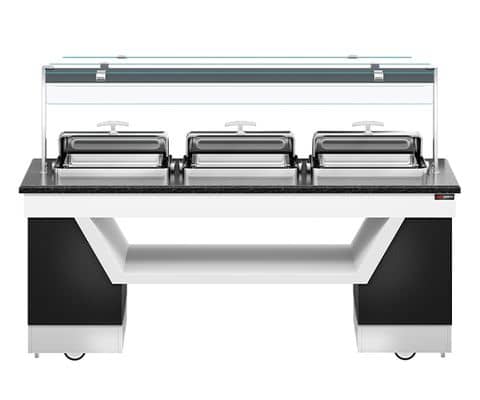
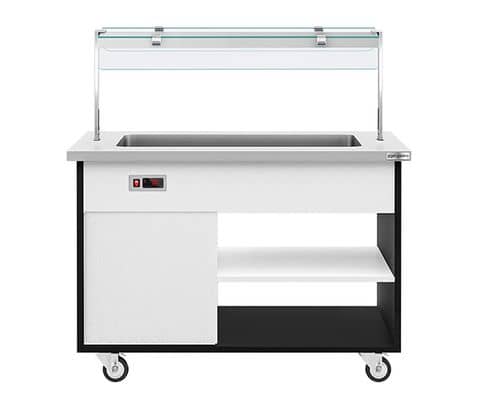
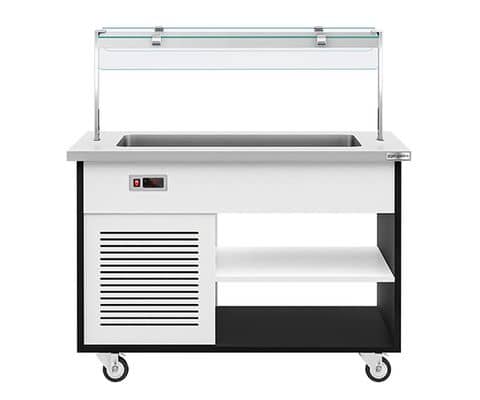
Product type
Compartment Measure
Number of trays
Width
Depth
Height
Price
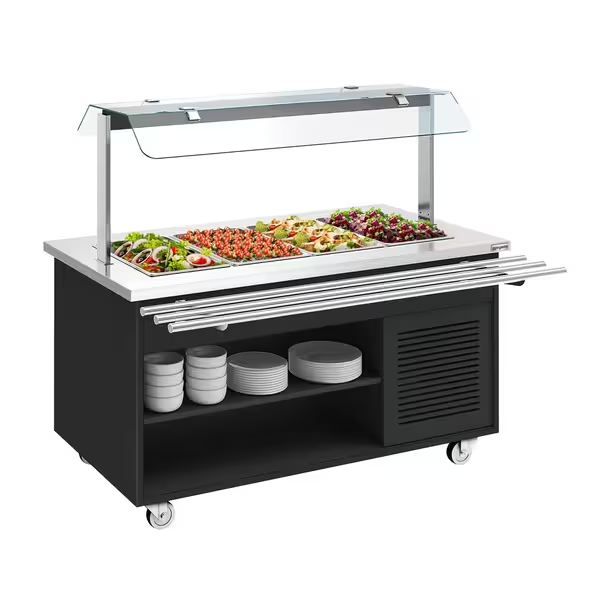
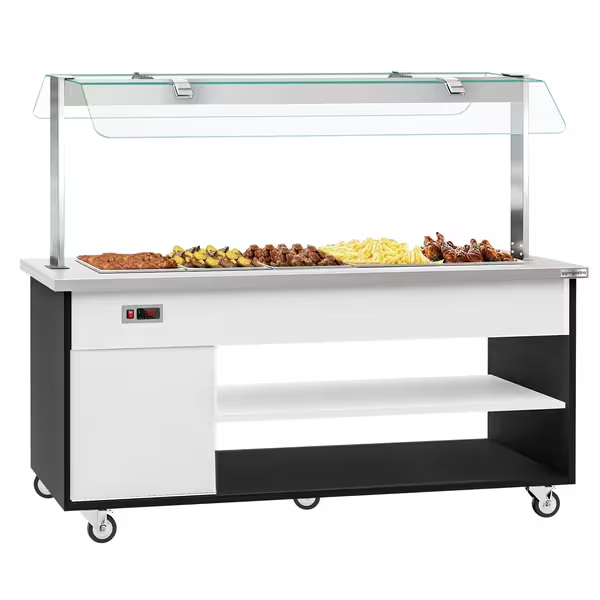
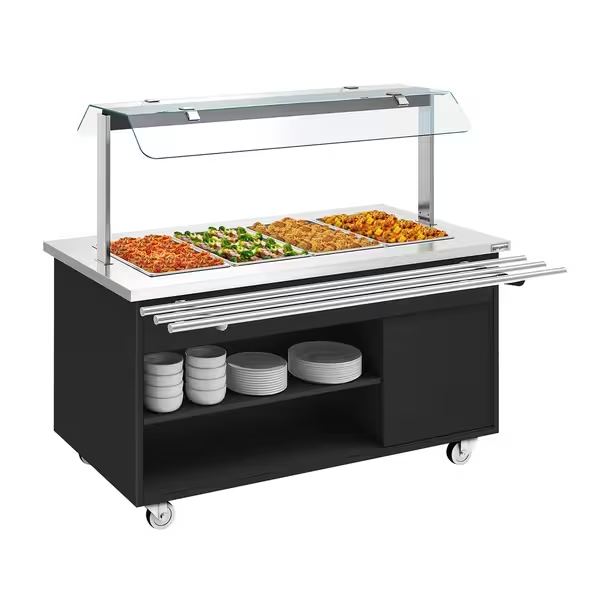
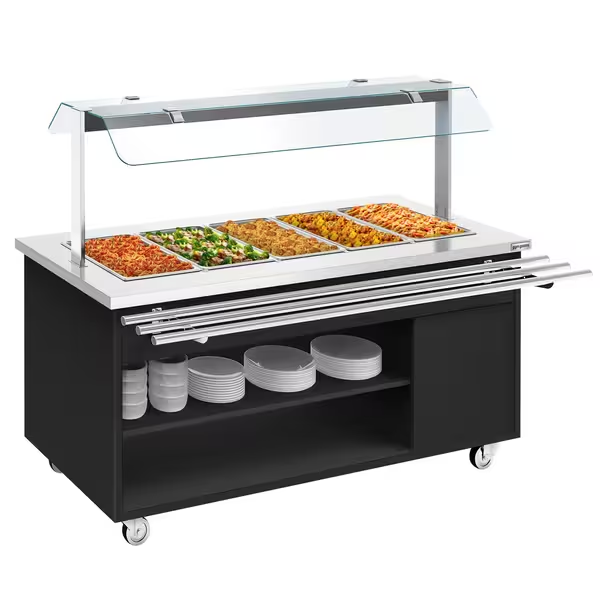
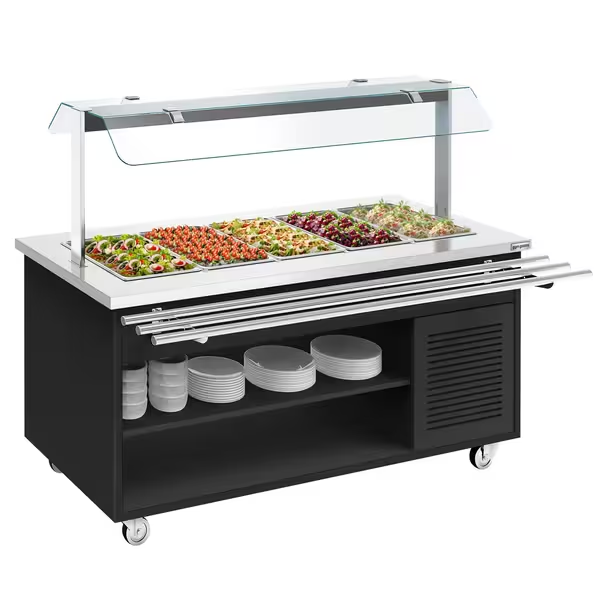
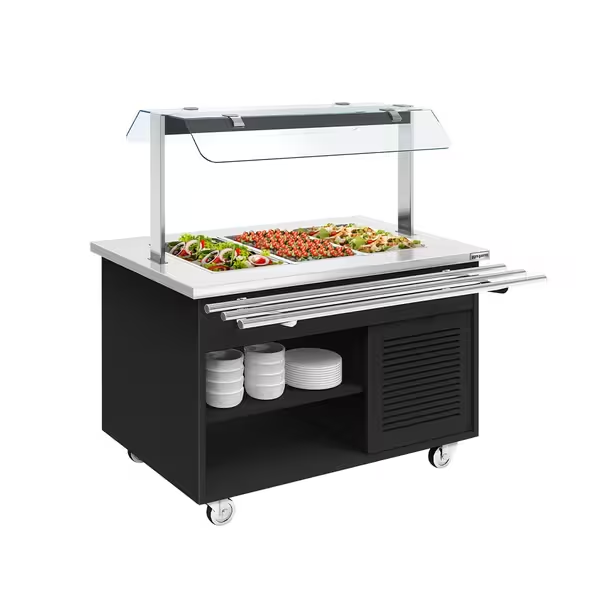
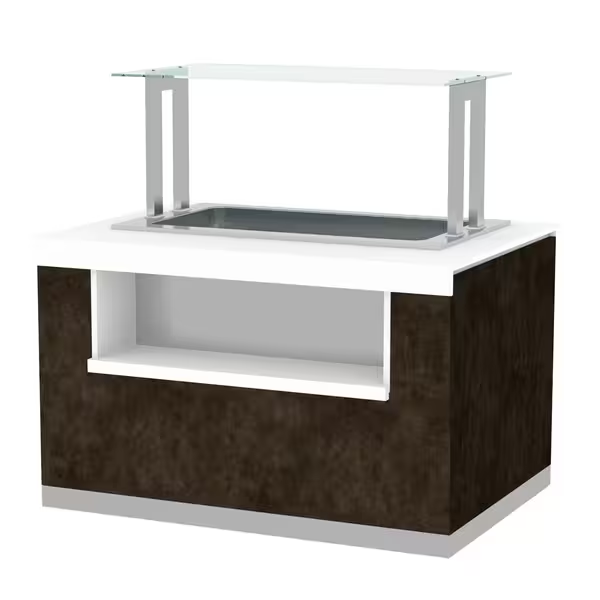
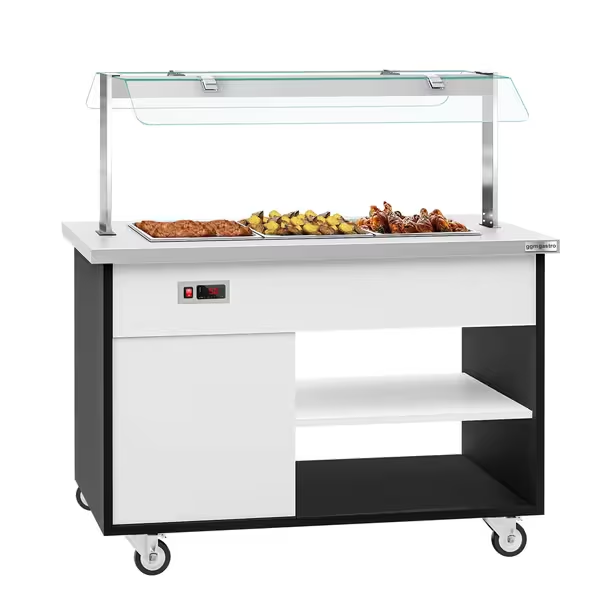
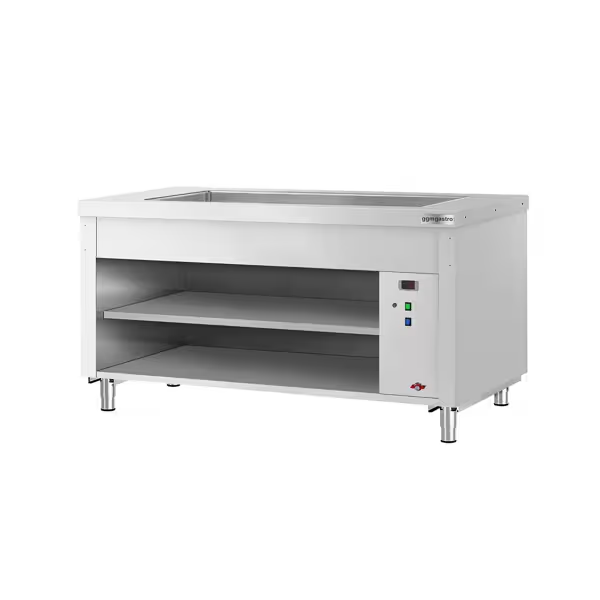
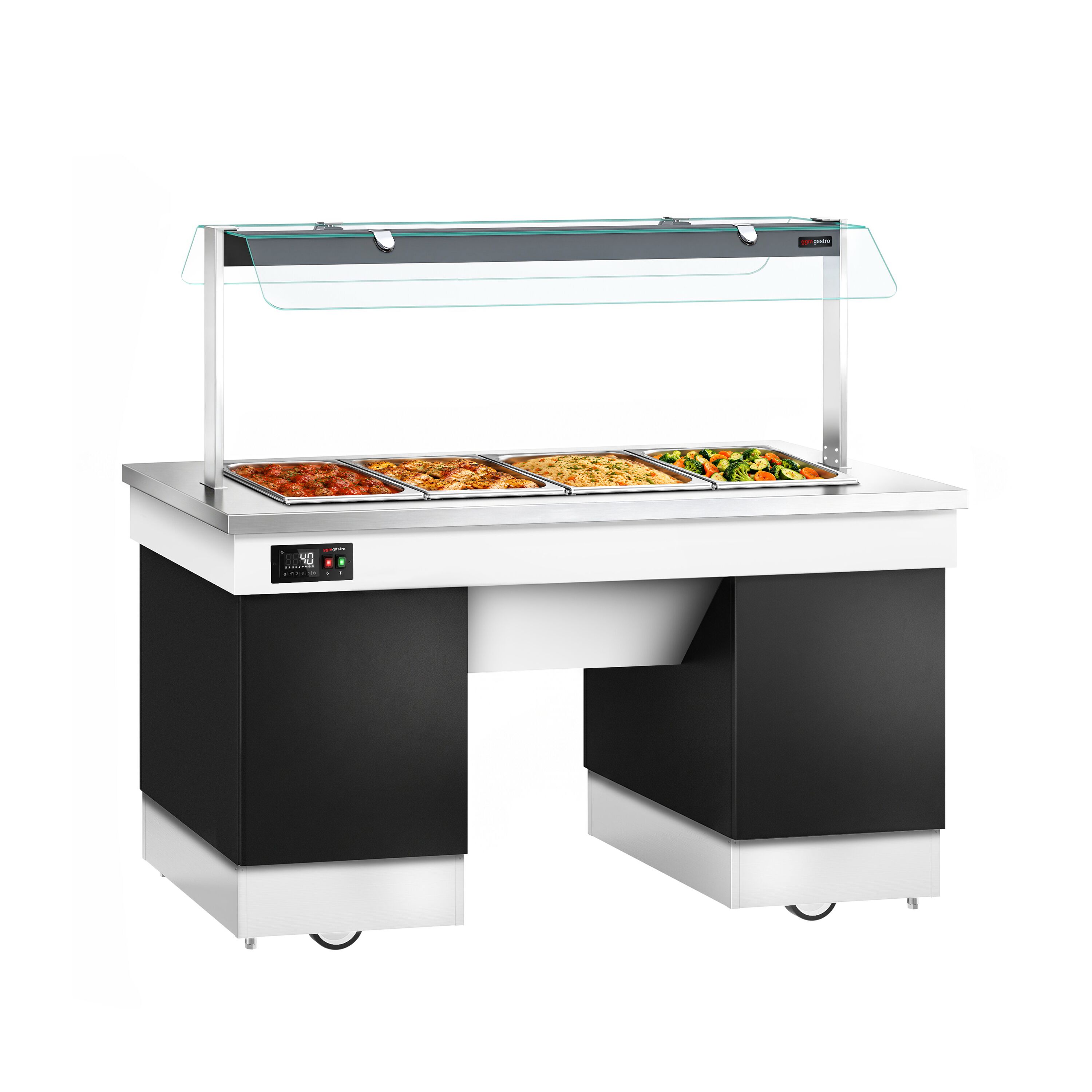
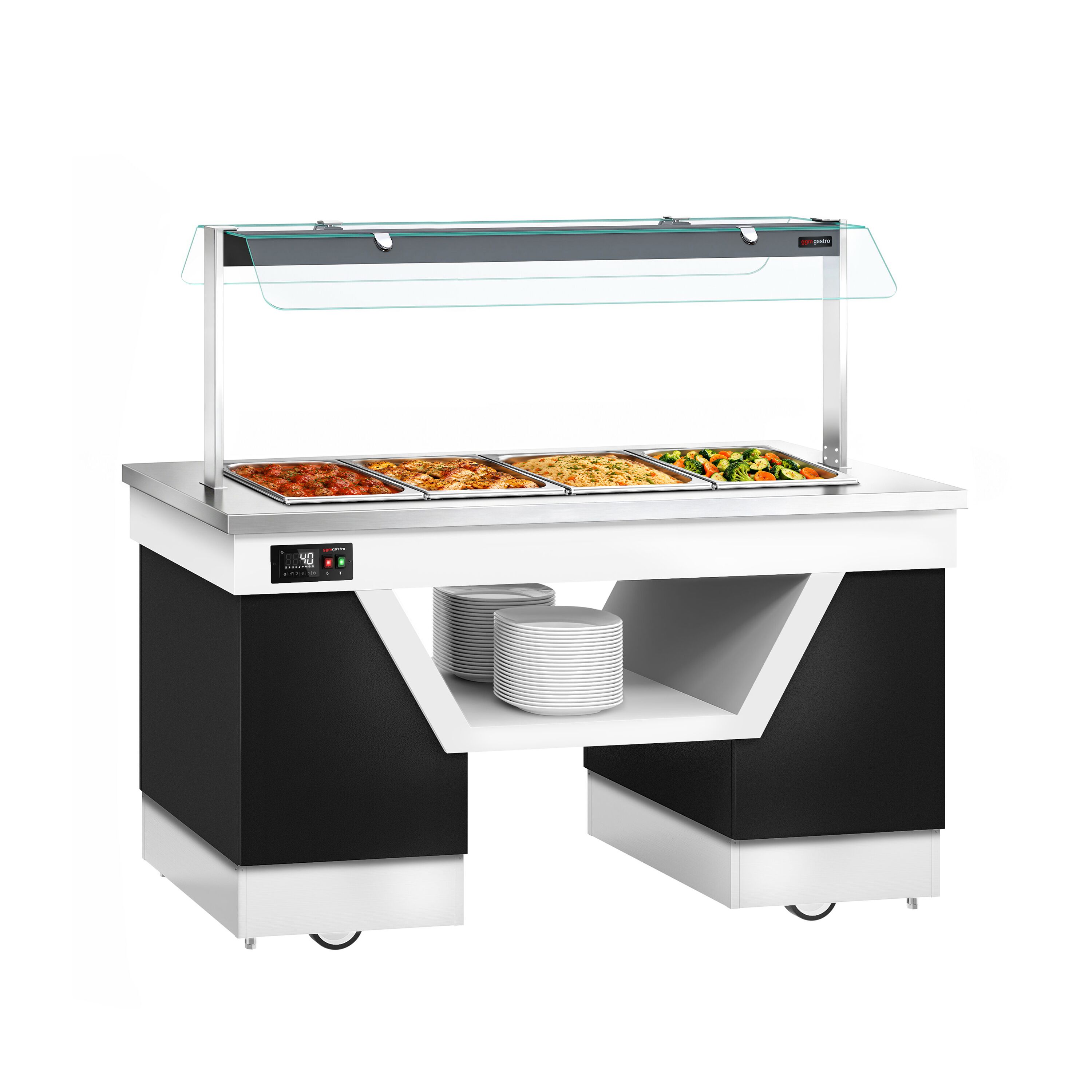
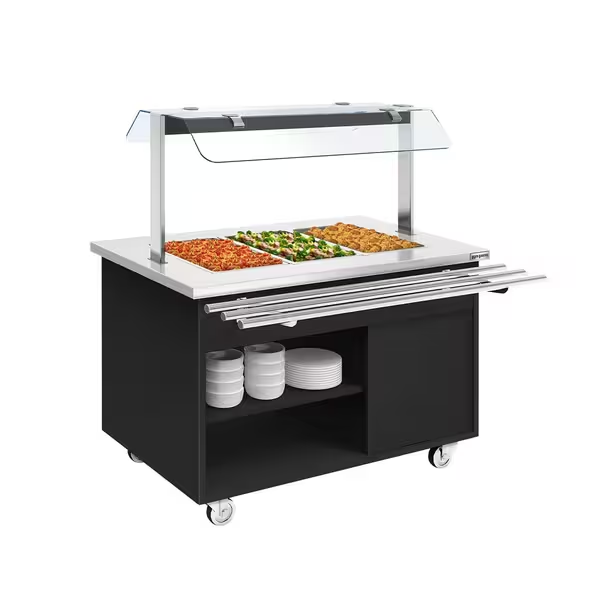
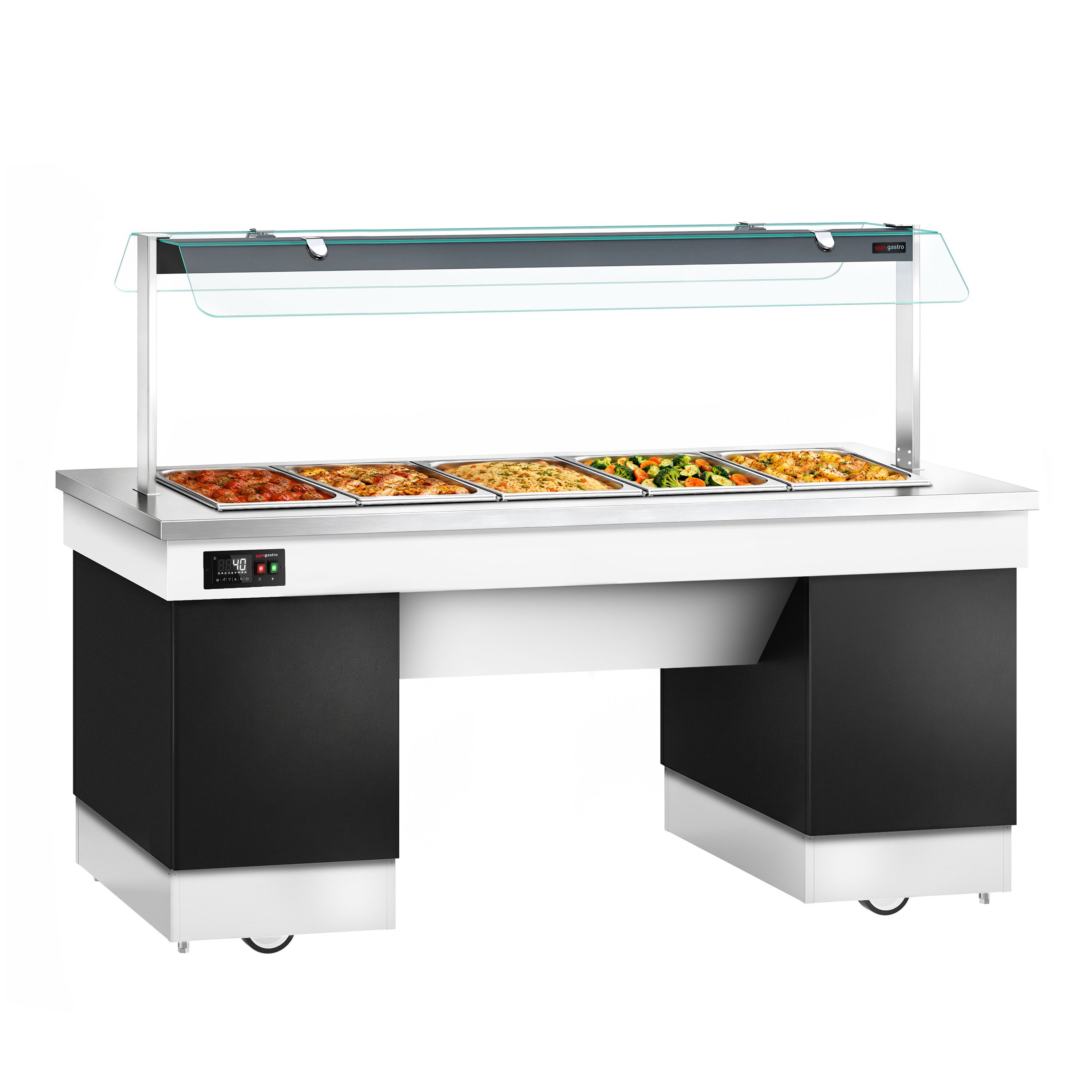
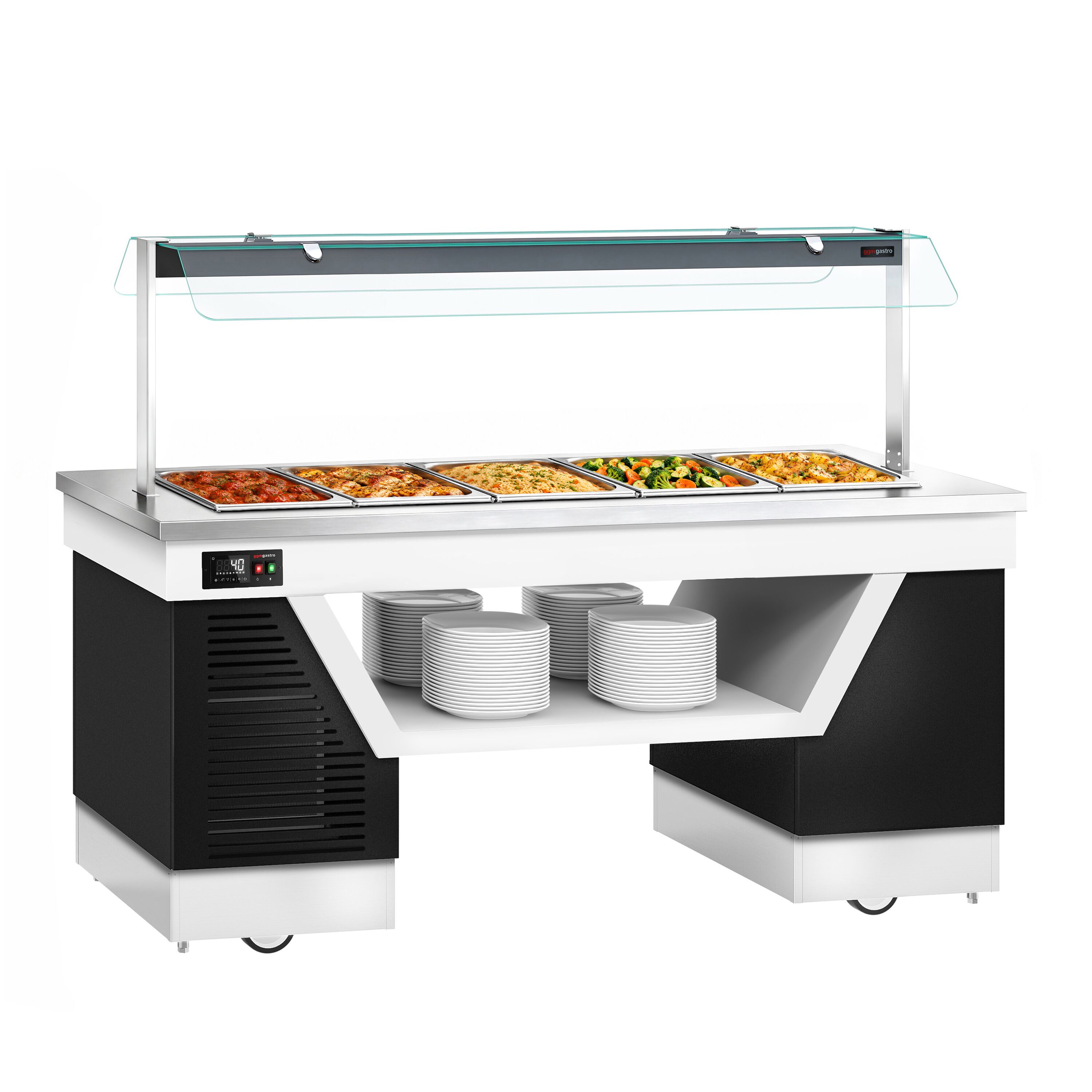
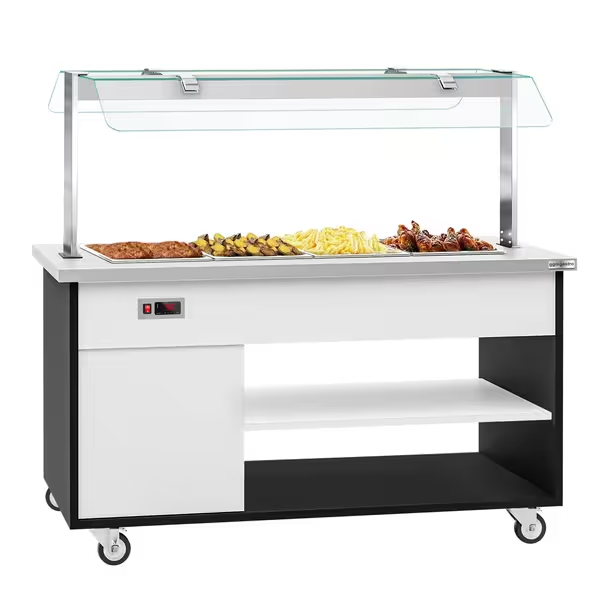
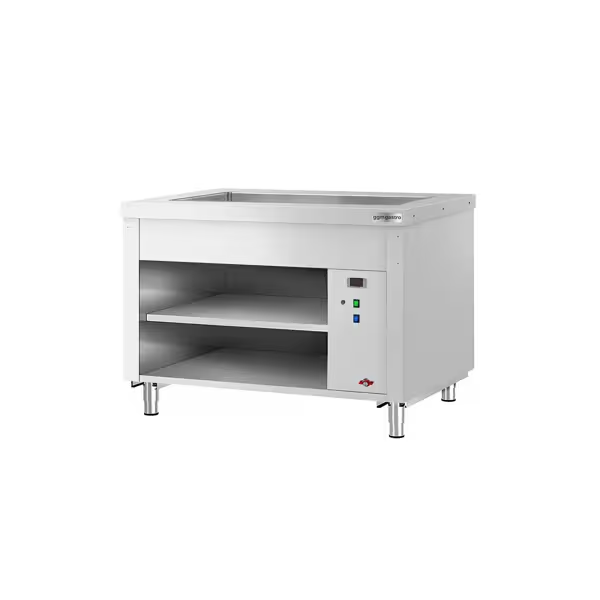
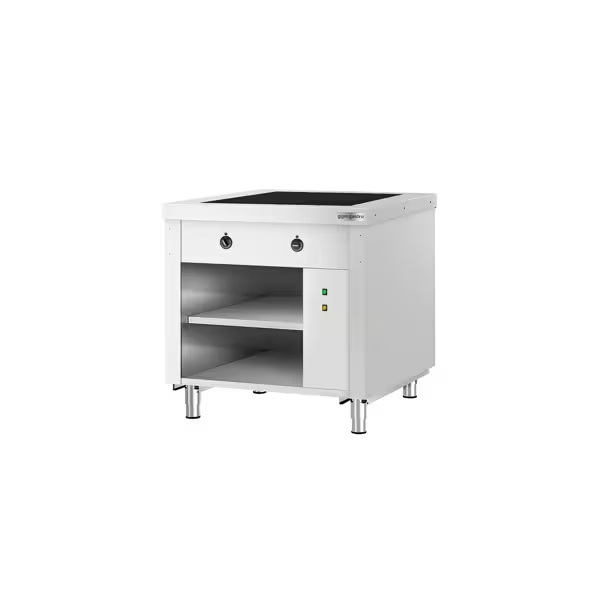
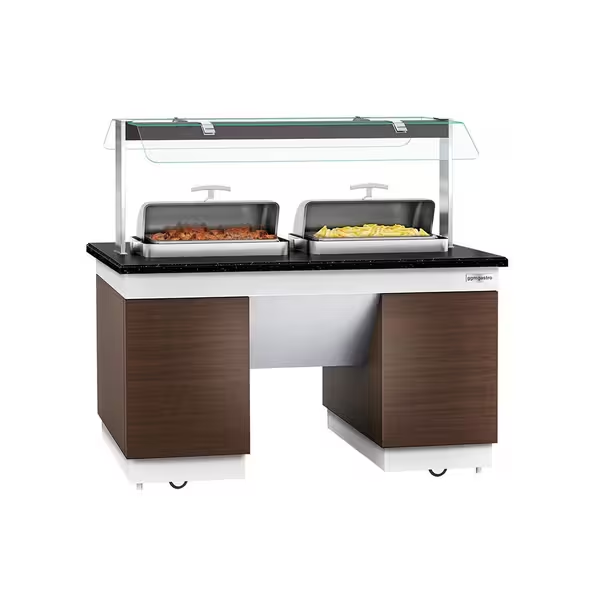
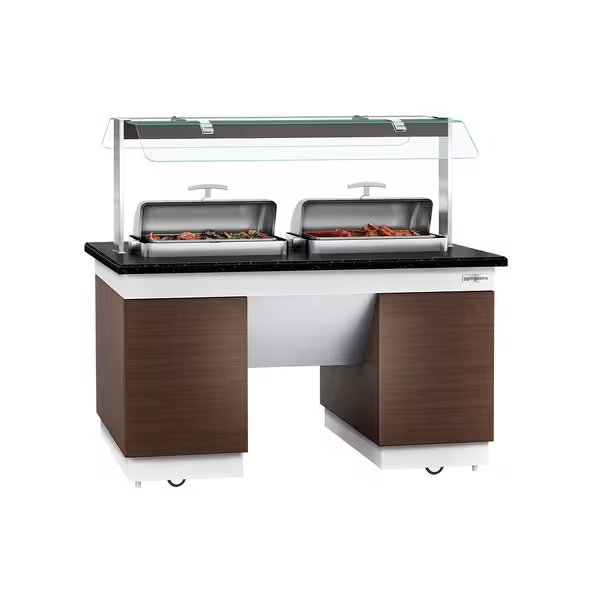
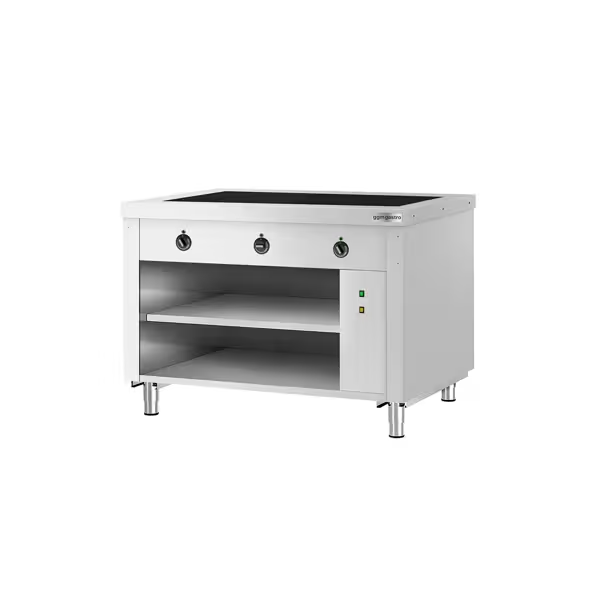
Buffet counters & trolleys as part of reliable food service
Buffet counters and trolleys are mobile or flexibly positioned serving systems that hold several dishes at the right temperature, display them and keep them within reach of guests or staff. Depending on the model, they use bain marie wells, heated plates, chafing dishes or active refrigeration.
In a professional setting, they combine food presentation with temperature control and well-organised workflows. Typical applications include breakfast and lunch buffets, hotel restaurants, staff canteens, university refectories, banquets, catered events and self-service areas. The right model makes topping up easier, protects food from external contamination and keeps guests moving steadily.
Choosing hot or cold buffet trolleys to match your menu
The first decision concerns the type of temperature. Heated buffet trolleys are suitable for soups, sides, meat dishes, sauces and other food kept hot over a limited service period. Bain marie models use water to transfer heat, providing even, gentle temperature holding. Heated plates are best suited to compatible serving dishes and flexible layouts.
Refrigerated buffet trolleys are designed for salads, desserts, cold starters, dairy products or breakfast items. Depending on the model, adjustable temperature ranges sit at around −2 to +4 °C, for example. Heated versions typically offer ranges of roughly +30 to +90 °C. What always matters is that the temperature range suits the type of food.
Matching GN capacity, dimensions and footfall
GN capacity determines how many dishes can be offered at the same time. Our range includes buffet trolleys for 3, 4 or 5 × GN 1/1, among others. A larger capacity offers more choice, but takes up more floor space and increases the effort needed for filling and cleaning.
Sizing isn't just about guest numbers. Menu variety, buffet duration and how often you top up also play a role. A compact solution may be enough for a small breakfast offer. In a busy staff restaurant, larger capacities or several separate stations often make more sense, so that guests don't queue at a single point.
Quick check for choosing the right model:
-
hot or cold food
-
required GN capacity
-
available width and depth
-
self-service or assisted service
-
mobile use or fixed location
Planning workflows and guest flow around the buffet counter
A buffet trolley works best when the kitchen, replenishment route and guest side are clearly separated. Staff need quick access to the back, while guests are guided along the serving line. Tray slides provide extra space and make self-service easier, but need correspondingly more room in front of the counter.
During peak times, the layout determines whether topping up and guest access can happen at the same time. Castors make it easier to reposition the unit for different events, room layouts or cleaning. Brakes keep the trolley securely in place during use. Plates, cutlery and trays can be integrated into the workflow with suitable buffet equipment.
Hygiene, materials and cleaning in daily use
Buffet counters are regularly exposed to moisture, heat, food residue and cleaning agents. Smooth stainless steel surfaces, easily accessible wells and sturdy glass superstructures make daily cleaning easier. A transparent sneeze guard separates food from direct contact with guests without blocking the view of what's on offer.
On bain marie models, water wells must be fully drainable and easy to access. On refrigerated versions, clear ventilation areas and the clearances specified by the manufacturer are important. Before buying, it is also worth checking the external dimensions, connection type and power rating against the planned location.
For preparation and interim storage, suitable GN containers and commercial refrigeration close to the production area can support topping up. The buffet counter itself remains the visible service zone and does not replace storage or production refrigeration.
Cost-efficiency comes from the right sizing
A well-chosen buffet counter can stabilise workflows, because food is clearly displayed and staff can top up in a controlled way. Models that are too small lead to frequent interruptions when demand is high. Oversized trolleys, on the other hand, tie up space, energy and cleaning time without being fully used day to day.
Food quality also affects cost-efficiency. For a wide range of dishes, smaller quantities that are replaced regularly can make more sense than large containers that stay filled for a long time. This keeps presentation and consistency easier to control and helps reduce unnecessary waste.
Integrating buffet counters into your operation
A coherent buffet concept links production, temperature holding, service and returns. Additional service trolleys can support internal transport without replacing the buffet counter as the point of display and service. Crockery and used GN containers also need a clear return route to the warewashing area.
Buffet counters and trolleys suit your operation when temperature type, capacity, dimensions and features are considered together. The result is a solution that makes good use of the available space, takes pressure off staff when topping up and offers guests a well-organised choice of food.