


:quality(70))
:quality(70))


Trash Cans for the Food Service Industry
Professional trash cans help ensure clean and organized waste disposal in kitchens, dishwashing areas, and other commercial work areas. Key factors include the right capacity, durable materials, and a design that fits into the daily workflow. Trash Can Guide »


Product type
Width
Design/Equipment
Quality
Product material
Price
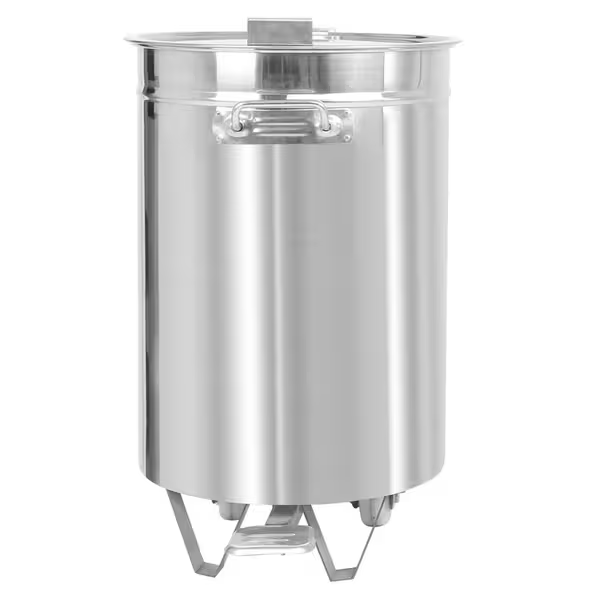
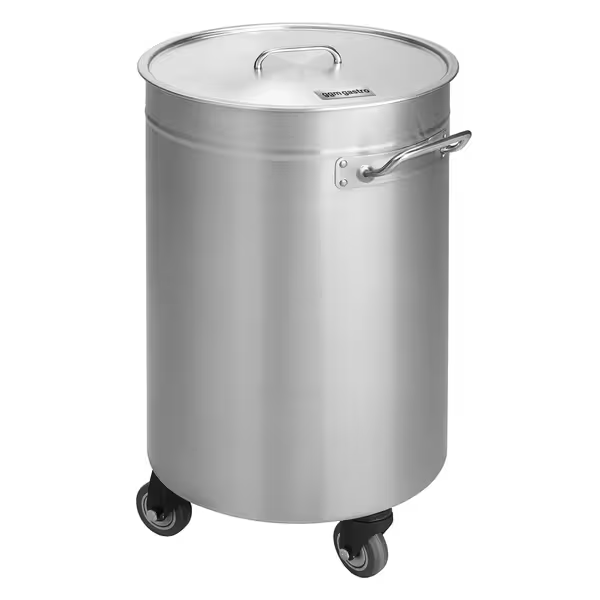
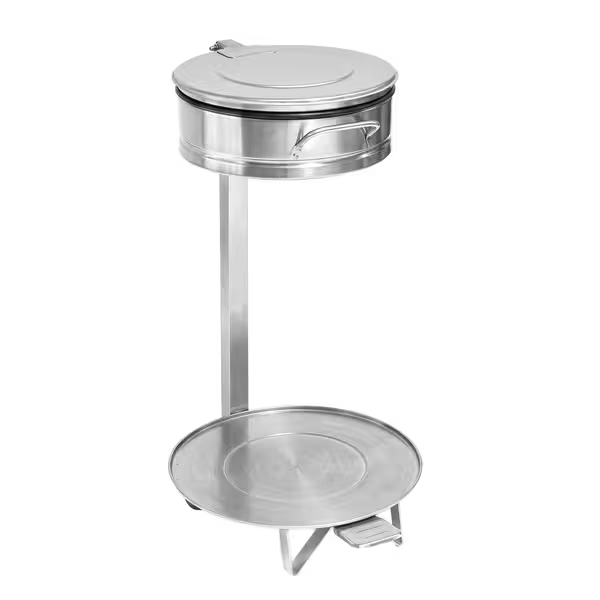
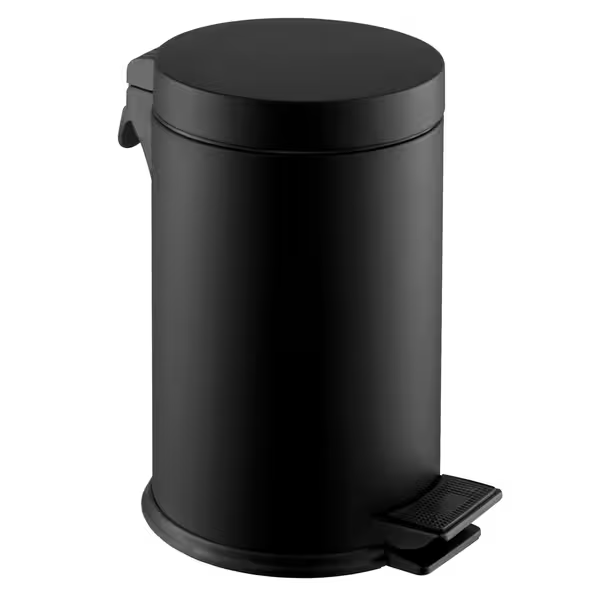
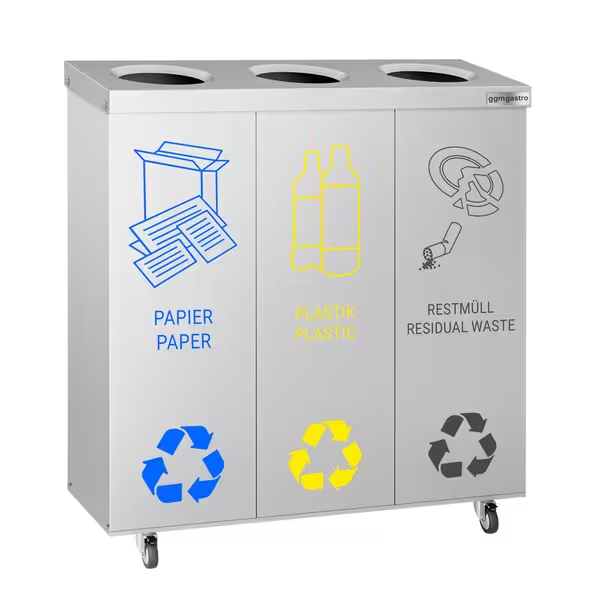
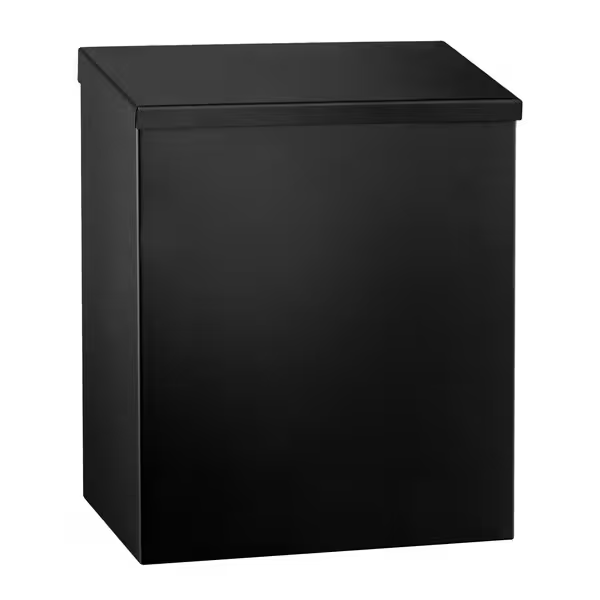
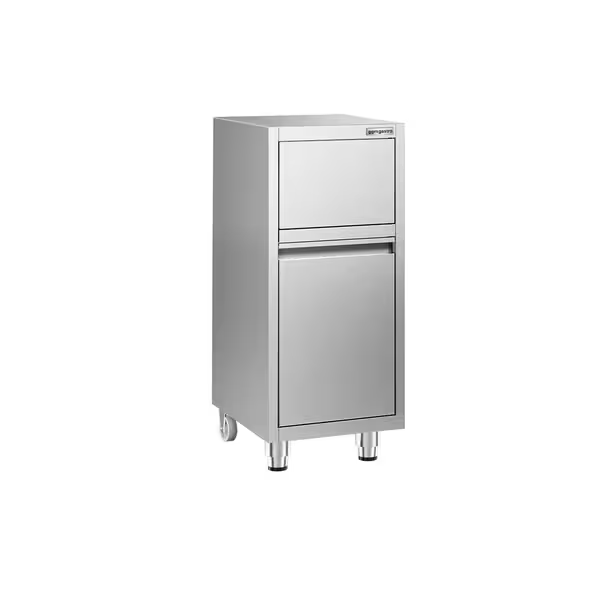
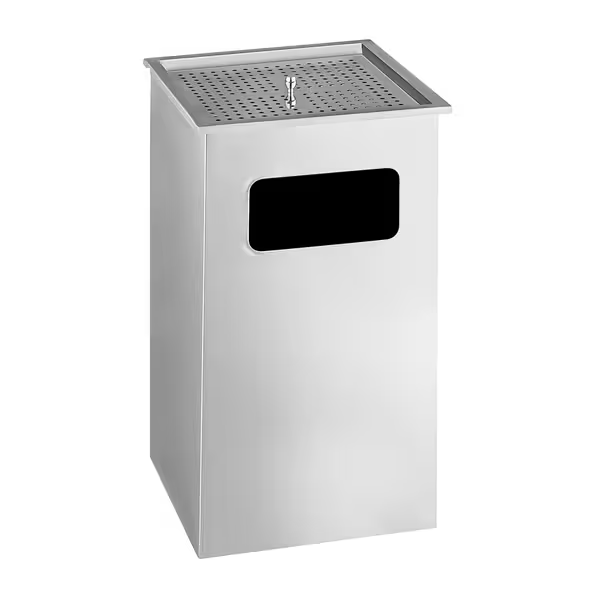
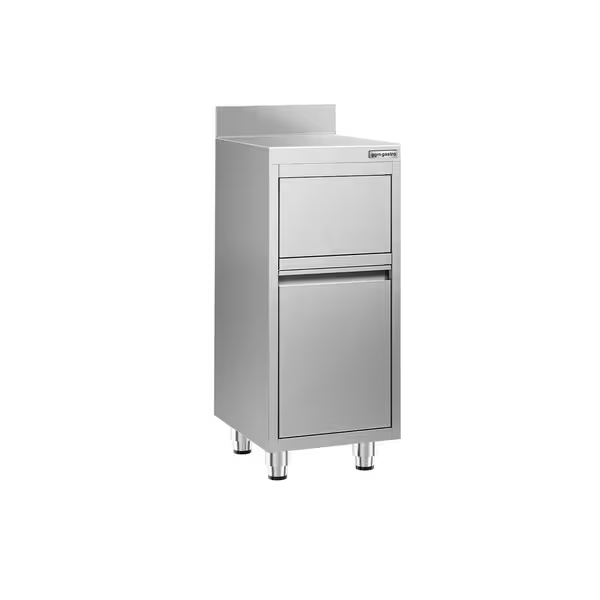
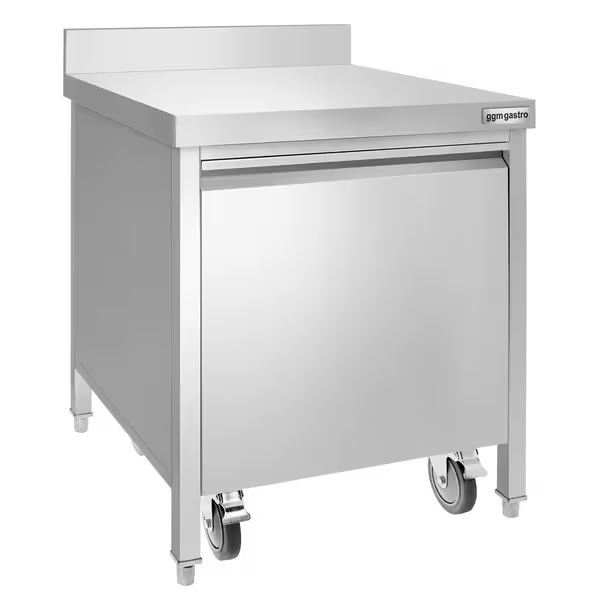
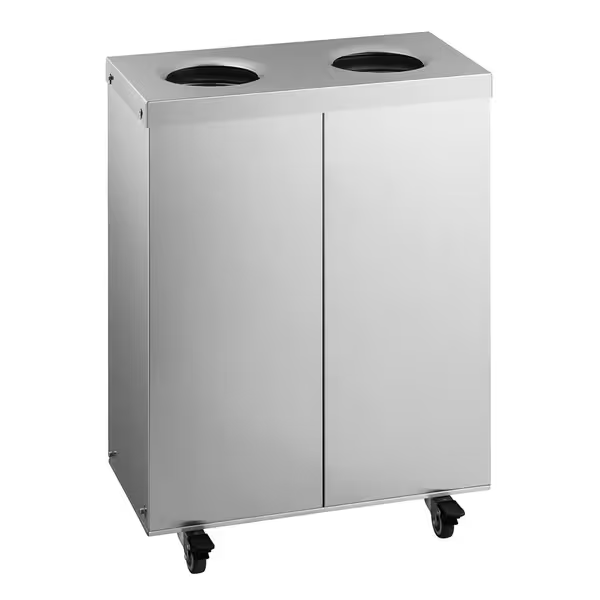
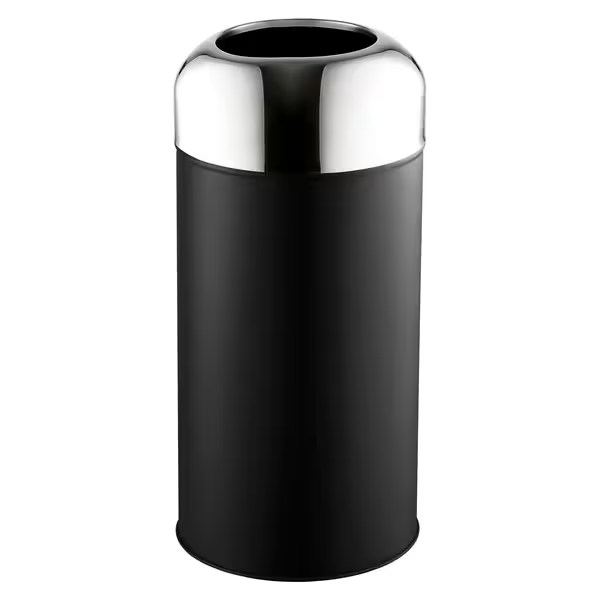
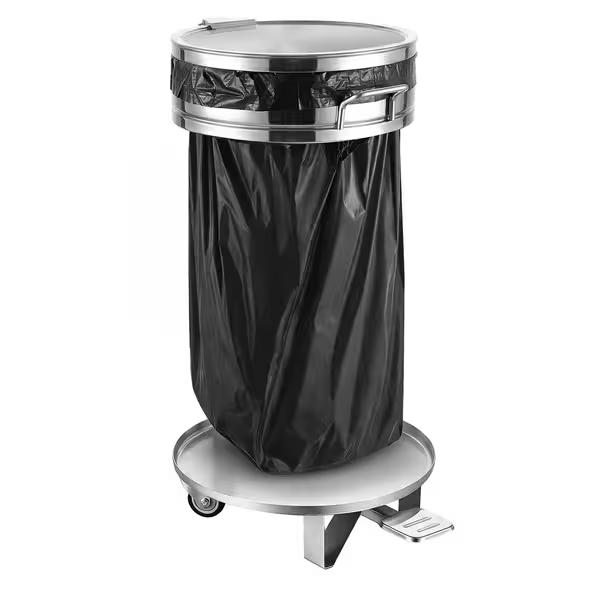
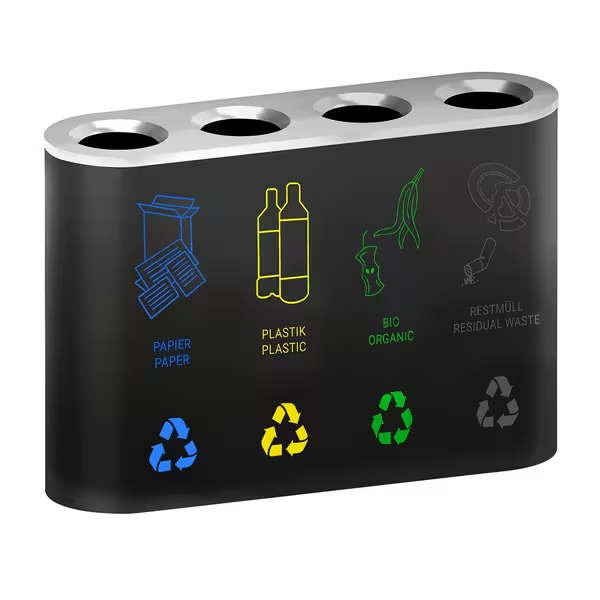
Trash cans as an integral part of hygienic food service operations
Trash cans for the food service industry are waste receptacles designed for regular use in professional kitchens and commercial areas. They are used to collect waste directly at the source and to clearly organize waste disposal processes in day-to-day operations.
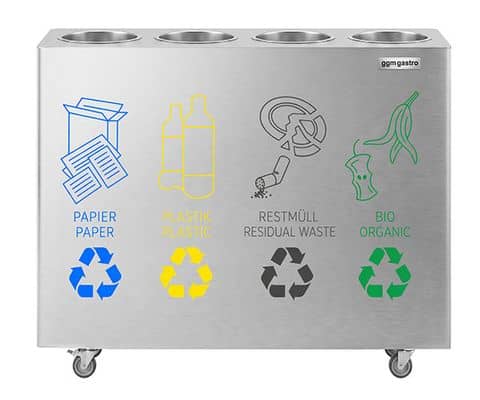
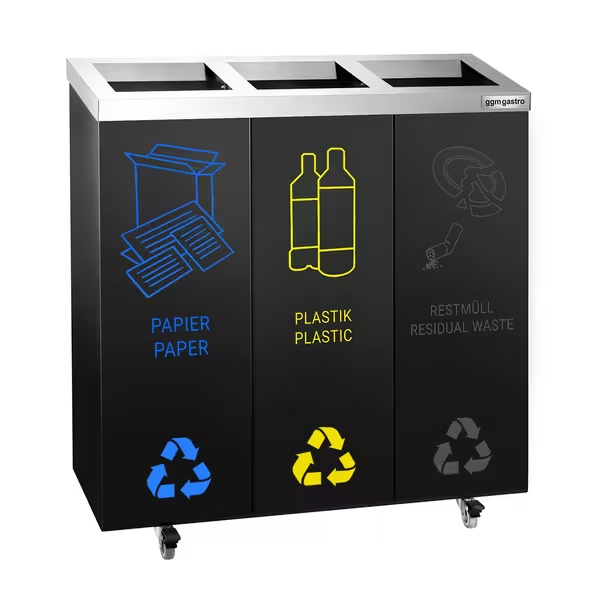
Whether it’s a restaurant, fast-food joint, hotel, catering business, or institutional kitchen: The key is to ensure that the container is suitable for the volume of waste generated and the intended location. Compact models with a capacity of about 5 liters are suitable for smaller volumes and limited space, while containers with capacities of 50, 75, or 100 liters allow for longer emptying intervals when waste volumes are higher. For separated waste streams, waste separation systems with multiple compartments can be useful.
Plan Capacity, Footprint, and Operation Properly
A trash can should be placed where waste is actually generated, without blocking walkways or work surfaces. In a small prep kitchen, a compact bin located right at the workstation may be more practical than a large central bin. In a production kitchen with higher throughput, larger or mobile models can help collect waste and then move it to the collection point.
In addition to volume, width, depth, and height are important selection criteria. A large capacity is of little use if the bin narrows a passageway or does not fit under or next to the designated work surface. Models with casters and handles make flexible positioning easier. Variants with front-opening lids can simplify changing the trash bag when there is limited space to maneuver on the sides.
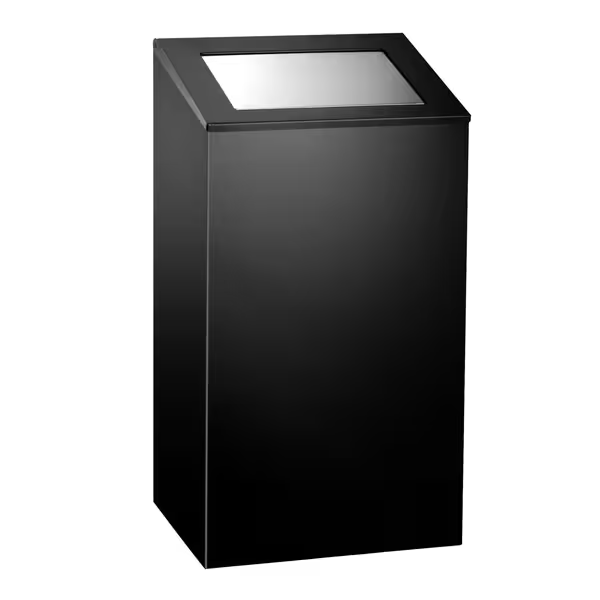
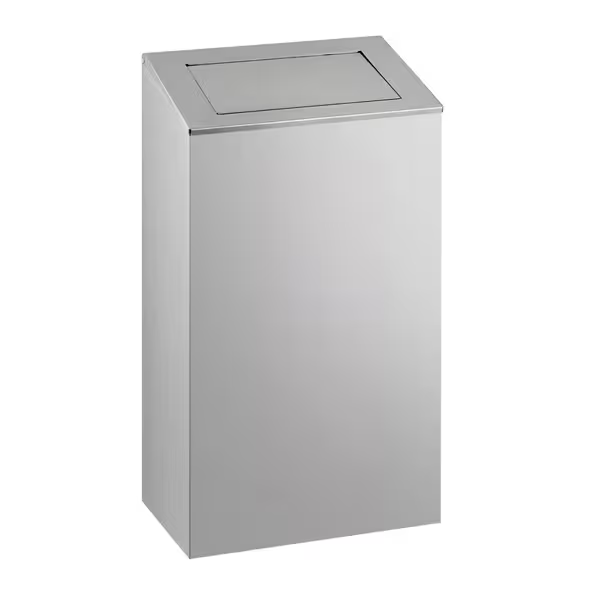
The type of opening also affects the process: foot pedals allow for opening without direct hand contact, push-to-open lids keep the opening largely closed, and classic hinged or lift-up lids offer a simple design.
Choose the right materials and cleaning methods for the application
Stainless steel trash cans are particularly well-suited for professional kitchen areas where durable and easy-to-clean surfaces are required. Plastic models, on the other hand, offer the advantages of being lighter and easier to handle. The decisive factor is not so much the material itself as the demands placed on it at the specific location.
In areas exposed to moisture, grease, and frequent cleaning, the bin should be designed so that the surfaces, lid, and rim remain easily accessible. A frequently used commercial trash can must be quick to empty and clean so that waste disposal doesn’t become a bottleneck between prep, service, and cleaning. For particularly high volumes of waste or heavier mechanical stress, it’s worth taking a look at industrial trash cans.
Quick Check to Help You Make the Right Choice
Before making a purchase, operators should check these points in particular:
-
Waste volume: What capacity matches the actual amount of waste generated between two emptying cycles?
-
Footprint: Do the width, depth, and height match the intended location?
-
Operation: Are a foot pedal, push-to-open flap, or traditional lid practical for the workflow?
-
Mobility: Is a stationary bin needed, or would casters and handles make transport easier?
-
Material: Is stainless steel or plastic better suited for cleaning, wear and tear, and the visible area of use?
Short disposal routes support stable processes
Waste disposal routes are just as much a part of kitchen planning as food prep, the sink, and the flow of goods. If a trash can is too far from the workstation, each disposal requires extra steps. If, on the other hand, it’s placed right in the middle of the work area, it can get in the way of employees.
Especially during peak hours, these small inefficiencies add up. A thoughtfully placed trash can next to the prep area or in the sink area streamlines movements and reduces walking distances. In larger kitchens, mobile models can be moved as needed between work zones and collection points. Wall-mounted models are an option when floor space is limited or the area under the bin needs to remain clear.
When planning alongside stainless steel cabinets or sink cabinets, you should therefore consider not only the external dimensions but also door openings, walking paths, and the space needed to remove the trash bag.
Make cost-effective choices rather than deciding based solely on price
A cheap trash can isn't automatically the most economical solution. If the capacity is too small, it will need to be emptied more often. If the container is unnecessarily large, it takes up valuable space. An unsuitable opening mechanism can require extra steps, while hard-to-reach areas increase the effort needed for cleaning.
For commercial use, it is therefore worth considering capacity, footprint, material, operation, and durability together. A properly sized and strategically placed trash can supports clean waste disposal processes, makes daily waste management easier for the team, and integrates seamlessly into operational workflows.