


:quality(70))
:quality(70))


Tray Cart
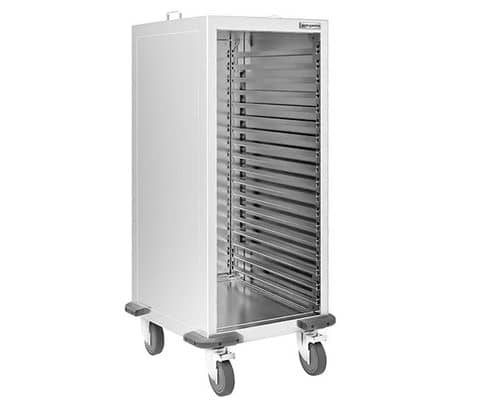
Tray carts facilitate the organized transport and return of trays in cafeterias, hotels, commercial kitchens, catering establishments, and self-service areas. They help shorten distances, streamline processes, and provide trays in a hygienic and space-saving manner. Tray Cart Guide »


Product type
Width
Design/Equipment
Number of Doors
Quality
Load Capacity
Product material
Price
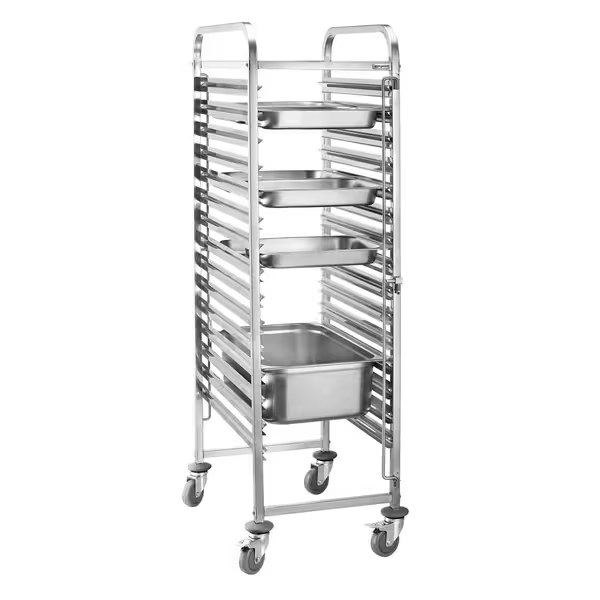
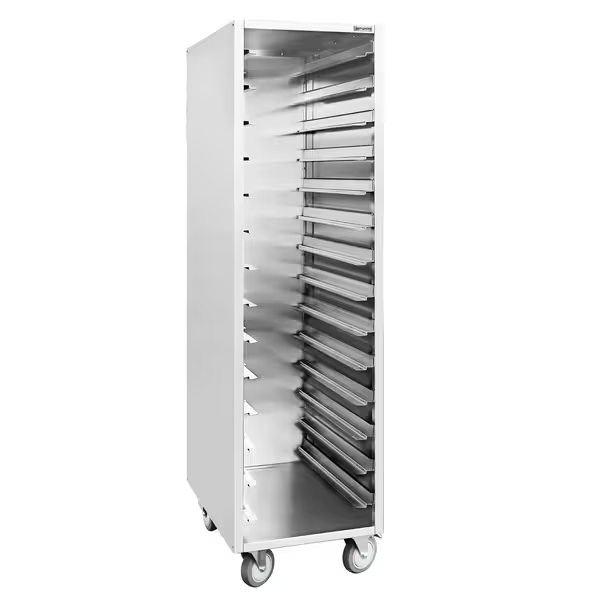
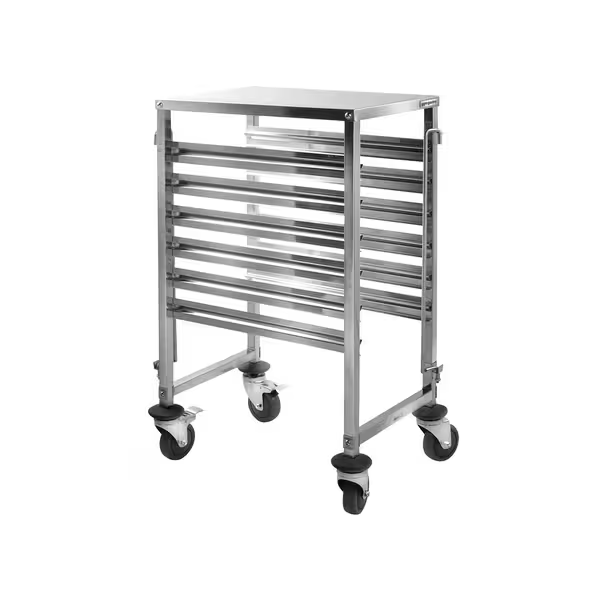
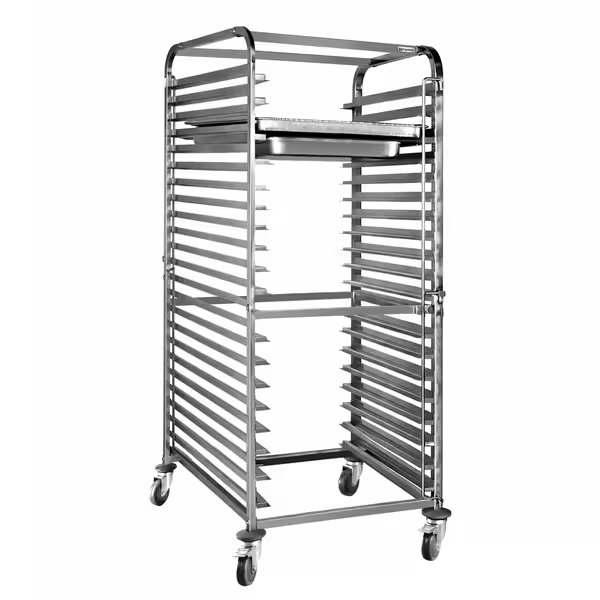
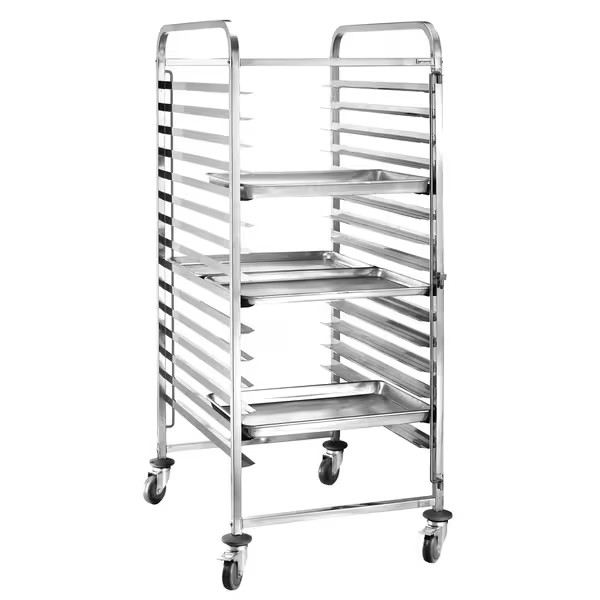
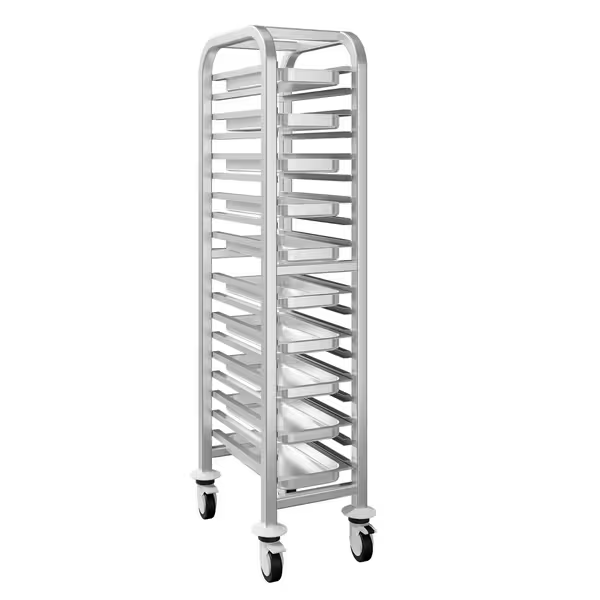
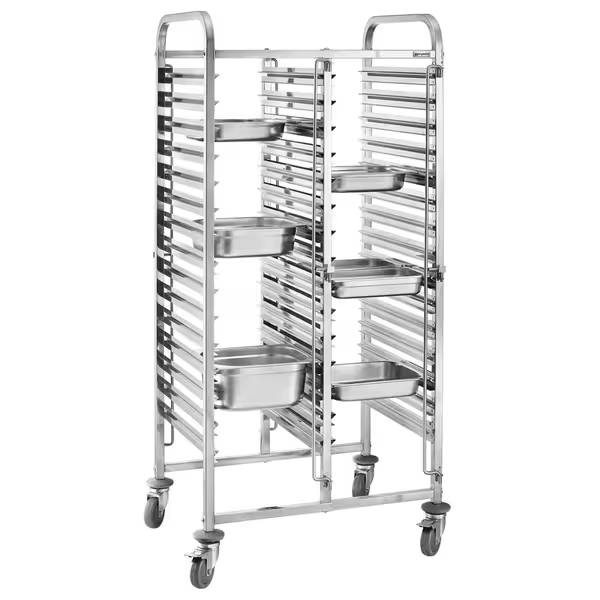
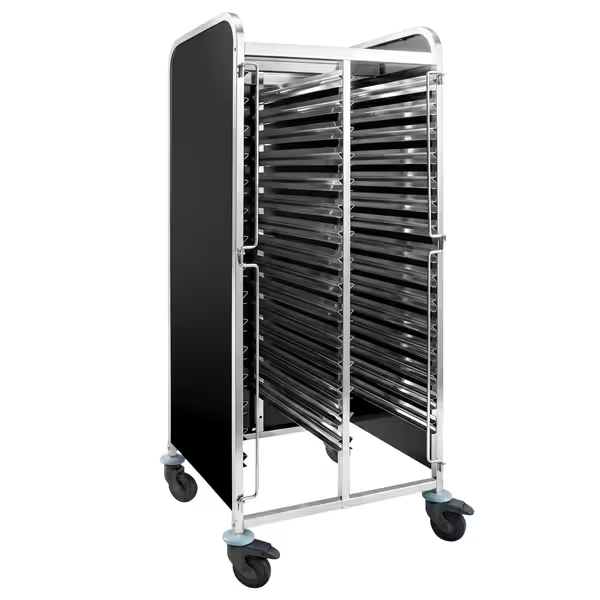
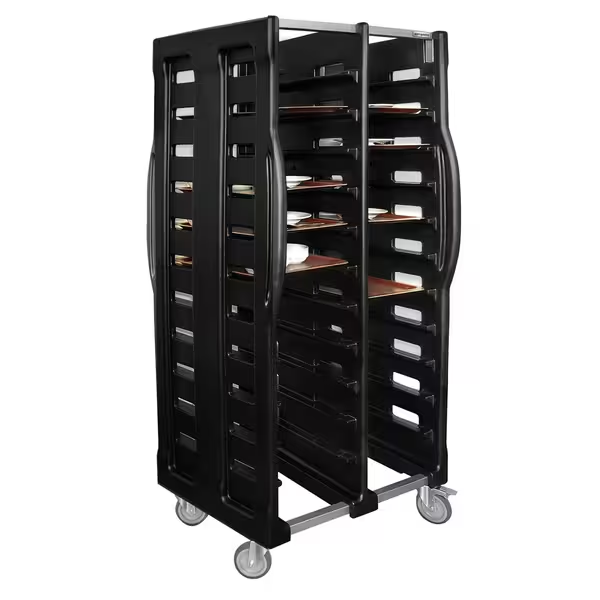
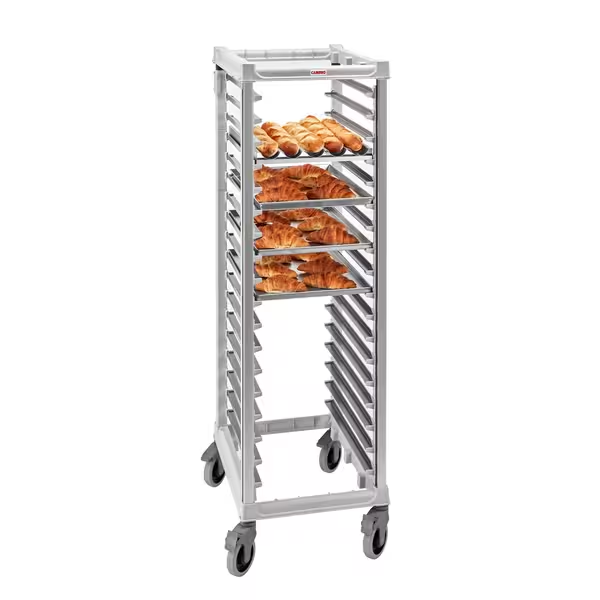
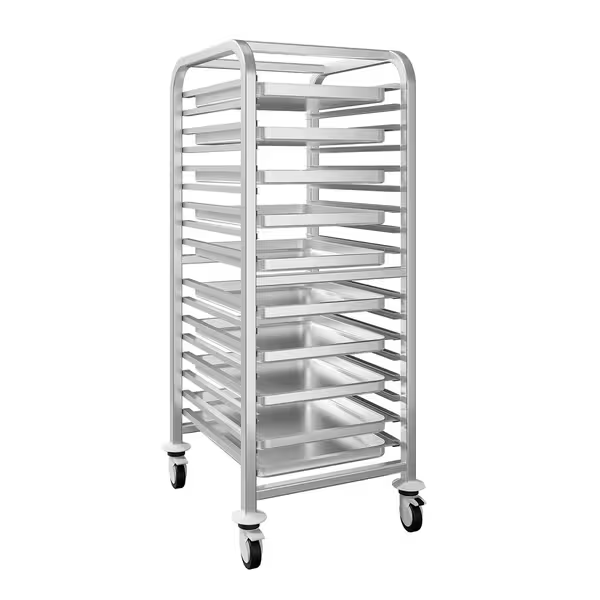
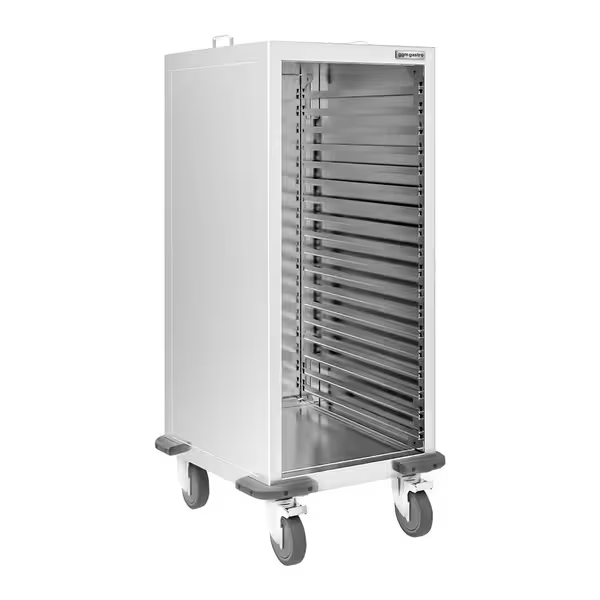
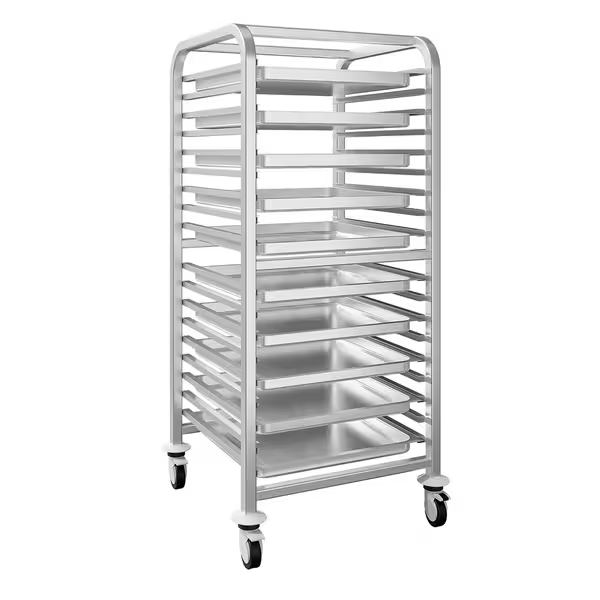
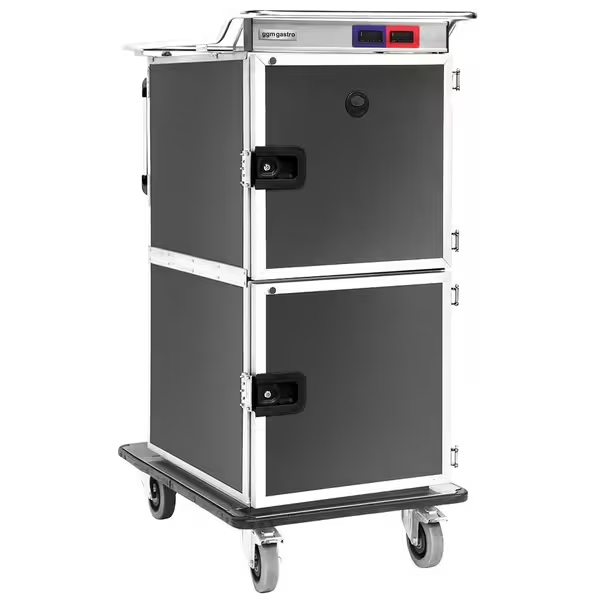
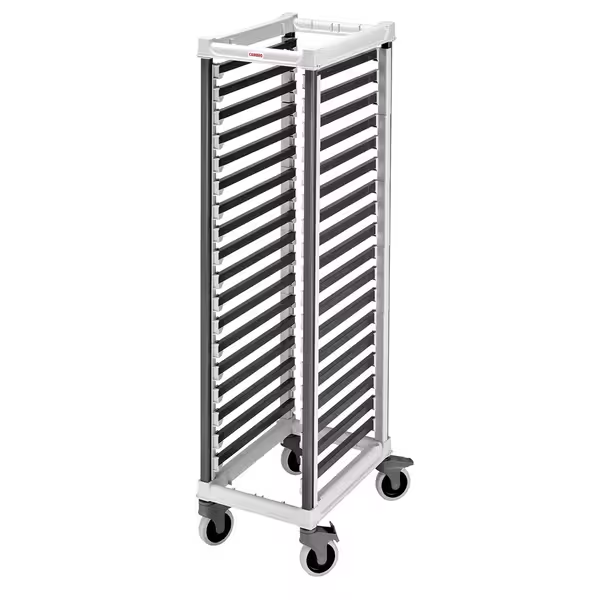
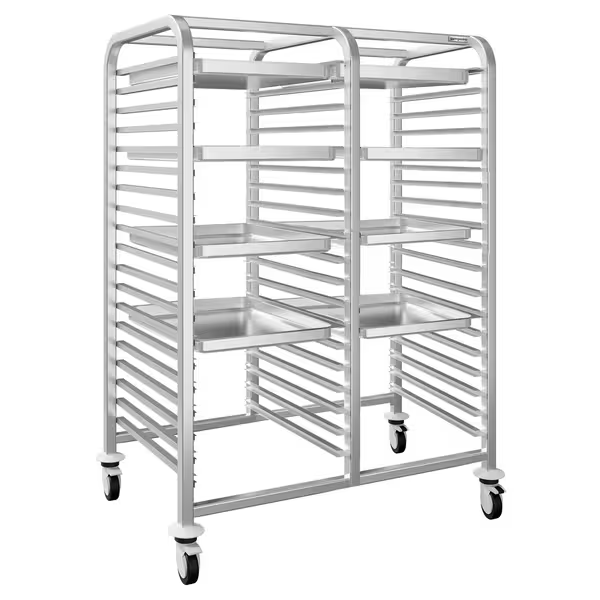
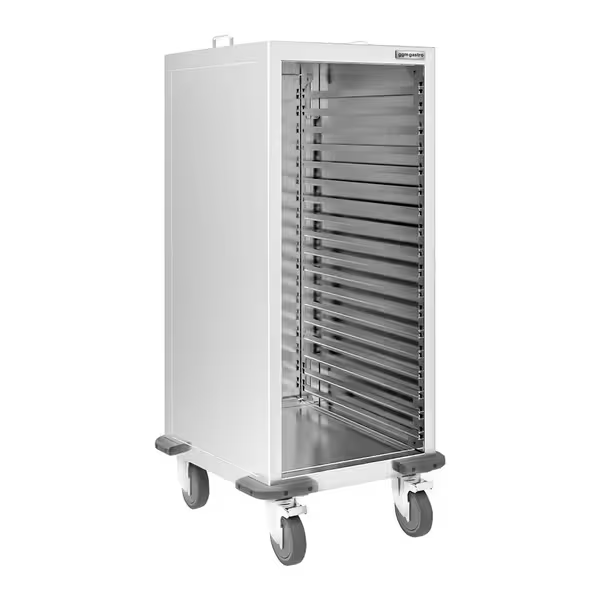
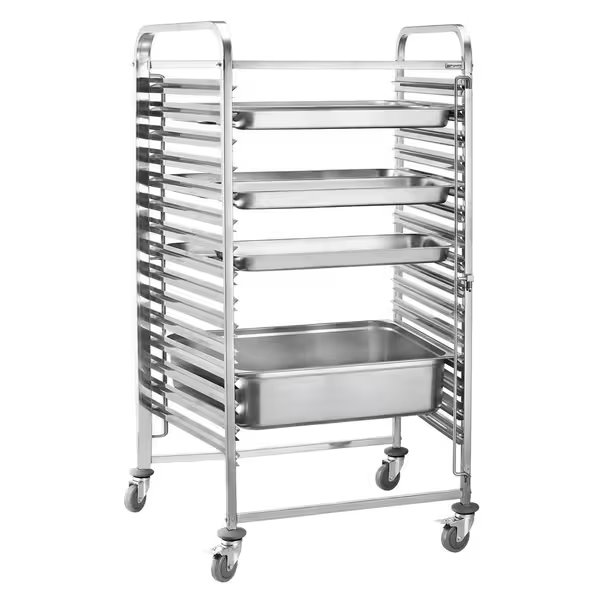
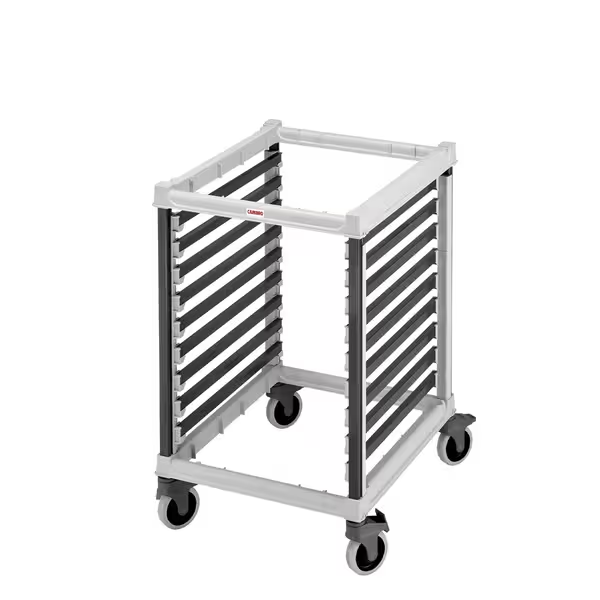
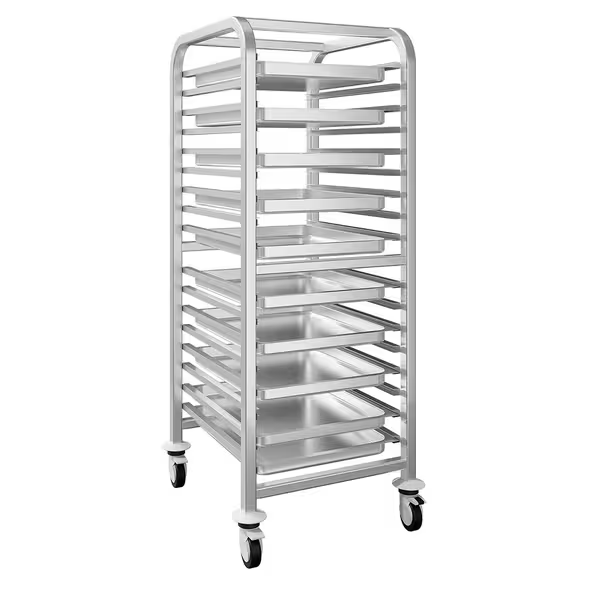
Tray Carts for Streamlined Workflows in Everyday Restaurant Operations
A tray cart is a mobile cart used to hold, serve, and transport trays in professional food service establishments. It is used wherever a large number of trays need to be moved in an orderly manner—for example, in cafeterias, student dining halls, hotels, company cafeterias, care facilities, hospitals, catering kitchens, or dishwashing areas.
In everyday life, a tray cart often plays an unassuming but important role: it connects the serving area, dining room, return area, and dishwashing kitchen. Instead of carrying trays individually or temporarily storing them on work surfaces, they are collected in fixed trays and moved as a single unit. This creates a clear overview, reduces the workload on staff, and keeps pathways clear—especially when many guests need to be served or cleared away in a short period of time.
The right format determines the value
When it comes to tray carts, compatibility is the top priority. The inserts must fit the existing trays, GN containers, or baking sheets. In practice, sizes such as GN 1/1, GN 2/1, EN 600 x 400 mm, or EN 530 x 370 mm are particularly relevant. If you already work with standard tray sizes, using the right inserts helps avoid unnecessary friction in the workflow.
Capacity is equally important. Compact carts with 10 or 15 trays are suitable for smaller areas, limited floor space, or occasional use. Models with 18, 20, 30, or 32 trays offer more capacity for cafeterias, breakfast areas, communal dining, or high-volume return lines. Double-deck carts provide additional loading space but require sufficient room in hallways, elevators, storage areas, and dishwashing zones.
Quick Checklist for Selecting Tray Carts
Before making a purchase, a few criteria can help you narrow down your choices:
- Check tray dimensions: GN 1/1, GN 2/1, EN 600 x 400, or EN 530 x 370
- Determine capacity: Select the number of trays appropriate for peak times
- Consider the footprint: Take width, depth, height, doors, and elevators into account
- Evaluate the casters: Quiet operation, maneuverability, and locks for secure positioning
- Determine the location: Serving, buffet, return, storage, or dishwashing area
This checklist is particularly helpful when replacing an existing cart or implementing a new serving and return system. A cart that is too small quickly leads to temporary storage on tables or work surfaces. A cart that is too large, on the other hand, can block pathways and tie up space that is needed elsewhere during operations.
Stainless Steel, Rollers, and Cleaning in Daily Use
Stainless steel tray carts are particularly useful in commercial settings because they are durable, hygienic, and easy to clean. Moisture, food residue, cleaning agents, and impacts from frequent maneuvering and daily use are all part of the normal wear and tear in cafeterias, hotels, or dishwashing areas. Smooth stainless steel surfaces and open designs make maintenance easier and support clean operating routines.
The casters also have a direct impact on daily work. Quiet casters are appreciated in hotels, breakfast rooms, and guest areas, while locking mechanisms ensure stability during loading and unloading. A slide-through guard or sturdy slide guide prevents trays from slipping during transport. Especially in tight kitchens, hallways, or return areas, a cart that runs smoothly and can be maneuvered precisely is essential.
Efficiency Comes from Proper Integration
A tray cart is most useful not on its own, but as part of the overall workflow. In the serving area, it can hold prepared trays. In the return area, it collects used trays in an orderly manner in front of the dishwashing area. In catering or banquet areas, it facilitates transport between preparation, storage, and serving stations.
Tray carts are best combined with stainless steel furniture when additional work or storage surfaces are needed. In dishwashing areas, they fit seamlessly into the organization around dishwashing units, return zones, and cleaning routes. For general goods handling, transport carts remain the better choice, while serving carts are typically used for food, beverages, and flexible storage in the service area. This clear distinction helps ensure the right equipment is selected for each specific process.
A Cost-Effective Approach to Tray Carts
A suitable tray cart doesn’t reduce the workload on its own, but it can significantly cut down on walking distances, search times, and cluttered temporary storage areas. This is particularly beneficial during peak hours, when return, distribution, and washing must all operate simultaneously. Organized tray storage, sufficient capacity, sturdy construction, and smooth-rolling casters support a more stable workflow and facilitate teamwork.
For operators and managers, therefore, it’s not just the purchase price that matters. What’s crucial is whether the size, capacity, material, and maneuverability are a good fit for the operation. A well-integrated tray cart becomes a simple yet effective component for hygiene, organization, and efficient processes in the day-to-day operations of a professional foodservice establishment.