


:quality(70))
:quality(70))


Countertop Shelves & Thermal Bridges for Professional Food Service Workstations
Top shelves provide additional storage space above work and serving areas, while heat bridges keep prepared dishes warm for a short time at the serving counter. A variety of widths, tiers, heating types, and mounting options allow for customization to suit specific operational needs. Guide to Overhead Shelves & Heat Bridges »



Product type
Width
Quality
Product material
Price

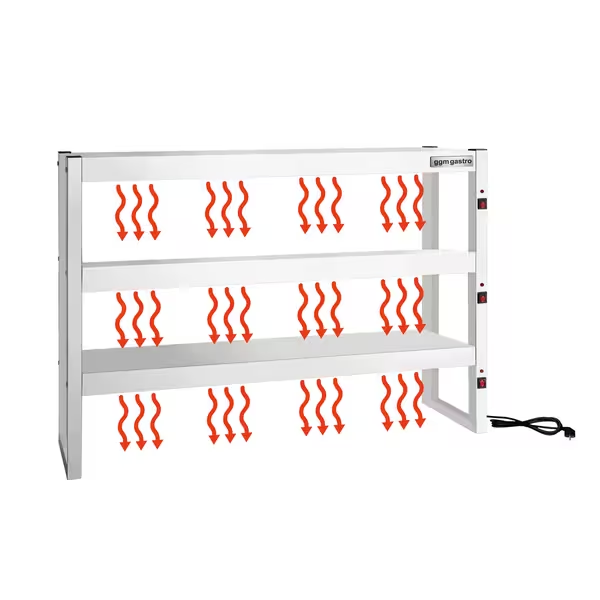
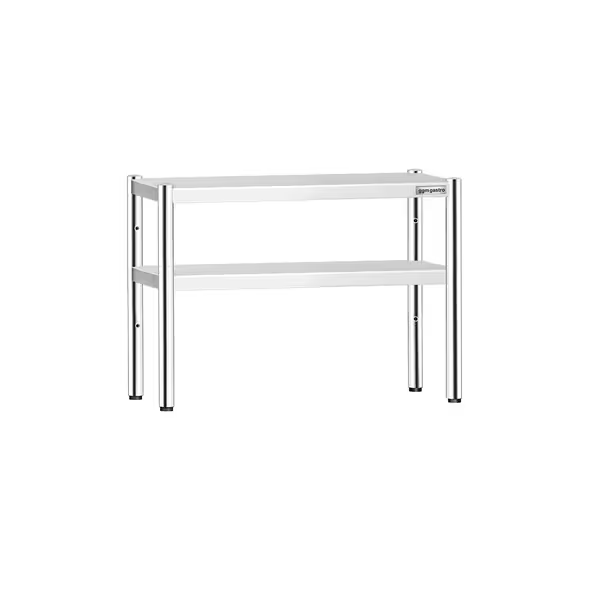
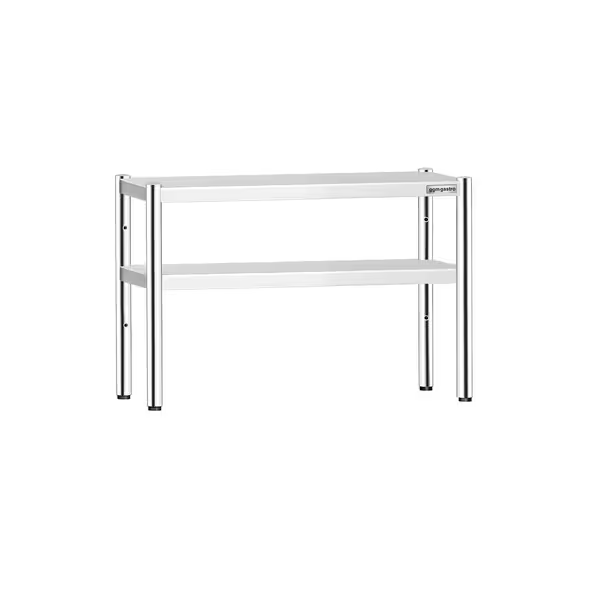
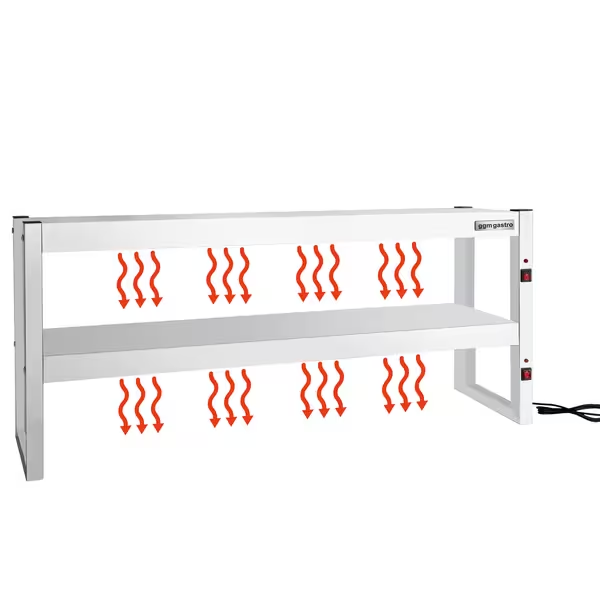
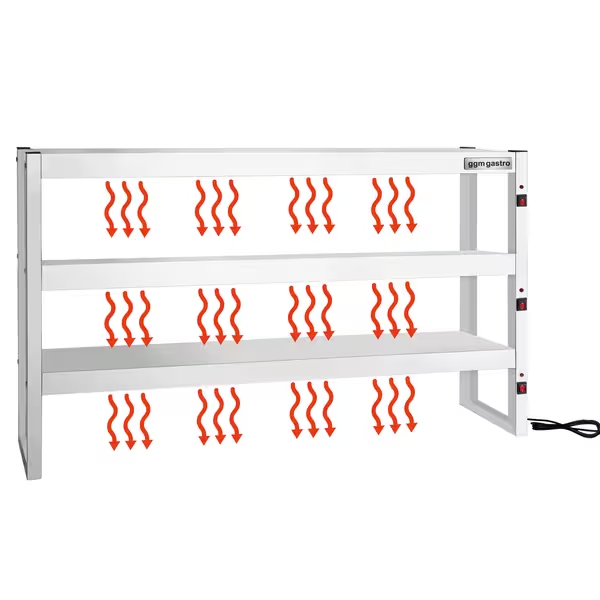
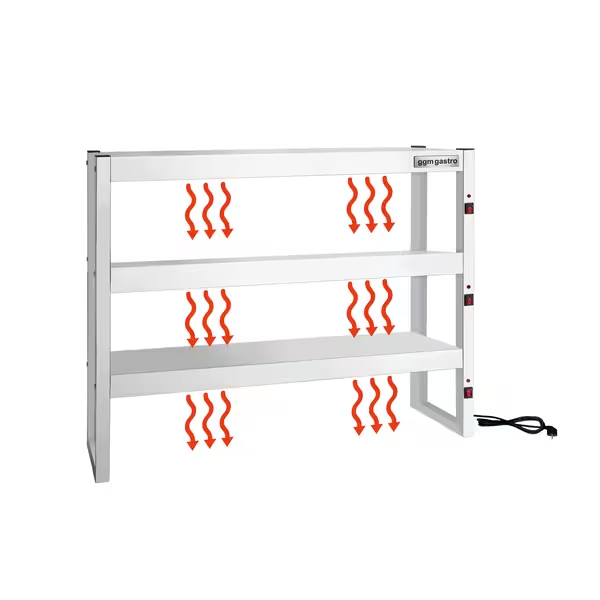
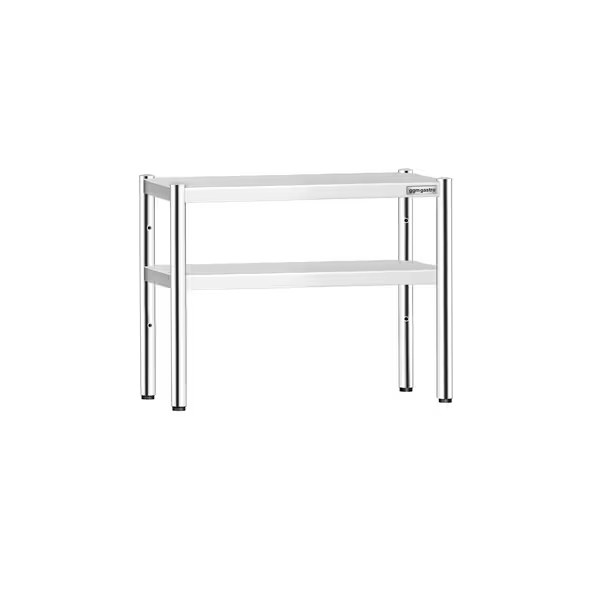

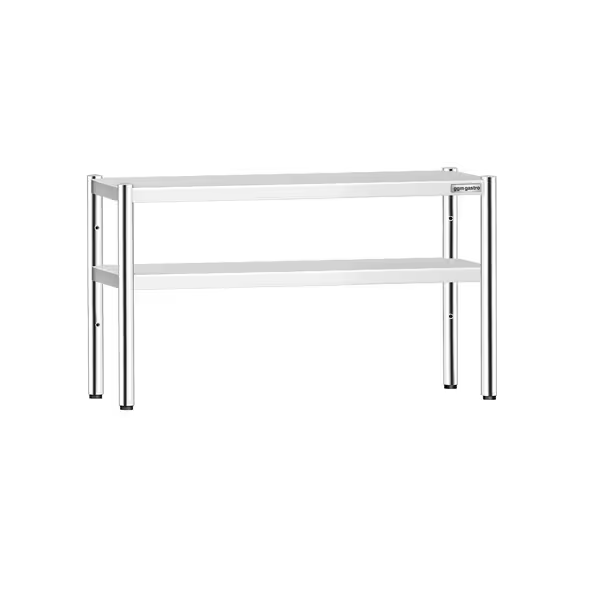

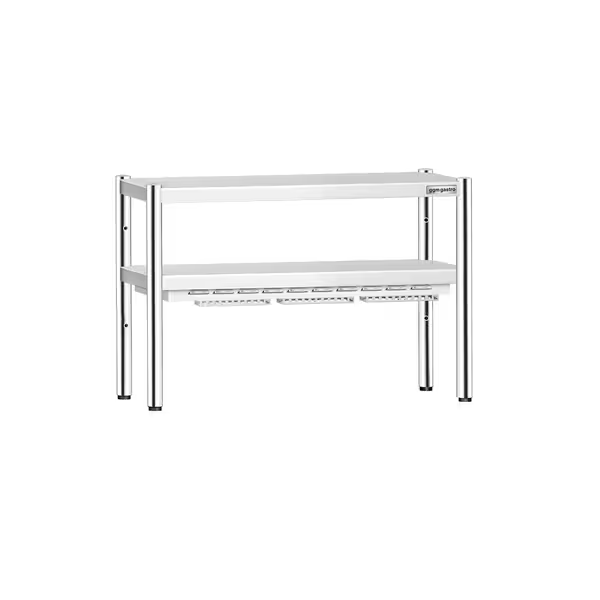
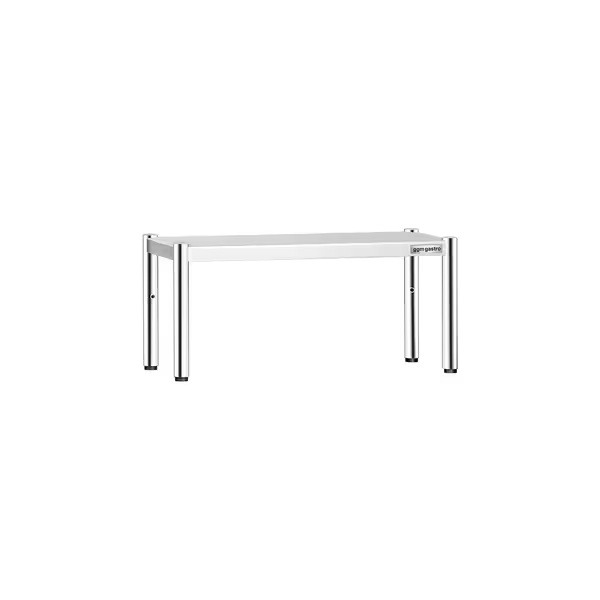
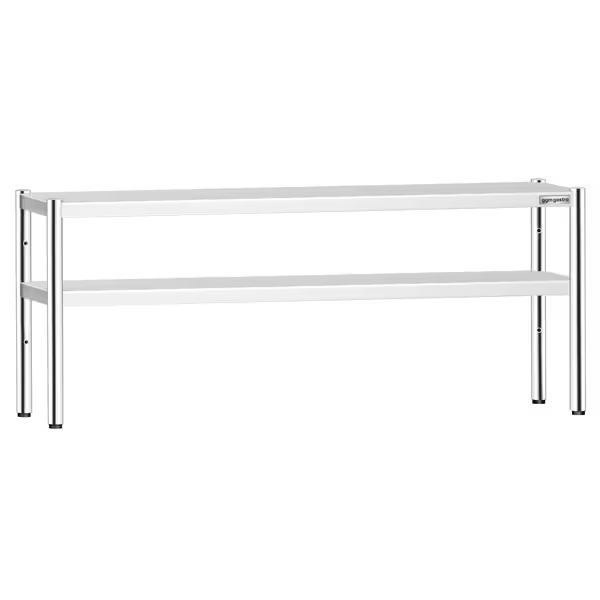
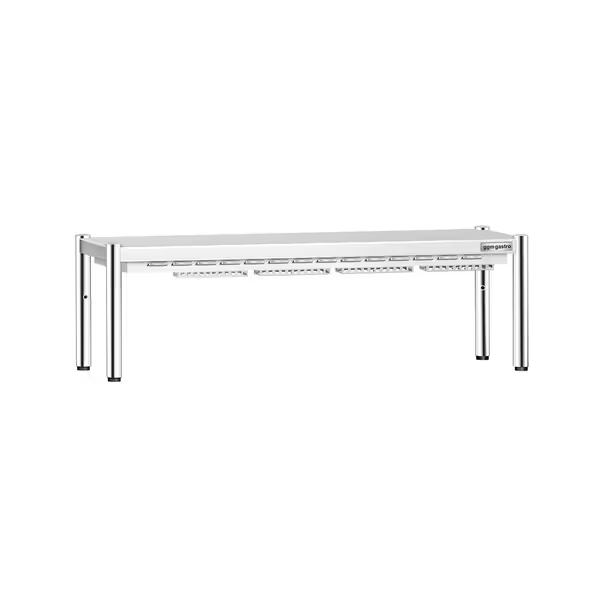
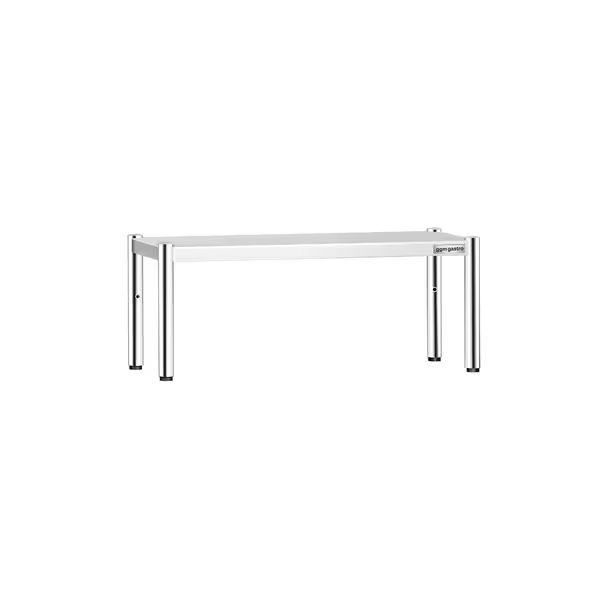
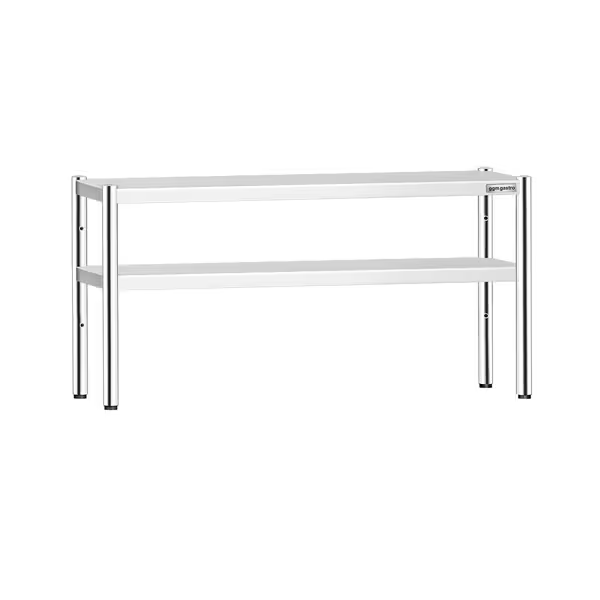
Clearly Categorize Shelving Units & Thermal Bridges
Aufsatzborde & Wärmebrücken ergänzen professionelle Arbeits- und Ausgabebereiche um zusätzliche Ablageflächen oder gezielte Warmhaltung. Sie kommen vor allem an Vorbereitungstischen, am Küchenpass, in der Speisenausgabe sowie in Restaurants, Hotels, Kantinen, Imbissen und Cateringbetrieben zum Einsatz.
Ein Aufsatzbord erweitert eine vorhandene Arbeitsfläche nach oben und schafft Platz für Teller, GN-Behälter, Gewürze oder Arbeitsmittel. Eine Wärmebrücke hält bereits angerichtete Speisen über kurze Zeiträume auf Temperatur und unterstützt damit die Übergabe zwischen Küche und Service.
Für die Auswahl ist zuerst entscheidend, ob reine Ablagefläche oder aktive Wärme benötigt wird. Neutrale Edelstahl-Aufsatzborde eignen sich für Vorbereitung und Organisation. Modelle mit Keramik- oder Infrarotstrahlern sind für Pass und Ausgabe gedacht. Je nach Aufbau stehen ein-, zwei- oder mehrstöckige Varianten, stehende Ausführungen sowie hängende Wärmebrücken zur Verfügung.
Choose the dimensions, number of tiers, and heating type that suit your workspace
The width, depth, and height must be compatible with the existing work surface and the available space for movement. Many add-on shelves are available with an installation depth of about 370 mm and can therefore be mounted on standard stainless steel work tables without covering the entire work area. The width depends on the table, the number of plates to be served at once, and accessibility from the kitchen and service areas.
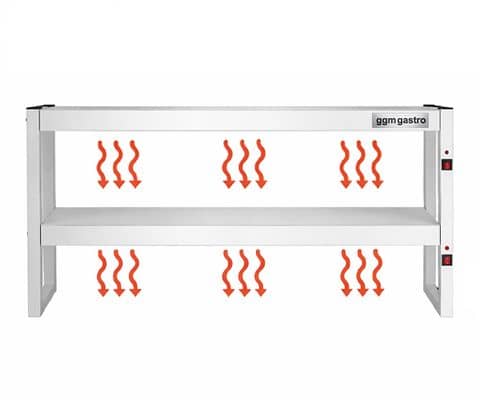
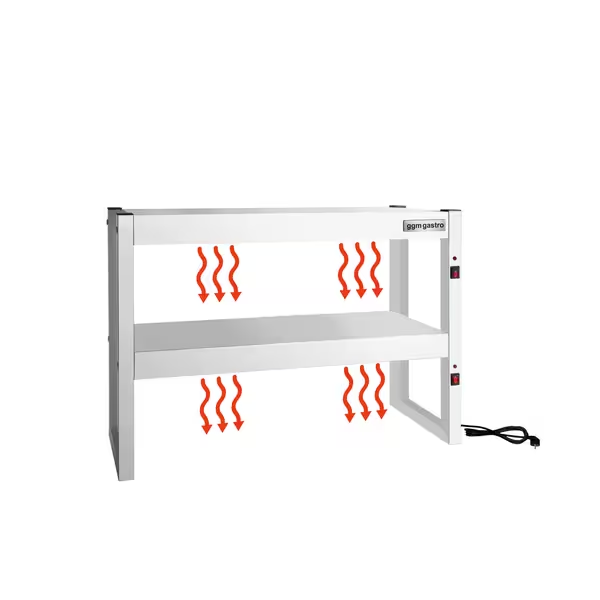
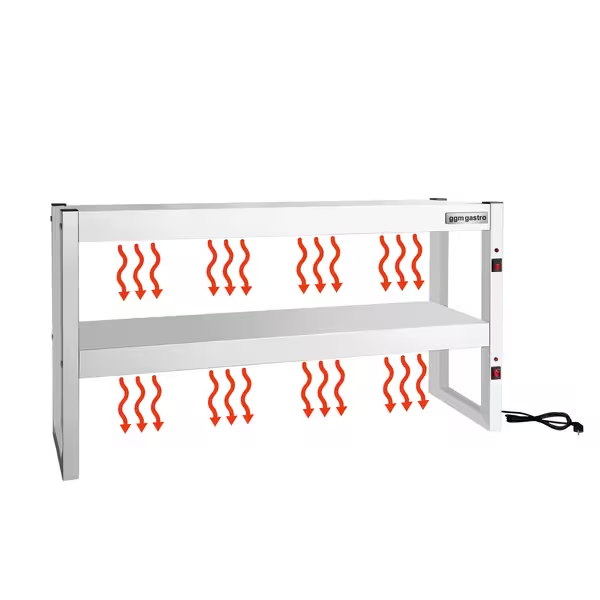
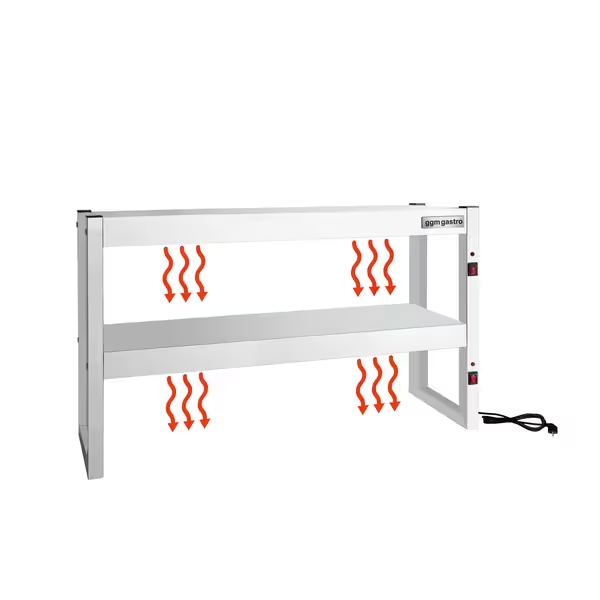
An additional tier provides more storage space but also increases the reach height. In small kitchens, a two-tier shelf can make good use of vertical space. At a busy serving counter, a multi-tiered warming rack can accommodate several rows of plates, provided there is sufficient space for plating and serving.
For heated models, key factors include the heating method, number of heating elements, power output, and distance from the food. Compact ceramic models start at around 700 watts, depending on the model; longer or multi-tiered versions use multiple heating elements and have a higher total power output. The decisive factor is not just the wattage, but the combination of width, heated surface area, and intended use.
Quick Check for Product Selection
- Decide whether to use it solely for storage or for active warming
- Check the table width, depth, and available height
- Choose one, two, or more tiers as needed
- Compare ceramic, infrared, or hanging models
- Consider power rating, installation space, and service access
Organize Workflows at the Border Checkpoint in a Stable Manner
During peak hours, several processes converge at the serving station: plates are plated, ingredients are added, receipts are checked, and orders are handed off to the service staff. A properly sized warming rack can help bridge short wait times and reduce temperature loss without cluttering the serving station with additional equipment.
During preparation, the benefits are different. An overhead shelf keeps frequently used containers and tools within easy reach above the work surface. This keeps the space below clear, shortens walking distances, and reduces the need for the team to rearrange items. When combined with matching refrigerated base units, this creates a compact workstation for mise en place and serving.
Stainless Steel, Cleaning, and Durability in Daily Use
Countertop shelves and thermal bridges are regularly exposed to heat, moisture, grease, cleaning chemicals, and mechanical stress. Smooth stainless steel surfaces make daily cleaning easier and are well-suited for hygienically organized work areas. It is important to have easily accessible posts, sturdy connections, and a design that allows crumbs and grease residue to be removed with minimal effort.
Before installation, the footprint, mounting method, and load-bearing capacity must be compatible. For suspended heat bridges, additional considerations include ceiling or wall mounting, wiring routing, and secure installation. Electrical connection specifications must be verified against the existing infrastructure before purchase.
Integrate it into the operational concept in a cost-effective manner
A well-chosen solution makes a difference primarily in terms of workflow: fewer search movements, clearer handoffs, and a more usable work surface. This eases the burden on the team, reduces disruptions during peak times, and supports a consistent flow of service. The investment pays off when the size, heating capacity, and design are tailored to the actual volume—rather than being chosen solely based on the lowest price.
For complete serving areas, heat bridges can be combined with buffet counters or existing custom-built furniture. A clear division of tasks remains crucial: The top shelf organizes items, the heat bridge keeps food warm for short periods, while long-term storage and inventory management are reserved for other functional areas.
Choosing Top Shelves & Thermal Bridges with Everyday Life in Mind
The right design aligns available space, number of levels, heating type, capacity, and installation method with the actual work process. By viewing the workstation from a bird’s-eye view, you can more quickly find a solution that remains easily accessible, hygienic, and durable in day-to-day operations.