


:quality(70))
:quality(70))


Kitchen Tools for the Food Service Industry
Kitchen tools assist professional kitchens with preparation, portioning, serving, cleaning, and organization. At GGM Gastro, restaurant owners and managers can find practical kitchen utensils for everyday commercial use—from basic equipment to specialized tools that streamline workflows. Kitchen Tools Guide »
Basic equipment
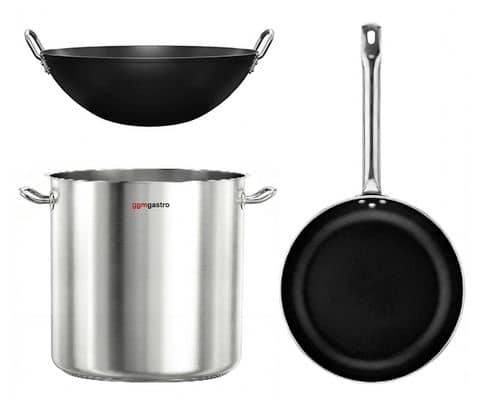
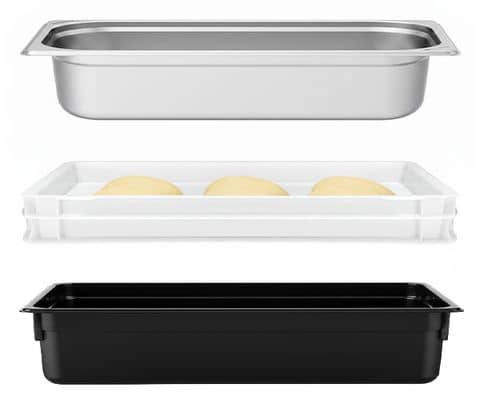
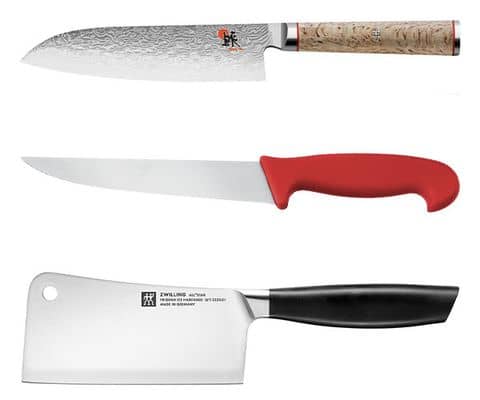
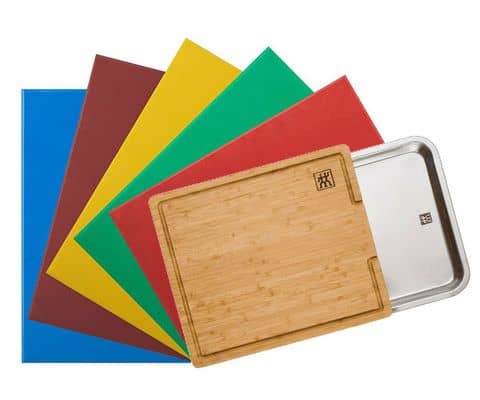
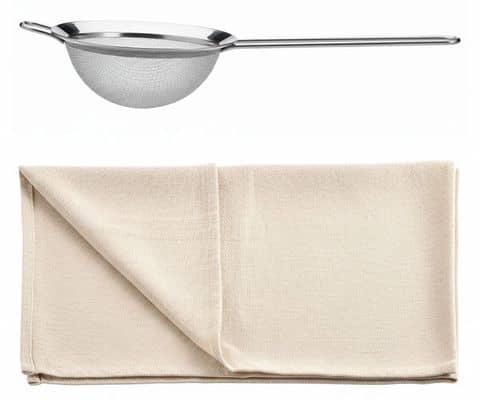
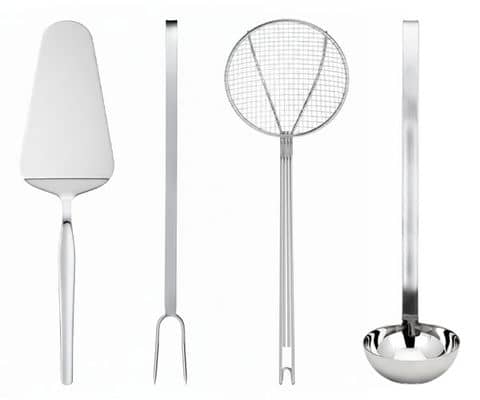
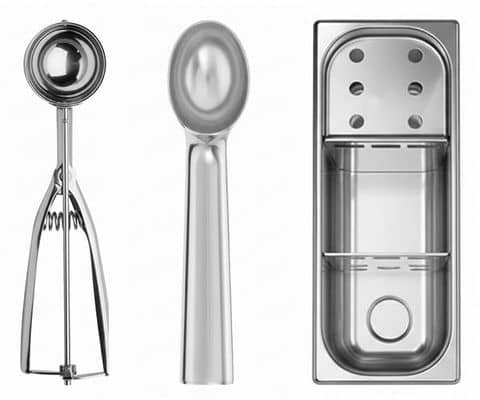
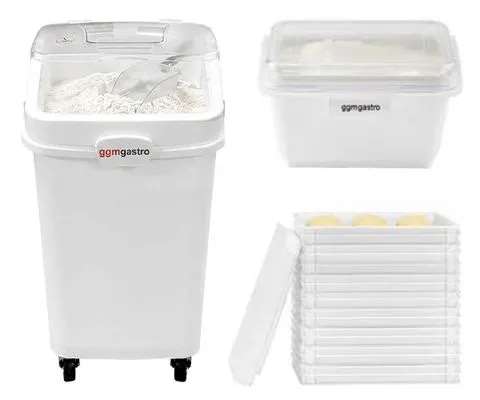
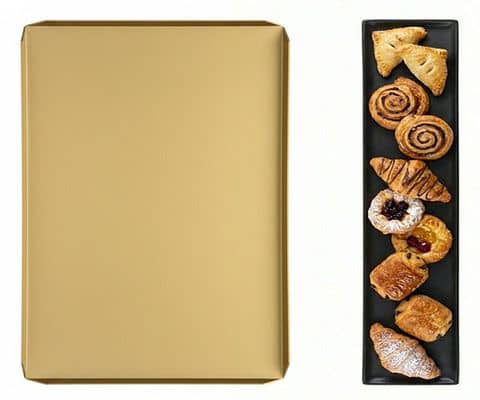
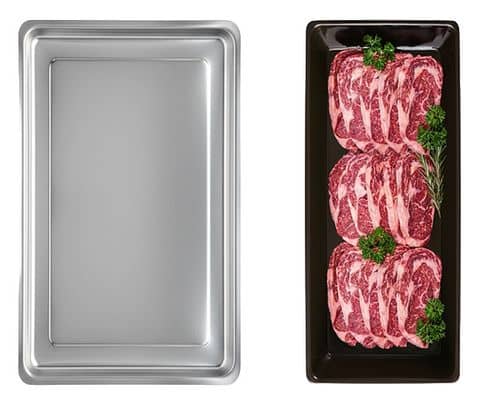
Food Preparation, Portioning & Storage
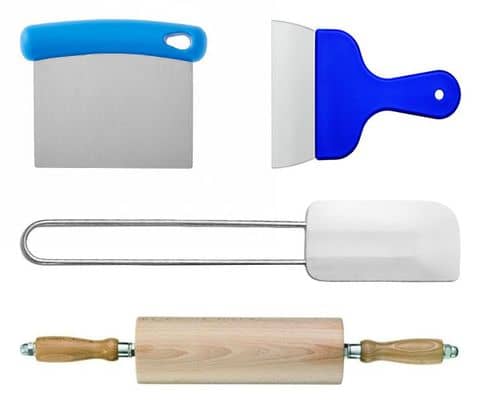
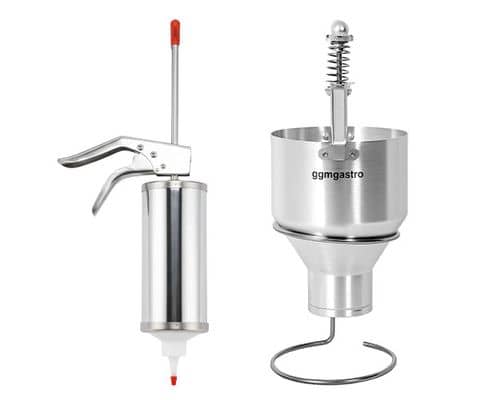

More Kitchen Essentials
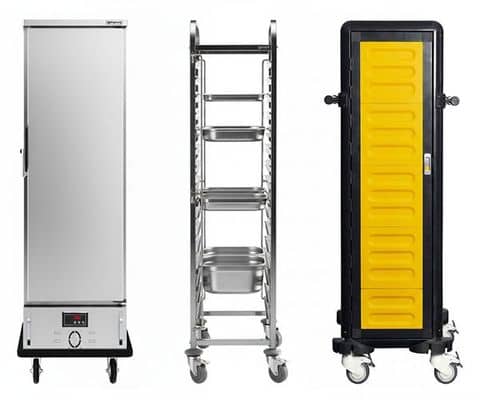
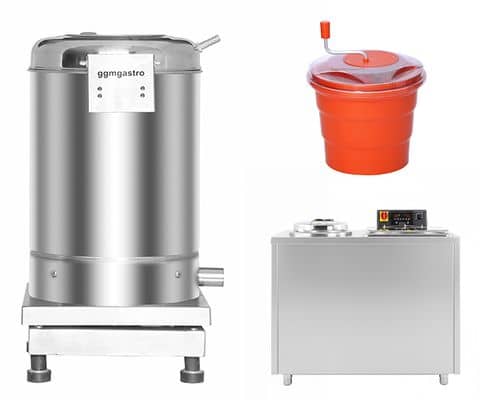
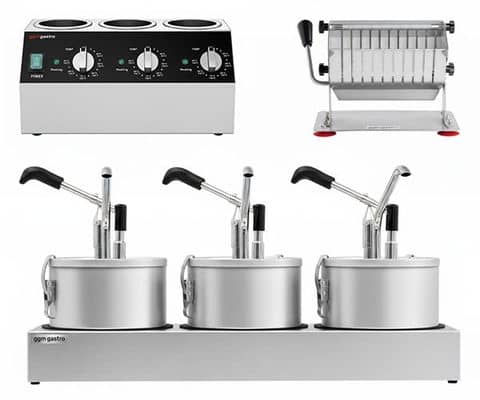
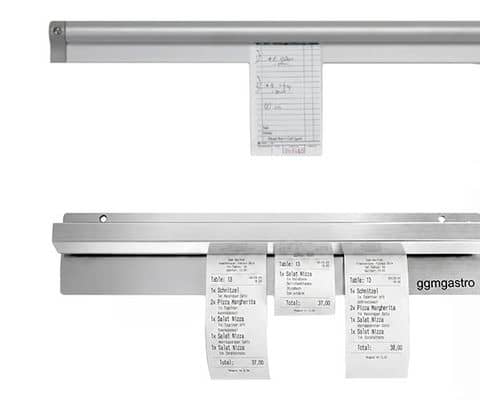
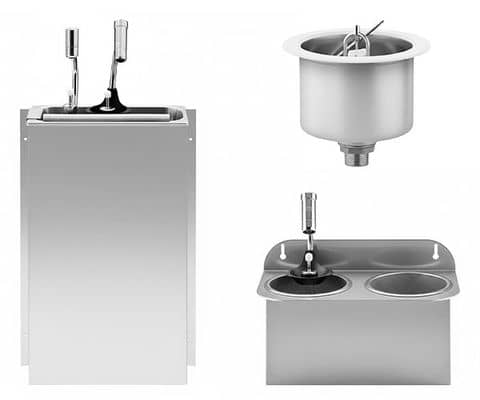
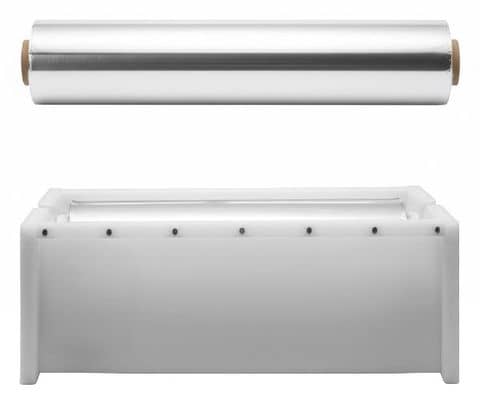
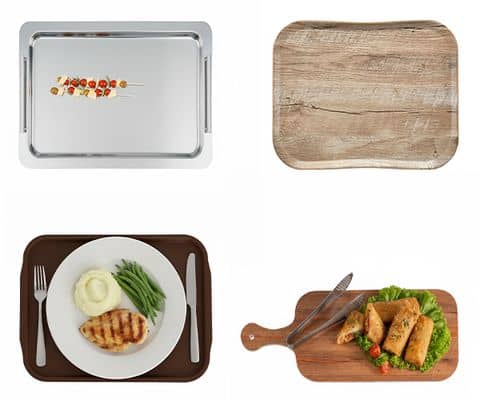
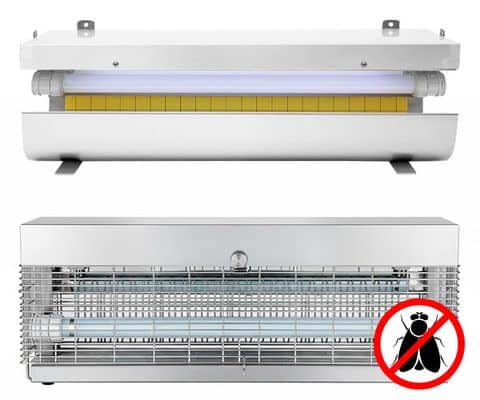


Kitchen Tools as the Foundation for Safe Workflows in the Professional Kitchen
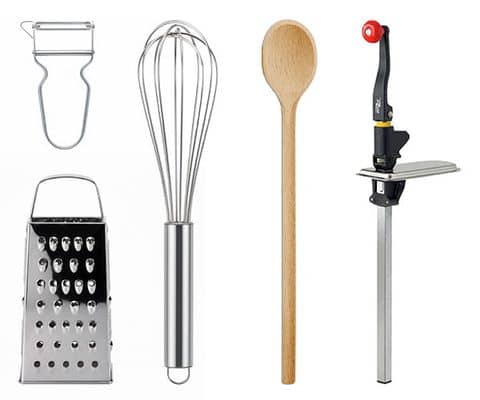
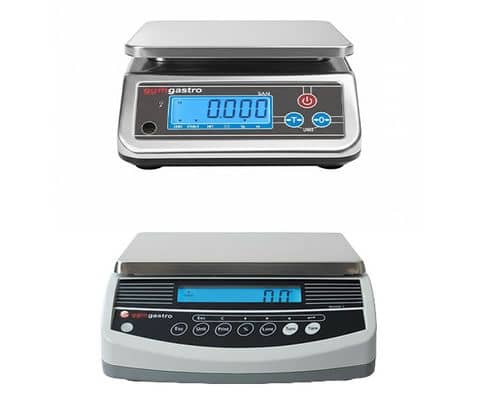
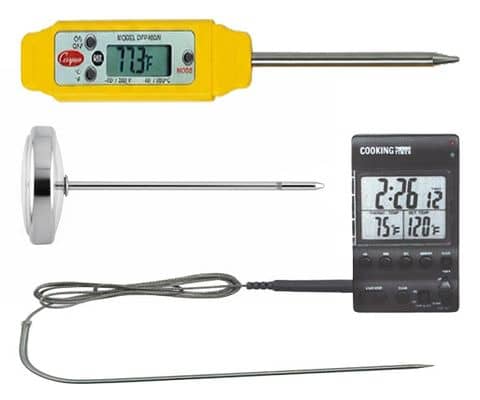
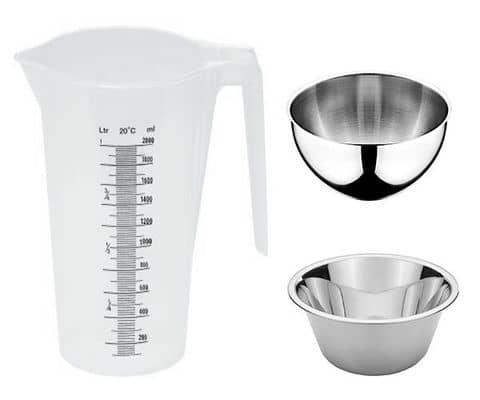
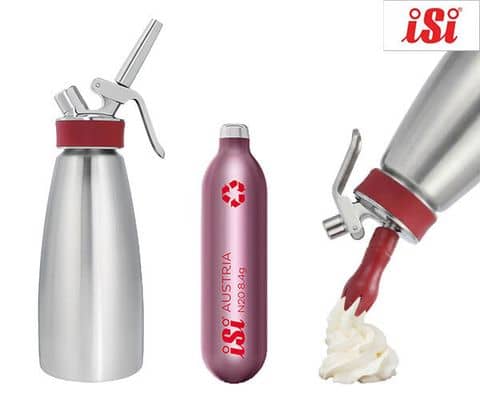
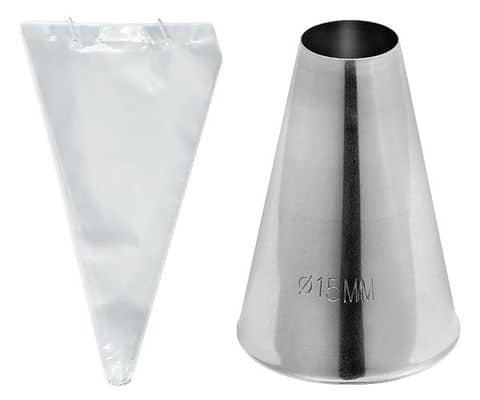
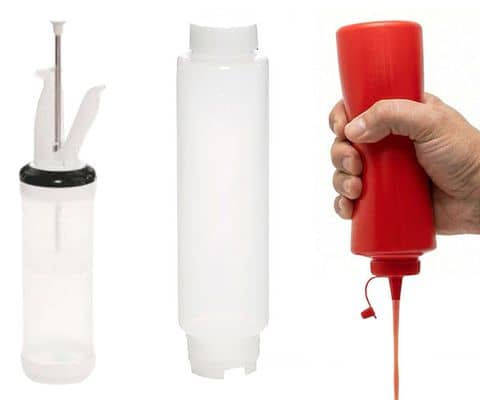
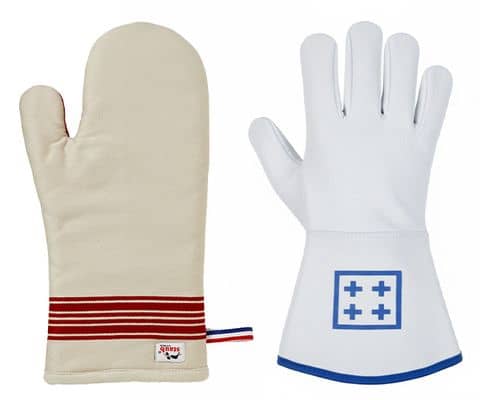
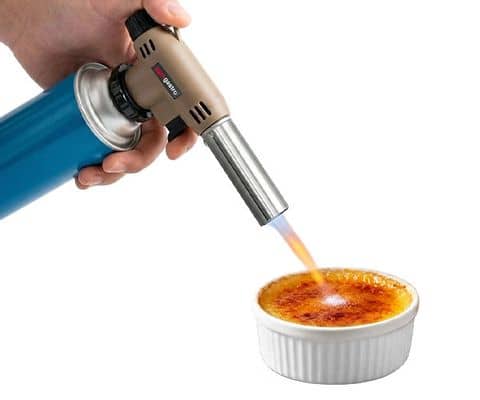
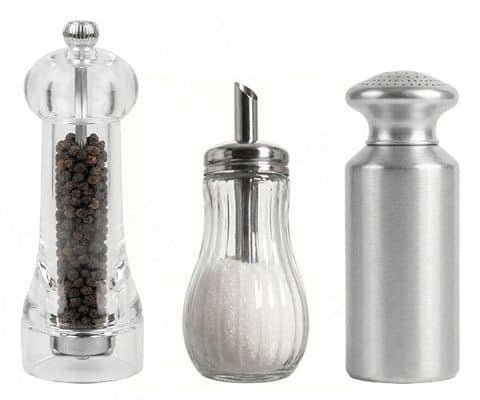
Kitchen tools are professional equipment used for routine tasks in the food service industry: They are used for cutting, stirring, sifting, portioning, measuring, serving, storing, and cleaning. These include, among other things, cutting boards, knife accessories, mixing bowls, measuring cups, strainers, tongs, ladles, scales, thermometers, timers, piping bags, squeeze bottles, plastic wrap dispensers, oven mitts, and dish towels.
In restaurants, hotels, snack bars, cafés, cafeterias, catering kitchens, and food trucks, these utensils often determine how smoothly a workplace operates. The right kitchen tool isn’t a substitute for large-scale equipment, but it ensures that work steps are performed more cleanly, quickly, and consistently. This is a particularly important advantage in cramped kitchens, during periods of high volume, or with rotating staff.
Select Kitchen Tools by Cooking Step
The selection should be based not only on product type but also on the specific place of use. For preparation, cutting boards, mixing bowls, measuring cups, strainers, and scales are essential. They help prepare ingredients, ensure precise measurements, and organize mise en place clearly. During service, serving tongs, ladles, sauce dispensers, garnish stations, and serving rails are essential because they reduce reach and make the flow of service clearer.
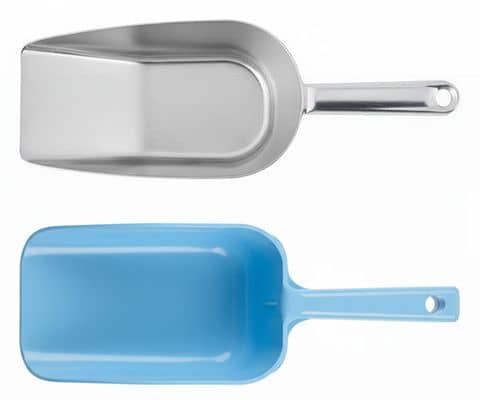
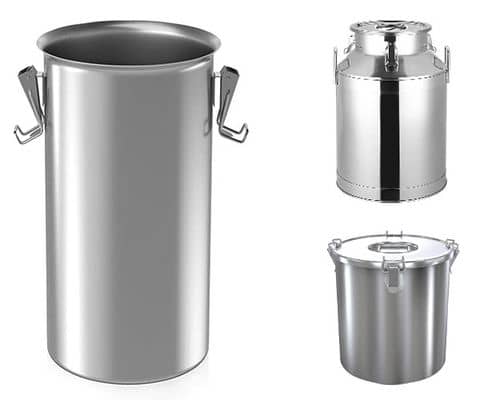
In a small snack kitchen, every reach must be precise: tongs, squeeze bottles, portioning spoons, and heat-resistant gloves should be placed where they’re needed in the workflow. In a production kitchen or catering operation, on the other hand, containers, weighing scoops, thermometers, timers, and transport aids play a greater role because quantities, temperatures, and restocking must be reliably organized.
Materials, Hygiene, and Durability in Daily Use
Commercial kitchen utensils are frequently used, cleaned, and moved around, and are sometimes exposed to heat, moisture, grease, or cleaning agents. That’s why the materials and craftsmanship are crucial. Stainless steel is a good choice for many kitchen tools because it is durable, hygienic, and easy to clean. Plastic can be practical for cutting boards, measuring cups, or squeeze bottles, provided it is food-safe, sturdy, and suitable for the relevant temperature range.
Dimensions and capacities should also be appropriate for the intended use. A measuring cup for small amounts of sauce serves a different purpose than large mixing bowls for dough, salads, or marinades. Thermometers and timers help monitor temperature and cooking time, while foil dispensers, gloves, and dish towels make daily tasks easier. It’s also important that kitchen gadgets fit well into existing countertops, shelves, storage systems, and cleaning routines.
Quick Checklist for Choosing the Right Kitchen Gadgets
Before making a purchase, it’s worth taking a quick look at the actual workflows in your kitchen:
- Is the kitchen tool used daily, seasonally, or only for specific dishes?
- Is the material suitable for heat, moisture, grease, and the cleaning requirements?
- Are the size, capacity, or length suitable for the workspace?
- Does the product facilitate short workflows, precise portioning, or safe serving?
- Can it be cleaned hygienically and stored neatly?
This quick check helps ensure that kitchen tools aren’t purchased in isolation, but rather as a complement to the workstation. This way, a simple utensil becomes part of a well-functioning kitchen workflow.
Efficiency comes from organization, accessibility, and repeatability
During daily operations, time spent searching for items, incorrect quantities, and haphazard storage waste unnecessary effort. When scales, measuring cups, sieves, tongs, and ladles are organized and within easy reach, the team can work more consistently. This improves not only speed but also the consistency of portions, recipes, and serving quality.
The benefits are especially evident during peak hours. Anyone who has to search for a serving ladle at the serving counter, doesn’t have the right portioning tools when assembling sandwiches, or handles hot baking sheets without proper gloves wastes time and compromises safety. The right kitchen tools reduce such disruptions and support a smooth workflow—even during peak hours.
Effectively Integrate Kitchen Assistants into the Operational Concept
Kitchen tools are most effective when their use is integrated with the workstation, storage, and cleaning. Cutting boards, bowls, and measuring cups belong in the prep area; tongs, serving utensils, and garnishing tools in the serving area; towels, gloves, and plastic wrap dispensers in clearly defined auxiliary areas. Combined with stainless steel furniture, this creates hygienic work surfaces and sturdy storage areas. For prepared ingredients, sauces, or pre-portioned components, access to refrigeration is essential so that items can be stored within easy reach and at the proper temperature.
Washing and cleaning also plays a role, as kitchen utensils must be quickly cleaned and ready for use again after each use. Anyone working with GN containers, dough containers, or storage solutions should also ensure a consistent system for catering containers. This helps keep preparation, storage, and serving better coordinated.
Shop for kitchen gadgets at GGM Gastro
Kitchen utensils are small but essential components of professional culinary equipment. They support streamlined workflows, hygienic practices, precise portioning, and reliable organization in day-to-day operations. By selecting tools based on their actual place of use, material, cleaning requirements, size, and frequency of use, you can lay a practical foundation for more efficient kitchen processes—from a compact snack bar to a larger commercial kitchen.