


:quality(70))
:quality(70))


Sauce Dispensers for the Food Service Industry
Sauce dispensers facilitate controlled filling and serving in commercial kitchens. Choose the model that best suits the sauce you’re using, the required filling volume, and your workspace. Sauce Dispenser Guide »
Product type
Capacity
Product material
Width
Depth
Height
Price
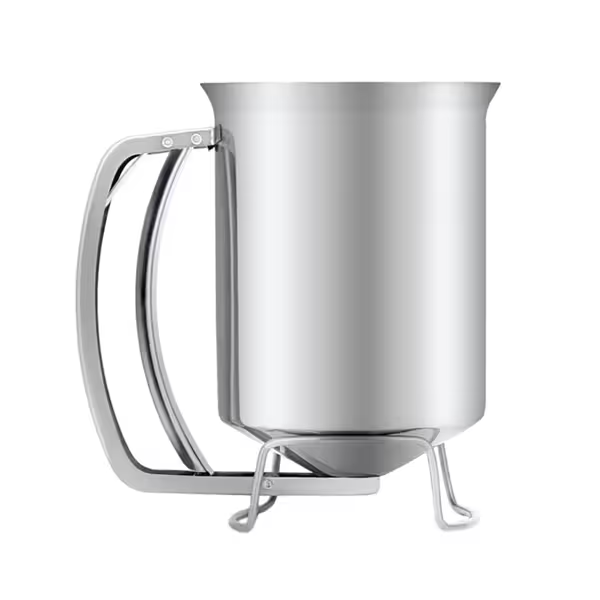
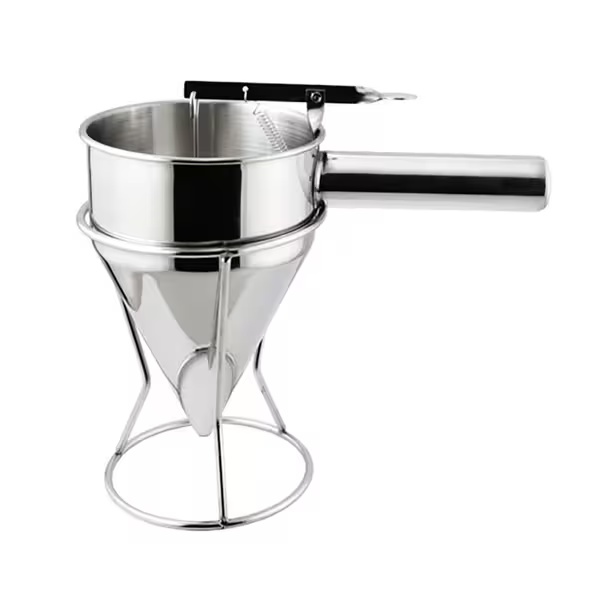
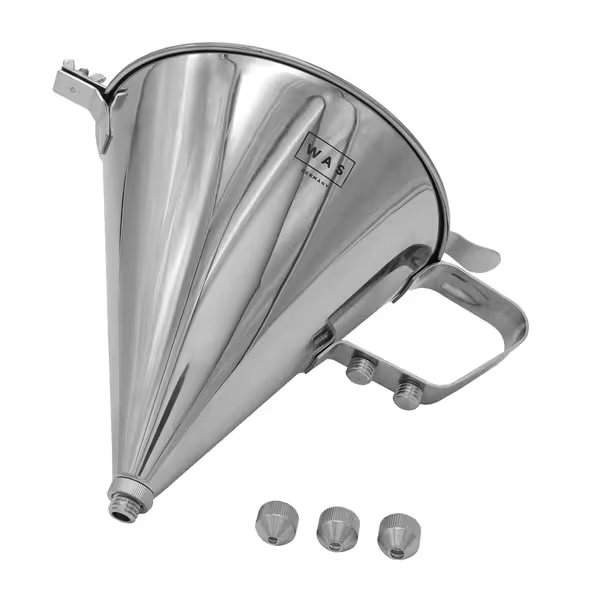
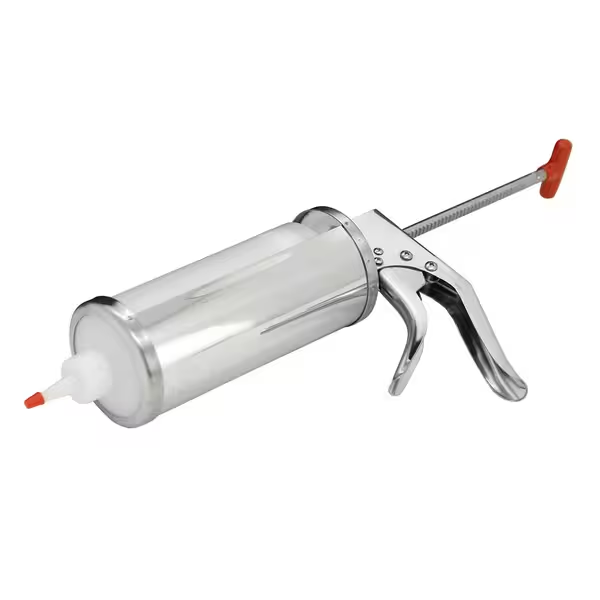
Select a sauce dispenser that is appropriate for the step
Sauce dispensers are kitchen tools designed to dispense sauces in controlled amounts during filling and plating. The types of sauces that can be used depend on the specific model.
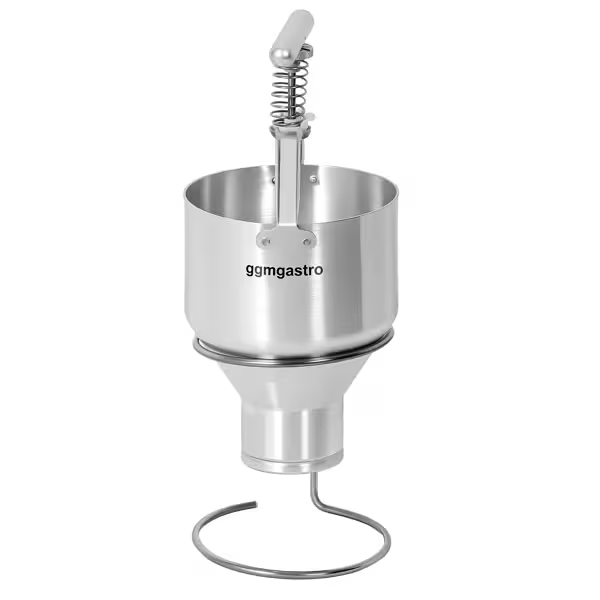
In restaurant kitchens, hotels, and catering businesses, it’s not just the individual portion that matters, but also consistent, repeatable handling by the team. This category includes, among other items, conical filling funnels and fondant funnels. Since some models are designed specifically for dough or pastry fillings, you should verify their suitability for your sauce before purchasing.
Adjust the filling volume and pour spout to suit your sauce
The listed models include a conical funnel with a 0.4-liter capacity and a filling funnel with a 1-liter capacity. Choose the volume based on the amount of sauce needed between refills. A larger supply can reduce the number of refill breaks; at the same time, consider the weight of the filled container and the available workspace.
The capacity refers to the container’s total volume, not a fixed amount per dispense. To ensure consistent portions, a standardized operating procedure is therefore necessary. Agree on a target quantity for each dish and test the operation using the actual recipe. This is particularly helpful when multiple employees use the same serving station.
Ideally, also check whether the spout and operation are suitable for the sauce. Specific suitability information is particularly important for thick or chunky recipes, as well as for hot preparation. Any missing information regarding spout size or permissible temperature should be clarified before placing an order.
Integrate portioning aids directly into the workflow
During the lunch rush, the portioning tool should be within easy reach of where the sauce is actually needed. Plan the filling, portioning, and placement in a clear sequence. This helps avoid unnecessary back-and-forth between preparation and serving without overcrowding the serving area. Place frequently used portioning tools within easy reach so they don’t require a long stretch. If the work surface is used for multiple purposes, a designated storage area must also be provided after service.
When planning the layout, more factors matter than just the funnel’s diameter: For example, the listed 1-liter filling funnel measures 250 × 130 × 220 millimeters. Also take into account the space needed for picking up and setting down the funnel. An included storage rack makes it easier to assign a fixed location; check the contents of the package for the model you’ve chosen.
Matching stainless steel furniture should provide sufficient space for the stand, refill containers, and the vessels to be filled. When preparing multiple catering portions, it’s recommended to set up the area so that filling and passing the containers do not take up the same space.
Evaluate Stainless Steel and Cleaning Access Together
The product line includes models made of stainless steel or chrome-nickel steel. For frequent use, you should check not only the material but also the workmanship, the spout, and any potential joints. It is crucial that areas coming into contact with food are easily accessible for the intended cleaning.
The material designation alone does not confirm dishwasher safety or resistance to any specific temperatures or chemicals. Therefore, follow the model-specific care instructions and determine which parts may be removed for cleaning. Regularly inspect moving parts for damage and ensure they operate smoothly.
Arrange the dishwashing units so that used portioning tools are not returned across the clean work surface. A designated spot for cleaned tools facilitates their next use.
Quick Check for Your Sauce Dispenser
Compare the models based on these five points:
-
Suitability for sauces: Compare consistency, ingredients, and processing temperature with the approved applications.
-
Filling capacity: Evaluate stock levels, refill frequency, and handling when the container is full.
-
Portioning: Check the dispensing nozzle and operating method; do not equate container volume with portion size.
-
Workstation: Consider external dimensions, clearance, and a suitable storage rack.
-
Cleaning: Clarify accessibility, permitted cleaning methods, and maintenance requirements in advance.
Purchase sauce dispensers based on operational needs
A low purchase price is only part of the decision. Be sure to factor in the time required for filling, cleaning, and training new employees. The right portioning aid can help standardize work processes and minimize unnecessary interruptions. Whether this makes it easier to control food costs also depends on established portion sizes and how well the team adheres to them.
When replacing equipment, the delivery date and scope of delivery should align with your planned use. For models subject to heavy use, it’s also worth clarifying whether individual components for the selected model can be reordered.
Choose your sauce dispenser based on the actual bottlenecks in your workplace, not solely on size or price. GGM Gastro’s consultation service helps you clarify any product questions before making a purchase.