


Dishwashing & Cleaning for Professional Food Service Establishments
"Dishwashing & Cleaning" covers professional dishwashing equipment, dishwashing cabinets, plumbing supplies, and cleaning solutions for hygienic and reliable operations in commercial settings. This category helps restaurants, hotels, bars, catering businesses, and commercial kitchens keep dishes, glasses, silverware, and work areas reliably clean. Dishwashing & Cleaning Guide »
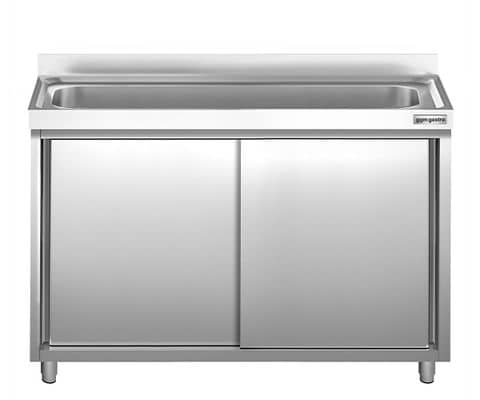
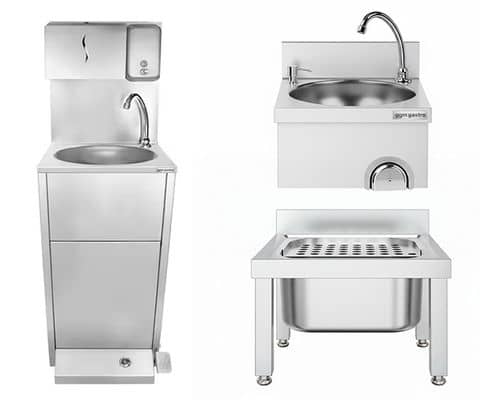
Sink units
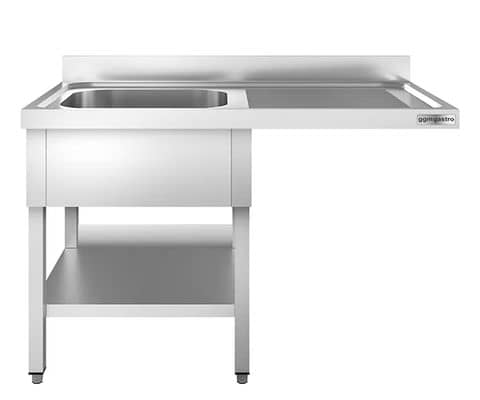
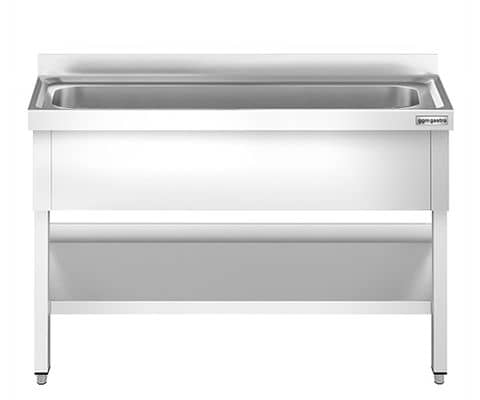
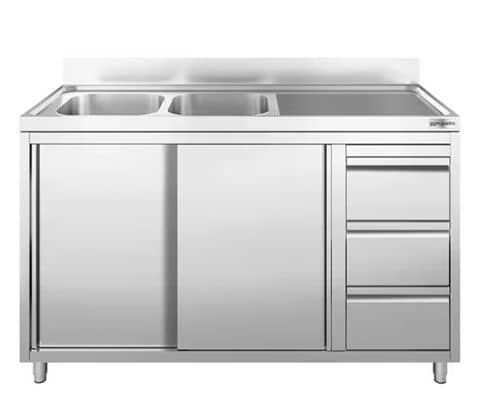
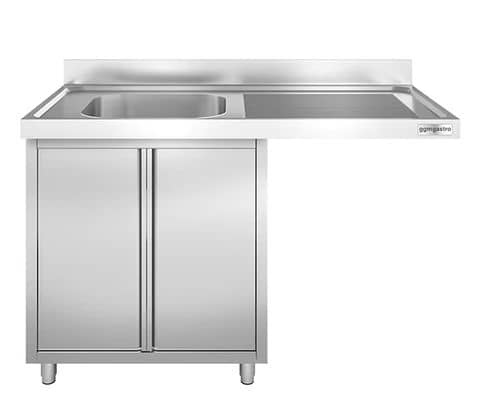
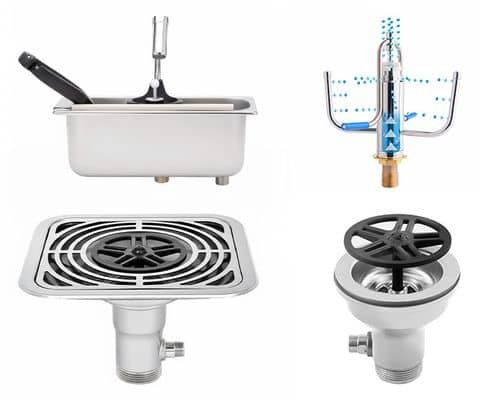
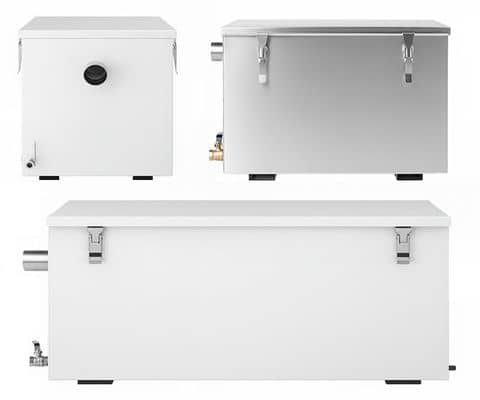
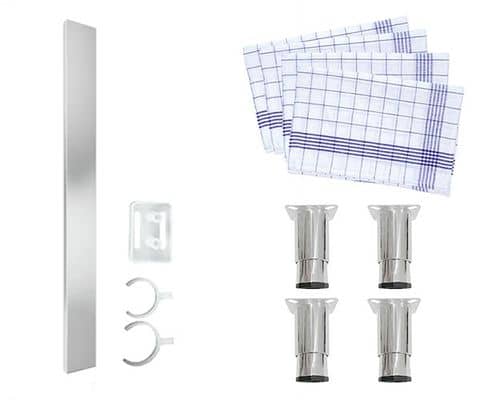
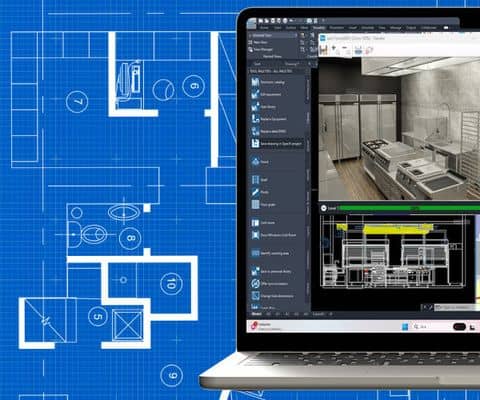
Sanitary supplies




More items
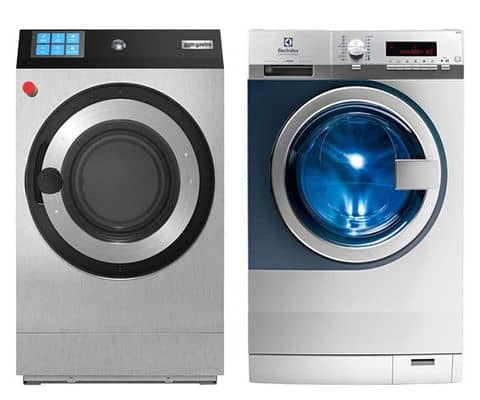
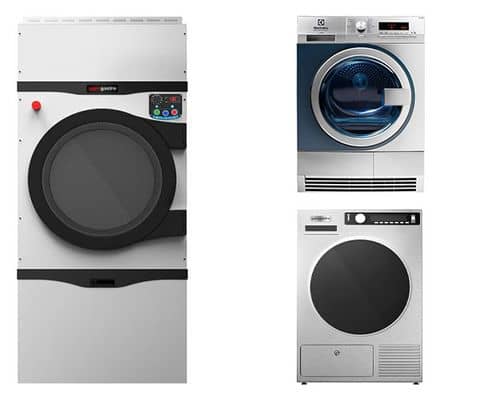

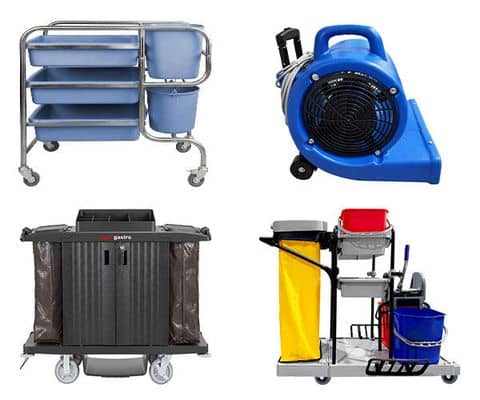
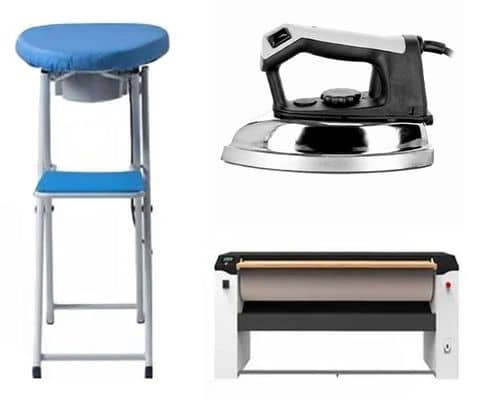
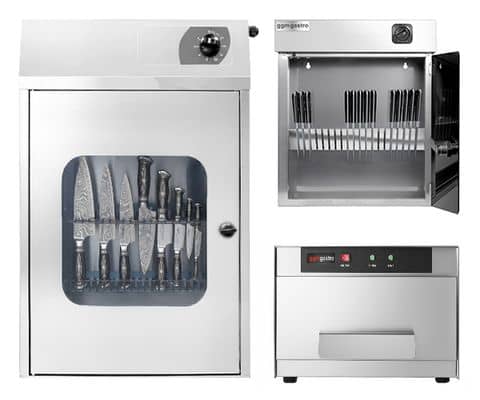
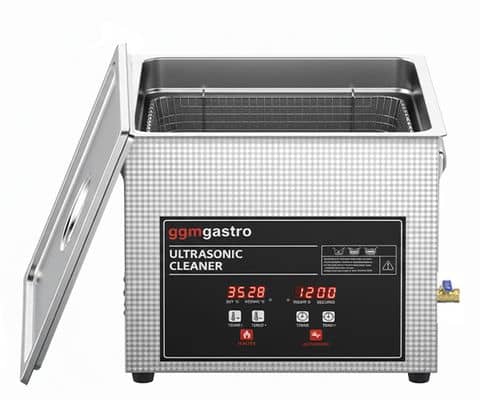
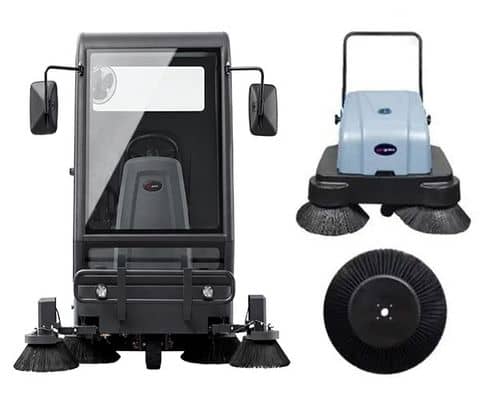
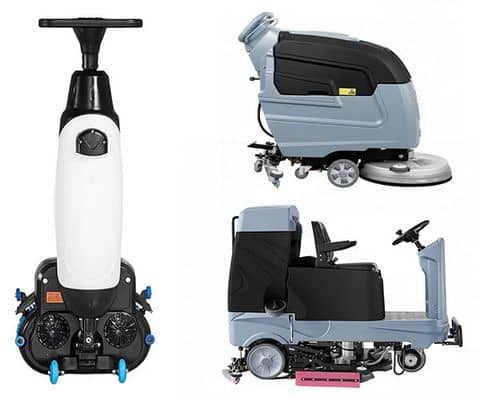


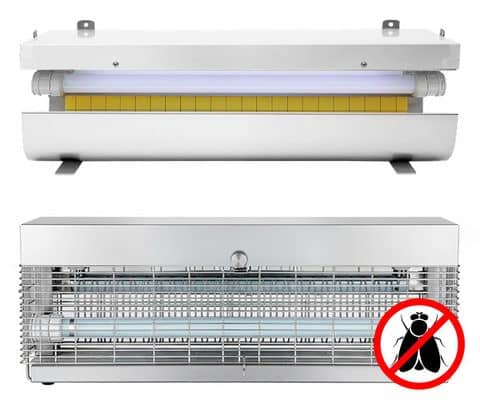
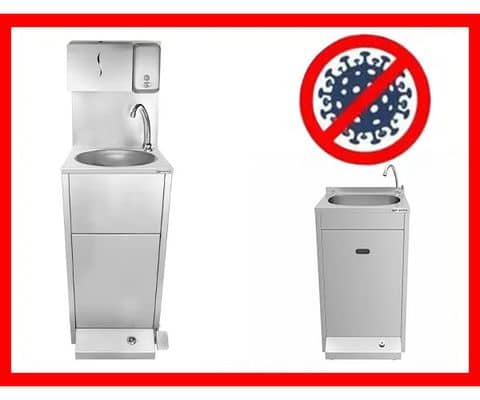

Washing & Cleaning as an Integral Part of Efficient Foodservice Operations
In the foodservice industry, dishwashing and cleaning are not secondary tasks but a central part of daily operations. This refers to all solutions that keep dishes, glasses, silverware, cookware, work surfaces, restroom areas, and return processes clean, hygienic, and ready for use. In restaurants, bars, hotels, cafeterias, bakeries, snack bars, and catering businesses, this area plays a key role in determining whether service runs smoothly or grinds to a halt.
If there’s a shortage of clean plates at lunchtime, glasses have to be polished by hand, or pots are blocking the dishwashing area, it immediately puts pressure on the team. That’s why the purchase of dishwashing and cleaning equipment should always be planned based on actual usage: How many baskets go through per hour? Are glasses, plates, GN containers, or pots washed most frequently? Is there enough space for loading and unloading? Is the path from the return area to the washing zone short and clearly separated from the serving area?
Which dishwashing technology is right for your business?
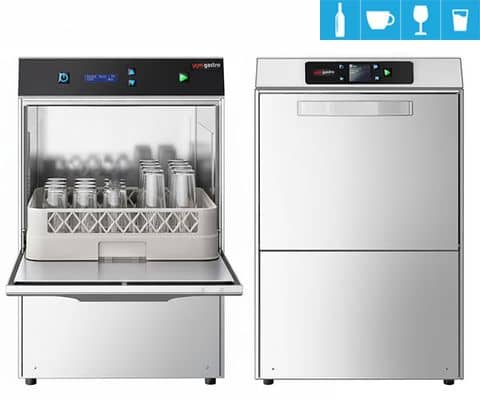
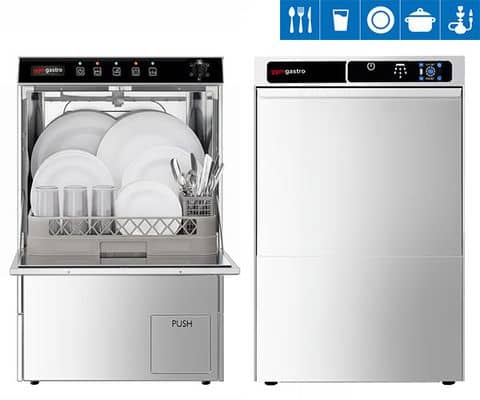
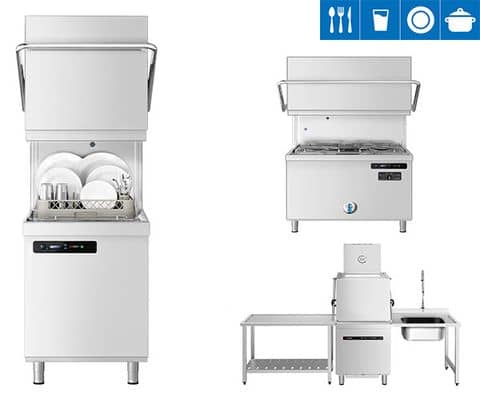
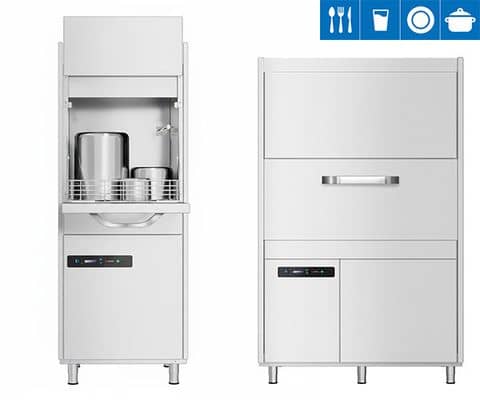
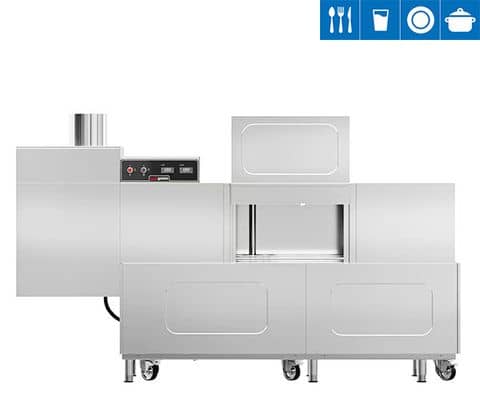
The right dishwashing solution depends on operating mode, volume of dishes, available space, and peak times. A bar or café often needs a compact glasswasher with short cycle times. A restaurant often operates more efficiently with a dishwasher or hood-type dishwasher when plates, cutlery, and kitchen utensils are being returned at a high frequency. For hotels, cafeterias, and large commercial kitchens, pot washers or basket-conveyor dishwashers may be a good choice when processing large quantities, trays, or GN containers.
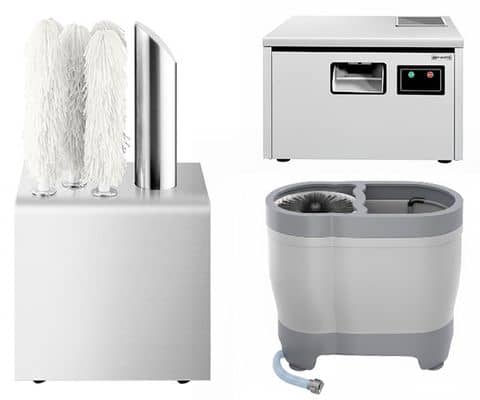
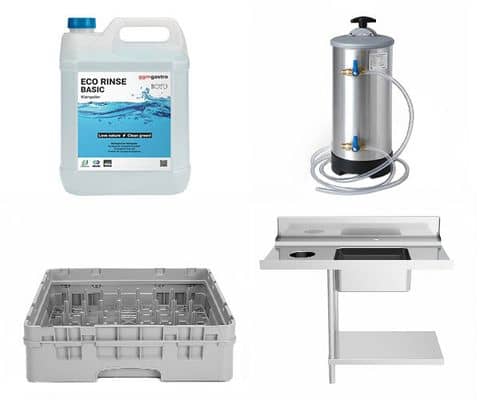
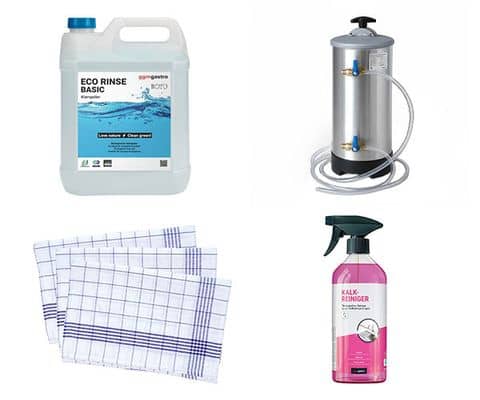
Key decision-making criteria include basket dimensions, loading height, washing capacity per hour, water connection, electrical connection, drain height, and available floor space. Water quality, rinse aid, dosing technology, and water treatment also influence the results. Those who handle a large volume of glasses should also consider polishing and drying technology to ensure glasses are ready for use more quickly and to minimize the need for manual rework.
Properly Integrating Sink Cabinets, Plumbing Supplies, and Cleaning Solutions
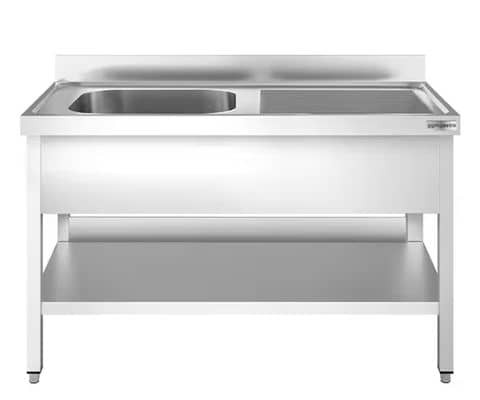
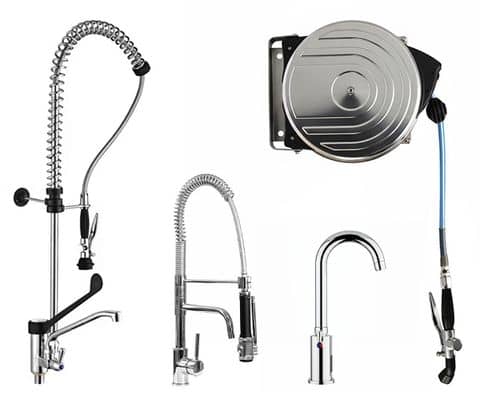
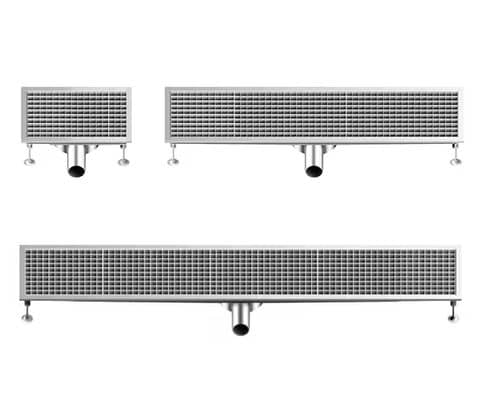
A dishwasher alone isn't enough to ensure a clean workflow. Only with the right dishwashing cabinets, faucets, hand-washing sinks, dish cabinets, and supply and drain tables can you create a space that works well in everyday use. Stainless steel is particularly important here because the material is robust, moisture-resistant, and easy to clean. In high-traffic dishwashing areas, surfaces must withstand exposure to water, cleaning chemicals, grease, heat, and mechanical stress.
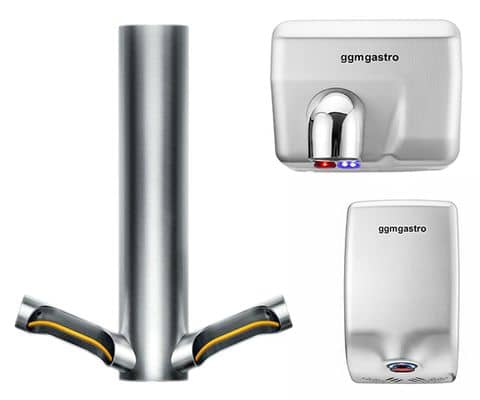
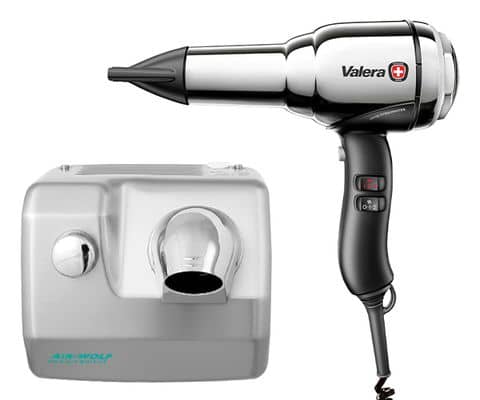
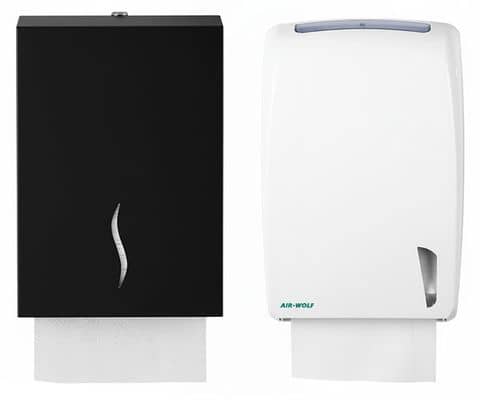
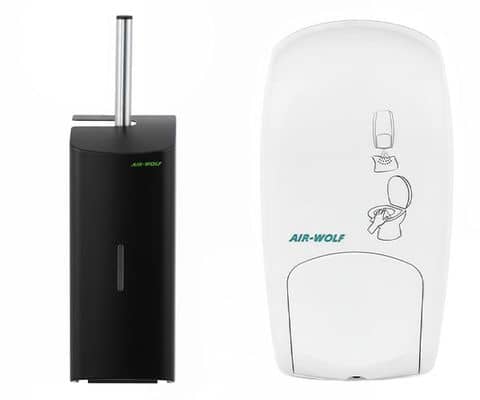
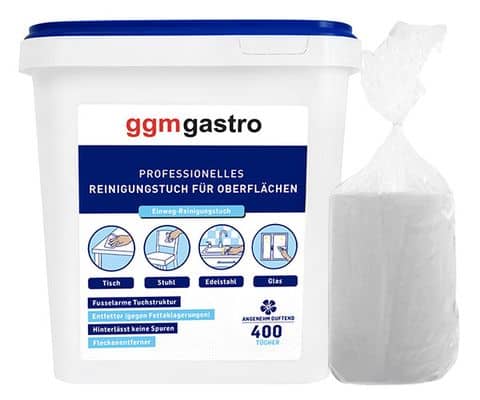
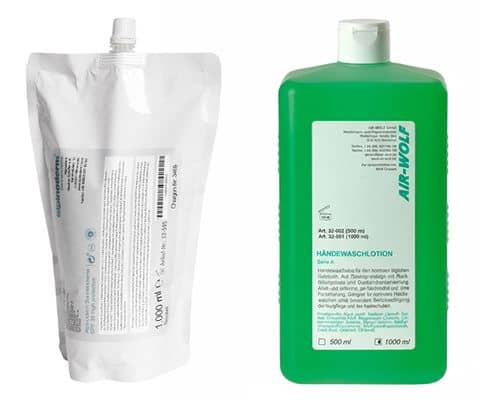
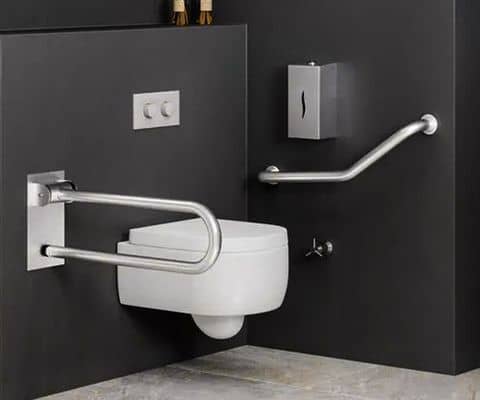
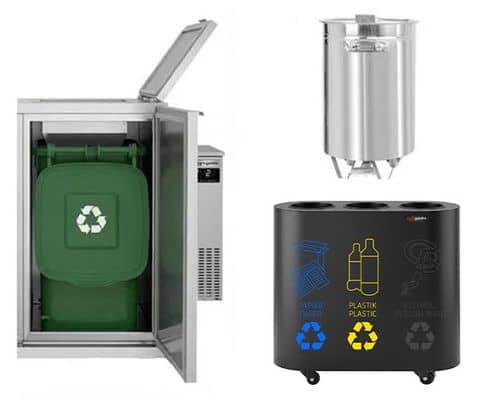
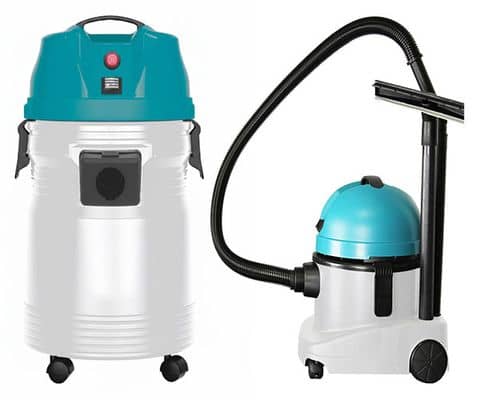
The sanitary area is also part of the facility’s hygiene protocol. Soap dispensers, hand sanitizer dispensers, paper towel dispensers, hand dryers, and restroom cleaning solutions support clean routines for staff and guests. Cleaning carts, waste management systems, laundry carts, and wet and dry vacuums round out the equipment needed in areas where surfaces must be regularly cleaned, transported, or organized. For larger facilities, it’s worth establishing a clear separation between the dishwashing area, cleaning supply storage, and restroom supplies.
Quick Checklist for Choosing Sinks & Cleaning Products
Before making a purchase, equipment should be evaluated not only based on price, but also on its operational impact:
- What is the dishwashing volume during the busiest hour of the day?
- Are the dimensions, basket size, and rack height sufficient for plates, glasses, pots, or GN containers?
- Are the electrical, water, and drain connections suitable at the planned location?
- Is there enough space for dirty dishes, clean items, and temporary storage?
- Can the unit, cabinets, and accessories be cleaned quickly and hygienically on a daily basis?
This quick check is particularly helpful when replacing equipment, opening a new location, or modernizing. In small kitchens, every centimeter of floor space often counts. In production kitchens, on the other hand, it is crucial that dishwashing capacity, return flow, and clean storage are properly coordinated.
Economic Benefits from Stable Cleaning Processes
Well-planned washing and cleaning support a business’s profitability by reducing recurring friction. Clean glasses return to the bar faster, plates are ready at the pass on time, and kitchen utensils don’t get in the way of food preparation. This eases the workload on staff, shortens travel distances, and makes it easier to plan for peak hours.
The lifespan of the equipment also plays a role. The right cleaning agents, regular descaling, appropriate water treatment, and easily accessible equipment areas can help reduce malfunctions and unnecessary wear and tear. Especially with continuous commercial use, businesses should pay attention to ease of use, accessibility for cleaning, robust construction, and the availability of replacement parts.
Rinsing & Cleaning as Part of a Coherent Operational Concept
This category is most effective when it is thoughtfully integrated with adjacent functional areas. Stainless steel furniture provides hygienic work and storage surfaces in the dishwashing area.
For operators and managers, what matters in the end isn’t a single product, but a reliable workflow: dirty items are returned in an orderly manner, cleaned efficiently, dried thoroughly, and are quickly made available again. Planning dishwashing and cleaning in this way lays a solid foundation for hygiene, service speed, and professional day-to-day operations.