


Glasswashers for Restaurants, Bars, and Food Service
Glasswashers clean glasses quickly, hygienically, and gently—ideal for professional use in bars, cafes, restaurants, hotels, and event catering. They help ensure efficient service, clean results, and a reliable glass turnover during operation. Guide to Glass Washers »
Product type
Power Connection
Design/Equipment
Operation
Capacity baskets per hour
Basket Width
Product material
Capacity liters
Width
Depth
Height
Price
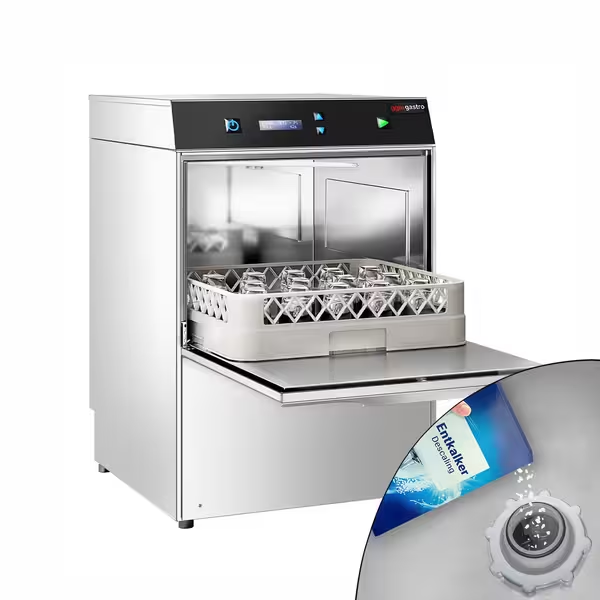
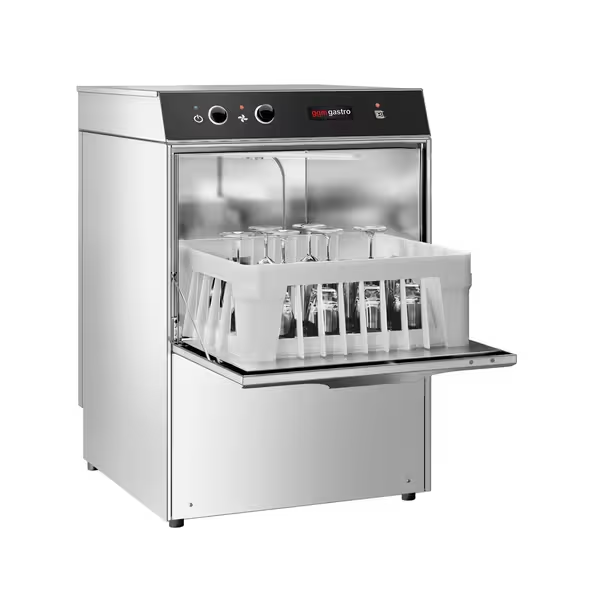
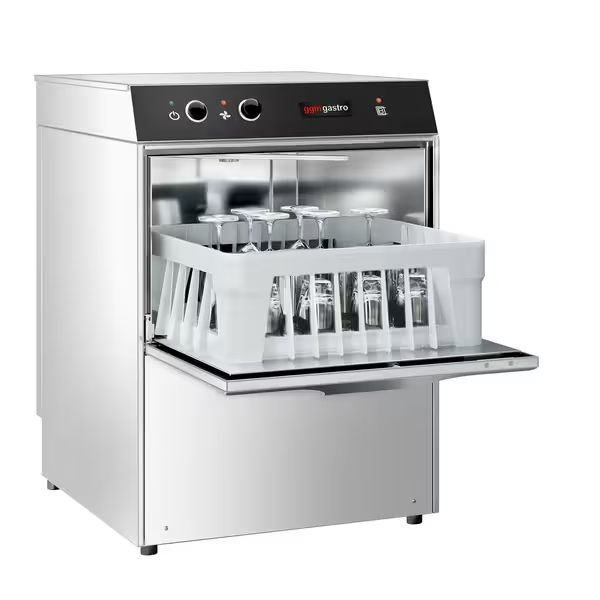
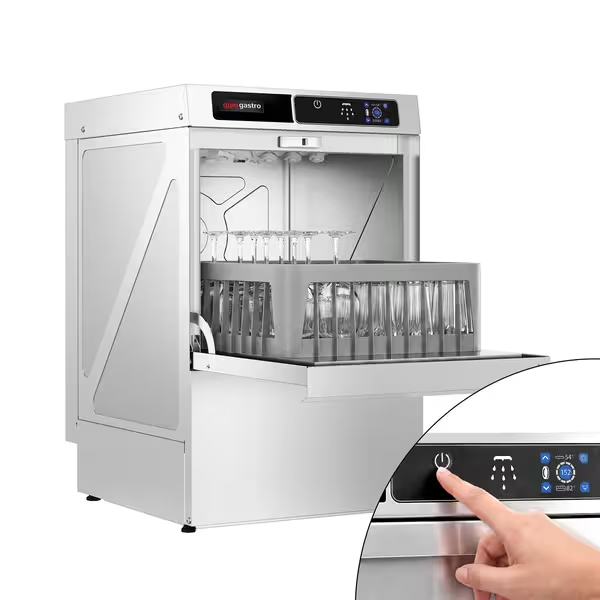
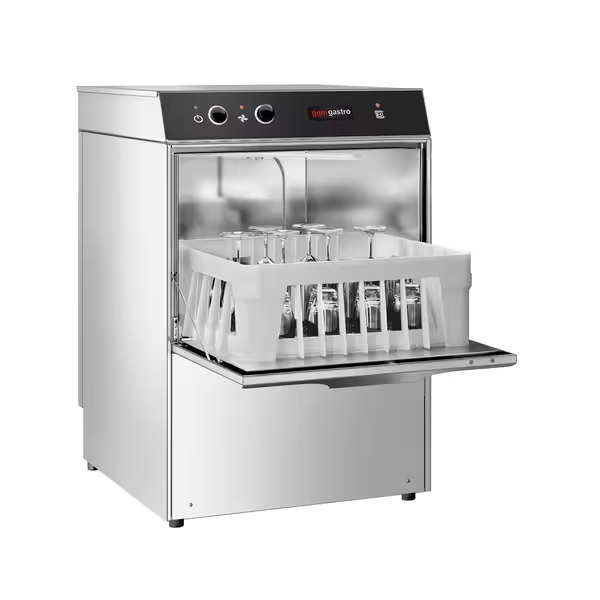
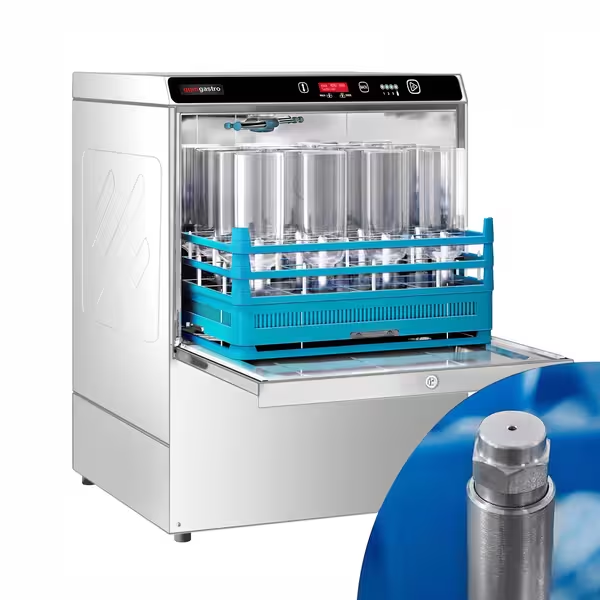
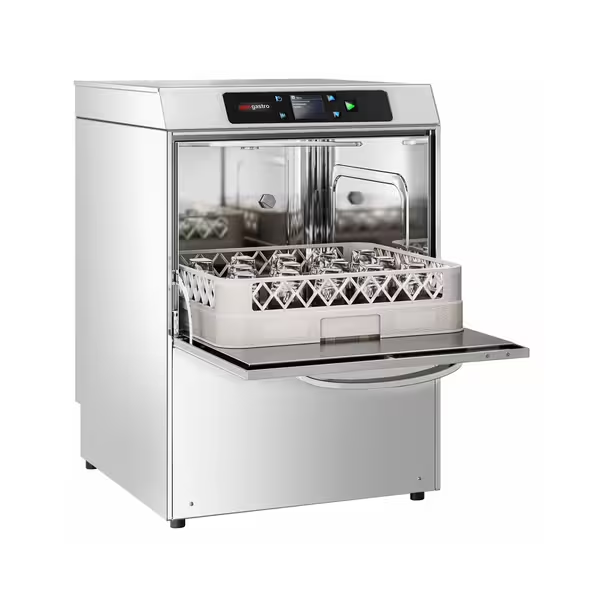
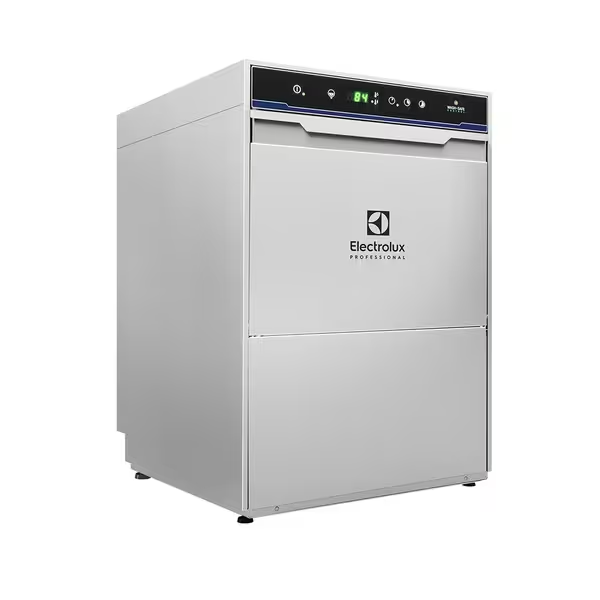
Glasswashers: A Compact Dishwashing Solution for Professional Service
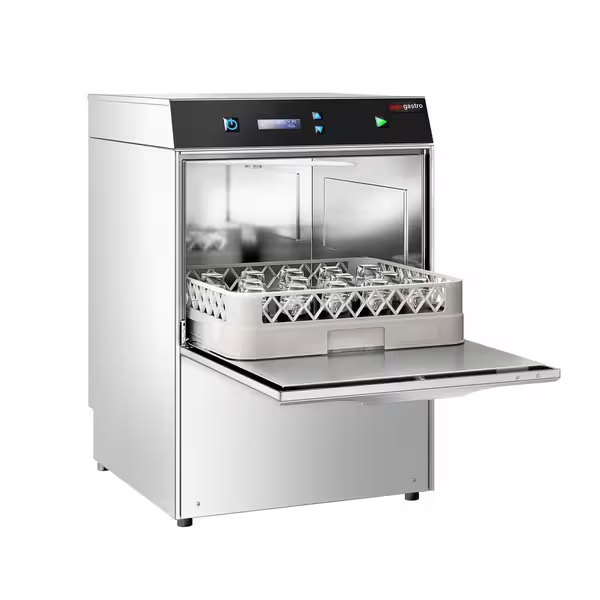
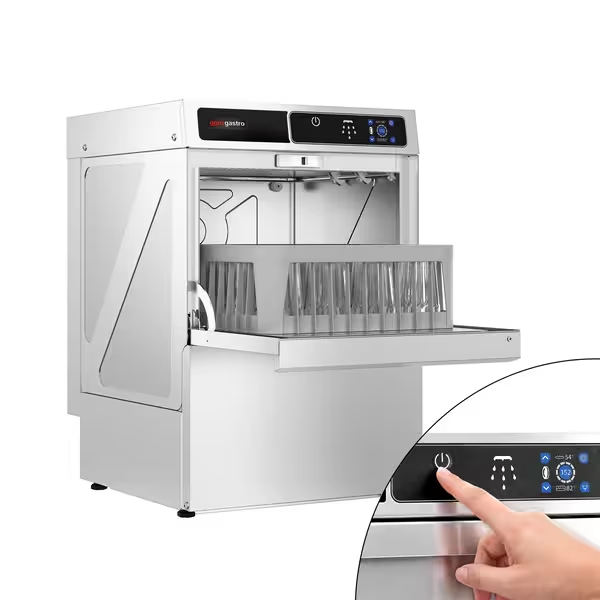
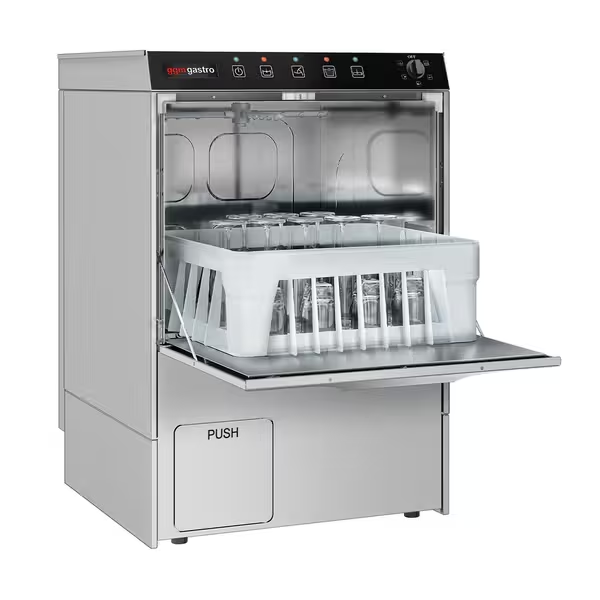
Glasswashers are commercial dishwashers designed specifically for drinking glasses, wine glasses, beer glasses, cups, and more delicate glassware. Unlike standard dishwashers, the focus is on short wash cycles, gentle cleaning, sparkling-clean glasses, and quick availability right at the service or counter area.
In bars, cafés, restaurants, hotels, clubs, and catering areas, glass return often determines the speed of service. When there aren’t enough clean glasses, it’s not just the flow of drinks that grinds to a halt. The staff also has to polish glasses again, improvise, or make trips back to the main dishwashing area. A suitable glasswasher brings this process closer to where the glasses are needed: at the counter, in the bar area, or in a compact washing zone.
What Matters Most in a Commercial Glasswasher for Everyday Use
Choosing the right model starts with how it will actually be used. A small café with cups, water glasses, and a manageable volume of customers has different requirements than a hotel bar with wine, champagne, and cocktail glasses and a high volume of customers. The most important factors are basket size, rack height, wash cycle time, connection type, and whether the machine is equipped with pumps or a water softener.
Compact models with a 230-V connection are often easier to integrate into existing counter areas. Larger machines or higher-capacity models offer greater capacity when many glasses need to be washed in a short time during peak hours. The rack height is particularly important for tall wine glasses, beer glasses, or carafes. The rack size determines how many glasses can be accommodated per wash cycle.
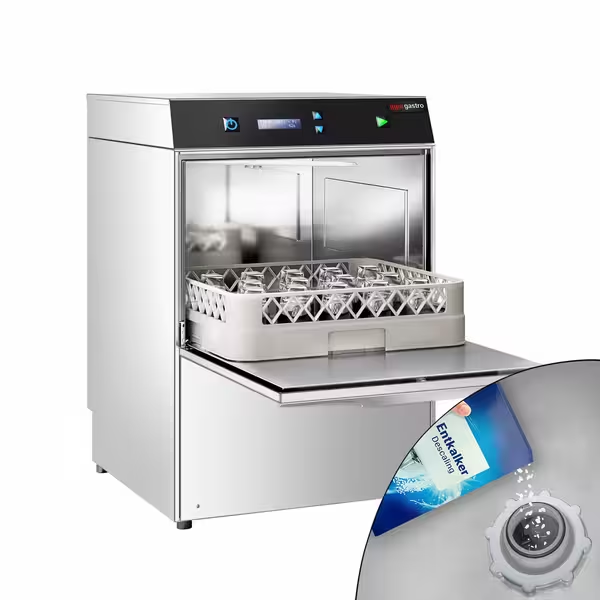
The drain connection also plays a practical role. A drain pump is helpful if the wastewater cannot drain by gravity. Detergent and rinse aid pumps ensure consistent dosing. If the water is hard, a descaling or water-softening solution can help reduce deposits and ensure that glasses come out of the machine looking cleaner.
Quick Checklist for Choosing the Right Glasswasher
These criteria can help you quickly narrow down your options:
- How many glasses are returned during peak service hours?
- What glass shapes need to fit: short glasses, tall wine glasses, beer glasses, or mugs?
- Is a 230-V connection sufficient, or is more power required?
- Is the drain adequate, or would a drain pump be useful?
- Is the water at the location hard, and does the operation require water softening?
This checklist aligns the machine’s features with the actual operating conditions. This ensures that the decision isn’t based solely on price, but rather on workflow, space, and frequency of use.
Integration into the counter, dishwashing area, and service workflow
A glasswasher is most useful when it fits seamlessly into the workflow. In a bar setting, every step counts: returning dirty glasses, sorting them, washing them, removing them, and placing them back within easy reach. Short distances minimize time loss and facilitate smooth, consistent workflows, especially during peak evening hours or events.
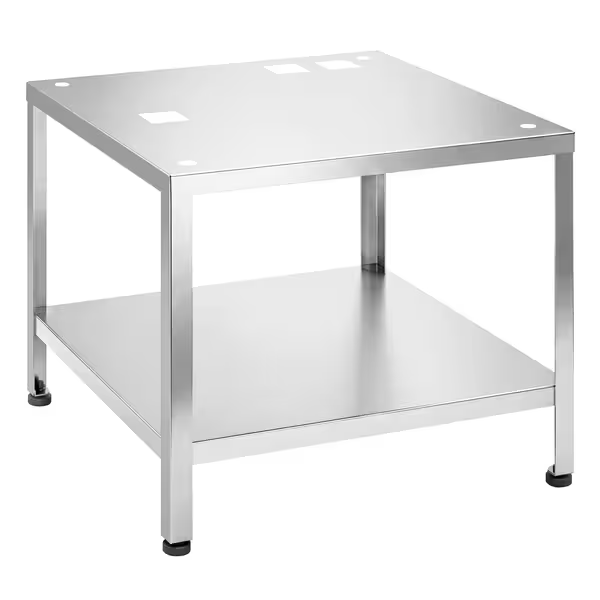
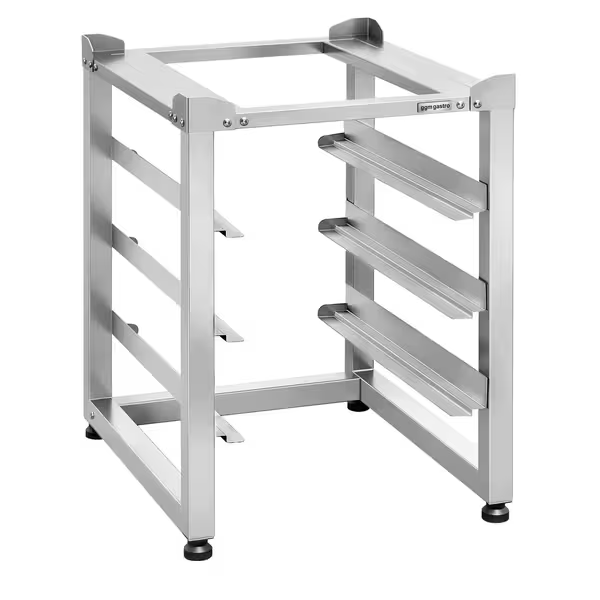
The area around the machine is also important. Loading, return, and clean removal must all work together seamlessly. When combined with matching dishwashing cabinets, this creates a structured zone for dirty and clean glasses. Appropriate dishwashing baskets provide additional protection for glassware and make handling easier during operation. Base units or work tables made of stainless steel furniture can help integrate the machine ergonomically and keep cleaning surfaces clean.
Hygiene, Cleaning, and Durability in Commercial Use
Glasswashers operate daily with water, detergents, heat, moisture, and mechanical stress. That’s why durable materials, easily accessible interiors, and smooth surfaces are essential in the day-to-day operations of the foodservice industry. Stainless steel is particularly common here because it is hygienic, durable, and easy to clean.
Consistent results depend not only on the machine itself but also on regular maintenance. Filters, spray arms, seals, and the interior require proper cleaning. The right detergents, rinse aids, and dosages tailored to water hardness help ensure clear glasses and reduce the need for rework. Especially in establishments with visible beverage service, a clean glass directly contributes to the professional impression guests have of the business.
Economic benefits through faster processes and less rework
A well-integrated glasswasher can significantly stabilize operations. It shortens distances, speeds up glass turnover, and reduces the need for manual polishing. This leaves more time for service, serving drinks, and attending to guests. Especially with rotating staff or high volume, a clear, easy-to-use glasswashing solution helps reduce errors and chaos.
The economic evaluation therefore goes beyond the purchase price. The key factor is whether the machine is suited to the volume of glasses to be washed, the available space, the water quality, and the daily workload. A machine that’s too small causes a backlog. A solution that’s too large ties up space and budget. The right solution strikes a sensible balance between performance, ease of use, and operational reliability.
Buy glasswashers at GGM Gastro
GGM Gastro offers glasswashers for a variety of business sizes and applications—from compact countertop models to more fully equipped models with digital controls, pump technology, or a descaling function. Complementary equipment from the categories of wash-and-polish machines, dishwashing cabinets, dishwashing baskets, and stainless steel furniture enables a cohesive dishwashing concept for bars, service areas, and restaurants.
When selecting glasswashers, you’re not just ensuring clean glasses. The right solution supports efficient workflows, hygienic work areas, and reliable service in day-to-day operations. GGM Gastro supports this decision with a wide product selection, practical advice, fast availability, and cost-effective solutions for professional establishments.