


Set Table
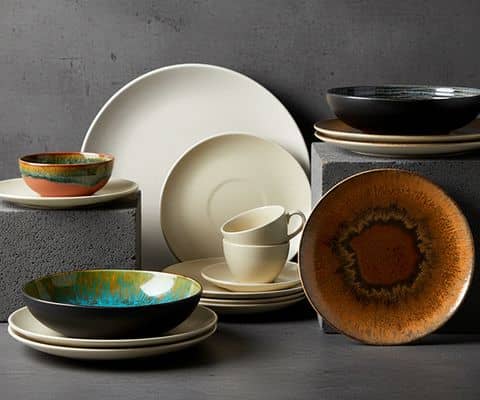
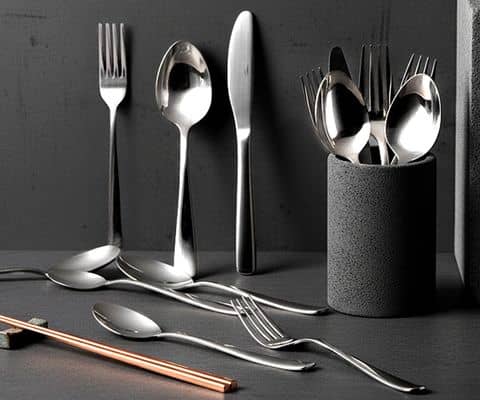
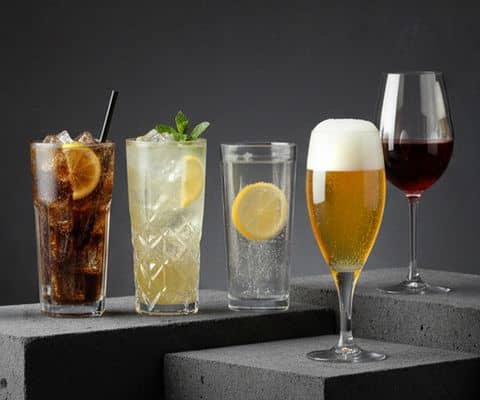
In the Tableware category, restaurants and other food service establishments can find professional supplies for service, dining areas, buffets, and takeout sections. Tableware, silverware, glassware, table accessories, and serving items help create a cohesive look and ensure smooth operations in day-to-day business. Tableware Guide »
Everything for the table setting
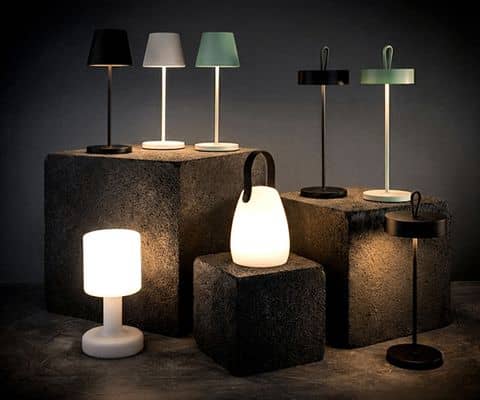
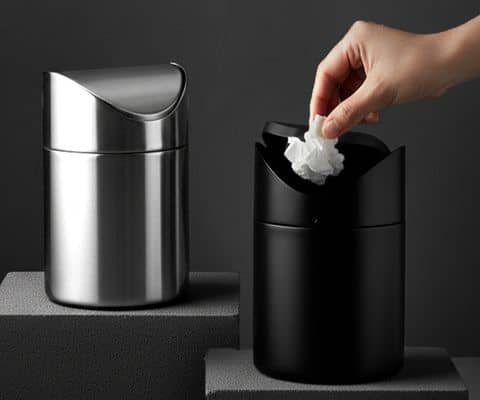
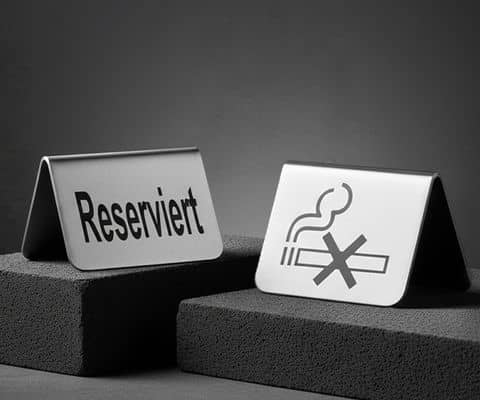
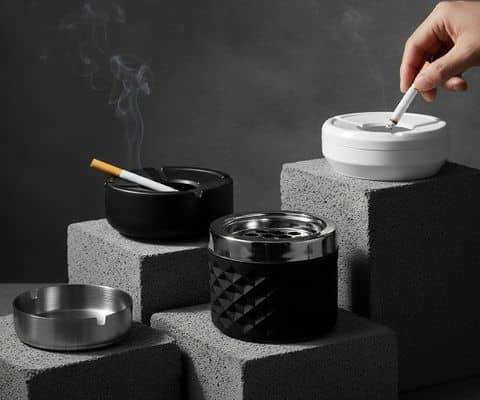
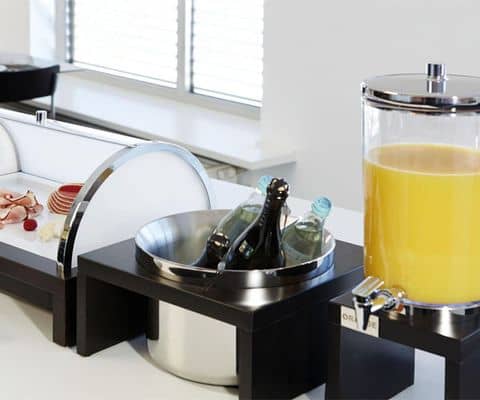
Serving & other
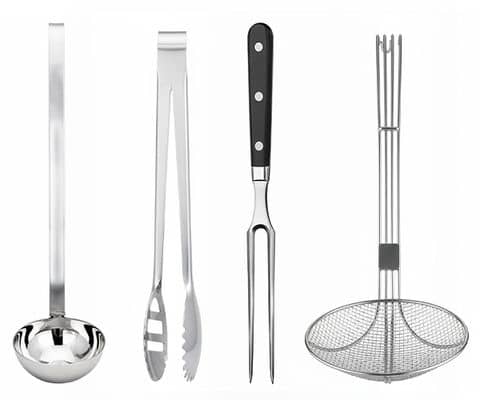
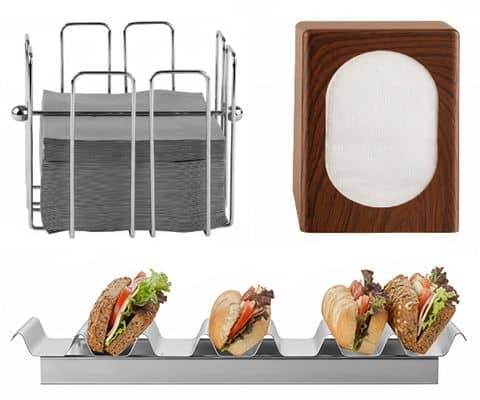
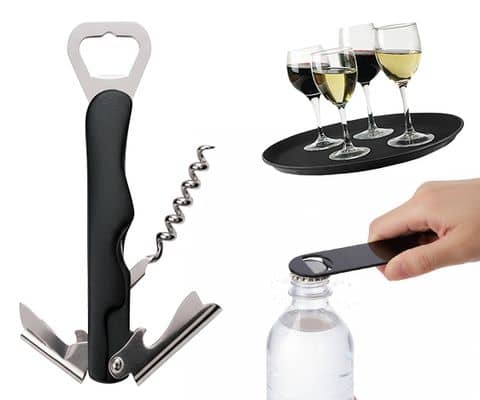
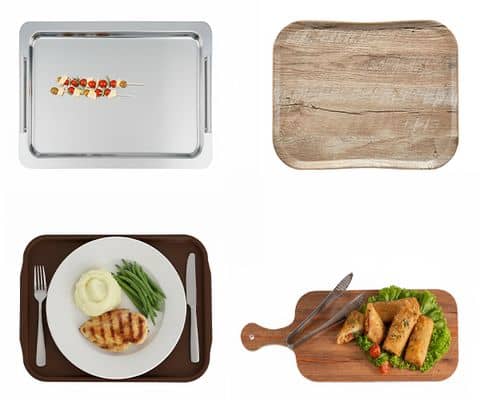
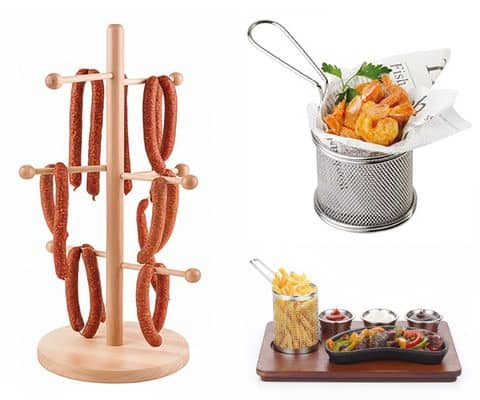
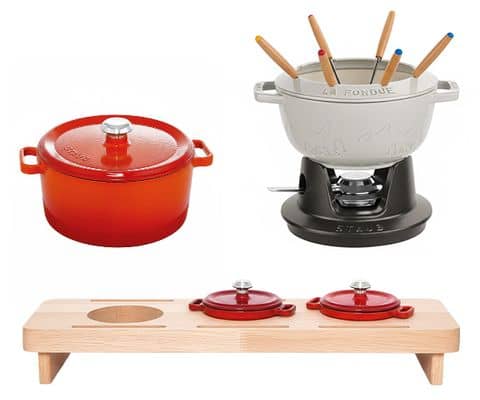
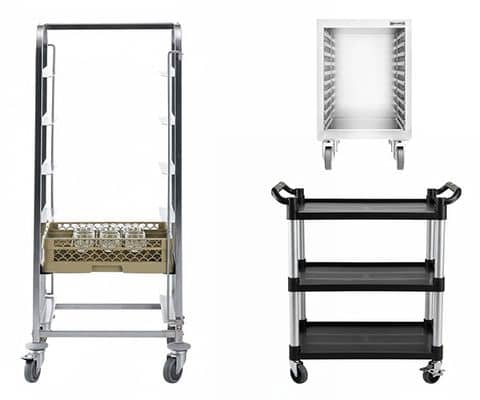


Table Settings for Professional Restaurants
A set table includes all visible elements that guests directly notice during service: tableware, silverware, glasses, napkins, table accessories, condiment sets, and matching serving items. In the restaurant industry, it is not only part of the ambiance but also a key factor in ensuring structured workflows, quick table turnover, and a consistent presentation.
For restaurants, cafés, hotels, cafeterias, catering companies, snack bars, and event venues, tableware and service equipment must do more than just look good. It must reliably withstand frequent use, cleaning, transport, stacking, and varying service phases. A breakfast buffet poses different challenges than an evening service with wine pairings, and a beer garden has different requirements than a hotel banquet or a to-go concept.
What Items Belong on a Set Table
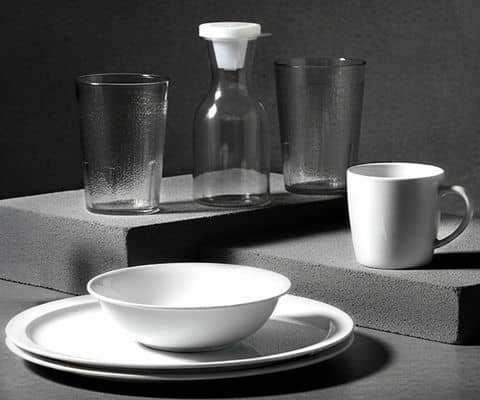
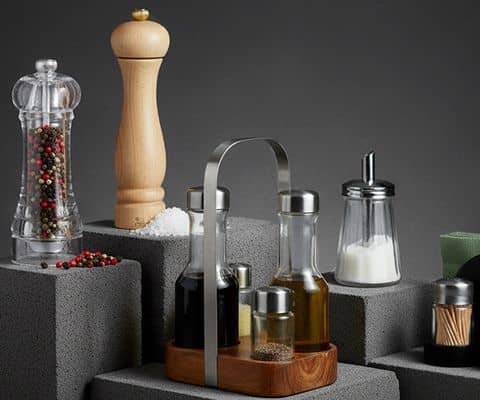
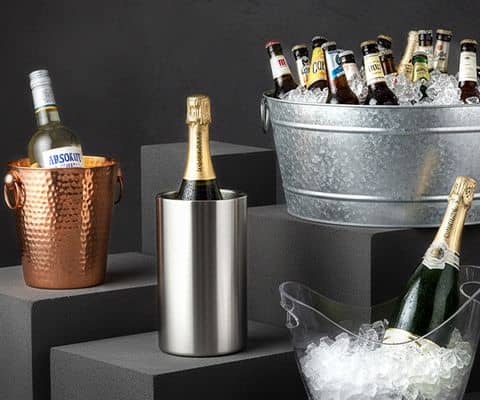
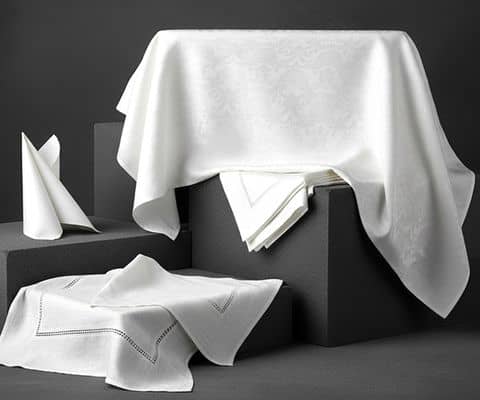
Basic tableware includes plates, bowls, cups, cutlery sets, water and wine glasses, napkins, tablecloths, spice shakers, vinegar and oil dispensers, bottle coolers, table displays, and serving solutions. For buffets, patios, or outdoor areas, the collection often includes shatterproof polycarbonate glasses, stackable items, bread baskets, carafes, étagères, and sturdy trays.
It’s important not to choose equipment in isolation. Plate diameter, cutlery length, glass volume, stacking height, and dishwasher compatibility directly impact day-to-day operations. Large plates look high-end but require more storage space, greater dishwashing capacity, and larger trays. Heavy glasses look premium but can be impractical for fast-paced patio service. For high-volume establishments, restockable lines, clear quantity specifications, and durable materials are particularly important.
Selection Criteria for Dishes, Cutlery, and Glasses
The right equipment depends on the type of operation, dining concept, service style, and level of use. A bistro with busy lunchtime hours needs sturdy, readily available items that are easy to clean and stack well. A hotel places greater emphasis on consistency across the line, buffet compatibility, and a cohesive overall look across many place settings. For catering and events, portability, shatter resistance, and easy quantity calculation are key.
A quick checklist can help with the selection:
- Do the plate sizes, glass volumes, and cutlery sets match the food and beverage concept?
- Are the items dishwasher-safe, stackable, and designed for frequent use?
- Can broken items or missing pieces be replaced quickly and with matching sets?
- Are storage space, dishwashing capacity, and serving routes sufficient for the selected sizes?
- Does the equipment support quick table turnarounds, buffet restocking, or takeout service?
When selecting materials, porcelain, glass, stainless steel, polycarbonate, plastic, and wood-look finishes should each be evaluated based on their intended use. Porcelain is suitable for a classic table setting, stainless steel for cutlery and durable accessories, and polycarbonate for patios, pool areas, beer gardens, or event spaces with an increased risk of breakage.
Efficient processes start at the table
A well-planned table setting makes teamwork easier. When cutlery, glasses, condiment sets, and napkins are clearly designated, tables can be set up more quickly and reset after guests have left. This reduces time spent searching for items, simplifies training, and ensures that a consistent standard remains visible even with a changing staff.
During peak hours, every repeatable detail counts. Pre-set cutlery sets, matching serving trays, glasses within easy reach, and a clear restocking system at the buffet prevent unnecessary trips. In a café, a compact combination of a cup, saucer, coffee spoon, and dessert plate can speed up the process. In the restaurant, a coordinated glassware and cutlery concept ensures that service staff have to improvise less.
Cleaning and storage are also factors in the decision-making process. Smooth surfaces, dishwasher-safe materials, stackable shapes, and appropriate dimensions make daily return processing easier. If you serve many identical place settings, you should check early on whether the products in the Washing & Cleaning category are compatible with your chosen equipment.
Plan for the long term instead of just setting a pretty table
Tableware and service equipment are an investment in the visible aspects of your business. They influence guest impressions, service speed, cleaning efforts, replacement needs, and inventory planning. Appropriate, durable items can streamline operations because they reduce the need for improvised solutions and fit better into existing daily processes.
Equipment is particularly cost-effective when it’s suited to real-world use: not too delicate, not oversized, not unnecessarily heavy, and easy to restock. For growth-oriented businesses, scalability is important. Those who later add more tables, patio seating, or buffet areas will benefit from consistent product lines and clearly calculable quantities.
A Set Table as Part of a Cohesive Business Concept
A set table makes the strongest impression when it complements the service style, menu, and room design. Tableware, silverware, glasses, and table accessories should not only look harmonious but also function effectively in terms of cleaning, storage, serving, and restocking.
GGM Gastro offers a wide selection of products for various commercial applications—from compact cafés to hotel operations, and from restaurant service to event catering. It is essential to have equipment that looks professional, remains durable in everyday use, and reliably supports service.