


Grills for the Food Service Industry
Commercial grills help restaurants, snack bars, hotels, catering companies, and institutional food service providers prepare meat, vegetables, bread, snacks, and grilled foods professionally. The right type of grill, power output, connection type, capacity, and ease of cleaning are crucial for each business’s specific operations. Grill Guide »
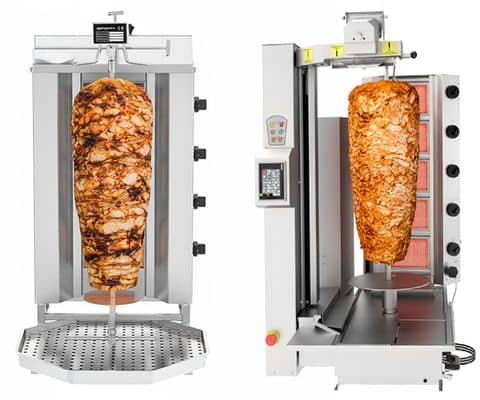
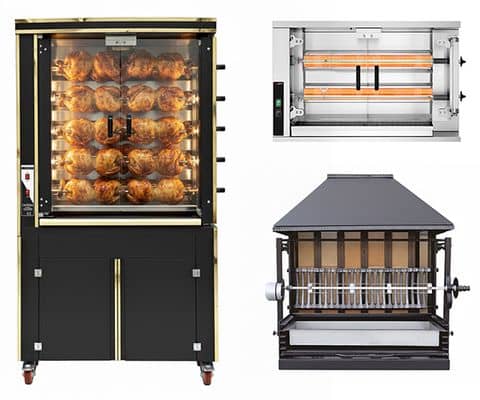
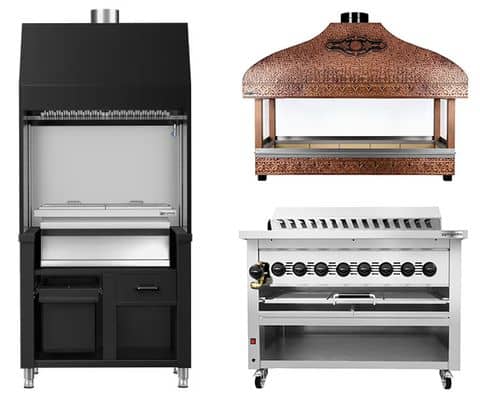
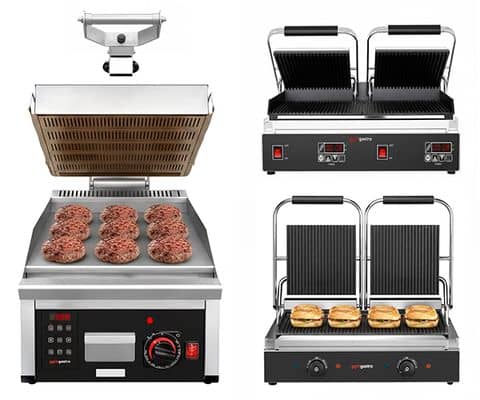
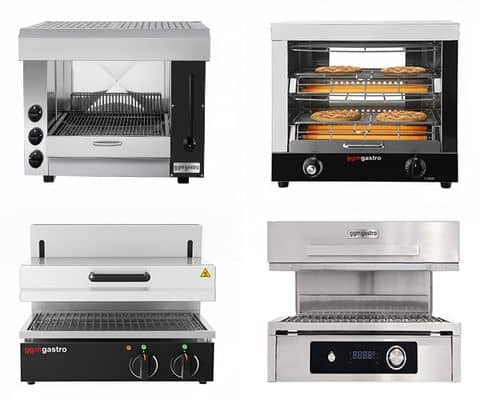
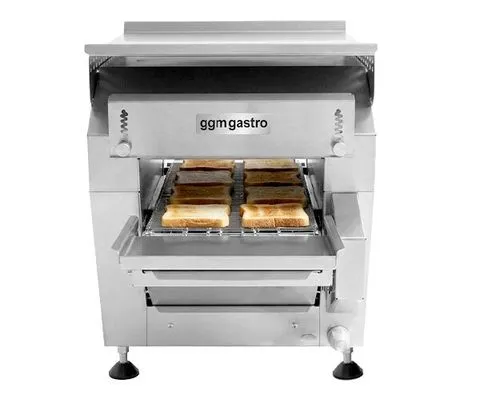
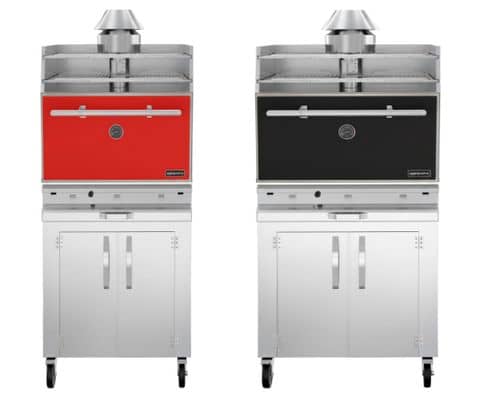
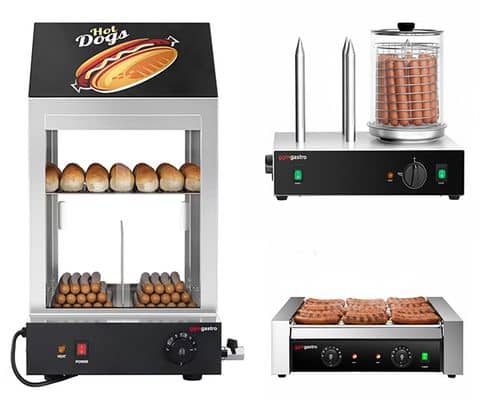

Grills as a Fixed Part of Professional Food Service Operations
Grills are commercial appliances used to prepare, brown, heat, or enhance food using direct or indirect heat. In the foodservice industry, they are used wherever consistent heat, fast service, and reproducible results are essential for day-to-day operations.
Whether it’s a kebab shop, steakhouse, fast-food restaurant, hotel kitchen, food truck, or catering service: Choosing the right commercial grill affects workflow, production pace, and quality at the serving station. A compact contact grill for paninis and burgers serves a different purpose than a gas grill with multiple burners, a vertical rotisserie grill with a spit, or a chicken grill designed for high-volume cooking. By starting with the intended application, you’re not just planning a single appliance, but a grilling station that fits the menu, the available space, and the expected peak volume.
Which grilling technique best suits your grill's performance, size, and menu
When it comes to grills, it’s not just the type of appliance that matters. What really matters is how much cooking surface area, power, and reserve capacity are actually needed during use. Gas grills offer intense heat and flexible use, but require the right connection setup and well-designed ventilation. Electric grills, contact grills, and salamander grills / broilers can often be easily integrated into compact kitchens, snack areas, or serving lines. Charcoal grills offer a distinctive grilling experience but place higher demands on setup, ventilation, and cleaning.
Four factors are particularly important in practice: connection type, available floor space, heating time, and capacity. A tabletop model saves space in small kitchens, while a freestanding model with a base cabinet can accommodate more work volume. Integration is often easier with 230-V units, while 400-V or gas units may be a good choice for high-volume operations. The number of burners, heating zones, temperature range, and whether the grill features a grate or smooth/grooved plates should align with the menu—not just the desire for high output.
Quick Checklist for Selection:
- Which items are grilled daily?
- How many servings need to be prepared during the busiest half-hour?
- Is a tabletop model sufficient, or does the station require a freestanding unit?
- Do the gas or electrical connections match the existing infrastructure, or would a charcoal grill be the better choice after all?
- How quickly can the unit be cleaned and made ready for use again?
Hygiene, Cleaning, and Durability During Operation
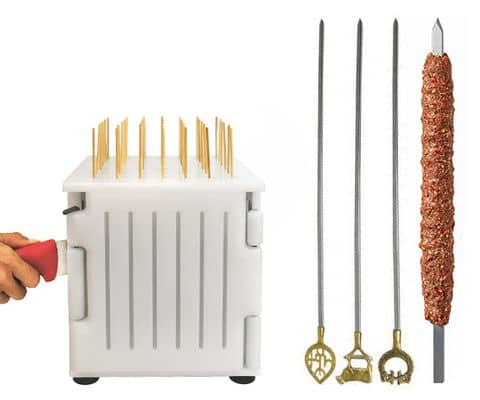
Grills are exposed to heat, grease, moisture, and frequent temperature changes. That’s why materials and craftsmanship are crucial for everyday use. Stainless steel surfaces, sturdy grates, easily accessible controls, removable grease trays, and smooth cleaning surfaces make maintenance easier and support hygienic practices. For kebab and chicken grills, additional factors include skewers, motor placement, protective screens, and capacity. For gas and charcoal grills, grill grate quality, burner covers, and safe grease drainage are key.
A key planning consideration is the space around the unit. A grill requires not only its footprint but also a workspace, storage, access to food being grilled, and access for cleaning. During peak hours, it becomes clear whether tongs, containers, plates, or packaging are logically within reach. If the grill station is planned too tightly, it leads to wasted time searching for items, wait times, and unnecessary pressure on the team.
Integrating grills into the business model in a cost-effective way
The right grill can streamline operations by delivering performance where it’s needed most. For a snack bar, this means quickly and consistently preparing doner, sausages, or burgers. For restaurants and hotels, the focus is more on controlled cooking results, a clean finish, and reliable service. For catering, outdoor dining, or event operations, flexible setup, robust construction, and a unit that remains manageable even with fluctuating volumes are key.
The investment should therefore not be evaluated solely based on the purchase price. What’s more important is whether the grill resolves everyday bottlenecks: insufficient grilling surface, excessively long preheating times, difficult cleaning, inadequate capacity, or a lack of reserve capacity during peak hours. Especially as demand grows, a grill that’s too small can tie up staff, while an oversized model takes up space, consumes energy, and strains the budget. It makes sense to choose equipment that fits today’s menu and remains scalable as the business grows realistically.
A grill station instead of a standalone unit
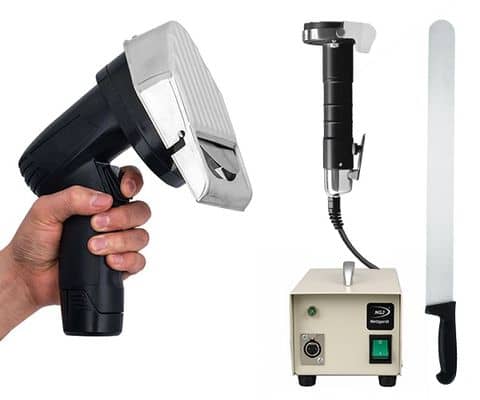
Grills are particularly useful when they are integrated into a well-organized workstation. With gyros and döner grills, the skewer, knife, tray, ingredient access, and serving area all work together. For burgers or paninis, the grilling surface, preparation, and packaging are closely linked. For snacks, sausages, and events, sausage grills and hot dog warmers can complement the serving process without overburdening the main production line.
Supplementary components should support the grilling function, not replace it. Work surfaces, base units, production-area refrigeration, heat-resistant shelves, and appropriate cleaning routines ensure that the station runs smoothly during daily operations. This transforms a grill into a reliable workstation that supports speed, hygiene, and consistent quality in a commercial setting.