


Charcoal, Gas, and Electric Grills
Charcoal, gas, and electric grills offer food service businesses flexible grilling solutions for outdoor areas, grilling stations, events, and regular commercial use. Key factors include the type of grill, grilling surface, connection type, location, cleaning requirements, and seamless integration into daily operations. Guide to Charcoal, Gas, and Electric Grills »

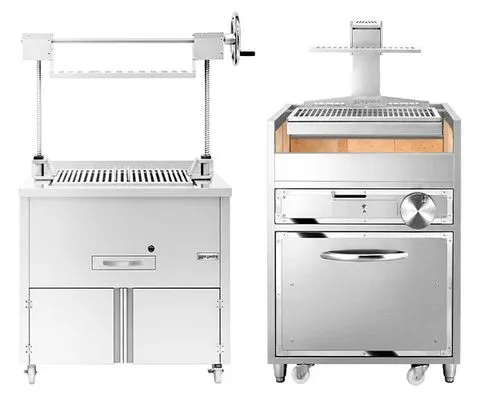
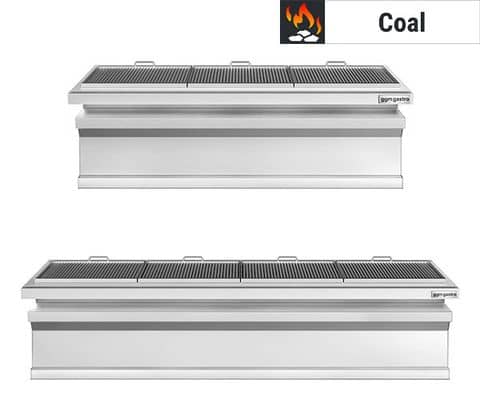


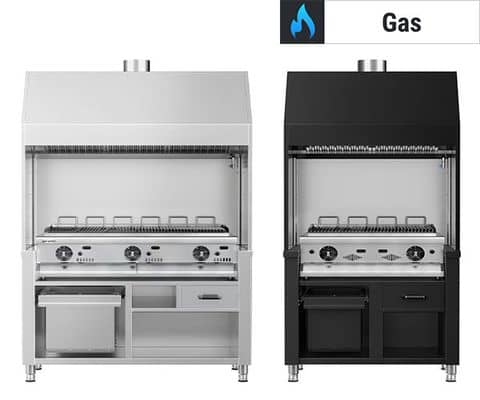
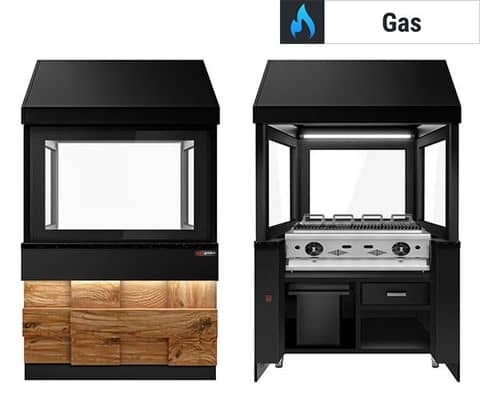
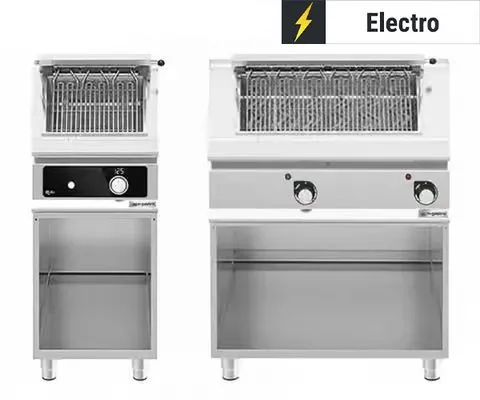
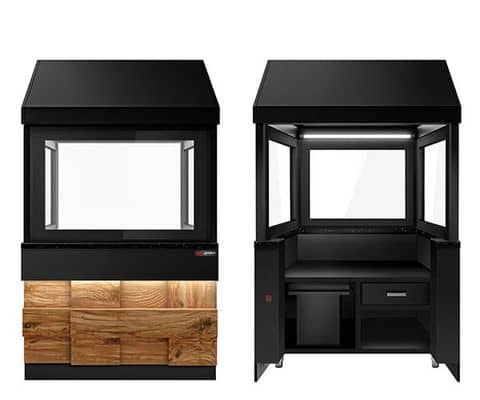
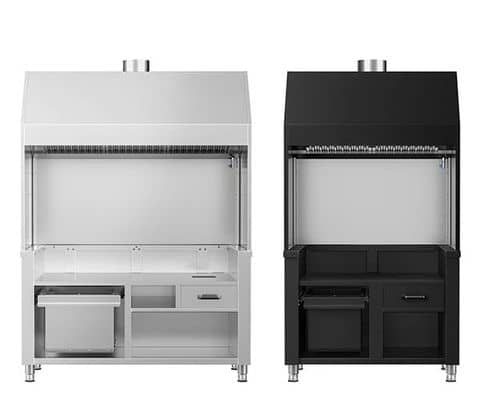
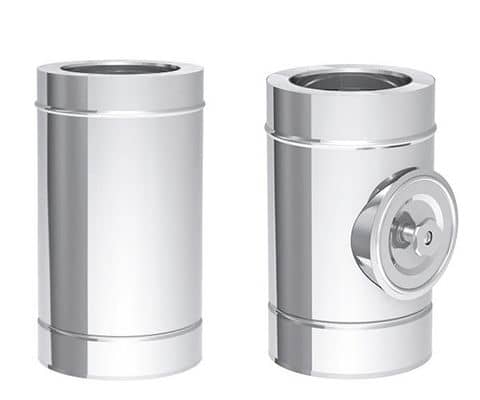

Charcoal, Gas, and Electric Grills for Professional Food Service Concepts
Charcoal, gas, and electric grills are commercial grilling appliances designed for businesses that want to prepare meat, fish, vegetables, burgers, skewers, or grilled dishes on a scheduled basis and in appropriate quantities. They are used in restaurants, snack bars, hotels, beer gardens, catering companies, event venues, and seasonal outdoor areas.
The difference lies not only in the taste, but above all in how they operate. A charcoal grill provides intense heat, visible char marks, and a classic grilling effect. A gas grill offers quick heating times, adjustable temperature, and predictable service planning. An electric grill is a good option when open flames, smoke, or gas connections are restricted at the location. Thus, the choice of grill type becomes a practical decision based on space, foot traffic, staffing, and service.
Which type of grill is best suited for your day-to-day operations?
In the restaurant industry, it’s not just the grill itself that matters, but its role in the workflow. In a beer garden with heavy evening traffic, the grill needs ample cooking surface, consistent heat, and short distances to the serving area. In a snack bar or street food concept, the focus is on fast turnaround, ease of use, and a sturdy construction. For front-of-house cooking or hotel terraces, the visual appeal of the grill station also plays a role, as guests have a direct view of the work area.
Key decision criteria include:
-
Grill type: charcoal, gas, or electric, depending on the location, desired grilling effect, and connection options
-
Grilling surface: sufficient for the number of servings during peak hours
-
Design: freestanding, enclosed, wall-mounted, or as part of a grill station
-
Materials: durable surfaces, sturdy grates, and heat-resistant construction
-
Cleaning: handling grease, ash, and residue, as well as daily cleaning routines
Especially in commercial settings, a grill surface that’s too small can quickly become a bottleneck. Conversely, an oversized unit ties up space and energy without automatically improving workflow. It makes sense to base your selection on actual peak demand: How many servings need to be reliably served in 30 to 60 minutes?
Planning, Space Requirements, and Integration into the Grill Station
A commercial grill works best when it is not designed in isolation. In addition to width, depth, and working height, other factors to consider include movement areas, storage shelves, preparation zones, and proximity to the serving area. If you have to fetch ingredients from distant refrigeration areas or pass on finished dishes without a clear place to set them down, you’ll lose time and lose track of things during service.
Stainless steel furniture plays a key role in creating a functional grill station. Work tables, neutral elements, or base units provide space for preparation, temporary storage, and accessories. During peak grilling hours, nearby commercial refrigeration facilitates quick access to prepared items without having to constantly open the main refrigeration unit. Depending on the location, suitable exhaust ventilation solutions may also be important, especially for charcoal grills, enclosed grilling areas, or covered outdoor spaces.
The type of connection should also be considered early in the planning process. Gas grills require a suitable gas supply and safe installation. Electric grills need sufficient power capacity. Charcoal grills require a clear solution for fuel, ash, smoke, and cleaning. These factors influence not only the installation but also the daily workload.
Hygiene, Cleaning, and Durability in Daily Use
Grills in the foodservice industry are exposed to heat, grease, moisture, mechanical stress, and regular cleaning. Durable materials, sturdy grill grates, easily accessible interior areas, and removable components make day-to-day operations easier. Dealing with ash and residue is particularly crucial for charcoal grills. For gas and electric grills, the focus is on grease collection, surface cleaning, and safe operation.
An easily accessible design saves time after service and supports hygienic routines. This is especially important when the grill is used daily or when multiple employees work with it. Intuitive operation, standardized cleaning procedures, and the right accessories reduce unnecessary interruptions and help keep the grill station ready for use at all times.
Thinking Economically: Grilling Techniques as Part of Streamlined Processes
The right charcoal, gas, or electric grill not only supports food preparation but also ensures cost-effective operations. Even heat distribution, sufficient capacity, and a well-organized workspace make the team’s job easier, reduce walking distances, and help manage peak hours more smoothly. This results in more predictable workflows, less improvisation, and a better foundation for consistent food quality.
For many businesses, this category also serves as a catalyst for expansion: with the right equipment, outdoor seating, event services, barbecue nights, or seasonal specials can be more easily integrated into existing operations.
Shop for Charcoal, Gas, and Electric Grills at GGM Gastro
GGM Gastro offers charcoal, gas, and electric grills for a variety of commercial applications—from compact electric grills to high-performance grilling stations for outdoor areas and events. Operators benefit from a wide selection, clear product information, expert advice, high availability, and solutions tailored to the real-world demands of the foodservice industry.
By comparing the right type of grill, cooking surface, design, connection type, and cleaning solution, you can make a much more informed purchasing decision. This way, the grill becomes not just a standalone appliance, but a functional component of a professional business concept.