


Pot-Washing Sinks for Restaurants and Commercial Kitchens
Pot-washing stations provide ample space for manually cleaning large pots, pans, baking sheets, and GN containers in everyday professional kitchen operations. They support hygienic procedures, streamlined washing processes, and efficient workflow organization in the restaurant, hotel, catering, and institutional food service industries. Pot-Washing Sink Guide »


Number of Basins
Product material
Width
Depth
Height
Price
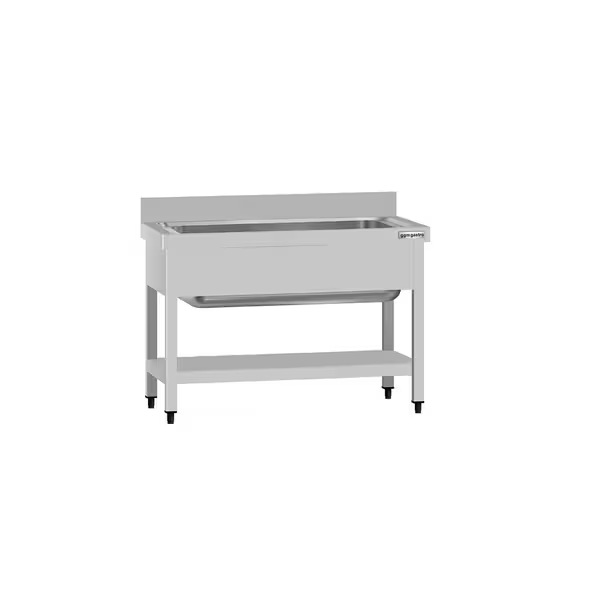
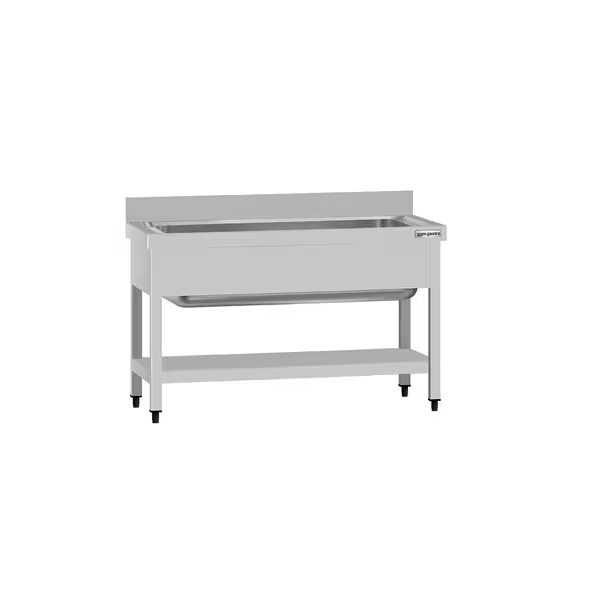
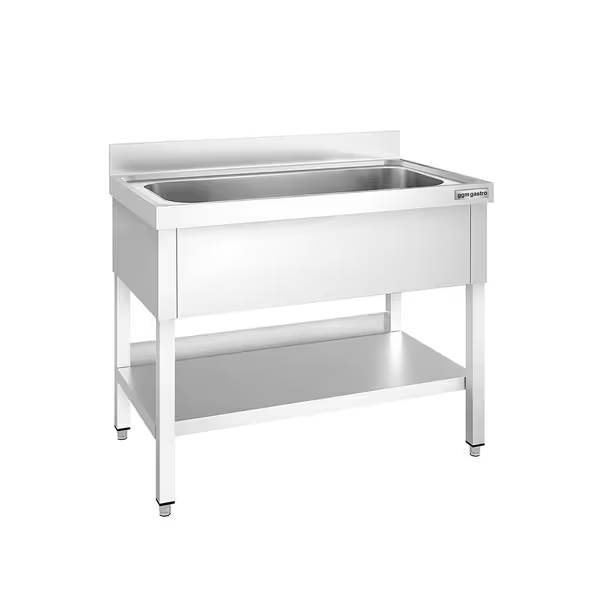
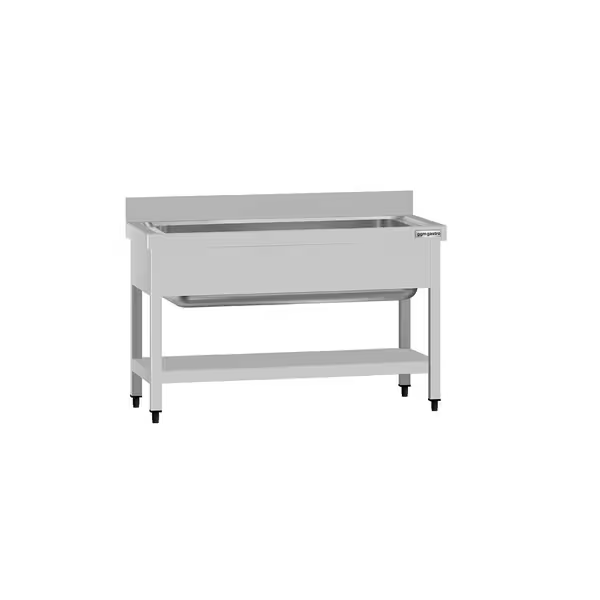
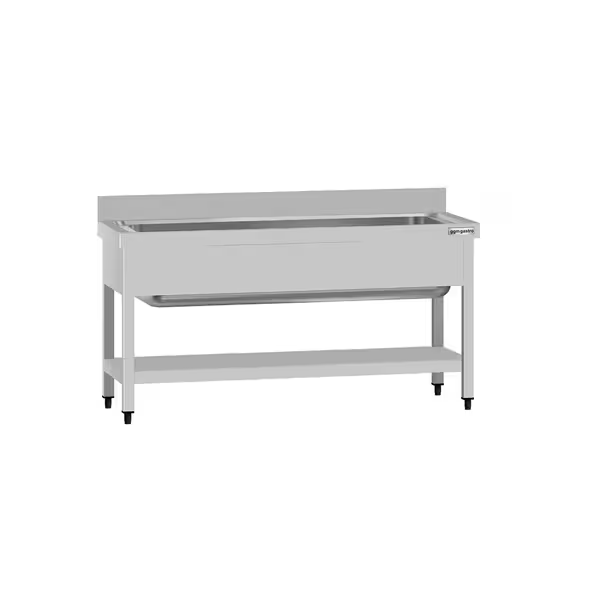
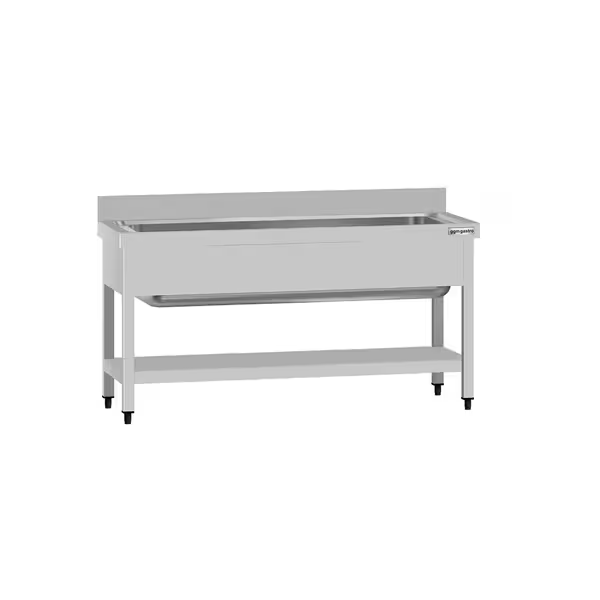
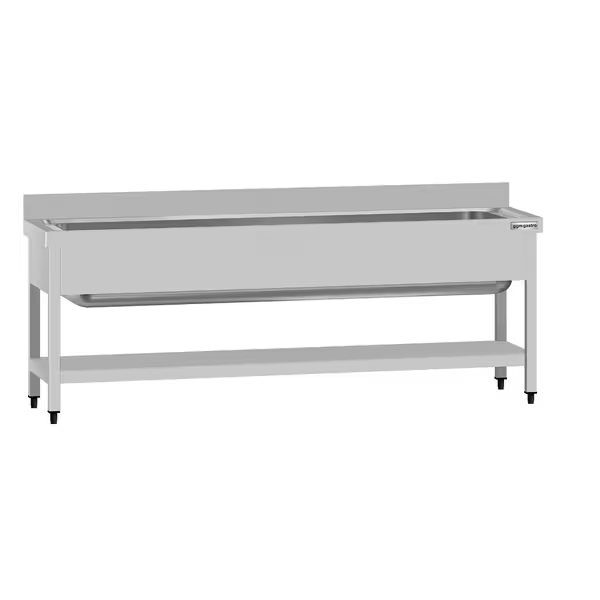
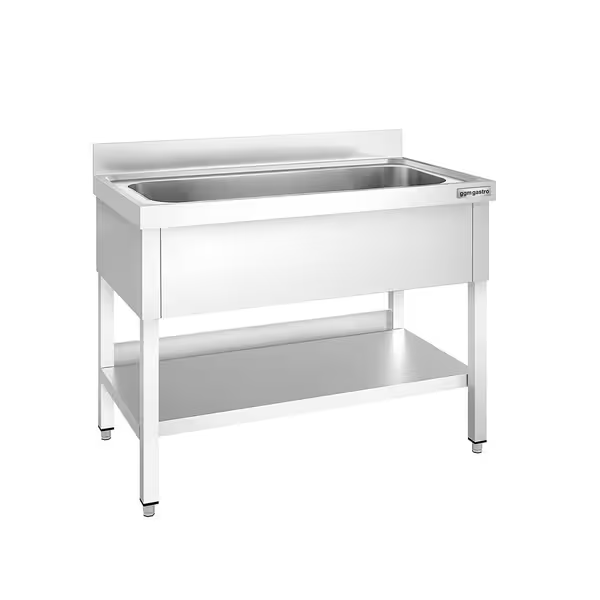
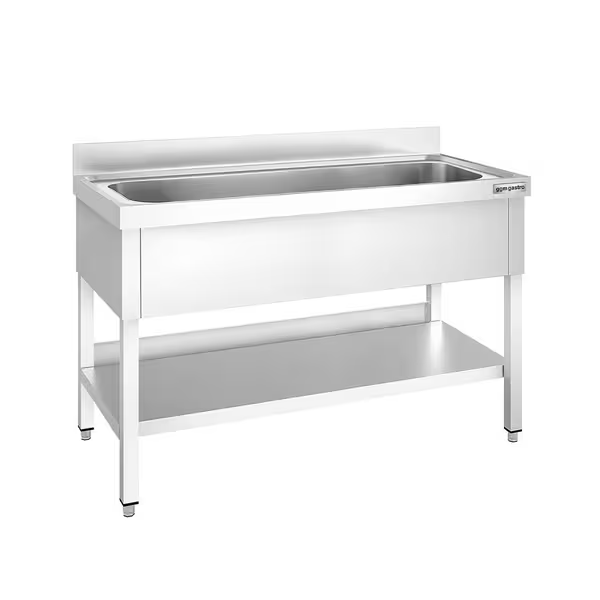
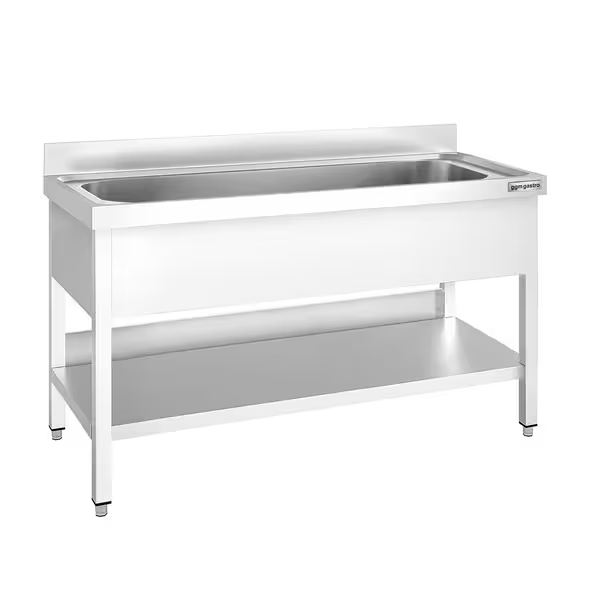
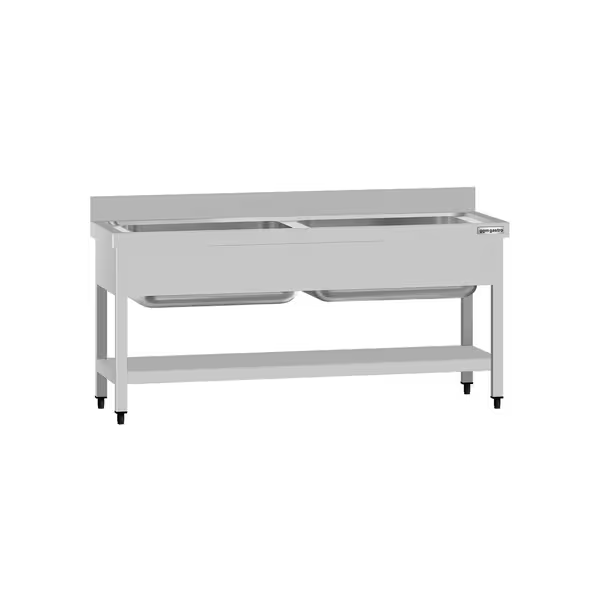
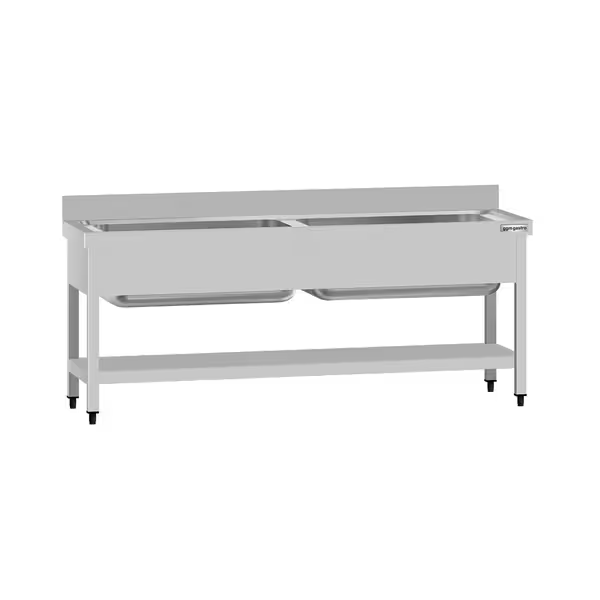
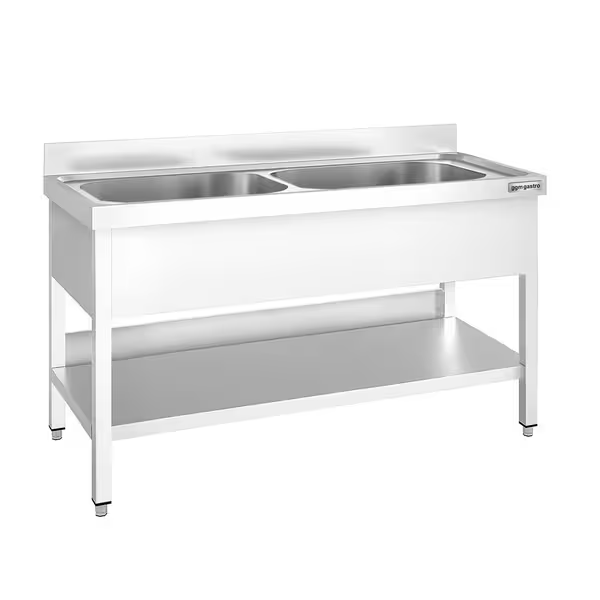
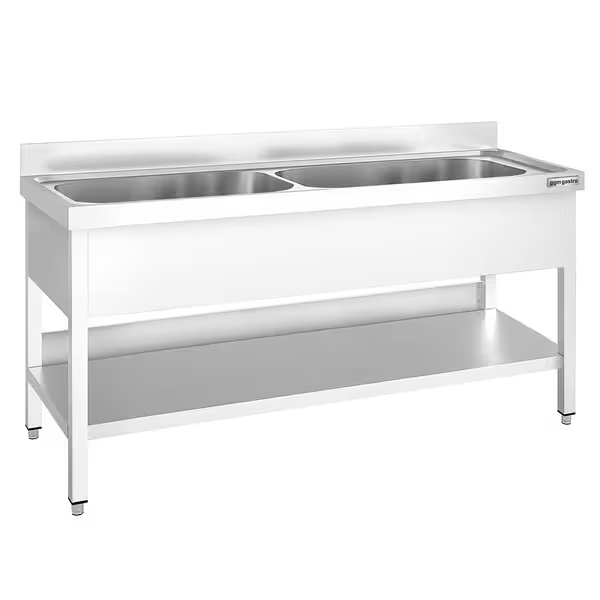
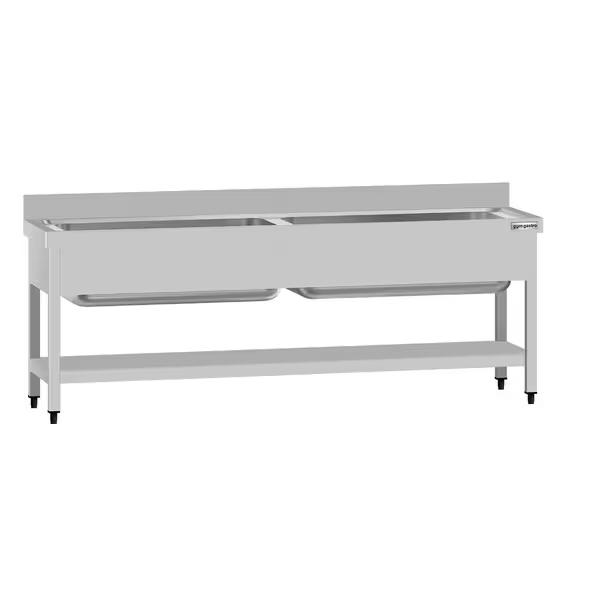
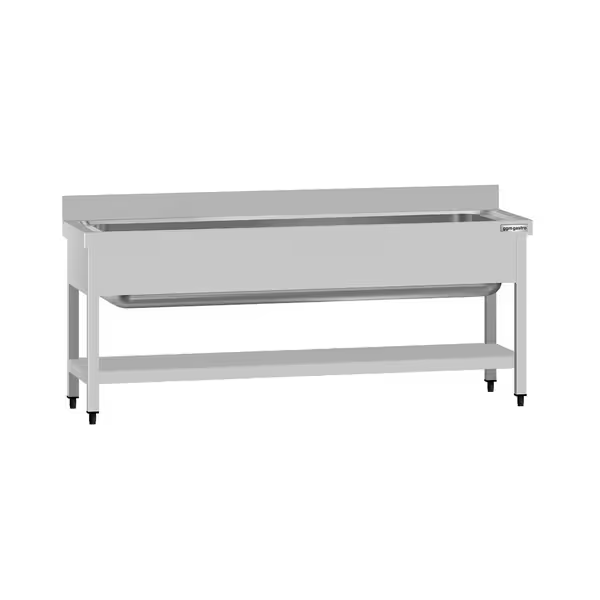
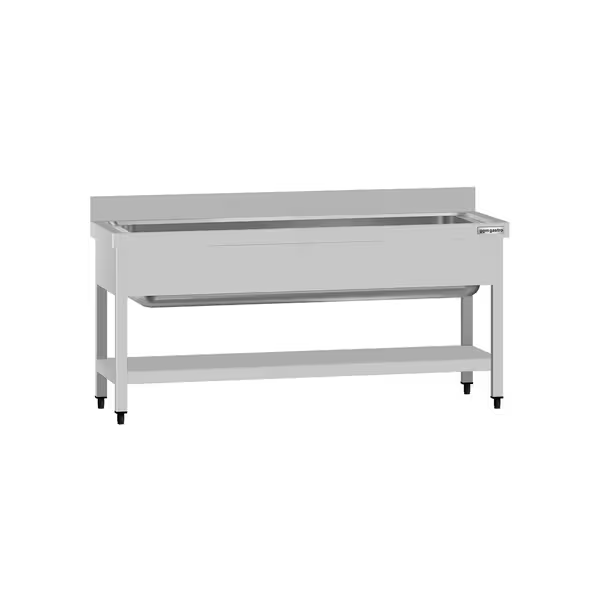
Pot-washing stations as sturdy washing stations for large kitchen utensils
Pot-washing sinks are specifically designed for the manual cleaning of large and bulky cookware. Unlike traditional sinks, they feature particularly spacious basins in which pots, roasting pans, skillets, baking sheets, or GN containers can be more easily soaked, pre-rinsed, and rinsed.
In professional kitchens, there is a daily volume of dishes that cannot be efficiently handled using a standard sink. This is especially true in restaurants, fast-food joints, hotels, cafeterias, bakeries, or catering kitchens, large containers need to be made available again quickly. A properly designed pot-washing station creates a dedicated area within the dishwashing zone and prevents cookware from blocking work surfaces, serving areas, or walkways.
Which pot-washing tables are right for your business size
When making a selection, it’s not just the overall width that matters, but above all the balance between the basin size, basin depth, countertop height, and available floor space. Compact models are suitable for smaller kitchens where every meter must be utilized. Wider pot-washing sinks with one large basin or two separate basins are useful if you regularly have a lot of cookware to wash or need to soak and rinse items at the same time.
Key decision-making criteria include:
-
Width and depth of the table; the depth is often about 600 or 700 mm
-
Number of sinks; for example, one large sink or two sinks
-
Basin dimensions for pots, pans, baking sheets, and GN containers
-
Upstand to protect the wall from splashing water
-
Base shelf or under-counter unit for storage, organization, and quick access
A single large sink is often useful when cleaning particularly bulky items. Two sinks facilitate separate work steps, such as soaking, rinsing, and final rinsing. For high-volume establishments, this separation can help organize the return flow more smoothly.
How to Properly Integrate Sink Tables into the Kitchen Drain System
A pot-washing station should not be viewed in isolation, but rather as part of the washing and return zone. The key factors are where dirty cookware ends up, how it is pre-rinsed, and how clean items are returned to the prep or production areas. During peak hours, a washing area that’s too cramped can quickly become a bottleneck: pots get in the way, baking sheets block shelves, and employees scramble to find free space.
A well-thought-out layout reduces walking distances and makes it easier to define clear responsibilities. In practice, a layout close to dishwashers, dishwasher tables or other sink tables, without clean and dirty areas intersecting. For establishments with high cooking volumes, it is also important to have sufficient counter space so that hot or greasy pots can be safely set down before they are cleaned.
Materials, Hygiene, and Durability in Continuous Use
In professional settings, pot-washing sinks are usually made of stainless steel. This material is well-suited for the damp environment of a dishwashing area, is easy to clean, and supports hygienic work processes. In everyday use, a pot-washing sink has to withstand a lot: water, heat, grease, food scraps, cleaning agents, heavy pots, and regular mechanical stress from baking sheets or containers.
Smooth surfaces, sturdy sinks, clean edges, and a construction designed for commercial use are essential. An upstand can reduce water splashes on the wall. A base cabinet provides additional storage space for containers, cleaning supplies, or frequently used kitchen utensils. When planning, the appropriate faucet should also be considered to ensure that the water stream, reach, and operation match the sink’s dimensions.
Economic Benefits Through Clear Rinsing Processes
A pot-washing station is not a decorative piece of furniture, but a functional workspace. When large pots can be soaked and cleaned more quickly, cookware is ready for use sooner. This supports preparation, production, and cleanup, especially in establishments with fluctuating peak workloads.
The economic benefits do not stem from a single feature, but rather from the combination of sturdy construction, appropriate sizing, and seamless integration into kitchen workflows. Less rearranging, shorter distances, better separation of clean and dirty items, and surfaces that are easier to clean can noticeably ease the daily workload for the team. Especially during renovations, it’s therefore worth taking a look at the entire washing process—not just the available counter space.
A harmonious combination with stainless steel cabinets and the sink area
Sink tables can be effectively combined with other stainless steel furniture, such as work tables, storage surfaces, or enclosed base units. This creates a washing area that not only accommodates large kitchen utensils but also promotes organization, hygiene, and efficient workflow.
For small kitchens, compact use of space is usually the top priority. In production kitchens, cafeterias, or catering operations, however, capacity, sink size, and a durable drainage system are more important. Choosing a pot-washing station that matches the actual wash volume creates a solid foundation for clean operations.
Pot-washing stations are properly designed when they can accommodate large items, are easily accessible, can be cleaned hygienically, and do not slow down the workflow. This transforms a washing station into a reliable component of professional kitchen operations.