


Hotel Supplies for Professional Hotel Operations
From breakfast and the restaurant to the bar and conference facilities, all the way to housekeeping, laundry, and room service: Well-planned hotel amenities integrate different operational areas into reliable workflows. Which amenities make sense depends primarily on the number of rooms, the dining concept, the range of events offered, the scope of services, and daily occupancy rates. Guide to Hotel Amenities »




Meeting & Conference




Housekeeping & Room service














Furnishing a Hotel: Integrating Different Operational Areas
Professional hotel equipment includes appliances, furniture, and supplies for food service, guest services, meetings, housekeeping, laundry, and other operational areas of a hotel. Unlike in many traditional restaurants, the demands change significantly throughout the day. In the morning, breakfast service operates at a high volume. During the day, meetings and conferences may be catered to. In the evening, the restaurant and bar take center stage, while at the same time rooms are prepared, laundry is processed, and minibars are checked. The right hotel equipment, therefore, cannot be determined simply by looking at individual product lists. The key factors are which areas are interconnected, what capacities they require, and at what times of day the highest workload occurs. A small, owner-operated hotel has different requirements than a property with a restaurant, conference facilities, a wellness area, and regular events.
Plan breakfast as the first major meal of the day
In many hotels, breakfast is one of the busiest service areas. Within just a few hours, food, hot beverages, tableware, and restocking must be continuously available. The required equipment depends primarily on the number of guests and the breakfast concept. A compact buffet requires different capacities than an extensive spread featuring hot items and various beverage stations. Keeping food warm and keeping it cold must work in tandem. Hot dishes require appropriate serving areas, while yogurt, cold cuts, juices, and other chilled products must be set out accordingly. Restocking also requires its own planning. The buffet does not necessarily have to be stocked with the entire breakfast quantity all at once. Well-organized reserves make it possible to replenish smaller quantities on an ongoing basis and keep the presentation neat and orderly.
Tailor coffee and hot beverages to the breakfast crowd
In many breakfast concepts, the beverage station plays a key role in determining guest flow. Coffee machines & coffee dispensers can be used for self-service or staffed service, depending on the hotel’s concept. What matters here is not just technical performance, but also the number of guests who want to get a drink within a short period of time. Cups, milk, sugar, tea, and other consumables also require sufficient space. If the coffee station is set up too tightly, guests will back up—regardless of how powerful the machine itself is. In larger breakfast areas, multiple access points or separate coffee and tea stations can help streamline the flow. Water treatment, cleaning routes, and the provision of clean cups are also part of the planning for this station.
Quick Checklist for Choosing the Right Hotel Amenities
Five points provide guidance on the most important areas of facilities:
- Size of the facility: How many rooms, guests, and simultaneously used public areas need to be accommodated?
- Dining: Does the facility offer breakfast, a restaurant, a bar, room service, or multiple dining options?
- Events: How important are meetings, conferences, banquets, and celebrations to the hotel?
- Scope of Services: Which housekeeping, laundry, and room service tasks does the hotel handle itself?
- Load Profiles: At what times of day and on which days of the week do a particularly large number of processes occur simultaneously?
These factors indicate which areas require consistently high capacity and where flexible solutions make sense.
Organizing a Restaurant Kitchen to Meet Changing Needs
A hotel restaurant often operates under different conditions than a standalone restaurant. In addition to à la carte service, the same kitchen may prepare breakfast items, provide room service, and cater events or banquets. As a result, the volume and production methods vary throughout the day. In the morning, larger batches and replenishments for the buffet may be required, while in the evening, more individual orders are placed simultaneously at various kitchen stations. Kitchen equipment must therefore offer sufficient flexibility without becoming unnecessarily complex. Sufficient refrigeration, clearly organized preparation, adequate cooking capacity, and enough counter space are particularly important. When multiple service areas share the same production facilities, prepared components and different orders must be clearly assigned. This ensures transparency regarding which items are intended for the restaurant, a banquet, or another area.
Organize cooling by storage, production, and service
Hotels often require different refrigeration zones. Larger inventories can be stored centrally, while the restaurant, bar, breakfast area, and other stations need a daily supply close to where it’s used. This separation reduces unnecessary trips. The main refrigeration system safeguards inventory and larger delivery quantities. In contrast, refrigerated counters, bar refrigeration, or smaller units keep products available right where they’re actually needed during service. Demand also varies depending on the time of day. What’s needed in the morning for breakfast differs significantly from the items required for the bar or evening service. A clear refrigeration structure therefore simplifies both access and inventory management.
Integrating the minibar and room service into room logistics
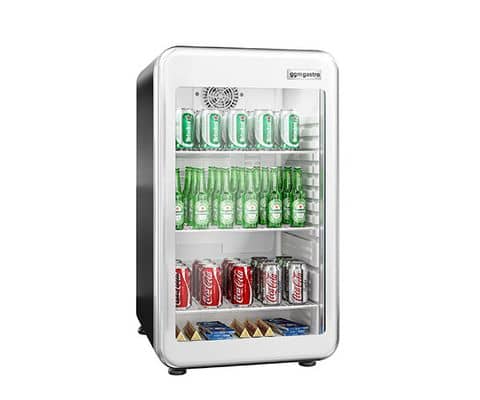
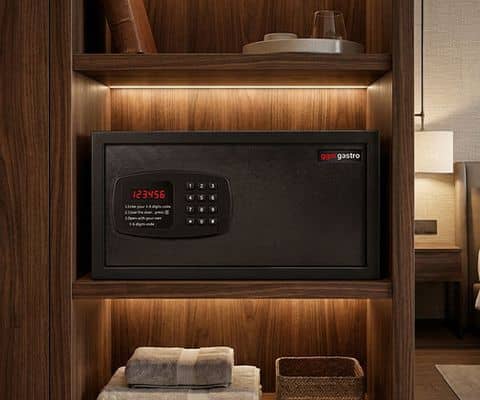
Mini-bar refrigerators constitute a distinct category of hotel room amenities. When planning, in addition to dimensions and cooling functionality, particular attention must be paid to integration into the existing room or furniture layout and accessibility for service and monitoring. As the number of rooms increases, the organization of restocking also becomes a key consideration. Beverages and other designated items must be stocked, transported to the floors, checked, and restocked. A single task takes only a short time—but with many rooms, this results in a significant recurring workflow. The situation is similar with room service. Food and beverages must be transported from the kitchen to the correct room, while used dishes must then be returned. Serving and transport carts can support these processes depending on the service concept.
Organize the hotel bar independently of the restaurant's workflow
The bar has its own peak-demand profile within the hotel. Guests can order drinks as early as the afternoon, head to the bar after dining at the restaurant, or return later in the evening. At the same time, depending on the establishment, the menu may include coffee, wine, cocktails, and other beverage categories. Bar refrigeration, ice supply, glasses, and equipment should therefore be centralized in a single, well-organized station. A bar that has to rely on restaurant refrigeration or other remote storage areas for every beverage creates unnecessary trips. Larger stock can be stored centrally, while items needed for immediate service remain readily available right behind the bar. Glass washing and return procedures are also part of the workstation. Especially during busy evening service, a shortage of clean glasses can become a bottleneck faster than the beverage preparation itself.
Viewing Meetings and Conferences as a Separate Service Area
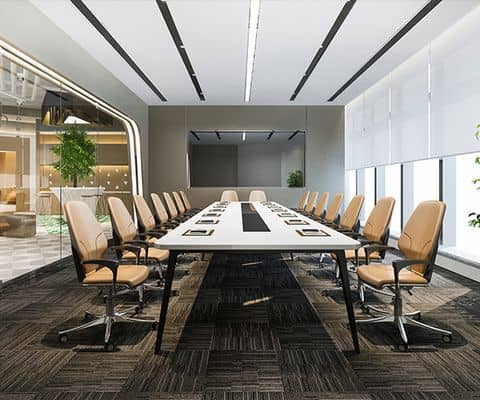
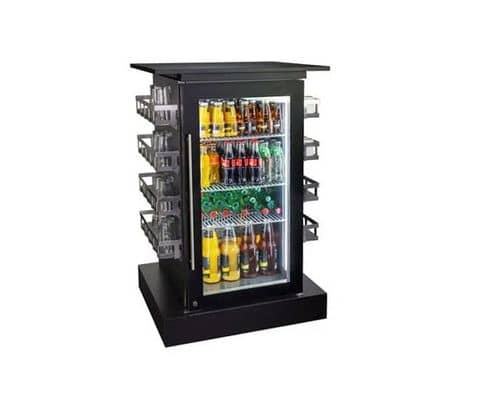
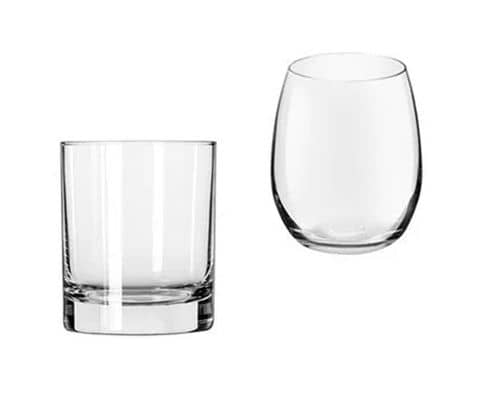
Business hotels and venues that host conferences have additional requirements regarding beverage supply, presentation, and service. Conference refrigerators make it possible to keep chilled beverages readily available right next to the relevant rooms. This eliminates the need for service staff to access central refrigeration areas every time they need to restock. Coffee stations, beverage carafes, water and conference glasses, as well as serving carts, are also part of the process chain. The key factor here is the number of rooms in use simultaneously. A large event in a single hall requires different logistics than several smaller meetings being catered to at the same time. In the latter case, beverages, tableware, and service staff are distributed across multiple areas. Sufficient temporary storage and restocking options reduce travel distances and facilitate continuous service.
Plan for events and banquets as additional peak loads
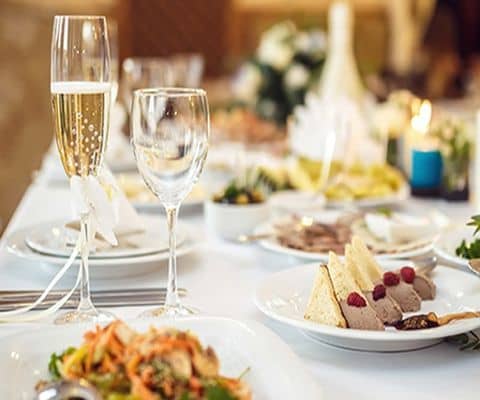
Weddings, corporate events, or banquets can drastically change a hotel’s requirements on short notice. Within just a few hours, large quantities of food must be prepared, transported, kept on hand, and served. At the same time, normal hotel operations must continue. Therefore, the equipment must not only accommodate average daily capacity. Chafing dishes and banquet carts can help move food between the kitchen and the event area or prepare it for service. Depending on the event concept, chafing dishes and other food-warming solutions complement the service. Serving carts, buffet areas, and sufficient tableware also play a role. A clear separation between regular restaurant service and the event is particularly important. If both processes constantly use the same handoff areas, bottlenecks can occur, especially during peak periods.
Understanding Housekeeping as a Daily Logistics Chain
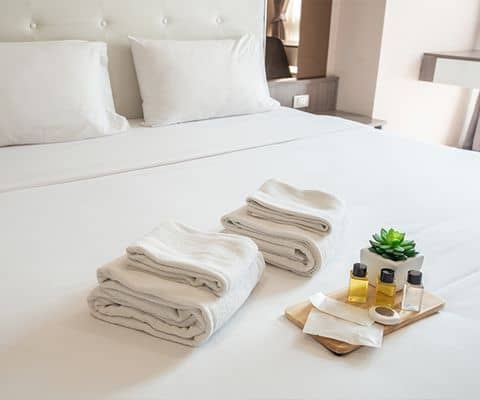
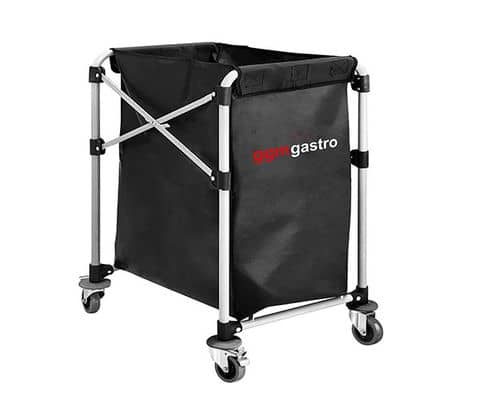
Housekeeping involves more than just cleaning individual rooms. In facilities with a large number of rooms, bed linens, towels, cleaning supplies, consumables, and trash are moved daily between floors, storage areas, and rooms. Laundry carts support these internal transport operations and can systematically hold clean or used linens. The location of central housekeeping areas and the distance to the rooms are crucial to the workflow. Luggage carts, cleaning equipment, and other mobile equipment also require designated parking spaces. If carts are constantly left in hallways or common areas, they can themselves become an obstacle. A clearly organized housekeeping area therefore shortens distances and makes it easier to prepare rooms for reuse according to a repeatable process.
Allocate room cleaning based on square footage and occupancy
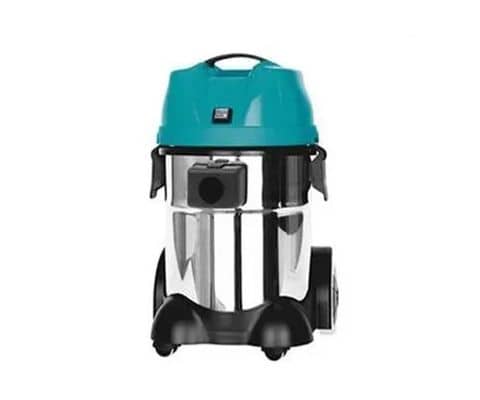
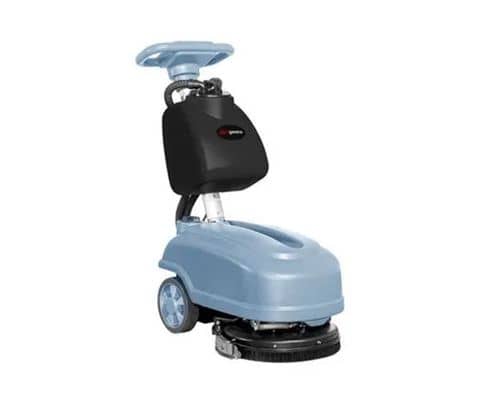
Cleaning needs aren’t limited to guest rooms. Hallways, lobbies, restaurants, conference areas, and other public spaces must also be cleaned regularly. Wet and dry vacuums, as well as scrub-and-vacuum machines, can perform different tasks depending on the floor area and surface type. The larger the contiguous areas become, the more important it is to determine which tasks can be performed manually in a cost-effective manner and where cleaning equipment can support the processes. The availability of the equipment also plays a role. If a machine must be moved between parts of the building that are far apart, additional setup and transport times are incurred. For larger buildings, therefore, a decentralized organization of certain cleaning areas may be advisable.
Planning Laundry Operations Based on Laundry Volume and Turnover
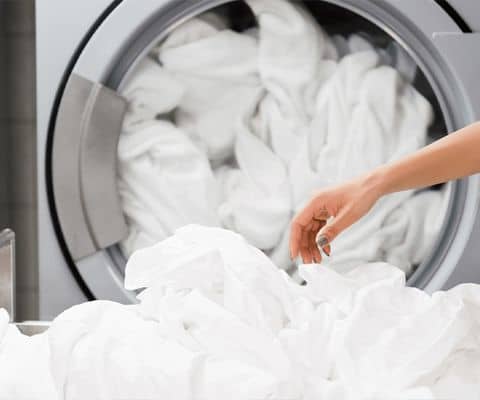
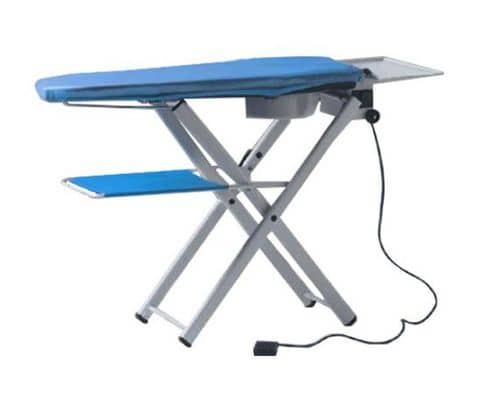
Hotels continuously generate textiles: bed linens, towels, table linens, and, depending on the operation, other laundry items. If a significant portion of these is cleaned in-house, the laundry facility becomes a separate production area. Washing machines and dryers must be sized to handle the daily laundry volume. A high washing capacity is of little use if the subsequent drying process is significantly slower. Flatwork irons and ironing equipment can handle additional process steps when the relevant textiles are processed on-site. The entire cycle is crucial: collecting used linens, sorting them, washing, drying, or processing them, storing them, and redistributing them to housekeeping or food service. Clean and used textiles require traceable routes and separate areas.
Don't base laundry capacity solely on the number of rooms
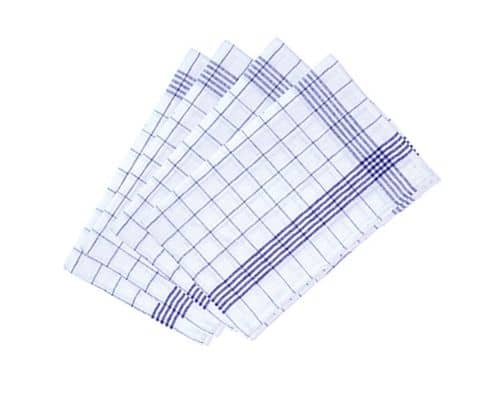
The number of hotel rooms is an important starting point, but it does not fully reflect the actual linen requirements. Restaurants and events can generate a need for tablecloths and napkins. Spa areas require additional hand towels or bath towels. Seasonal occupancy rates and length of stay also influence the daily laundry cycle. Therefore, it is important for planning to know how many kilograms or loads are actually processed per workday. Reserve linens also play a role. A hotel needs sufficient inventory to ensure that rooms and service areas can continue to operate while some of the linens are being laundered or processed. Too little reserve increases time pressure; conversely, very large inventories tie up storage space.
Optimize restroom facilities for foot traffic and ease of restocking
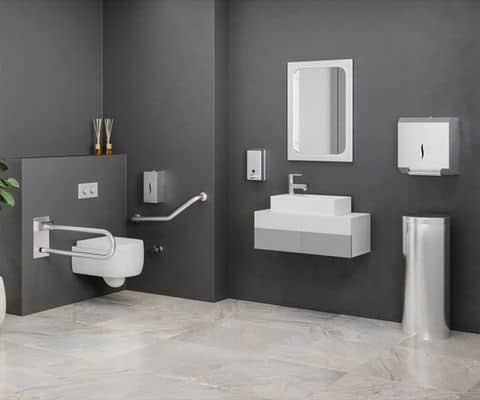
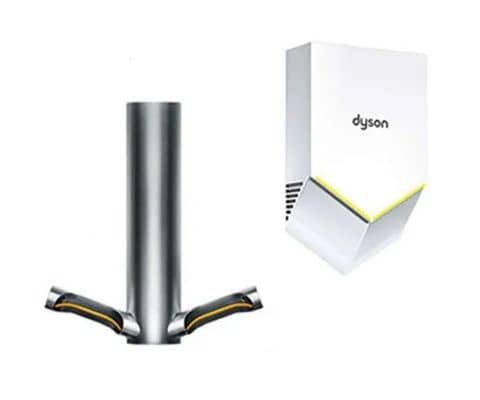
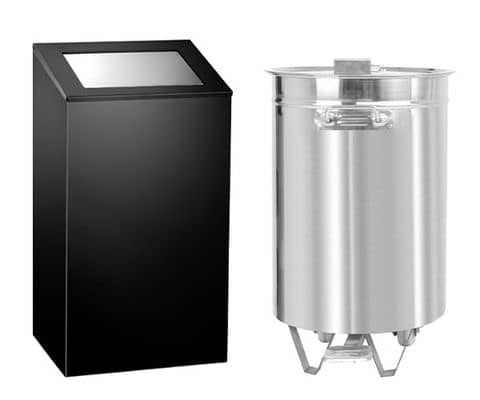
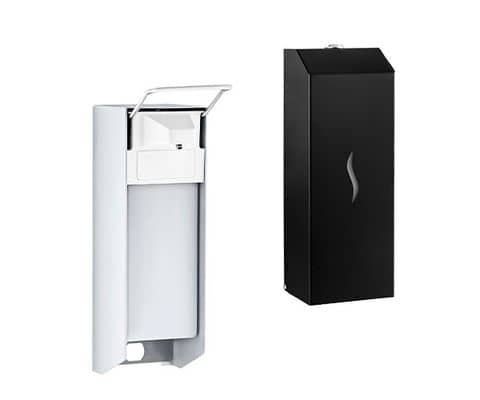
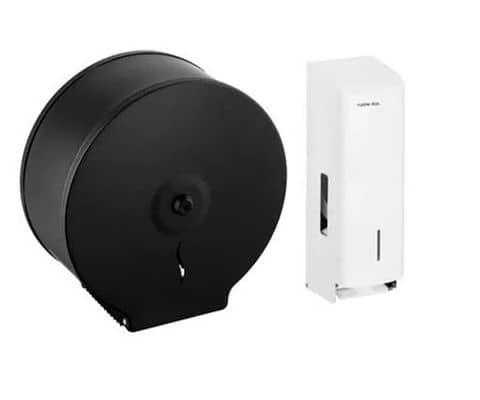
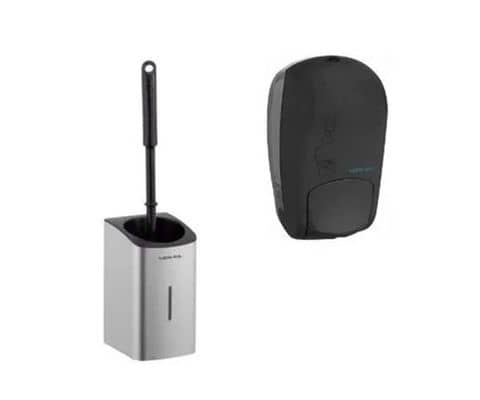
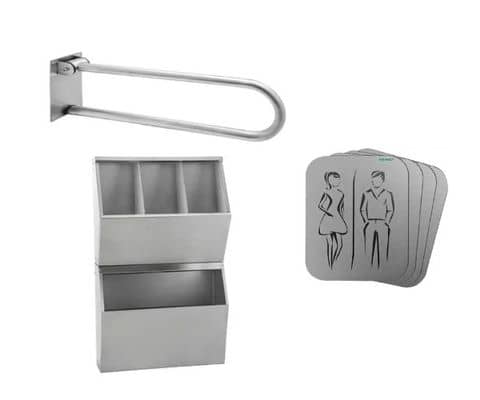
Public restroom areas are among the most noticeable areas of a hotel. Hand dryers, paper towel dispensers, soap and hand sanitizer dispensers, toilet paper dispensers, and trash cans must be sufficient for the daily volume of guests. In addition to capacity, the ability to refill them is important. A small dispenser may be sufficient in a less-frequented area, whereas the same solution would need to be checked very frequently next to a large conference or event hall. The equipment should therefore be adapted to the actual usage of each area. The placement of trash cans and cleaning supplies also affects how quickly housekeeping or cleaning teams can check these areas and restock them.
Design the wellness and spa area as a separate guest area
Hotels with wellness or spa facilities create an additional operational area with its own specific requirements. Beverages, water, juices, or light refreshments can be just as important there as the right glasses, bottle coolers, or bar refrigeration. However, the workspace differs from that of a traditional hotel bar. The focus is often more on quiet, compact service within the wellness area. Cooling and serving should therefore be organized on-site whenever possible, without requiring long trips through the hotel for every order. Hand towels and bath towels also increase the laundry turnover and must be incorporated into the housekeeping and laundry workflow. In this way, the wellness area is not viewed in isolation but as an integral part of the hotel’s overall operations.
Planning Hotel Areas Based on Changing Load Profiles
One of the most distinctive features of hotel operations is the fluctuation in workload throughout the day. In the morning, guests are concentrated around breakfast and check-out. During the day, housekeeping and, if applicable, conferences take place. In the afternoon, room occupancy and guest arrivals shift, while the restaurant and bar prepare for the evening. Events can further alter this basic structure. Facilities should therefore not be optimized exclusively for a single moment. Solutions that support different phases of the day—or whose capacities complement each other effectively—are particularly useful. At the same time, critical areas must have sufficient reserve capacity. For example, if breakfast service, a conference, and the restaurant are all using the same dishwashing equipment at the same time, its capacity must be able to handle the combined peak load.
Designing Flushing Systems for Cross-Functional Applications
In hotels, dishware comes from a variety of sources. Breakfast generates a large number of plates, cups, and glasses in a short period of time. The restaurant and bar add other types of dishware. Conferences require coffee cups and glasses, while banquets can also generate large quantities of serving and kitchenware. Dishwashing capacity should therefore not be based solely on the number of seats in the restaurant. The key factor is which areas are generating return loads at the same time. Separating glassware and dishwashing may also be relevant, depending on the operation. A well-organized dishwashing zone keeps clean items continuously in circulation and prevents used items from blocking work or traffic areas.
Reduce travel distances between hotel areas
Hotels often span multiple floors and consist of physically separate areas. This results in significantly more internal transport routes than in a compact restaurant. Breakfast items must be taken to the buffet, beverages to the conference, laundry to the rooms, dishes back to the dishwashing area, and banquet equipment to event rooms. Transport carts and clearly defined storage locations can help organize these routes. Items used particularly frequently should be stored as close as possible to their respective areas of use. Not all inventory needs to be centralized in a single location. A well-planned, decentralized supply system reduces walking distances and eases the workload on employees without creating uncontrolled duplicate stock.
Prioritizing Hotel Amenities Based on Cost-Effectiveness
When opening a new hotel, not all areas of the hotel need to be given the same investment priority. The key factor is the hotel’s specific business model. A business hotel with a strong conference business has different priorities than a vacation hotel with an extensive breakfast menu and wellness area. A city hotel without its own restaurant, on the other hand, requires less kitchen equipment but may have higher demands on breakfast service, the minibar, and housekeeping. Investments should take priority where many guests or employees are affected on a daily basis and where a bottleneck would immediately disrupt operations. A process analysis is therefore also worthwhile when undertaking renovations. Long wait times at breakfast do not automatically mean that the buffet is too small. Perhaps there is a shortage of coffee service or tableware. Delays in housekeeping may stem from long laundry routes. Problems during conferences may arise from a lack of beverage supplies directly in the event area. The right investment addresses precisely these daily friction points.
Equip Your Hotel Professionally with GGM Gastro
Operational processes and amenities vary considerably, ranging from smaller hotels that serve breakfast to establishments with restaurants, bars, conference rooms, event spaces, and wellness facilities. The right hotel amenities are therefore determined by the number of rooms, guest volume, range of services, dining areas, and peak times. GGM Gastro offers professional equipment for the food service and hotel industries—ranging from coffee, refrigeration, and service solutions to minibars and conference equipment, as well as housekeeping, laundry, sanitation supplies, and cleaning technology. This allows for the needs-based equipping of both complete functional areas in a new opening and individual hotel areas during modernization or expansion.