


:quality(70))
:quality(70))


Pizza Ovens for Professional Restaurants
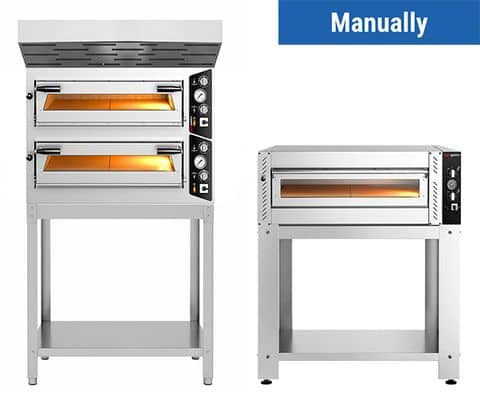
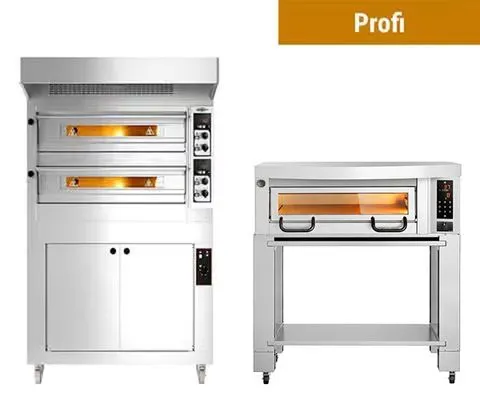
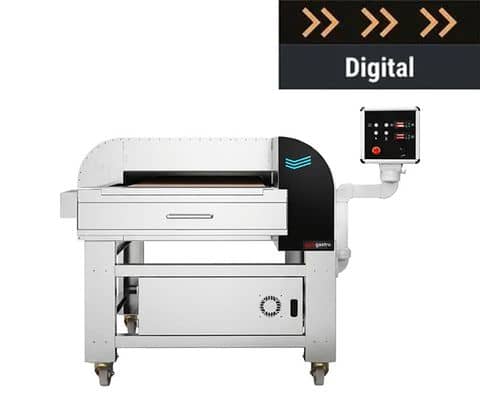
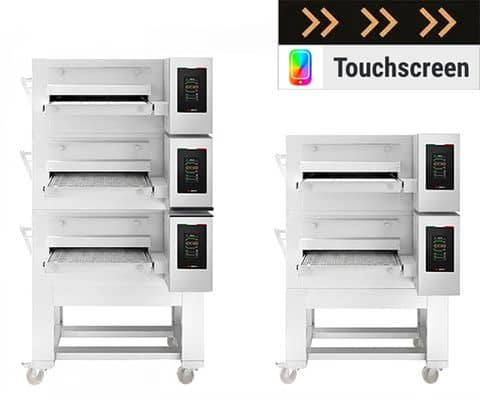
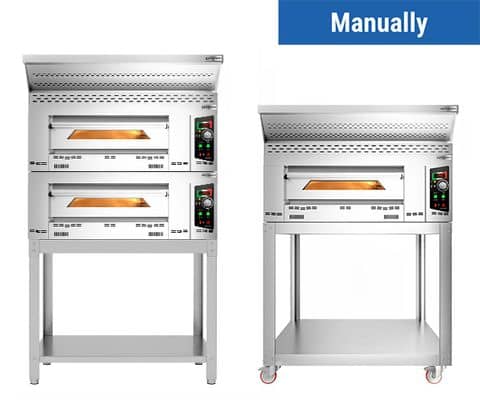
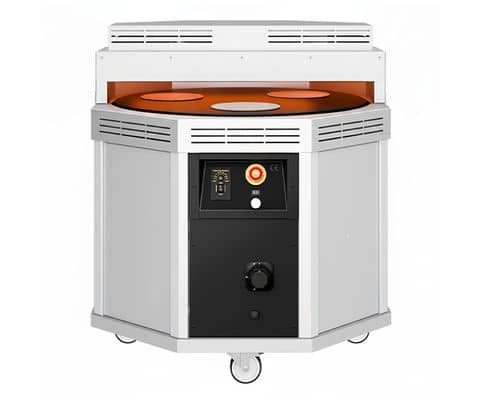
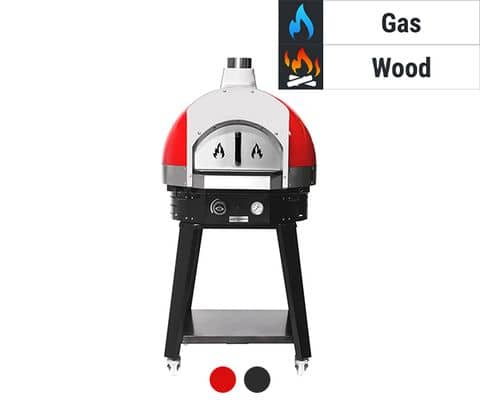
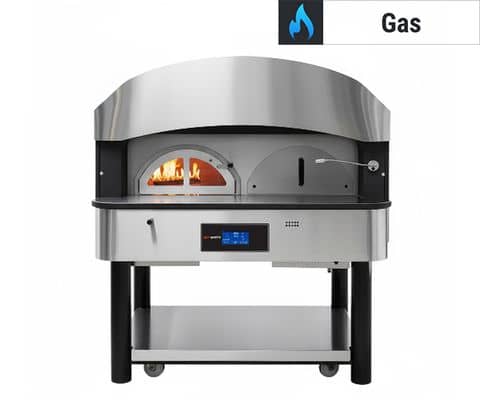
Pizza ovens enable consistent and predictable pizza production in pizzerias, restaurants, snack bars, delivery services, and other food service establishments. Depending on the size of the business, connection type, and desired capacity, you can choose from compact models, single-chamber and double-chamber ovens, as well as conveyor ovens. Pizza Oven Guide »






Accessories







Pizza ovens as a central part of the production line
Pizza ovens are commercial baking appliances designed for high temperatures, short baking times, and consistent results in professional settings. They are used wherever pizza needs to be produced regularly, with consistent quality, and within predictable time frames.
In day-to-day operations, the oven plays a key role in determining how many orders a kitchen can process during peak hours. It’s not just the maximum temperature that matters. The decisive factors are the interplay of baking chamber size, heat distribution, preheating time, and the ability to maintain a stable temperature even when the oven is opened frequently.
In a smaller pizzeria, a compact single-chamber oven may be sufficient if the order volume remains manageable. For busy evening service or an additional delivery service, a double-chamber oven offers more flexibility because both chambers can be used independently of each other. Conveyor ovens are particularly well-suited for standardized processes with consistent baking times and higher volumes.
Choose the Right Power, Oven Chamber, and Connection
The choice of a pizza oven depends primarily on the establishment’s actual workload profile. The key factor is not the average number of orders per day, but rather the number of pizzas that must be baked during the busiest 30- to 60-minute period.
Key decision criteria include:
- Number and diameter of pizzas per baking cycle
- One or two separately controllable baking chambers
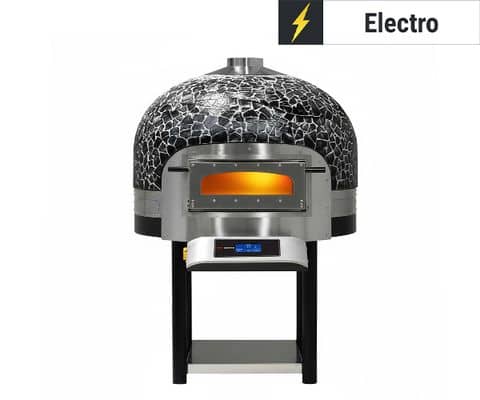
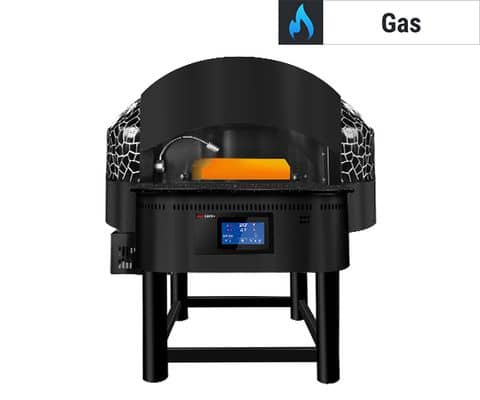
- Power supply: 230 volts, 400 volts, or gas
- Maximum temperature and power rating
- External dimensions, footprint, and required exhaust ventilation
A 230-volt pizza oven can be a practical choice for smaller operations or as a supplementary pizza offering. For higher utilization, 400-volt models typically offer more power reserve. Gas-powered pizza ovens are a viable option where the appropriate infrastructure is available and the business concept is designed to accommodate them.
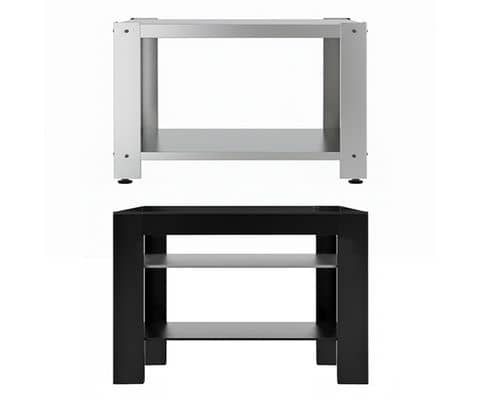
Before purchasing, you must also check the delivery route, door widths, and the intended installation location. A high-performance oven requires sufficient clearance, a sturdy base, and—depending on the model—a suitable exhaust solution. Suitable base units provide a safe working height and additional storage space.
Fireclay and temperature control for consistent results
Many professional pizza ovens feature a firebrick floor or a baking chamber fully lined with firebrick. The material stores heat and transfers it evenly to the pizza crust. This makes it easier to control even browning, especially during periods of high volume.
Separately adjustable top and bottom heat make it easier to adapt to different dough thicknesses, toppings, and pizza sizes. A thin pizza requires a different heat distribution than a pizza with heavier toppings. Digital controls support precise adjustments, while mechanical controls are suitable for simple and intuitive operation.
Viewing windows and interior lighting help monitor the baking process without unnecessarily opening the door. This helps maintain a stable temperature and reduces heat loss during operation.
Integration into the workflow
A pizza oven only operates efficiently if the stations before and after it are tailored to its capacity. Loading must occur quickly enough, and the serving station must not hold up the finished pizzas. During peak hours, the bottleneck therefore does not always occur in the oven itself, but often at the work surface or during the handoff.
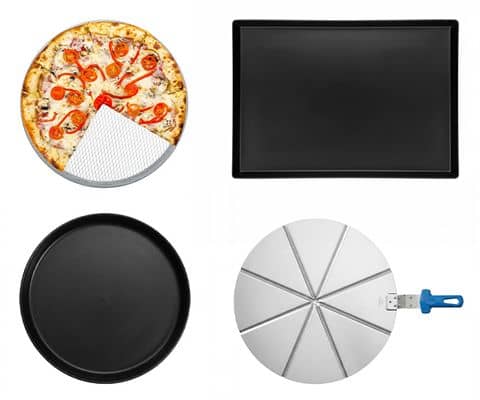
A thoughtfully arranged pizza cooling table solution provides direct access to chilled ingredients. Sturdy stainless steel furniture provides hygienic work and storage surfaces. Pizza peels and accessories must also be within easy reach and selected to fit the size of the oven chamber.
Short distances between the preparation station, the oven, and the serving area make the team’s job easier. A clear layout is especially important in small kitchens so that employees do not get in each other’s way when loading, checking, and removing pizzas.
Cleaning, Durability, and Cost-Effective Operation
Pizza ovens are constantly exposed to heat, flour dust, grease, and mechanical stress. Smooth exterior surfaces, easily accessible controls, and a sturdy door mechanism make daily cleaning easier. Loose baking residue should be removed regularly. Firebrick surfaces require care appropriate for the material and should not be treated like smooth stainless steel surfaces.
A properly sized oven ensures consistent operations and reduces backlogs during peak hours. Units that are too small quickly lead to wait times, while oversized models can unnecessarily tie up space and power capacity. A cost-effective solution is one that reliably meets current demand and offers a realistic reserve for busier days or future expansion.
Quick Checklist for Selection
Before making a decision, consider these five factors to help you assess your options:
- Actual pizza volume during the busiest hour
- Standard pizza sizes and required baking surface area
- Available electricity or gas connection
- Space requirements, including the base frame and exhaust vent
- Ease of operation, cleaning, and use by rotating staff
Tailoring Pizza Ovens to Your Business
The right pizza oven combines sufficient baking capacity with stable temperature control and an operating system that fits your team and business model. By considering the connection type, chamber size, pizza size, and peak load together, you can create a solid foundation for consistent quality and predictable workflows in daily operations.