


:quality(70))
:quality(70))


Pizza cutters for restaurants and pizzerias
Pizza cutters make it possible to quickly and precisely slice freshly baked pizza in a professional kitchen setting. Depending on your workflow, there are various blades, cutting wheels, and pizza shears available for regular use. Pizza Cutter Guide »


Product material
Width
Depth
Height
Price
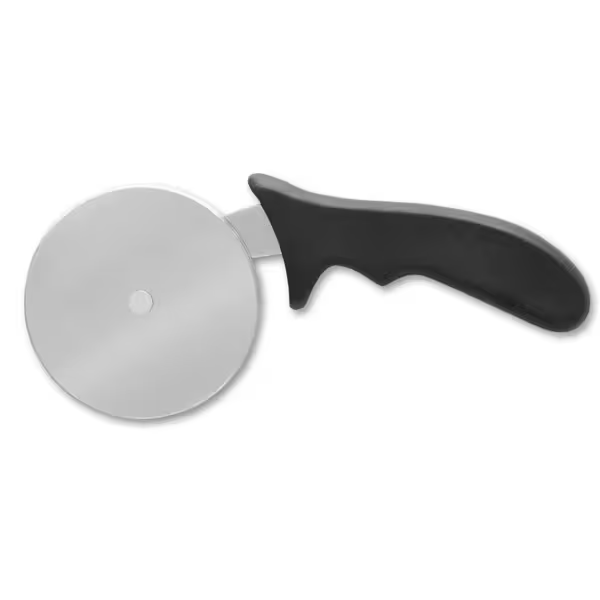
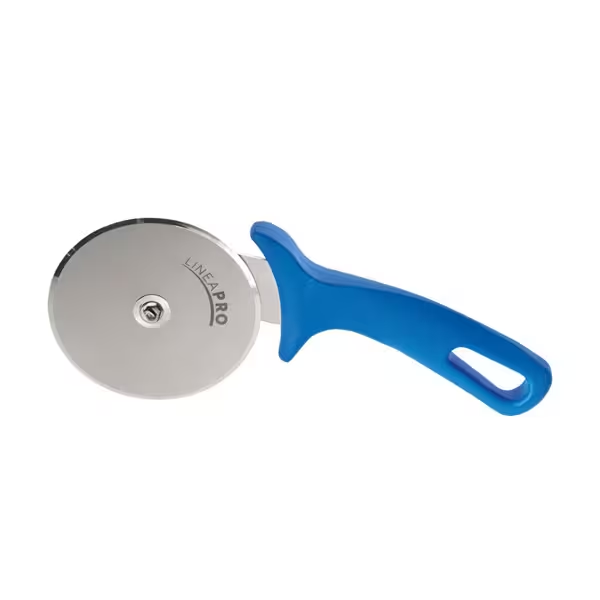
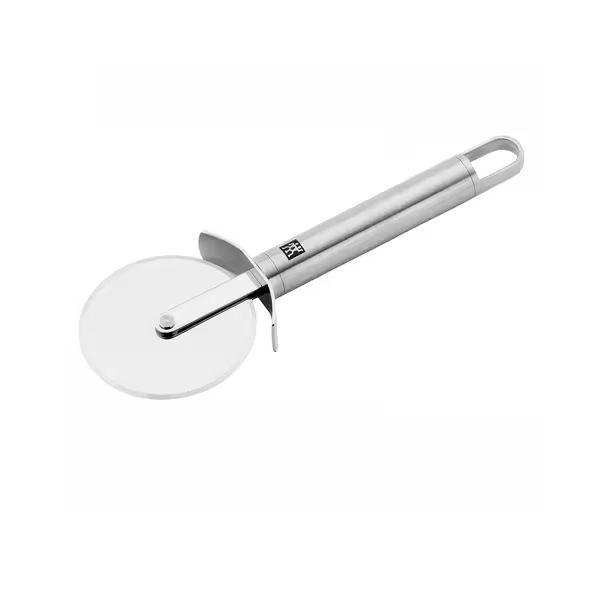
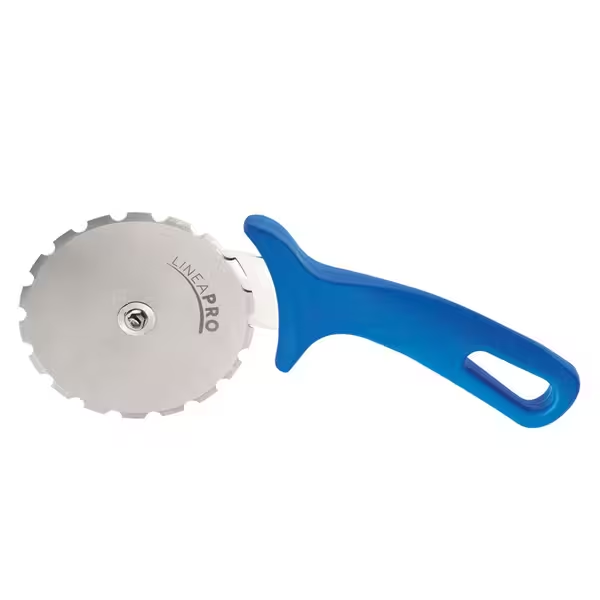
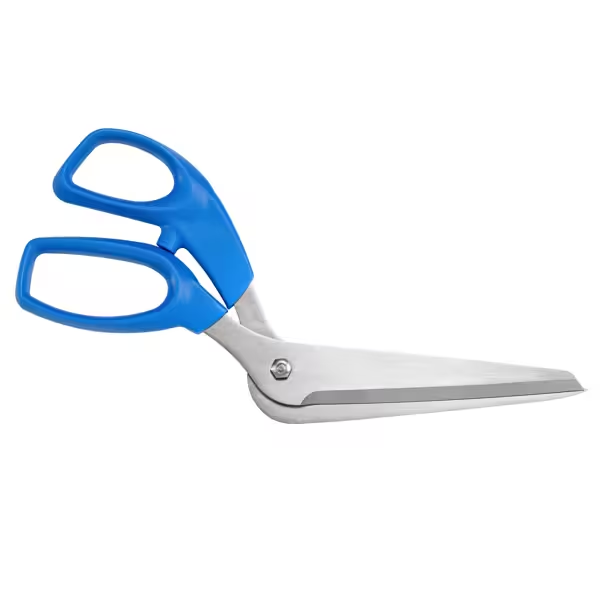
Pizza cutter for precise portioning in everyday restaurant operations
A pizza cutter is a manual cutting tool used to slice fully baked pizza into portions. In pizza shops, restaurants, snack bars, takeout establishments, and other professional kitchens, it helps quickly divide pizza into even slices and keep the workflow at the serving counter organized.
Ease of use is especially important when handling large volumes of pizza. During peak hours, the tool must be within easy reach, easy to control, and quickly available for the next task after cutting. A classic pizza cutter with a round cutting wheel takes up very little space at the workstation and can be integrated directly into the topping or serving station.
It’s crucial that the pizza cutter is suited to its actual use. A business with just a few orders per day has different requirements than a pizzeria where many pizzas are portioned one after another during the evening rush.
Which blade fits your workflow?
When making a selection, the blade design, diameter, material, handle, and ease of cleaning are particularly important factors. The current product line includes, among other things, models with a cutting wheel approximately 100 mm in diameter. This size provides sufficient contact surface for typical pizza sizes while remaining compact and easy to handle.
Smooth cutting wheels are suitable for an even, continuous cut. Ribbed or serrated versions can provide a better grip on the food being cut. Additionally, pizza shears are available, which allow the pizza to be cut in a controlled manner between the blades.
To help you decide, here’s a quick checklist:
· How many pizzas are cut during a typical peak period?
· Do you prefer a smooth, ribbed, or serrated blade?
· Is a cutting wheel measuring approximately 100 mm suitable for the pizza sizes used?
· Is the blade easy to reach or remove for cleaning?
· Does the handle feel secure and comfortable in the hand, even with repeated use?
Stainless Steel: Properly Assessing Cleanability and Durability
When it comes to frequently used kitchen tools, the choice of material is primarily a matter of suitability for everyday use. Stainless steel blades are ideal for commercial kitchen use because they combine durable surfaces with easy cleanability. Some models, for example, use AISI 420 stainless steel for the blade.
Equally important is the design around the cutting wheel. Grease, cheese, sauce, and dough residue can accumulate in the area where the blade is mounted. Models with a removable or detachable blade make cleaning easier. This is particularly important if the pizza cutter is used several times a day and regularly sanitized.
The handle should also be suited to the demands of use. Plastic handles can be easy to clean and simple to handle. What matters most is not so much the material itself as a sturdy connection between the handle and the blade, as well as a shape that supports precise, controlled cutting.
Short distances make the pizza cutter more efficient in operation
A pizza cutter doesn't require a permanent installation and takes up very little counter space. Still, its location should be chosen carefully. In a busy pizzeria, it belongs where the baked pizza is sliced—not in a drawer far away. Short reach distances reduce unnecessary movements and help keep the serving process organized, even during peak order volumes.
A clear sequence of steps makes sense: remove the pizza from the oven, place it on a suitable surface, cut it, and serve or package it immediately. Pizza peels and other accessories should also be organized within easy reach so that the oven, cutting station, and serving area do not get in each other’s way.
At workstations where dough is also prepared, cutting tools for finished pizzas should be clearly separated from tools such as rolling pins and dough rollers should be stored separately. This improves visibility and supports a clean, organized workflow.
Make economically sound choices instead of upgrading unnecessarily
With a pizza cutter, the economic benefit lies not in complex technology, but in reliable performance. The right model ensures even slices, avoids unnecessary interruptions, and can be easily integrated into existing workflows.
For smaller establishments, a simple, sturdy pizza cutter may suffice. With frequent use, however, build quality, blade design, ease of cleaning, and comfort of use become more important. The cheapest model is therefore not automatically the best choice if it does not meet the demands of a busy daily operation.
The rest of the pizza station should also be well-organized. Dough containers for prepared dough pieces or production-line refrigeration can support the workflow without the pizza cutter itself becoming a complex planning issue.
Choose a pizza cutter that's right for your business
The right pizza cutter depends primarily on frequency of use, blade type, cutting wheel size, material, and cleaning requirements. By comparing these factors with your actual workflow, you’ll find a solution that’s easy to use, takes up little space, and can be reliably integrated into your daily pizza service.