


Café Equipment for Professional Food Service
From espresso machines and cake display cases to refrigeration and dishwashing equipment: Well-designed café furnishings integrate beverage preparation, presentation, light meals, and service into a seamless workflow. Which equipment makes sense depends primarily on the beverage menu, food offerings, guest volume, available space, and the ratio of dine-in to takeout business. Café Guide »
Basic equipment









Other Equipment





Small parts & accessories






Setting Up a Café: Planning the Furnishings Based on What's Available
Professional café equipment includes the technology and workstations for preparing coffee and beverages, refrigeration, presentation, snack preparation, service, and cleaning. Depending on the concept, cakes, breakfast items, sandwiches, waffles, crêpes, or other small dishes can complement the classic coffee menu. A small coffee-to-go concept has different requirements than a café with table service, an extensive selection of cakes, and a breakfast menu. Even the number of seats alone says little about what equipment is needed. The key factor is which products are ordered and prepared simultaneously within a short period of time. In a café in particular, multiple processes often overlap: While espresso is being brewed and milk is being frothed, slices of cake are being served, drinks are being charged for, and snacks may be being heated at the same time. Good planning separates these work steps where they would hinder one another and combines them where short distances make sense.
The coffee station as the heart of the café's operations
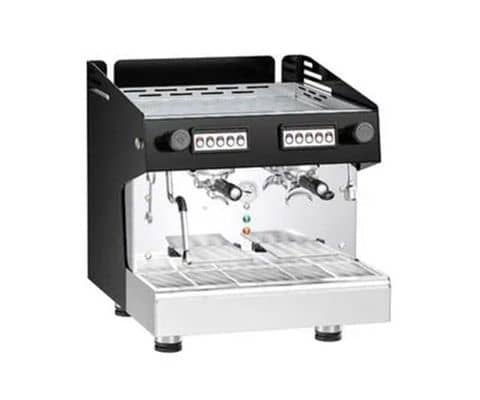
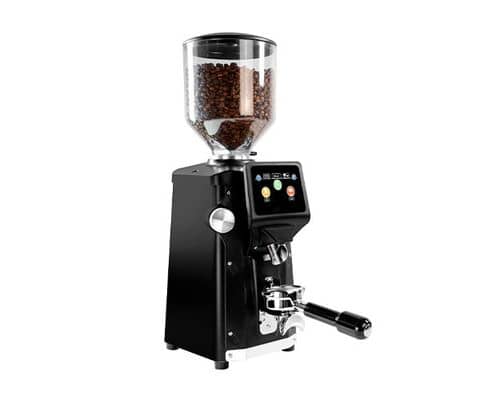
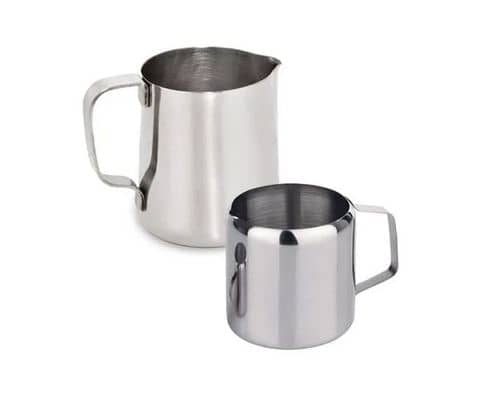
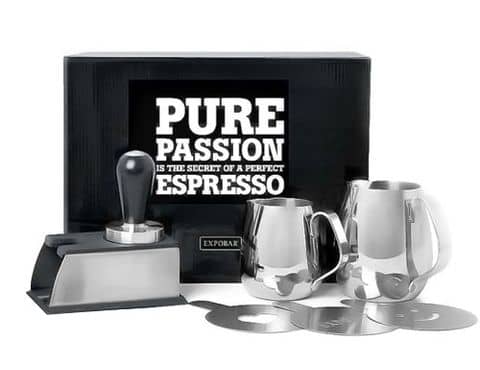
For many cafés, the portafilter machine is the centerpiece of beverage preparation. Its size and design should be suited to the expected order volume and the team’s workflow. When order volume is high, it’s not just about how many espressos can technically be brewed. What matters is the entire process—from grinding and dosing to brewing, frothing milk, serving, and cleaning. If, for example, the coffee grinder, milk, or cups are poorly positioned, it’s not the machine itself but the workstation that becomes the bottleneck. Coffee grinders therefore functionally belong to the same station. Depending on the menu, different beans or grind sizes may require additional organization. Sufficient work and storage space is also part of the coffee station. Cups, milk pitchers, tampers, portafilter holders, and other barista tools should be within reach where they’re regularly used.
Think About Water Treatment From the Very Beginning
Coffee consists largely of water. At the same time, water in professional coffee machines is constantly in contact with technical components. Appropriate water treatment is therefore part of the technical planning for a coffee station. The appropriate solution depends, among other things, on the existing water quality and the requirements of the machine being used. The space required for filtration equipment as well as water and wastewater connections must be taken into account during the initial setup. If the coffee station is set up first and the necessary infrastructure is added later, this can easily result in unnecessary piping routes or maintenance areas that are difficult to access. The machine’s location should therefore be chosen not only based on visibility, but also on workflow and technical requirements.
Keep milk, beverages, and ingredients cool right at your workstation
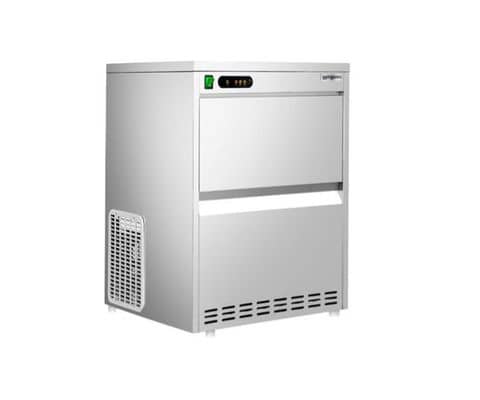
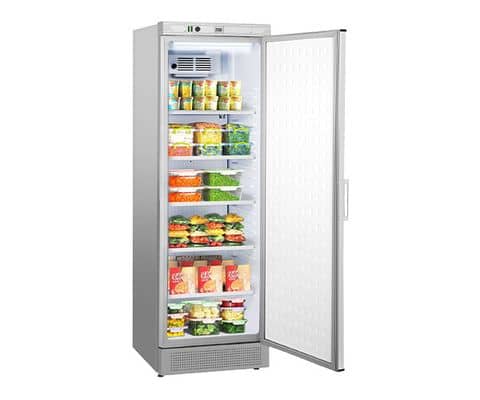
Cappuccino, latte macchiato, and other milk-based drinks are among the most common orders in many cafés. Milk must therefore be readily accessible without requiring staff to go to the cold storage area for every serving. Countertop refrigerators or other compact refrigeration solutions can store beverages and necessary products right next to the work area. At the same time, refrigeration near the production area serves a different purpose than storage refrigeration in the back. Larger stocks can be stored outside the immediate service area, while daily supplies remain available right where drinks and food are actually prepared. The same principle applies to juices, bottled beverages, plant-based alternatives, or chilled ingredients for snacks. Keeping frequently needed products within easy reach reduces the number of short trips during peak sales periods.
Quick Checklist for Choosing the Right Café Equipment
Five points to help you plan for your actual needs:
- Beverage menu: What percentage of your menu consists of espresso, milk-based drinks, tea, and cold beverages?
- Peak volume: How many orders do you need to process within a short period of time, for example, in the morning or afternoon?
- Food menu: Will the menu be limited to cakes and pastries, or will breakfast, sandwiches, waffles, and hot snacks be an integral part of the concept?
- Sales model: What is the balance between dine-in service and takeout?
- Space: How can the coffee station, display area, refrigeration, serving area, and sink be arranged without creating unnecessary cross-traffic?
These factors determine which equipment forms the core of the café’s operations and which appliances are relevant only for specific additional offerings.
Display cakes and desserts in a visible, refrigerated setting
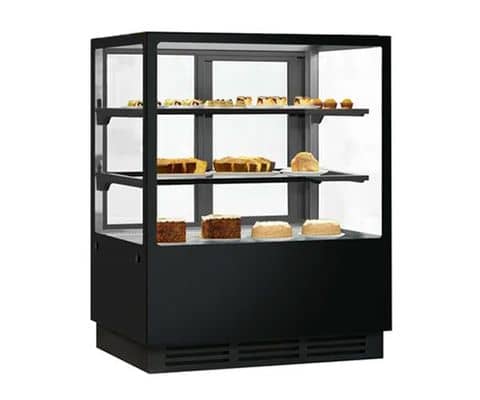
In addition to coffee, the display of cakes, pies, and desserts in many cafés directly influences purchasing decisions right at the counter. Cake display cases combine product presentation with temperature-controlled storage. When making a selection, available shelf space, the number and size of the products offered, and accessibility for staff play an important role. A large display case is not automatically the better solution. More display space also means more merchandise, more effort to restock, and more space within the sales area. The product assortment should therefore match actual demand. A compact, neatly arranged display is often easier to maintain and restock than an oversized one. The location within the counter is also crucial. Cakes should be visible without requiring staff to walk across the entire work area for every order.
Organize the serving of coffee and cake in a coordinated manner
A typical feature of this café is that different parts of an order come from different stations. For example, one guest might order a cappuccino and a slice of cake, while a second order consists of an espresso and a hot sandwich. To avoid unnecessary back-and-forth, the coffee station, display case, plate and cutlery area, and serving counter need to be clearly arranged in relation to one another. A clear division of space is especially important when there are multiple employees. One person can prepare beverages while another prepares cakes and food or handles serving. The work areas should be laid out so that no one has to constantly cross paths with another person’s workstation to perform routine tasks. In small cafés, one person often handles multiple tasks. In such cases, particularly short reach distances and a logical sequence of stations become especially important.
Plan a separate station for waffles, crêpes, and hot snacks
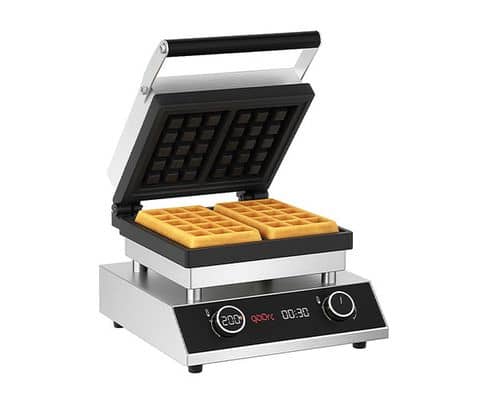
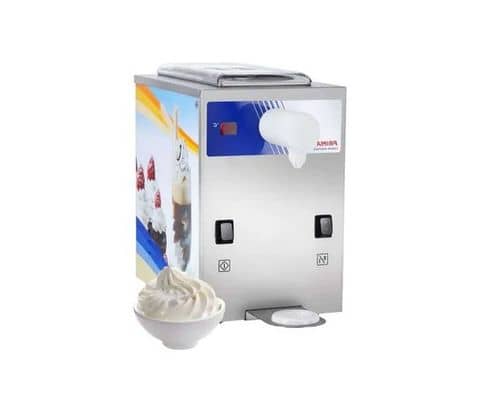
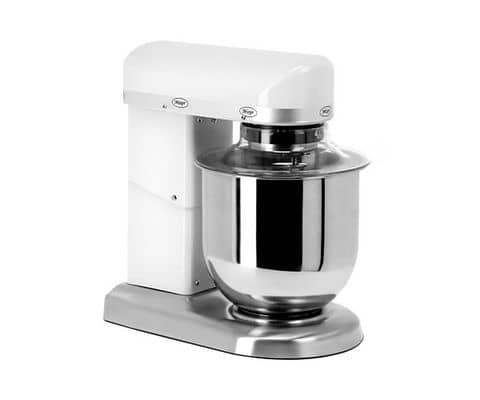
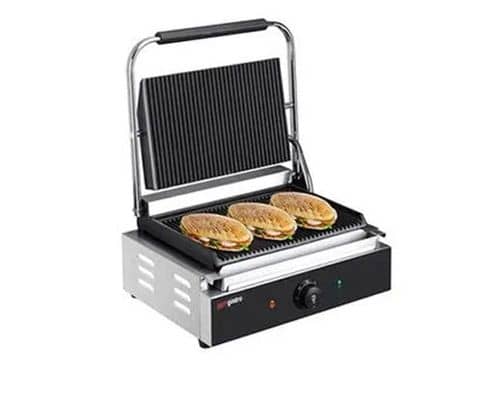
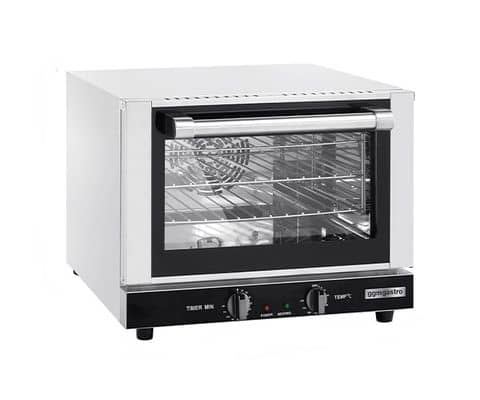
Additional food items can expand the café's menu, but they also involve new steps in the production process. Waffle irons & crêpe makers, for example, require batter, ingredients, workspace, cooking time, and subsequent topping. Depending on the concept, contact grills are suitable for paninis or other hot snacks, while compact convection ovens create additional options for baking or reheating. Such equipment works best when used regularly and has a designated workspace. A waffle maker placed right next to a heavily used espresso machine, on the other hand, can quickly lead to conflicts: ingredients, plates, and finished products all take up the same space, while multiple employees are working in a confined area. Additional offerings should therefore be evaluated not only based on what can be sold, but also on how well production can be integrated into the existing workflow.
Organize a breakfast and snack business with production-integrated refrigeration
Many cafés are expanding their menus to include breakfast, open-faced rolls, sandwiches, or small salads. As a result, preparation has become increasingly important. Cheese, cold cuts, vegetables, butter, spreads, and other ingredients require refrigerated storage and sufficient counter space. For businesses with regular snack service, it’s usually more efficient to keep the necessary ingredients right at the prep station rather than retrieving them from the central refrigerated storage for every order. Mise en place is then a key factor in determining service speed. Especially in the morning, a large number of coffee and breakfast orders can come in simultaneously. If the snack station is poorly prepared, wait times occur not at the coffee machine but while the food is being assembled. The capacity of the individual stations should therefore be coordinated to handle the same peak volume.
Integrate the takeout business into the counter from the very beginning
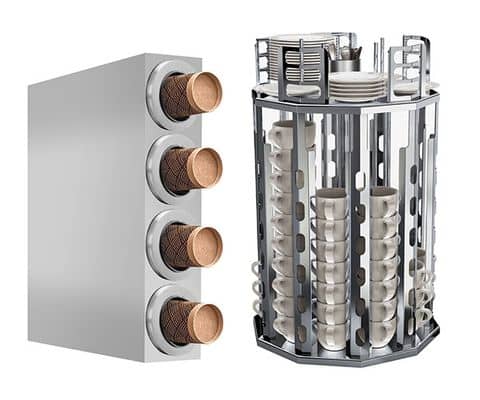
Cafés often combine dine-in service with takeout. This changes the requirements for serving and packaging. Cups, lids, napkins, carriers, and other takeout supplies need designated storage locations. If staff have to search for these items in boxes scattered across various work surfaces during service, each order requires additional steps. Especially during the busy morning rush, even a few seconds per order can make a noticeable difference. The ideal setup is one where prepared drinks and food can be handed over in an organized manner without customers reaching directly into the preparation area or blocking access to the cake display case. Payment processing and pickup must also be considered together. The best layout depends on whether ordering, payment, and pickup take place at one or multiple stations.
Viewing Tableware and Dishwashing Technology as Part of the Service Flow
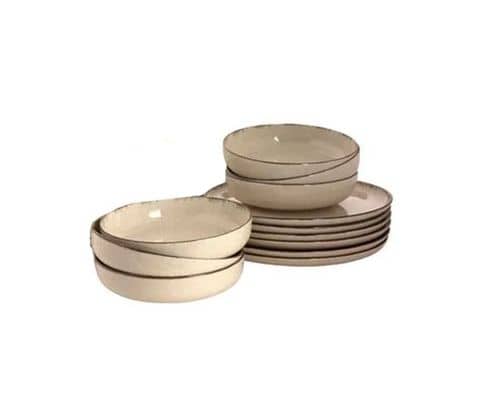
A café not only serves coffee and food, but also constantly generates used dishes. Cups, saucers, glasses, plates, cutlery, and milk pitchers must be returned to service quickly after use. A properly sized dishwasher is therefore not just a machine for the end of the day. Especially during the morning or afternoon rush, dishes can go through the same cycle multiple times a day. If the dishwasher’s capacity doesn’t match the number of guests and the amount of dishes in use, cups or glasses will eventually run out right when demand is at its peak. The return process is just as important. Dirty dishes should, if possible, not be transported through the area where drinks are being prepared or food is being served. Clear pathways between the dining area, the clearing station, the sink, and the clean dish area therefore help ensure a smoother service flow.
Don't underestimate the importance of the workspace around the coffee maker
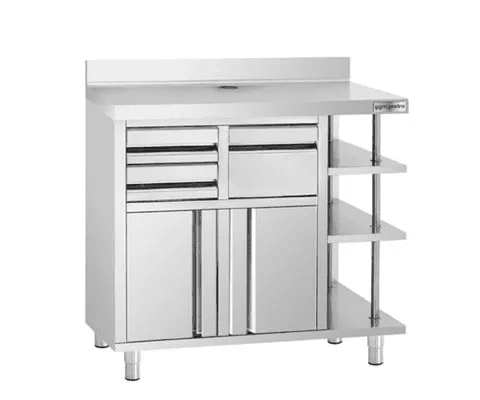
When planning, a lot of attention is often paid to the width of the coffee machine. However, the space around it is at least as important. The grinder, coffee grounds drawer, milk pitchers, cups, cleaning supplies, and possibly several bean containers all require space. Coffee base cabinets can help organize this station compactly while also accommodating necessary equipment or supplies. If storage space is lacking, improvised solutions quickly arise: Milk pitchers sit in front of the grinder, dirty portafilter holders block open spaces, or cups are stacked in areas that are actually needed for serving. Such minor friction points recur with every order. A clearly organized workspace is therefore an essential part of capacity planning.
Tailor café offerings to peak sales times
The day-to-day operations of a café can have very different peak load patterns. A downtown location might experience a heavy morning peak in coffee-to-go sales. A traditional café sees its busiest period in the afternoon. An establishment that serves breakfast and lunch, on the other hand, must handle different types of production across multiple time slots. Equipment should therefore not be based solely on average daily sales. The coffee machine, grinding capacity, refrigeration, cake display, dishwashing capacity, and, if applicable, snack preparation equipment must be able to handle the periods when a particularly high number of orders come in simultaneously. Having reserve capacity makes sense as long as it is used realistically. Oversized equipment, on the other hand, consumes space and capital that may be lacking elsewhere, especially in a compact café.
Enable cleaning during operation
Coffee grounds, milk residue, cake crumbs, and food scraps from snack preparation are part of daily café operations. The coffee station, display cases, refrigeration units, and food preparation equipment must therefore be easy to clean regularly without having to dismantle the entire workspace. The coffee station requires special attention. It is used intensively for many hours and must remain clean and ready for use throughout service. Milk pitchers and other work equipment also need a clear path back to the sink. If used utensils are simply piled up next to the machine, the usable work surface shrinks with every order. A well-designed café layout therefore creates designated areas for clean and used work equipment.
Prioritize Café Equipment Based on Cost-Effectiveness
When opening a new location, it is not necessary to immediately provide full technical support for every possible food and beverage category. Priorities are determined by the business model. For a coffee-focused concept, the coffee machine, grinder, water treatment system, production-related refrigeration, and sink are central. A café with a strong selection of cakes also requires appropriate presentation. For businesses with an extensive breakfast or snack menu, preparation and cooking techniques become more important. The key is to first reliably equip the processes that handle the bulk of daily business. Even when modernizing, it’s worth focusing on the actual bottlenecks. Long wait times don’t automatically mean a larger espresso machine is needed. Perhaps the grinder is too slow, the milk station is too far away, the cake display area blocks the barista’s workspace, or there aren’t enough clean cups during peak hours. The economically sound investment reduces precisely these recurring bottlenecks.
Equip Your Café Professionally with GGM Gastro
From small coffee-to-go locations to classic cafés offering cakes, all the way to establishments serving breakfast, snacks, and an extensive beverage menu, workflows and requirements vary significantly. The right equipment is therefore determined by order frequency, product selection, available space, and the interplay between production and service. GGM Gastro offers commercial equipment ranging from portafilter machines, coffee grinders, and water treatment systems to cake display cases and bar refrigeration, as well as waffle and crêpe machines, compact ovens, and professional dishwashing equipment. This allows for the customization of both central workstations for a new opening and individual areas during modernization or product line expansion, tailored to specific needs.