


Bar and Conference Refrigerators for the Food Service, Hospitality, and Conference Sectors
Bar and conference refrigerators keep beverages cool right where they need to be quickly accessible during business operations: at the bar, in the service area, in hotels, in lounges, or in meeting rooms. They help minimize walking distances, ensure organized stocking, and support professional beverage service in everyday commercial settings. Bar & Conference Refrigerators Guide »





Bar and Conference Refrigerators: Compact Beverage Cooling Solutions for Professional Settings
Bar & conference refrigerators are compact commercial refrigerators designed for the convenient storage and display of beverages in bar, service, hotel, and conference areas. They are used when bottles, cans, or small containers need to be kept cold, neatly organized, and easily accessible without having to walk long distances.
In bars, restaurants, cafés, hotels, clubs, lounges, cafeterias, or seminar areas, these refrigerators serve a clear purpose: they bring chilled beverages directly to the point of service. Behind the bar, a bar refrigerator reduces the distance between the main refrigeration unit and the serving area. In a conference room, a conference refrigerator ensures that water, soft drinks, or juices are discreetly available without disrupting the flow of meetings or events.
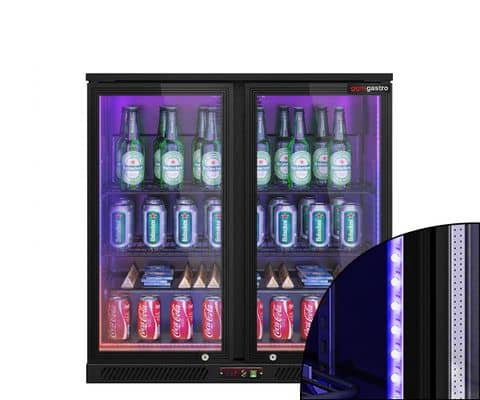
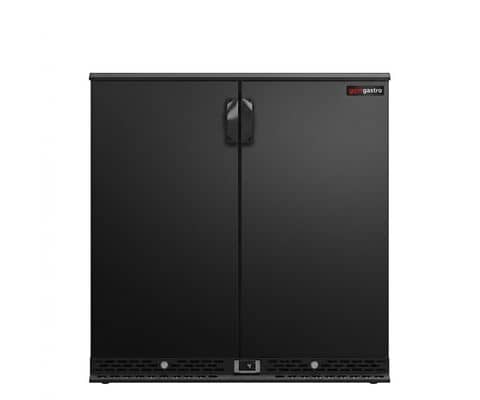
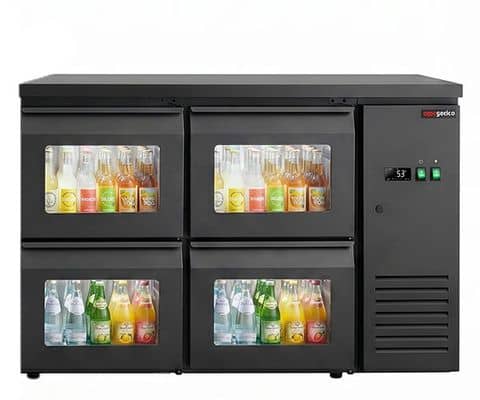
It’s important to choose the right model for the location. A model with sliding glass doors is particularly suitable for narrow counter areas because the doors don’t require additional space to open. Glass hinged doors offer a clear view of the contents and make it easier to monitor inventory. Solid doors have a more understated appearance and fit well in areas where beverages are not meant to be displayed. Drawer solutions provide organized access when bottles or cans need to be kept separate by type.
Which design works best for a bar, counter, and conference room
The right choice starts with space, accessibility, and frequency of use. In a busy bar, what matters most is how quickly drinks can be retrieved and restocked. Width, door type, interior layout, and usable capacity all play a role in determining whether the team can work calmly during peak hours or is slowed down by searching, rearranging, and unnecessary trips.
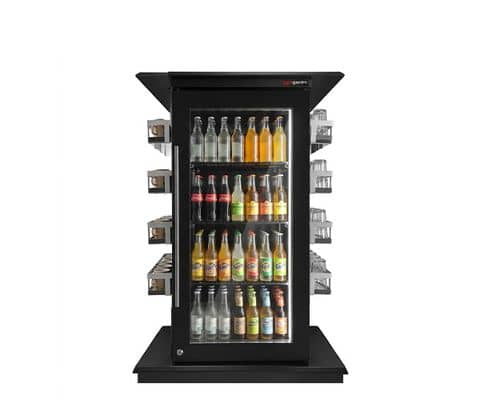
For smaller counter spaces, compact units with a narrow width are ideal. In longer back-of-house areas or hotel bars, wider bar refrigerators with multiple doors can accommodate a broader product range. Models with LED interior lighting improve visibility and make bottles in the display area look well-presented. Adjustable shelves help neatly organize different container types, such as long-neck bottles, water bottles, cans, or small juice bottles.
In conference areas, the focus shifts: Here, a discreet appearance, adequate capacity, ease of use, and seamless integration into the space are more important than maximum product display. For hotels, conference centers, offices, or reception areas, a conference refrigerator can simplify beverage service without requiring service staff to constantly restock.
A quick checklist makes the initial selection easier:
-
Choose the door type based on space: sliding door for narrow counters, hinged door for easy access
-
Plan the usable capacity based on peak times, not just the daily average
-
Tailor the interior layout to bottle heights, cans, and the range of products
-
Check installation dimensions, ventilation, and the 230-V connection early on
-
Consider visibility and cleaning requirements for glass fronts
When properly integrated, bar and conference refrigerators reduce the distance staff must travel while serving customers
A bar refrigerator is more than just an additional beverage cooler. When positioned correctly, it becomes part of the service workflow. During the evening rush, the team can retrieve beverages directly from the back buffet instead of making multiple trips to the storage cooler. This reduces the number of trips, keeps the bar counter tidier, and helps ensure a more consistent flow of service.
Planning also plays a role when restocking. Storing frequently sold beverages at hand level reduces search time. Less popular varieties can be placed lower down or in separate sections. During high-volume periods, it makes sense to combine the bar refrigerator with a beverage refrigerator or a separate storage cooler: The bar refrigerator then serves as the quick-access station, while larger quantities are stocked in the back.
In hotel and conference areas, the primary benefit comes from organized self-service or pre-set beverage stations. A conference refrigerator can be placed in meeting rooms, lounges, or break areas to keep small quantities of beverages available. In these settings, the focus is less on quick service and more on a consistent, reliable supply over several hours.
Hygiene, Cleaning, and Durability in Daily Use
Bar and conference refrigerators are frequently opened, restocked, and cleaned in everyday commercial use. Therefore, easily accessible interiors, smooth surfaces, sturdy shelves, and a robust door mechanism are important selection criteria. In bar areas, additional challenges include moisture, splashes, sticky bottles, frequent customer contact, and cleaning chemicals. The units must remain reliable and easy to operate under these conditions.
Glass fronts facilitate visual inspection but require regular cleaning to ensure the display area looks well-maintained. With solid-door units, discreet storage takes center stage. For heavily used counter areas, clear cleaning routines are essential: remove bottle residue, wipe down shelves, monitor condensation, and keep ventilation areas clear.
During installation, the surrounding environment is just as important as the unit’s dimensions. An appliance installed under the counter or in the back buffet requires adequate airflow to maintain stable cooling performance. Connection is typically straightforward via a 230 V outlet; however, cable routing, accessibility, and cleaning pathways must align with the overall counter design. When combined with stainless steel furniture, work surfaces, refrigeration, and storage space can be seamlessly integrated into a functional service area.
Making Cost-Effective Choices: Considering Capacity, Access, and Operating Concepts Together
The right bar and conference refrigeration system helps ensure smoother operations when it is appropriately sized. Units that are too small result in frequent restocking, disorganized storage, and extra walking distance. Units that are too large take up space that is often in short supply behind the bar or in the conference area. Therefore, what matters most is not the maximum size, but the appropriate cooling capacity for the product selection, foot traffic, and installation location.
For bars and restaurants, quick access is key. For hotels and lounges, visual integration is also important. For conference rooms, compact dimensions, reliable cooling, and a quiet, understated appearance are important. Establishments with higher beverage demand can effectively combine bar and conference refrigerators with beer counters & keg coolers or bar & beverage refrigerated counters without compromising the core function of this category: The units in the bar and conference areas remain the direct-access solution at the point of service.
GGM Gastro offers a variety of designs, sizes, and configurations for professional applications. This allows you to plan your beverage cooling system to suit your business: compact for small counters, well-organized for service, discreet for conference rooms, and durable for daily commercial use.