


:quality(70))
:quality(70))


Tandoori Ovens for Professional Restaurants
Tandoori ovens are suitable for the commercial preparation of naan, meat skewers, vegetables, and other tandoori specialties. Key factors for selecting the right oven include power, dimensions, opening diameter, and how it integrates into kitchen operations. Tandoori Oven Guide »

Power
Temperature to:
Width
Depth
Height
Price
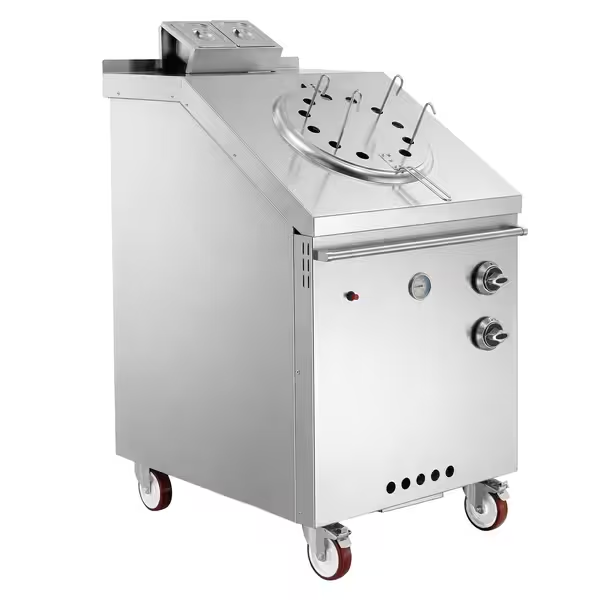
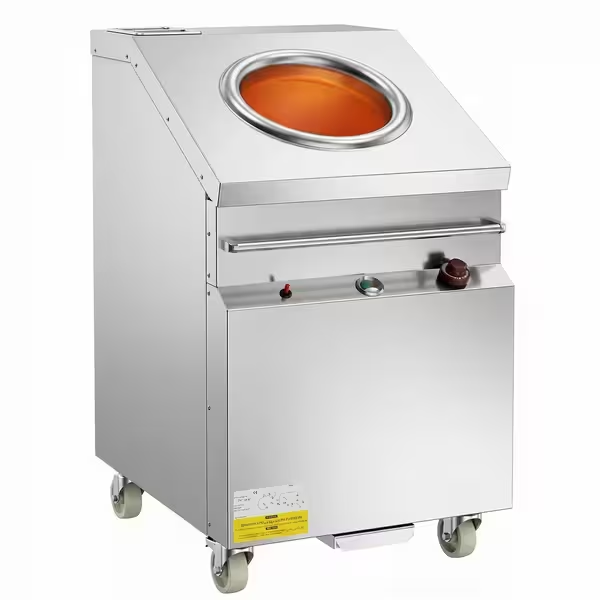
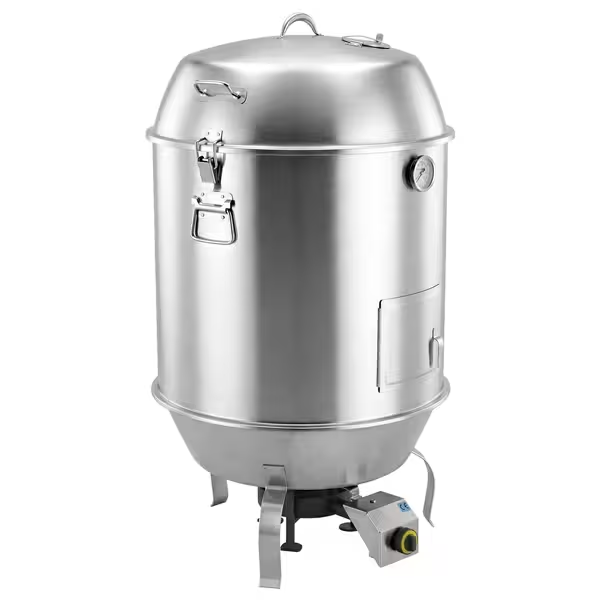
Tandoori ovens as specialized appliances for intense heat
Tandoori ovens are specialized vertical ovens in which food is cooked at high temperatures and bread is baked directly against the hot inner wall. They are primarily used in Indian, Pakistani, and Middle Eastern restaurants, snack bars, hotels, and specialized barbecue establishments.
The deep cooking chamber allows multiple skewers to be inserted from the top at the same time. Naan or roti, on the other hand, are baked against the inner wall of the clay pot. This combination makes the tandoori oven particularly appealing for establishments that want to prepare bread and marinated meat, fish, or vegetable dishes within a clearly organized production line.
During operation, it’s not just the achievable temperature that matters. What’s important is how evenly the heat is maintained, how quickly the oven returns to temperature after use, and how many orders can be reliably processed during peak hours.
Select the appropriate power rating, opening, and dimensions
Proper sizing depends on the menu, order volume, and peak demand. A compact model may be sufficient for a small snack bar with a limited selection of naan and skewers. In a busy restaurant, however, more cooking space is needed so that multiple portions can be prepared simultaneously.
Key decision-making criteria include:
- Gas output and available gas type
- Opening diameter and depth of the cooking chamber
- External dimensions, weight, and required floor space
- Number and length of usable skewers
- Scope of delivery, including lid, skewers, or naan accessories
A large opening makes it easier to insert and remove multiple skewers. At the same time, there must be sufficient headroom above the appliance. Especially in compact kitchens, the operating area must not be unnecessarily restricted by shelves, storage units, or the exhaust hood.
Safely Integrating Tandoori Ovens into the Workflow
A tandoori oven is operated from above and therefore requires a different workstation layout than a conventional oven. Marinated ingredients, prepared skewers, naan dough, and utensils should be arranged within easy reach without obstructing safe access to the hot cooking chamber.
During the evening rush, bottlenecks can quickly develop if skewers are first assembled at a distant station or if finished dishes have to be carried long distances to the serving area. A nearby work surface and appropriately sized refrigeration for prepared ingredients shorten distances and facilitate post-production.
Before installation, check the gas connection, combustion air supply, exhaust air ducting, and local safety regulations. The connection should be handled by a qualified professional. Adequate ventilation helps remove heat and vapors and contributes to a safe working environment.
Materials and Care in Daily Use
Many professional tandoori ovens combine a sturdy stainless steel outer casing with a clay pot inside. Stainless steel is resistant to heat, grease, and frequent cleaning. The clay interior retains heat and provides the typical baking surface for naan.
The clay pot requires more careful handling than the outer housing. Sudden temperature changes, hard impacts, or unsuitable cleaning agents can damage the material. Residues should be removed after cooling according to the manufacturer’s instructions. Exterior surfaces and drip pans should be cleaned regularly to ensure that grease, marinades, and food residue do not interfere with operation.
A well-organized workspace also includes hygienic stainless steel furniture with sufficient counter space, as well as suitable tandoori oven accessories such as skewers, naan cushions, hooks, or maintenance products.
Quick Check for Hiring Decisions
Before making a purchase, consider these five points to help you assess your needs:
- What are the volume requirements during peak service hours?
- Will naan and skewered dishes be prepared at the same time?
- Will the unit, including the operating area, fit in the intended location?
- Have the gas supply and exhaust ventilation been technically confirmed?
- Are the necessary accessories included, or do they need to be planned for separately?
Invest Wisely and Maintain Stable Operations
A properly selected tandoori oven supports quick cooking times, consistent results, and predictable production. Units that are too small can cause orders to back up. Oversized models, on the other hand, tie up more space and capital without necessarily offering any advantages in day-to-day operations.
A solution that aligns with actual capacity utilization, staffing structure, and the existing kitchen layout makes economic sense. Easy accessibility, intuitive operation, and durable construction facilitate teamwork and reduce unnecessary interruptions.
Tandoori ovens tailored to your concept and capacity
The selection process begins with the dishes and ends with their integration into the overall workflow. Performance, cooking chamber, door, gas connection, and accessories must all be compatible. The result is a workspace that remains organized even during peak hours and reliably integrates the distinctive tandoori cooking method into the daily routine of a professional kitchen.