


:quality(70))
:quality(70))


Kebab Skewer & Hamburger Presses
Kebab skewer and hamburger presses help food service establishments prepare burger patties, meatballs, and kebab or Adana skewers consistently. They make it easier to plan portions, shapes, and workflows at snack bars, burger joints, barbecue restaurants, food trucks, or catering services. Kebab Skewer & Hamburger Presses Guide »
Product type
Power Connection
Operation
Diameter
Width
Depth
Price
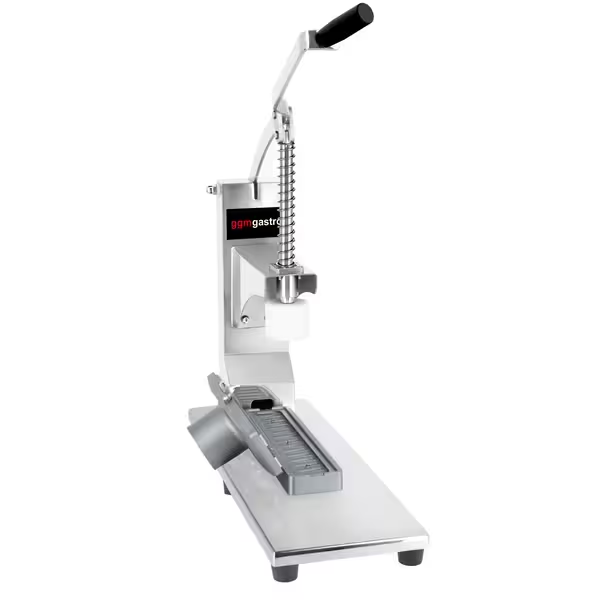
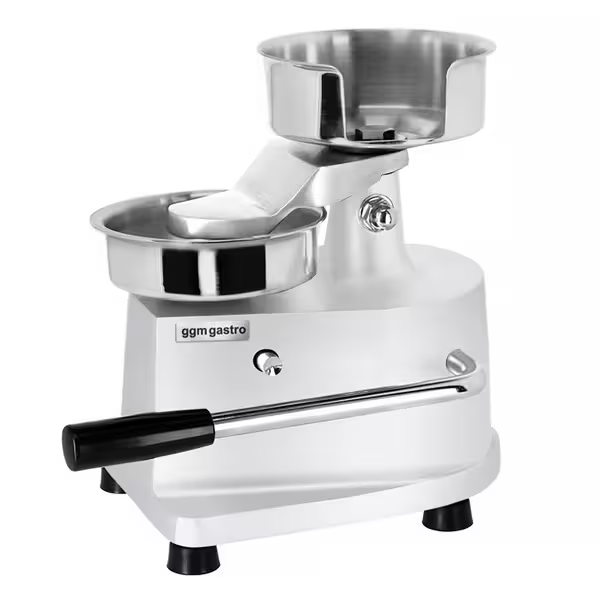
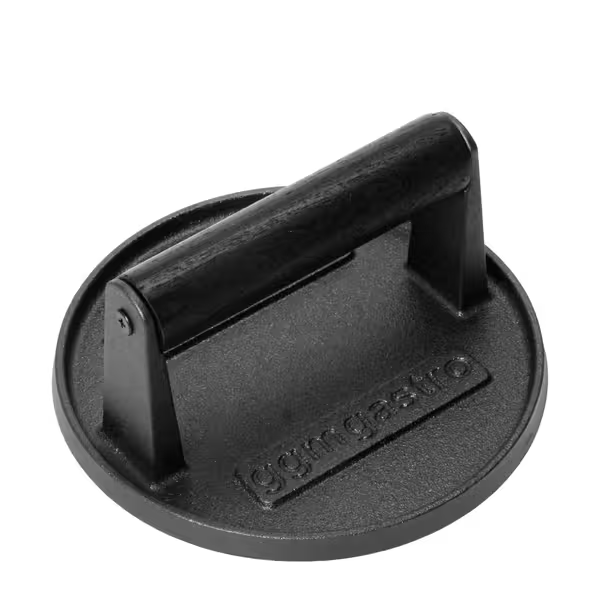
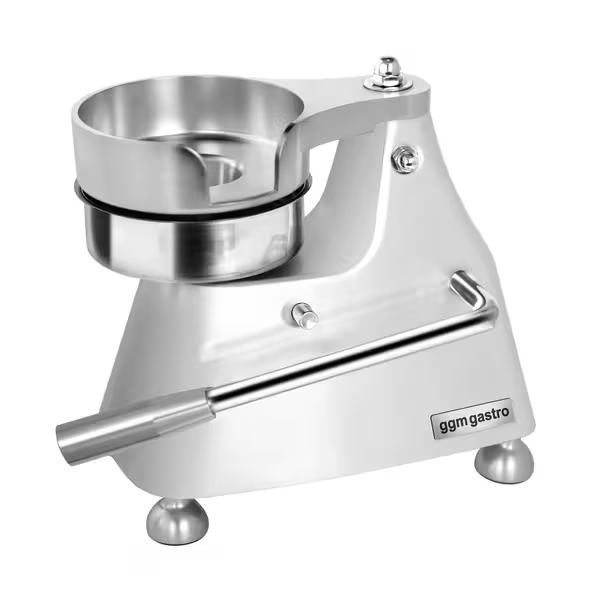
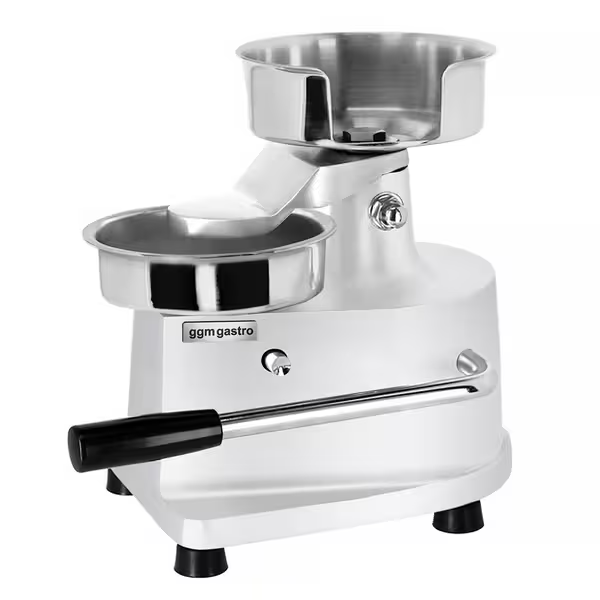
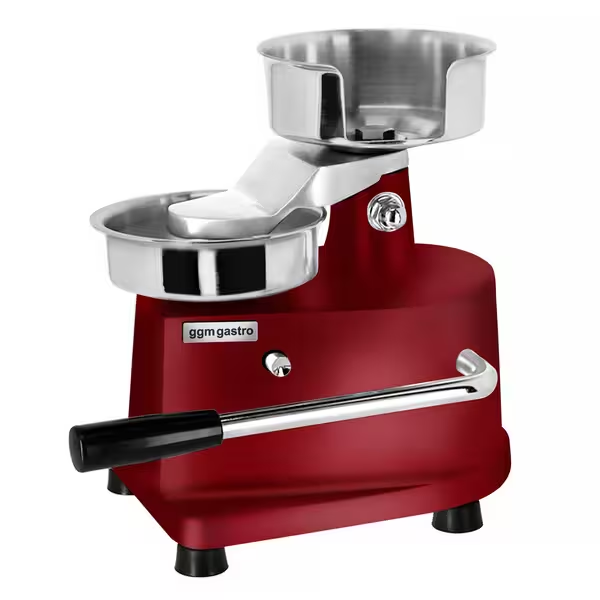
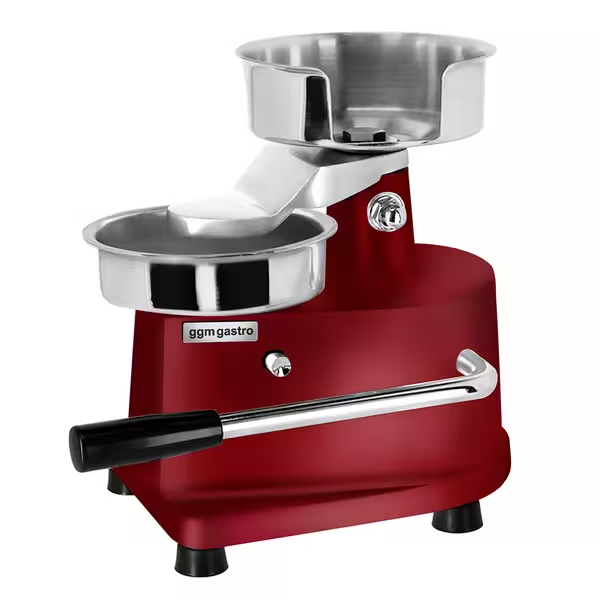
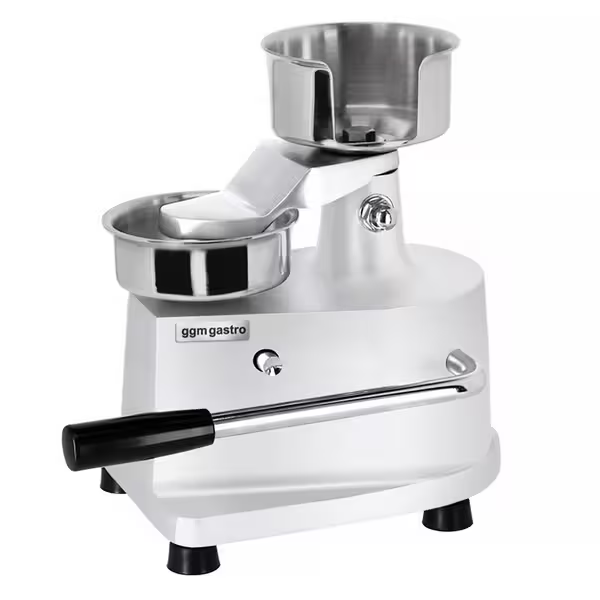
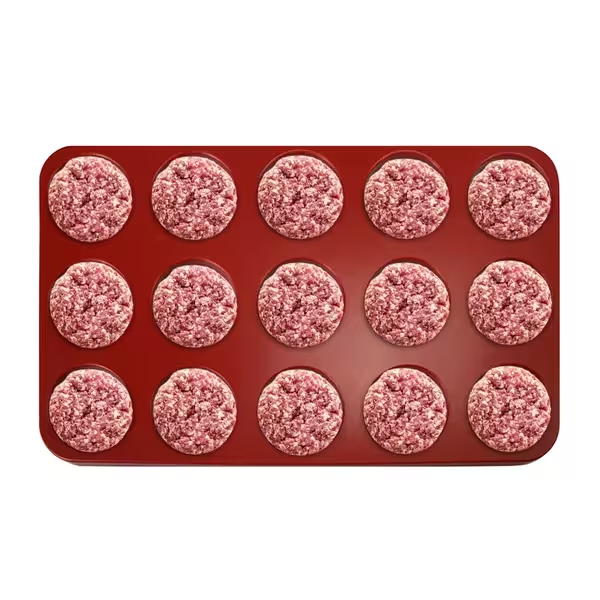
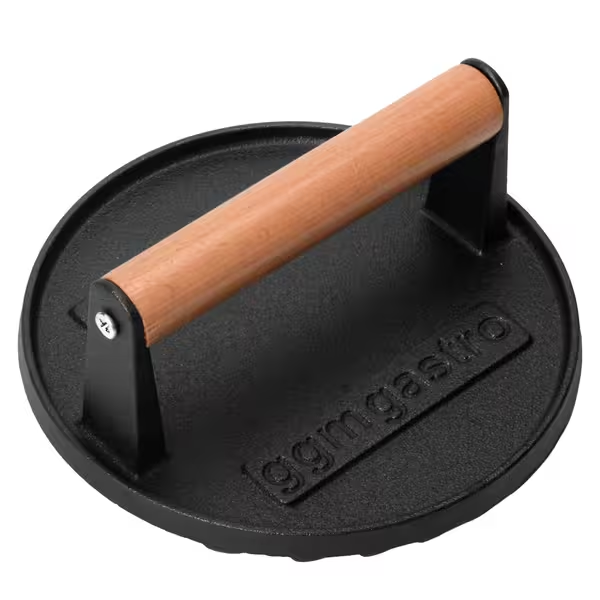
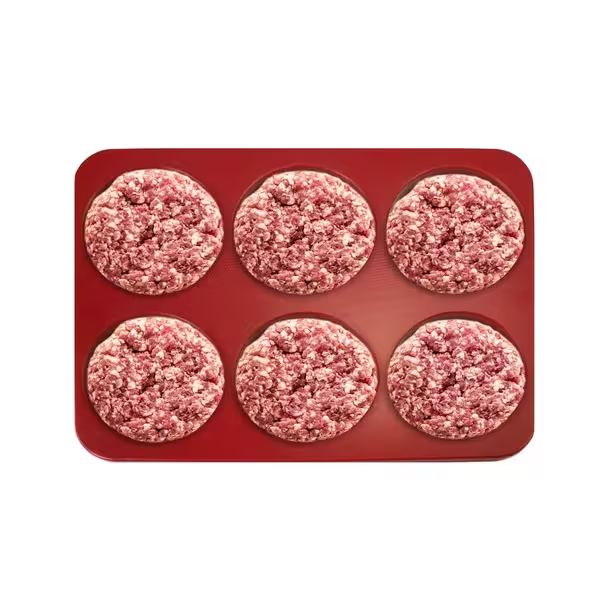
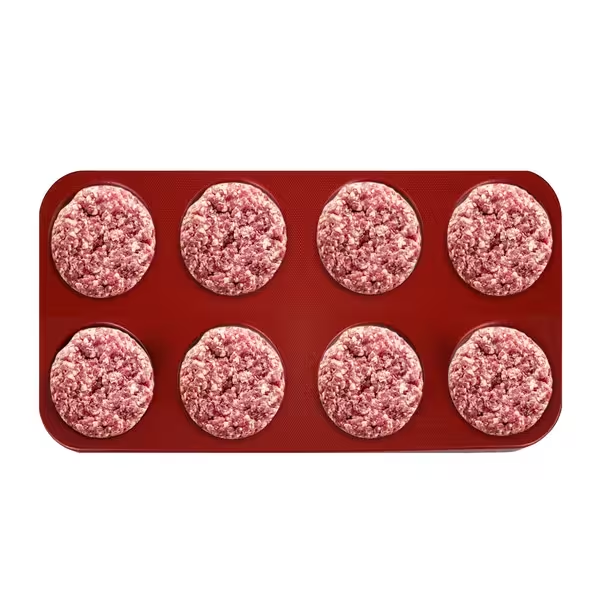
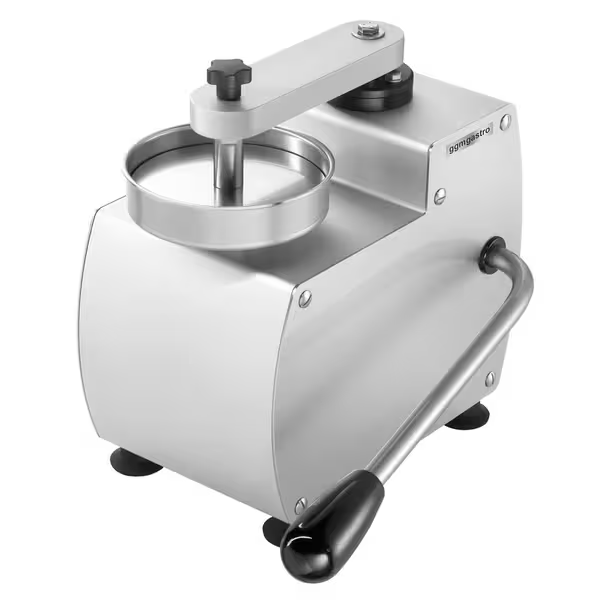
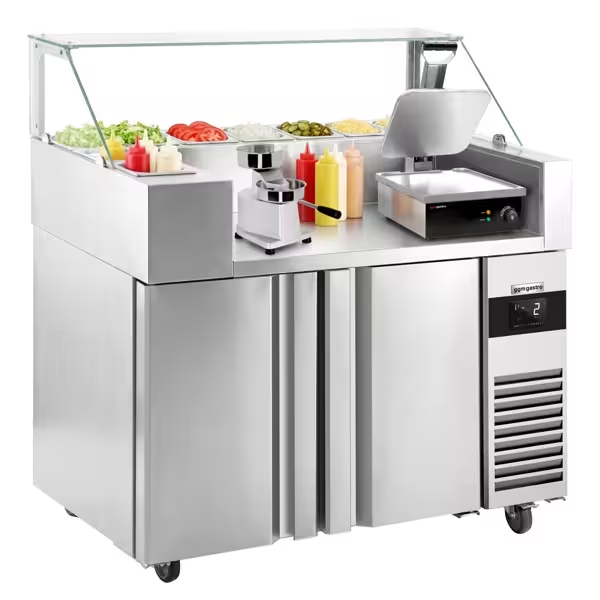
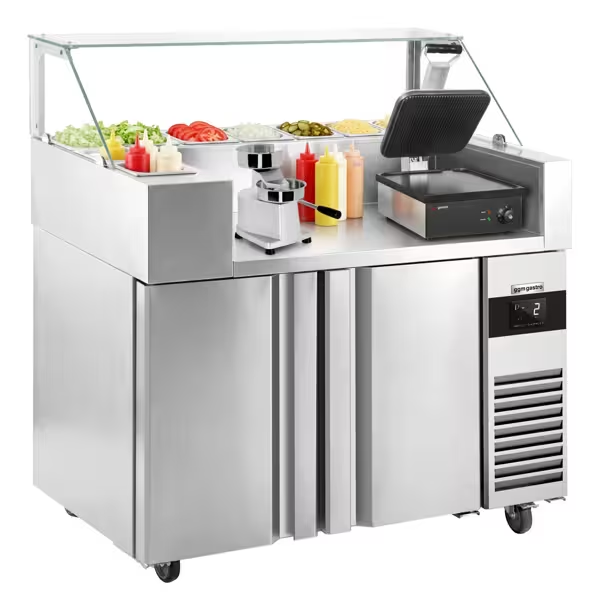

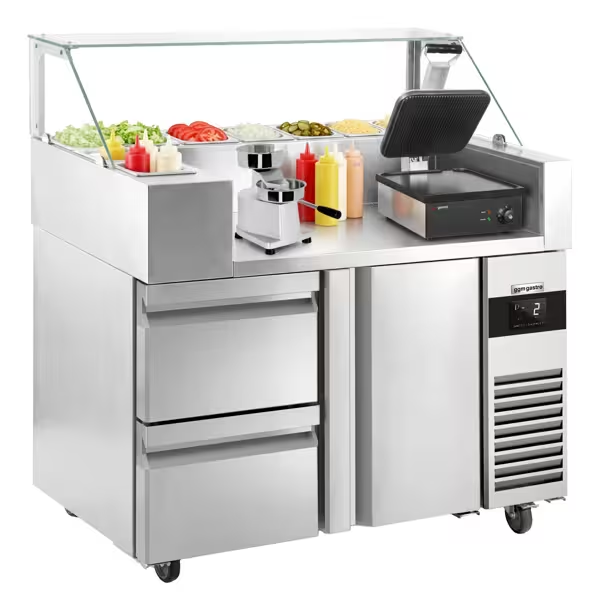
Kebab Skewer & Hamburger Presses for Standardized Preparation
Kebab skewer and hamburger presses are devices used in commercial settings to uniformly shape meat mixtures, burger patties, meatballs, and kebab or Adana skewers. They are used wherever consistent portions need to be prepared quickly, hygienically, and as uniformly as possible.
In burger joints, döner shops, Middle Eastern grill restaurants, snack bars, food trucks, and catering kitchens, it’s not just the finished product that counts—it’s also the process of getting there. A hamburger press shapes patties to a uniform diameter, such as 100, 130, 150, or 180 mm. A kebab skewer press helps ensure that meat skewers are formed uniformly. This makes cooking times more comparable, portions easier to calculate, and preparation workflows smoother.
Which burger press or kebab skewer press is right for your business?
The right choice depends heavily on the menu and daily volume. For small kitchens with only a few burger items on the menu, a compact manual burger press designed for tabletop use is often sufficient. Establishments with higher customer volume place greater emphasis on sturdy lever mechanisms, non-slip feet, easily accessible molds, and a design that can reliably withstand many repetitions per shift.
For kebab and Adana concepts, the focus is on a uniform skewer shape. Key factors here include the length of the mold, the intended portion size, handling of the ground meat mixture, and how well the press integrates into the existing preparation line. Those who work with rotating staff benefit from clear, easily repeatable steps. This reduces variations between shifts and makes training easier.
Quick Checklist for Making Choices in Everyday Restaurant Operations
These points will help you make an informed decision:
-
What product size is needed: small patty, standard burger, large burger, or kebab skewer?
-
How many servings are prepared per day or during peak hours?
-
Is the press compact enough for the available counter space?
-
Can the molding tray, handle, and contact surfaces be cleaned quickly?
-
Are accessories such as hamburger wrappers or cellophane discs needed on a regular basis?
These criteria bridge the gap between product selection and operational reality. A press is effectively integrated when it doesn’t get in the way, supports streamlined workflows, and matches the actual volume of production.
Materials, Hygiene, and Cleaning for Frequent Use
In meat processing, materials and ease of cleaning play an important role. Hamburger presses made of stainless steel, aluminum, or cast iron differ in weight, feel, maintenance requirements, and durability. Stainless steel surfaces appear particularly hygienic and integrate well into professional kitchens. Cast iron provides a solid, stable feel during use but requires proper care. Plastic molds or coated components can make removal easier, but they must be kept clean and washed thoroughly.
In everyday use, grease, moisture, meat juices, spices, and cleaning agents all come into contact with the equipment. That’s why smooth surfaces, few hard-to-reach edges, and easy disassembly are advantageous. The right hamburger paper prevents patties from sticking together, makes storage easier, and helps ensure clean preparation before grilling or frying.
Efficiency comes from effective integration into the preparation process
A press is particularly useful when it is positioned at the right point in the workflow. In a small snack bar kitchen, it can be placed right next to the refrigerated prep area. In a larger production kitchen, it fits into a line consisting of grinding, mixing, portioning, pressing, and storage. The transition to meat grinders or meat mixers remains clear: These machines prepare the mixture, while kebab skewer and hamburger presses shape it for the next step.
The work environment is also a key factor. Ample counter space, sturdy stainless steel furniture, and readily accessible refrigeration ensure short handling distances and hygienic temporary storage. Good preparation really pays off, especially during peak hours: Patties or skewers are ready in evenly portioned servings, service runs more smoothly, and the team has to improvise less.
Economic Benefits from Consistent Portion Sizes
Uniform portions aren’t just visually appealing. They also enable more reliable cost calculations because meat quantities can be managed more precisely. Uniform patties cook more consistently, are easier to stack or store temporarily, and look more uniform on the plate or in a burger. With kebab skewers, a clean shape ensures that the product lies more evenly on the grill and looks professional when served.
For establishments with limited staff, ease of use is also important. A good press doesn’t replace expertise, but it makes recurring work steps easier to replicate. This lightens the preparation load, reduces variations among employees, and supports consistent daily operations.
Buy kebab skewers and hamburger presses at GGM Gastro
Kebab skewer and hamburger presses are small but effective tools in professional meat processing. Key factors include the right size, sturdy construction, easy cleaning, useful accessories, and seamless integration into existing workflows. Anyone who regularly prepares burger patties, meatballs, or kebab skewers can achieve greater organization, more consistent results, and a more reliable foundation for sales with the right press.