


:quality(70))
:quality(70))


Refrigerated and Frozen Food Displays for the Food Service Industry, Retail, and Self-Service
Refrigerated and frozen food islands display chilled or frozen products in a highly visible and easily accessible manner on sales floors. They are suitable for supermarkets, gas stations, kiosks, hotels, cafeterias, and food service establishments with self-service or impulse-buy options. Refrigerated & Frozen Food Islands Guide »


Product type
Door type
usable volume
Cooling type
Number of trays
Number of Doors
Width
Depth
Height
Price
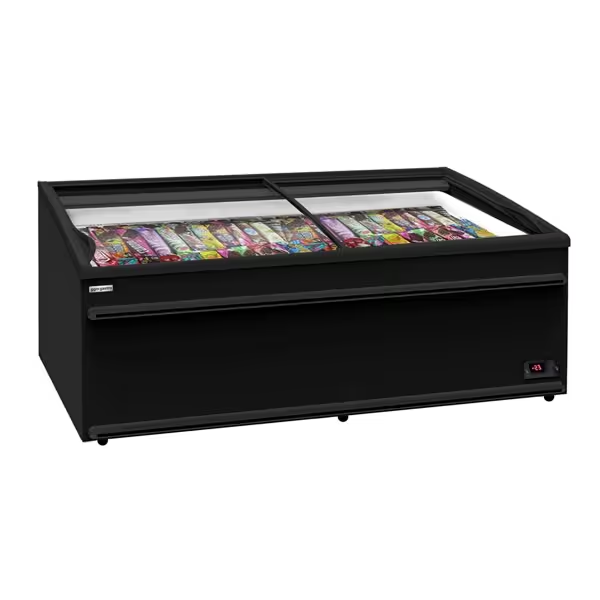
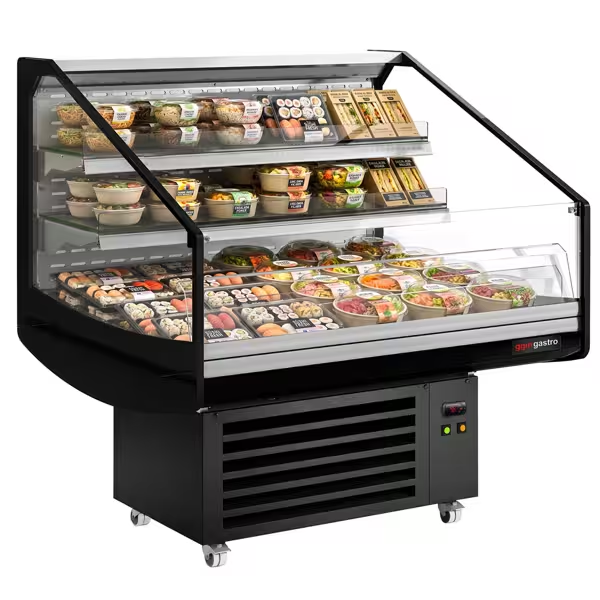
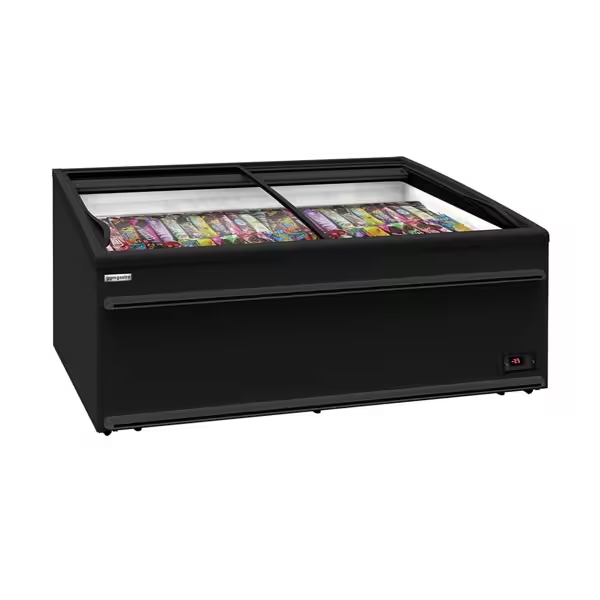
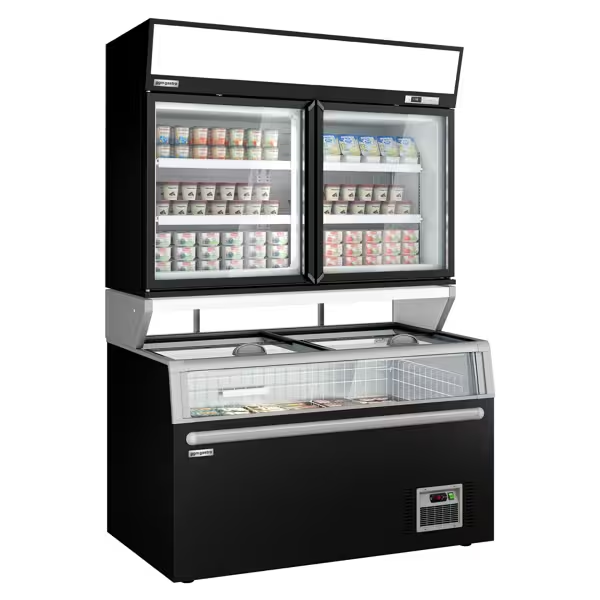
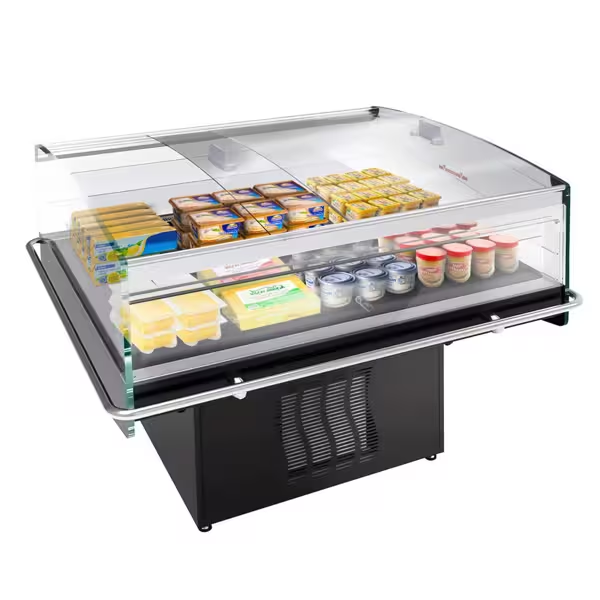
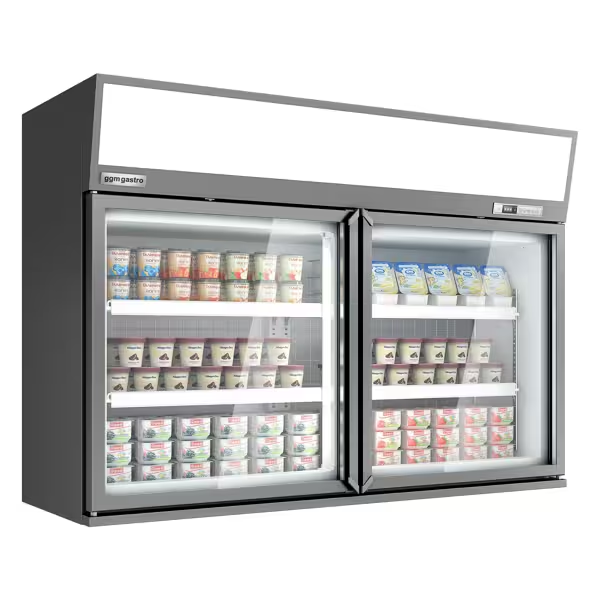
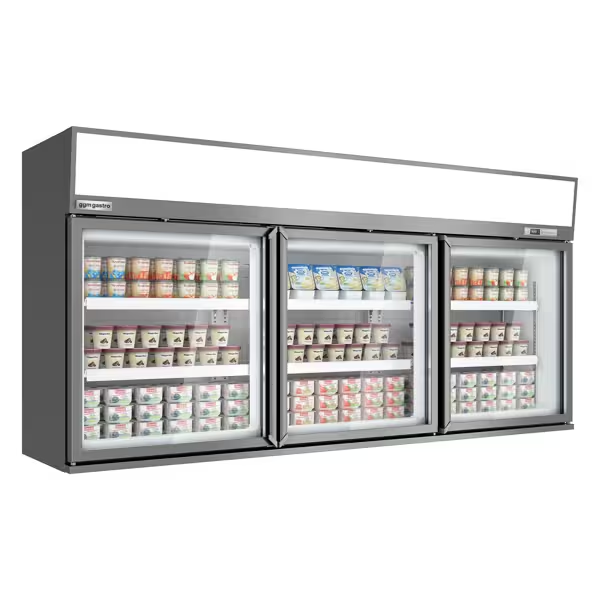
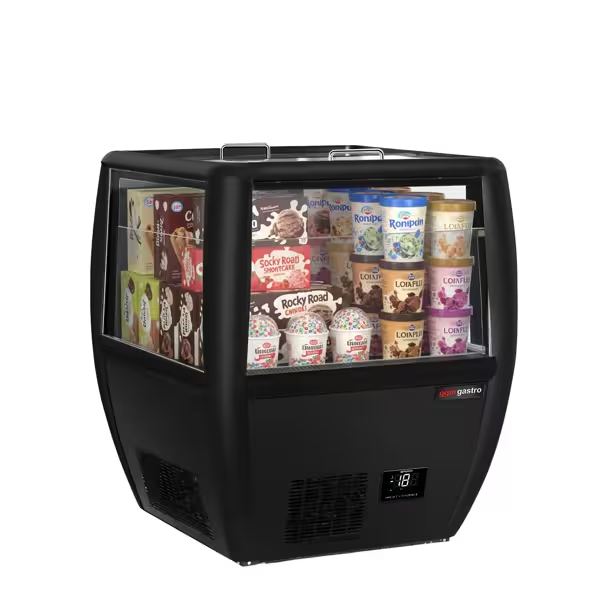
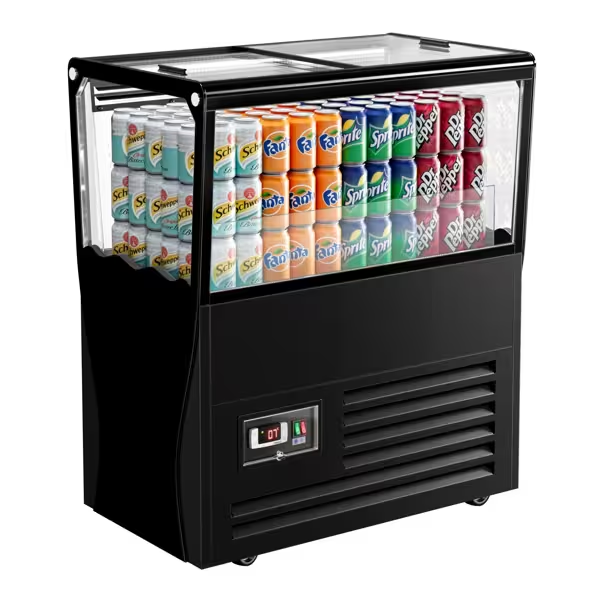
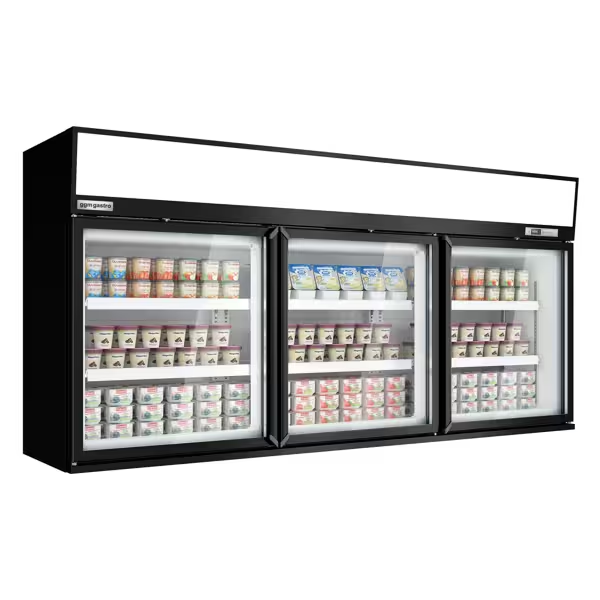
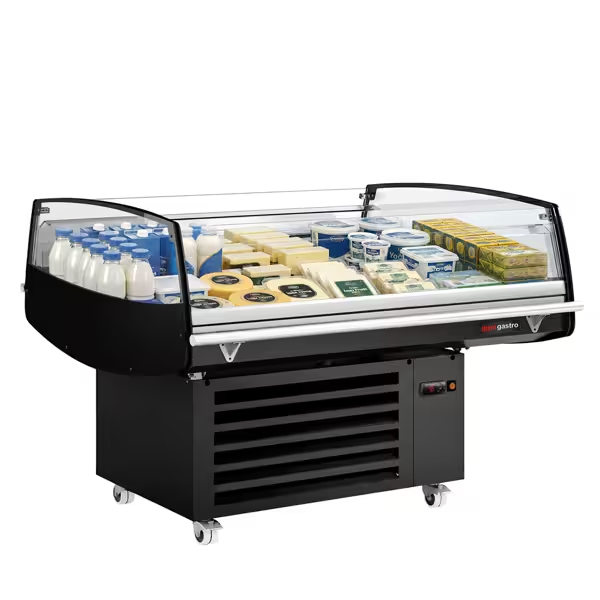
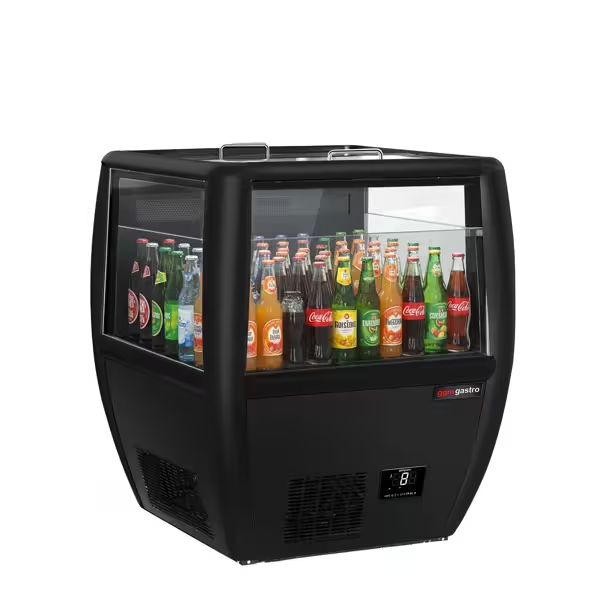
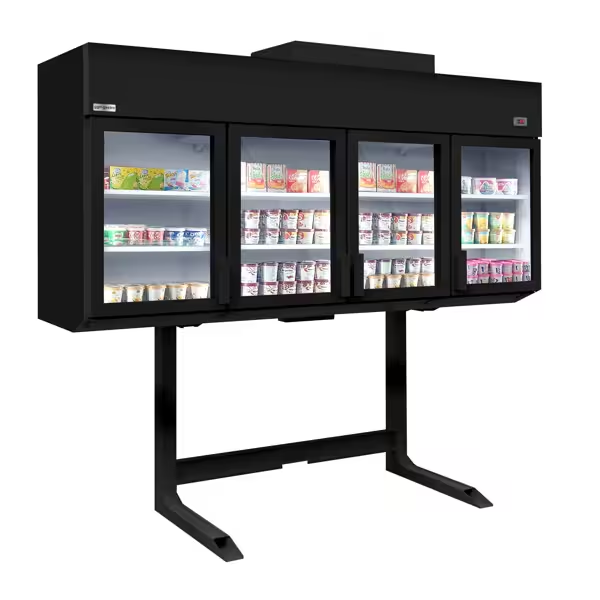
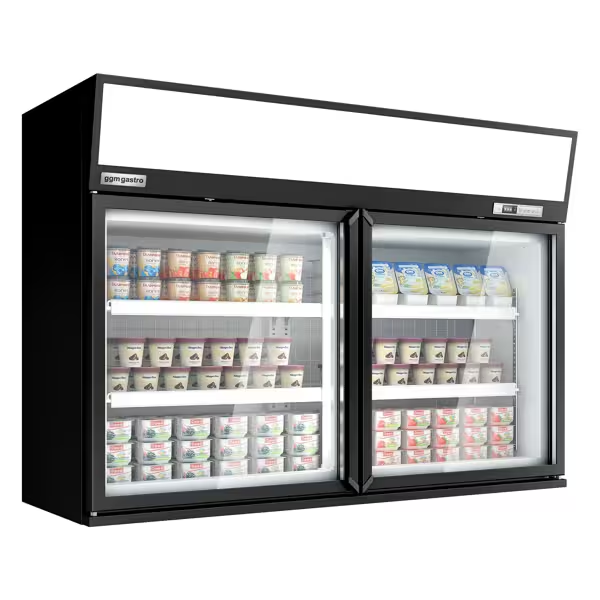
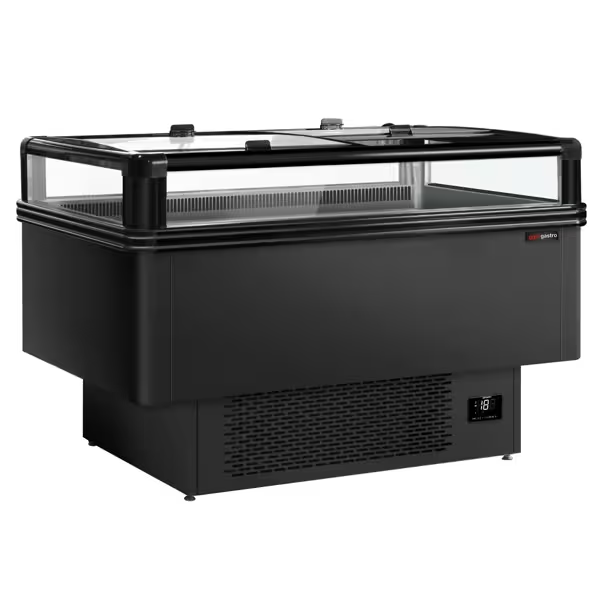
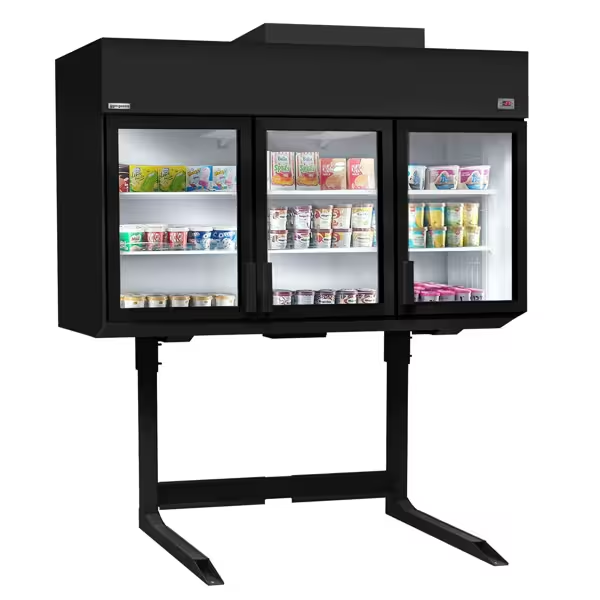
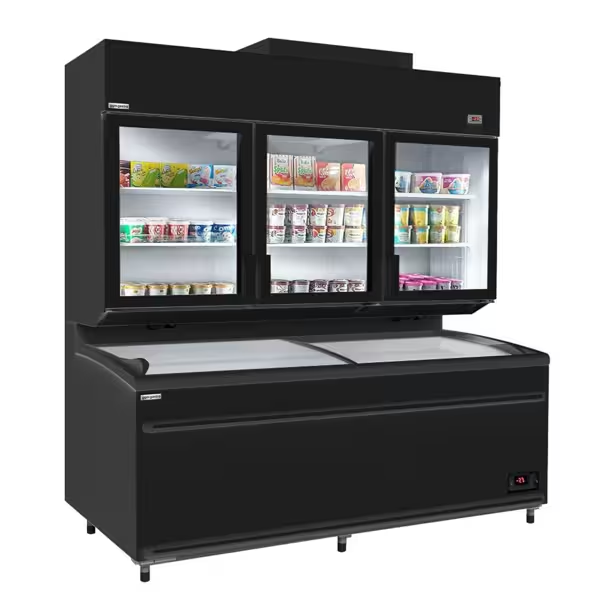
Refrigerated and Frozen Food Islands as High-Sales-Volume Refrigerated Display Areas in the Store
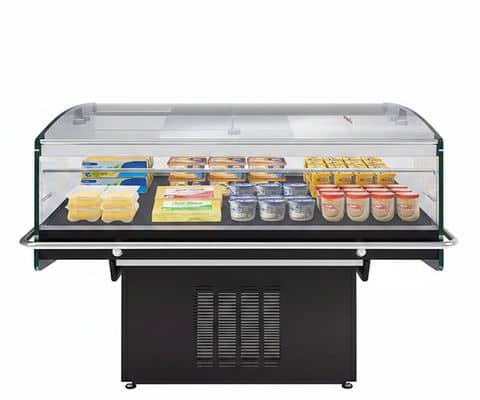
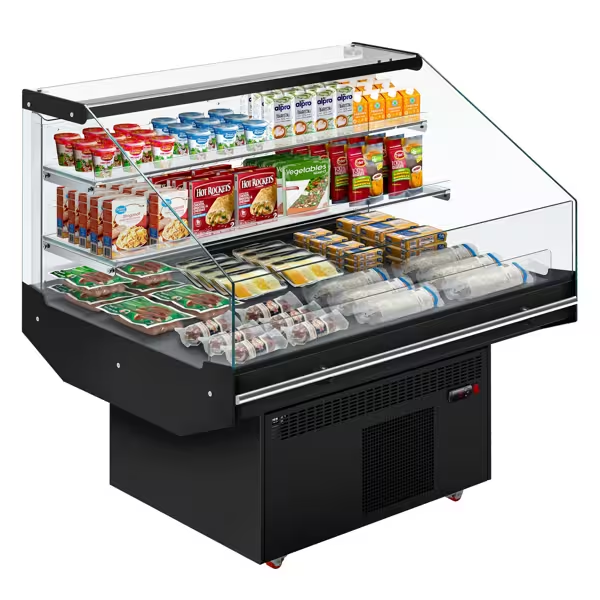
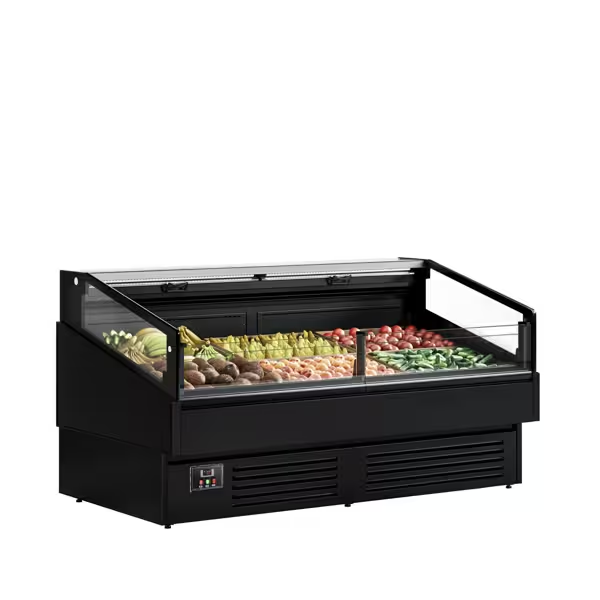
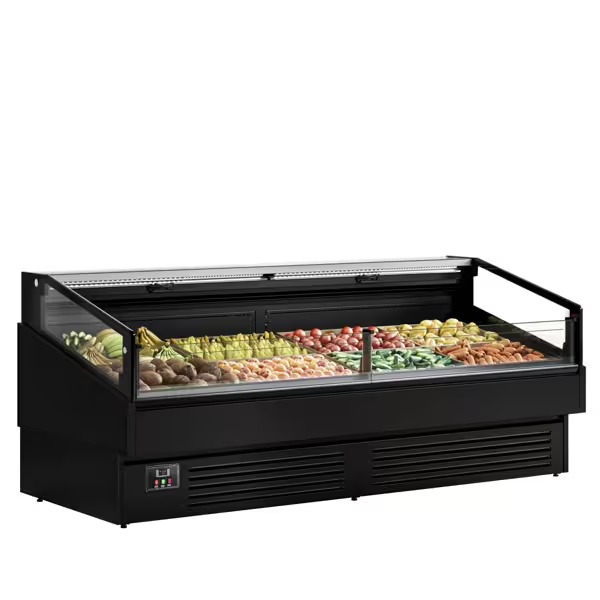
Refrigerated and frozen food islands are commercial refrigerated display units designed for the visible presentation of refrigerated or frozen products in self-service areas. They combine temperature control, product visibility, and direct access in a freestanding display area.
In practice, refrigerated and frozen display islands are used wherever customers need to quickly identify and select what’s on offer: beverages, dairy products, packaged snacks, salads, desserts, ice cream, frozen foods, or promotional items. For the food service industry, retail, and institutional catering, this creates a clearly structured refrigerated zone that not only stores the merchandise but also actively integrates it into the sales process.
The difference from traditional storage refrigeration lies in its function: a refrigerated or frozen food island is usually located directly in the customer area. Therefore, in addition to temperature range and net capacity, visibility, glass design, access height, placement, and ease of cleaning are also important factors.
Which refrigerated and frozen food display case is best suited for your product lineup and sales area?
The appropriate model depends primarily on the product assortment. For fresh, refrigerated products such as beverages, deli items, dairy products, or packaged to-go items, models with a “Plus” cooling range of approximately +2 to +8 °C are suitable. For ice cream, frozen snacks, or frozen promotional items, freezer islands with temperature ranges down to about -18 °C or colder are required.
The design also influences day-to-day operations. Sliding glass lids protect the merchandise, help maintain stable temperatures, and provide a clear view of the product assortment. Glass fronts and LED lighting help present products neatly and attractively, even in high-traffic sales areas. In narrower spaces, compact impulse coolers are a practical choice, while larger freestanding freezer islands offer more capacity for supermarket aisles, gas stations, or heavily trafficked self-service areas.
Key decision-making criteria include:
-
Temperature range suitable for the merchandise
-
Width, depth, and usable capacity suitable for the space
-
Access from one or more sides
-
Glass lid, lighting, and product visibility
-
Connection type, energy consumption, and ease of cleaning
Planning, Space Requirements, and Access During Operation
A refrigerated and frozen food island only works well if it’s thoughtfully integrated into the customer flow. In a kiosk or at a gas station, it can encourage impulse purchases when placed near the register. In a supermarket or hotel shop, it tends to serve as a central promotional area. In cafeterias, canteens, or food courts, it facilitates quick access to chilled complementary products.
For operations, it’s not just about how much merchandise fits inside. It’s also crucial how easily the staff can restock, clean, and monitor the display. An island that’s too large can block pathways or tie up floor space. A model that’s too small leads more quickly to frequent restocking and a disorganized product display. Especially during peak times—such as breaks, lunchtime, or before an event begins—the right size makes a noticeable difference.
Refrigerated and frozen food islands can be easily combined in retail spaces with beverage refrigerators or refrigerated and frozen food cabinets with glass doors. This creates separate zones for impulse purchases, beverages, frozen foods, and vertical displays, without the categories overlapping in function.
Hygiene, Cleaning, and Durability in Everyday Commercial Use
In commercial settings, refrigerated and frozen food display units are opened, restocked, and cleaned daily and used by many people. Smooth interior surfaces, easily accessible glass lids, sturdy handles, and robust construction make maintenance easier. Hygiene and organization play a particularly important role in open sales areas, because customers can see and remove the merchandise directly.
When selecting a unit, it’s worth paying attention to details such as easily accessible interiors, reliable temperature control, sturdy casters or leveling feet, clearly arranged product shelves, and sufficient space around the unit for cleaning. Many models are plug-and-play with a 230-V connection and can therefore be flexibly integrated into existing retail spaces, provided the floor space, air circulation, and connection location are suitable.
A well-chosen refrigerated display unit does more than just support product presentation. It also makes routine tasks easier for the team: restocking merchandise, checking inventory, cleaning glass surfaces, monitoring temperature, and organizing products clearly. It is precisely these routines that determine whether a sales area appears calm and professional in day-to-day operations.
Quick Checklist for Choosing Your Refrigerated and Frozen Food Displays
Before making a purchase, it helps to take a quick look at how the unit will be used in your store:
-
Which products will be displayed refrigerated or frozen?
-
How much retail space is actually available?
-
Will merchandise be accessed from one side or from multiple sides?
-
How often does restocking need to be done throughout the day?
-
What role does the display unit play: core product range, promotional area, or impulse buying?
This quick check helps determine whether a compact refrigerated display unit, a larger frozen food display unit, or a combination of several units makes the most sense. For stores with changing promotions, flexible placement may be more important than maximum capacity. In heavily trafficked sales areas, however, a robust, well-organized solution with easy access and predictable restocking is key.
Using Refrigerated and Frozen Food Islands in a Cost-Effective Way
Refrigerated and frozen food islands are particularly valuable when they bring together product assortment, floor space, and operational workflow. They make refrigerated goods visible, facilitate self-service, and reduce the workload on employees because customers can select products on their own. At the same time, a clear presentation helps customers find their way around and reduces clutter on the sales floor.
For operators, finding the right solution is therefore not just a matter of choosing the right equipment. Temperature range, size, accessibility, ease of cleaning, and placement directly influence how reliably the refrigerated display area functions on a day-to-day basis. GGM Gastro offers refrigerated and frozen food islands for various business sizes and retail formats—from compact impulse displays to larger solutions for professional self-service areas.