


:quality(70))
:quality(70))


Microwave Ovens for the Food Service and Commercial Sectors
In professional foodservice operations, microwaves enable quick response times when heating, reheating, and defrosting food and beverages. This category includes manual, digital, and high-powered models designed for different operating rhythms, space constraints, and workflows. Microwave Guide »



Product type
Operation type
Operation
Power
Power Connection
Temperature to:
Width
Depth
Height
Price
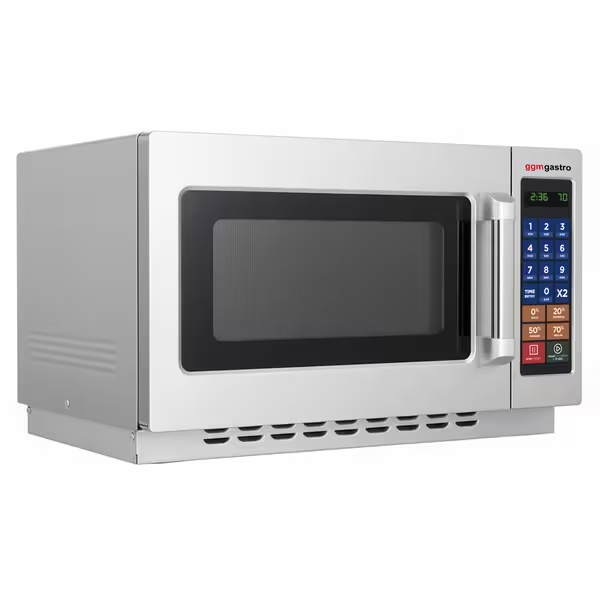
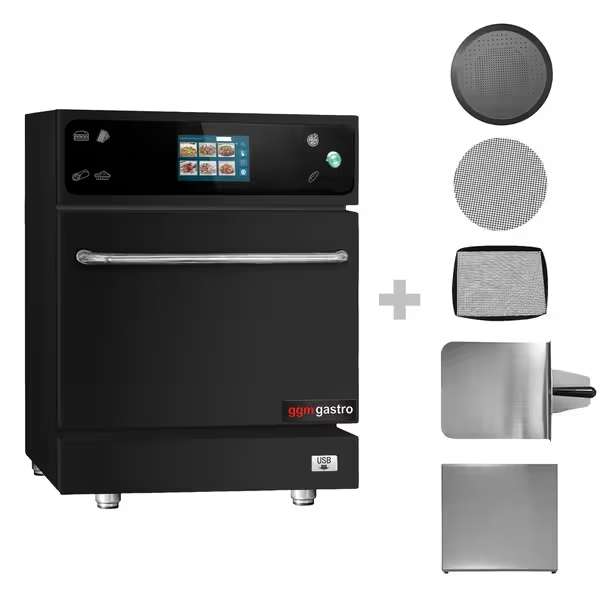
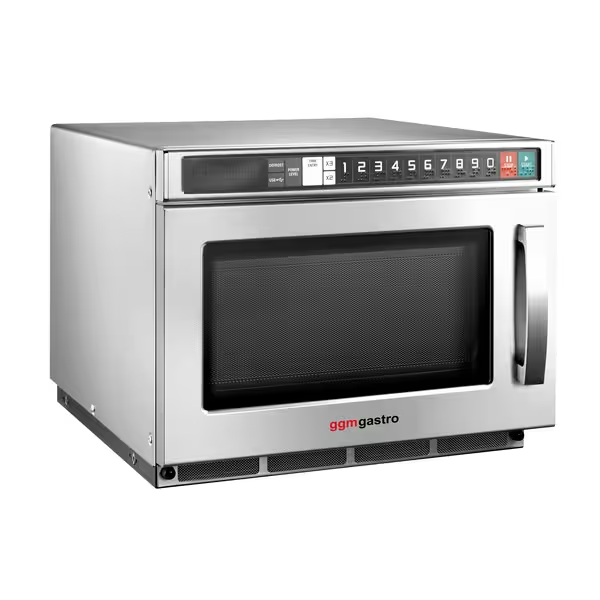
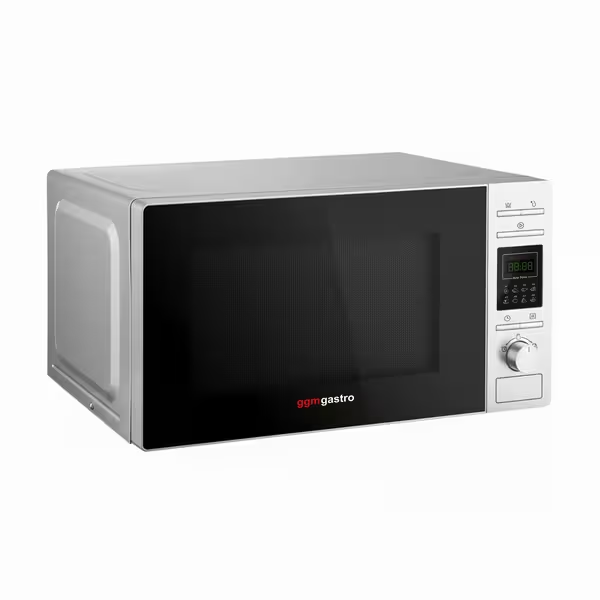
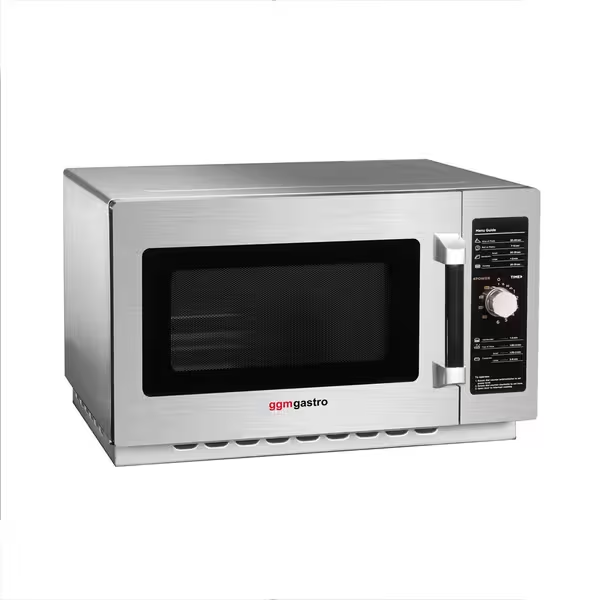
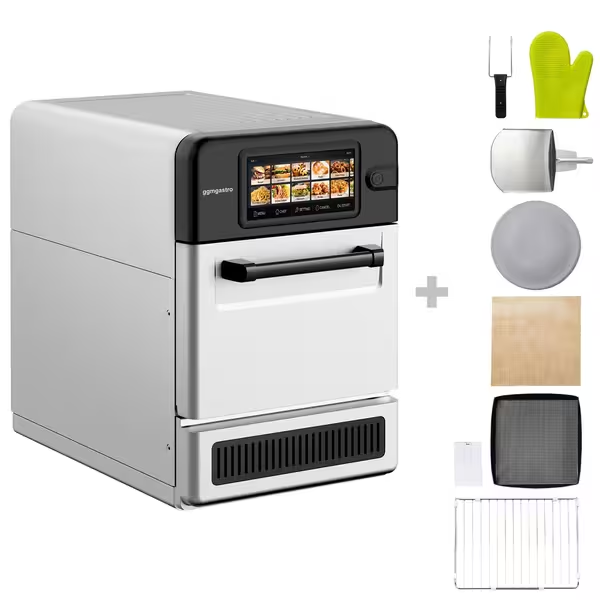
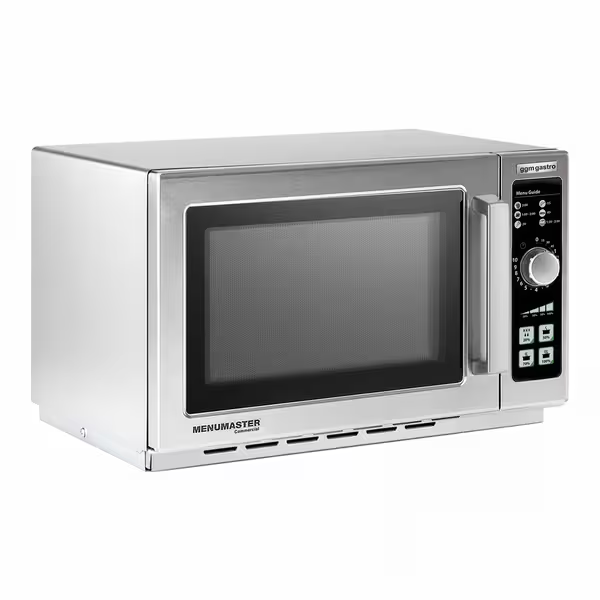
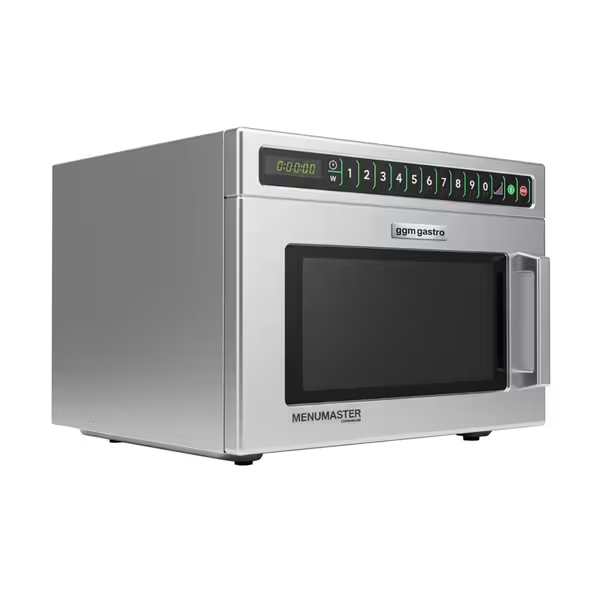
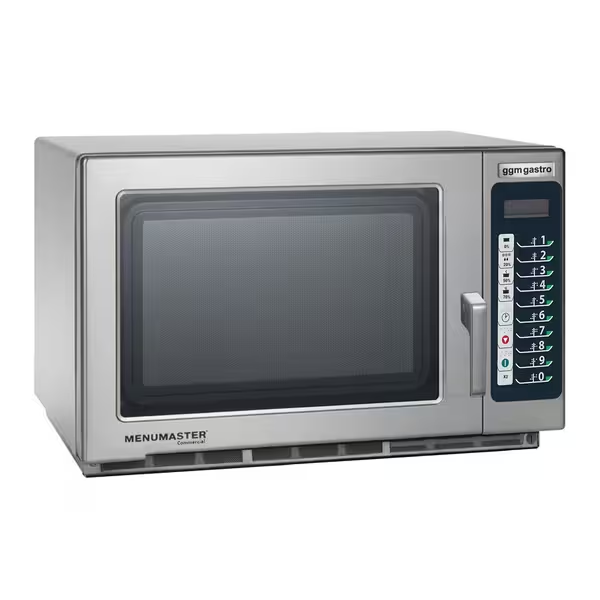
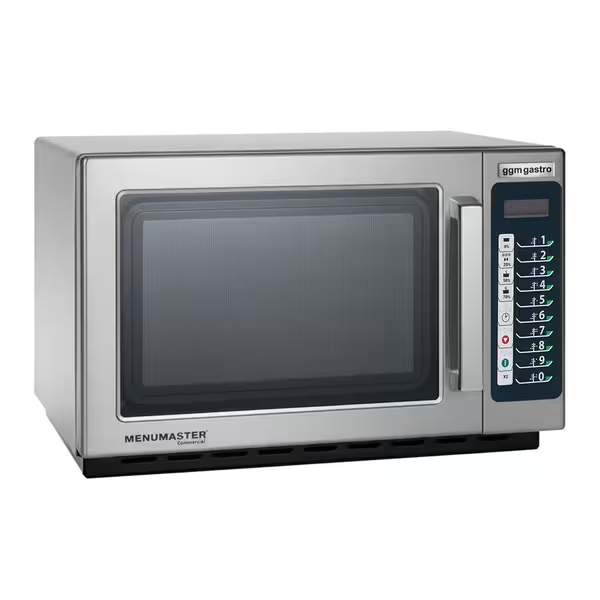
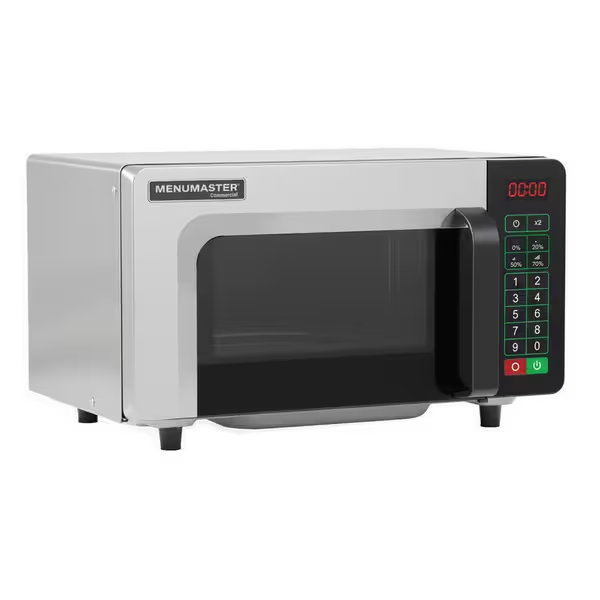
Understanding the Role of Microwaves in Professional Settings
Microwave ovens are commercial appliances designed for the rapid heating, reheating, and thawing of food, ingredients, and beverages. In day-to-day operations, they take the pressure off kitchens wherever short order times, predictable intermediate steps, and clean post-production are important—such as in snack bars, bistros, cafés, hotels, catering services, or institutional food service.
Especially during peak hours, it’s not just about getting food hot—it’s about keeping operations running smoothly. The equipment in a food service establishment should always be viewed as part of the operational system: it must support throughput, prevent errors, keep cleaning manageable, and noticeably reduce the team’s workload. This is precisely why a microwave is not just an incidental add-on, but often a valuable pacer between preparation, service, and post-service cleanup.
Which Microwaves Are Right for Your Business
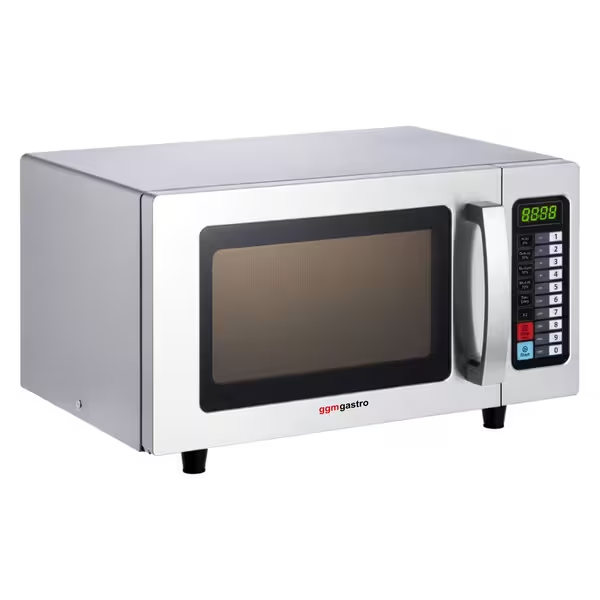
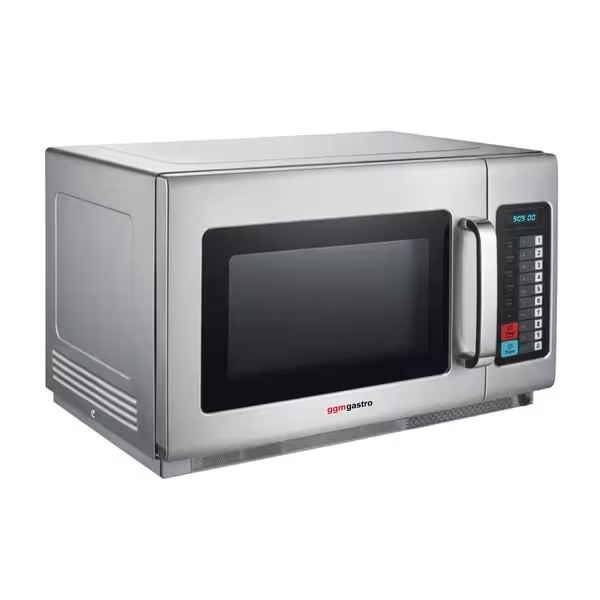
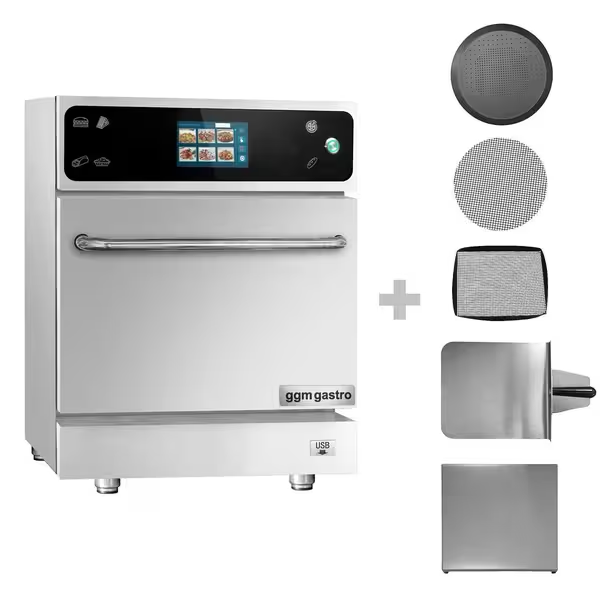
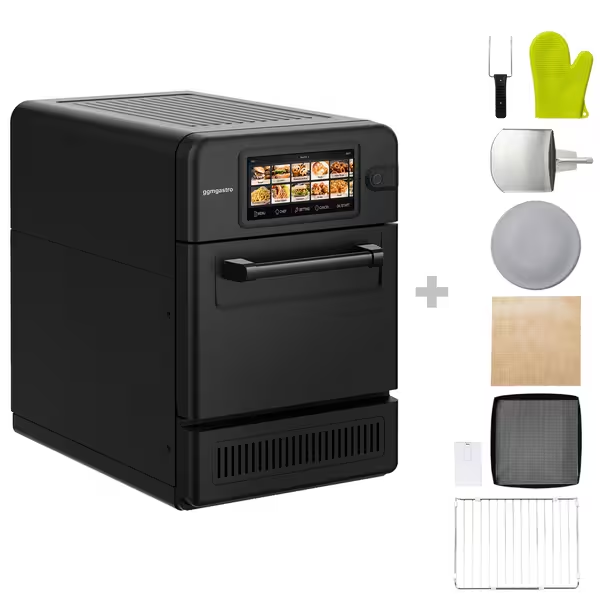
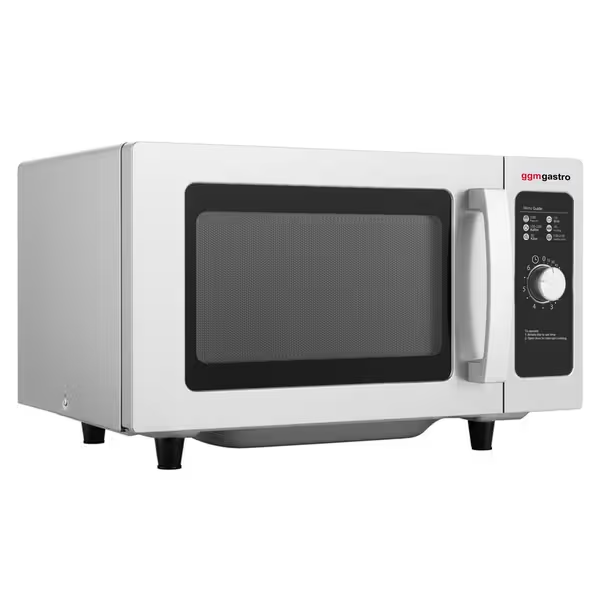
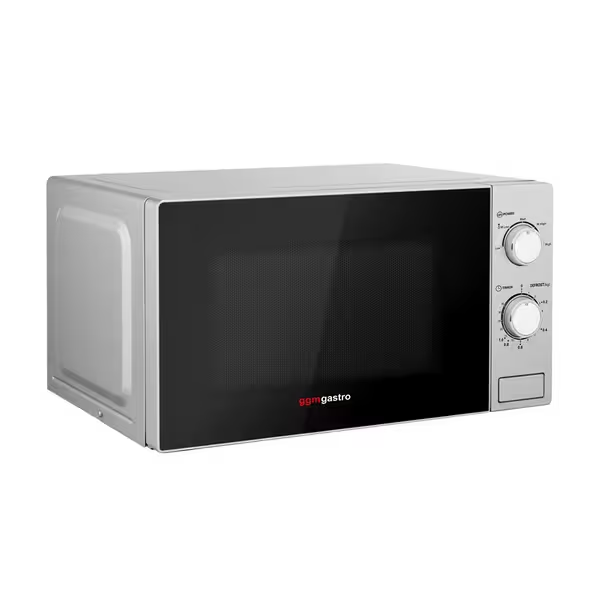
The key factors to consider when making a selection are performance, cooking capacity, ease of use, and frequency of use. The GGM Gastro online store offers a range of products, from compact 20-liter units with 700 watts to digital 34-liter models with 2.1 kW, as well as automatic versions with capacities of 17 or 34 liters. For simple applications and smaller establishments, units ranging from 700 watts to 1 kW are often sufficient. If you need to regenerate food frequently, prepare multiple items simultaneously, or meet tight time constraints, units with 1.4 kW, 1.8 kW, or 2.1 kW become significantly more appealing.
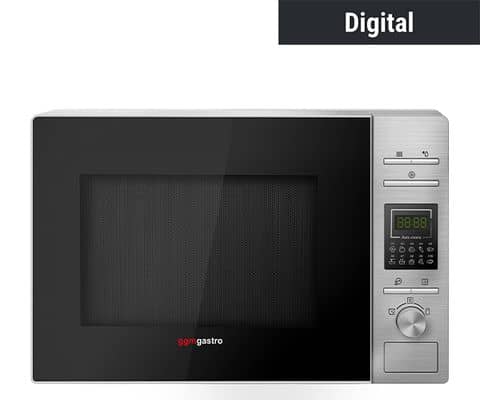
Microwaves that are operated exclusively manually are particularly suitable where the process is straightforward and requires only a few, clearly repetitive steps. Digital models with LED or digital displays—some featuring five power levels and program-based operation—are better suited for establishments with multiple employees, where products change frequently, or where consistent results are essential. It’s important to note that ease of use and error tolerance are real economic factors in everyday operations, especially with rotating staff or when working under time pressure.
In everyday life, ease of use, cleaning, and space efficiency are key
In everyday use, microwaves prove their worth especially when they are durable, intuitive to operate, and quick to clean. Stainless steel housings—and in some cases, stainless steel cooking chambers—ensure reliable performance, while displays, clearly defined power levels, and intuitive control panels make teamwork easier. Simpler models with a turntable—for example, Ø 255 mm—may be well-suited for small kitchens or straightforward standard applications. In more demanding environments, however, larger, digital units with a more robust construction and clear operating structure should be preferred.
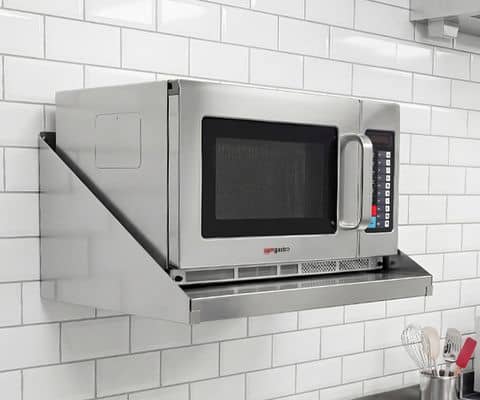
Space considerations are equally important. Even within the current category, the visible external dimensions range from a compact 439 x 357 x 258 mm up to 574 x 528 x 368 mm. Those who use microwaves at prep stations, auxiliary stations, or in the serving area should therefore consider not only the footprint but also the working height, door opening, and reach distances. For tight spaces, suitable microwave mounts in 530 mm and 590 mm heights are a sensible solution if they keep work surfaces clear and shorten travel distances. It is precisely these processes—short travel distances, clean zones, and fewer crossings—that play a decisive role in the operation’s cost-effectiveness.
Quick Guide to Choosing the Right Microwave
Before you choose a model, you should have the following points figured out:
-
Is an entry-level appliance with 700 watts or 1 kW sufficient for your needs, or do you need more capacity for peak times?
-
Which cooking chamber size realistically suits your portion sizes and containers: 17, 20, 25, 26, or 34 liters?
-
Is manual operation sufficient, or would a digital model with clear power settings noticeably improve workflow?
-
How important are stainless steel appliances, easy cleaning, and a robust design for continuous use to your operation?
-
Is the microwave planned for the right location, including floor space, accessibility, and, if necessary, a mounting bracket?
Integrating Microwaves Cost-Effectively into the Operating System
A microwave becomes economically viable when it alleviates a genuine bottleneck. This could involve faster heating during the lunch rush, controlled thawing during prep, or reliable post-production processing without tying up larger cooking equipment. Good investments should be evaluated not by the number of features, but by their operational impact: Does the appliance increase throughput, stabilize quality, save time and effort, reduce friction, and lighten the workload for staff? The selection of microwaves should be guided precisely by these questions.
For many businesses, therefore, the highest-end model isn’t automatically the right choice. A well-designed mid-range solution can be more cost-effective than an underpowered entry-level unit or an oversized model that takes up space and is rarely used to full capacity in daily operations. It’s important to think in terms of peak demand: What needs to function reliably during those busy 30 or 60 minutes? That’s what determines whether the microwave is a useful tool or just another piece of equipment taking up space.
Useful Combinations for Microwaves
Microwaves work best as part of a logically organized workstation. Combined with stainless steel cabinets for clean work surfaces, refrigeration for prepped ingredients readily available near the production area, and “Sink & Cleaning” for short cleaning routes, a significantly more cohesive work environment is created. The goal here is not to expand other categories, but to integrate the microwave where it can best demonstrate its strengths: as a compact, fast, and seamlessly integrated appliance within the professional workflow.
Those who select, plan, and position microwaves in this way may not achieve spectacular results, but they do create a very effective improvement in day-to-day operations. The right power output, the correct cooking chamber size, intuitive operation, and seamless integration into the workspace make the difference between an improvised add-on and a reliable solution for professional operations.