


:quality(70))
:quality(70))


French Fry Warmers for Professional Food Service
French fry warmers keep freshly fried French fries and other fried foods at the right temperature for a short time, ready to serve. They help streamline operations in snack bars, fast-food restaurants, food trucks, cafeterias, and other high-traffic serving areas. French Fry Warmer Guide »


Product type
Building depth
Width
Operation type
Design/Equipment
Capacity
Power
Power Connection
Price
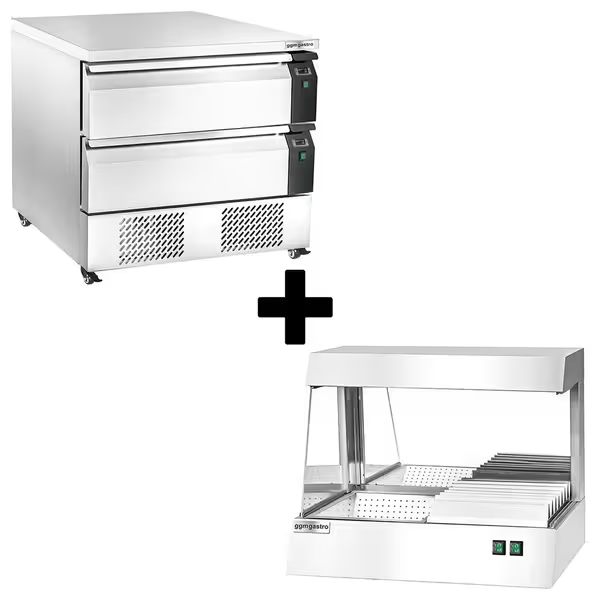
![Commercial Undercounter Fridge Freezer - Dual Temperature [-22 to +8°C] - 905mm - 1 Drawer - 2x GN 1/1 - incl. Chip Scuttle](https://cdn.ggmgastro.com/transform/891b5397-b654-4fc1-912e-b072a5fbaf3c/TSSH121-BWK80_1.jpg?io=transform:extend,width:600,height:600,background:white&quality=70&format=avif)
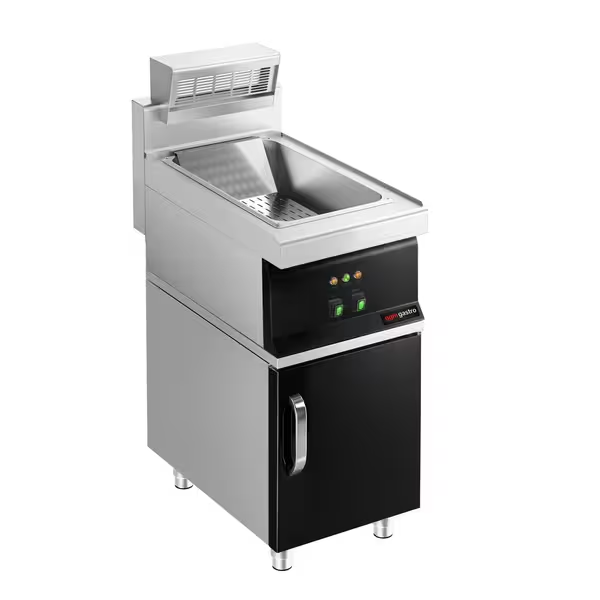
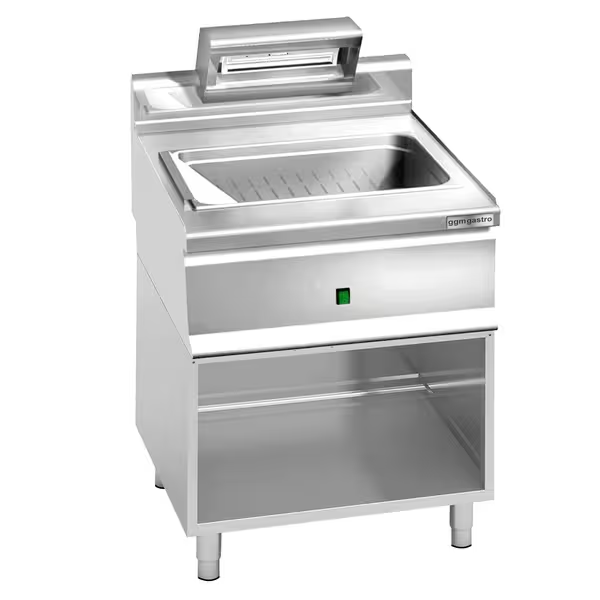
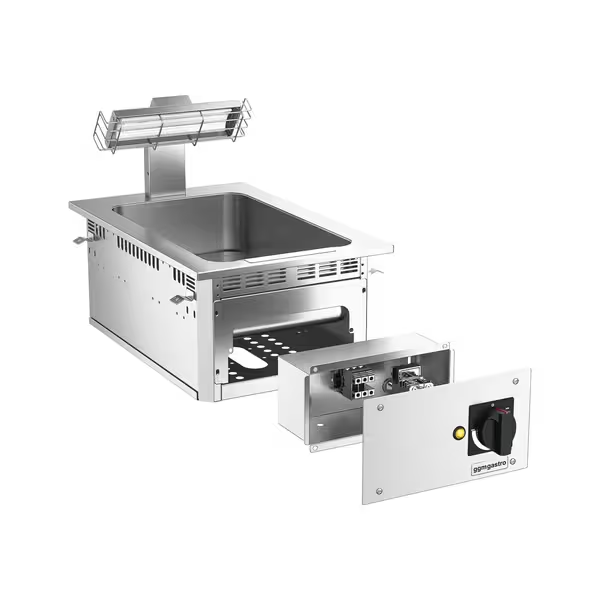
French fry warmer as a link between the fryer and the serving area
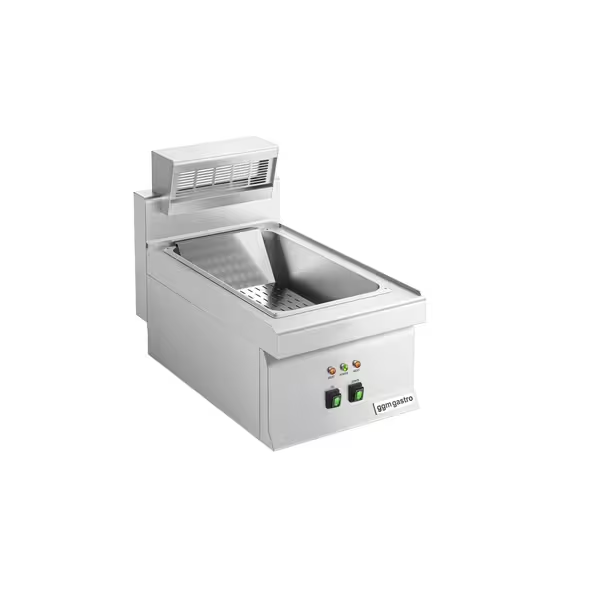
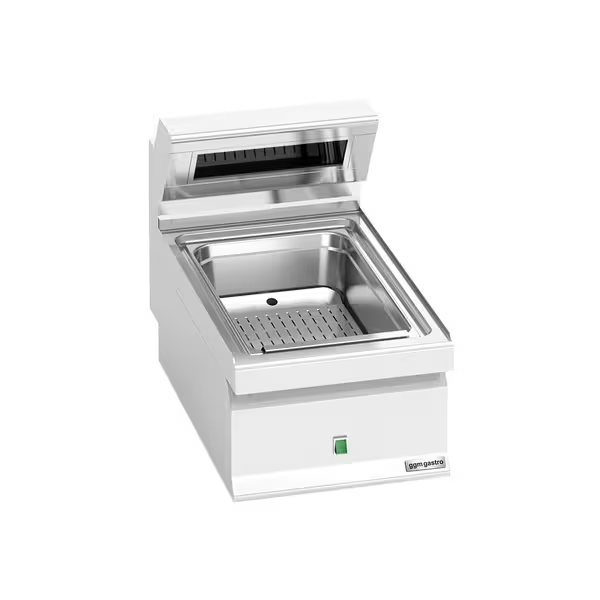
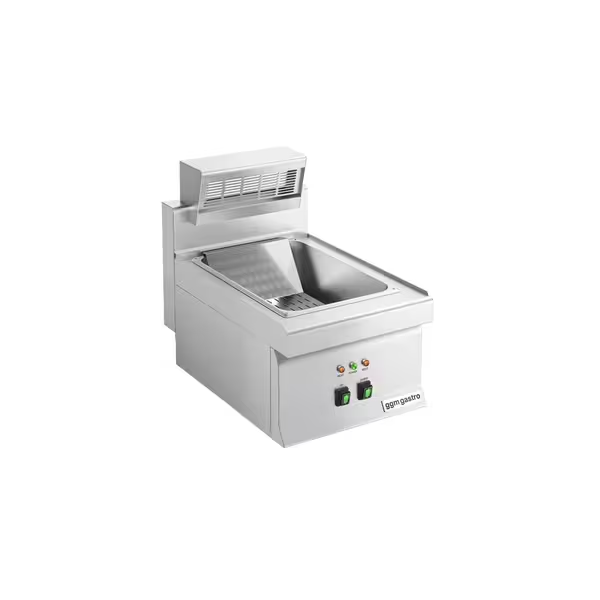
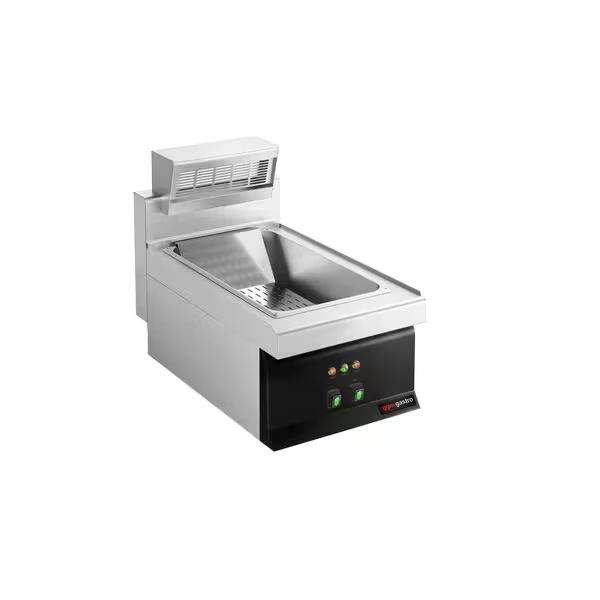
A french fry warmer is an electric device designed to keep freshly fried french fries and similar snack items warm. It bridges the short gap between frying, portioning, and serving, without taking over the actual cooking function of a deep fryer.
Especially in establishments with highly fluctuating order volumes, a french fry warmer takes the pressure off the serving station. During lunchtime at a snack bar or during a surge in event traffic, not every portion needs to be prepared individually upon order. Smaller batches can be prepared, kept organized and ready, and served quickly. This facilitates coordination between the frying station, packaging, and service.
Realistic use remains crucial: French fry warmers are intended for short holding times. Excessive quantities or prolonged storage times can compromise texture and product quality. The capacity should therefore match the actual serving volume.
Countertop, freestanding, or built-in french fry warmer
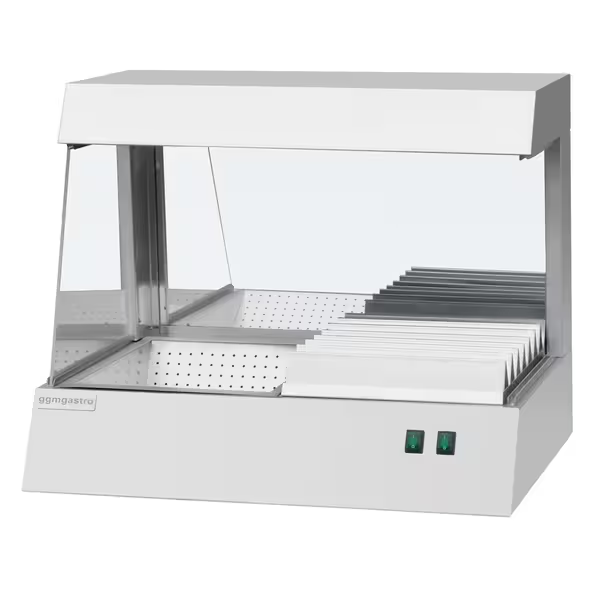
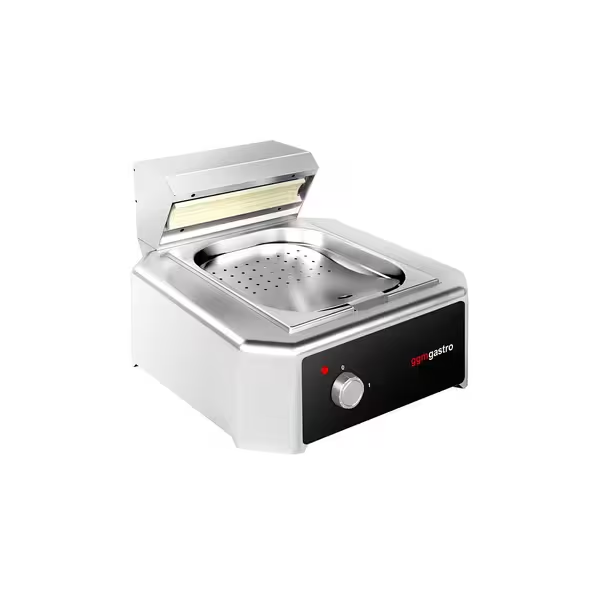
The design affects space requirements, workflow, and integration into the existing cooking line. Compact tabletop units are suitable for smaller kitchens, food trucks, or flexible retrofitting. They can be placed on a sturdy countertop or a suitable stainless steel base and typically require a 230-volt connection.
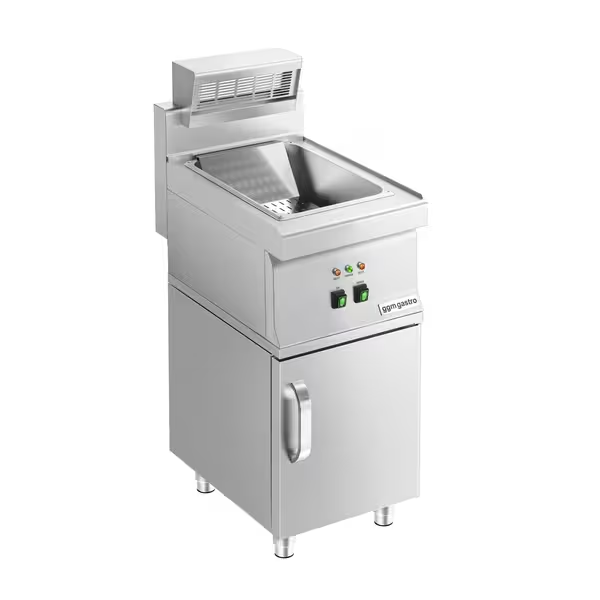
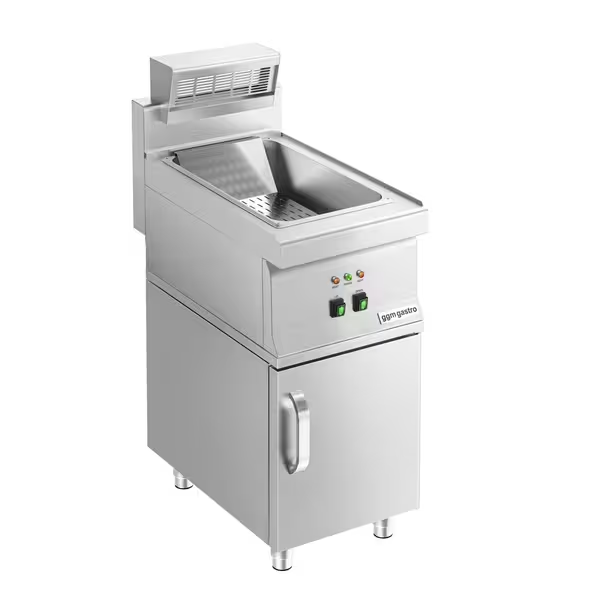
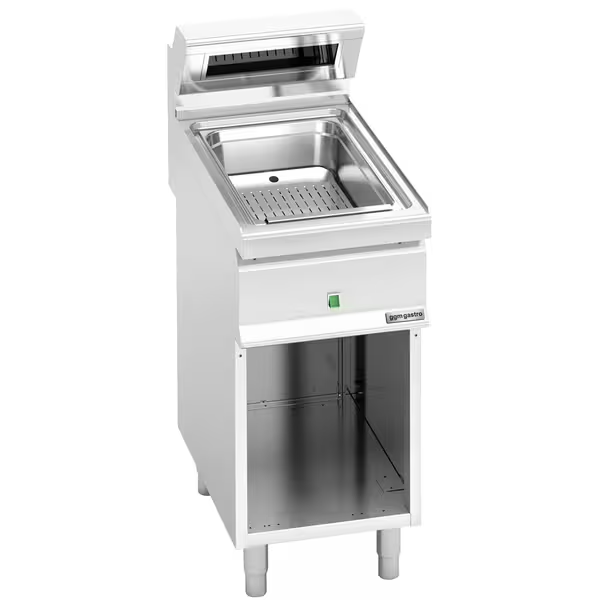
Freestanding units are designed for fixed production lines and higher volumes. They offer a larger working capacity and can be ergonomically integrated into the serving station. Built-in units are primarily used in custom-designed counters, front-cooking areas, or continuous cooking lines.
The unit depth is also a key consideration. French fry warmers in 600- or 700-series models can be matched to existing cooking series. Before purchasing, ensure that the width, depth, height, power rating, and available floor space are compatible.
Choosing the Right Heat, Capacity, and GN Size
Depending on the model, french fry warmers use top heat, a heated basin, or a combination of top and bottom heat. Radiant heaters maintain the temperature of the product’s surface, while a heated basin area provides additional heat from below. Perforated inserts or drip pans help separate grease and small food particles from the warming area.
The GN format makes it easier to determine capacity. GN 1/2 is often suitable for compact stations and smaller batches. GN 1/1 offers greater capacity and is better suited for operations with higher throughput. In addition to the container size, the basin depth, usable surface area, and the unit’s power output are important factors.
A quick checklist can help with your selection:
- What is the volume served during the busiest 15 to 30 minutes?
- Does GN 1/2 or GN 1/1 better match the batch size of the fryer?
- Do you need a tabletop, freestanding, or built-in unit?
- Is a 230-volt outlet sufficient at the intended location?
- Are the insert, drip tray, and necessary accessories included in the package?
Plan Your Route to the French Fry Station Wisely
A french fry warmer works best when it's integrated directly into the workflow. The paths from the fryer to the warming bin and on to the packaging or plate dispensing area should remain short and unobstructed. Portioning scoops, packaging, and sauces should be within easy reach but must not block access to the unit.
In a small snack bar kitchen, a tabletop unit placed between the deep fryer and the packaging station can speed up the handoff. In a larger production kitchen, a freestanding unit can be used as a fixed station with separate compartments for fries, croquettes, or nuggets, provided the model allows for suitable compartmentalization.
When planning, it’s also important to ensure there’s sufficient counter space. Even a high-performance french fry warmer won’t solve a bottleneck if finished portions then have to wait for packaging or orders.
Stainless Steel, Cleaning, and Durability in Day-to-Day Operations
French fry warmers are constantly exposed to heat, grease, salt, crumbs, and regular cleaning. Stainless steel is suitable for this application because its surface is durable, hygienic, and relatively easy to maintain. Removable inserts and drip pans simplify daily cleaning.
Before cleaning, the unit must be allowed to cool and disconnected from the power source. Residues should be removed regularly to prevent grease and salt from building up. Easily accessible interior surfaces and few hard-to-reach crevices reduce the cleaning effort during operation.
Compatible snack bar accessories, such as portioning scoops or GN inserts, should be tailored to the unit’s dimensions and mounting capabilities. For permanent cooking stations, suitable bases and under-counter units can also improve working height and stability.
Plan for what makes economic sense rather than unnecessarily large-scale projects
A properly sized fry warmer helps ensure smooth operations because it allows for better coordination between frying and serving. The team works more efficiently, portions are organized and ready, and orders can be prepared more quickly during peak hours.
In contrast, units that are too small quickly lead to frequent refilling and cramped working conditions. Oversized models require more floor space, tie up capital, and encourage keeping excessively large quantities of food warm. A solution that covers actual peak demand without maintaining a permanent reserve of unused capacity makes the most economic sense.
The right choice is based on design, GN size, capacity, heat distribution, footprint, and ease of cleaning. In this way, the french fry warmer becomes a functional component of the serving station and supports consistent, organized, and reliable food production.