


:quality(70))
:quality(70))


Work Tables for the Food Service Industry and Professional Kitchens
Work tables provide sturdy work surfaces for food preparation, portioning, and plating in professional kitchens. A variety of sizes and configurations allow for customized planning to meet the needs of both compact operations and larger production areas. Work Table Guide »

Design/Equipment
Building depth
Width (mm)
Quality
Product type
Product material
Load Capacity
Price
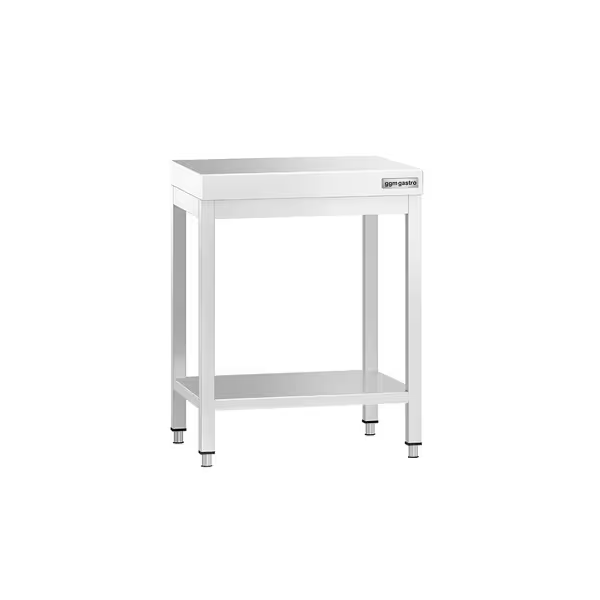
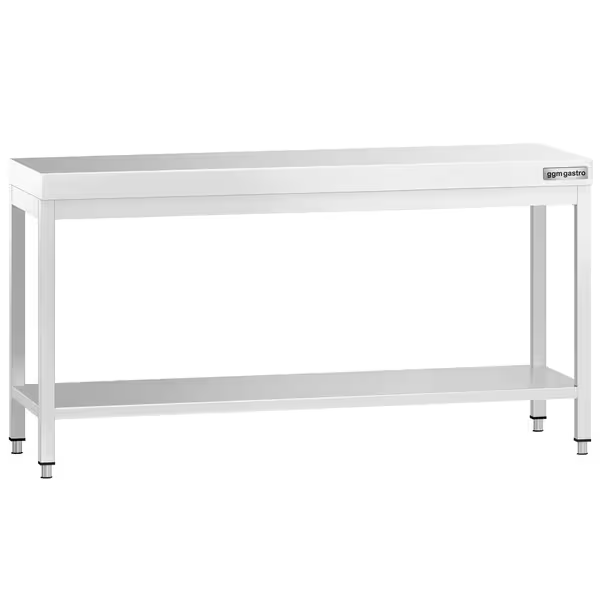
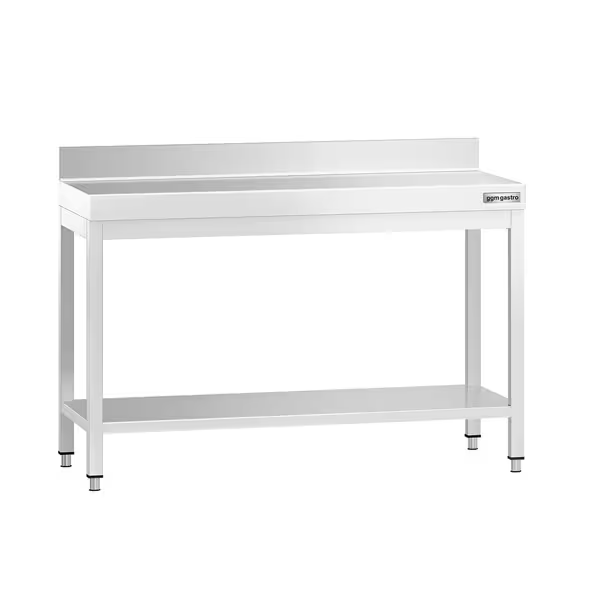
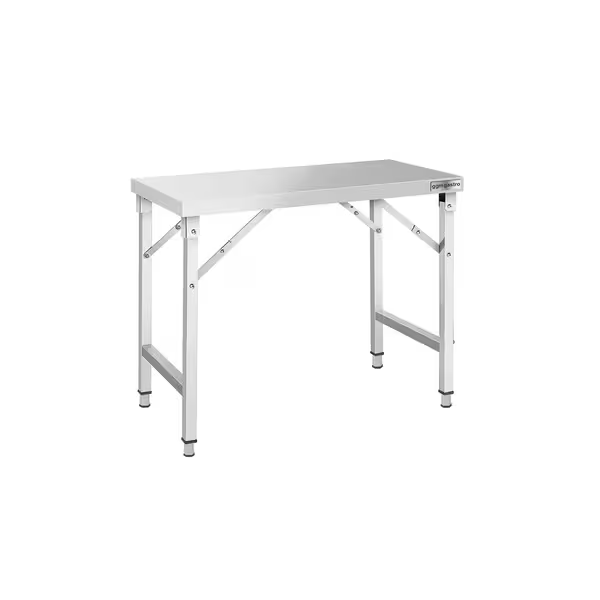
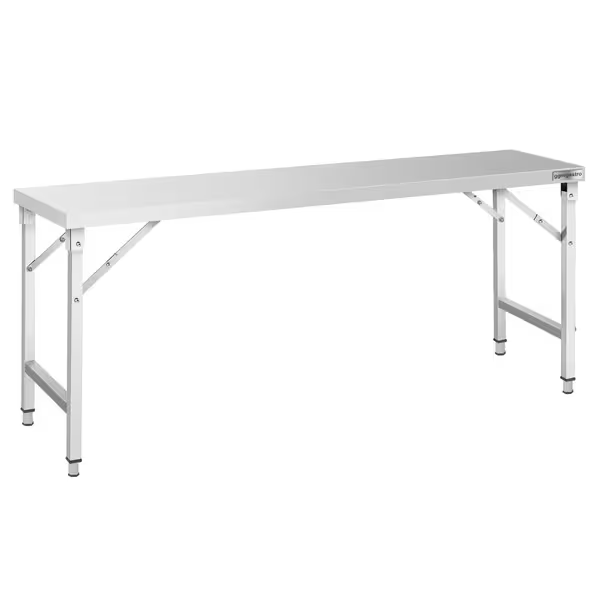
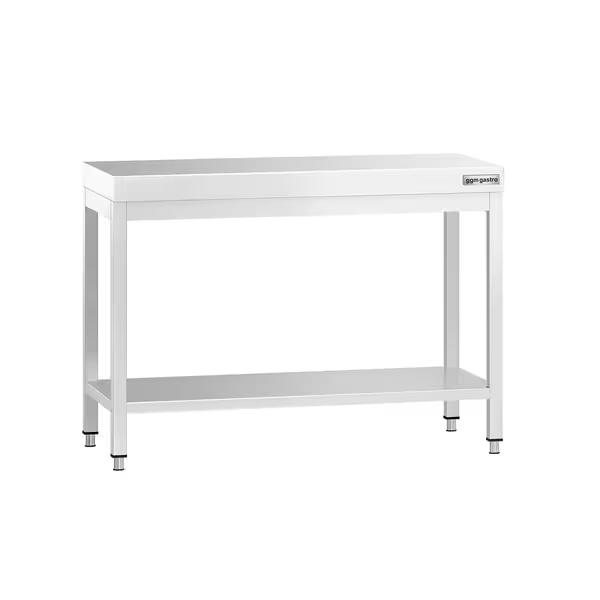
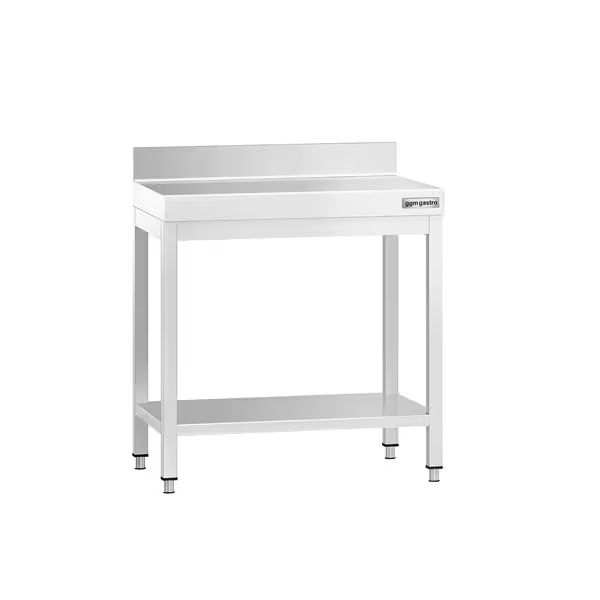
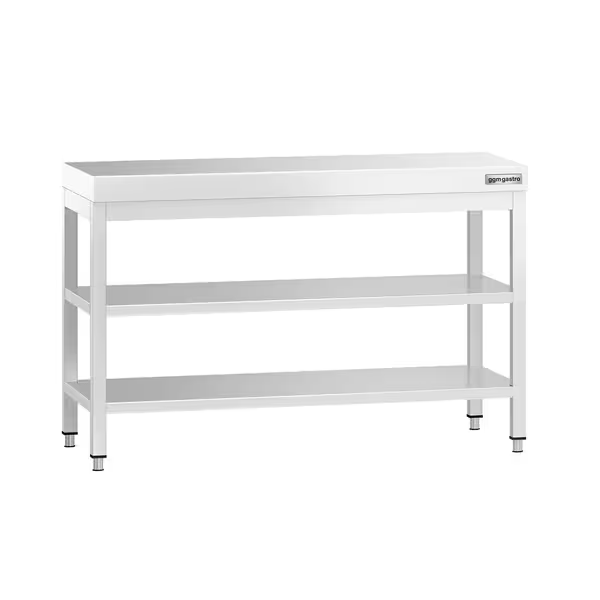
Work Tables as a Functional Foundation in the Foodservice Industry
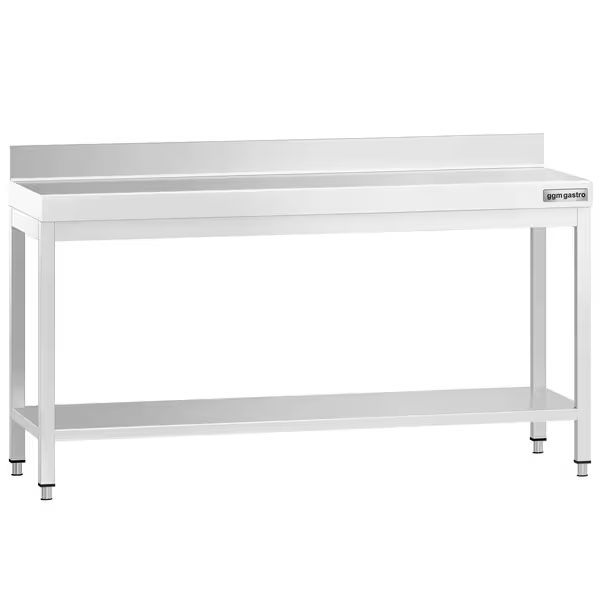
Work tables are professional work surfaces used for the preparation, processing, and serving of food and work equipment in the restaurant industry, hospitality industry, catering, and institutional food service. They serve as fixed or flexible workstations and support clearly structured workflows between preparation, production, and service.
In day-to-day operations, it’s less about having as much space as possible and more about having the right space in the right place. A properly positioned commercial work table shortens walking distances, keeps frequently used utensils within easy reach, and creates a designated space for recurring work steps. In a small restaurant kitchen, this can simplify preparation before service. In a larger production kitchen, multiple workstations can be arranged so that employees are less likely to get in each other’s way during peak hours.
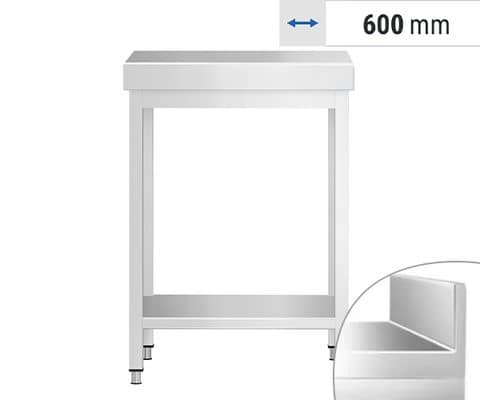
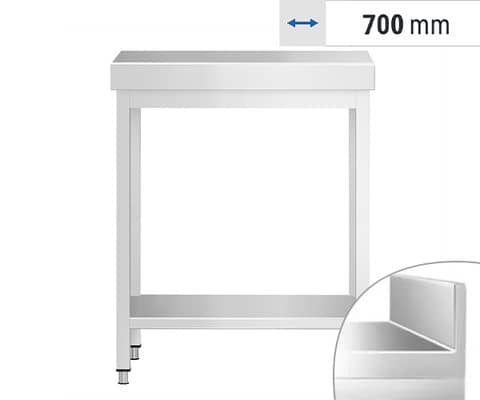
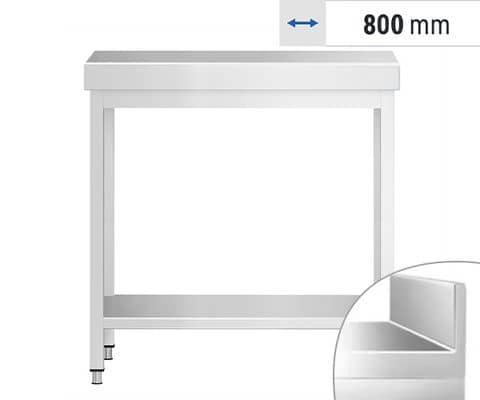
600, 700, or 800 mm: Designing work tables to match your kitchen
The depth of the unit is one of the most important selection criteria. Work tables with a depth of 600 mm are particularly suitable where space is limited or a compact workstation is needed. 700 mm deep models offer more usable counter space and often integrate well into professional kitchen layouts. 800 mm depth can be useful when larger containers, appliances, or extensive prep work need to fit on the surface.
In addition to depth, the width and work height should be suited to the available floor space and workflow. It’s not just a matter of whether the table fits in the room, but also whether there’s enough space to move around in front of it and whether adjacent workstations remain easily accessible.
Choose the right upstand, base, and fixtures
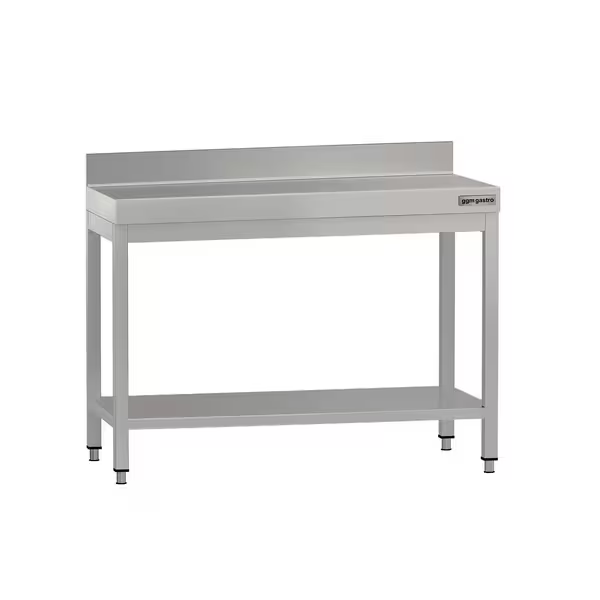
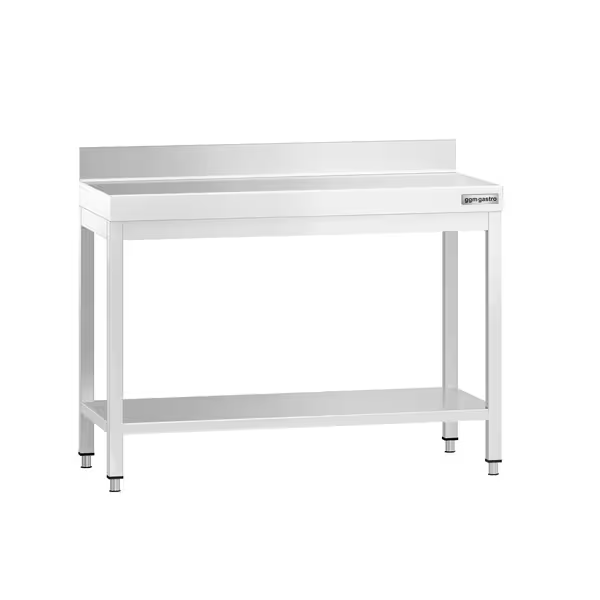
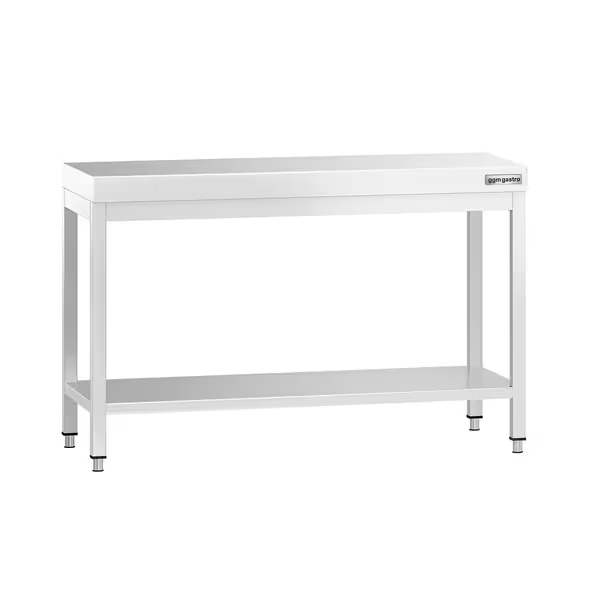
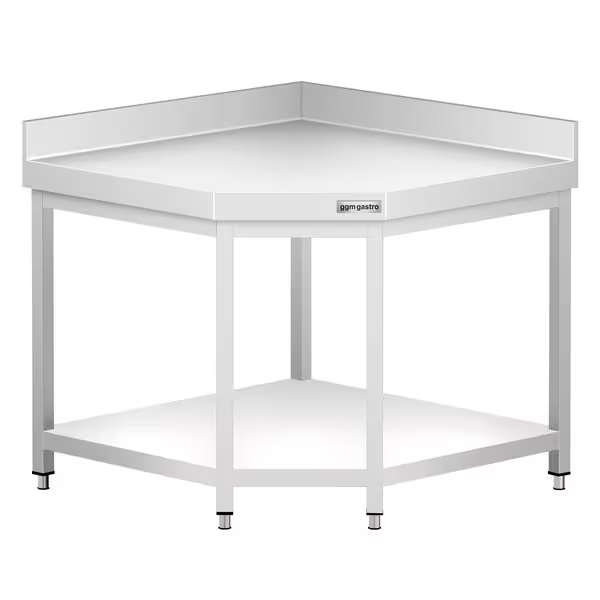
For work tables placed against a wall, an upstand can help create a clean transition to the wall and reduce dirt buildup behind the work surface. Freestanding models without an upstand, on the other hand, offer greater flexibility for use from multiple sides.
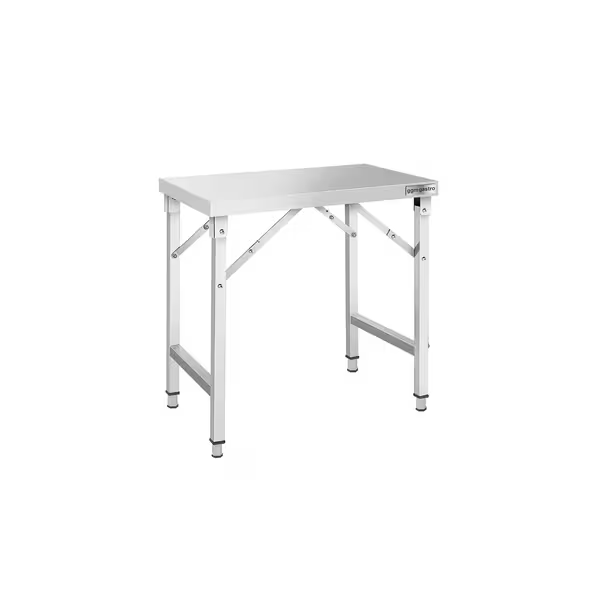
The base unit also affects daily use. A base shelf provides storage space for containers, pots, or frequently used tools. An open base keeps the space underneath clear and can be useful when additional freedom of movement or flexible use is required. Depending on your workflow, variants with drawers, cutting boards, or casters are also available. Matching accessories for stainless steel furniture can complement the workstation in specific ways.
Match the material, load capacity, and cleaning method to the load
Stainless steel is particularly well-suited for work tables in professional settings because its smooth surfaces are easy to clean and resistant to the typical stresses of everyday kitchen use. Depending on the model, various material options are available, including versions made of AISI 304.
The required load capacity should match the actual intended use. If you’re placing heavy pots, machines, or filled GN containers on the surface, you’ll need a different load capacity than for a workstation used for light prep work. At the same time, the legs, joints, and—if applicable—casters should be sturdy enough to support the intended use.
When it comes to cleaning, it’s not just the surface that matters. Base units, edges, and areas under the table should also remain accessible so that grease, moisture, and food residue can be reliably removed during the daily cleaning routine.
Quick Checklist for Selecting Workbenches
-
Dimensions: Do the width and depth (600, 700, or 800 mm) fit the room and the traffic flow?
-
Setup: Does a wall-mounted design make sense, or will the table be freestanding?
-
Organization: Is a solid bottom shelf, open base, or additional drawer space needed?
-
Load Capacity: Do the materials and load capacity accommodate the containers and tools used daily?
-
Flexibility: Should the workstation be permanently stationary or remain mobile with casters?
Integrating Workbenches into Existing Workflows
A work table should not be designed in isolation. Its position within the workflow is crucial. In the prep area, for example, it can be helpful to have a short distance to refrigerated base cabinets so that chilled ingredients remain within easy reach without requiring unnecessary trips. In areas near the dishwashing station, there should be sufficient distance from dishwashing units so that clean prep and return processes do not interfere with one another.
A clear division of functions pays off, especially when space is limited. If the same table is used simultaneously for preparation, portioning, and packaging, there should be sufficient counter space so that individual work steps do not have to be constantly rearranged. In larger kitchens, on the other hand, multiple work tables can be specifically designated to form different stations.
Plan for profitability rather than just buying land
Well-chosen work tables support organized workflow because they adapt the work surface, storage, and layout to actual usage. This can reduce the time spent searching for items, make preparation more organized, and simplify cleaning. Especially when opening a new location or renovating an existing one, it’s therefore worth evaluating dimensions, load capacity, and features not only based on purchase price but also on daily use.
For cohesive kitchen planning, work tables should be selected to fit the available space, the team’s workflow, and adjacent kitchen furniture. This creates a durable workstation that supports professional operations without tying up unnecessary space or equipment.