


:quality(70))
:quality(70))


Pots & Pans for the Food Service Industry
Pots and pans are used for cooking, frying, braising, and preparing food in restaurants, commercial kitchens, hotels, and catering businesses. Choosing the right materials, sizes, and stove compatibility for each specific workflow is crucial. Pots & Pans Guide »



Pans


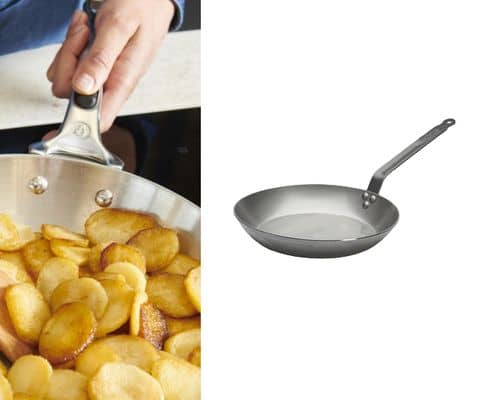
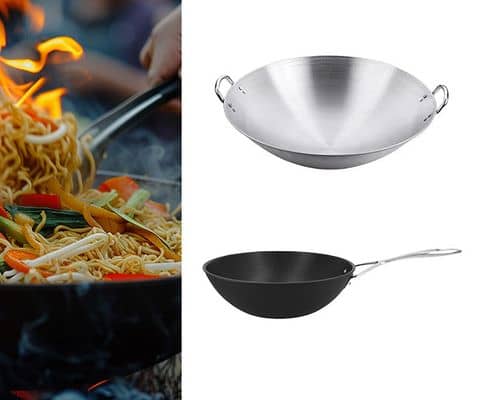


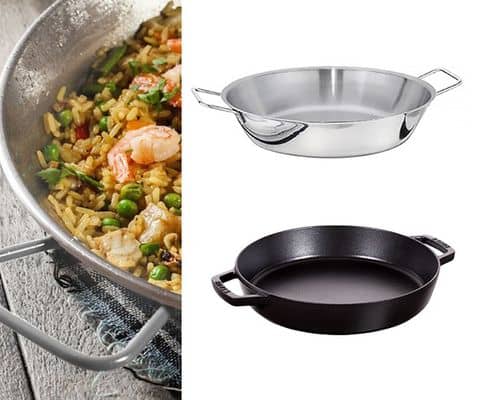
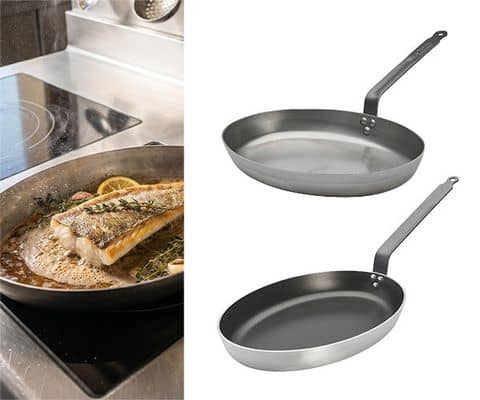

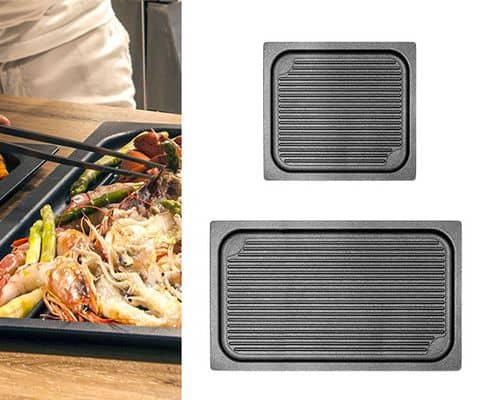
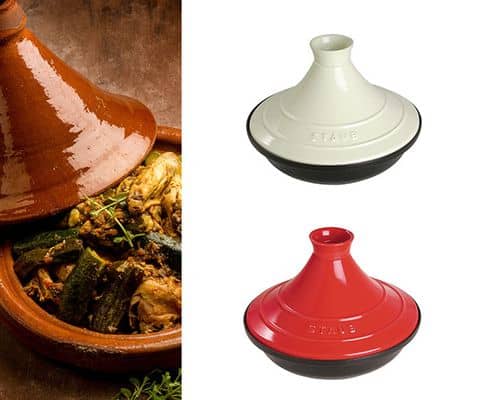
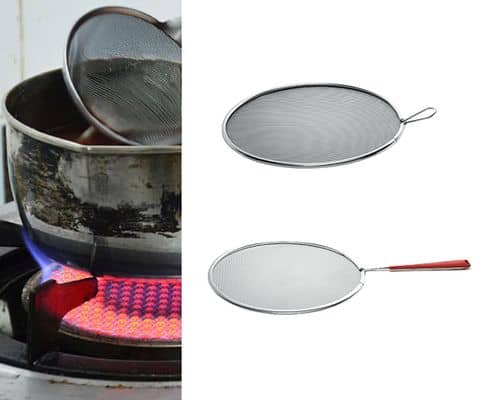


Pots & Pans: The Foundation of Efficient Kitchen Operations
Pots and pans are professional cookware used for cooking, frying, braising, sautéing, and preparing food in commercial kitchens. They are part of the basic equipment for restaurants, snack bars, hotels, catering companies, and institutional food service facilities, because they directly impact cooking quality, work pace, and process reliability on a daily basis.
The selection process should not start with the largest possible number of products, but rather with the menu and the actual workload profile. A small à la carte restaurant requires different sizes and quantities than a production kitchen that prepares soups, sauces, or side dishes in larger batches. Properly selected cookware streamlines recurring processes, reduces unnecessary transfer of food, and ensures that the necessary containers remain within easy reach during peak hours.
Choose Pots and Pans Based on the Task, Quantity, and Stove Type
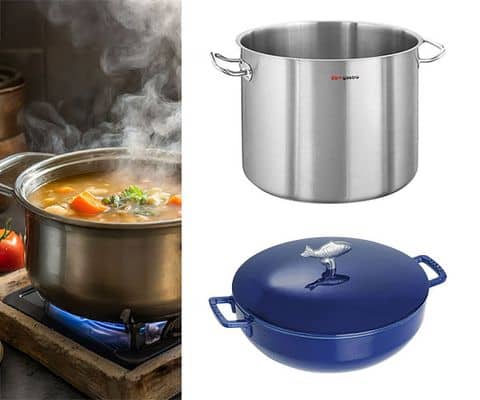
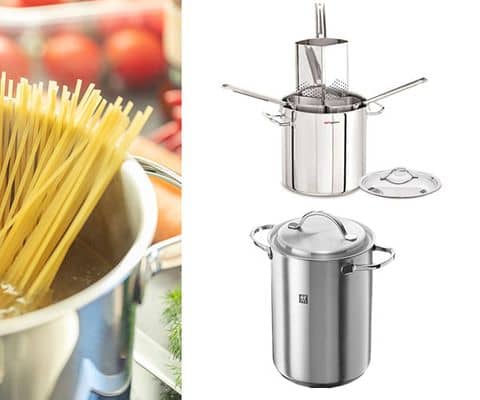
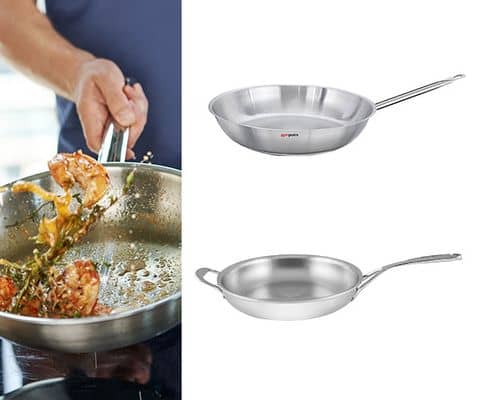
When planning your daily meals, the most important factors to consider are the cooking method, portion size, diameter, capacity, and rim height. Tall pots, for example, are suitable for soups, stocks, pasta, or larger quantities of liquid. Shallower roasting and braising pots make it easier to turn and reduce. With skillets, the usable bottom surface area determines how much food is in contact with the hot surface at any given time. A high rim is ideal for braised dishes and larger quantities; a shallow rim makes it easier to quickly turn and remove food.
The space available on the cooktop is also a factor in the decision. Pots and pans that are too large block adjacent cooking zones and make handling more difficult. Conversely, pans that are too small result in additional batches and longer cooking times. During preparation, a tiered selection of a few clearly defined diameters and volumes can simplify the work and make storage more organized.
Rate the materials and craftsmanship for everyday kitchen use
Stainless steel is versatile and, when properly cared for, can be cleaned hygienically. Coated aluminum pans usually respond quickly to temperature changes and are suitable for delicate foods, but require gentle handling with utensils and cleaning. Cast iron and wrought iron are ideal for searing and retaining heat well, but they are heavier and have specific care requirements.
In addition to the base material, you should check the stability of the base, the security of the handle attachment, the weight, and how well the lid fits. During regular use, heat, grease, moisture, cleaning chemicals, and mechanical stress affect the cookware on a daily basis. Dishwasher safety is therefore only an advantage if it is specifically indicated for the product in question. Before purchasing, you must also determine whether the base is suitable for induction, gas, electric, or glass-ceramic cooktops. For induction cooktops, the material designation alone is not sufficient; explicitly confirmed compatibility is crucial.
Quick Check for a Reliable Selection
-
Preparation: Clearly specify whether the dish will be boiled, fried, braised, sautéed, or prepared using a special method.
-
Capacity: Match the diameter, rim height, and volume to the number of servings and peak load.
-
Material: Compare thermal properties, weight, coating, and maintenance requirements.
-
Compatibility: Check the type of stove, base size, lid, and available storage space.
-
Operation: Also evaluate cleaning, daily use, availability, and the ability to replace the item.
Efficiency is built into daily operations
The purchase price alone says little about the operational benefits. A suitable pan can hold several servings at once, while a sufficiently large pot reduces the number of batches needed during preparation. This supports more consistent workflows, eases the burden on staff, and reduces the need to improvise by switching between unsuitable cookware.
Equipment makes economic sense when it aligns with actual usage, can be integrated into existing standards, and can be reliably replaced in the event of failure or expansion. For businesses with multiple stations or locations, standardized series, consistent sizes, and clearly defined areas of use can facilitate training. When procuring equipment, therefore, factors such as delivery status, clear product information, expert advice, and a realistic assessment of the equipment’s service life under the business’s specific conditions are just as important as price and materials.
Combining and Organizing Cookware Effectively
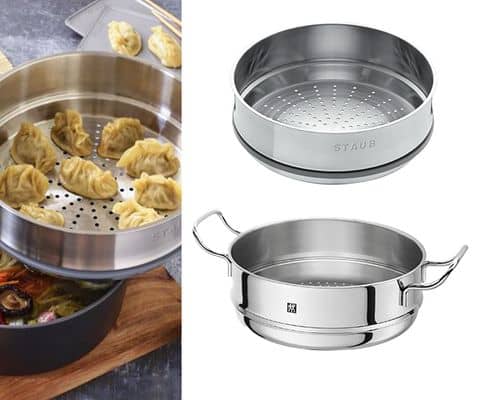
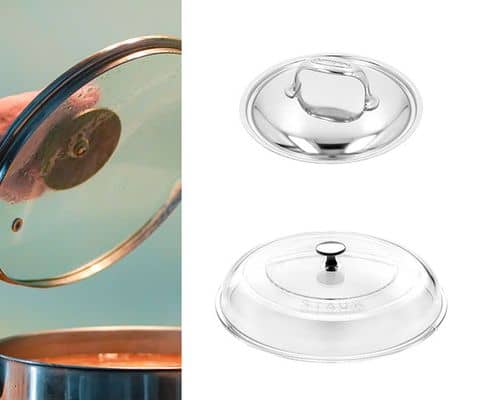
Matching lids can limit heat loss and help ensure controlled cooking processes. Steaming inserts expand the range of suitable pots for gentle cooking methods without requiring an unnecessary number of specialized pots. It is important to ensure that the diameter and capacity match exactly.
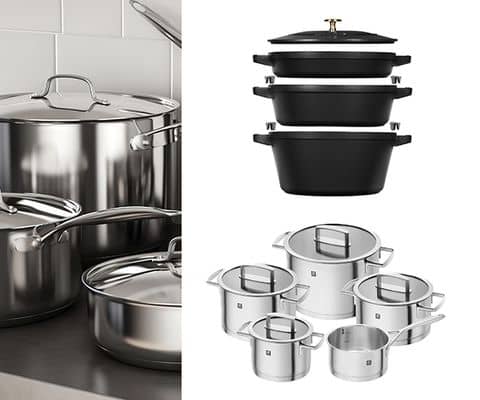
In the kitchen, frequently used sizes should be within easy reach of the cooktop. After use, cookware needs a clear path back to the sink for cleaning and a dry, organized storage area. Stacking is only advisable if it does not damage coatings or handles. This ensures that the equipment remains manageable as part of the overall production chain.
Choose Pots and Pans Based on Specific Needs, Not Just Generally
The right combination depends on the menu, portion sizes, cooking equipment, staff, and cleaning routine. By evaluating these factors together, you can create a reliable set of basic equipment that effectively supports preparation, service, and cleanup in a commercial kitchen setting.