


:quality(70))
:quality(70))


Countertop Refrigerated Display Cases
Countertop refrigerated display cases showcase chilled foods, snacks, desserts, or beverages directly on the counter, buffet, or serving area. They combine compact refrigeration with excellent visibility, hygienic protection, and quick access in professional food service operations. Guide to Countertop Refrigerated Display Cases »




Product type
Door type
usable volume
Cooling type
Amount container
Number of trays
Number of Doors
Width
Depth
Height
Price
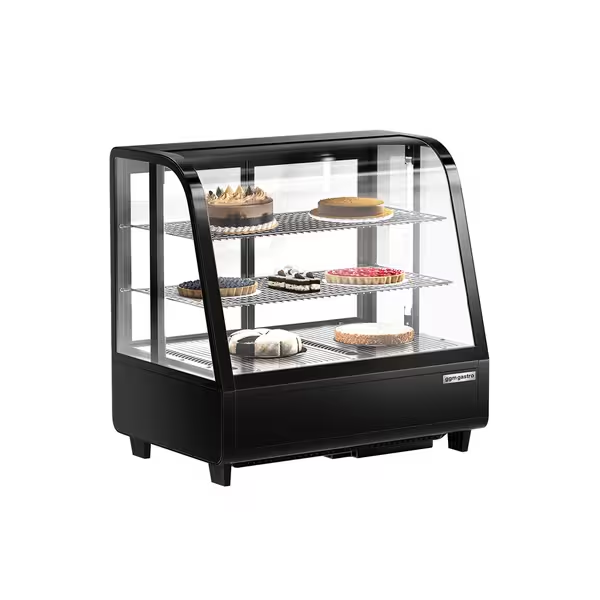
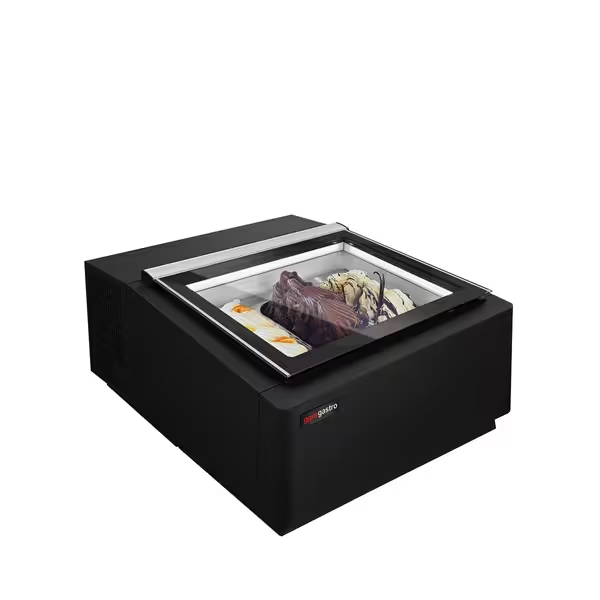
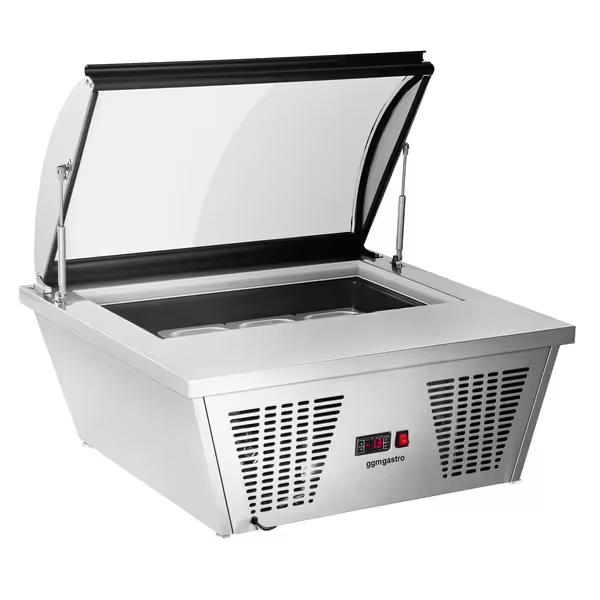
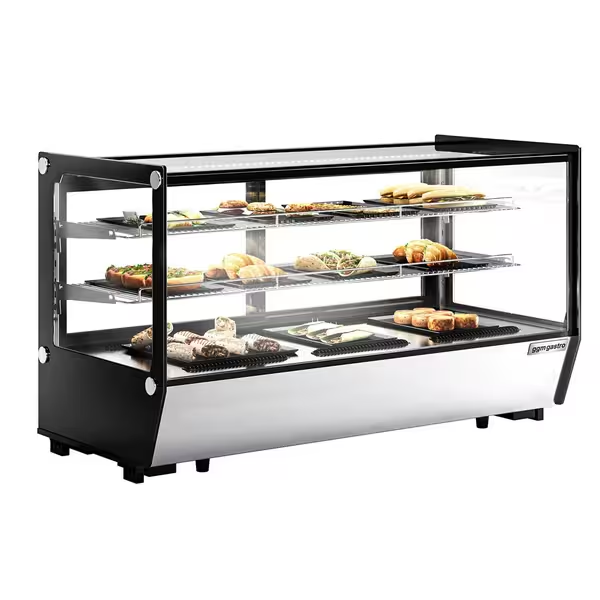
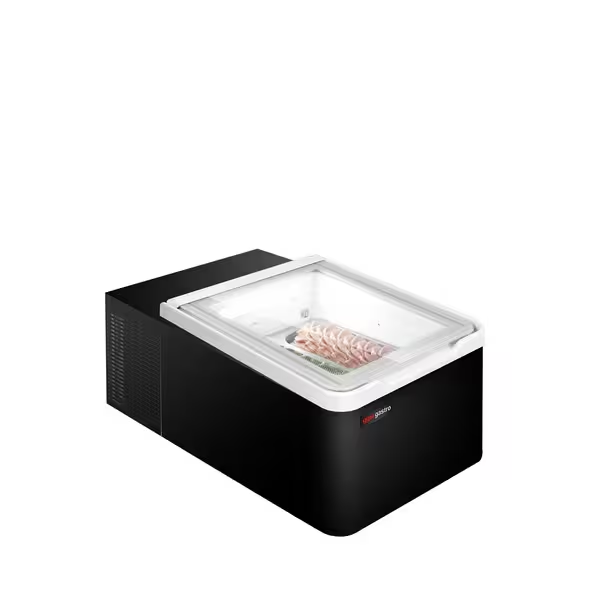
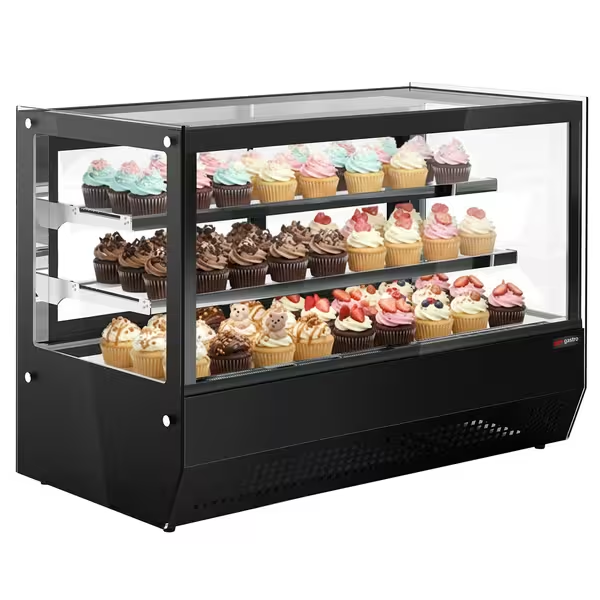
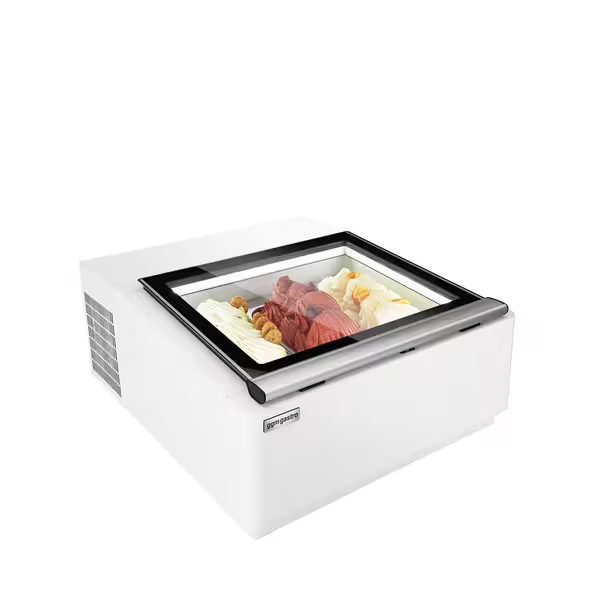
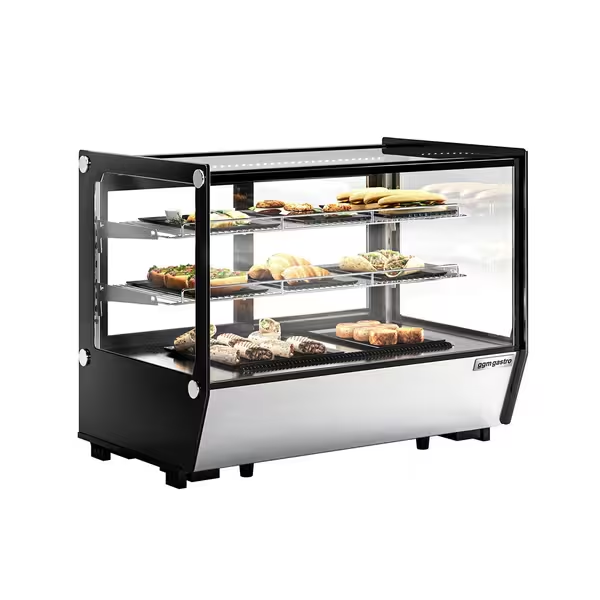
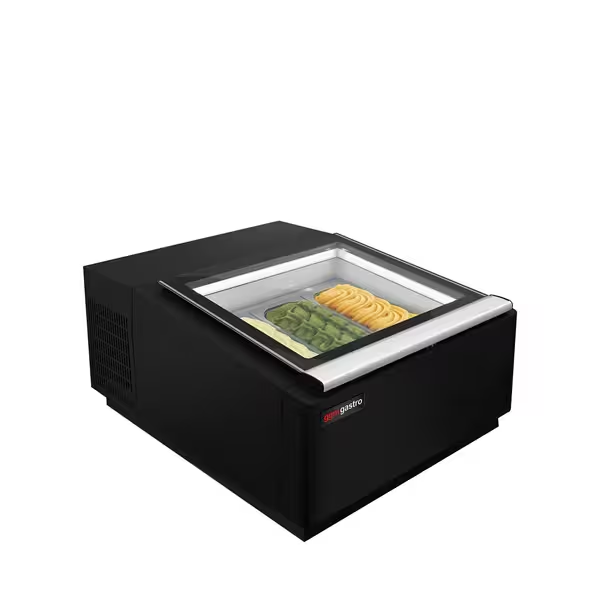
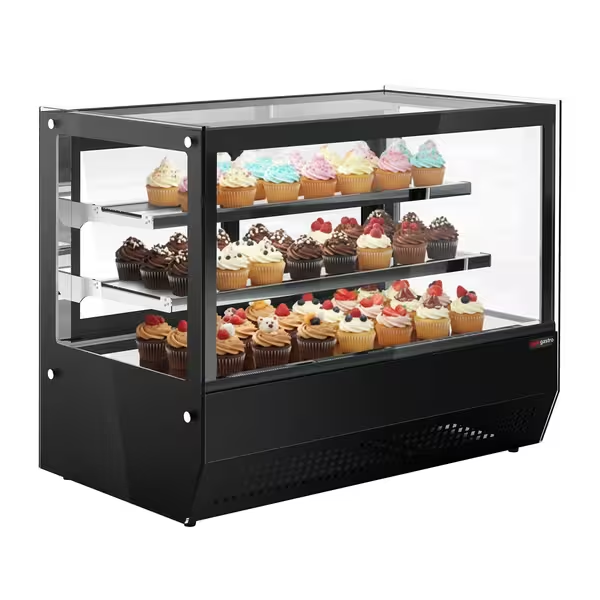
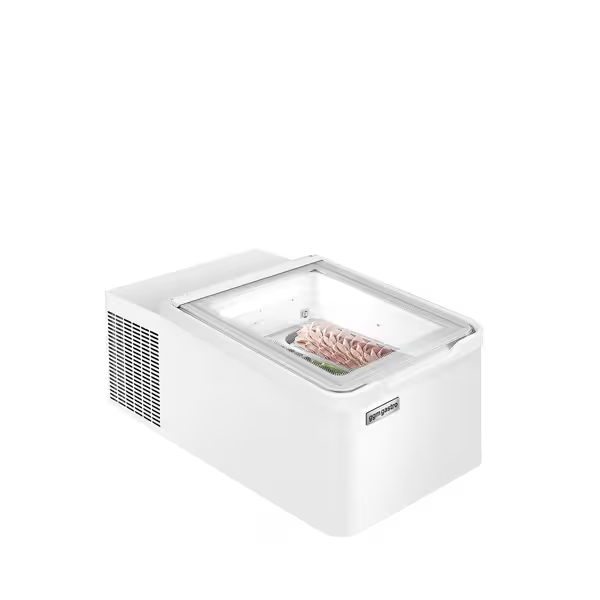
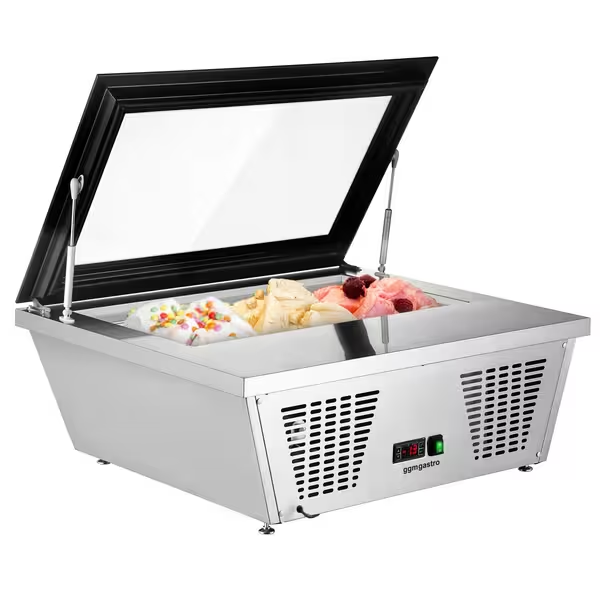
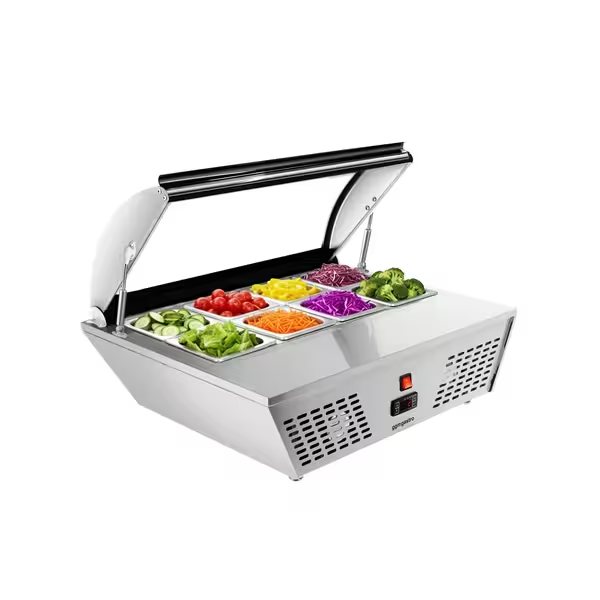
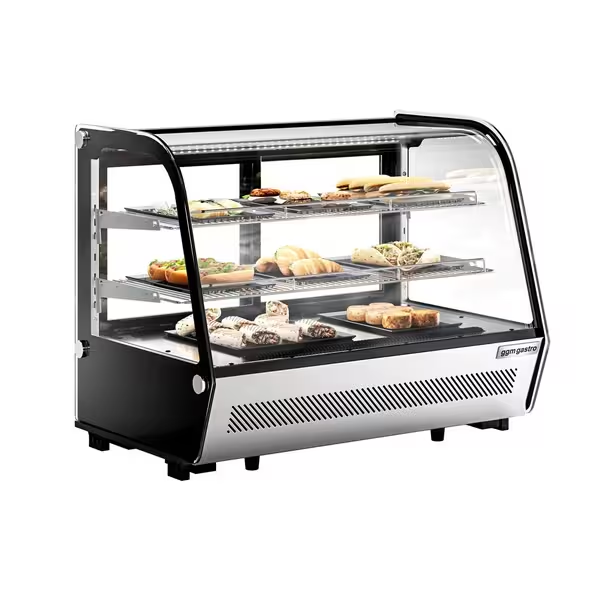
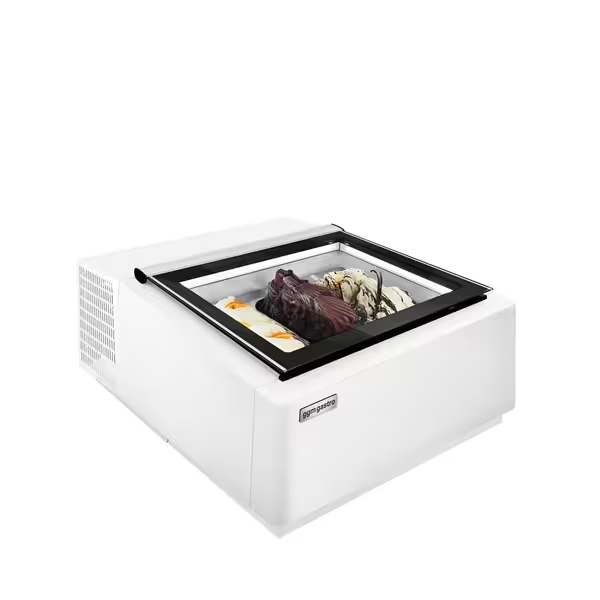
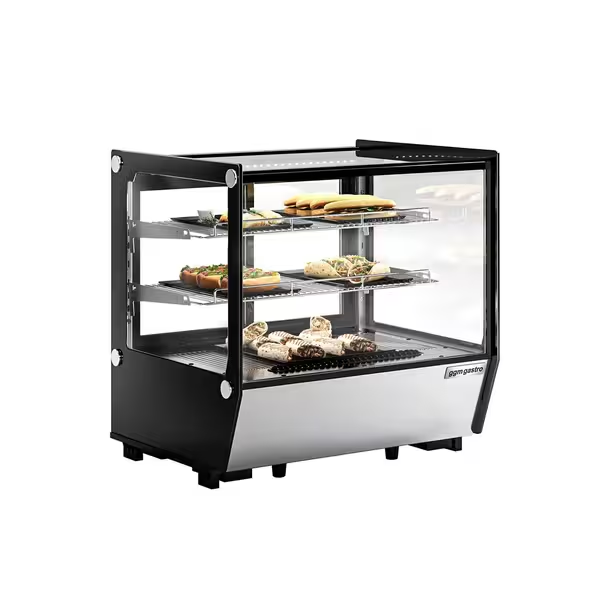
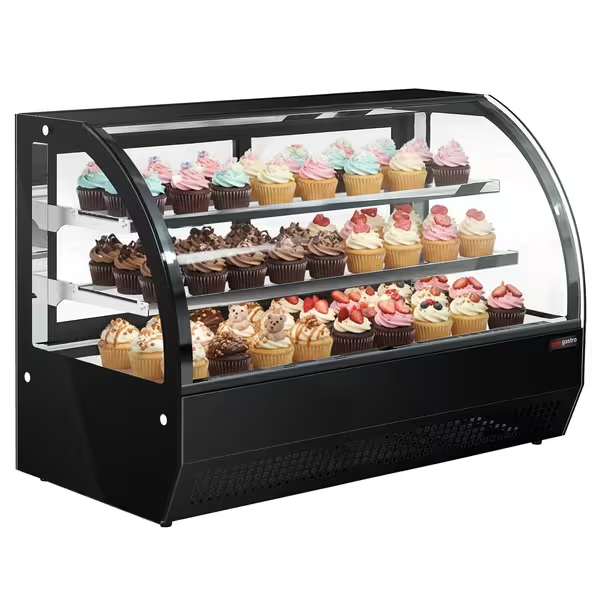
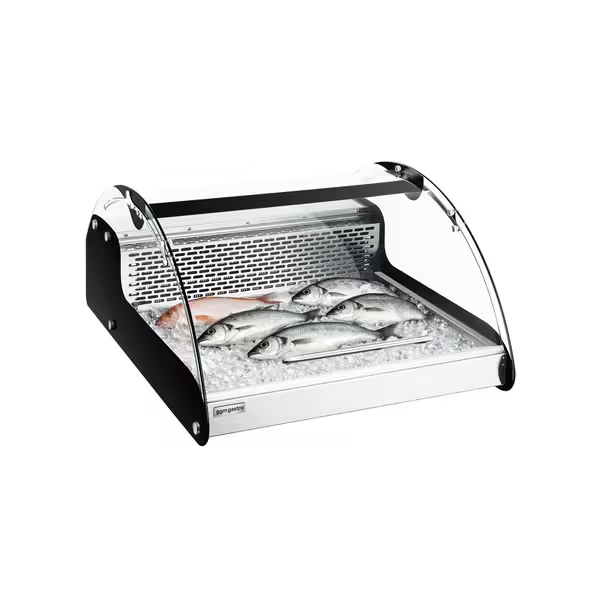
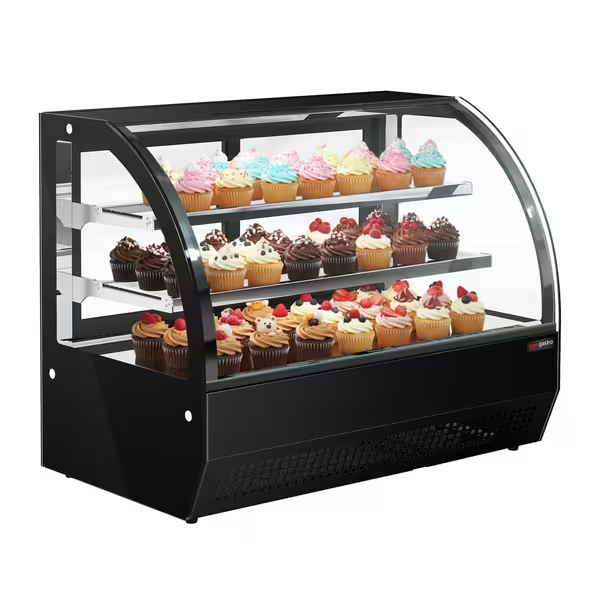
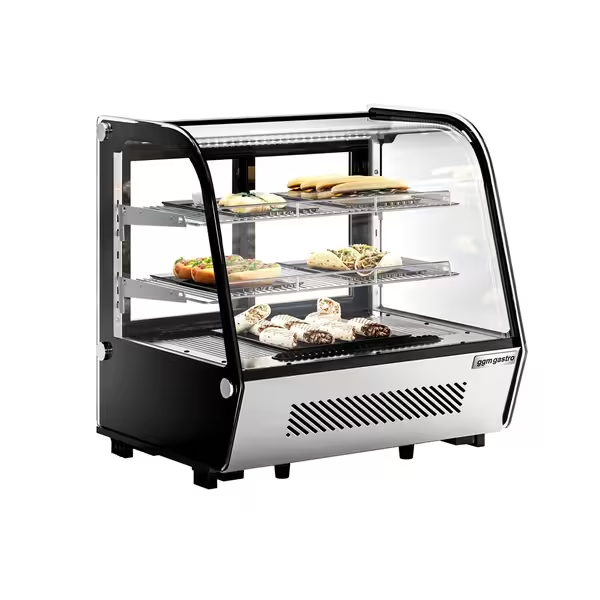
Countertop refrigerated display cases for visible freshness in a small space
Countertop refrigerated display cases are compact refrigeration units designed for the chilled presentation of food and beverages on countertops, sales counters, or buffets. They are suitable for cafés, bistros, hotels, snack bars, bakeries, cafeterias, catering areas, and restaurants, where chilled goods are not only stored but also displayed close to the point of sale.
In everyday use, tabletop refrigerated display cases serve a clear purpose: they showcase products where guests or employees can easily access them. Sandwiches, cakes, desserts, yogurt, salads, sushi, tapas, and small beverages remain neatly arranged and hygienically protected. At the same time, the visible presentation supports upselling, because products are directly in plain sight and don’t have to be searched for in the back of the refrigerated section.
What Matters Most When Using Countertop Refrigerated Display Cases in a Business Setting
The right tabletop refrigerated display case depends on your product selection, available space, and workflow. For a small checkout area, a compact tabletop model with a shallow depth is ideal. In a café or hotel buffet, a model with multiple glass shelves may be useful so that cakes, desserts, or breakfast items can be displayed on several levels. For sushi, tapas, or deli items, a shallow, easily visible display with reliable temperature control is particularly important.
Key decision-making criteria include:
-
Dimensions and footprint on the counter, buffet, or work table
-
Temperature range suitable for the products
-
Capacity, shelves, and display levels
-
Type of glass, doors, and front or rear access
-
Power connection type (usually 230 V) and access for cleaning
The cooling method also influences how the unit is used. Convection cooling distributes the temperature more evenly throughout the interior, while static cooling offers a more stable airflow depending on the product and model. Digital temperature displays, LED lighting, sliding doors, curved or flat glass, and height-adjustable shelves improve usability, monitoring, and product presentation.
Planning Workflows, Hygiene, and Cleaning in a Practical Way
A tabletop refrigerated display case is particularly useful when it is seamlessly integrated into the workflow. During a bistro’s lunch service, it can keep prepared salads or desserts ready right at the serving counter. In a café, it facilitates the quick sale of cakes and snacks without requiring staff to make trips to the storage freezer. At a hotel buffet, it ensures that chilled items remain visible and can be restocked in an orderly manner.
For daily operations, durable materials, easily accessible interiors, and smooth surfaces are essential. Glass, stainless steel surfaces, and shelves regularly come into contact with moisture, fingerprints, cleaning agents, and frequent opening. An easily accessible design facilitates cleaning before, during, and after service. Especially in open sales areas, a well-maintained appearance is not just a matter of aesthetics, but also a sign of hygiene and professionalism.
The setup also deserves attention. The display case requires adequate air circulation, suitable utility connections, and a stable, load-bearing surface. When combined with stainless steel furniture, it creates a hygienic workspace that integrates refrigeration, presentation, and serving.
Thinking in Business Terms: Visibility, Access, and Stable Processes
Countertop refrigerated display cases are more than just a presentation solution. When chosen correctly, they promote speed, clarity, and predictable workflows. Products are prepared, chilled, and clearly visible in the right place. This reduces the need to search for items, simplifies restocking processes, and eases the workload on the team during peak hours. At the same time, the merchandise remains attractively visible to guests without being left unprotected on the counter.
Economic benefits arise primarily from proper sizing. A display case that is too small quickly leads to frequent restocking or cluttered arrangement. A model that is too large takes up space that might otherwise be needed in the work area for preparation or service. Therefore, the key is not the largest possible model, but the solution that fits the daily volume, the product assortment, and the actual sales area.
A Practical Combination in the Refrigeration and Serving Concept
Countertop refrigerated display cases can be easily combined with other functional areas without leaving the category. For more specialized displays, top-mounted display cases & sushi display cases may be relevant. Larger sales areas with service counters are better suited for refrigerated counters, fish & meat counters. For clean return flows and efficient cleaning processes, dishwashing units make sense within the operational concept.
At GGM Gastro, commercial customers can find tabletop refrigerated display cases for businesses of various sizes and applications. The selection caters to budget-conscious establishments as well as restaurants, hotels, and cafés that prioritize a professional appearance, streamlined operations, and reliable cooling. Expert advice, quick availability, free shipping throughout Europe, and convenient payment options help integrate the purchase into ongoing operations or a planned new opening.
Quick Checklist for Choosing Your Countertop Refrigerated Display Case
Making the right choice starts with the products: snacks, cakes, sushi, salads, or beverages all have different requirements in terms of temperature, height, and presentation. Next come shelf space, accessibility, and restocking frequency. It’s also important to consider how intensively the display case is used and cleaned on a daily basis.
For professional use, what matters is a solution that fits the actual floor space, the product assortment, and the service frequency. This makes the tabletop refrigerated display case a compact component for the presentation of chilled goods, hygienic serving, and consistent operations in everyday restaurant life.