


Box Hoods
Box hoods capture cooking fumes, grease particles, and heat directly above commercial cooking areas. A variety of sizes and configurations allow for integration into both compact kitchens and larger production areas. Box Hoods Guide »



Product type
Design/Equipment
Conveyor volume
Air routing
Number of Filters
Width
Depth
Height
Price
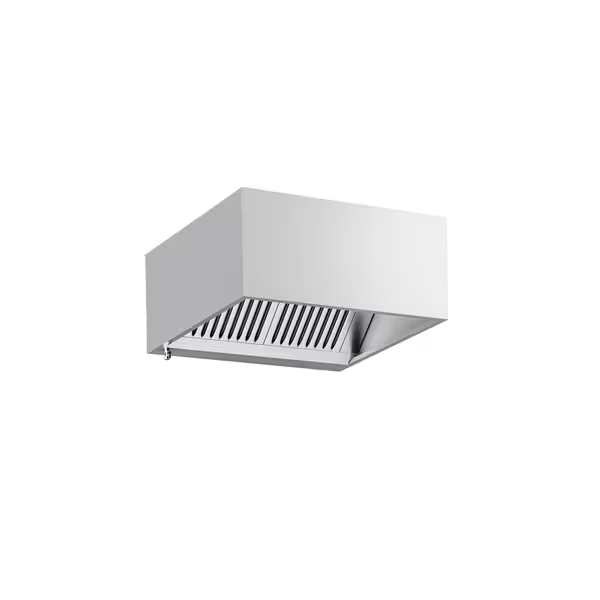
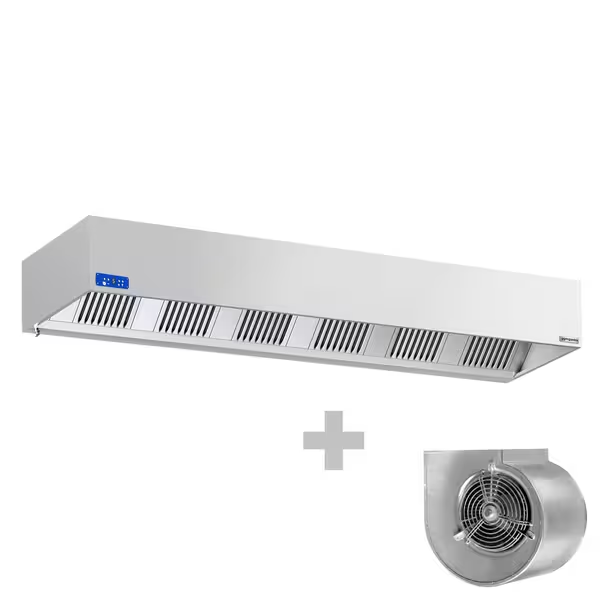
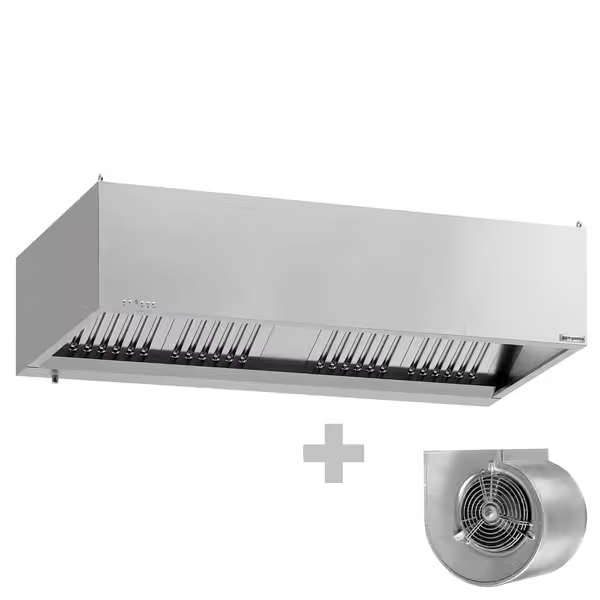
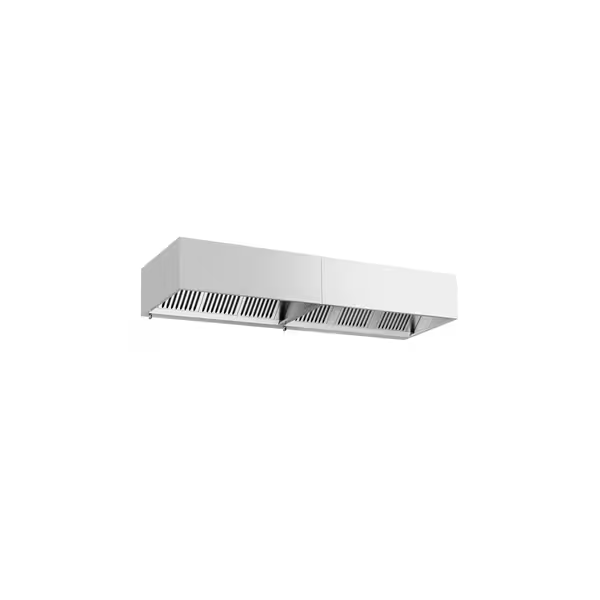
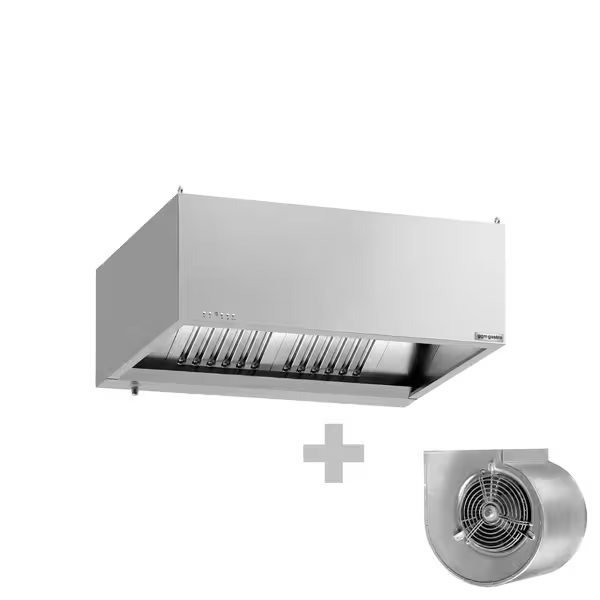
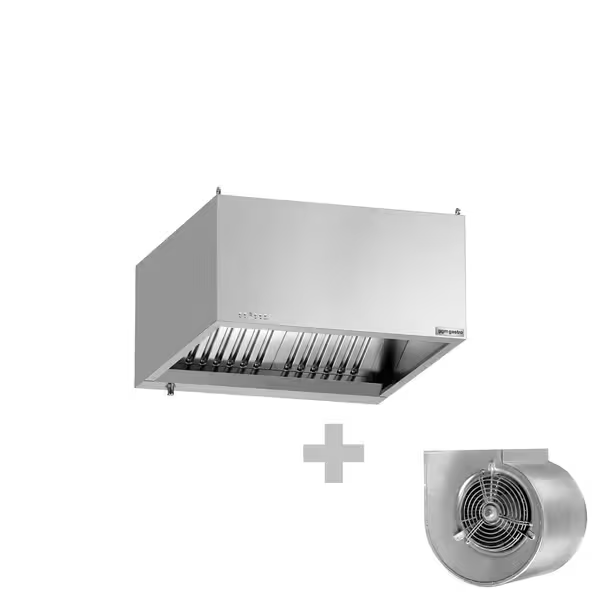
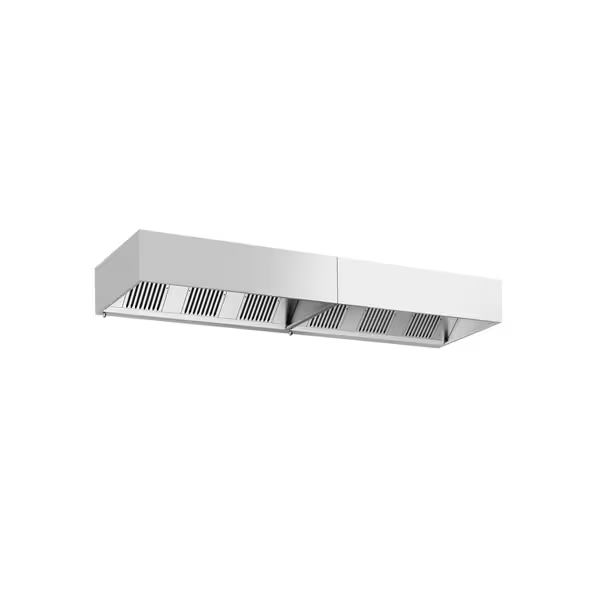
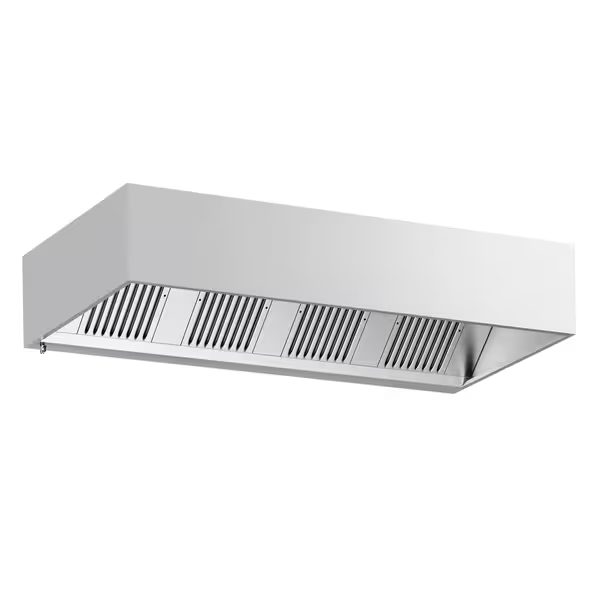
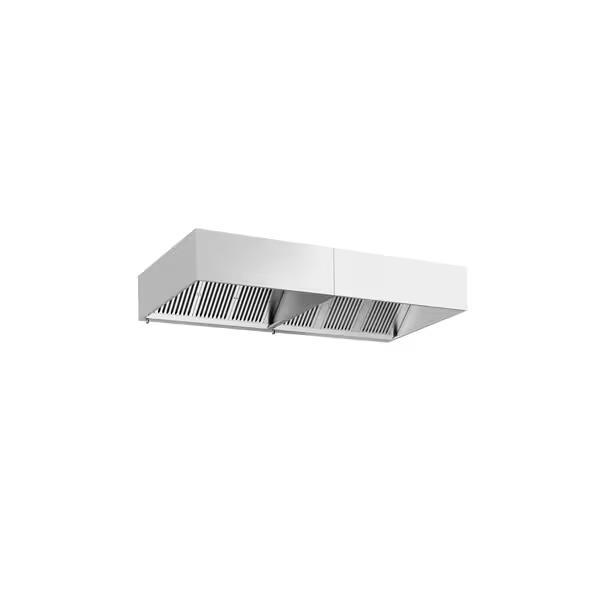
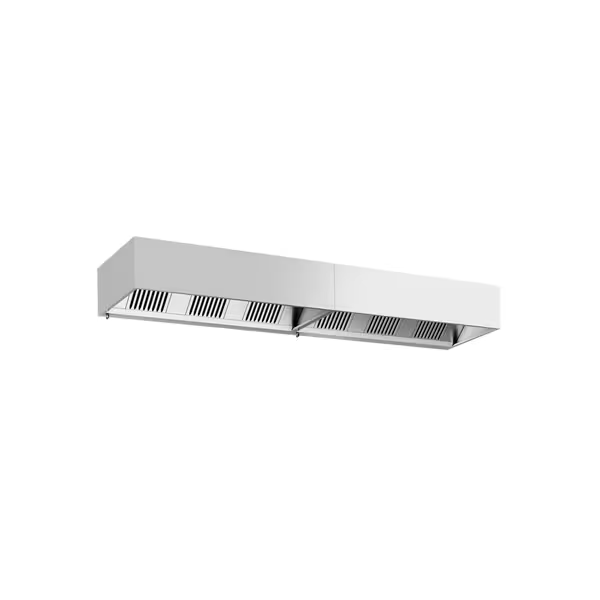
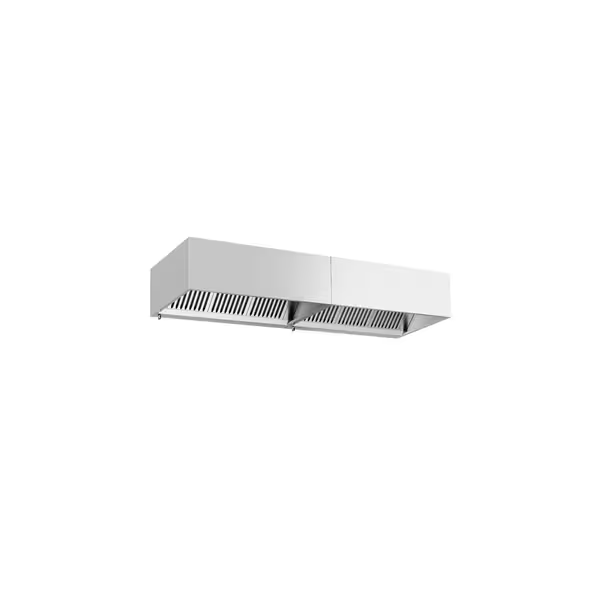
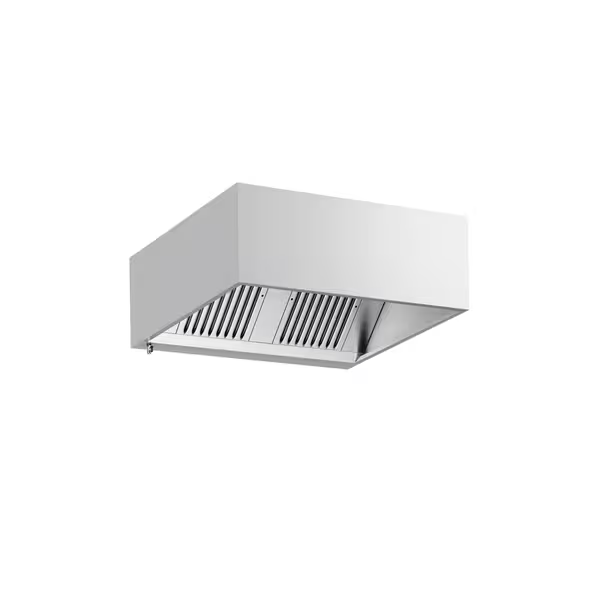
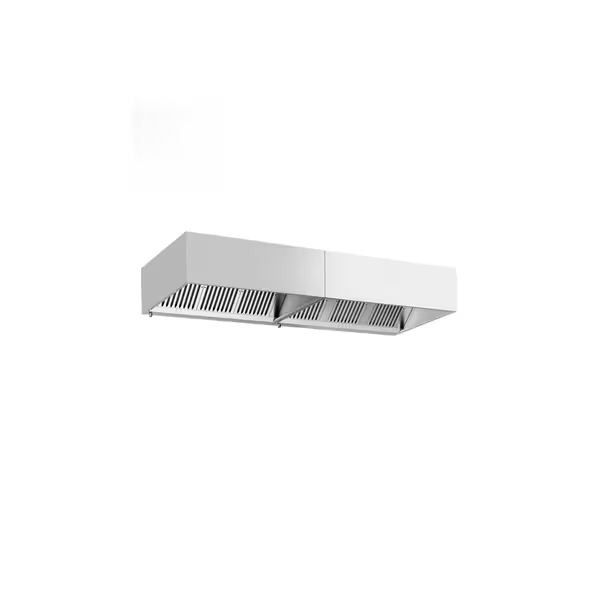
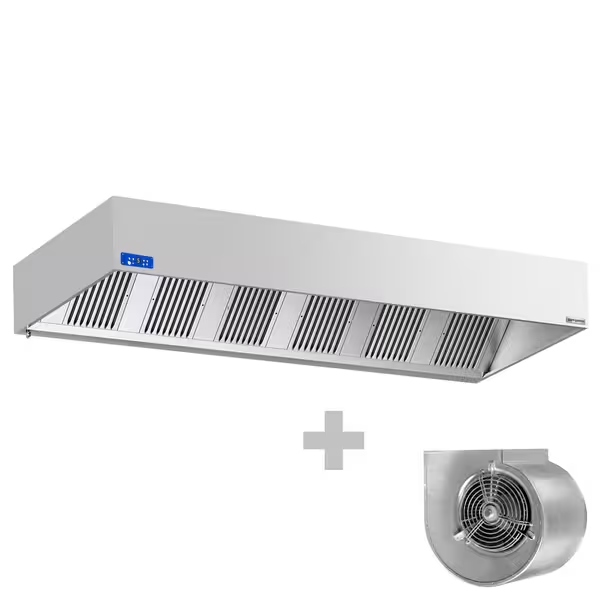
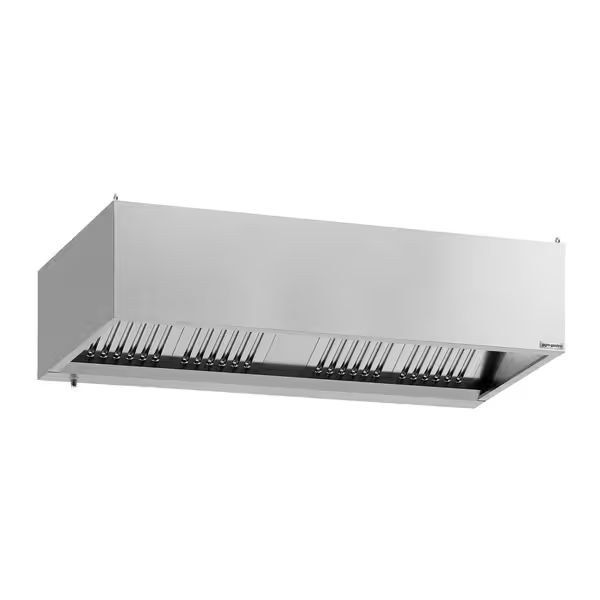
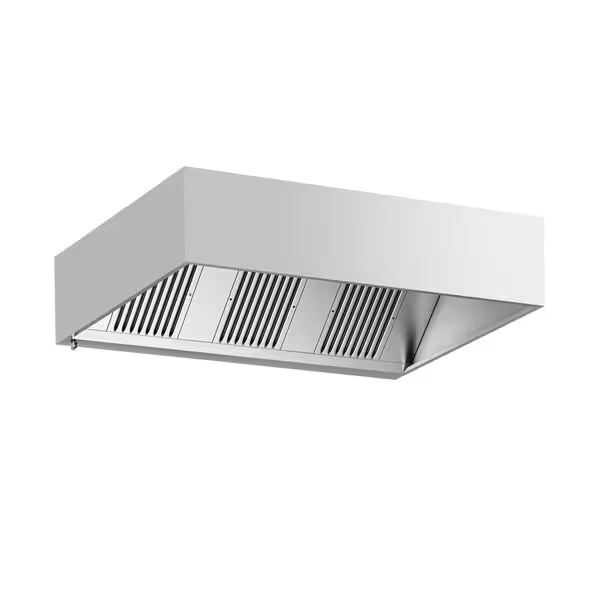
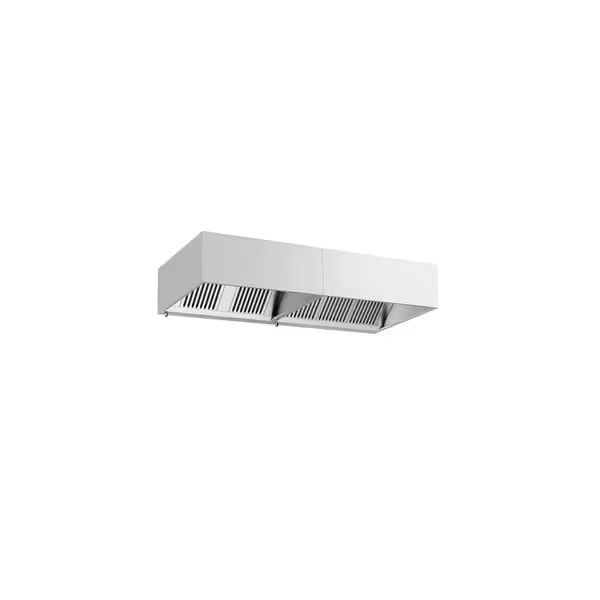
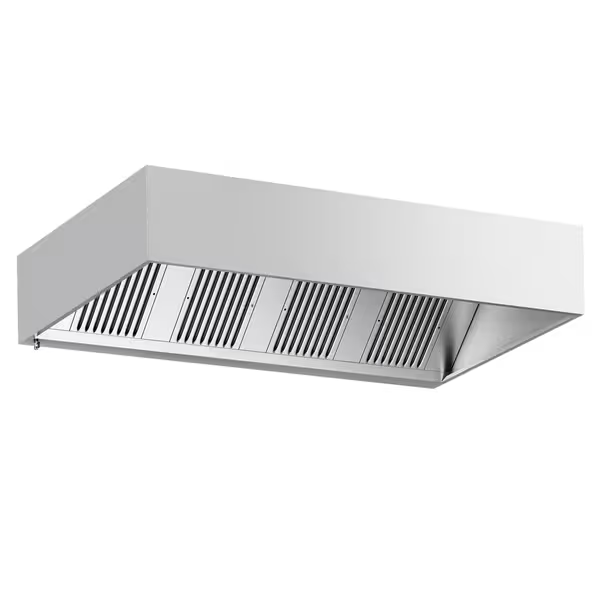
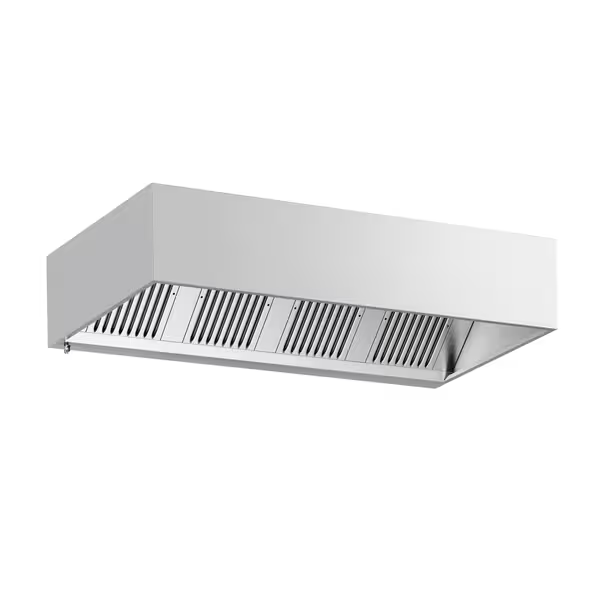
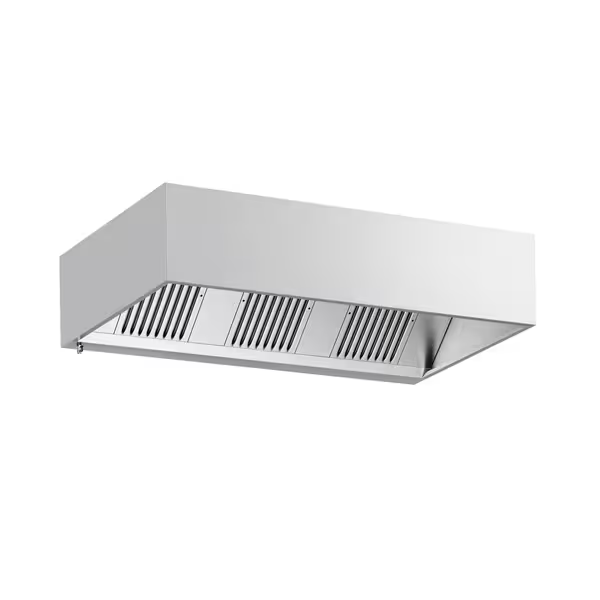
Box Hoods for Controlled Exhaust in Professional Kitchens
Box hoods are compact exhaust hoods designed for professional kitchens. They are installed above cooking areas subject to high thermal loads to capture rising vapors, grease particles, moisture, and heat and direct them in a controlled manner into the exhaust system.
The box-shaped design provides a large capture area and is particularly well-suited for cooking lines that require a hood of uniform depth. Typical applications include restaurants, snack bars, cafeterias, commercial kitchens, and catering businesses. This design can also be useful during a renovation if existing equipment needs to be reliably covered.
Select a width and depth that match the cooktop
The hood width must match the total length of the cooking equipment. This includes not only the width of a single stove or grill, but the entire cooking zone when fully loaded. Side overhang helps capture rising vapors before they enter the room.
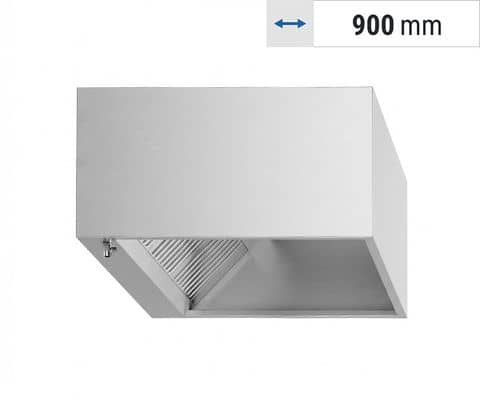
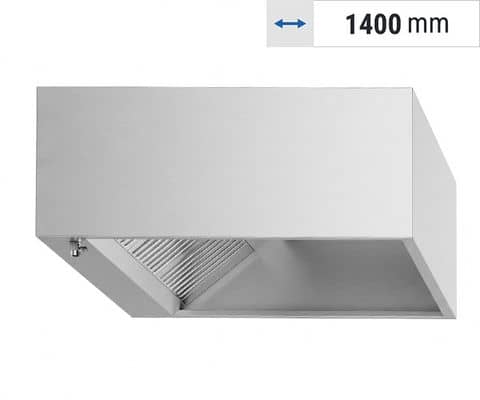
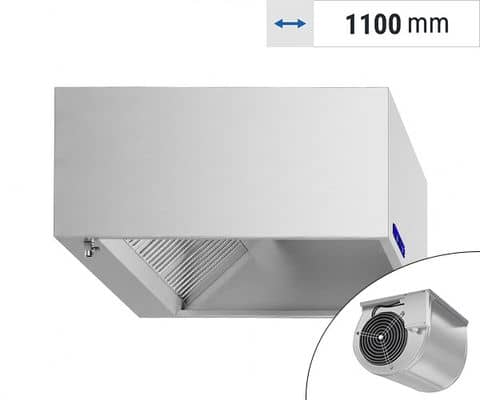
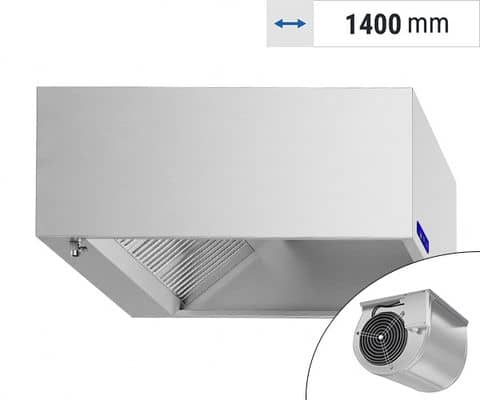
GGM Gastro offers box hoods in various widths and with depths of 900, 1100, and 1400 mm. Models with a depth of 900 mm are often suitable for more compact cooking lines. Deeper versions may be required for wide appliances, large cooking surfaces, or more open production areas. The uniform height of many models simplifies the planning of continuous hood runs.
In addition to the dimensions, the following factors influence the selection:
- Width and depth of the cooking equipment below
- Heat, steam, and grease loads during peak operation
- Available installation height and room height
- Layout and cross-section of the exhaust air system
- Required airflow capacity of the fan
The design should always take the entire ventilation system into account. The hood, ductwork, filters, fan, and supply air must work together as a functional unit.
With a motor or for an external exhaust system?
Box hoods are available both without a built-in drive and as models with a motor and controller. A hood with a built-in motor can be a compact solution when the ducting is manageable and the power requirements are appropriate. Models without a motor can be connected to external centrifugal fans or a central exhaust system.
Suitable intake connectors are required for connection to the ductwork. The diameter, position, and transitions must be coordinated with the intended ventilation ducts. For longer ducts, multiple bends, or high pressure losses, a professional calculation of the required airflow is particularly important.
A compact quick check helps with the initial selection:
- Does the hood cover the entire cooking zone with sufficient overhang?
- Does the installation depth match the layout and depth of the appliances?
- Is an integrated motor provided, or is an external fan available?
- Do the exhaust air connection, duct cross-section, and airflow capacity match?
- Have installation, fresh air supply, and future maintenance access been clarified?
A quick, concise checklist can help with the initial selection:
- Does the hood cover the entire cooktop with sufficient overhang?
- Does the installation depth match the layout and depth of the appliances?
- Is an integrated motor provided, or is an external fan installed?
- Do the exhaust connection, duct diameter, and airflow capacity match?
- Have installation, fresh air supply, and future maintenance access been clarified?
Stainless Steel, Filters, and Grease Management in Daily Use
Professional kitchens are characterized by high temperatures, grease, steam, and regular cleaning. Stainless steel box hoods offer durable, smooth, and easily accessible surfaces designed for these conditions. A cleanly crafted interior structure minimizes hard-to-reach areas and simplifies daily maintenance.
Removable filters must be suited to the grease load in the cooking area and cleaned regularly. A wraparound grease collection channel with a drain helps ensure controlled handling of collected residues. Integrated lighting also improves visibility of cooking surfaces and workflows.
The benefits of a properly sized hood are particularly evident during peak hours: steam is captured as close as possible to the source, heat buildup in the work area remains more manageable, and greasy deposits on adjacent surfaces can be reduced. This simplifies cleaning and promotes orderly working conditions.
Integrating box hoods cost-effectively into kitchen design
A range hood that is too small cannot fully capture cooking fumes. An unnecessarily large model, on the other hand, takes up space and may place higher demands on airflow capacity and infrastructure. It therefore makes economic sense to choose a size that matches the actual cooking capacity, peak load, and available space.
The position above the cooking line also affects performance. Installation height, appliance layout, and lateral airflow disturbances must be considered early in the planning process. For new kitchens, renovations, or expansions, a coordinated kitchen design and 2D/3D drawings helps ensure that cooking equipment, exhaust airflow, and workflow are considered together.
Appropriate box hoods thus do more than just support airflow. They contribute to more manageable cleaning procedures, a reduced workload for the team, and more stable kitchen operations. The interplay of dimensions, filter configuration, airflow capacity, and professional installation remains crucial.