


Minibar Refrigerators for Hotels, Offices, and Guest Rooms
Minibar refrigerators offer a compact cooling solution for beverages and small snacks in hotel rooms, conference areas, offices, apartments, and common areas. They combine a space-saving design with convenient cooling in places where comfort, quick access, and discreet integration are essential. Minibar Refrigerator Guide »
Product type
Design/Equipment
Gross volume
usable volume
Cooling type
Door type
Number of Doors
Capacity
Operating noise level
- 0
Width
Depth
Height
Price
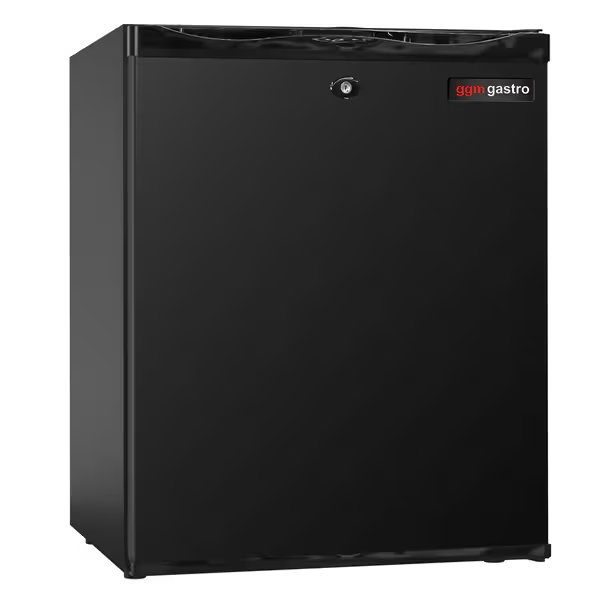
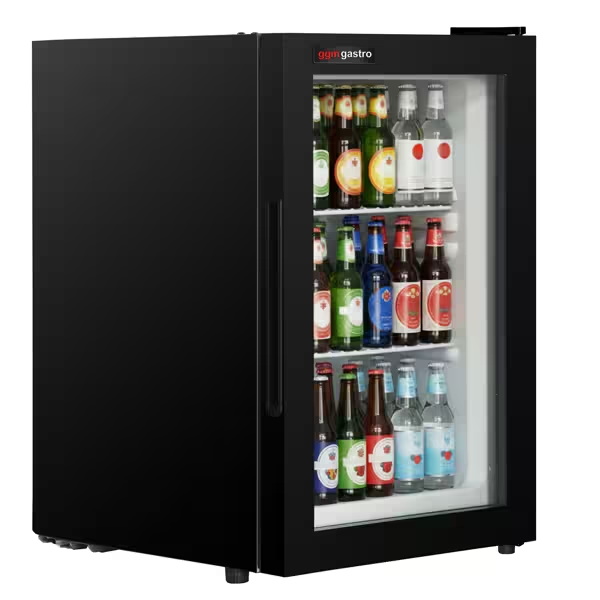
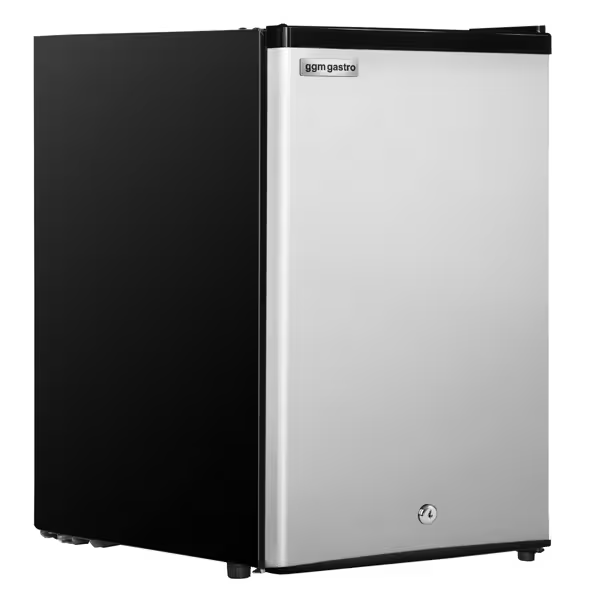
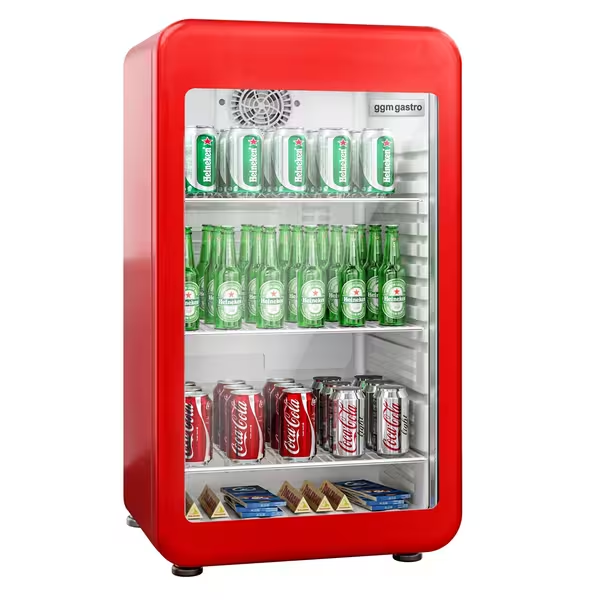
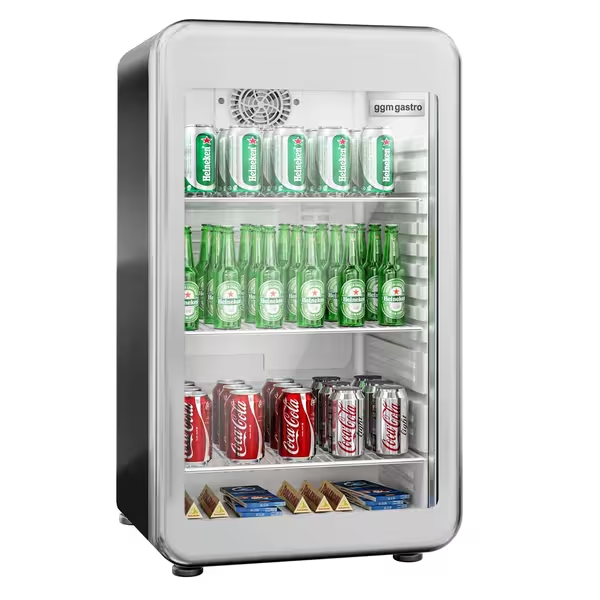
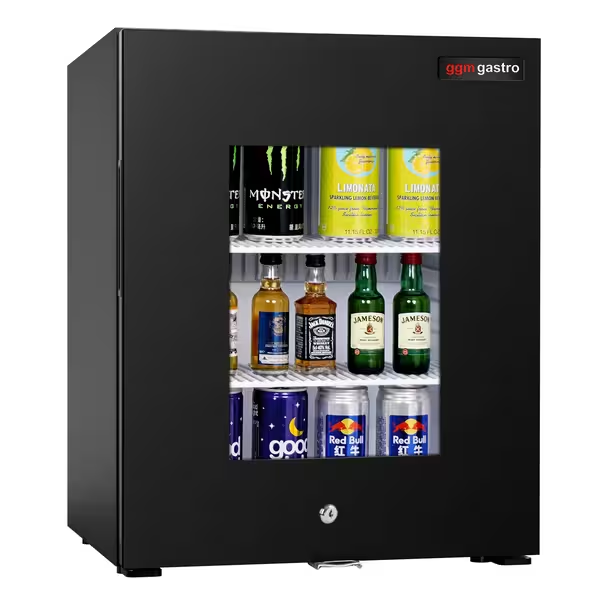
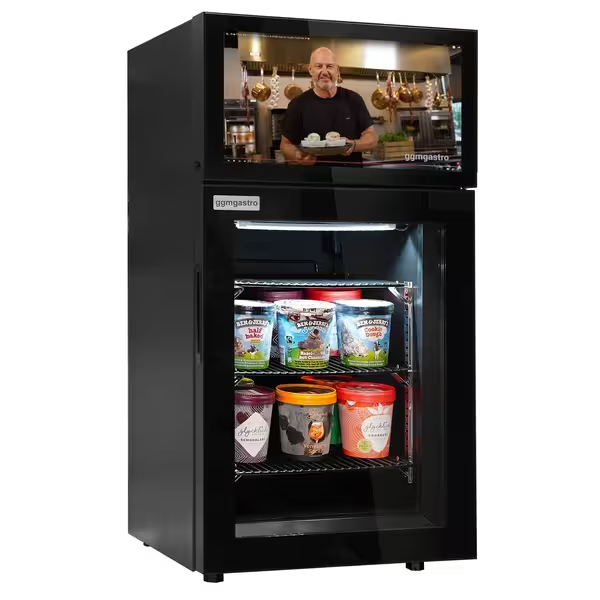
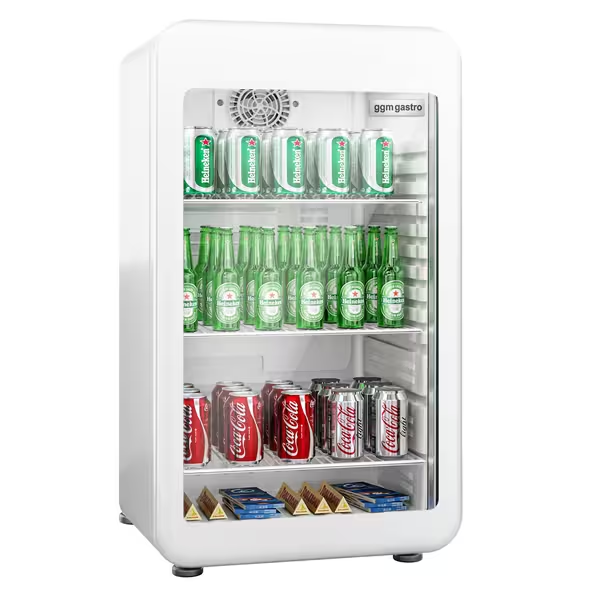
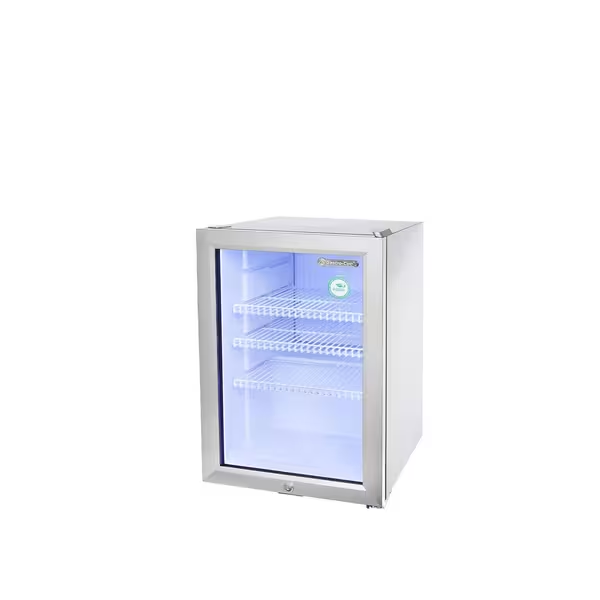
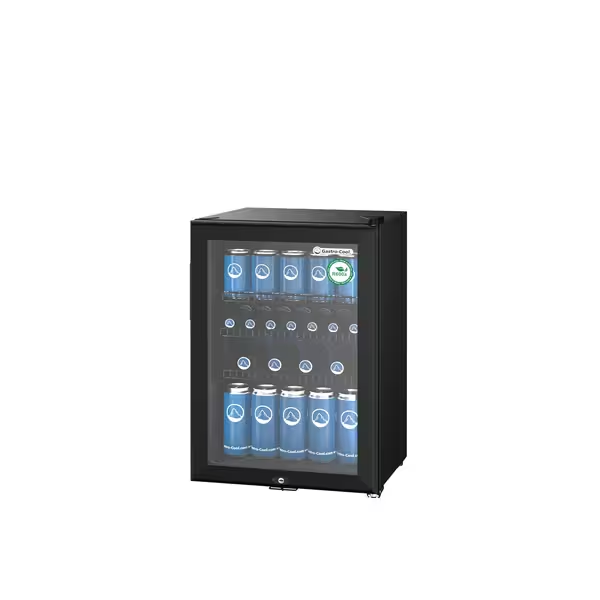
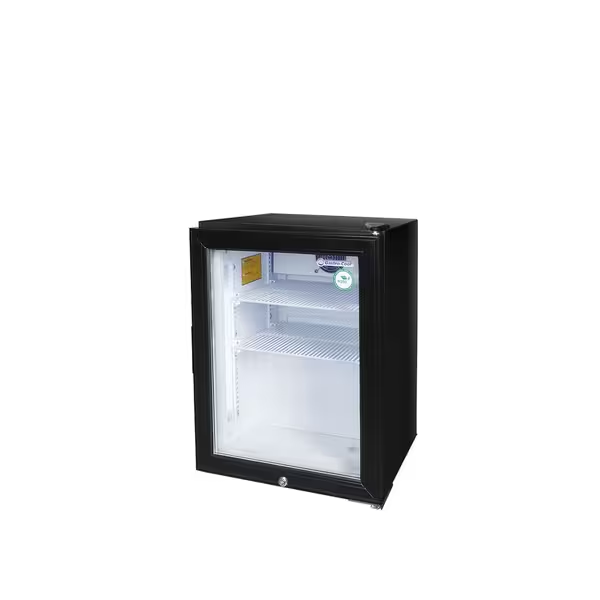
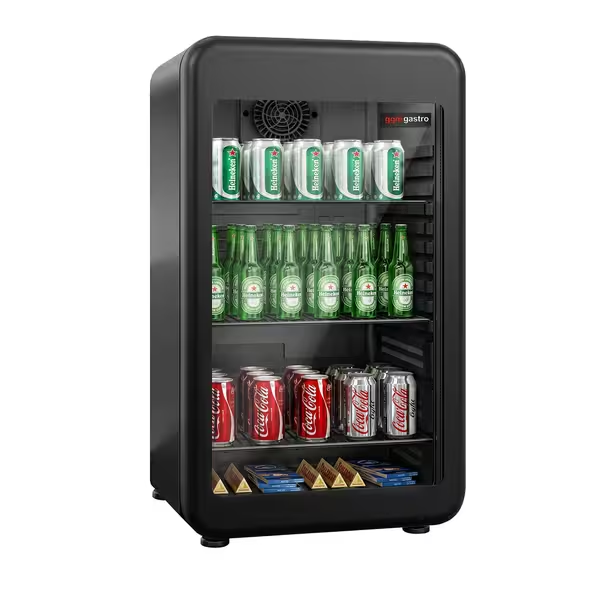
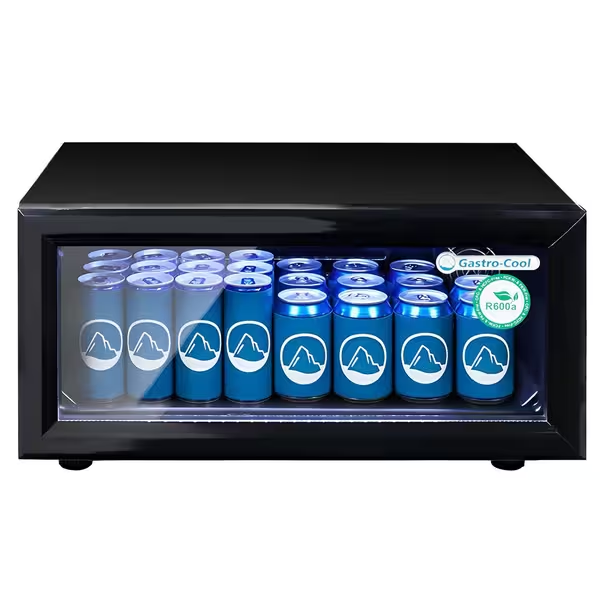
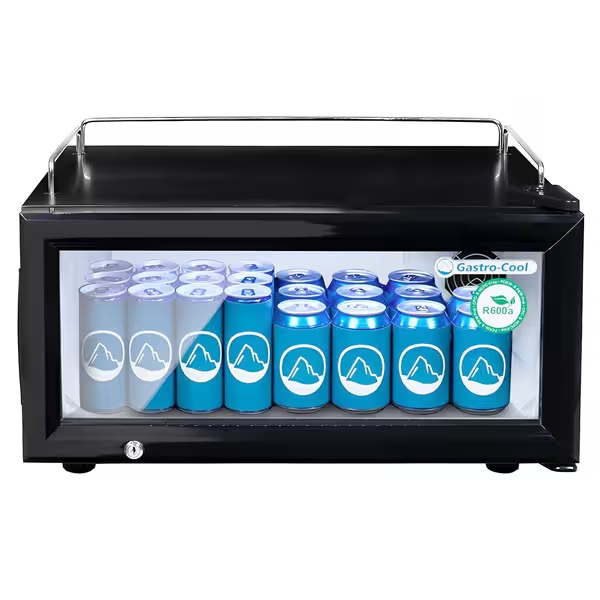
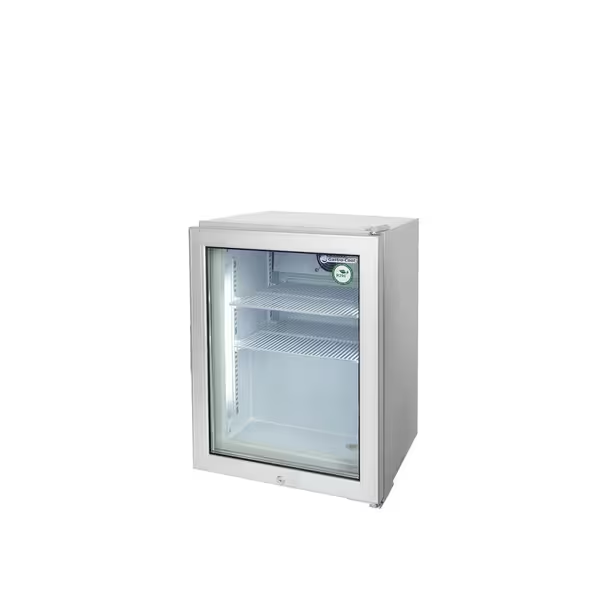
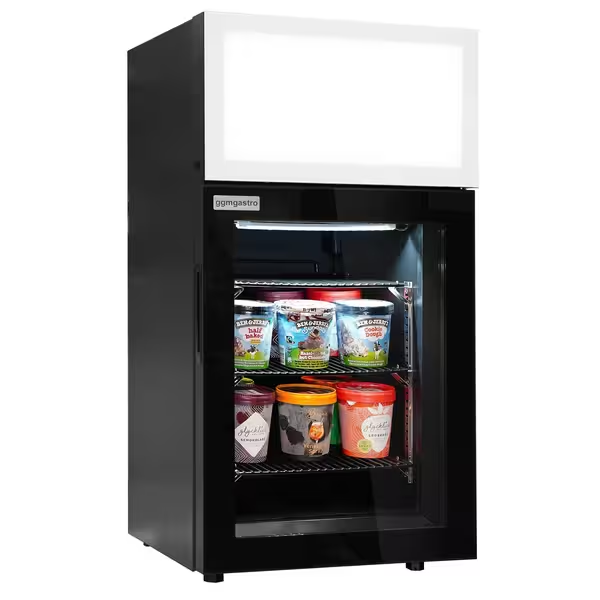
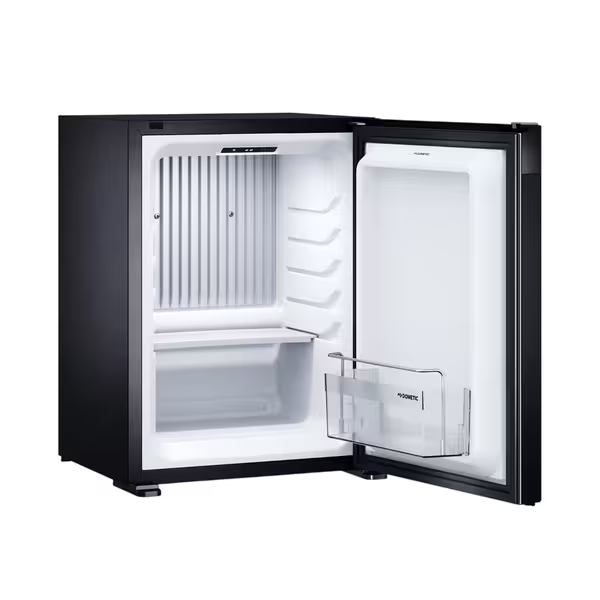
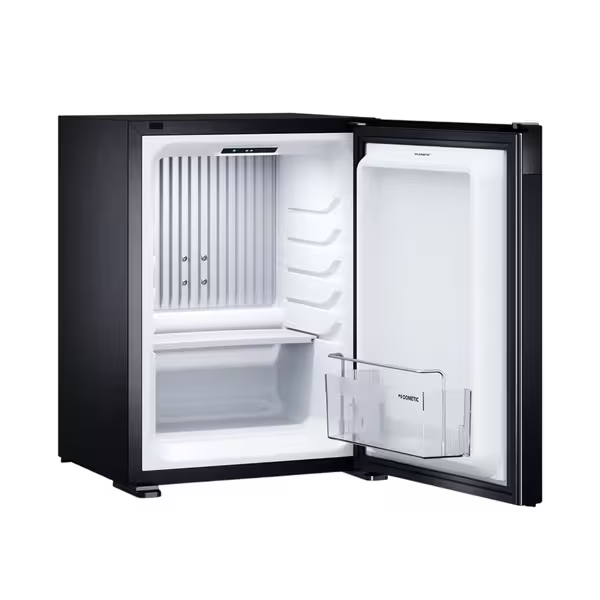
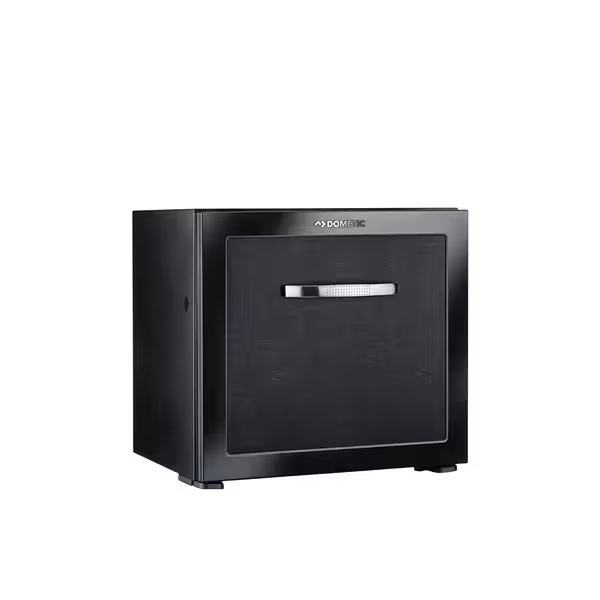
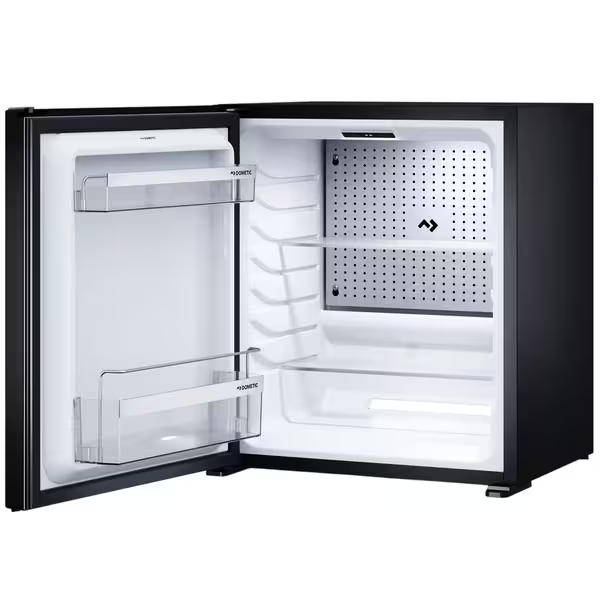
Minibar refrigerators as a compact cooling solution for everyday professional use
Minibar refrigerators are small refrigeration units designed for the decentralized provision of beverages and small snacks in commercial spaces. They are primarily used in settings where chilled items are not stored in large quantities but are intended to be available directly at the point of use.
In hotels, minibar refrigerators enhance guest comfort; in conference rooms, they keep water and soft drinks within easy reach; and in offices or staff areas, they provide a space-saving cooling solution for daily needs. Serviced apartments, care facilities, lounges, and small reception areas also benefit from compact units that require little floor space and can be used without the need for complex integration into larger refrigeration systems.
For operators, it’s not just the size of the unit that matters. What’s crucial is whether the capacity, dimensions, temperature range, door type, and noise level are suited to the space and its intended use. A minibar refrigerator in a hotel room meets different requirements than a model in a conference room or back office.
Which minibar refrigerators are best suited for which applications?
The selection process begins with the available space. Small models can be integrated under tables, in rows of furniture, or in niches. Larger models offer more cooling capacity but require adequate ventilation and an easily accessible location. Uniform dimensions, clear connection requirements, and easy cleaning are particularly important factors when equipping multiple rooms or areas.
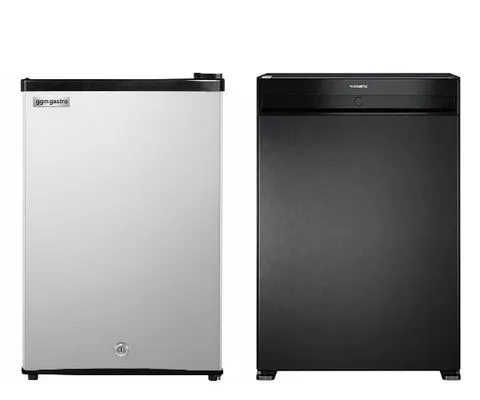
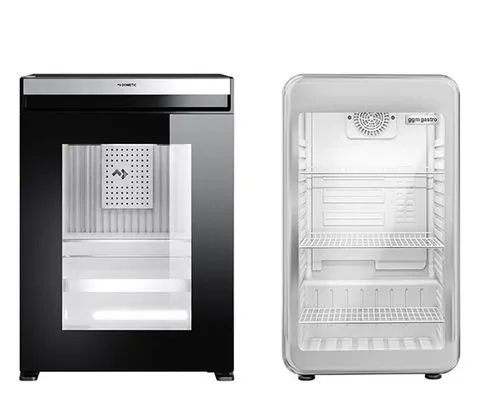
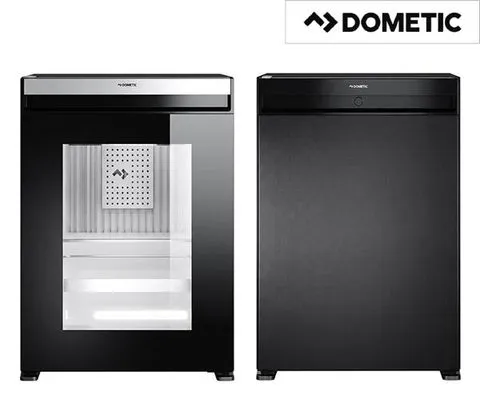
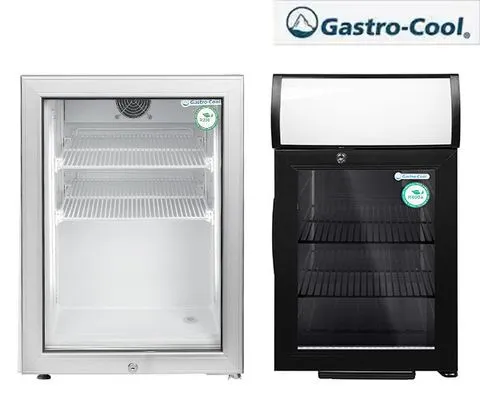
The type of door also affects usability. Minibar refrigerators with solid doors have a discreet appearance and fit well in guest rooms, apartments, or quiet office areas. Models with glass doors make it easy to quickly see what beverages are inside and are particularly suitable for conference rooms, lounges, or reception areas where the contents can be visible.
Typical decision-making criteria include:
-
Net capacity in liters and actual space for bottles, cans, or snacks
-
External dimensions and suitable footprint at the installation site
-
Temperature range for beverages or small refrigerated items
-
Door type, interior lighting, and visibility
-
Quiet operation for sensitive areas such as hotel rooms or offices
Planning, Space Requirements, and Quiet Operation
Minibar refrigerators may seem small, but they still influence workflows and the feel of a space. In a hotel room, a discreet location is key—one that allows guests easy access without obstructing pathways or interfering with furniture placement. In conference areas, a good spot near the meeting table or beverage station is helpful so that retrieving items doesn’t cause unnecessary disruption.
If there are multiple units in a facility, clear planning is essential: using the same model simplifies restocking, cleaning, replacement, and internal operations. For establishments with many rooms or meeting spaces, this standardization can significantly streamline daily operations. In addition, larger beverage refrigerators remain a practical choice when centralizing beverage supplies for a bar, buffet, or storage area.
A practical quick check before making your selection:
-
Does the unit fit into the designated niche or under the countertop?
-
Is the cooling capacity sufficient for the usual stock?
-
Is a solid door or a glass door more suitable for the space?
-
Is the location easily accessible for cleaning and restocking?
-
Is there sufficient clearance for air circulation and safe operation?
Practicality for Everyday Use, Hygiene, and Care in Daily Use
In commercial settings, minibar refrigerators are regularly opened, restocked, and cleaned. Smooth interiors, sturdy shelves, and easily accessible surfaces make maintenance easier. Especially in hotels and apartments, a quick visual inspection is important so that inventory, cleanliness, and functionality can be checked without taking up too much time.
Moisture, spilled beverages, and frequent door openings are all part of real-world use. Therefore, durable interior surfaces, properly fitting door seals, and a well-organized interior layout are more than just convenience features. They support clean operations, reduce unnecessary rearranging, and help present beverages neatly.
A standard electrical outlet is often sufficient for installation. However, it’s important to pay attention to dimensions, ventilation, and door clearance. A unit that fits technically but is too cramped inside the cabinet or difficult to clean causes more hassle than necessary in everyday use.
Economic Benefits from the Right Equipment
Minibar refrigerators contribute to operational quality when they are thoughtfully integrated into the room layout and service workflow. Guests receive chilled beverages right in their rooms, meeting participants find drinks within easy reach, and employees save time by avoiding trips to the central refrigeration area. Especially in establishments with many rooms, a decentralized solution can streamline processes.
This category offers economic benefits through predictable procurement, clear sizing options, and easy restocking. For hotels and larger properties, rapid availability is also important when replacing defective units or equipping multiple rooms at once. In addition, bar & conference refrigerators can be a suitable solution when more capacity or a more visible beverage cooling solution is required.
Combine effectively and source reliably
Minibar refrigerators work particularly well as part of a well-thought-out design concept. In hotel rooms, they can be integrated with furniture, shelving, and guest amenities. In conference areas, they complement beverage stations, coffee service, or small serving areas. For larger cooling capacities, central full-door refrigerators and freezers remain a clear choice, while wine refrigerators are specifically used for temperature-controlled wine storage and presentation.
GGM Gastro offers minibar refrigerators for a variety of commercial applications, budgets, and room sizes. This allows operators to find compact solutions for individual rooms as well as cost-effective units for equipping multiple areas. By carefully matching dimensions, capacity, door type, and location, you can create an unobtrusive, functional, and durable cooling solution for everyday professional use.