


Bar Equipment for Professional Food Service
From beverage chilling to ice preparation, cocktail mixing, and glass washing: A well-designed bar layout connects all workstations into a fast and organized workflow. The right equipment depends primarily on the drink menu, guest volume, serving style, available counter space, and peak service times. Bar Guide »
Basic equipment








Other Equipment





Setting Up a Bar: The Beverage Menu Determines the Equipment
Professional bar equipment includes appliances and workstations for beverage refrigeration, cocktail preparation, ice supply, beer and wine service, coffee, beverage dispensing, and the cleaning of glasses and utensils. Depending on the concept, the emphasis on these areas can vary significantly. A classic cocktail bar, for example, requires significantly more space for spirits, ice, garnishes, and mixing than a beer bar that serves a high proportion of draft beer. A hotel bar may need to offer cocktails, wine, coffee, and small snacks simultaneously over many hours, while a club bar is primarily designed for very high drink turnover and quick service times.
The starting point for planning is therefore the beverage menu: Which drinks are ordered most frequently? Which beverages must be kept chilled and readily available? How much ice is needed? Which glasses are used regularly? This results in a workspace where the most important tasks can be performed with as few unnecessary movements as possible.
Barflow: Organizing Frequent Tasks in a Small Space
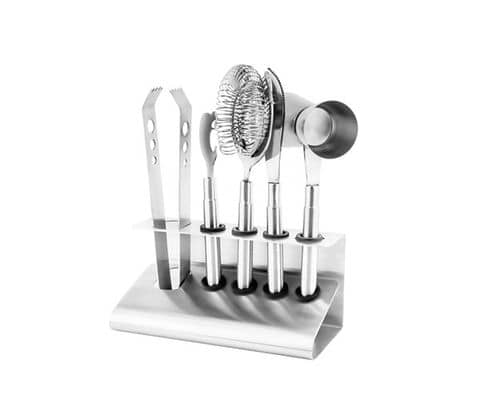
In a well-organized bar, the most commonly used ingredients and equipment are located right where they’re actually needed. Grab a spirit, prepare a glass, scoop some ice, top off the mixer or filler, garnish, and serve—for a popular drink, this sequence is repeated many times during a single shift. Even just a few extra movements per order can quickly add up. The bar workstation should therefore be designed with the service workflow in mind. Frequently used bottles, ice, glasses, shakers, bar measures, garnishes, and napkins should be within easy reach. Items used less frequently can be stored further away from the main station. Especially when there are multiple staff members, it’s important to consider whether they can work in parallel. If two bartenders constantly have to get in each other’s way to reach ice, bottles, or glasses, even a spacious bar counter can quickly feel cramped during peak hours.
Cocktail Stations as Compact Workstations
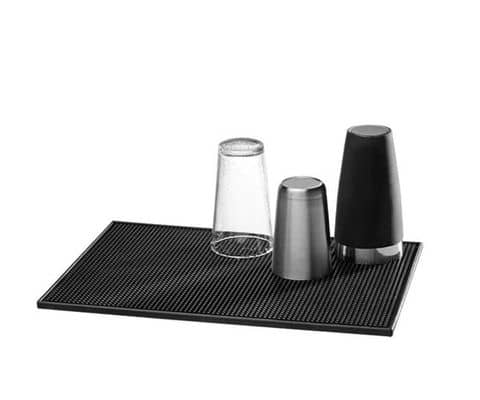
Cocktail Stations consolidate key beverage preparation functions into a single, centralized workspace. Depending on the design, areas for ice, bottles, ingredients, and equipment can be directly integrated with one another. This shortens walking distances and makes it easier to clearly organize the necessary utensils. When planning, it’s not just the width of the station that matters; the beverage menu also plays a central role. An establishment that serves many cocktails may require more ingredient containers and larger ice reserves than a bar that primarily sells long drinks and bottled beverages. Bottle pourers, measuring and storage bottles, and bar mats are also functional components of this workspace. They may seem small, but they directly influence how efficiently and consistently drinks can be prepared during a busy shift. A well-organized workspace thus not only promotes speed but also ensures a consistent workflow within the team.
Size the ice supply based on actual consumption
Ice is a key production factor in many bars. Long drinks, cocktails, soft drinks, and, in some cases, the presentation of certain beverages require a continuous supply of ice throughout a shift. Ice cube machines should therefore be selected based on actual consumption rather than simply on which machine fits into the space available. Peak periods are particularly important for planning. If a large portion of the weekly revenue is generated within a few hours on Friday or Saturday evenings, the ice supply must be able to handle this demand. In addition to production volume, storage and retrieval logistics are important. Ice that is available in sufficient quantities but stored far from the cocktail station results in frequent trips to restock. For larger bars, a combination of centralized ice production and well-organized ice storage areas at the workstations can therefore be a sensible solution.
Quick Checklist for Choosing the Right Bar Equipment
Five points can help narrow down your actual needs:
- Drinks menu: Is the focus on cocktails, beer, wine, long drinks, coffee, or a mix of options?
- Peak Volume: How many drinks need to be served during the busiest 30 to 60 minutes?
- Refrigeration Needs: Which bottles, kegs, wines, and ingredients need to be readily available at the bar?
- Ice Requirements: Which beverages regularly require ice, and how much is consumed during peak hours?
- Workstations: How many employees should be able to work behind the bar at the same time?
These factors help determine which pieces of equipment are essential and where additional capacity makes operational sense.
Integrate bark cooling directly into the production process
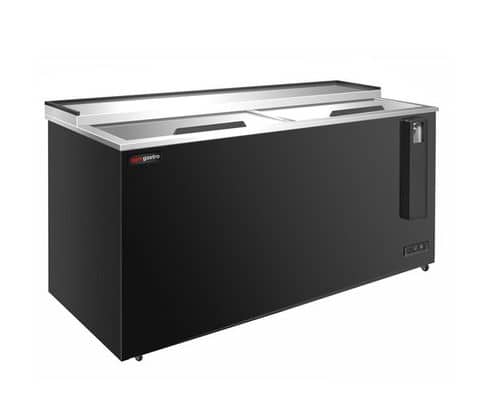
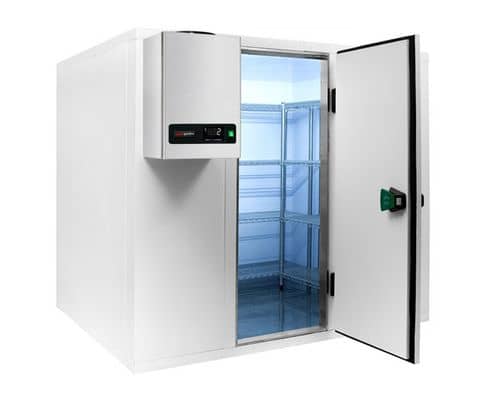
Behind the bar, beverage refrigeration serves a different purpose than simple storage refrigeration. Frequently ordered items must be quickly accessible without requiring staff to leave the counter area for every order. Bar refrigerated counters and bar refrigerators provide refrigeration capacity close to the work area, right at the workplace. Bottled beer, soft drinks, juices, mixers, milk, or other chilled ingredients can be kept there according to the beverage concept. Larger stocks, on the other hand, are stored in a separate storage cooler or, if necessary, in a cold room. This separation reduces unnecessary trips: Immediate service needs remain behind the bar, while larger stocks are replenished only as needed. The arrangement within the refrigeration unit also plays a role. Products with high turnover rates should be placed in easily accessible locations. Specialties that are rarely ordered do not need to occupy the most valuable access points.
Treat draft beer and the beer bar as a separate system
In bars with significant beer sales, draft beer service constitutes a separate functional area. Beer counters & keg coolers facilitate the refrigerated storage and dispensing of these beverages. Key factors for planning include keg capacity, the number of varieties offered, the volume served, and the available floor space. The connection between the keg storage area and the tap area is particularly important. Depending on the layout, pipeline routing, cooling, and accessibility for keg changes must be taken into account. The keg change itself is also part of the operational workflow. If employees have difficulty accessing the kegs during a busy service period or must block off other work areas to do so, avoidable interruptions occur. Glasses, the dispensing system, and the serving area should therefore be designed as a single integrated station.
Store wine properly and serve it quickly
An extensive wine list places different demands on cooling and storage than beer or soft drinks. Wine refrigerators allow for the organized and temperature-controlled display of various bottles. Depending on the concept, different temperature ranges may be necessary—for example, when white wine, rosé, and other wines are offered simultaneously. Storage capacity isn’t the only factor that matters. Frequently ordered bottles should be easily accessible during service so the team doesn’t have to search for them. For high-quality or extensive wine selections, clear organization also becomes increasingly important. The bar staff should be able to quickly identify where the needed bottle is located and what reserves are available. A properly sized wine cooler thus combines product handling, service speed, and organized stocking.
Glassware logistics is key to serviceability
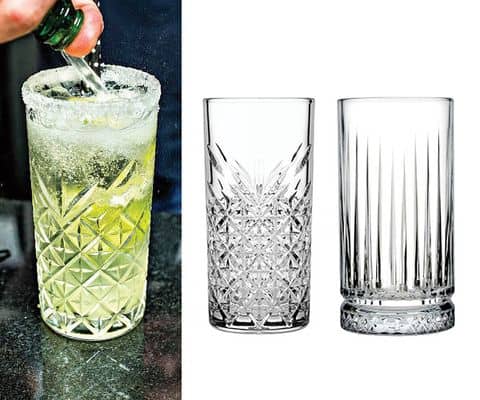
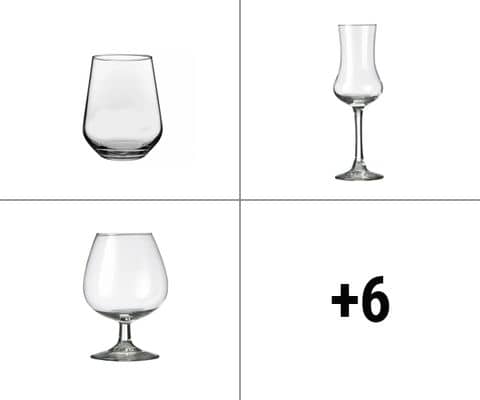
A bar needs not only enough drinks, but also a sufficient supply of clean glasses at all times. Long drink, cocktail, beer, wine, sparkling wine, and whiskey glasses serve different purposes and require corresponding storage and counter space. The number of glasses needed is not determined solely by the number of seats. The key factor is how quickly glasses circulate during peak hours. If many drinks are being served but not enough clean glasses are returning at the same time, a bottleneck will occur regardless of how quickly drinks can be mixed. Glassware inventory, storage space, and dishwashing capacity must therefore be planned together. The storage location is also important. Frequently used glasses should be easily accessible without having to walk long distances, while reserve stock can be stored outside the central work area.
Understanding the glasswasher as part of the production line
Glasswashers are an integral part of bar operations. They ensure that used glasses are quickly made available again for the next round of service. When sizing the system, the actual volume of glasses during peak service times is key. Insufficient washing capacity leads to a backlog: used glasses pile up, work surfaces become blocked, and certain types of glasses may be unavailable. A properly sized washing station, on the other hand, keeps the cycle moving continuously. The machine’s location is equally important. The return route for dirty glasses should, if possible, not run right through the cocktail station. The ideal setup features a clear sequence of return, pre-sorting, washing, and dispensing of clean glasses. Glass washing thus transforms from a supposedly secondary process into a direct component of service capacity.
Plan a coffee station as a separate station
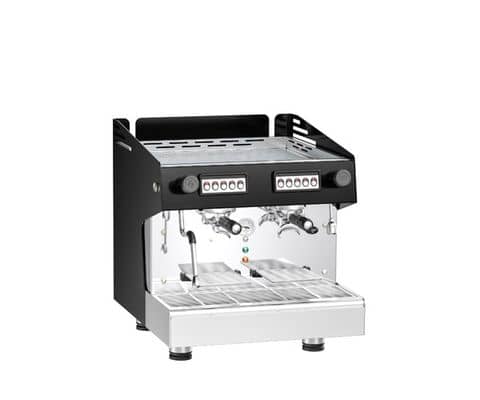
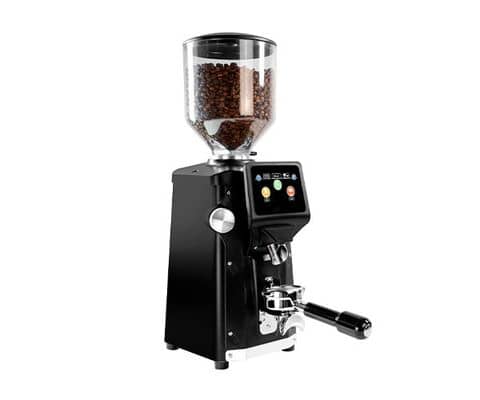
Many bars serve more than just alcoholic and cold beverages. Especially in hotel bars, restaurant bars, or establishments with extended hours, espresso, cappuccino, and other specialty coffees are a staple of the menu. Portafilter machines and coffee grinders create a distinct workflow involving grinding, brewing, frothing milk, serving, and cleaning. If coffee is sold regularly, it’s therefore worth setting up a clearly defined area with cups, milk, accessories, and sufficient counter space. Simply placing an espresso machine in an empty spot at the cocktail station, on the other hand, can lead to conflicts. While one person is making cocktails, another may suddenly need the same counter space for cups or milk pitchers. The size of the coffee station should be based on actual demand, not on how extensive the theoretical beverage menu is.
Keep garnishes and fresh ingredients chilled and ready
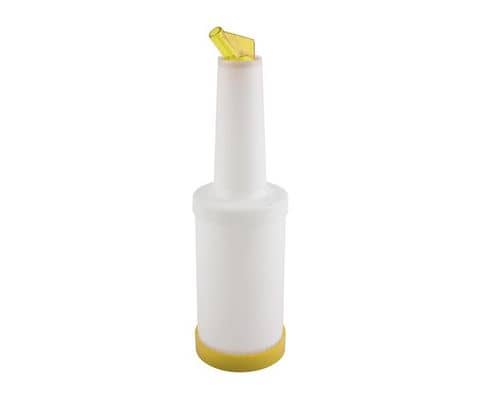
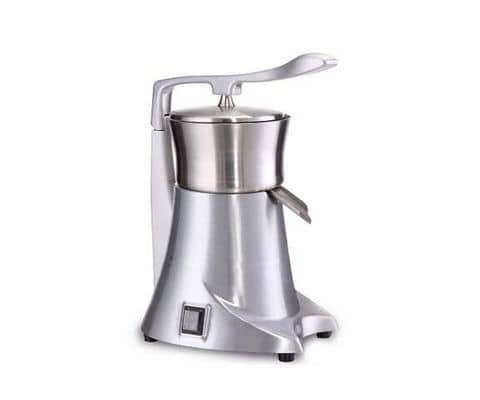
Depending on the menu, cocktails require lemons, limes, fruits, herbs, juices, syrups, or other ingredients. These mise-en-place components should be available as close as possible to the respective workstation during service. A clear container system makes both access and restocking easier. Frequently used ingredients should be kept within easy reach of the cocktail station, while reserves can be stored separately in the refrigerator. Depending on the concept, juicers or blenders may also be part of the workstation. The fresher and more complex the cocktail menu is, the greater the preparation required before service begins. Cutting, portioning, and prepping are therefore just as much a part of capacity planning as the mixing itself. A complex drink is not just a recipe, but a sequence of many individual steps.
Consider the beverage menu and labor costs together
An extensive cocktail menu may seem appealing, but it also requires more ingredients, bottles, glasses, and preparatory steps. Each additional drink may require its own spirits, syrups, garnishes, or glass types. For bar operations, it is therefore crucial how well the menu can be produced using the available workstations. High-volume drinks, in particular, should be prepared using processes that are as consistent and repeatable as possible. Drinks with a large number of individual steps can tie up a disproportionate amount of capacity during peak service times. A well-planned drink menu therefore makes smart use of ingredients across multiple drinks and avoids unnecessary complexity without compromising the bar’s character. This way, the drink selection and equipment work together rather than against each other.
Organizing Order Fulfillment and Payment Processing for Peak Times
In a busy bar, it’s not enough to simply prepare drinks quickly. They must also be handed over to service staff or guests in an orderly manner. Depending on the concept, orders are placed directly at the bar, through table service, or via both methods simultaneously. The handoff point should be organized so that prepared drinks aren’t left standing among bottles, shakers, and new orders. Point-of-sale systems are also part of this process. If the same employee has to walk several steps back to the register after each drink, some of the efficiency gained from fast drink preparation is lost. During peak hours, clearly separated areas for ordering, preparation, and service can streamline the process. This is especially true in clubs, event bars, or other venues where many guests place orders within a short period of time.
Ensure Hygiene and Cleaning During Service
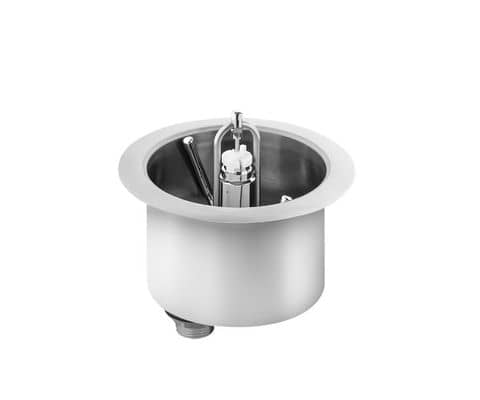
A bar is constantly in use during operating hours. Spilled drinks, fruit scraps, sticky syrups, used shakers, and damp glasses are part of everyday life. That’s why cleaning can’t wait until after closing time. Bar mats and clearly defined storage areas can help contain liquids at workstations in a more controlled manner. Used utensils need a designated return path so they don’t block the active cocktail station. Sinks, glass-washing stations, and trash areas should also be within easy reach. The easier it is to keep the workspace clean during a shift, the less time the team has to spend constantly rearranging things. At the end of service, it’s also important to have easily accessible surfaces and equipment that can be cleaned without unnecessary disassembly or moving.
Size the bar's capacity based on peak hours
Bars often experience particularly intense spikes in demand. An establishment may operate at a moderate capacity for several hours and then handle a large portion of its daily business within a short period of time. The core technology should be tailored precisely to this phase. Bar refrigeration, ice production, the cocktail station, tap systems, glass inventory, and glasswashers must all function in unison during peak hours. A high-performance cocktail station is of little use if the ice runs out. Conversely, a large-scale ice production system is of little use if there are no clean glasses. Even a well-stocked beverage cooler cannot resolve a bottleneck caused by a poorly organized serving area. Capacity is therefore viewed as a complete service chain and not as the sum of the largest possible individual units.
Prioritize bar equipment based on cost-effectiveness
When opening a new establishment, it isn’t necessary to fully equip every possible beverage category right away. The most important investments depend on the core concept. In a cocktail bar, for example, workstations, ice supply, bar refrigeration, and glasswashing equipment are top priorities. If draft beer makes up a large portion of the menu, the beer bar takes on greater importance. A wine bar, on the other hand, requires different refrigeration and display capabilities. Additional equipment for coffee, fresh juices, or specialty drinks becomes relevant where these products regularly contribute to sales. Even when modernizing, it’s worth first identifying the actual bottleneck. Long wait times do not automatically mean that more bartenders or a larger cocktail station are needed. Perhaps there is a shortage of ice, bottles are poorly arranged, clean glasses are returning too slowly, or the checkout process interrupts every order. An economically sound investment reduces precisely these recurring bottlenecks.
Equip Your Bar Professionally with GGM Gastro
From compact cocktail bars to wine and beer concepts to hotel or club bars, the drink menus, service frequency, and workflows vary significantly. The right bar equipment is therefore determined by the volume of drinks served, cooling requirements, ice consumption, glassware logistics, available counter space, and the number of staff working simultaneously. GGM Gastro offers a full range of equipment for this purpose, from cocktail stations, bar refrigerated counters, and bar refrigerators to ice machines, beer counters, and wine coolers, as well as glasswashing equipment, coffee equipment, glasses, and professional bar accessories. This allows for the targeted configuration of both complete work areas for a new opening and individual stations during modernization or expansion.