


Tilting Bratt Pans for Commercial and Large-Scale Kitchens
Tilting bratt pans let you fry, braise, boil and stew large quantities in a single unit. Different sizes, connection types and tilting mechanisms make it easier for restaurants, staff canteens, hotels, catering businesses and production kitchens to choose. Find out which bratt pan suits your volumes in our buying guide »

Product type
Building depth
Width
Operation type
Design/Equipment
Capacity
Maximum Temperatur
Power
Power Connection
Price
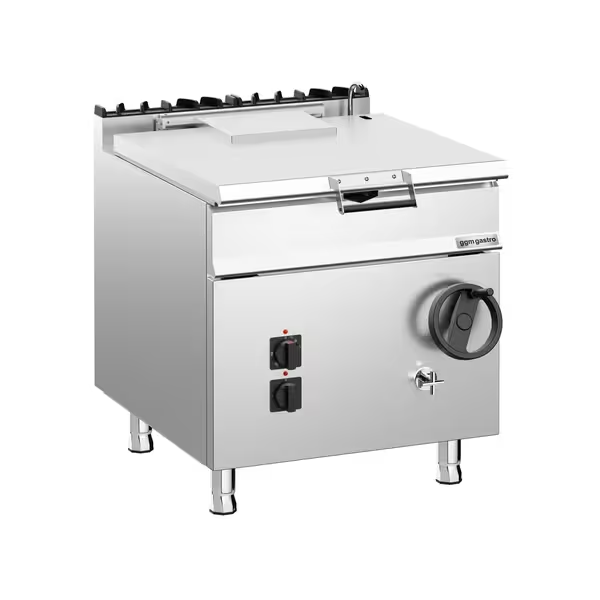
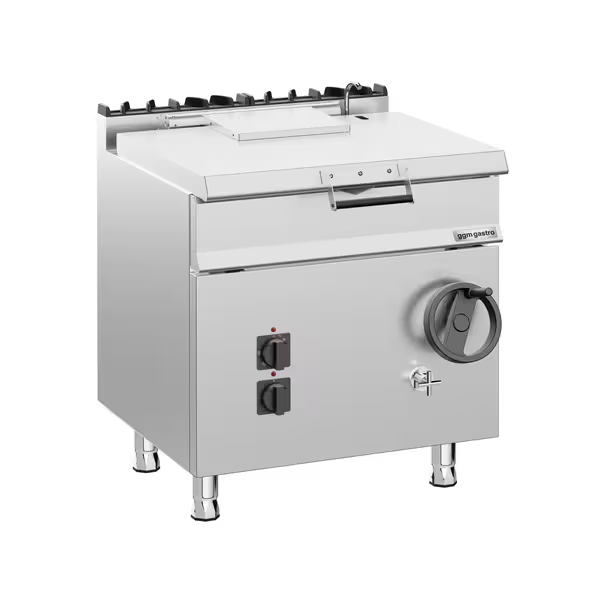
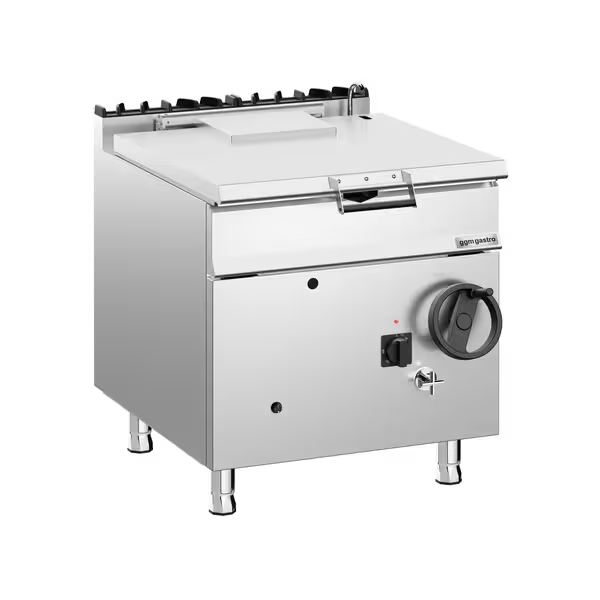
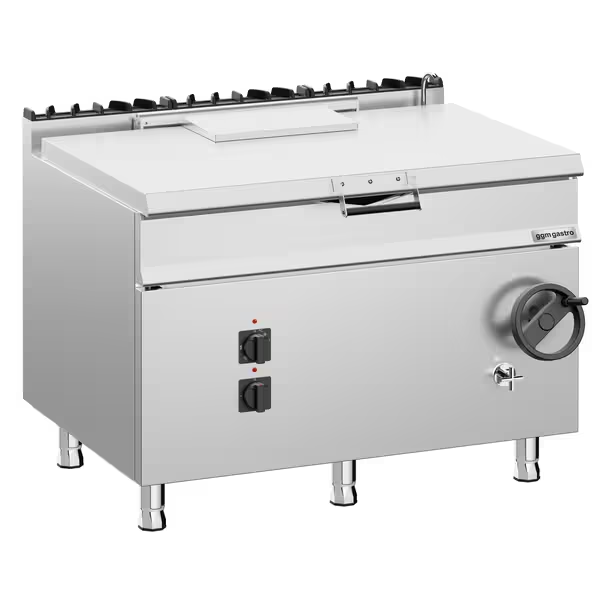
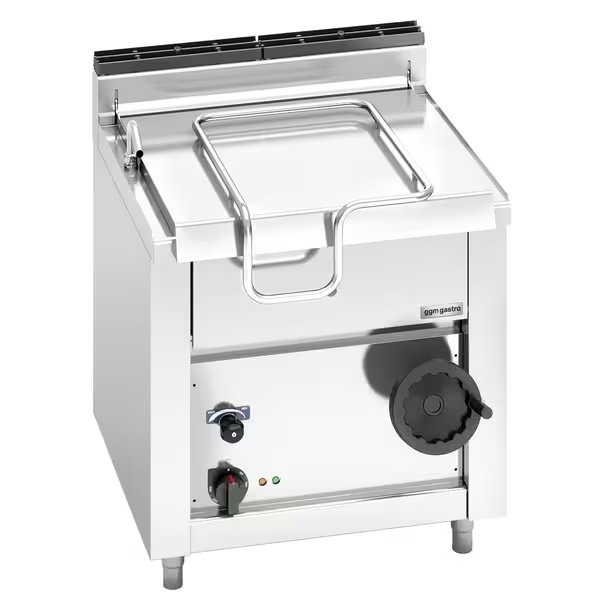
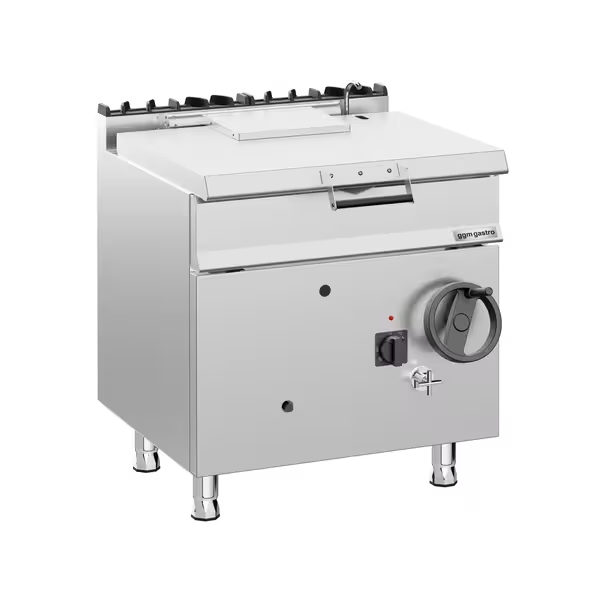
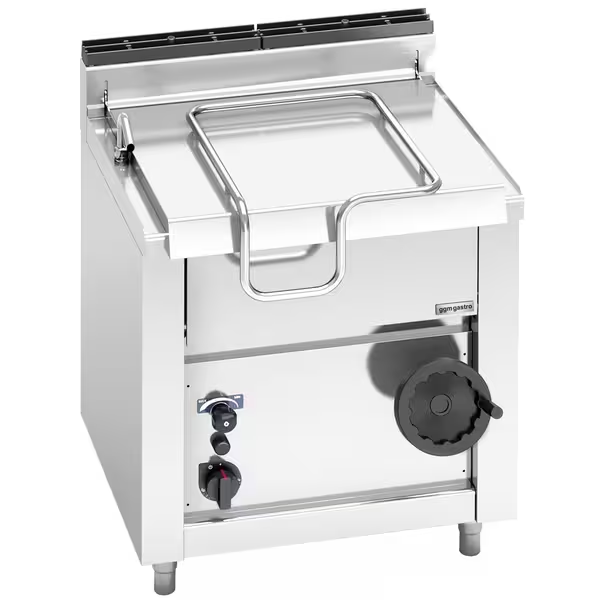
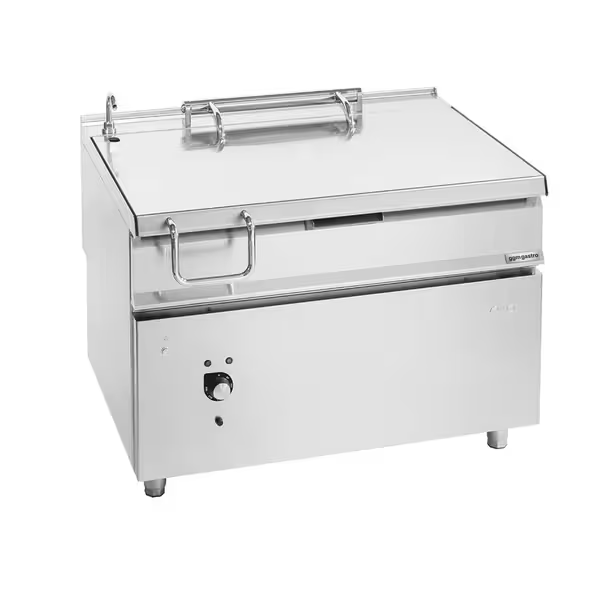
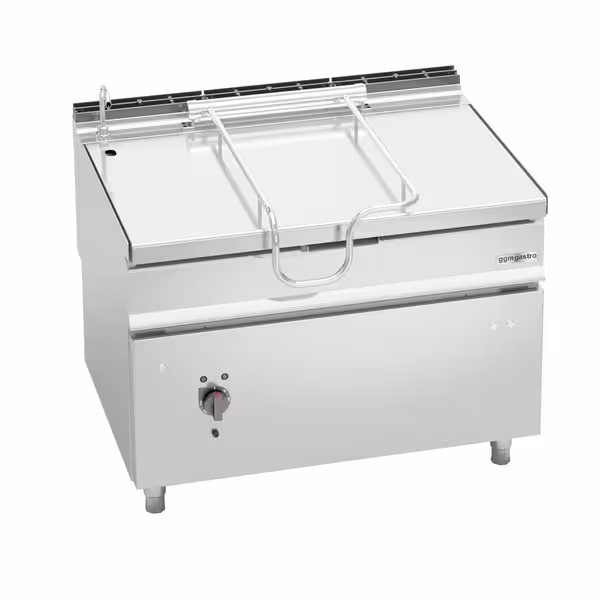
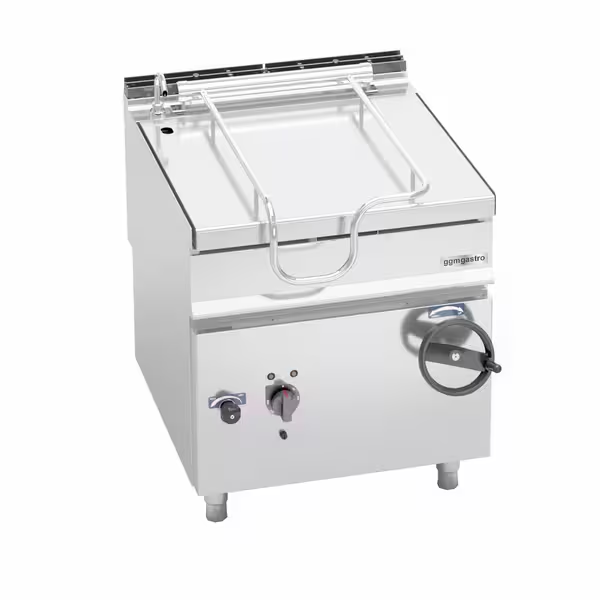
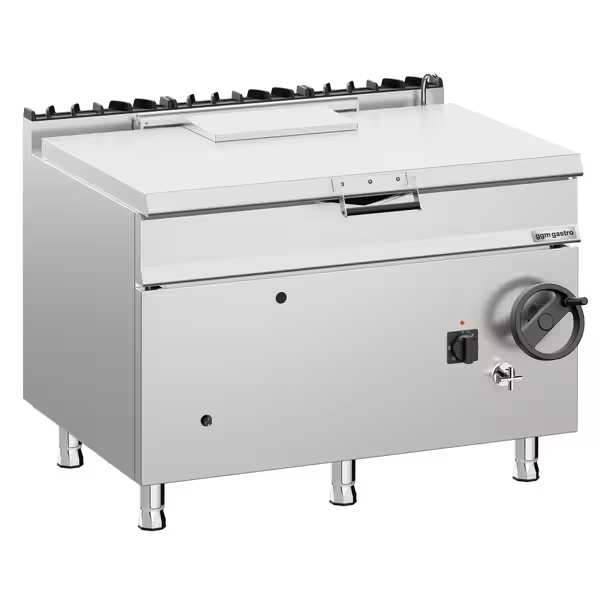
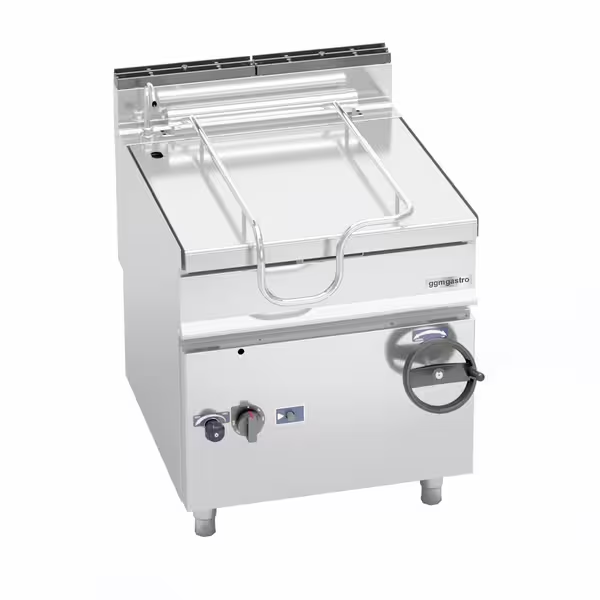
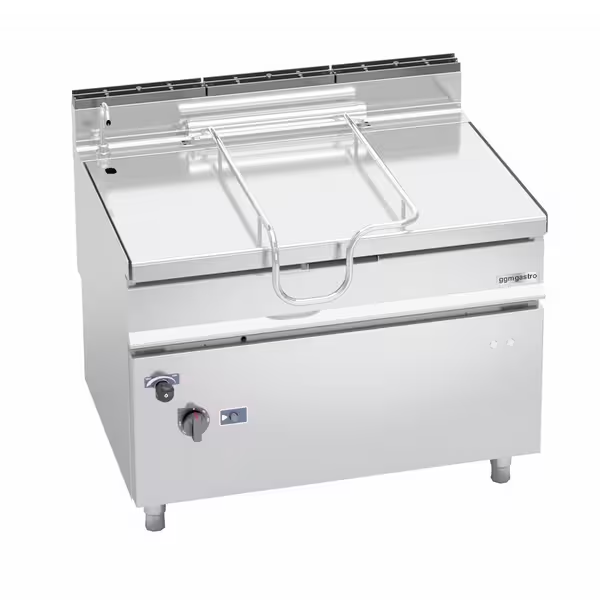
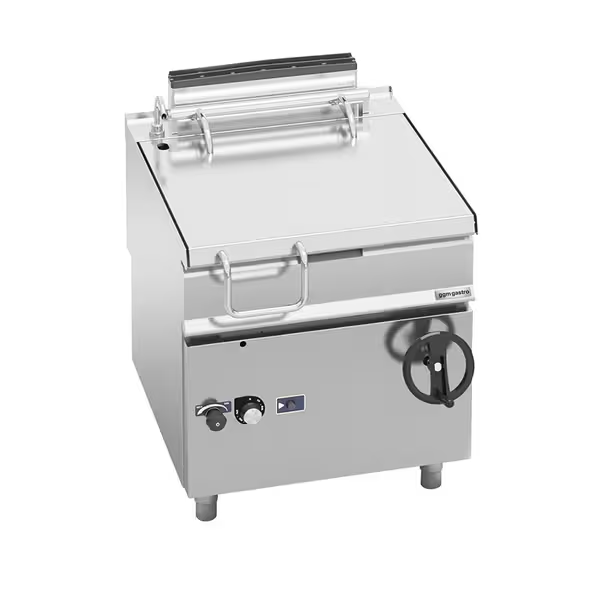
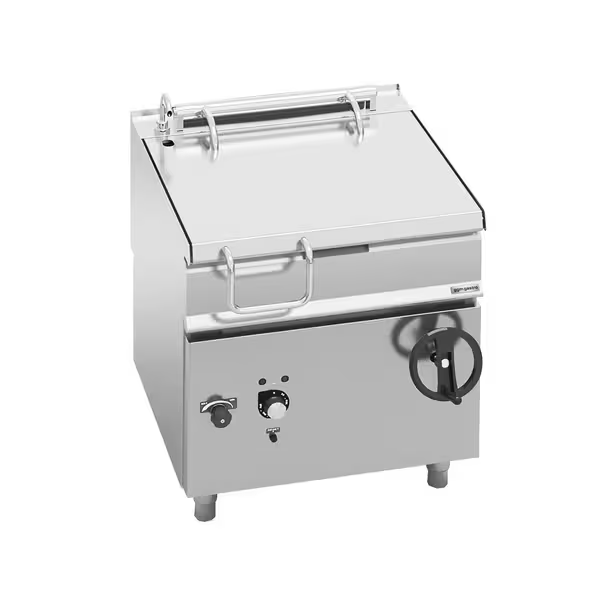
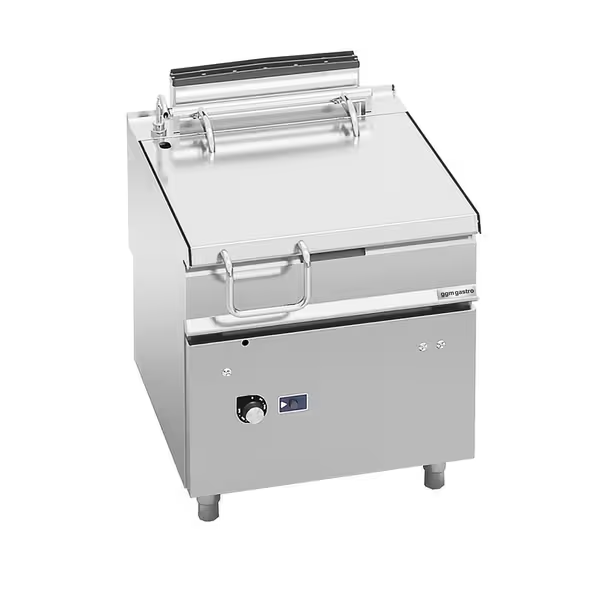
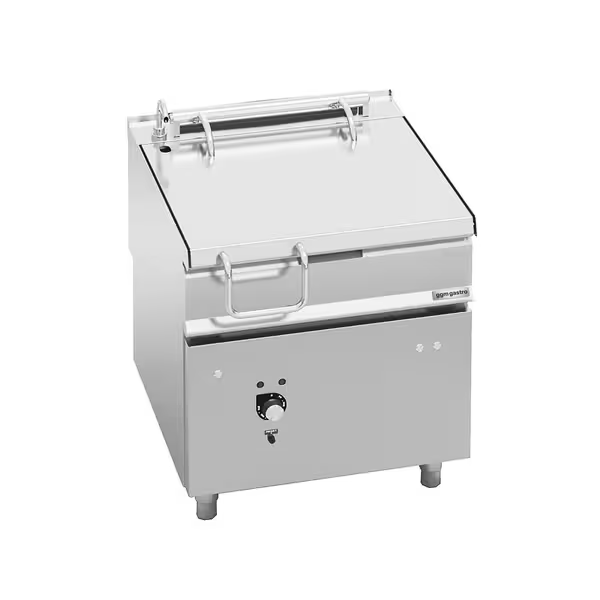
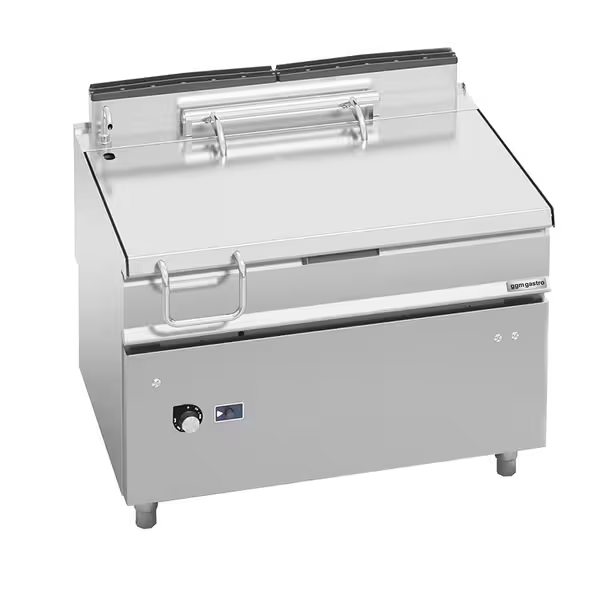
Tilting bratt pans for predictable batch cooking
Tilting bratt pans are commercial cooking appliances with a heated, tilting pan. They combine a large cooking surface with the ability to empty food in a controlled way after cooking, which makes them particularly suitable for larger batches.
They are used, among other places, in staff canteens, student canteens, hotel kitchens, catering businesses, care homes and restaurants with high production volumes. Meat, vegetables, sautéed potatoes, ragouts, sauces or stews can be fried, braised, stewed or boiled in them. Instead of using several individual pans, production is concentrated at one central workstation.
This makes organisation easier during prep and at peak times. Larger quantities can be processed in consistent batches, while tilting the pan makes it easier to transfer food into GN containers or other service units.
Choosing pan capacity and output to match peak demand
The right size does not depend solely on the total daily volume. What matters is how many portions have to be prepared within the busiest production window.
Our selection includes, for example, tilting bratt pans with a pan capacity of 60, 80 or 120 litres. Smaller versions suit businesses with manageable batch sizes or limited floor space. Models with 120 litres are better suited to production kitchens, contract catering and busy event business.
Heating power also has to match the volume and the desired working pace. Depending on the model, outputs range from around 9 to 30 kW. High output is particularly useful when large quantities need to be heated quickly or several batches produced one after another. Oversized equipment, on the other hand, can tie up unnecessary electrical capacity, space and investment budget.
Understanding gas, electric and tilting mechanisms
Tilting bratt pans are available as gas or electric units. Which version suits your business better depends mainly on the existing infrastructure, the planned cookline and the available connections.
Electric models can often be controlled precisely and, depending on output, require a suitable three-phase supply. Gas-fired versions can make sense where a gas supply is already in place and the kitchen works mainly with gas. Power ratings and installation conditions must be confirmed before ordering.
When it comes to emptying, there is a choice between manual (handwheel) tilt and motorised tilt. Handwheel tilting offers robust, controlled operation. With frequent emptying and heavy batches, motorised tilting can take additional strain off the team.
Quick check for choosing a bratt pan
Before buying, five points give you quick orientation:
-
choose pan capacity based on portion volume and peak demand
-
check the gas or electrical connection in advance
-
match a depth of 700 or 900 mm to the cookline
-
choose handwheel or motorised tilt based on frequency of use
-
take floor space, unit width and clearance into account
Depending on the model, unit widths are, for example, 800 or 1,200 mm. Besides the footprint itself, there must be enough space for operation, cleaning and safely emptying the pan.
Stainless steel, cleaning and durability in daily operation
Tilting bratt pans are regularly exposed to heat, grease, moisture, cleaning agents and mechanical stress. Stainless steel surfaces support hygienic workflows because they are robust, smooth and easy to clean.
An integrated water fill tap can make filling and cleaning easier, where the model provides one. Easily accessible surfaces and a pan that tilts in a controlled way reduce unnecessary decanting and cleaning steps. Especially with daily use, easy care has a direct impact on working time and process reliability.
Integrating tilting bratt pans sensibly into the kitchen
The impact of a tilting bratt pan depends heavily on its surroundings. Short routes to prepped ingredients, sufficient landing space and a clear handover to service prevent the production capacity gained from being lost elsewhere.
Suitable stainless steel furniture provides work and landing space next to the unit. For liquid-based batch production, boiling pans can be a useful addition, while ranges continue to cover smaller individual portions and parallel à la carte processes. Efficient warewashing ensures that GN containers, tools and cookware are quickly available again.
Planning cost-effectively for stable long-term production
A correctly sized tilting bratt pan can bundle workflows, reduce repeated decanting and make larger batches easier to control. However, the commercial benefit only materialises if capacity, output, connection type and kitchen layout match the actual operation.
At GGM Gastro, commercial customers will find various gas and electric versions for different production volumes and cooking suites. Expert advice, fast availability, delivery, a choice of payment methods and reliable spare parts supply support predictable purchasing and long-term use.