


Induction Hoods for Restaurants and Commercial Kitchens
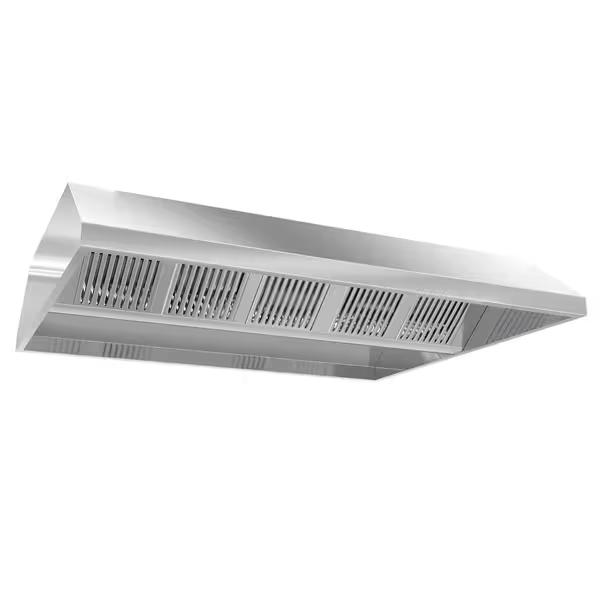
Induction hoods help effectively capture cooking vapors, grease particles, and heat in professional kitchens. Depending on the cooking zone and system layout, choose between box-style and ceiling-mounted hoods in various widths and depths. Induction Hood Guide »



Design/Equipment
Conveyor volume
Number of Filters
Width
Depth
Price

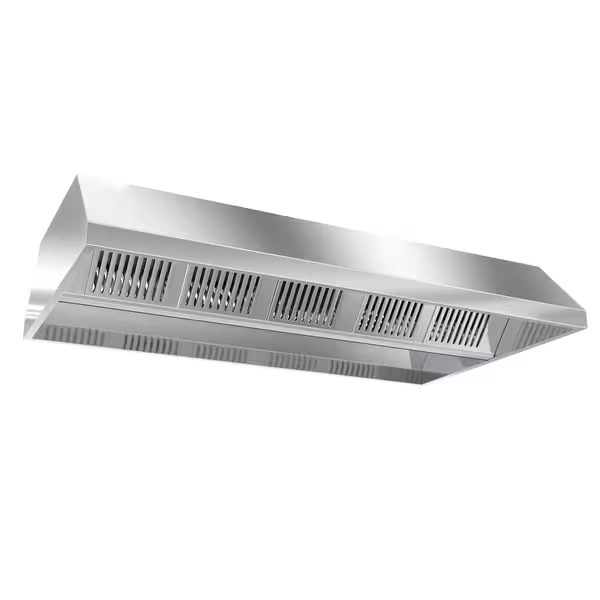
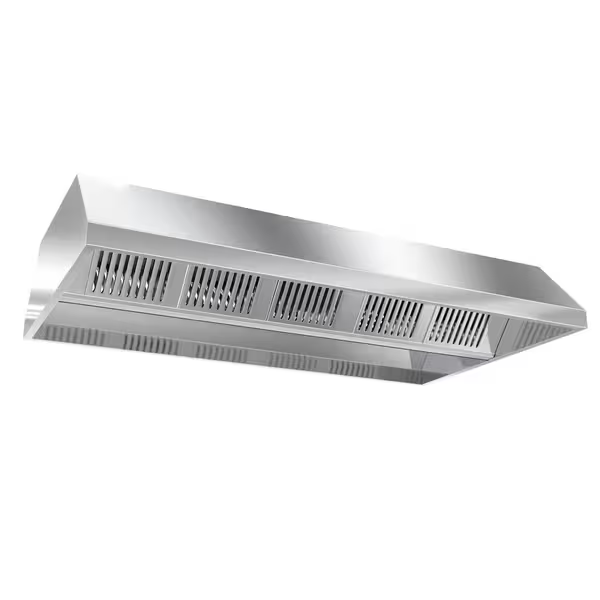
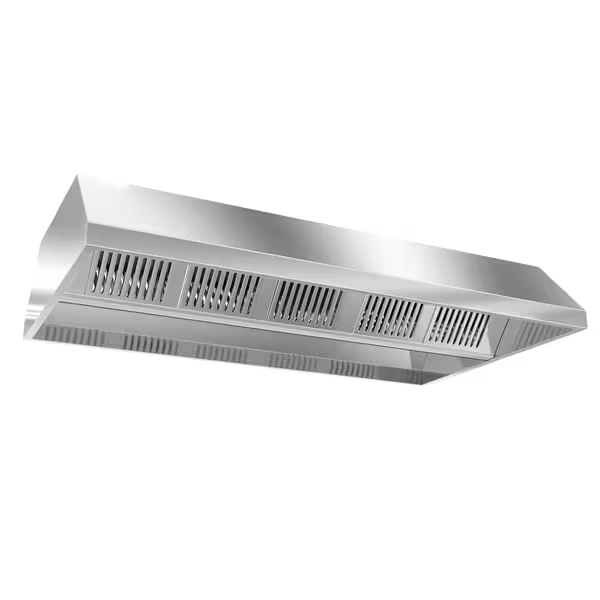
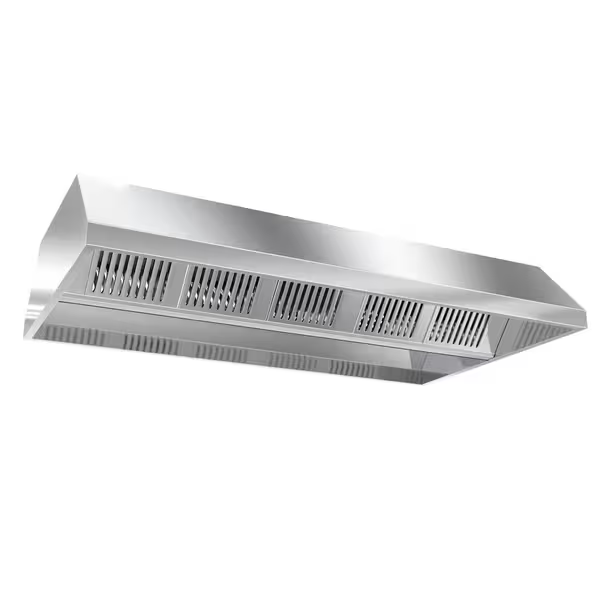
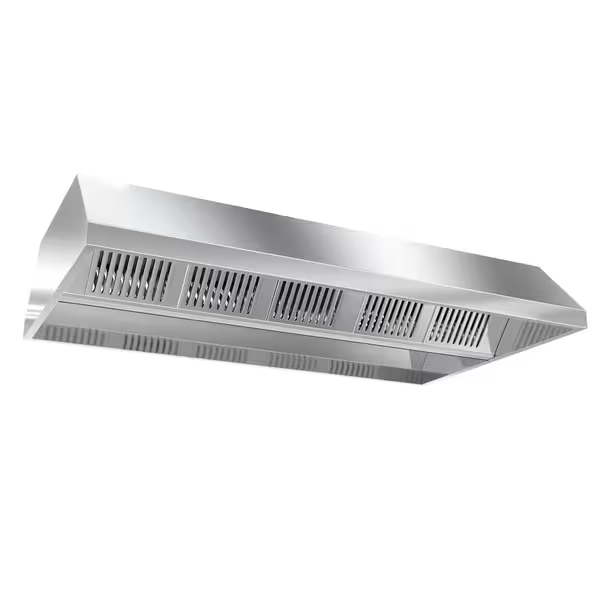
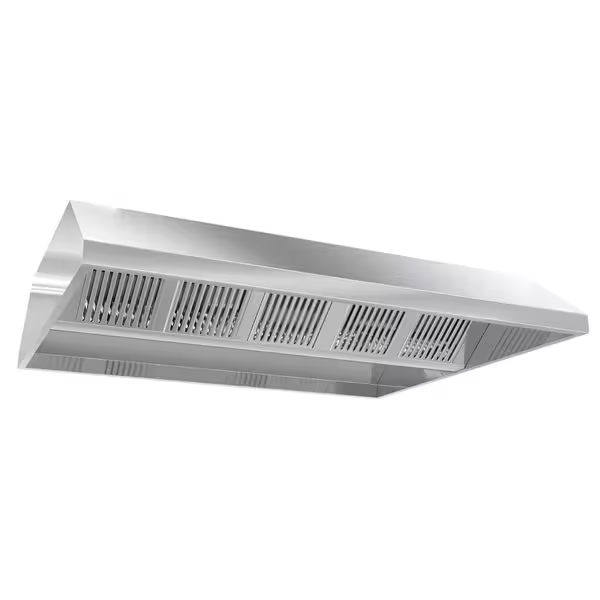
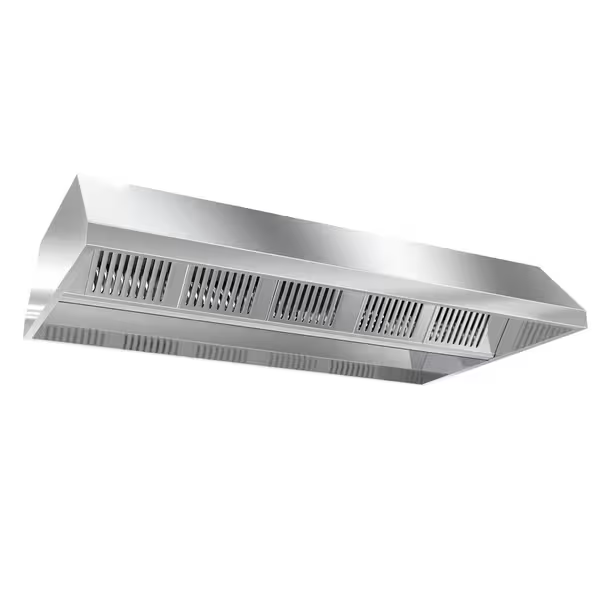
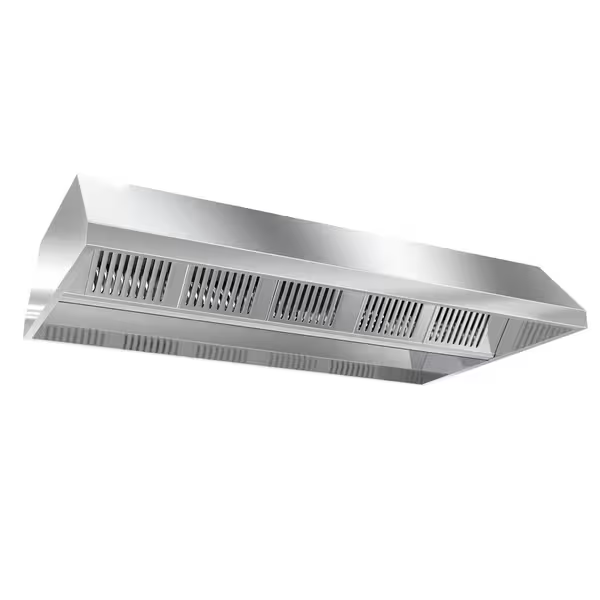
How to Properly Classify Induction Range Hoods for Professional Kitchens
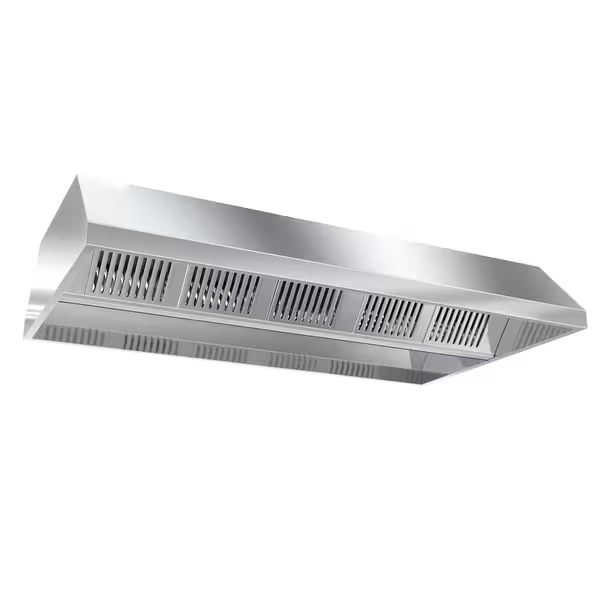
Induction hoods are exhaust hoods for commercial kitchens in which strategically directed airflow aids in capturing cooking fumes, grease particles, and heat. They are primarily found above high-volume cooking areas in restaurants, hotels, cafeterias, catering kitchens, and other commercial kitchens.
In day-to-day operations, it’s not just the extraction itself that matters, but how it’s integrated into the overall kitchen process. A properly designed hood helps capture fumes right where they’re generated, thereby supporting a pleasant working environment, cleanliness, and process stability. GGM Gastro offers a selection of induction box hoods and induction ceiling hoods for this purpose. The design should be suited to the position and size of the cooking zone as well as the existing ventilation plan.
Which induction range hood is right for your cooktop?
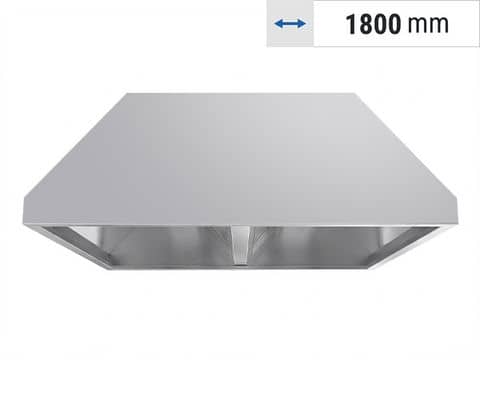
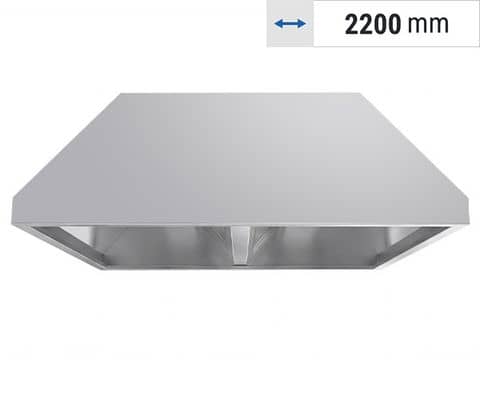
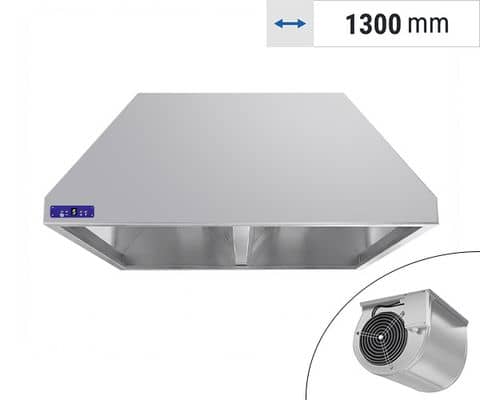
The width and depth of the hood are the primary considerations. The product line includes box hoods with installation depths of 1,100 or 1,200 mm, as well as ceiling-mounted hoods with depths of 1,800, 2,000, or 2,200 mm. For widths, the selection for many models ranges from about 2,000 to 4,000 mm. These dimensions should not be chosen in isolation: the cooking line, appliance layout, heat load, and the actual position of the steam sources all help determine how large the capture area needs to be.
It is especially during peak hours that you can tell whether the design is correct. If the grill, deep fryer, and cooktop are all running at the same time, the load increases significantly more than with a small prep line. In a larger production kitchen, a more generously sized solution may therefore make more sense than a tightly dimensioned hood that only accounts for average operation.
Consider Airflow, Filters, and Installation
Many induction range hoods in this category are sold without a motor but with a filter. Before purchasing, you should therefore determine how the fan, exhaust duct, and supply air will be integrated into the existing system. Suitable centrifugal fans and ventilation ducts are not a minor detail but an integral part of a fully functional solution. Speed controllers may also be relevant for control purposes, depending on the system configuration.
When making your selection, you should pay particular attention to the following points:
-
Design: box or ceiling hood
-
Width and depth suitable for the cooking zone
-
Existing supply and exhaust air ducts
-
Filter configuration and access for cleaning
-
Compatibility with the fan and ductwork
These criteria are more important than a simple price comparison, because mismatches can lead to later modifications, additional installation work, or operational limitations.
Stainless Steel, Cleaning, and Durability in Everyday Use
Induction range hoods operate in an environment characterized by heat, grease, moisture, and regular cleaning. Smooth stainless steel surfaces therefore facilitate hygienic maintenance and are well-suited for continuous commercial use. It is also important that filters are easily accessible and that maintenance and cleaning tasks can be integrated into the workflow without requiring unnecessary disassembly.
In kitchens with long operating hours or high cooking volumes, cleaning should be factored into the planning from the very beginning. If grease buildup, filter maintenance, and cleaning routes are only considered after installation, avoidable additional work quickly arises.
Induction range hoods as part of cost-effective kitchen planning
A properly selected induction range hood is no substitute for sound kitchen planning, but it does support it in one critical area: the controlled capture of heat and cooking fumes. Well-coordinated dimensions, filters, airflow, and technical components can help reduce disruptions, make cleaning more predictable, and ease the workload on the team during peak service periods.
Anyone planning a new kitchen or expanding an existing one should therefore consider the hood in conjunction with the cooking line, room layout, and technical infrastructure. For more complex renovations, custom catering solutions can help coordinate dimensions, positions, and connections early on.
Quick Check Before Making Your Selection
-
Is the cooking area against a wall or freestanding in the room?
-
What width and depth are sufficient for the active cooking zone?
-
Is a suitable range hood already installed?
-
How are the supply and exhaust air routed?
-
Are the filters and maintenance areas easily accessible?
Select induction hoods suitable for the operation
A snack bar with a compact cooking line has different requirements than a hotel or commercial kitchen with multiple appliances running simultaneously. Therefore, the key factor is not the largest available hood, but a model that suits the cooking load, floor space, connections, and operating schedule.
GGM Gastro offers various sizes and designs for commercial kitchens. When replacing, redesigning, or expanding a kitchen, it’s worth choosing a solution that takes into account not only the purchase price but also installation, cleaning, maintenance, and future expandability. This way, the induction hood becomes a sensibly integrated part of a robust kitchen ventilation system.