


Dry Aging
Dry-aging cabinets support controlled meat aging in restaurants, hotels, butcher shops, and delicatessens. They maintain stable conditions for temperature, humidity, and storage so that meat can be aged properly and presented professionally. Dry Aging Guide »



Cooling type
Door type
Number of Doors
Capacity
Operating noise level
Width
Depth
Height
Price
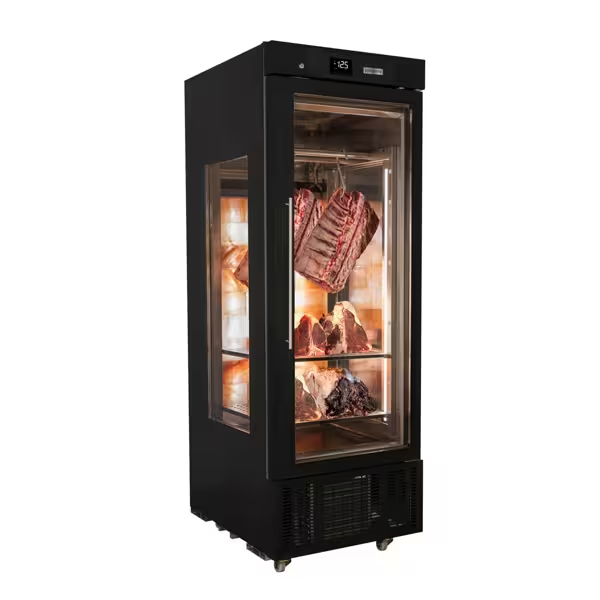
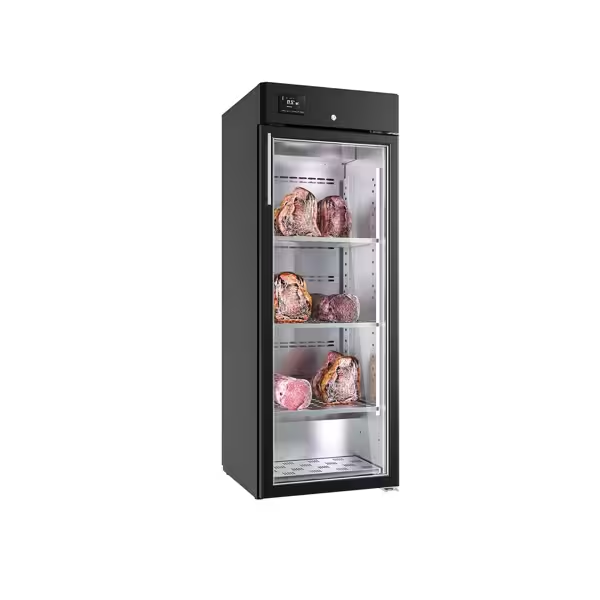
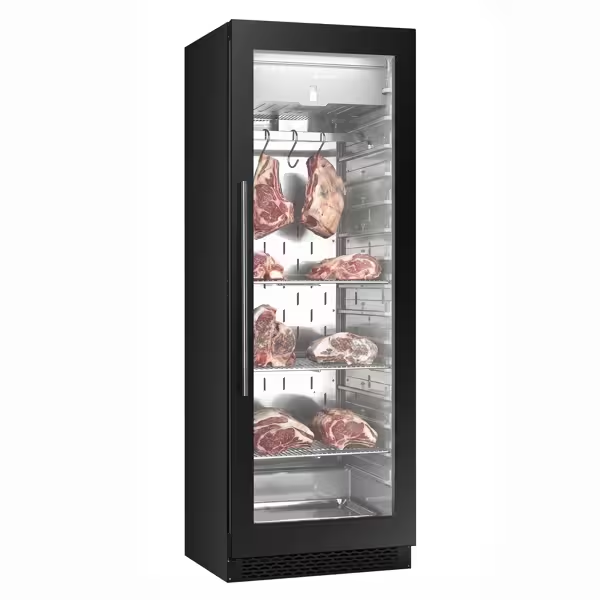
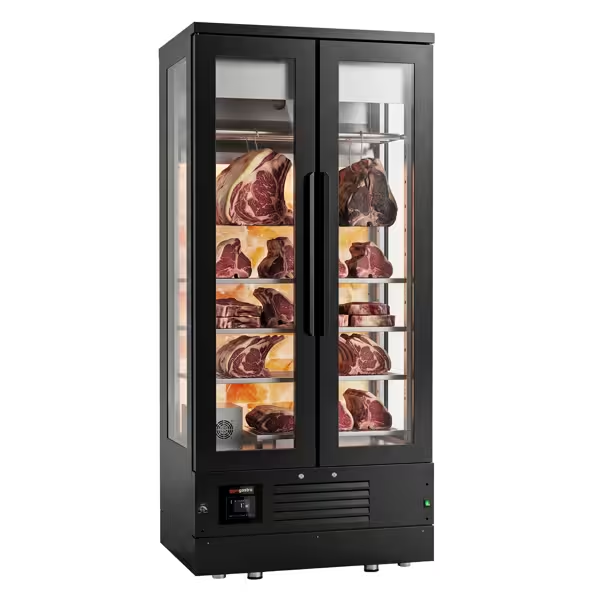
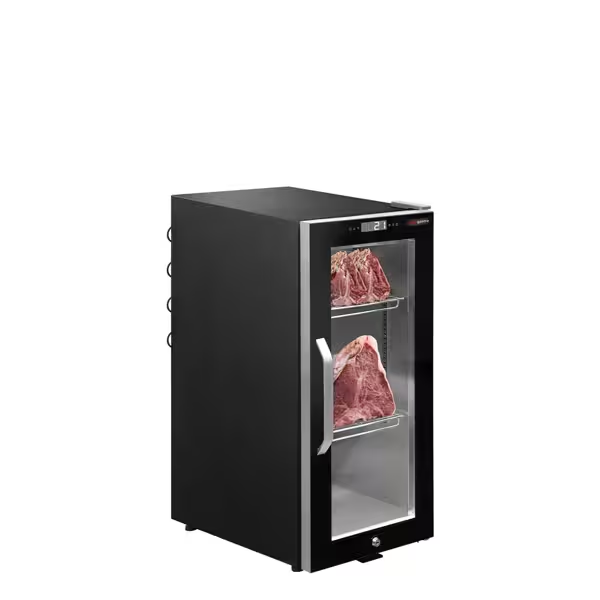
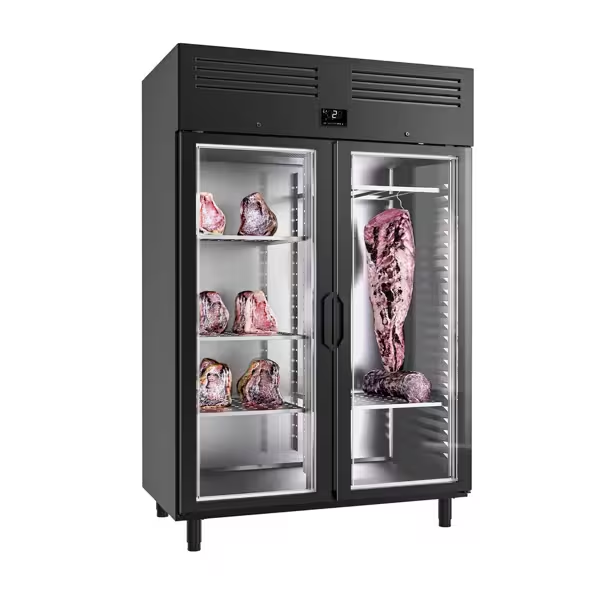
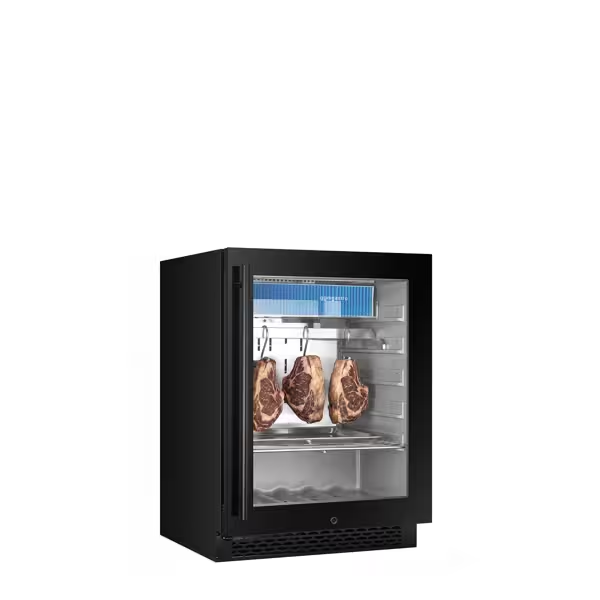
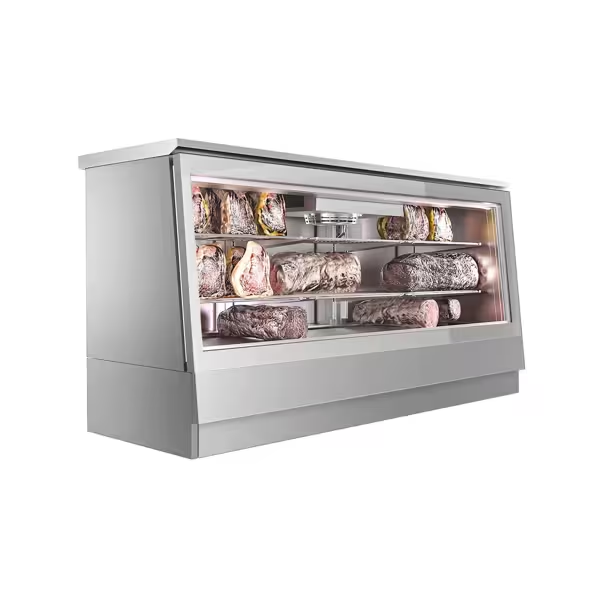
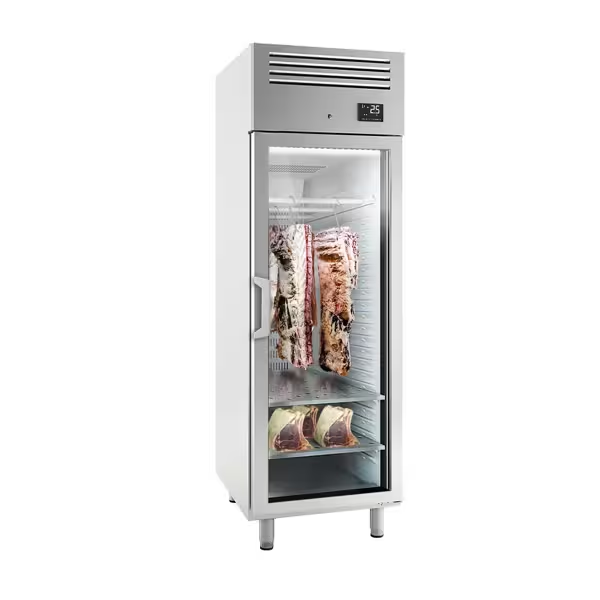
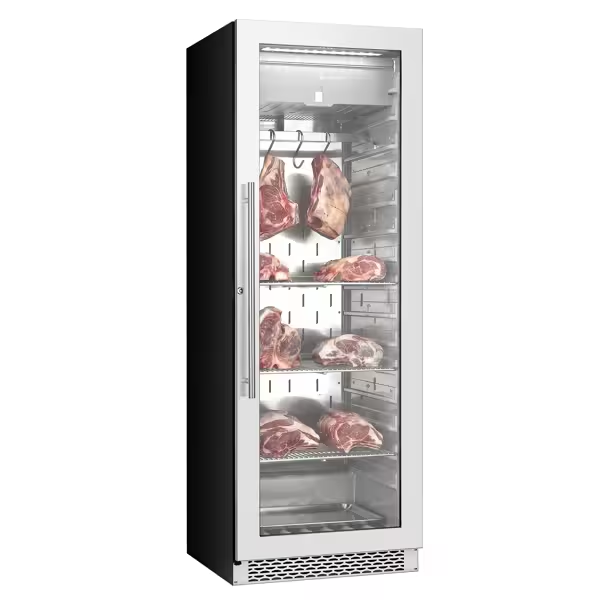
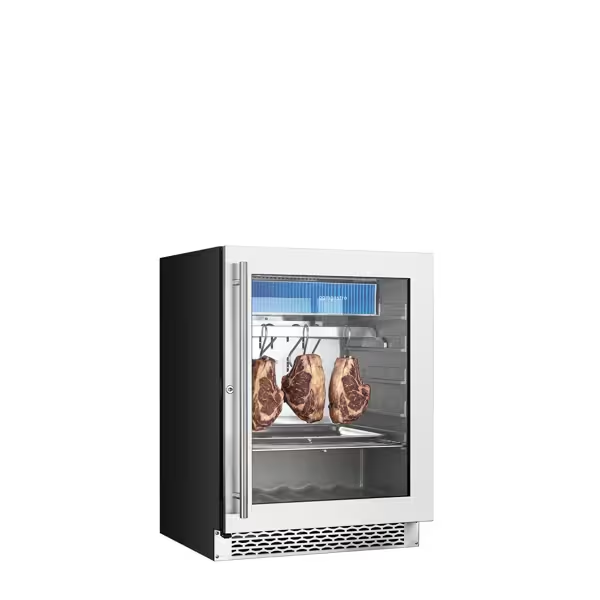
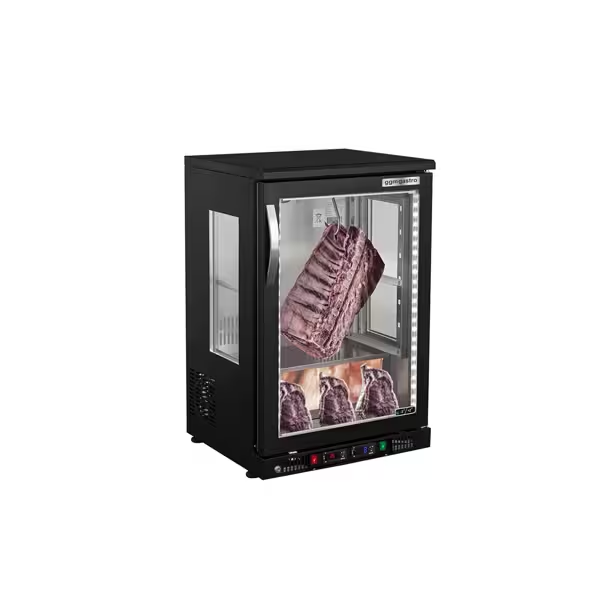
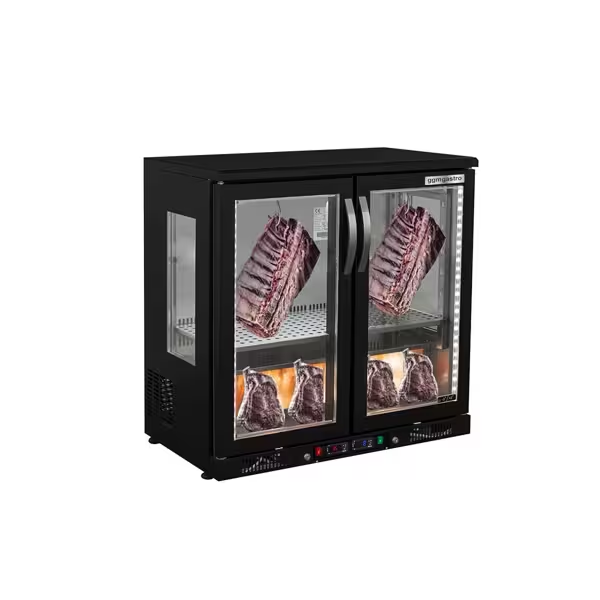
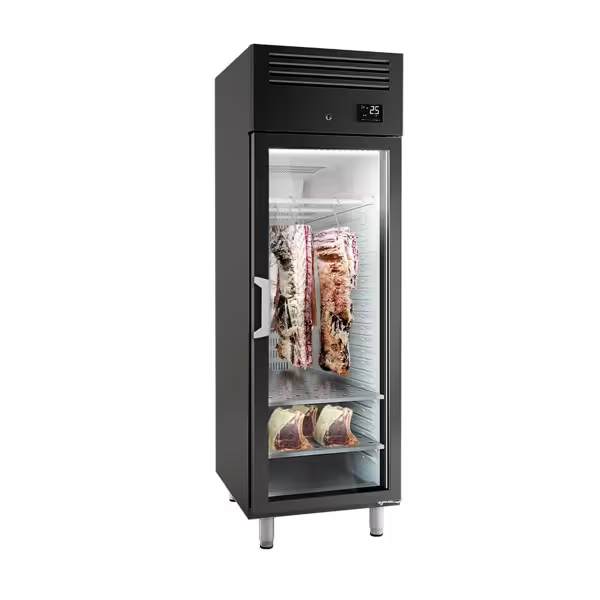
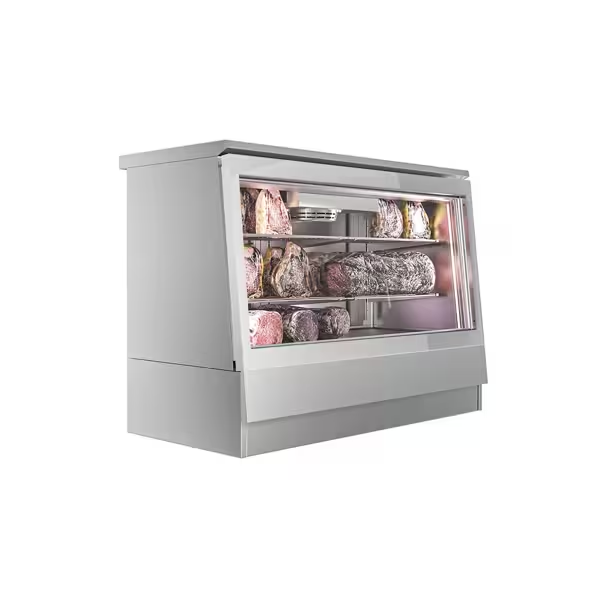
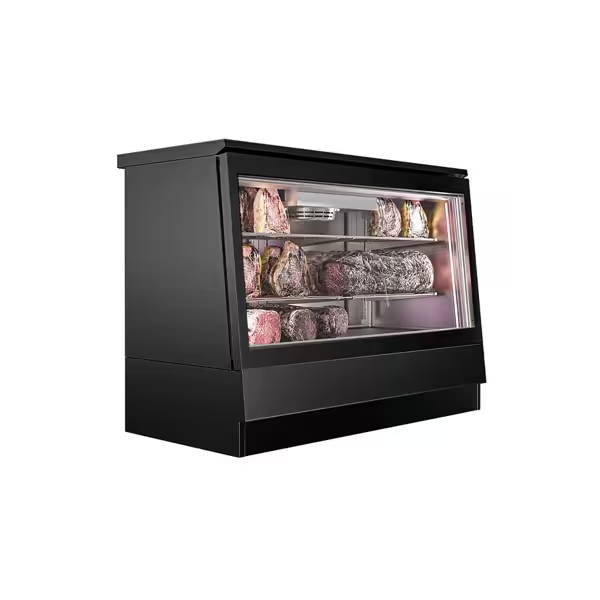
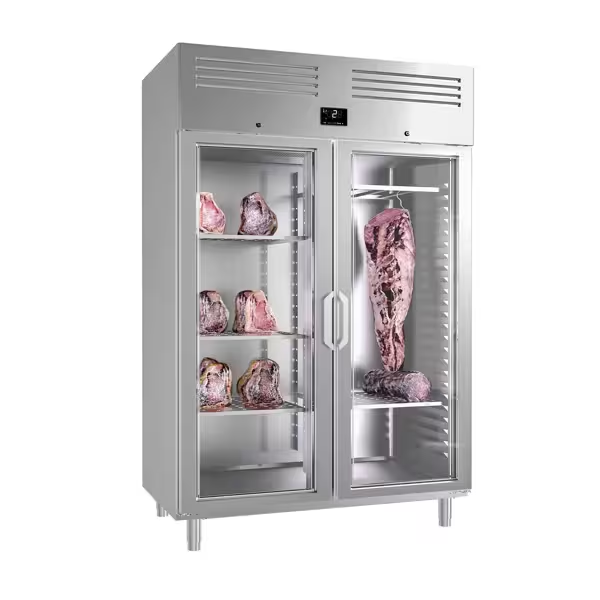
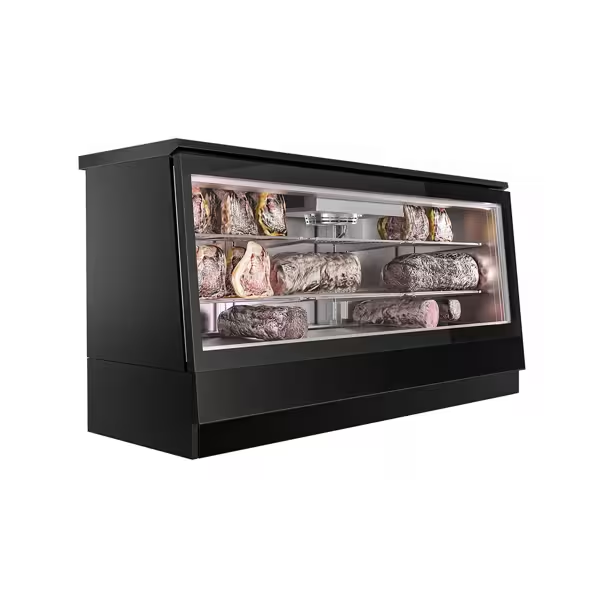
Dry-aging cabinets for controlled meat aging on-site
Dry aging refers to the process of aging meat under controlled conditions. A dry-aging cabinet ensures that temperature, humidity, and air circulation are maintained at stable levels within a closed system.
This category is particularly relevant for restaurants, steakhouses, hotels, butcher shops, and delicatessens when meat is to be not only stored but also specifically aged. Unlike standard refrigeration units, dry-aging cabinets are designed for the aging process: They combine refrigeration, humidity control, hygiene, and presentation in a single unit. This makes it easier to plan aging batches, arrange cuts of meat neatly on hooks or racks, and visibly integrate high-quality products into the business concept.
What size and features are right for your dry-aging concept?
Choosing the right unit starts with the planned capacity. Small businesses or restaurants that serve individual dry-aged dishes typically need less storage capacity than a steakhouse, a butcher shop, or a hotel that regularly sells meat. The key factors are not only the capacity in liters, but also the interior layout, weight capacity, number of racks, meat hooks, and the usable height for larger cuts.
Location also plays a role. A aging cabinet with a glass door and LED lighting can build trust in the dining room or sales area and showcase the meat in a high-quality manner. If the cabinet is used primarily in the prep area or cold storage, ease of use, capacity, and ease of cleaning take precedence. Also check the dimensions, door hinge direction, connection type, and clearance requirements to ensure the unit can be seamlessly integrated into your refrigeration system.
Keep a close eye on temperature, humidity, and hygiene
Stable conditions are essential for dry aging. Temperature ranges, humidity control, and even air circulation all influence how meat ages in a controlled manner. For everyday commercial use, digital controls, easy-to-read displays, and a reliable interior layout are important so that the team can monitor the aging processes in a traceable manner.
Hygiene is no afterthought here. Stainless steel interiors, smooth surfaces, removable racks, and easily accessible corners make cleaning easier. Depending on the model, activated carbon filters, UVC light, or salt elements can provide additional functions for odor control or air quality.
Important: The features should match the intended use. A cabinet that is opened, stocked, and inspected daily must be evaluated differently than a model designed for smaller, less frequent aging batches.
Quick Checklist for Selection:
-
How much meat needs to be aged at one time?
-
Will the cabinet be displayed in plain view or used in the workspace?
-
Are temperature and humidity easy to control?
-
Are the racks, hooks, and interior surfaces easy to clean?
-
Do the dimensions, connections, and door opening fit the planned location?
Dry Aging as a Key Economic Component for the Restaurant Industry and Butcher Shops
A suitable dry-aging cabinet can help refine meat in a more targeted way and position the product offering more clearly. For steakhouses and restaurants, this results in a stronger product profile. Butchers and delicatessens can display aged meat prominently and organize aging periods in a more structured way. Hotels with fine dining establishments often use dry aging to incorporate meat dishes into their menus in a way that is both higher in quality and more predictable.
The economic impact extends beyond the selling price of individual cuts. It is also important that processes remain predictable: meat is stored under controlled conditions, aging batches are more traceable, and the team works with established processes rather than improvised workarounds. In this way, the aging cabinet becomes part of a stable operational system, not just an additional piece of equipment.
Effectively Integrating Dry Aging into the Kitchen, Storage, and Presentation
For dry aging to work in everyday life, the aging cabinet shouldn't be planned in isolation. During preparation, you’ll need clean work surfaces, suitable knives, hygienic holding trays, and short distances to the next step in the process. When combined with stainless steel furniture, this creates a workspace that makes cleaning and portioning easier. For further processing of aged cuts of meat, appropriate equipment from the meat processing category can be useful, without the aging cabinet itself having to perform these tasks.
The presentation layout can also be adapted to the type of establishment. In the sales area or dining room, a well-maintained dry-aging cabinet serves as a visible sign of quality. In the kitchen, the most important factors are that access, monitoring, and cleaning can be carried out quickly. Those who prepare larger quantities or carry multiple grades of meat can clearly organize storage, labeling, and further processing. In addition, refrigerators and freezers can be used for other product categories, while the dry-aging cabinet remains exclusively reserved for controlled aging.
Planning Dry Aging Professionally and Making Confident Decisions
Dry aging is particularly worthwhile when meat quality, presentation, and process reliability are intentionally integrated into the business concept. When selecting a unit, pay attention to capacity, interior layout, temperature and humidity control, ease of cleaning, location, and serviceability. This will help you find a dry-aging cabinet that not only looks great but also reliably fits into your daily commercial operations.