


Refrigerated base units for the food service industry
Refrigerated base units provide refrigerated storage space right next to the work surface and help minimize walking distances in professional kitchens. They are ideal for establishments that want to store ingredients, prepared items, or frequently used supplies in a space-saving manner while keeping them within easy reach. Guide to Refrigerated Base Units »
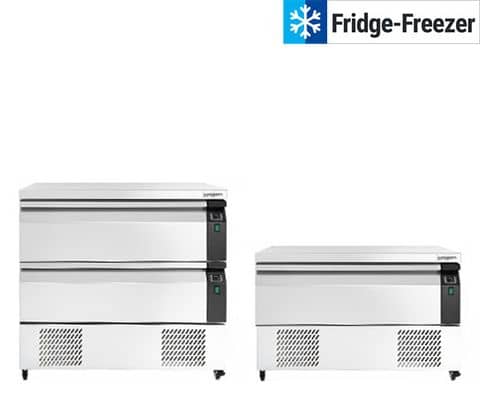

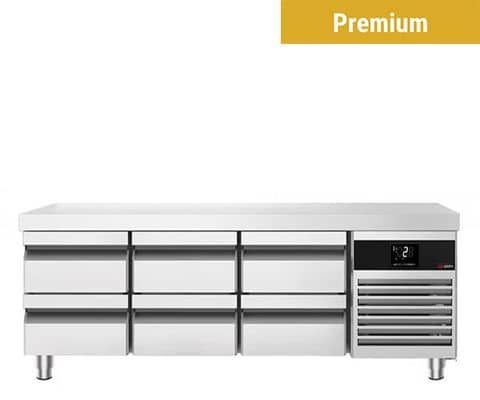
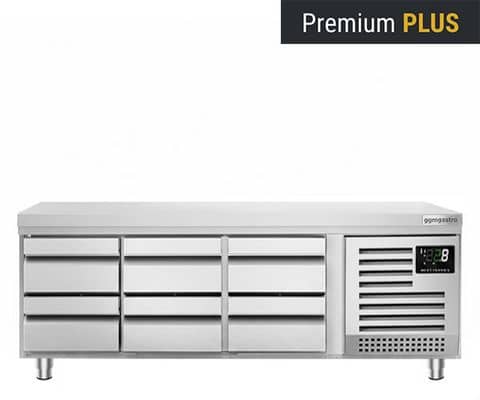

Product type
usable volume
Cooling type
Compartment Measure
Number of Drawers
Capacity
Operating noise level
Width
Depth
Height
Price
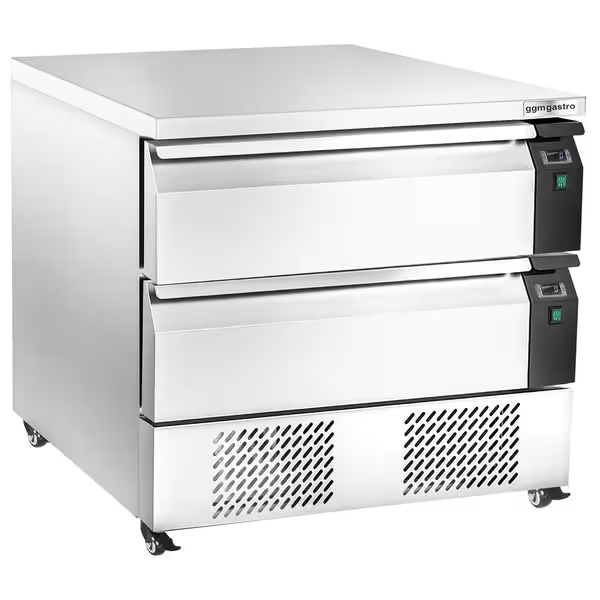
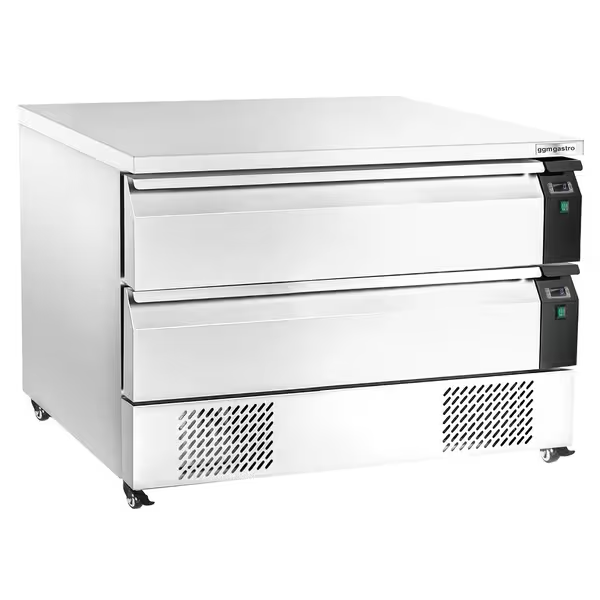
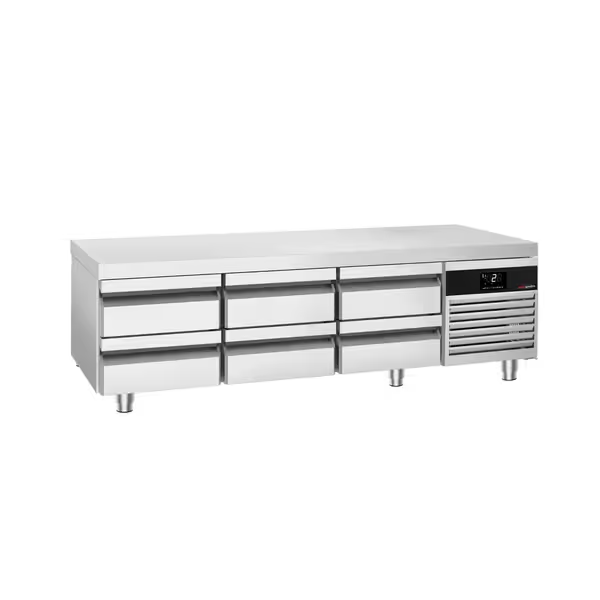
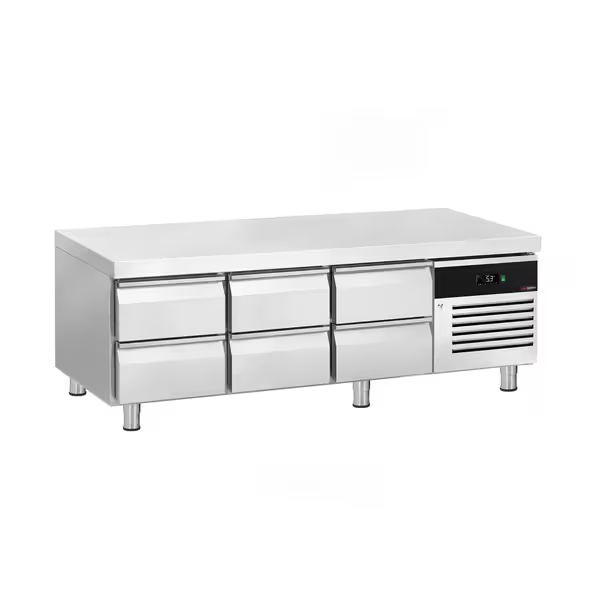
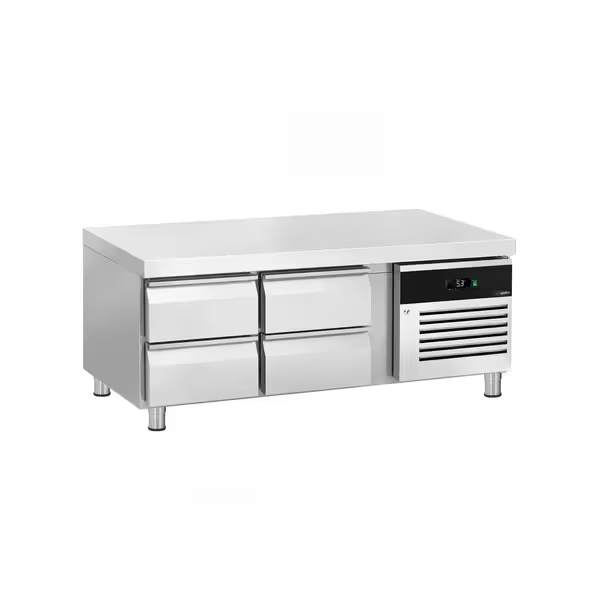
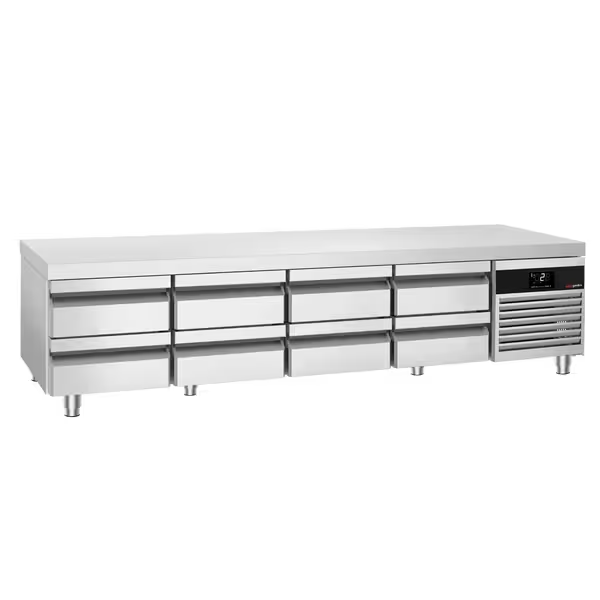
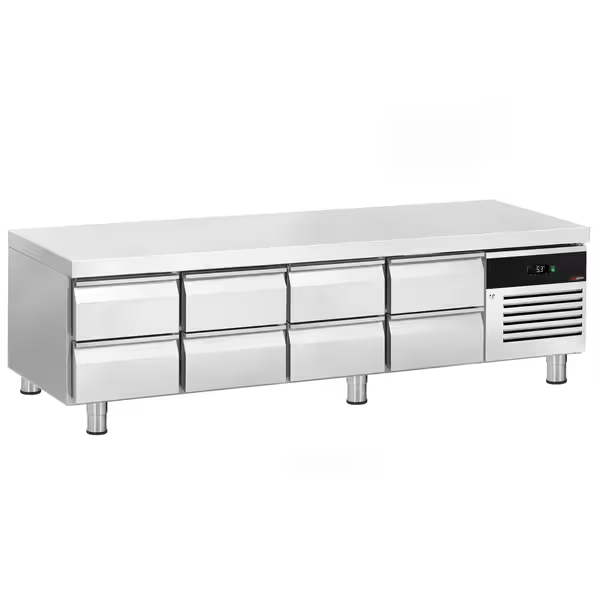
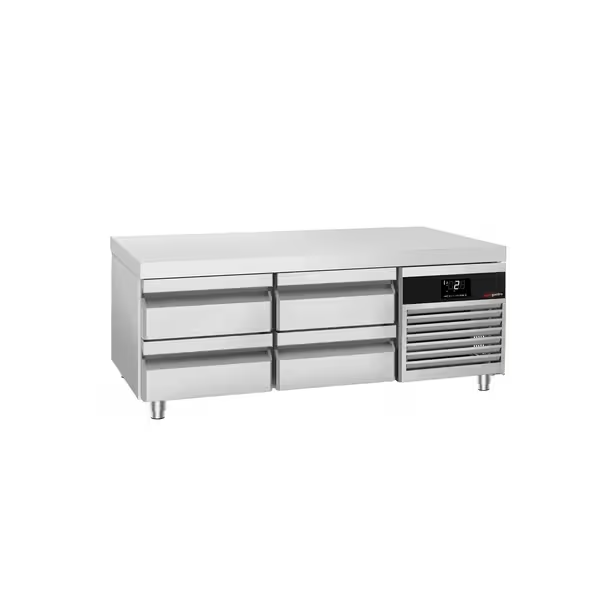
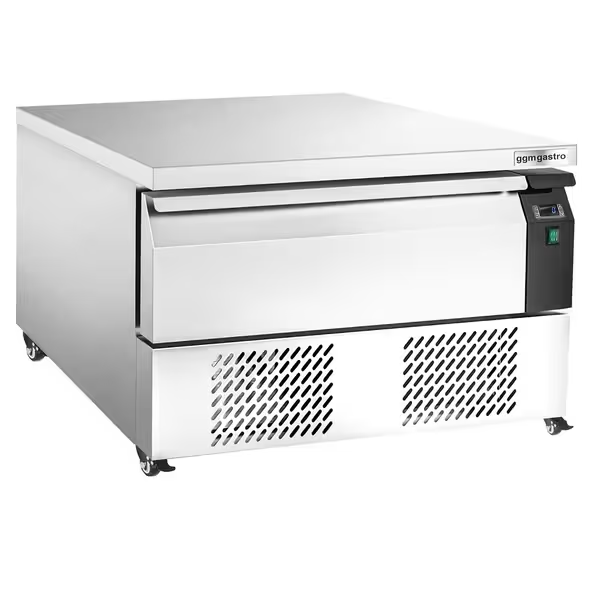
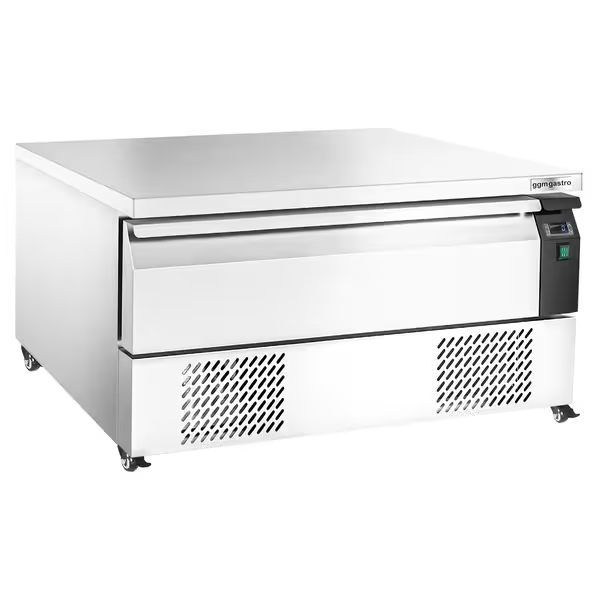
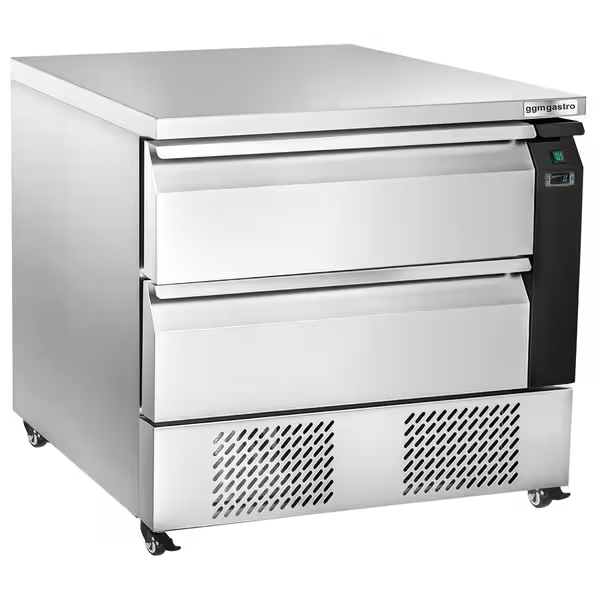
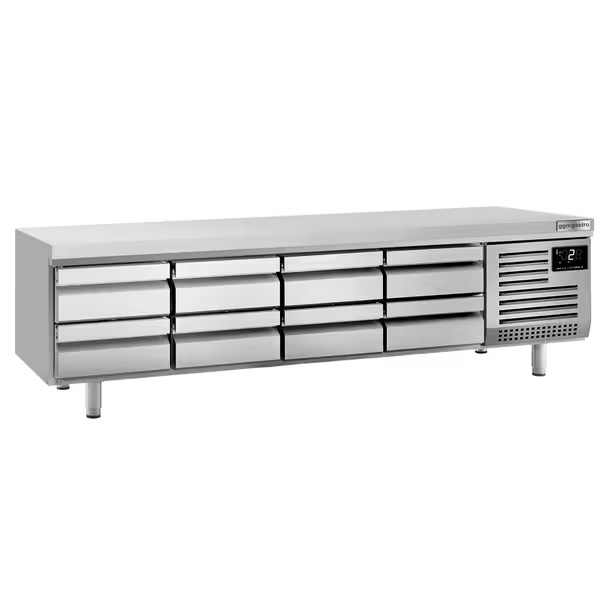
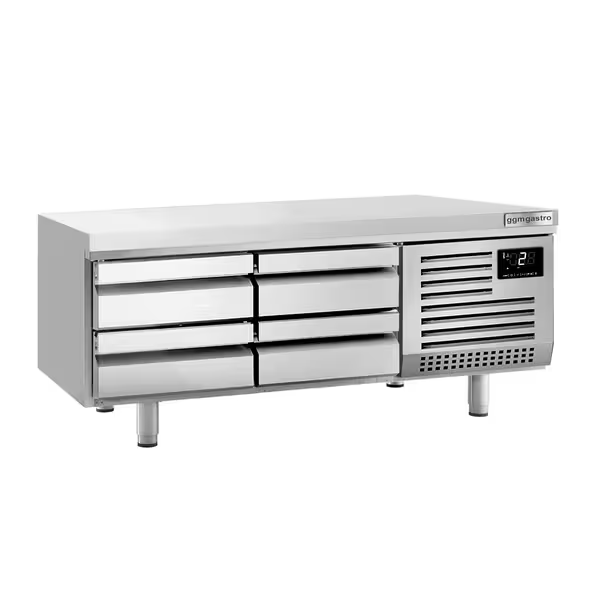
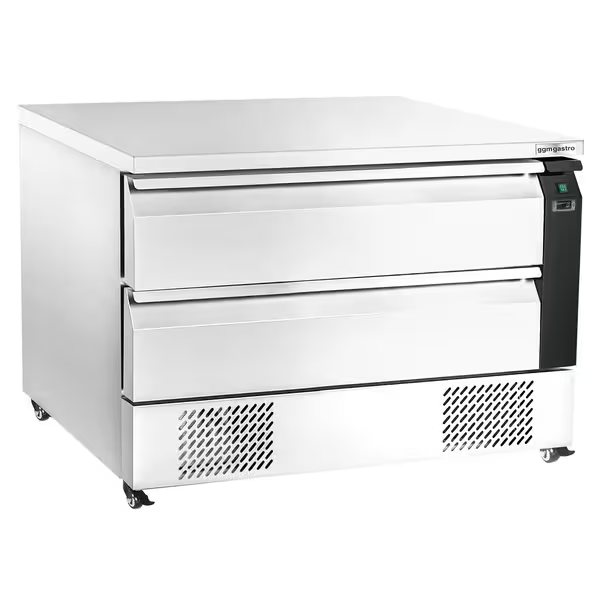
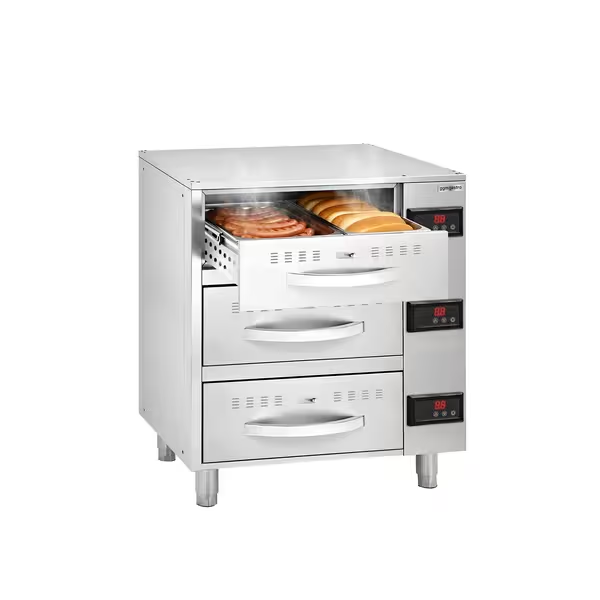
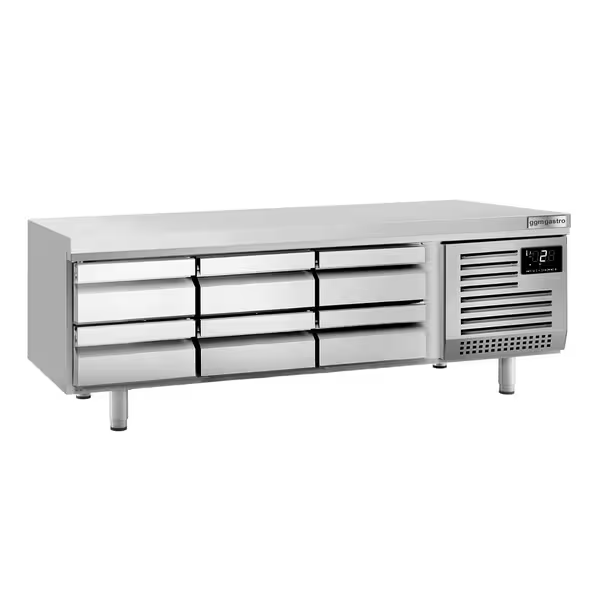
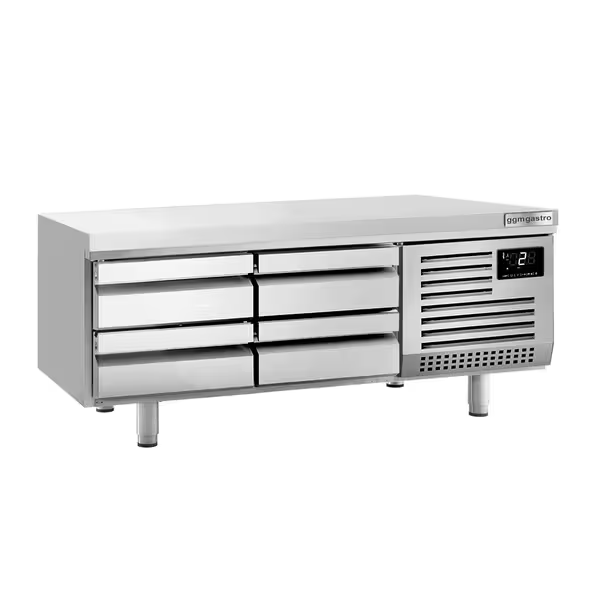
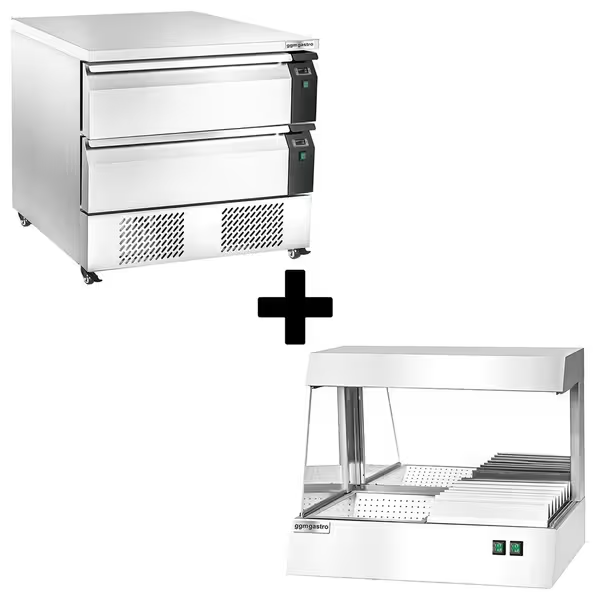
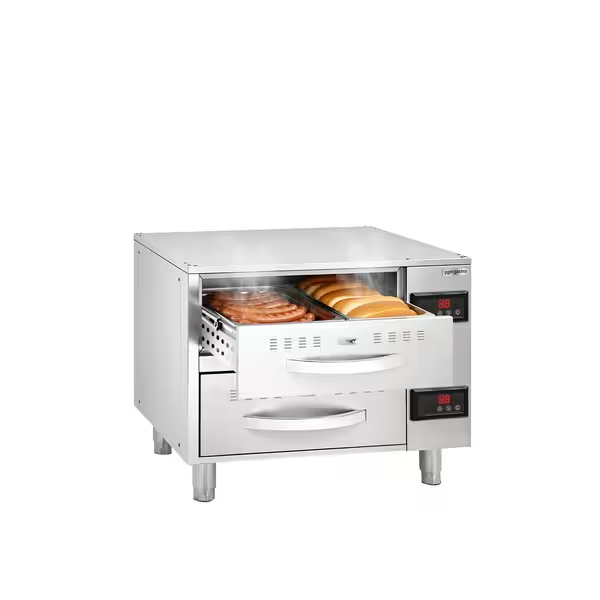
Refrigerated base units as a compact cooling solution for professional use
Under-counter refrigerators are commercial refrigeration units designed to be integrated under work surfaces or into compact production areas. They are used when chilled ingredients, prepared components, or frequently used items need to be readily available at the workstation during operations, without taking up additional floor space for tall refrigerators.
Under-counter refrigerators are particularly useful in snack bars, restaurants, bistros, hotel kitchens, or small prep areas where speed, organization, and efficient use of space must all be balanced. Unlike large-volume storage solutions, the focus here is not purely on stockpiling, but on providing a refrigerated access point for day-to-day operations. This is particularly relevant when every unnecessary movement costs time—whether during preparation, at peak hours, or when working simultaneously at multiple stations.
How Refrigerated Undercarriages Significantly Reduce Workload and Streamline Processes
Refrigerated base units are most effective during operation primarily because of their placement within the workflow. When ingredients, GN containers, or prepared foods are stored directly beneath the work surface, the distances between retrieval, preparation, and serving are reduced. This creates a calmer atmosphere at the workstation and eases the workload on the team, especially in tight spaces.
A typical example is preparation before the lunch rush: dressings, chopped vegetables, sauces, or prepared ingredients are available right under the workstation and don’t have to be constantly retrieved from a distant refrigerator. The situation is similar in small kitchens or snack lines, where multiple work steps take place in a confined space. There, under-counter refrigerators support a clear separation between storage, retrieval, and further processing without unnecessarily restricting movement.
Key decision-making criteria include not only capacity but, above all:
- Width and depth in relation to the available countertop space
- Doors or drawers depending on access requirements
- Temperature range suitable for the intended use
- GN compatibility for organized storage
- Height for seamless integration under existing countertops
What Matters When It Comes to Materials, Hygiene, and Durability
In everyday commercial use, refrigerated base units must perform significantly better than household appliances. Stainless-steel enclosures, heavy-duty drawer slides, well-finished interiors, and easy-to-clean surfaces are essential because moisture, cleaning chemicals, frequent opening, and continuous use place daily strain on the materials and technology.
The design also plays a central role in hygiene. Smooth surfaces, easily accessible interiors, and a clear layout of storage areas facilitate daily cleaning. This is particularly important when the refrigerated base unit is used in preparation areas with exposed food or in close combination with [stainless steel furniture]. Choosing a design suitable for everyday use reduces friction losses during cleaning and shift changes.
Another practical consideration is the coordination of dimensions and container compatibility. If a refrigerated base unit is GN 1/1-compatible or complements the existing countertop perfectly in height and depth, it can be integrated much more easily into existing workflows. Especially during renovations or retrofits, therefore, not only the liter capacity but also the installation dimensions should always be checked.
Quick Checklist for Selecting the Right Refrigerated Base Units
A suitable refrigerated base unit should not only fit into the niche but also actually make your daily work easier. This quick checklist will help you choose:
- Is the capacity sufficient for the ingredients and components actually needed at this station?
- Are doors or drawers more practical for daily access?
- Does the height fit neatly under the existing countertop?
- Is the interior layout compatible with GN containers or your preferred storage system?
- Can the unit be cleaned quickly and thoroughly while in operation?
Why Well-Integrated Refrigerated Base Units Can Make Economic Sense
Refrigerated base units aren’t large central units, but they’re often a key component for stable operations. When chilled goods are available right at the workstation, work steps can be better synchronized, follow-up production can be organized in a more structured way, and bottlenecks at heavily used workstations can be reduced. This helps not only during peak hours but also during daily prep and on shifts with limited staff.
This becomes particularly cost-effective when a unit fits seamlessly into the workflow. A well-thought-out solution supports consistent workflows, reduces search and travel distances, and makes it easier to comply with hygiene standards. This makes investing in durable refrigerated base units particularly sensible in areas where space is limited but the kitchen still needs to remain efficient.
Integrate refrigeration units effectively into the operational concept
Refrigerated base units work particularly well in combination with refrigerated tables, preparation tables, or sink units, ensuring that storage, preparation, and cleaning are logically coordinated. It’s important not to confuse this category with traditional refrigerated tables: Refrigerated base units are primarily designed for compact, workstation-based refrigeration and not for extensive production lines with large work surfaces.
Choosing the right units creates a seamless combination of space utilization, cooling capacity, and daily work routines. This is precisely where the practical benefit of under-counter refrigerators lies: they support professional workflows where readily accessible refrigeration, short distances, and compact integration into daily operations are crucial.