


Mobile food preparation tables for restaurants, bars, catering, and events
Mobile preparation tables combine refrigerated ingredient storage, a work surface, and flexible placement in a single compact unit. They are ideal for businesses that want to prepare and serve meals, snacks, salads, cocktails, or promotional items right where they’re needed. Mobile Preparation Tables Guide »




Product type
Design/Equipment
usable volume
Cooling type
Amount container
Door type
Number of Doors
Number of Drawers
Width
Depth
Height
Price
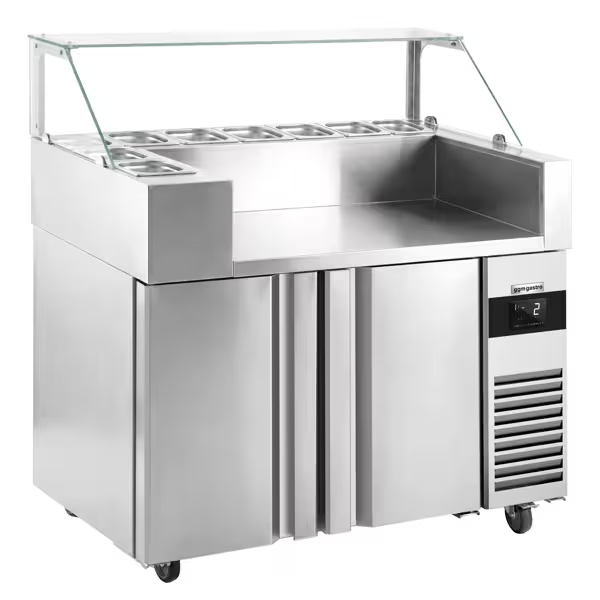
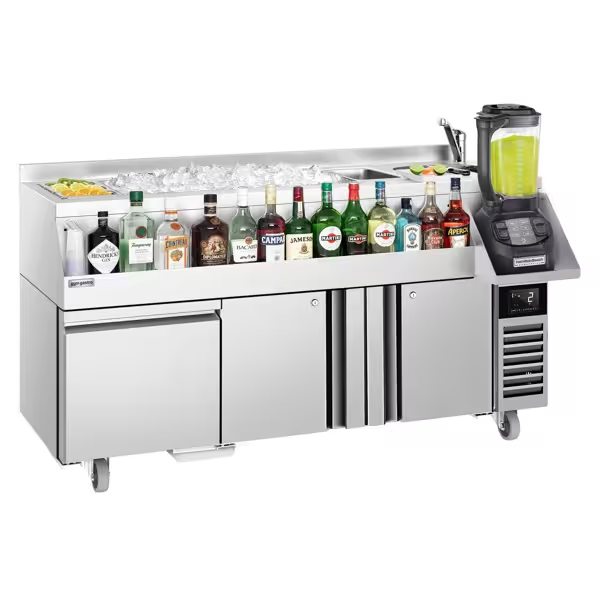
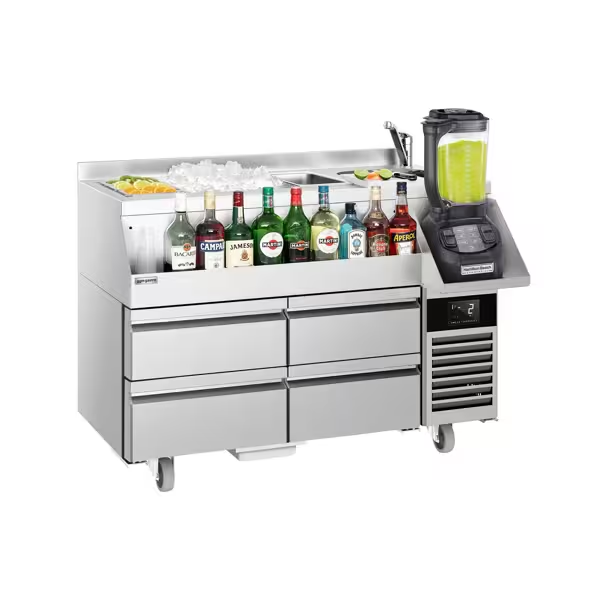
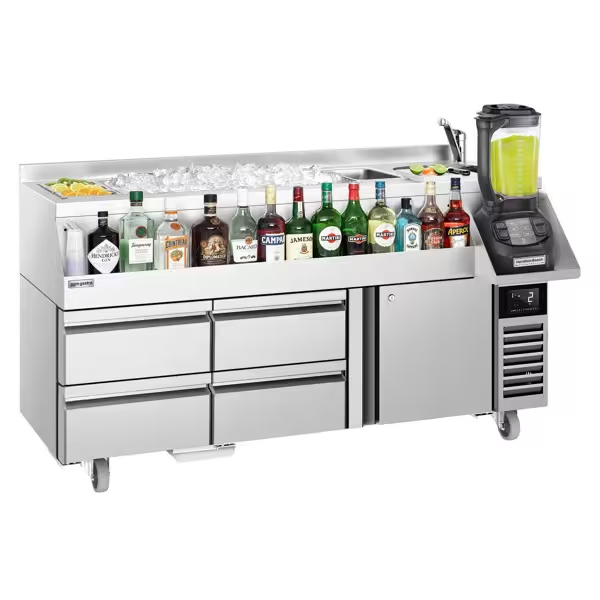

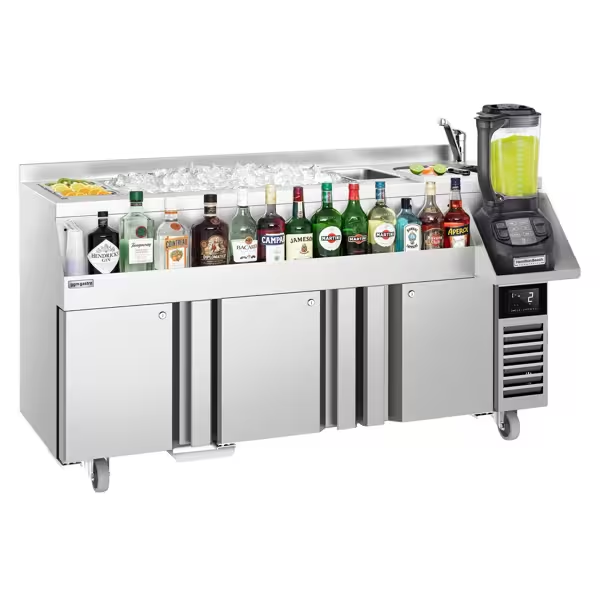
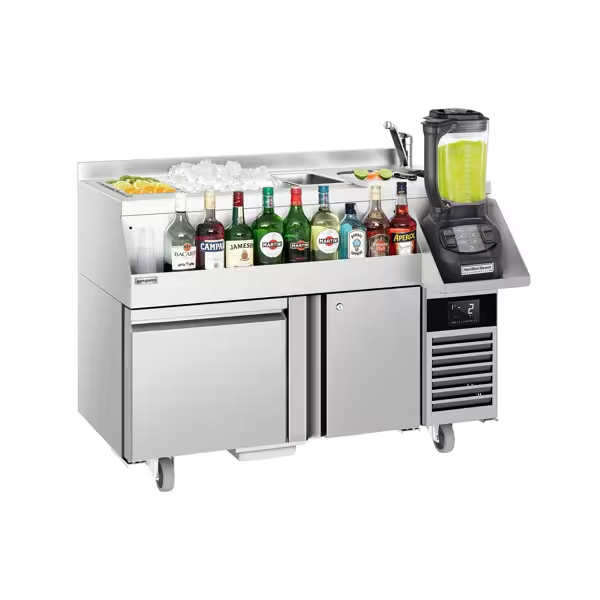
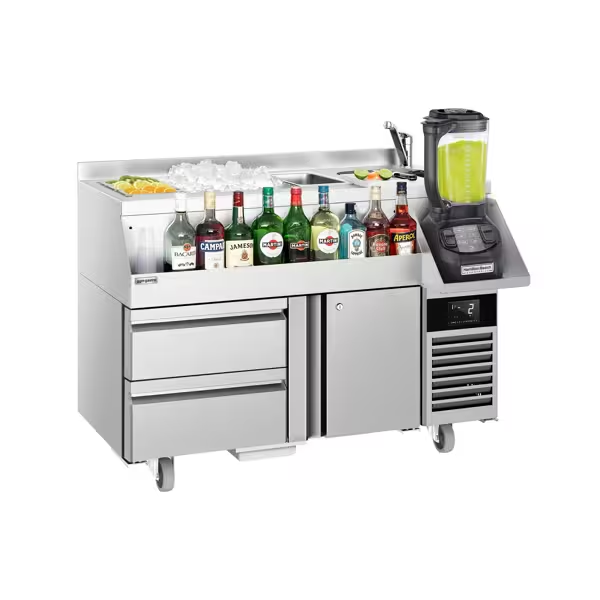
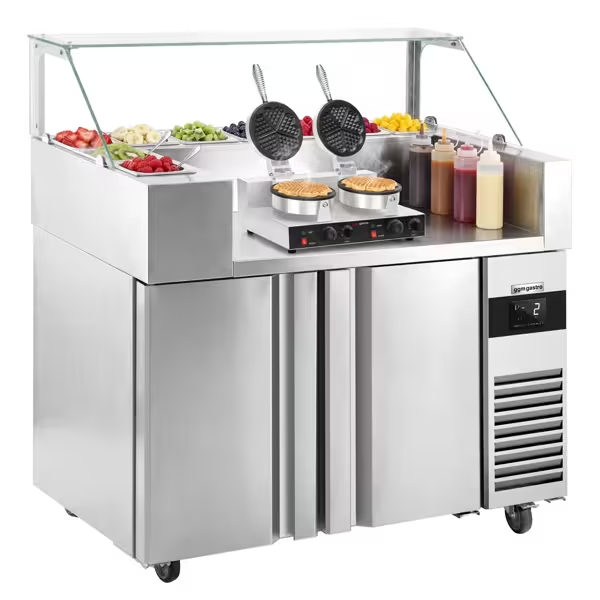
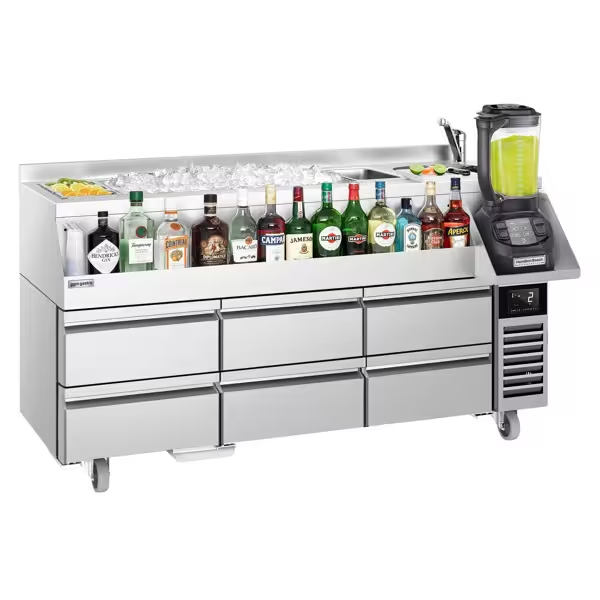
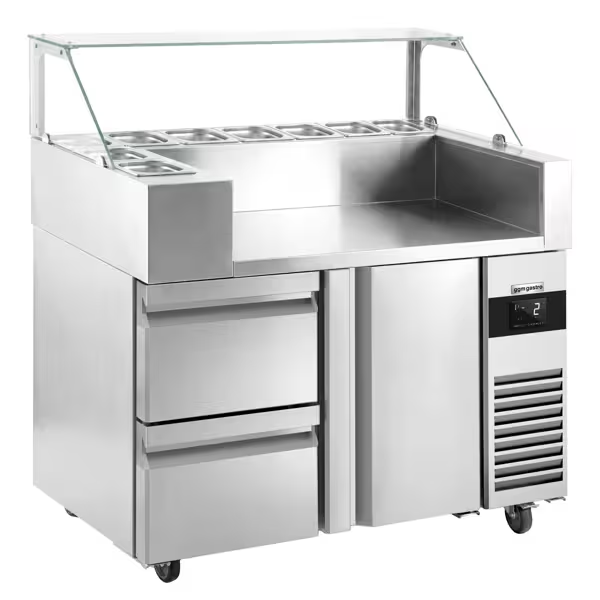
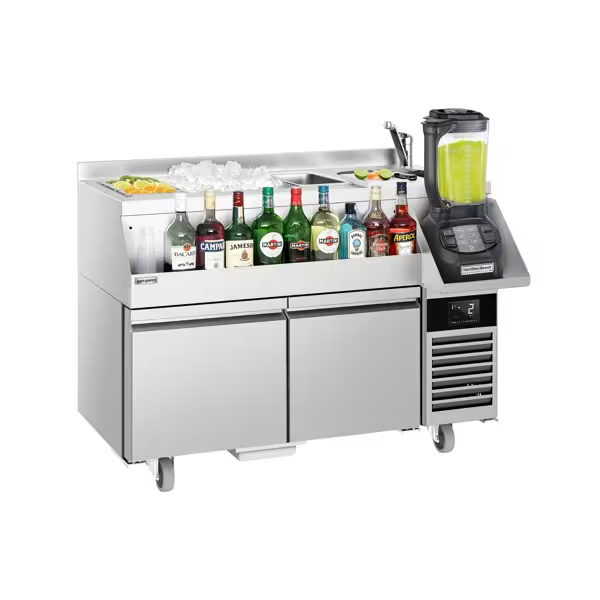
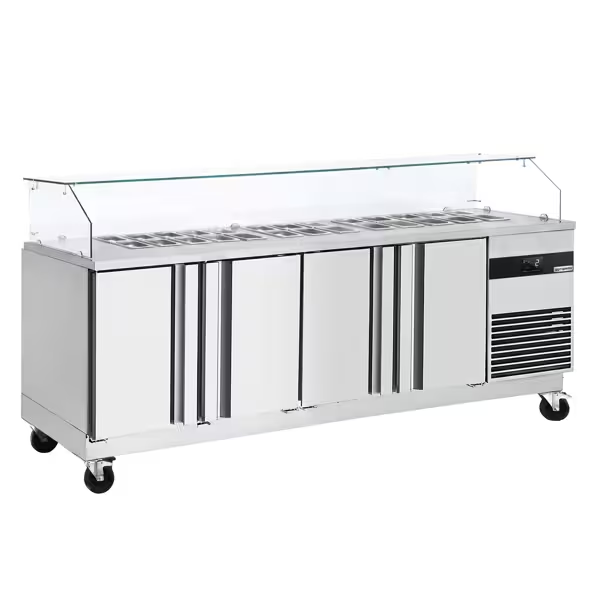
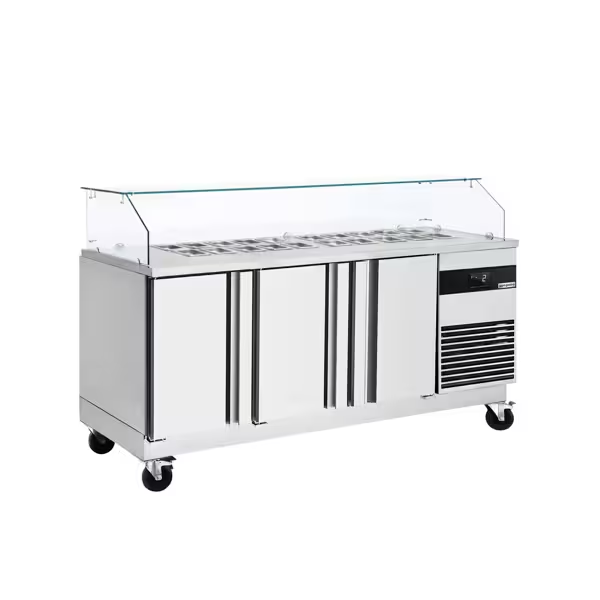
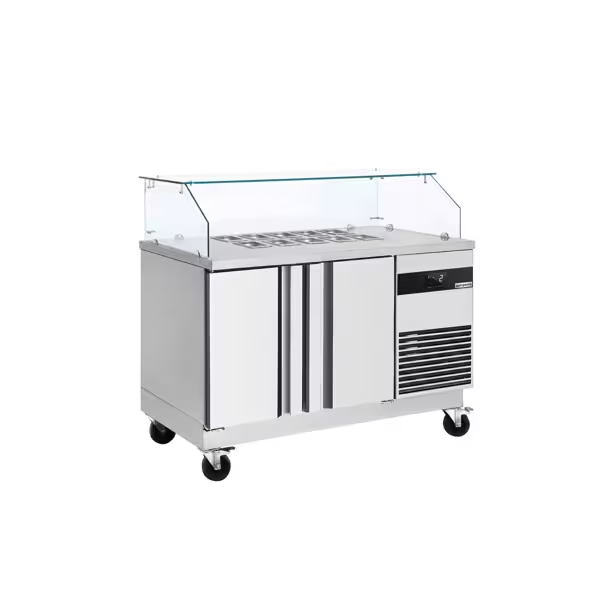
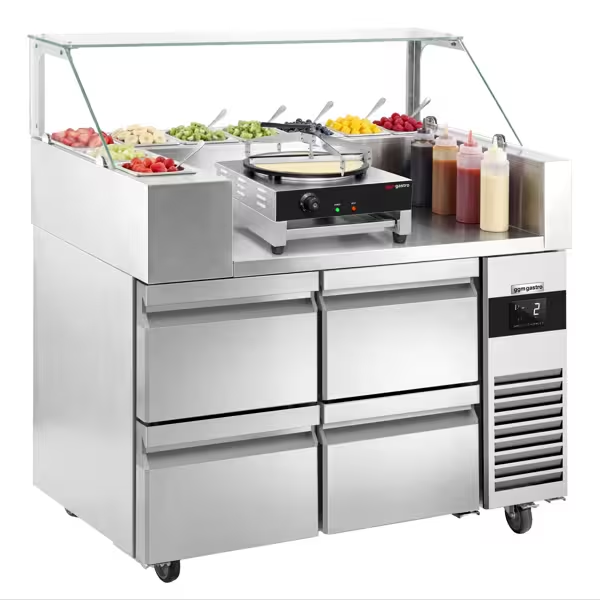
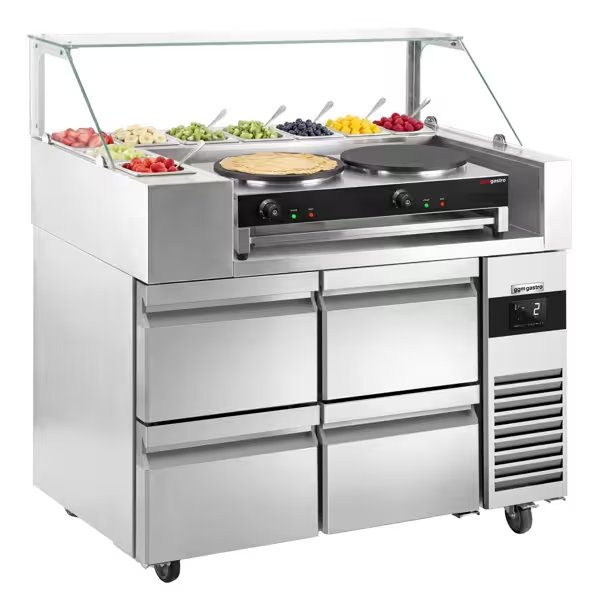
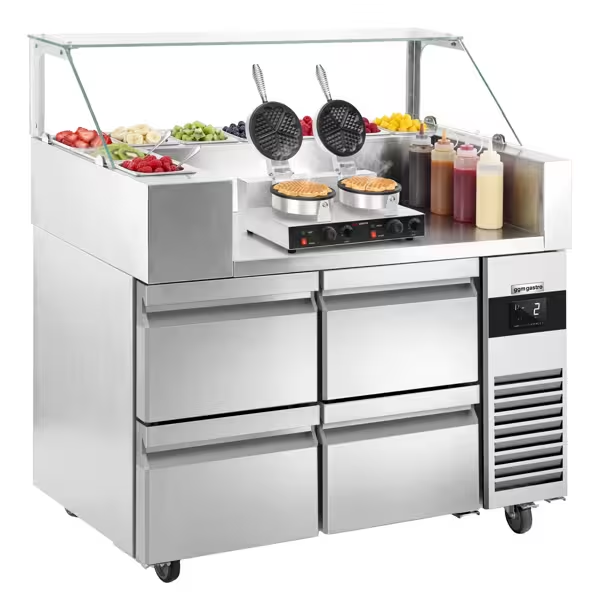

Mobile preparation tables as flexible workstations in everyday restaurant operations
Mobile preparation tables are refrigerated, wheeled workstations designed for the professional preparation, portioning, and serving of food or beverages. They combine refrigeration, a work surface, and quick access to ingredients in a single unit and are particularly well-suited for snack bars, food trucks, bars, cafés, caterers, event venues, and front-cooking concepts.
The practical benefit lies in its proximity to the work process. Ingredients, toppings, sauces, salads, fruit, side dishes, or prepared components remain chilled and within easy reach, while cutting, topping, mixing, plating, or selling takes place right next to them. Especially during peak hours, this reduces walking distances and helps the team consolidate repetitive tasks into a clear workflow.
Which mobile prep tables fit your concept
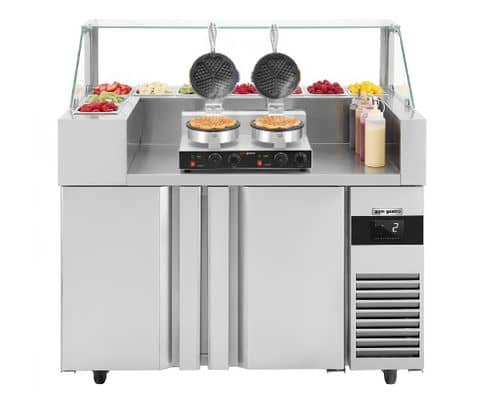
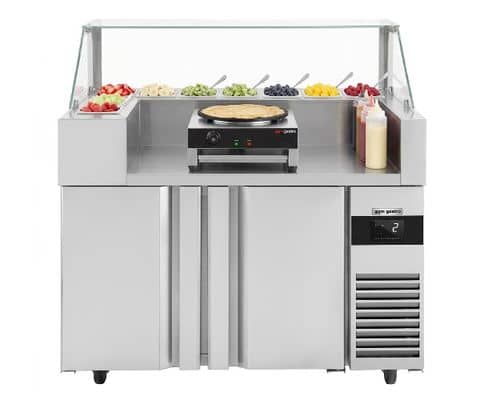
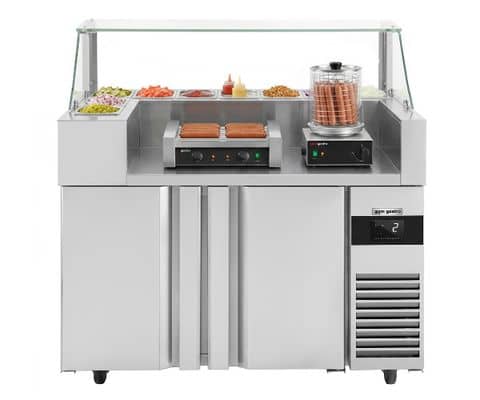
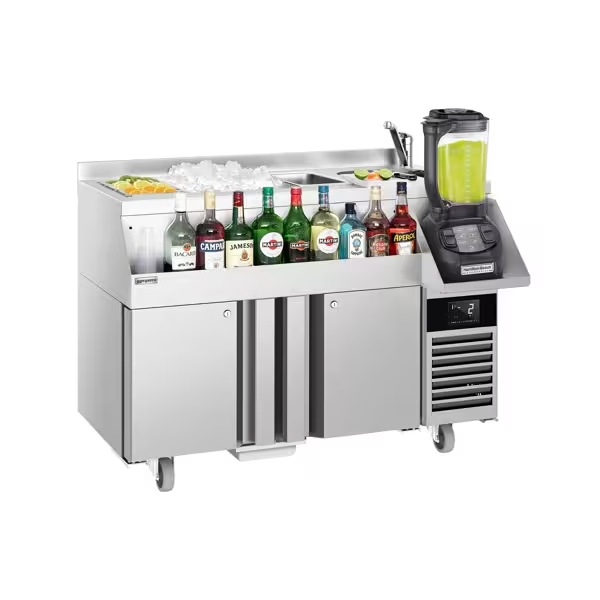
The choice depends less on the size of the unit alone and more on its intended use. For salad, bowl, and snack concepts, models with GN compartments, a glass lid, and an easily accessible cooling tray are ideal. For bars and mobile beverage concepts, cocktail stations provide space for ingredients, bottles, ice, and a work surface. For promotional offers, models with waffle irons, crêpe makers, contact grill, or hot dog maker to support direct sales to guests.
Key decision-making criteria include:
-
Required working width and footprint
-
Temperature range, typically about -2 to +8 °C
-
Number and size of GN containers
-
Features such as doors, drawers, or glass lids
-
Mobility via casters and appropriate brakes
This results in a station that fits the offering and doesn’t take up unnecessary space. A small café counter requires different dimensions than an event booth with a high volume of service or a snack bar that uses multiple ingredient lines simultaneously.
Short supply chains, refrigerated ingredients, and clean processes
In professional food service, the layout of the workstation often determines the pace and organization of operations. A mobile prep table brings refrigeration right to where ingredients are being prepared. This is particularly helpful when storage refrigeration and serving areas are physically separated, or when an additional operation isn’t intended to be permanently integrated into the main kitchen.
During the lunch rush, a mobile station can support the preparation of salads, sandwiches, or snacks right at the serving counter. At events, it can be moved closer to the point of sale. In bars, it can help organize the preparation of garnishes, fruit, and chilled ingredients. In this way, it complements existing refrigerated counters without replacing them, while at the same time distinguishing itself from stationary salad stations, which place a stronger emphasis on fixed preparation stations.
Materials, Hygiene, and Durability in Commercial Use
Mobile prep tables must withstand frequent use, moisture, temperature fluctuations, cleaning, and mechanical stress. Stainless steel surfaces are therefore particularly important in everyday restaurant operations: They are easy to clean, have a clean, professional look, and support hygienic workflows. Glass panels protect ingredients from direct access while also helping to maintain a clear overview of the workspace.
When planning, details such as door hinge direction, drawer configuration, container depth, cable routing, and connection type are also important. Many models are designed for standard electrical connections; however, it’s important to check the location, outlet, ventilation, and clearance space before purchasing. Casters facilitate flexible use but require a level, secure surface when in operation.
Quick Checklist for Selecting Mobile Food Preparation Tables
A suitable mobile prep table supports operations where it makes a difference every day:
-
Which ingredients need to be kept refrigerated and readily available right at the workstation?
-
Will the station be used permanently, or will it be moved flexibly for promotions, events, or outdoor areas?
-
Are the GN compartments, doors, and drawers sufficient for the planned workflow?
-
Does the working width match the actual serving or preparation volume?
-
Is cleaning possible after service without unnecessary disassembly?
This analysis helps distinguish between a compact auxiliary station, a mobile cocktail station, and a refrigerated work surface located near the production area.
Combining Elements Wisely for a Cohesive Operational Concept
Mobile prep tables are most useful when they are integrated into the entire workflow. In the kitchen, they can be combined with stainless steel furniture to provide additional storage and prep surfaces. In snack and promotional areas, they pair well with countertop display cases & sushi display cases when prepared ingredients need to be organized so they’re visible, protected, and within easy reach. For establishments specializing in pizza or dough-based dishes, the distinction from pizza refrigerated counters remains important, as these focus on dough handling, topping stations, and oven cycles.
For GGM Gastro customers, mobile preparation tables are particularly beneficial when the goal is to use space flexibly, reduce staff workload, and create a clear workflow at the point of sale. A well-chosen station supports short workflows, clean preparation, and reliable cooling in everyday commercial operations—without unnecessarily complicating operations.