


Blast Freezers for the Food Service Industry
Blast freezers cool or freeze food quickly and in a controlled manner, supporting professional workflows in kitchens, catering, bakeries, pastry shops, and institutional food service. They help ensure hygienic handling of prepared foods, maintain quality, and make production processes easier to plan. Blitz-Freezer Guide »
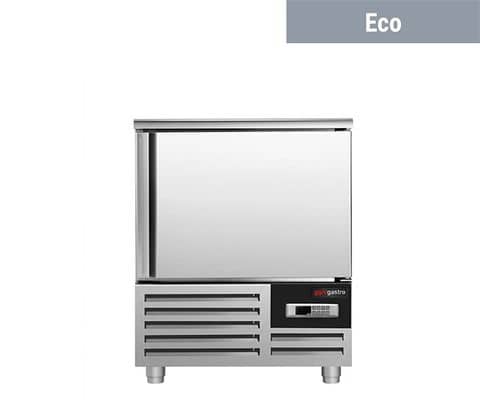
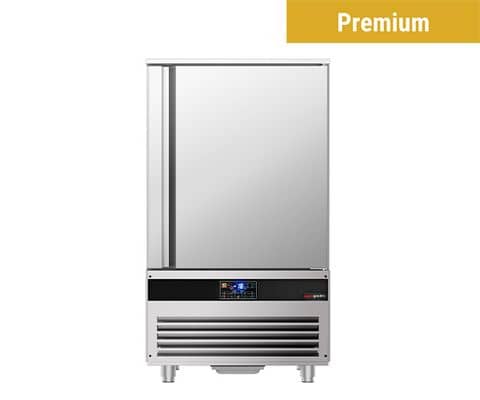

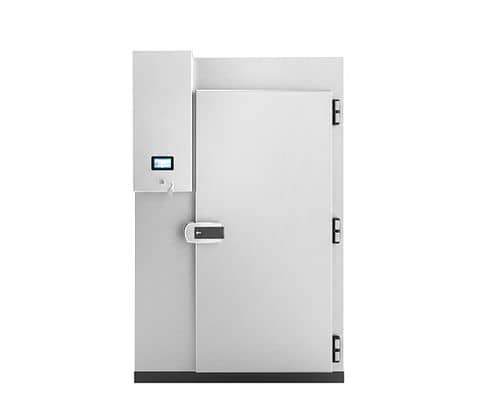

Product type
usable volume
Cooling type
Compartment Measure
Amount container
Capacity
Operating noise level
Width
Depth
Height
Price
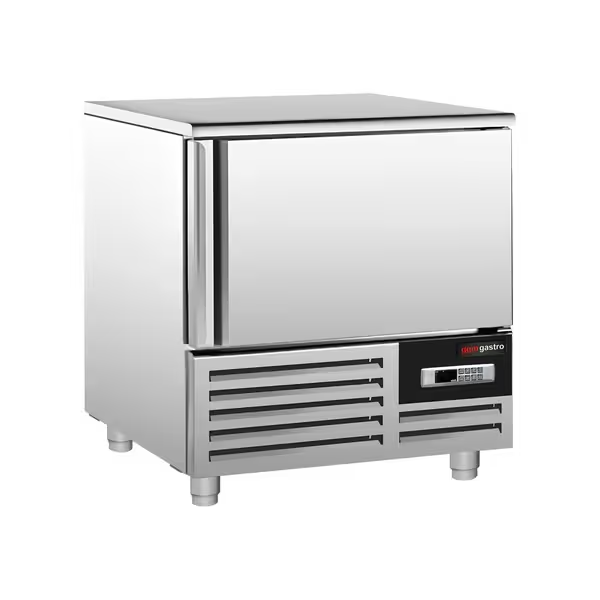
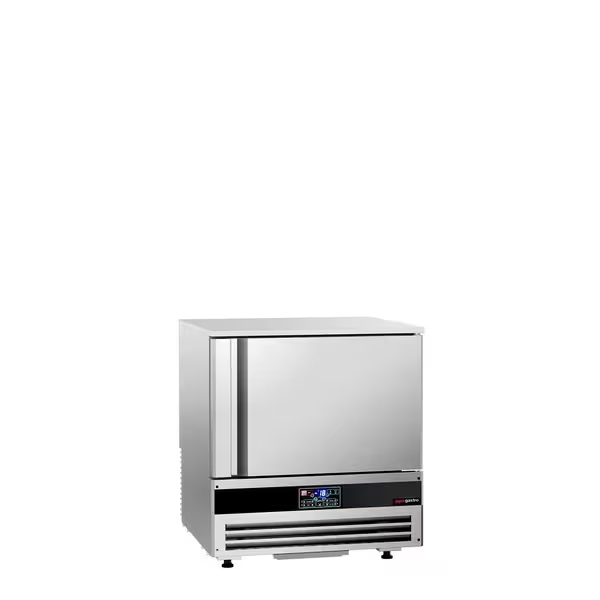
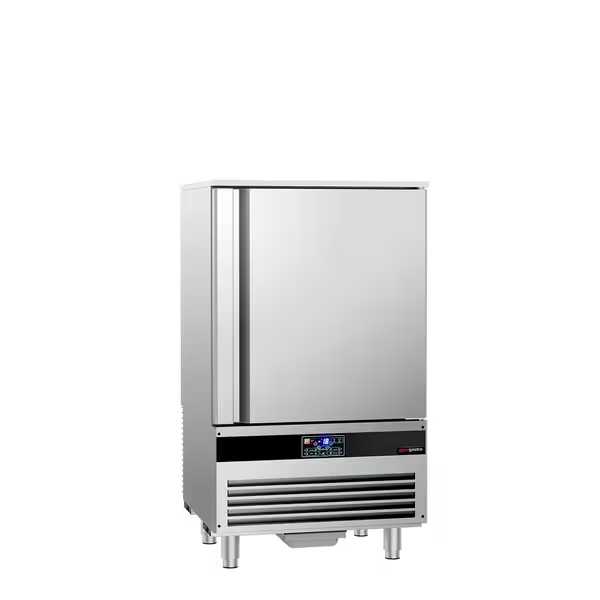
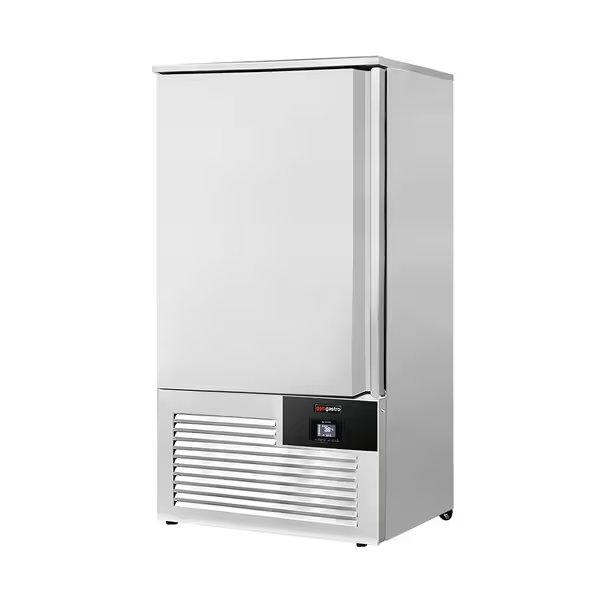
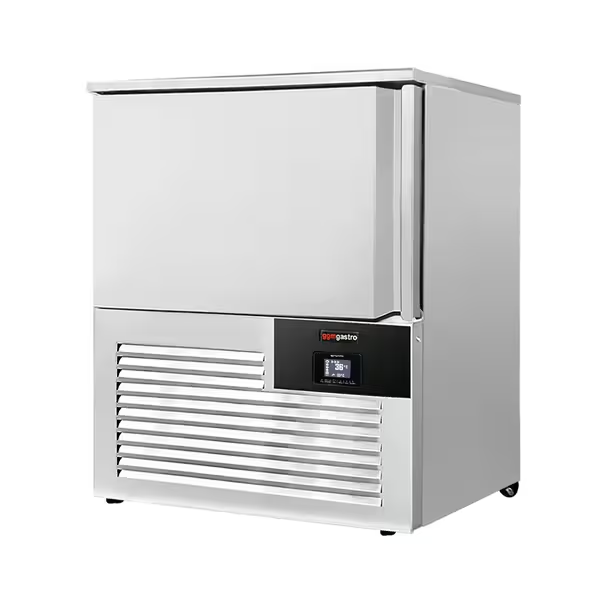
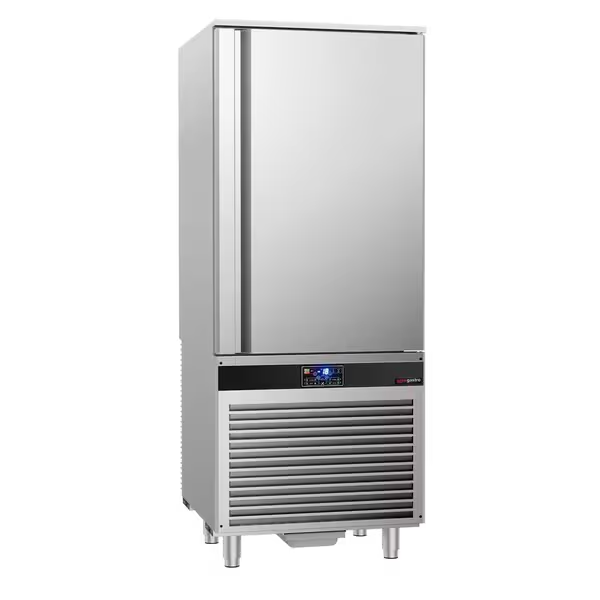
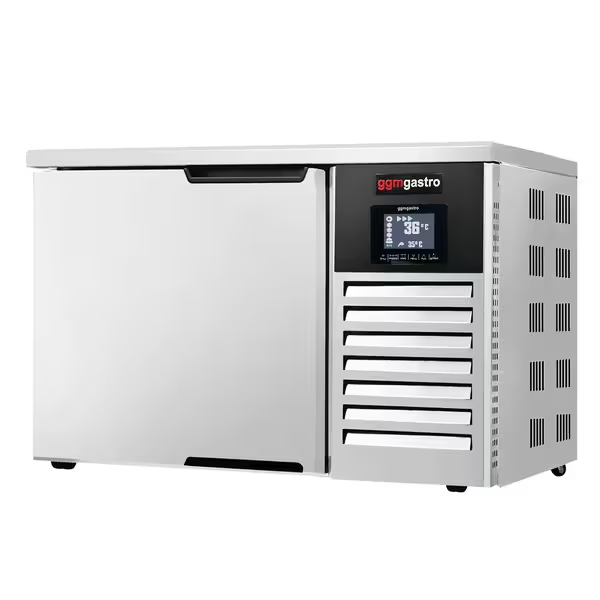
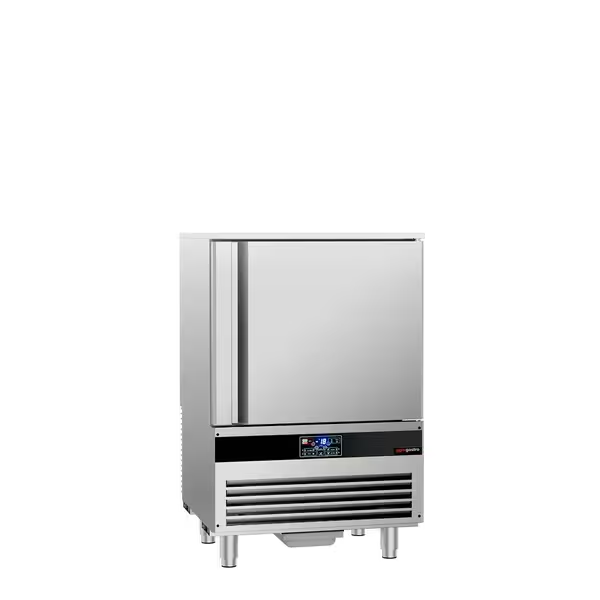
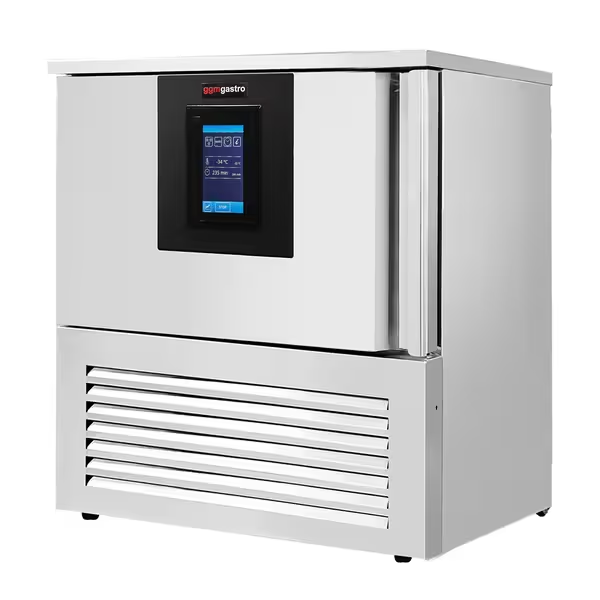
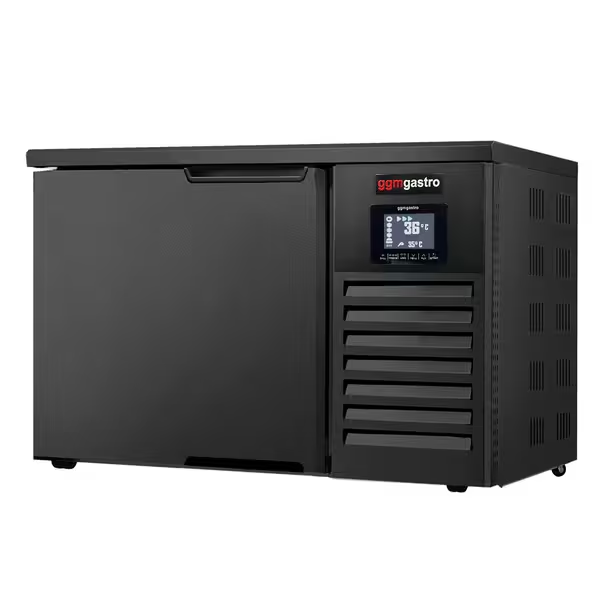
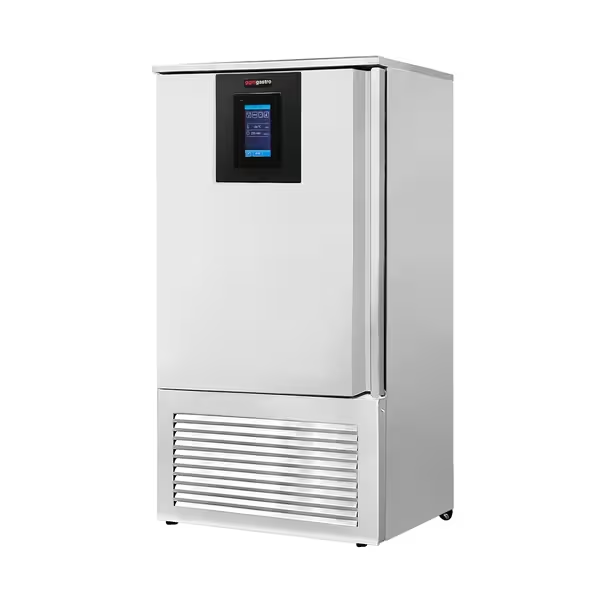

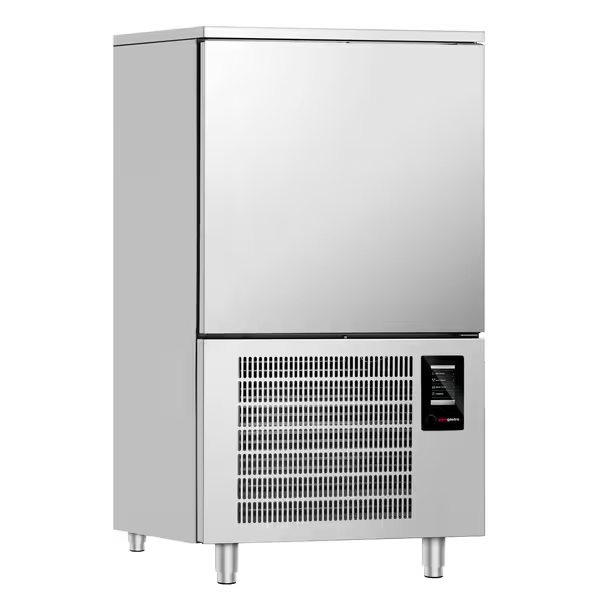
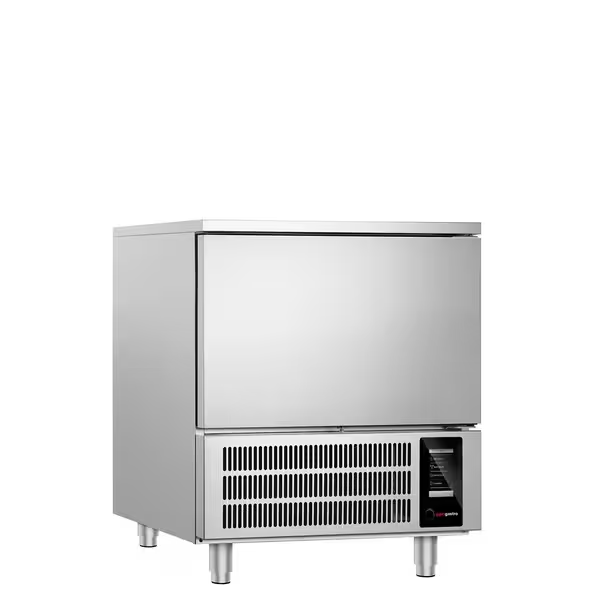
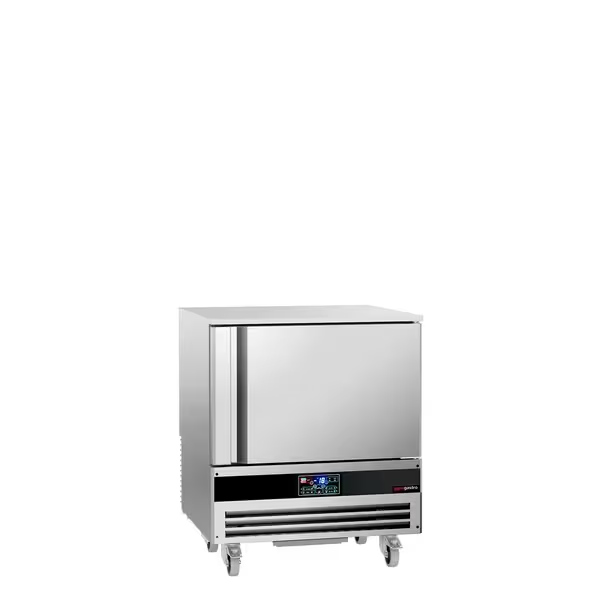
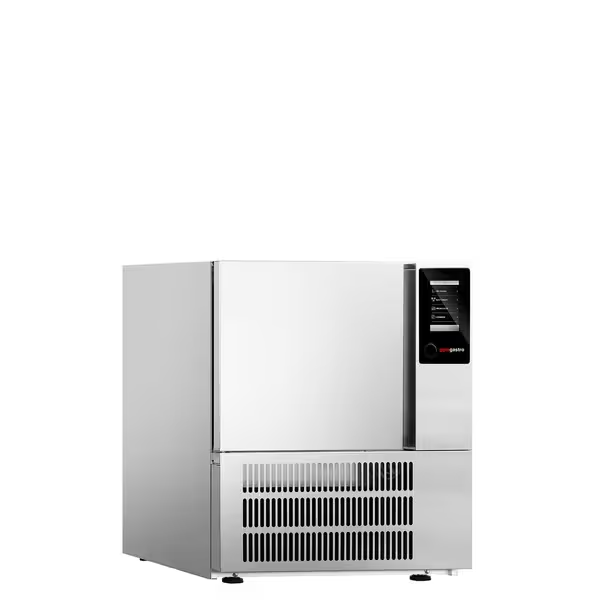
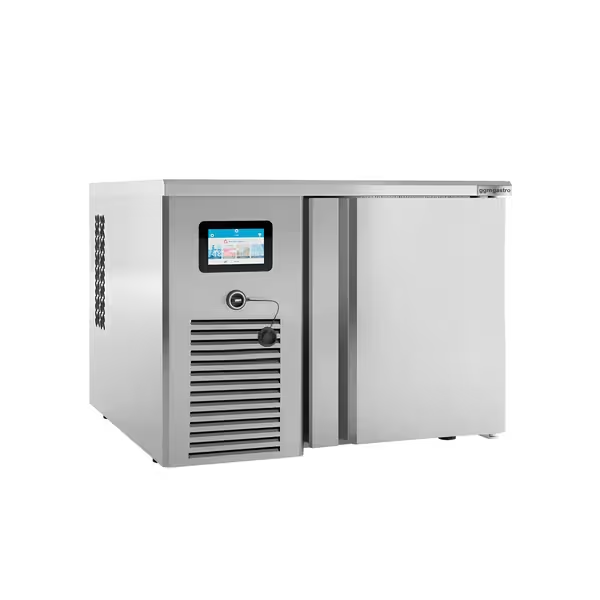

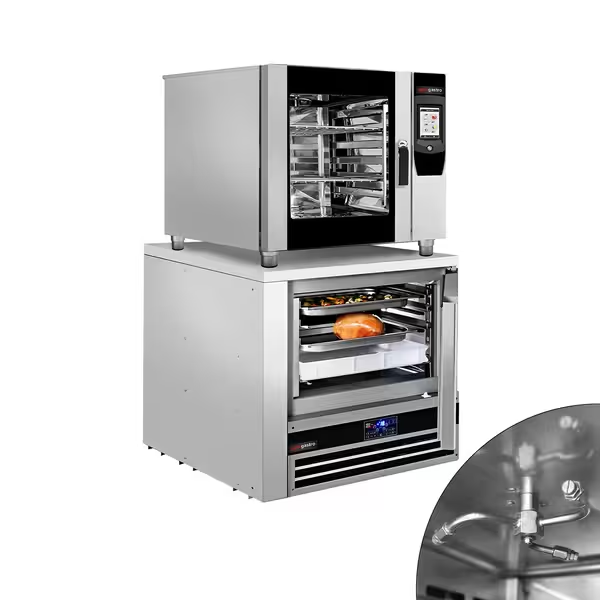
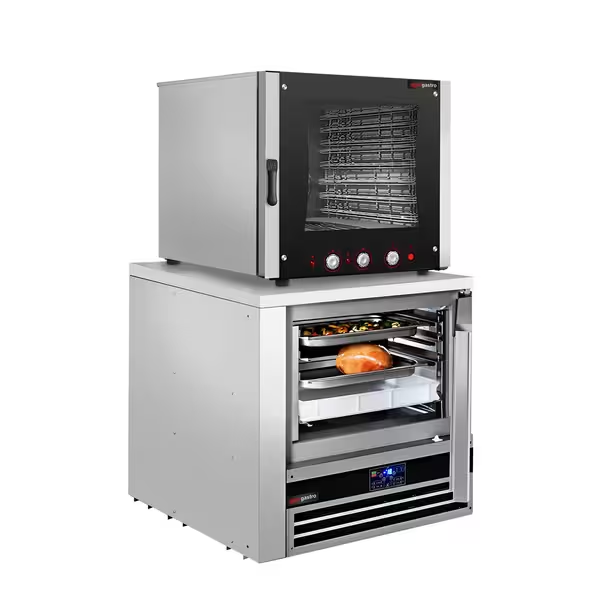
Blast freezers as process equipment for professional kitchens
A blast chiller is a commercial refrigeration unit that rapidly cools or freezes food, ingredients, or baked goods in a short amount of time. Unlike a traditional freezer, its primary purpose is not storage, but rather to rapidly lower the temperature of items after production, preparation, or processing.
In the foodservice industry, this function is particularly important when food is not served immediately but is prepared for later service times, banquets, catering orders, or production batches. Restaurants, Hotels, cafeterias, butcher shops, Bakeries, and pastry shops use blast freezers to better organize workflows and process food under controlled conditions. The practical benefits lie not only in the cooling process itself, but in the combination of speed, hygiene, quality preservation, and predictable production.
Rapid Cooling, Flash Freezing, and Understanding Capacity
When selecting a blast chiller, the actual volumes handled in daily operations are the most important factor. Small kitchens often require compact units with few shelves, while catering businesses, production kitchens, or institutional food service operations should focus on larger capacities, multiple shelf levels, and reserve capacity for peak hours. The key factor is how many portions, baking sheets, or GN containers need to be processed within a specific time frame.
Important selection criteria include:
-
Compatibility with formats such as GN 1/1 or EN 600 x 400
-
Number of shelves and usable interior volume
-
Cooling and blast-freezing capacity per cycle
-
Temperature range and uniform airflow
-
Connection type, installation dimensions, and door hinge direction in the kitchen layout
Especially in establishments with combi-steamers, baking, or pre-production processes, the blast chiller should be compatible with the existing container system. Those who work with GN containers require different rack dimensions than a bakery that uses 600 x 400 baking sheets.
How Blast Freezers Support Processes, Workflows, and Hygiene
A well-planned blast chiller affects the entire workflow. During preparation, cooked components, sauces, fillings, desserts, or baked goods can be produced in batches and then cooled down in a controlled manner. This relieves pressure on the main kitchen during peak hours, since not every step of the process has to take place immediately before service.
In a restaurant kitchen, for example, mise en place can be prepared in the morning and safely processed later. In the catering or banquet business, larger quantities can be planned more systematically because production, cooling, and subsequent service are separated in time. Positioning is key: The blast chiller should be located near the production, preparation, or baking area without blocking walkways, service routes, or cleaning paths.
From a hygiene perspective, rapid passage through critical temperature zones is particularly important. Smooth stainless steel surfaces, easily accessible interiors, sturdy slide rails, and easy cleaning facilitate daily use. Condensation, moisture, and regular cleaning cycles should also be taken into account when selecting equipment, as blast chillers are used frequently and under varying loads in everyday commercial operations.
Quick Checklist for Choosing the Right Blast Chiller
Before making a purchase, you should have a clear understanding of the device’s intended function. A compact blast chiller for a small restaurant must meet different requirements than a solution for a production kitchen or a bakery with a high tray throughput.
Pay particular attention to the following:
-
What quantities need to be chilled or frozen per cycle?
-
Will the unit be used with GN containers, baking sheets, or special pans?
-
Is the unit primarily intended for rapid cooling, blast freezing, or both?
-
Do the unit’s dimensions fit within walkways, door openings, and the work area?
-
Is the unit easy and safe for the team to operate on a daily basis?
These points help prevent undersizing. A unit that is too small causes bottlenecks in production, while one that is too large ties up space and capital without being utilized effectively in daily operations.
Economic Benefits from Stable Cooling Processes
A blast chiller can be a key business driver if it addresses a genuine operational need. It helps businesses plan pre-production more effectively, maintain more consistent food quality, and reduce last-minute rushes during post-production. This can be particularly useful in settings where meals are prepared in large quantities, later reheated, or processed across multiple service periods.
The operational benefits stem not only from the equipment itself but also from proper integration: production, rapid cooling, storage, and serving must all work together seamlessly. After blast freezing, appropriate deep-freeze or storage refrigeration is often required. For prep areas, refrigerated tables or stainless steel furniture can be useful when ingredients, containers, and work surfaces need to be arranged logically. In kitchens with cook-and-chill processes, coordination with combination steamers may also be important.
Integrate blast freezers effectively into the operational concept
A blast chiller should not be purchased in isolation. The key factor is whether it fits the production methods, menu, team structure, and available space. In small kitchens, a compact solution with intuitive operation and short distances is essential. In hotels, cafeterias, or catering businesses, capacity, process reliability, and consistency are more important. In bakeries and pastry shops, baking sheet dimensions, product structure, and gentle cooling are particularly important.
GGM Gastro offers blast chillers for a variety of commercial needs—from compact units to larger solutions for high production volumes. By tailoring your selection to actual volumes, load formats, temperature requirements, and space constraints, you can create a refrigeration setup that supports daily operations and better integrates into professional kitchen workflows over the long term.