


Bottle Coolers
Bottle chillers keep bottles and cans chilled and within easy reach in restaurants, hotels, catering businesses, and event venues. They are particularly well-suited for businesses that need additional beverage storage capacity in a compact footprint. Bottle Chiller Guide »


Product type
Cooling type
Number of Drawers
Capacity
Operating noise level
Width
Depth
Height
Price
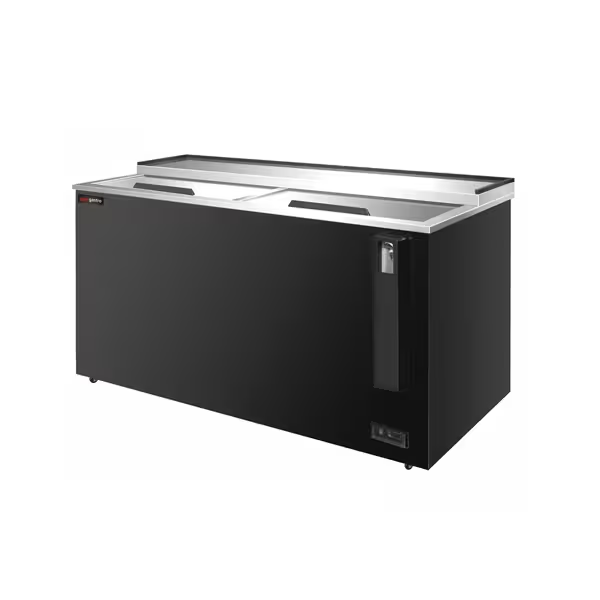
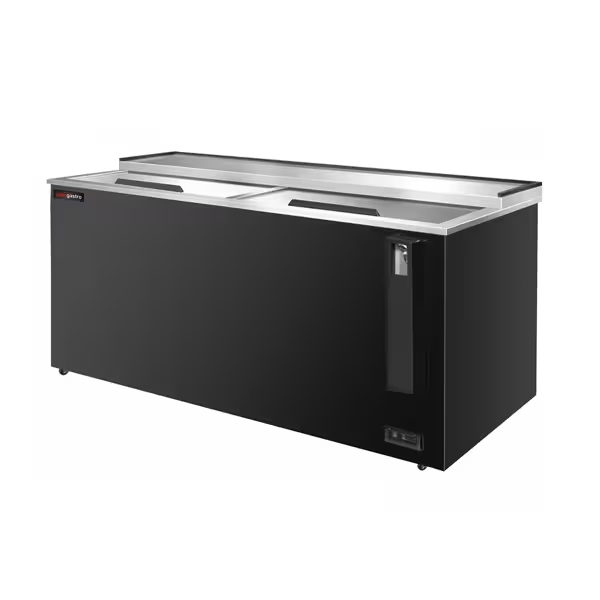
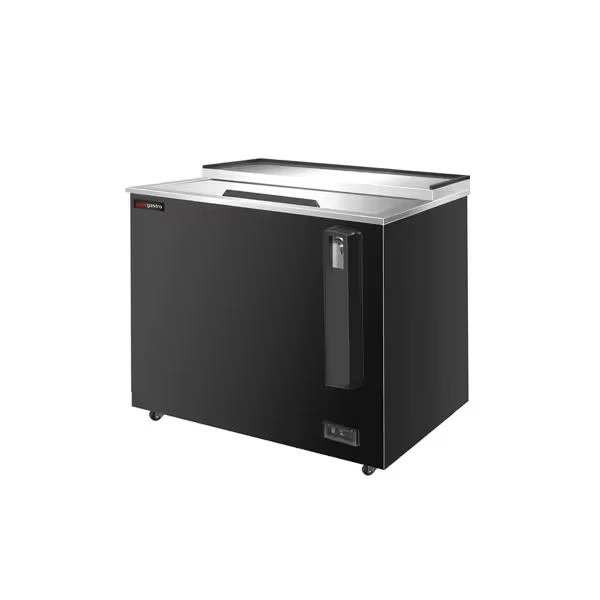
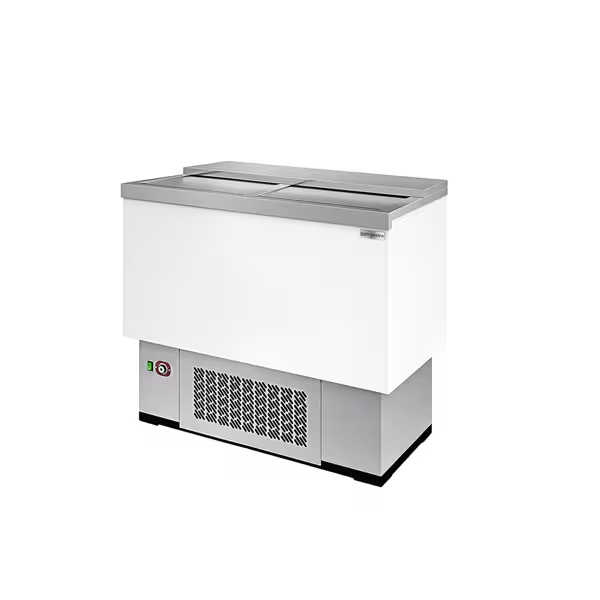
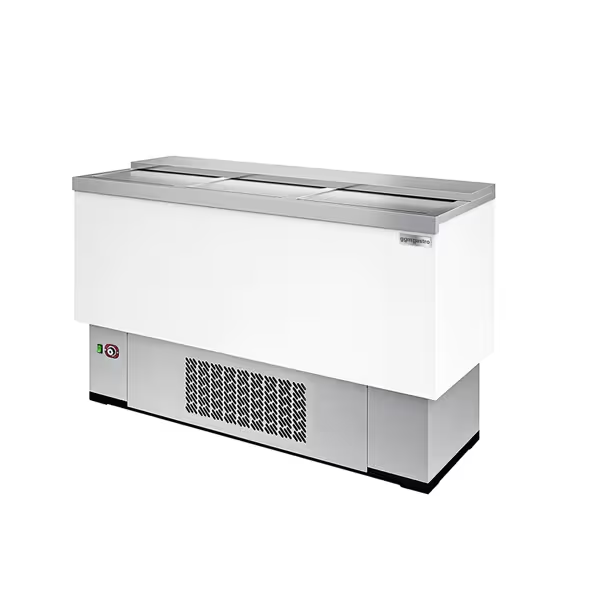
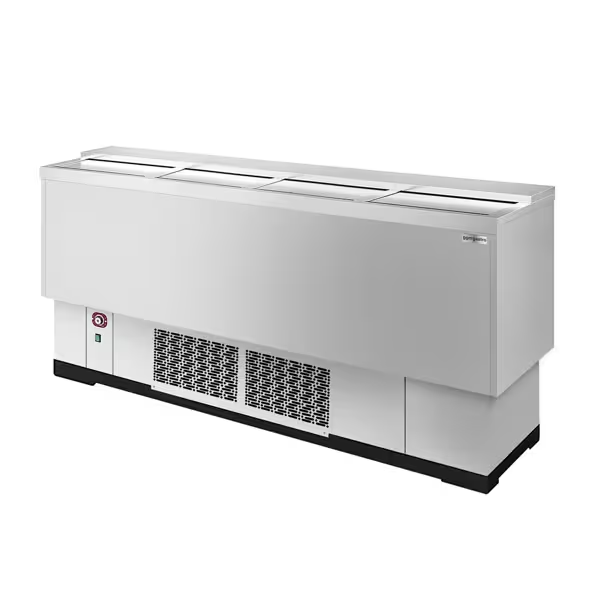
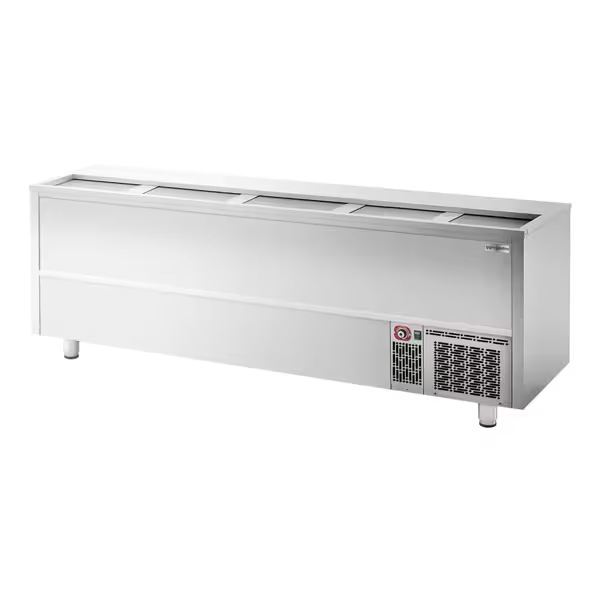
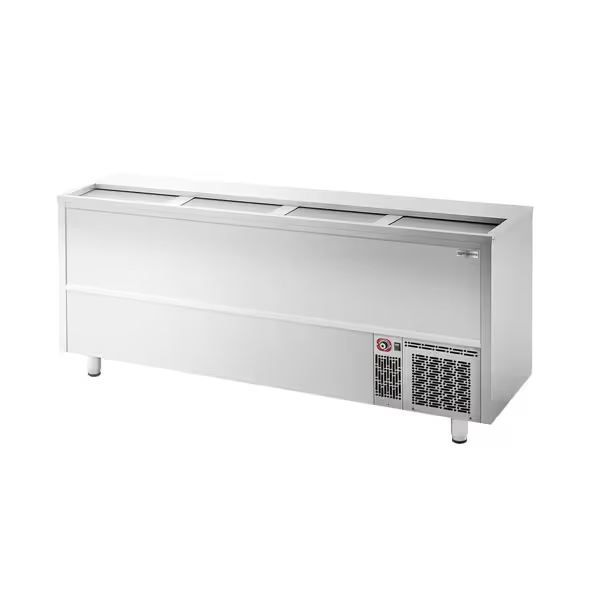
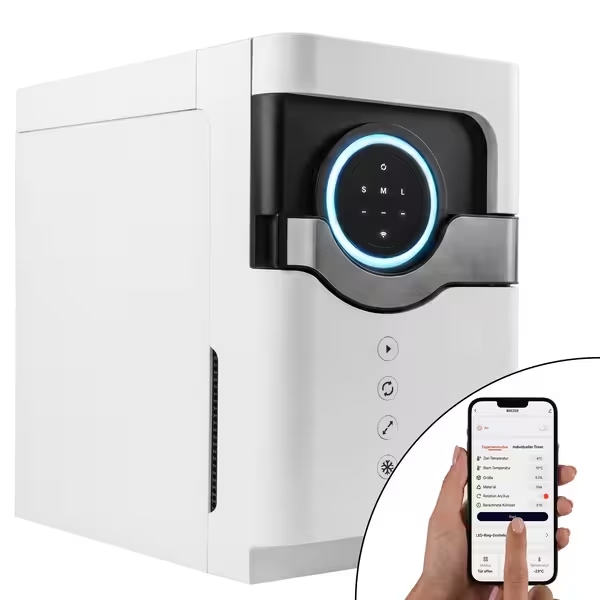
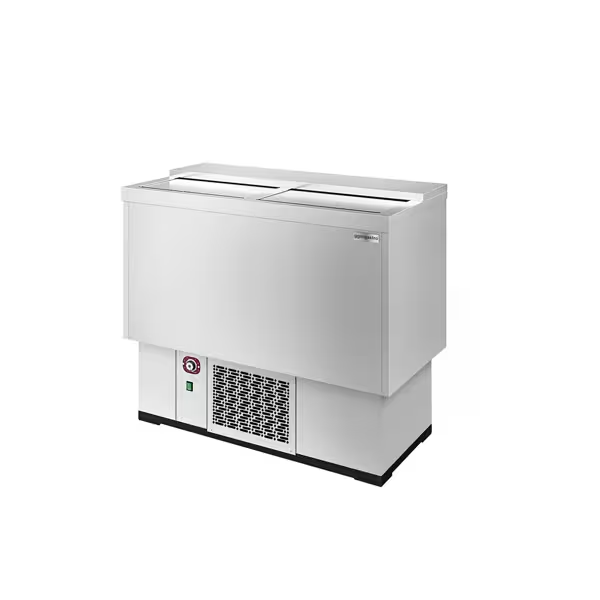
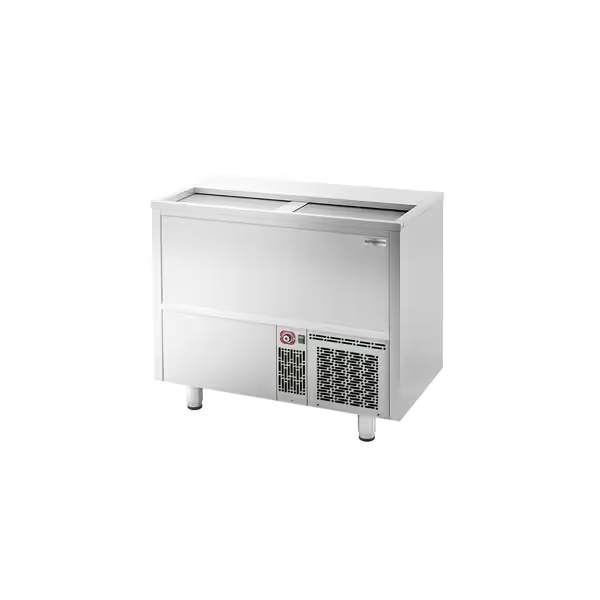
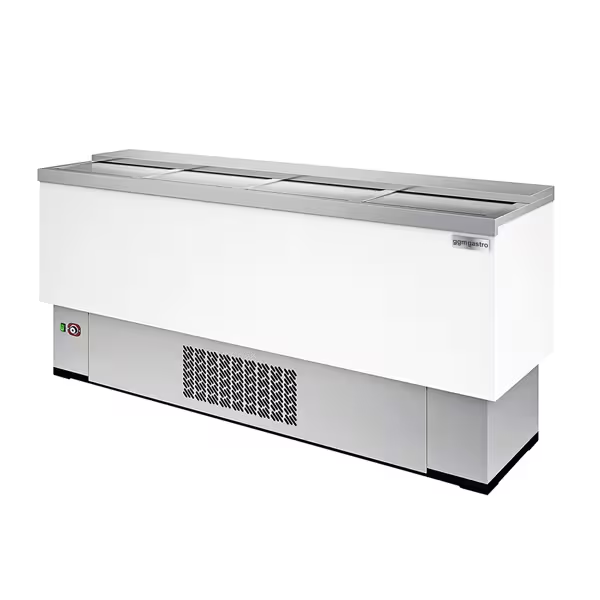
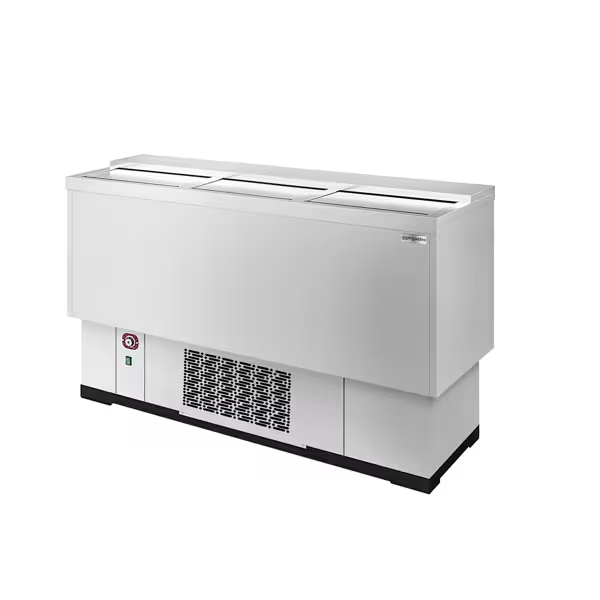
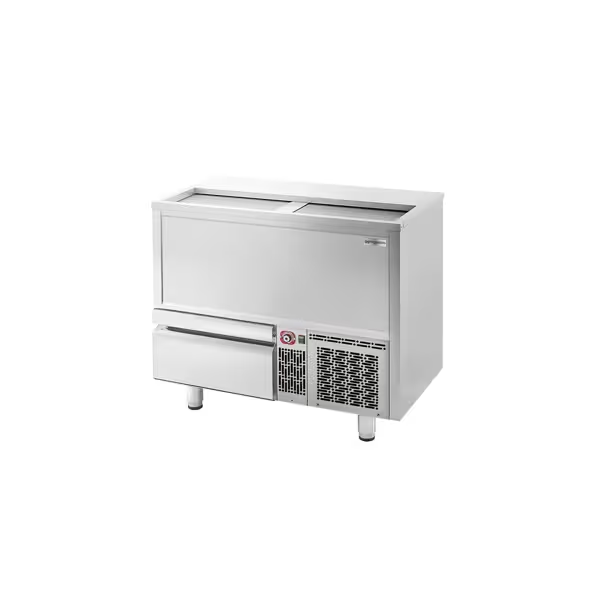
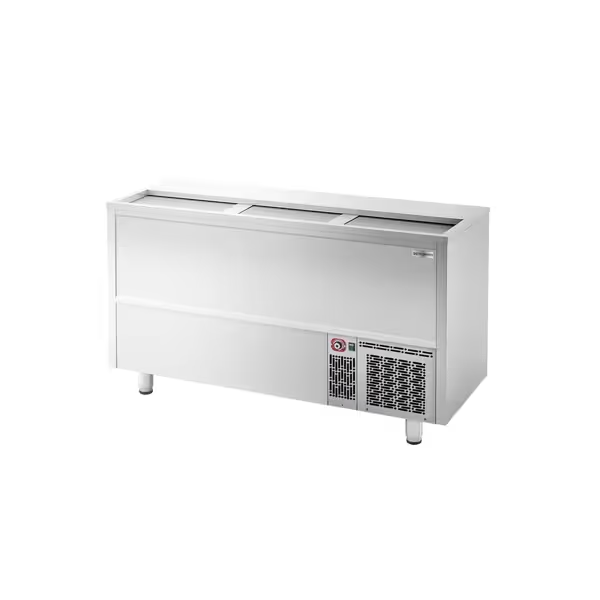
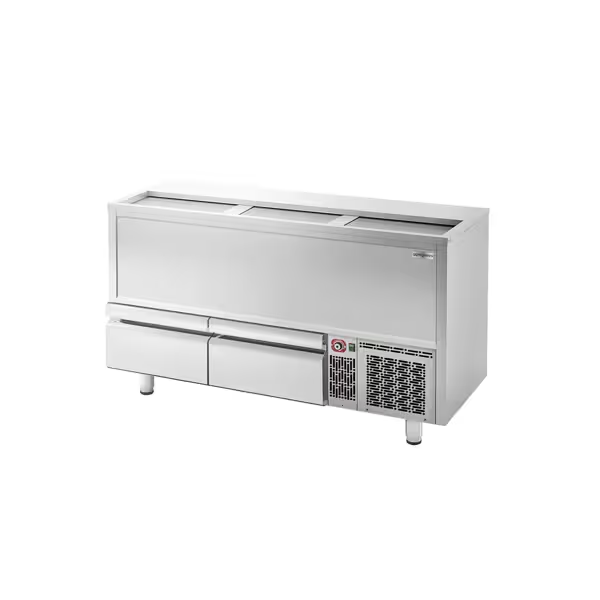
Bottle coolers for chilled beverages during operation
Bottle coolers are commercial refrigeration units designed for horizontal storage and quick retrieval of bottles and cans. They are primarily used in places where beverages need to be available quickly: behind the bar, at kiosks, in beer gardens, at event venues, in clubs, cafés, hotels, or at snack bars.
Unlike vertical beverage refrigerators, bottle chillers focus less on front-facing display and more on compact storage with access from the top. This is practical when large quantities of beer, soft drinks, water, or mixed drinks need to be pre-chilled and space is limited. Depending on the model, usable capacities range from smaller units to large units holding several hundred liters. This allows the cooling capacity to be adapted to daily operations, peak times, and seasonal demand.
What to Look for When Choosing a Bottle Cooler
First and foremost, the right cooling capacity is crucial. A small café or snack bar usually requires different capacity than a bar with evening business or an event venue with highly fluctuating demand. In addition to the capacity in liters, you should also check the width, depth, and height to ensure the chest fits in the available workspace and the lids can be opened easily during operation.
Other important criteria include temperature range, material, lid type, and mobility. Many bottle chests operate within the standard refrigeration range, such as for ready-to-drink beverages. Models with glass or sliding lids make access easier and help retain cold air better inside the unit when items are frequently removed. Casters are useful if the chest needs to be moved flexibly between indoor areas, patios, event spaces, or storage areas.
A compact quick check for selection:
-
How many bottles or cans need to be chilled and ready during peak times?
-
Is the footprint sufficient, including the lid opening and operating clearance?
-
Will the chest be permanently installed or moved around as needed?
-
Is the temperature range suitable for the planned beverages?
-
Should the unit be placed in a rugged, out-of-the-way location in the back-of-house or on display in the guest area?
Thinking Through Planning, Routes, and Space Requirements
A bottle cooler improves workflow, especially when it’s located where beverages are actually needed. In a bar, it can reduce the distance to the main refrigeration unit. In a beer garden or at an event venue, it provides additional capacity right at the serving station. In kiosks or snack areas, it allows for compact storage without taking up much wall space.
Integration into the workflow is key. If the chest is opened frequently, it should not be placed in narrow walkways. At the same time, there must be enough space for restocking, cleaning, and retrieving items. When beverage turnover is high, it makes sense to organize bottles by type or container so the team can access them quickly even during peak hours.
For larger establishments, a bottle cooler can supplement the central refrigeration system without replacing it. It then serves as decentralized working-level refrigeration for beverages, while inventory continues to be organized in larger refrigerated areas.
Suitability for everyday use, ease of cleaning, and durability
In everyday commercial use, bottle coolers are frequently opened, restocked, and cleaned. That’s why sturdy construction, easily accessible interiors, and easy-to-clean surfaces are so important. Stainless steel models are particularly durable and fit well into professional work environments. Coated models can be a cost-effective solution when the focus is on functional beverage cooling.
When cleaning, the interior, lid guides, seals, and drainage areas should be easily accessible. Especially when it comes to beverage cooling, typical cleaning tasks arise from condensation, bottle abrasion, or spilled liquids. A consistent cleaning routine helps ensure hygiene, organization, and reliable operation in day-to-day business.
The features should also be suited to the intended use. Dividing racks make sorting easier, an integrated bottle opener can be practical at the bar, and casters allow for flexible relocation. Before purchasing, check the connection options, installation location, and environmental conditions to ensure that cooling performance is not compromised by improper placement.
Economic Benefits from Optimal Cooling Capacity
A properly sized bottle cooler can streamline operations because beverages don’t have to be constantly fetched from distant refrigeration areas. This reduces walking distance, eases the workload on the staff, and ensures that cold beverages are available more quickly, even during periods of high demand. Especially during the summer season, at events, or in establishments with high takeout sales, additional beverage cooling can be a practical operational tool.
A bottle cooler makes economic sense when capacity, floor space, and usage are well-matched. A unit that’s too small leads to frequent restocking, while one that’s too large takes up space and consumes energy. The best solution is therefore based not only on price, but also on actual beverage turnover, work organization, and frequency of use.
Harmonious Integration in the Operational Concept
Bottle coolers can be effectively combined with other functional areas. In bars and restaurants, beverage refrigerators can be used in areas where beverages are to be displayed. For counter areas with work surfaces, bar and beverage refrigerated tables are ideal, while bottle refrigerated chests tend to provide additional storage and dispensing capacity. In event or beer garden setups, they can also be combined with stainless steel furniture to neatly organize storage areas, preparation, and service.
A clear operational role remains crucial: bottle refrigerated cabinets are not a general storage solution for all refrigerated goods, but rather a practical beverage cooling solution for bottles and cans. Those who carefully plan cooling capacity, location, access, and cleaning in advance will create a reliable solution for chilled beverages in everyday professional use.