


Hot food display cases for the food service industry
Warming counters keep prepared foods at the proper temperature until they are served and display them clearly in the sales or serving area. Depending on your operational needs, you can choose from compact countertop models, larger freestanding counters, and open or closed designs. Guide to Hot Food Display Counters »
Number of trays
Width
Depth
Price
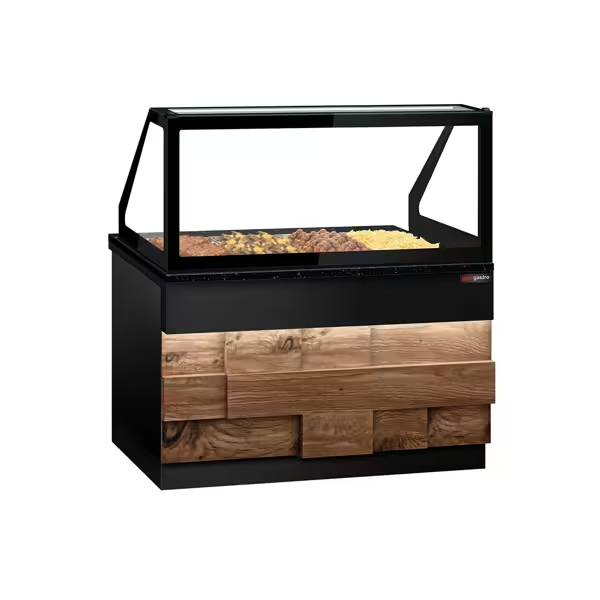
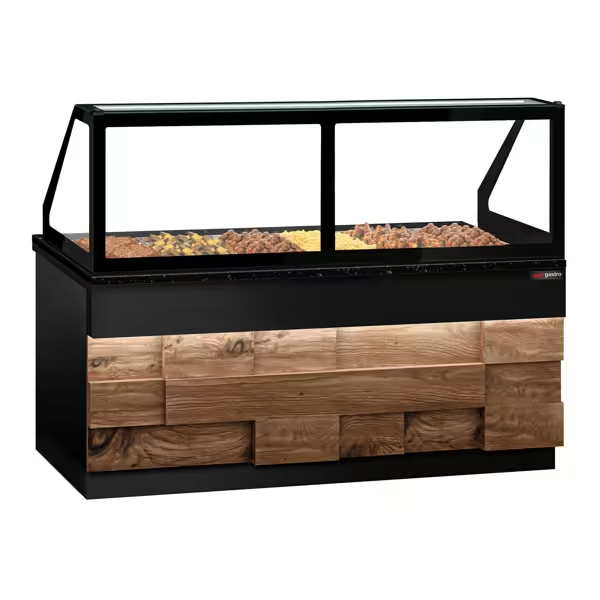
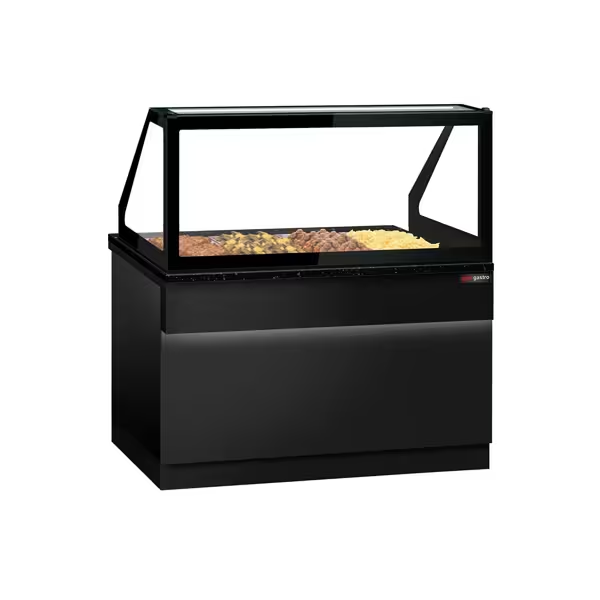
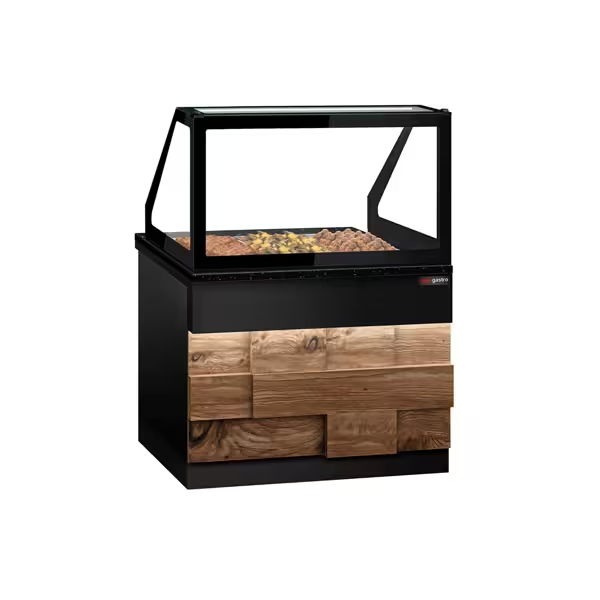
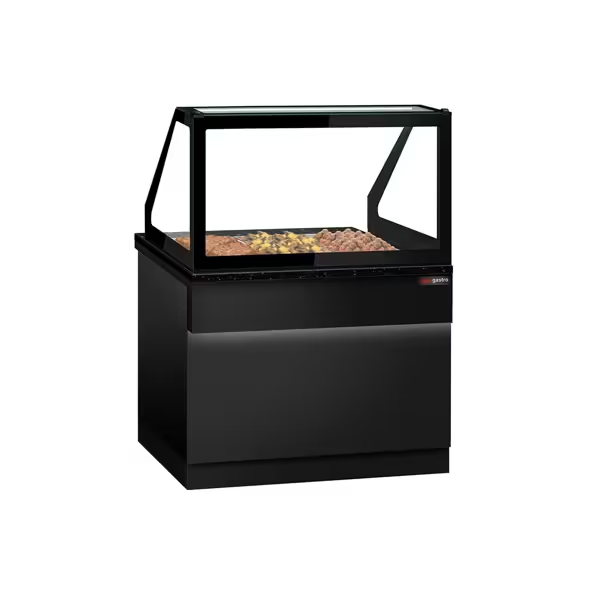
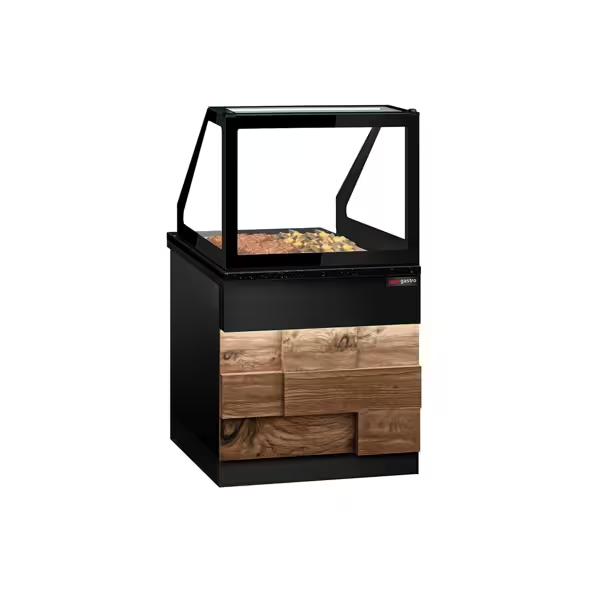
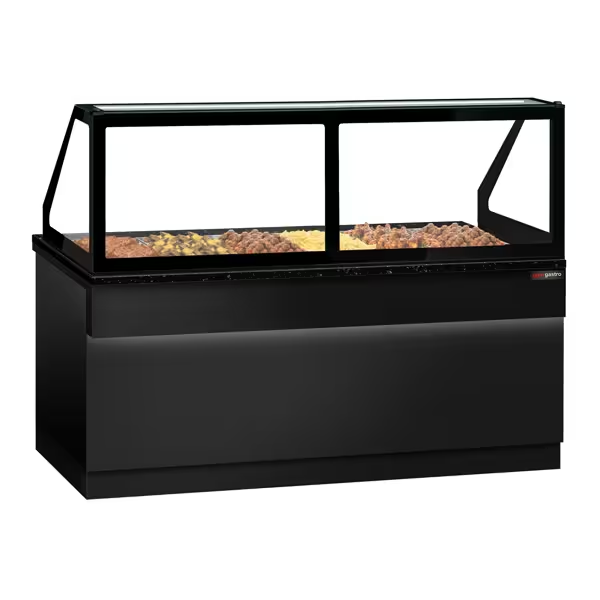
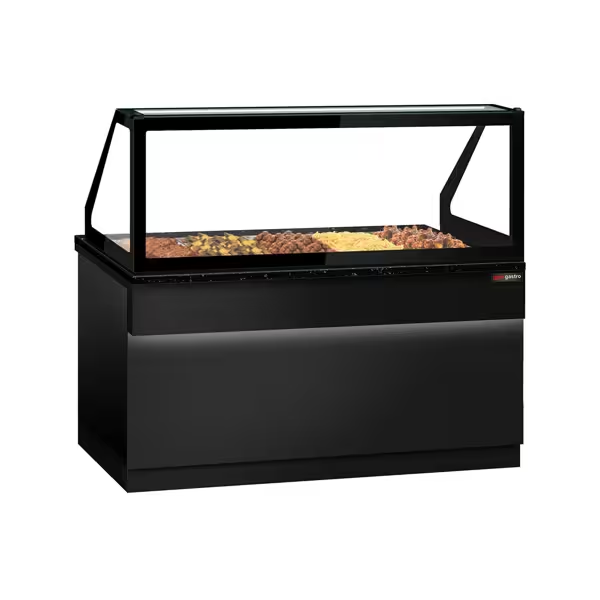
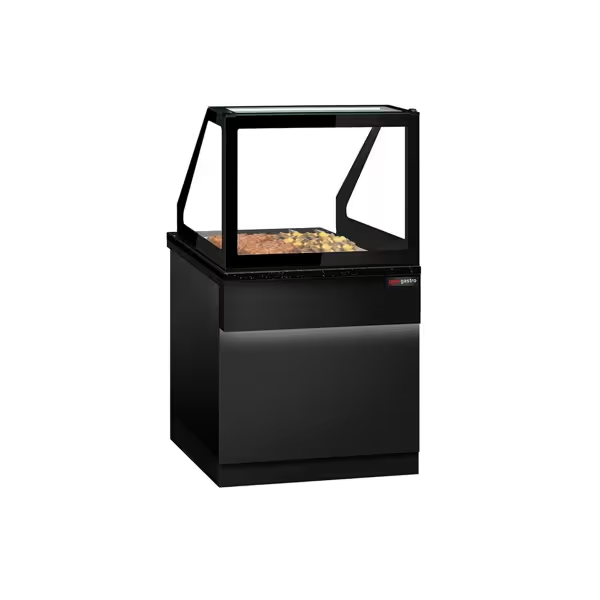
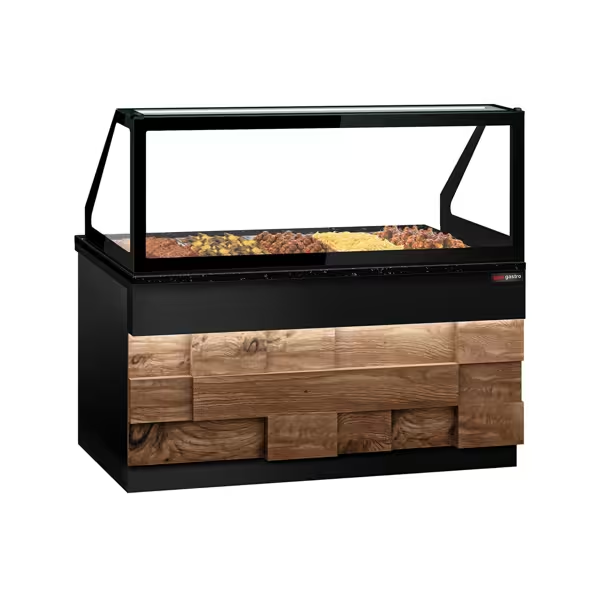
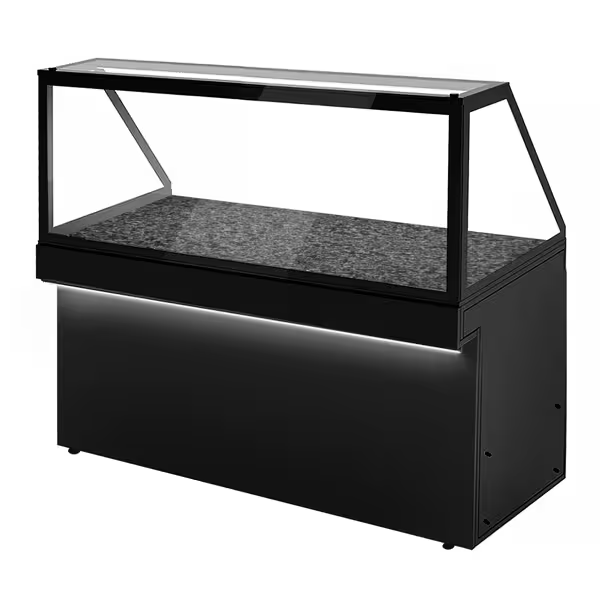
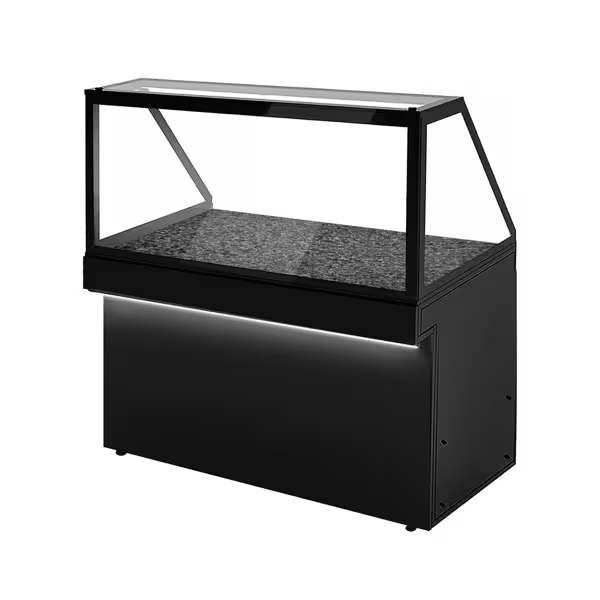
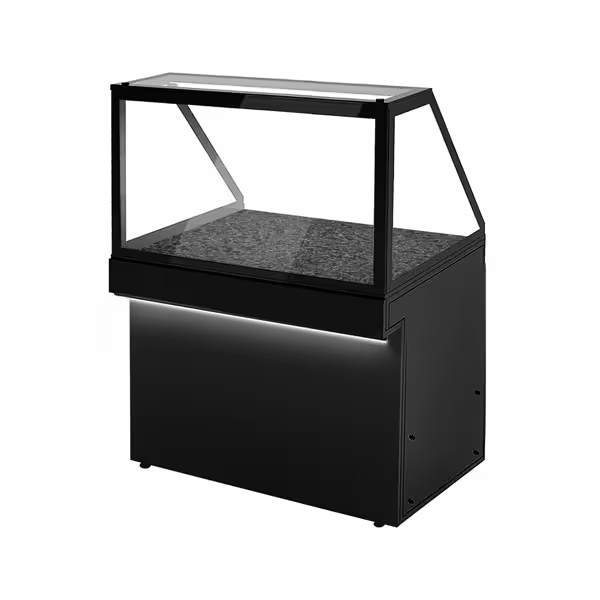
Warming counters as a link between the kitchen and the serving area
Hot food display cases are commercial appliances designed to keep pre-prepared foods at a controlled temperature and display them prominently. They are used, among other places, in snack bars, butcher shops, bakeries, cafeterias, hotels, gas stations, catering companies, and institutional food service facilities.
Their function begins once the cooking process is complete. Food remains ready for sale or service for a limited time while staff process new orders, assemble portions, or prepare the next batch. Especially during the lunch rush, a properly sized holding counter can streamline the transition between production and service.
These units are no substitute for coordinated production planning. Holding time, temperature, and refill quantities must be tailored to each specific dish. Delicate products react differently to heat than sauces, side dishes, meat dishes, baked goods, or pre-portioned snacks.
Choose a design and operating concept that suits the process
The selection process begins with the question of how guests and employees access the food. Enclosed holding counters with rear service allow staff to control food distribution. Models with an open front or serving hatches are suitable for self-service areas and high-traffic retail locations.
Compact countertop units can be placed on existing work or sales counters. Larger freestanding models offer more display space and can be used as an integral part of a serving line. In smaller establishments, available floor space is the primary consideration. In addition to width, depth, and height, sufficient space must be planned for doors, drawers, container changes, and daily cleaning.
In a butcher shop, a closed counter can facilitate controlled portioning. In a heavily trafficked self-service area, on the other hand, the focus is more on quick and easy access.
Compare Heating Systems, Temperature, and Capacity
Depending on the model, holding counters use dry heat, convection, heated surfaces, or a water bath. Dry-heated models are particularly suitable for products that are not placed in GN containers in a water bath. Bain-marie models provide more even, moist heat transfer and are frequently used for sauces, vegetables, side dishes, and similar foods.
Key decision-making criteria include:
- Temperature range and controllability
- Number of levels or GN containers
- External dimensions and usable display area
- Connection type and electrical power
- Open or closed service side
Capacity should be planned based on the busiest sales period. A counter that is too small leads to frequent refilling and disruptions in workflow. An oversized model takes up more space, ties up budget, and can result in additional cleaning and operating costs.
Before placing an order, verify the existing electrical connection, unit dimensions, and GN tray holders. For units with a water bath, it is also important to clarify how filling and emptying will be handled during daily operations.
Hygiene and Care in Daily, Continuous Use
Hot food display cases are regularly exposed to heat, moisture, grease, food residue, and cleaning chemicals. Smooth stainless steel surfaces, removable inserts, and easily accessible interiors make daily maintenance easier. Glass surfaces must be accessible from both sides to ensure that food presentation remains clean and professional even during long operating hours.
A clear restocking routine prevents new and previously prepared foods from becoming mixed together uncontrollably. Smaller batches can help better manage holding times and maintain the visual quality of the display.
To keep the workspace organized, holding counters can be combined with matching stainless steel furniture or sturdy base units. In larger serving areas, it’s also helpful to have a short connection to the production area and the necessary GN containers.
Quick Checklist for Choosing the Right Hot Food Display Case
- Which dishes are served hot?
- How many servings are served during peak hours?
- Is food served by staff or on a self-service basis?
- What floor space and electrical outlets are available?
- How quickly can the containers and interior surfaces be cleaned?
These factors usually narrow down the suitable models more effectively than individual additional features.
Integrating Hot Food Display Cases Cost-Effectively into Your Business
A holding counter can help streamline operations if its size, heating system, and location are tailored to actual needs. It provides staff with a clear handoff point, keeps prepared meals organized and readily available, and allows for better management of peak hours. The operational benefits stem not only from high performance but also from proper integration into production, restocking, and serving.
In buffet and serving concepts, supplementary Bain-Maries can be useful when multiple dishes are served in GN containers. For short-term temperature control of plated dishes at the serving station, however, heat bridges are suitable. The holding counter remains focused on the visible, ready-to-sell presentation of prepared dishes.
When replacing equipment, availability, dimensions, and power ratings are often particularly relevant. When planning a new setup, additional factors such as capacity reserves, service direction, and future expandability take center stage. A professionally coordinated selection reduces the risk that the bottleneck will simply be shifted from the kitchen to the serving area.
Hot food display cases for a reliable serving process
The right holding counter combines temperature control, presentation, and quick access within a clearly defined work area. What matters is not having as many functions as possible, but rather a design that suits the type of food, peak demand, available space, and daily cleaning routine. This way, the counter becomes a reliable component of the service workflow rather than an isolated piece of equipment.