


Deep-fry oil filters for professional food service establishments
Deep-frying oil filters remove food particles and fine residues from used deep-frying oil, thereby helping to ensure smooth operations at the deep-frying station. Depending on the amount of oil, the size of the deep fryer, and frequency of use, you can choose from portable, battery-powered, and mobile filter systems. Guide to Frying Oil Filters »

Product type
Operation type
Capacity
Maximum Temperatur
Power
Power Connection
Price

Deep-fry oil filters as an integral part of oil maintenance
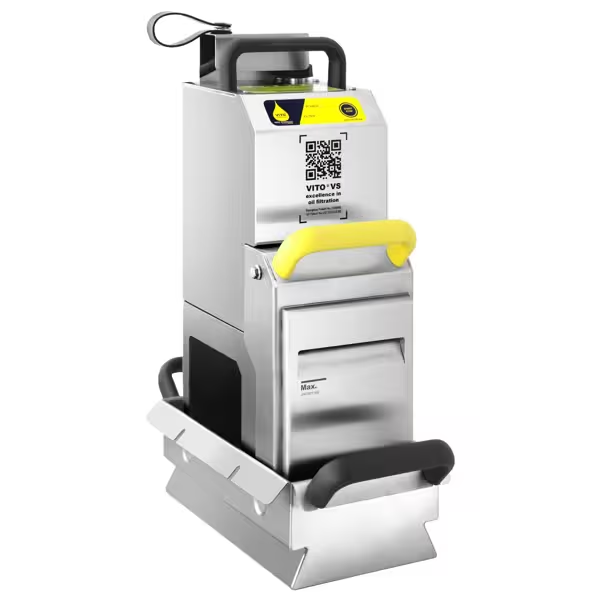
Deep-fry oil filters are professional devices designed for the mechanical cleaning of deep-fry oil. They remove crumbs, breading residue, and other particles that accumulate in the oil during frying and can affect the flavor, color, and product quality when the oil is heated further.
These systems are essential wherever deep-frying is done regularly or in large quantities—such as in fast-food restaurants, fast-food joints, hotels, cafeterias, commercial kitchens, catering companies, and chain restaurants. Structured filtration can significantly simplify daily oil maintenance, particularly when preparing French fries, breaded foods, baked goods, or products that produce a lot of crumbs.
A frying oil filter does not replace checking the oil’s condition or a necessary oil change. Its purpose is to remove solid residues from the oil and thereby support the controlled use of the existing frying medium.
Selecting the Right Filter Capacity for Day-to-Day Operations
When making a selection, it’s not just the size of the unit that matters. The key factors are how much oil needs to be processed per filtration cycle and how quickly the frying station needs to be ready for use again afterward.
Compact models are often suitable for single basins or fryers with smaller oil volumes. For multiple units, larger basins, or high frying volumes, systems with higher filtration capacity are recommended. Depending on the model, frying oil filters operate at rates of, for example, 30, 50, 60, 80, or 100 liters per minute.
The fryer’s capacity also plays a role. Some units are specifically designed for basins up to about 12 or 20 liters, while others are intended for larger fryers or multiple stations. Units that are too small prolong the filtration process. Oversized solutions, on the other hand, take up more space and cost more without providing any additional benefit to the operation in question.
Use as a portable, battery-powered, or wheeled device
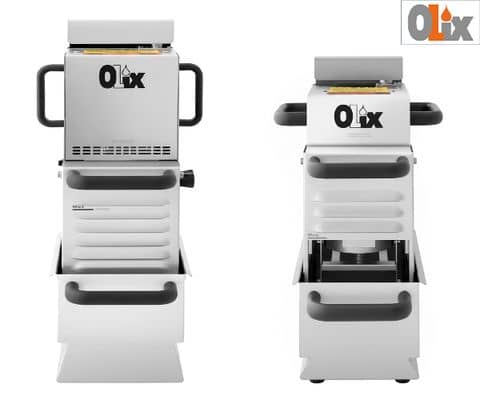
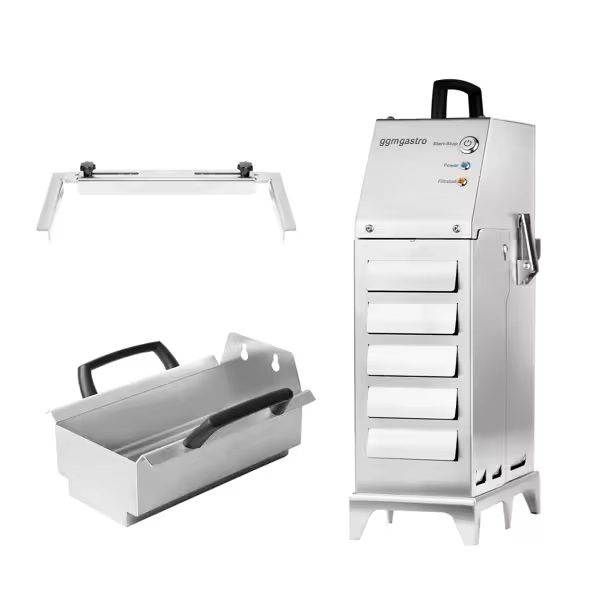
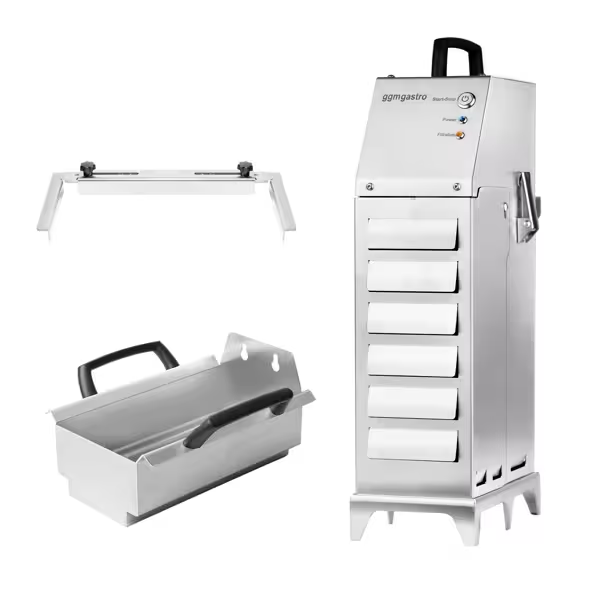
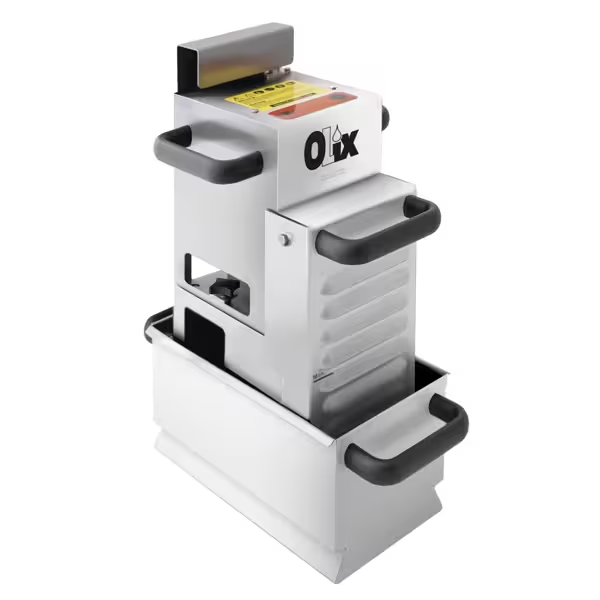
Portable deep-fry oil filters are inserted directly into the deep fryer or used at the respective workstation. Models with a power cord are particularly suitable for permanent workstations with an easily accessible outlet. Battery-powered models offer greater flexibility for moving between multiple fryers and reduce the clutter of cables in the immediate work area.
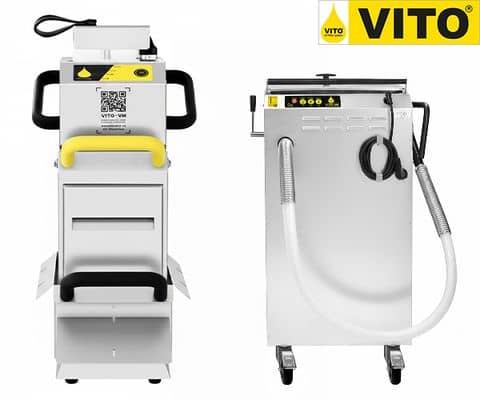
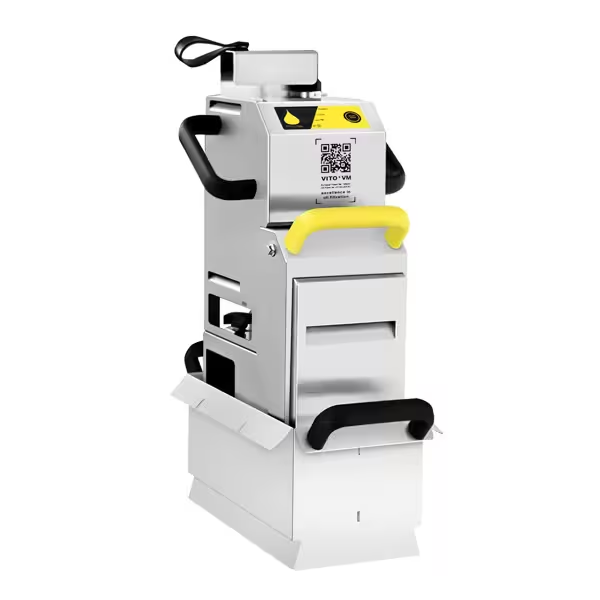
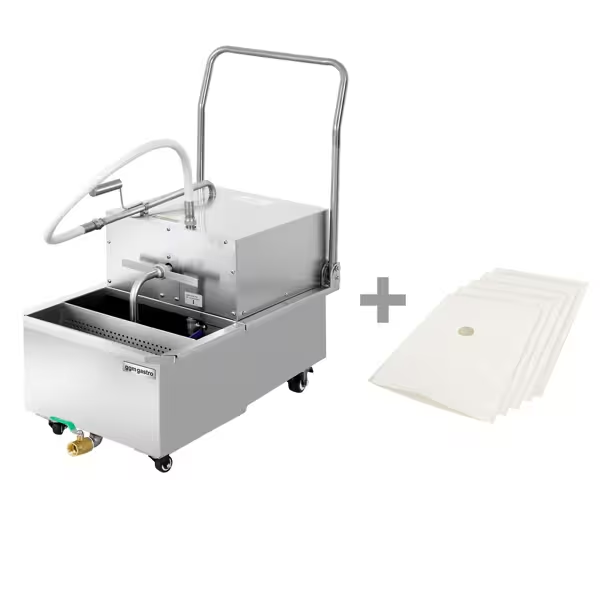
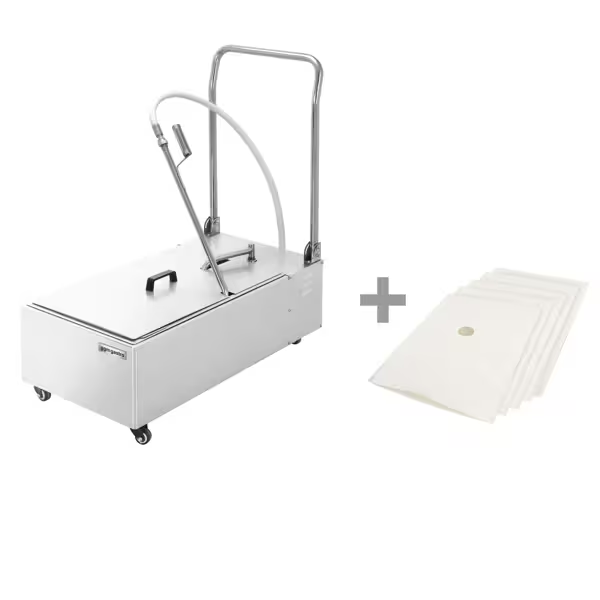
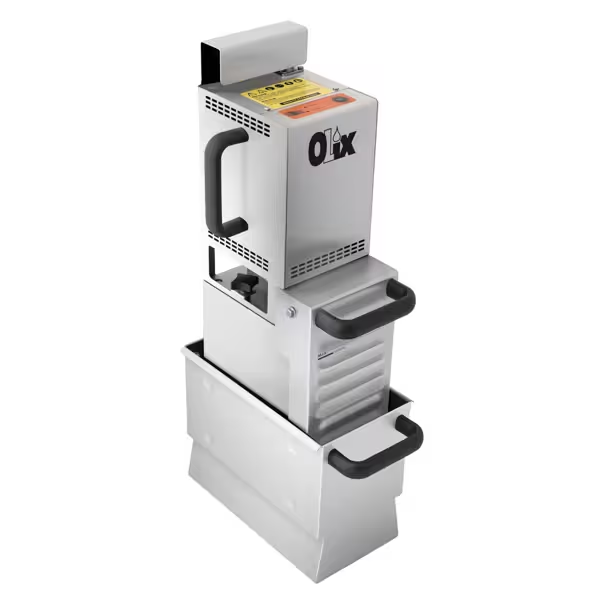
Mobile systems often feature their own filter container, casters, a pump, and, in some cases, a drain valve. They are ideal for larger oil volumes and commercial kitchens but require sufficient space for placement and maneuvering.
In a small snack bar kitchen, a compact unit can be used right next to the sink after the lunch rush. In a larger commercial kitchen, a mobile filter can be used sequentially with multiple fryers. It is crucial that the transport route, storage space, and cleaning procedures are already factored into the workflow.
Quick Check for Product Selection
- How many liters of oil are used per deep fryer?
- How many basins should be filtered using a single unit?
- What filtration capacity fits within the available time frame?
- Is plug-in operation possible, or is greater mobility required?
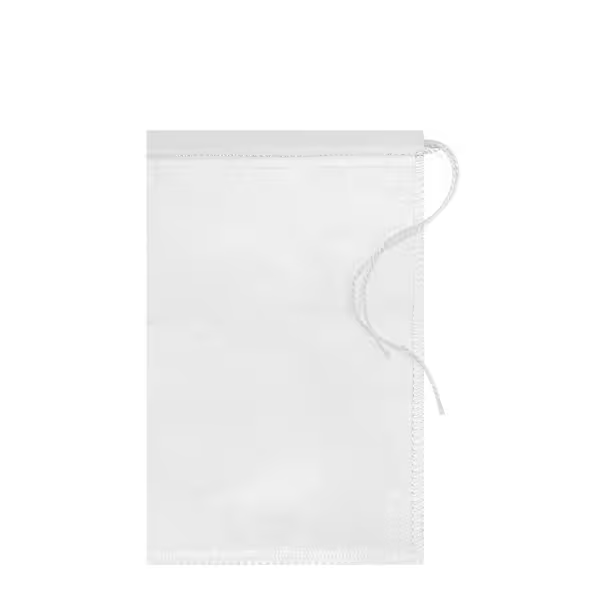
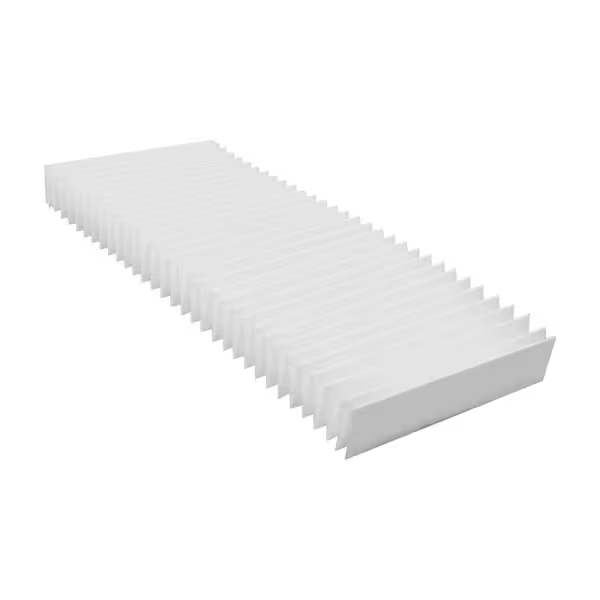
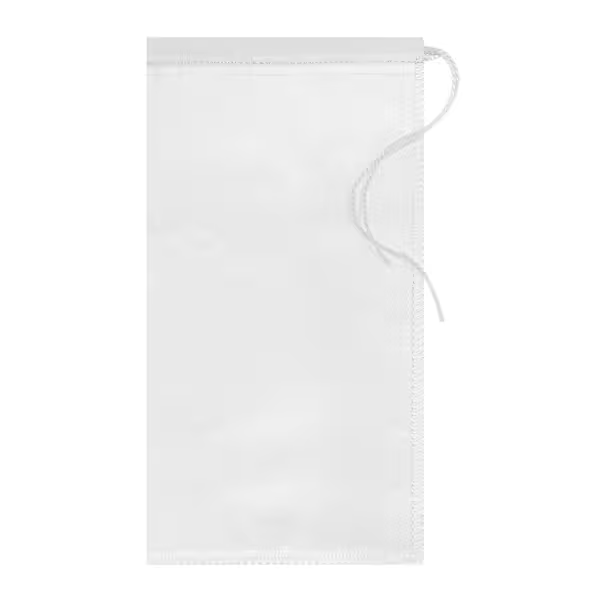
- Are compatible replacement filters and filter papers consistently available?
Hygiene, Cleaning, and Durable Materials
Deep-fryer oil filters regularly come into contact with hot oil, food scraps, and cleaning agents. Stainless steel is therefore the preferred material for many units: Its surface is durable, corrosion-resistant, and relatively easy to keep clean.
For daily use, easily accessible filter areas, removable components, and smooth interior surfaces are advantageous. Handles, casters, hose guides, and closures must also withstand the mechanical stress of kitchen operations.
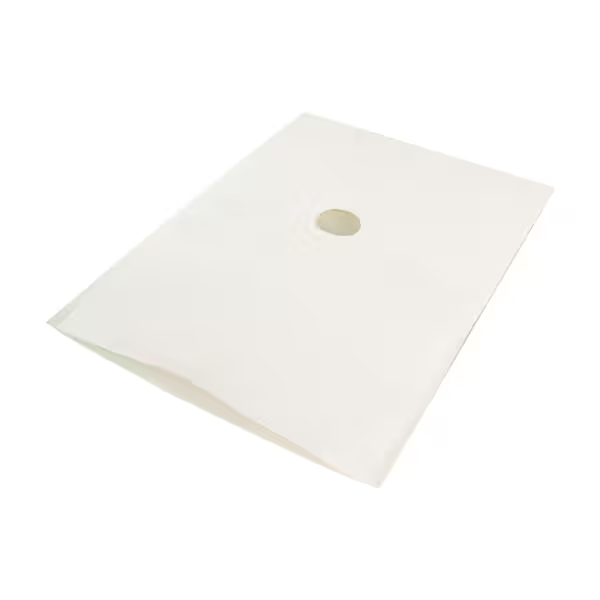
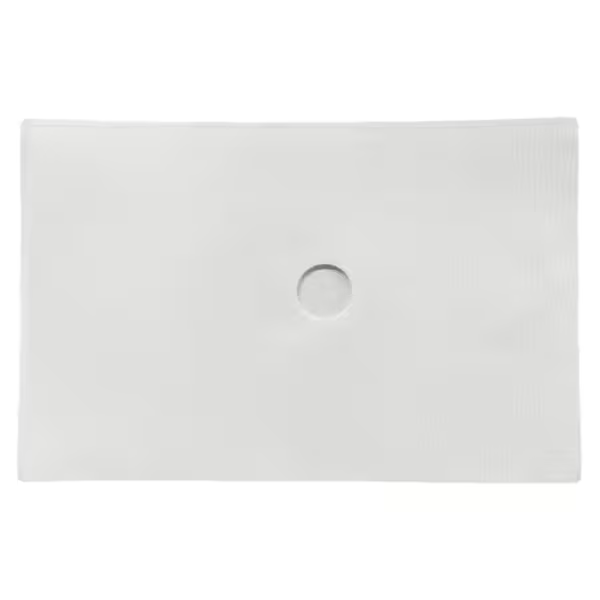
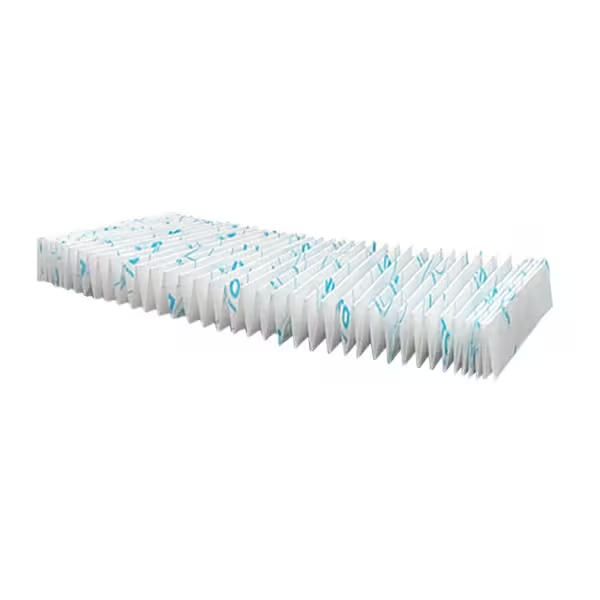
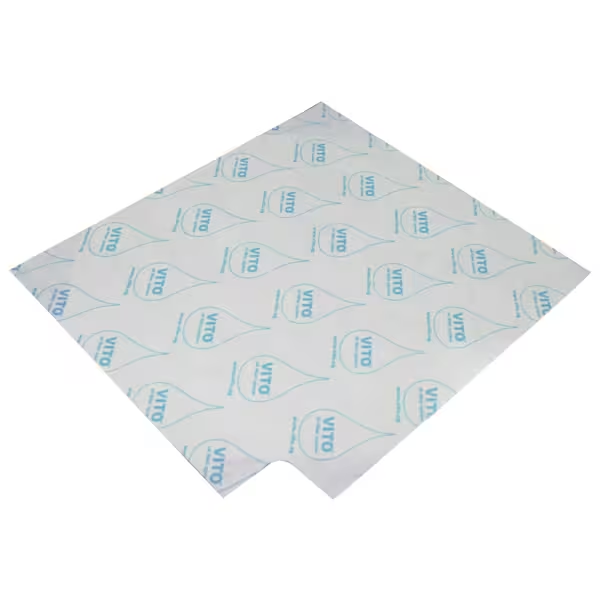
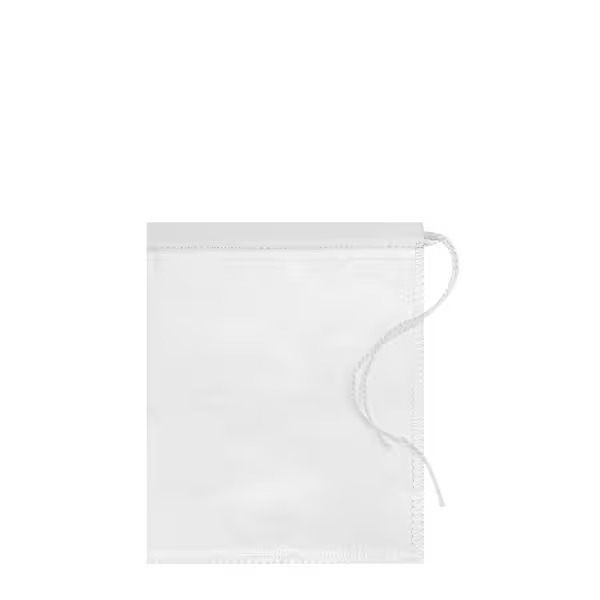
After each use, the filter insert and oil-carrying components should be cleaned according to the manufacturer’s instructions. Residue left in the appliance not only compromises hygiene but can also affect filter performance and the next operation. Before purchasing, it’s also worth checking the compatibility of filter paper, filter pads, or particle filters with the specific model.
Integrate the deep-fry oil filter effectively into the deep-fry station
A filtration unit only reaches its full potential when it is seamlessly integrated into the workflow. This includes a secure location, short distances between the unit and the deep fryer, and a clear routine for filtration, cleaning, and storage.
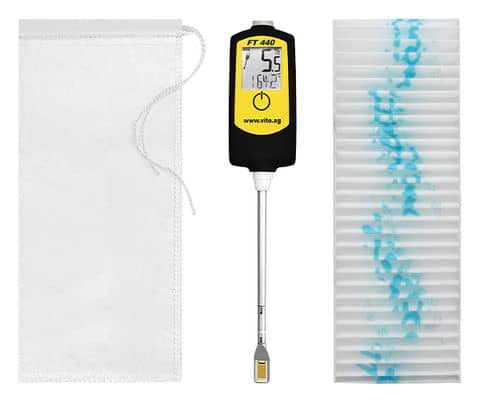
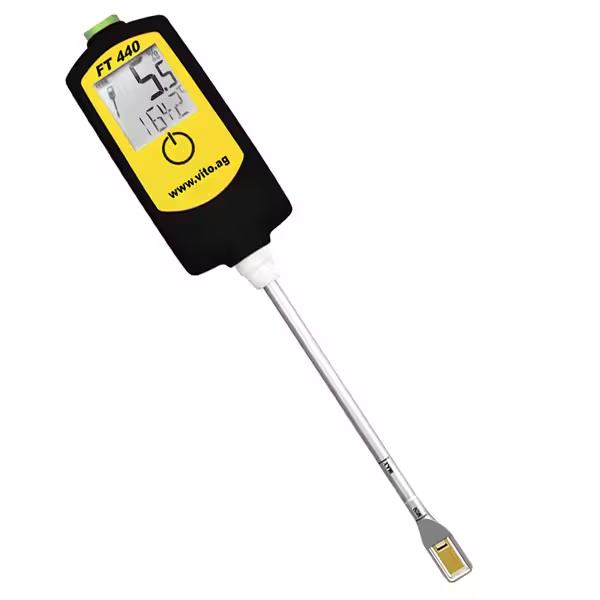
Suitable deep fryers form the foundation of the workstation. Stainless steel cabinets provide heat-resistant work and storage surfaces, while deep fryer accessories such as replacement filters, filter paper, or oil testers complement ongoing oil maintenance. For subsequent cleaning, easily accessible sink units and suitable work areas should also be available.
Especially during peak hours, filtration should not unexpectedly interrupt production. Often, a fixed time slot after a busy service period or during preparation for the next production phase is suitable.
Consider Cost-Effectiveness Over the Entire Lifecycle
The purchase price is only one part of the decision. Other factors include consumables, cleaning time, space requirements, ease of use, and how quickly the unit becomes available again after regular use.
A properly sized frying oil filter can streamline workflows, reduce frequent manual filtering, and facilitate consistent oil treatment. This supports consistent frying results and makes it easier to plan oil consumption. Especially with high throughput, a reliable filtering routine impacts the entire operation of the deep-frying station.
GGM Gastro offers compact, portable, battery-powered, and mobile solutions for this purpose, as well as matching replacement filters and consumables. This allows the filtration system to be adapted to oil volume, facility size, and existing workflows.