


Popcorn & Cotton Candy for Restaurants and Events
Professional popcorn and cotton candy machines are ideal for movie theaters, kiosks, recreational facilities, catering services, and mobile food stands. A variety of power levels, designs, and features allow you to choose the right machine for both fixed and mobile locations. Popcorn & Cotton Candy Guide »


Product type
Power Connection
Capacity
Width
Depth
Height
Price
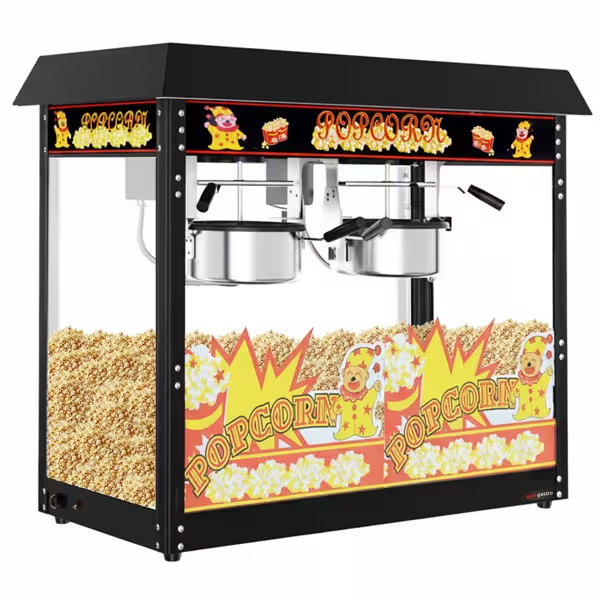

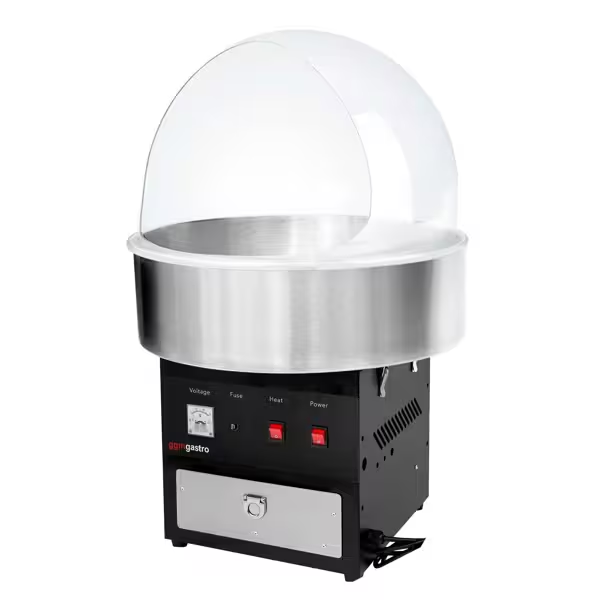
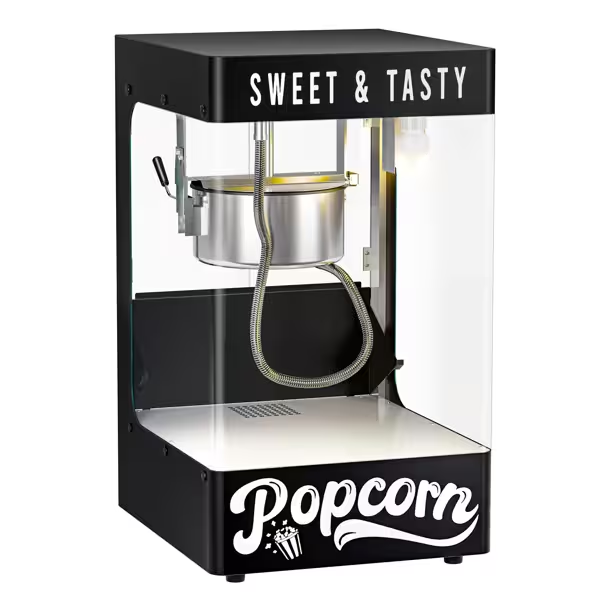

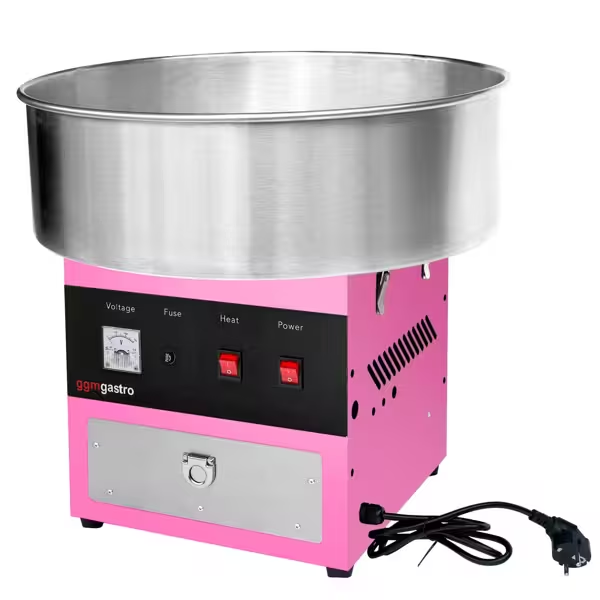


Popcorn & Cotton Candy as a Visible Sales Area
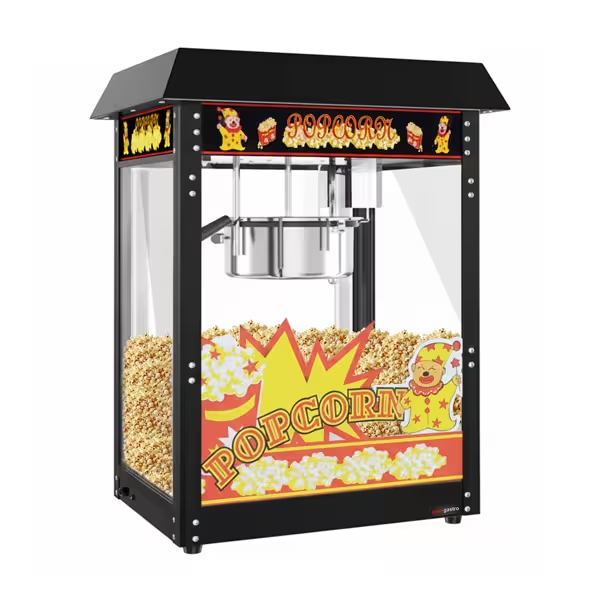
Popcorn and cotton candy machines are professional devices for making and serving classic fun-food products. They are used wherever short production times, a clearly visible preparation process, and quick portioning are required.
Typical locations include movie theaters, amusement parks, indoor playgrounds, kiosks, event venues, Christmas markets, and mobile catering stands. Both product groups require relatively little floor space and can be positioned close to the serving area. This keeps work distances short and allows freshly made portions to be handed directly to guests.
During operation, the practical benefits stem primarily from clear, repeatable processes. Ingredients are prepared, the machine is heated up, and portions are produced in short cycles. For popcorn machines, the size of the kettle, the number of kettles, and production capacity influence the possible throughput. For cotton candy machines, motor power, bowl diameter, and design play a greater role.
Choose power and capacity based on the sales cycle
The right machine size depends not only on the total daily volume but, above all, on the busiest sales periods. Before a movie starts, during intermissions, or during short surges in visitor traffic, it must be possible to serve multiple portions without long interruptions.
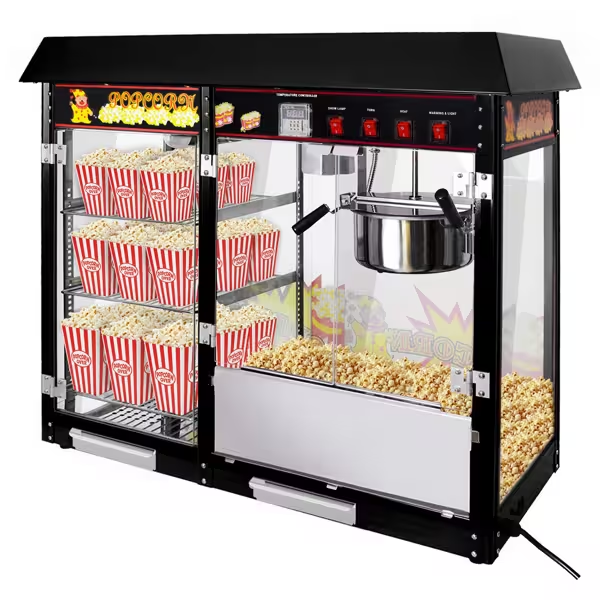
Popcorn machines with a capacity of about 5 kg per hour are suitable for small to medium-sized retail locations. Models with a capacity of up to 10 kg per hour or two kettles offer additional capacity during peak times. Heated trays or warming zones help keep already-made popcorn ready for sale for a short time.
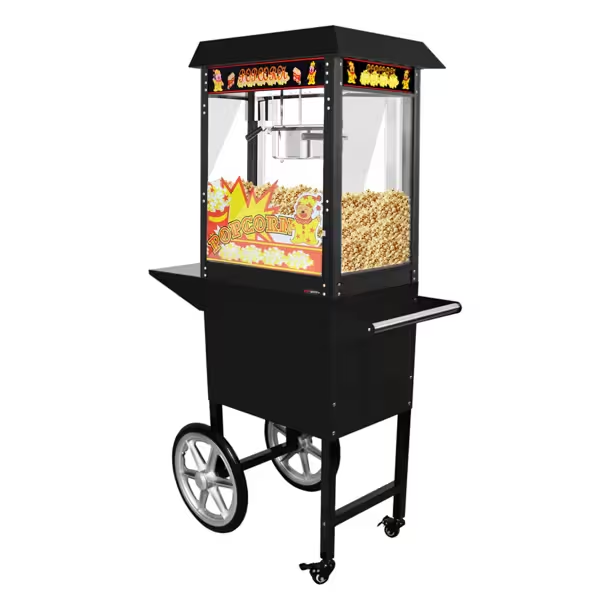
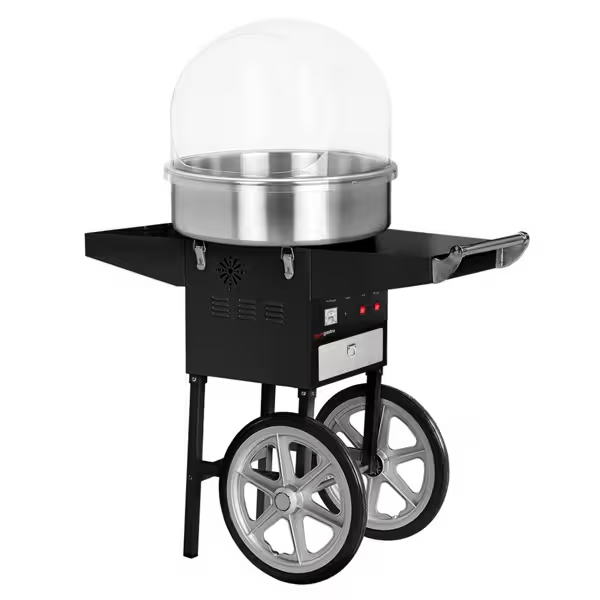
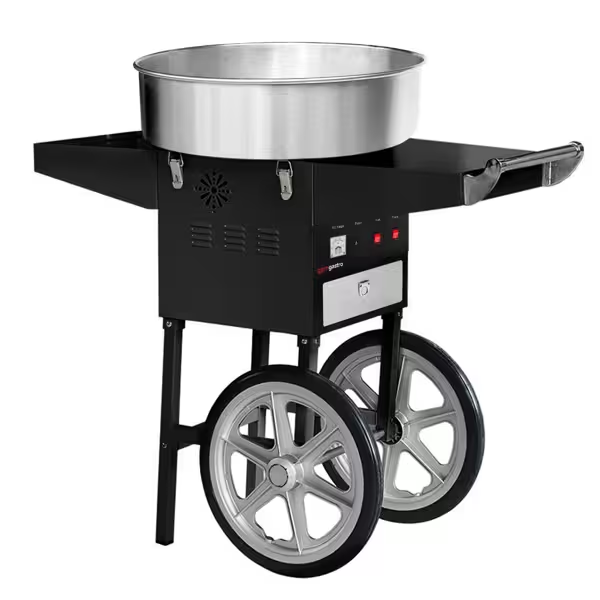
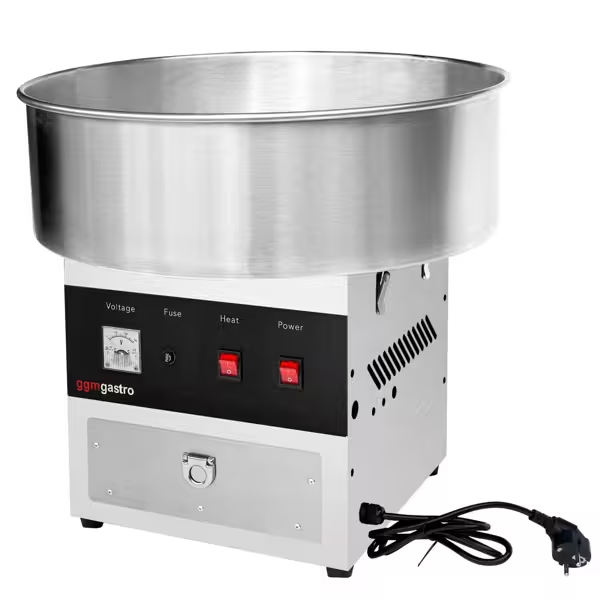
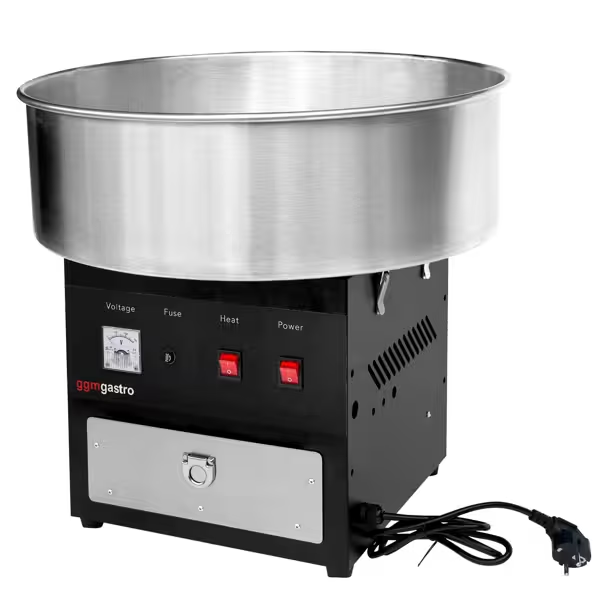
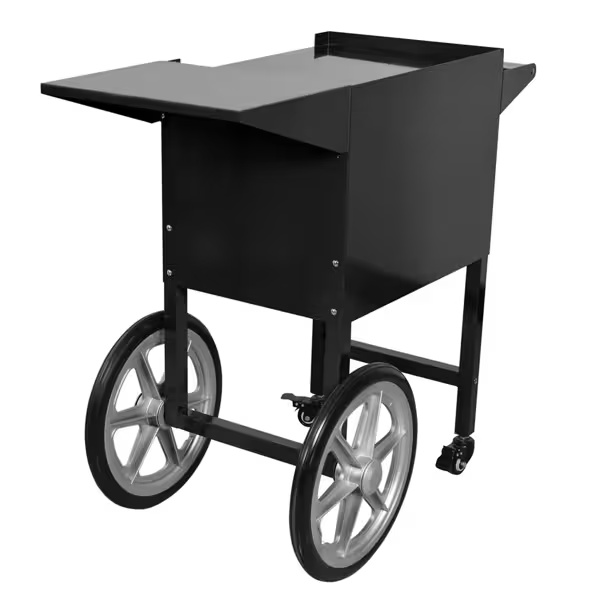
For cotton candy machines, the power rating determines how quickly the machine heats up and how quickly new batches can be produced. Larger stainless steel bowls provide more working space for winding the cotton candy strands. Countertop models are compact and well-suited for fixed counters. Freestanding models with a cart are easier to move between event areas.
Quick Checklist for Choosing the Right Device
- Expected portion sizes during peak sales hours
- Available counter space and working height
- Countertop, freestanding, or mobile model
- Power connection, power rating, and preheating time
- Accessibility for cleaning and protection against contamination
These criteria help prevent selecting equipment that is too small or unnecessarily large. A machine sized appropriately ensures a smooth workflow without requiring more space or power than is actually needed during operation.
Organize Your Workspace and Output Effectively
Popcorn and cotton candy work especially well when production, portioning, and serving are all in the same area. Frequently used supplies should be stored within easy reach, either under or next to the machine. These include popcorn bags, cups, cotton candy sticks, scoops, and suitable storage containers.
A sturdy stainless steel table provides a hygienic and durable surface for tabletop machines. Mobile models require a level surface and sufficient space to move around the kettle or bowl. For open-air sales, a protective cover for cotton candy machines can shield the work area from drafts, dust, and accidental contact.
For outdoor events, wind, humidity, and fluctuating temperatures must be taken into greater consideration. The equipment should be placed in a protected area, and the electrical connections must be suitable for the location. In permanent retail locations, clear placement near the register or serving area facilitates coordination among staff.
Materials, Hygiene, and Daily Cleaning
Stainless steel is frequently used in professional popcorn and cotton candy machines for kettles, bowls, interior surfaces, and housing components. The material is durable, smooth, and can be kept hygienically clean with regular maintenance.
Popcorn leaves behind grease, salt, sugar, and crumb residue. Removable crumb trays, easily accessible interior surfaces, and accessible kettle areas make cleaning quicker. With cotton candy machines, sticky sugar residue primarily builds up on the bowl and spinning head. Cleaning after use prevents hard deposits from forming and makes it easier to start the machine up again.
Always clean the machine only after it has cooled down and been unplugged. Suitable cleaning agents and soft cleaning tools protect smooth surfaces from unnecessary mechanical stress. Additional [cleaning supplies] can be kept right in the sales area without cluttering the workspace.
Integrating Popcorn & Cotton Candy into Your Business in a Cost-Effective Way
The right machine facilitates quick portioning, predictable production cycles, and a clear division of tasks. This is especially helpful when a small number of employees are responsible for sales, preparation, and restocking at the same time.
Cost-effectiveness does not depend solely on the price of the machine. Production volume, labor costs, cleaning time, floor space, and actual sales frequency all play a role. For moderate sales volumes, a compact machine may be a better choice than a larger model. For businesses that regularly host events, however, a more powerful or mobile solution can reduce wait times and frequent production stoppages.
The Right Solution for Fixed and Mobile Setups
When selecting popcorn and cotton candy machines, the most important factors are production capacity, design, space requirements, ease of cleaning, and location. Machines that match the actual sales pace support reliable operations and make work easier during short, intense sales periods.
GGM Gastro offers a variety of models for small counters, permanent retail locations, and mobile event setups. This allows you to configure the equipment to suit the available space, expected throughput, and operational organization.